
REVIEW · SANDTON CITY
Lesedi Cultural Village
Book on GetYourGuide →Operated by Tsalanang Travel Tours · Bookable on GetYourGuide
Some cultures are best understood by being in the middle of them. Lesedi Cultural Village brings you up close to South African traditions through homesteads, performances, and a guided visit in a small group setting, with hotel pickup included.
Two things I really like: the way the tour moves from tribe-to-tribe (Zulu, Xhosa, Pedi, Basotho, and Ndebele) so you can compare how people live and celebrate, and the Boma buffet lunch that makes the visit feel more than just watching. One small catch: pickup timing and communication can be a bit hit-or-miss, so it’s smart to double-check your pickup details the day before.
If you’re lucky enough to get Byron as your guide, that’s another big plus. In one recent tour account, Byron was praised for being calm, friendly, and answering questions well, plus sharing extra context during the drive—exactly the kind of detail that turns a good outing into a memorable one.
In This Review
- Key highlights to focus on
- What Lesedi Cultural Village is (and isn’t) in 5 hours
- Getting there: your pickup window and what to watch
- Entering the village: shopping, amphitheatre, then walking
- The homesteads tour: Zulu, Xhosa, Pedi, Basotho, and Ndebele
- Cultural dancing and performances that actually add context
- Nyama Choma boma buffet lunch: what you’ll eat and why it fits
- Price and value: why $121 might make sense
- The small-group difference: how it affects your day
- Practical tips to get more out of your visit
- Who this tour suits best
- Should you book Lesedi Cultural Village?
- FAQ
- How long is the Lesedi Cultural Village tour?
- What are the tour times?
- What’s included in the tour price?
- How big is the group and what language is the guide?
- What about lunch and drinks?
- Is free cancellation available?
Key highlights to focus on
- Small group capped at 13 people for a more personal pace
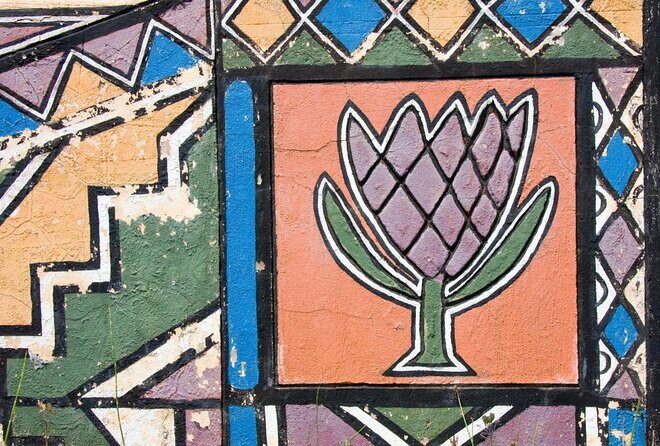
- Homesteads for five tribes: Zulu, Xhosa, Pedi, Basotho, and Ndebele
- Amphitheatre intro video to set context before you walk the village
- Cultural dancing and drumming-style activities that keep things lively
- Lunch at Nyama Choma boma buffet with a range of options included
What Lesedi Cultural Village is (and isn’t) in 5 hours
Lesedi Cultural Village is built for a short, well-structured cultural visit. In about a 5-hour window from pickup to drop-off, you’ll get guided time inside the village plus a meal that fits the theme of the day. It’s not a “live with a family for a week” experience, and it’s not trying to be—this is a curated day trip format designed to pack in understanding without dragging on forever.
The value here is clarity and variety. You get a guided look at multiple cultures in one place, so you can notice differences in homes, customs, and performance styles. That’s especially useful if it’s your first trip to South Africa and you want a fast foundation before you go deeper on your own.
Because it’s English-speaking and paced for a small group, it’s also a good choice when you want to ask questions and get straight answers. And since hotel pickup and drop-off are included, you don’t have to plan transport or timing on your own.
You can also read our reviews of more tours and experiences in Sandton City.
Getting there: your pickup window and what to watch
This tour runs on two schedules: a morning tour from 11h30 to 13h30 and an afternoon tour from 16h30 to 18h30. The whole experience is listed as 5 hours, which usually means you’re factoring in the time for pickup, the drive, and the on-site portion.
Your pickup points include Melrose, Sandton, Kempton Park, and Rosebank. You’ll want to be ready in the hotel lobby about 10 minutes before your scheduled pickup time. That “ready early” habit matters because tours like this work like a well-timed machine—miss the window, and the whole schedule has to adjust.
One practical consideration: a few people noted that they had to confirm pickup details rather than having the tour company initiate the communication. So do yourself a favor—mark your pickup time on your phone and confirm the plan before you head out. It costs nothing, and it prevents stress.
Entering the village: shopping, amphitheatre, then walking
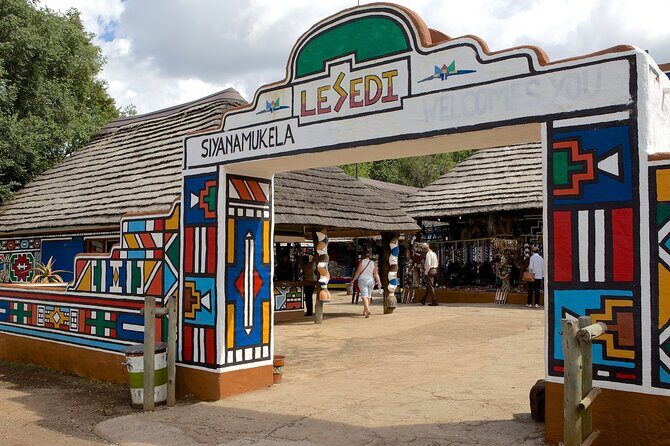
Once you arrive, you start with a chance to browse souvenirs at Lesedi Cultural Village. I like that this isn’t rushed. It’s a low-pressure warm-up while you’re getting oriented, and it gives you something tangible to connect with later.
Then comes the amphitheatre introduction video. It’s a simple but smart step: before you start walking between homesteads, you get a basic framework for what you’re about to see. That makes the guided tour more meaningful because you’re not trying to decode everything on the spot.
From there, you’ll head into the village for the guided cultural tour, with walking time built in. This is where the tour does its real work: turning general cultural ideas into specific examples you can observe as you go—homes, daily life themes, and the kinds of traditions that get performed for visitors.
The homesteads tour: Zulu, Xhosa, Pedi, Basotho, and Ndebele
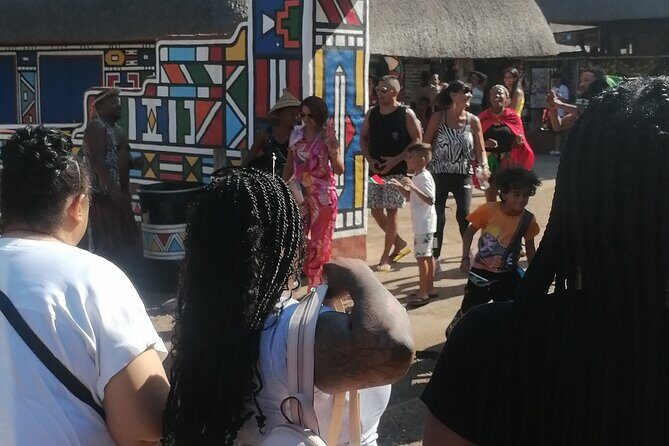
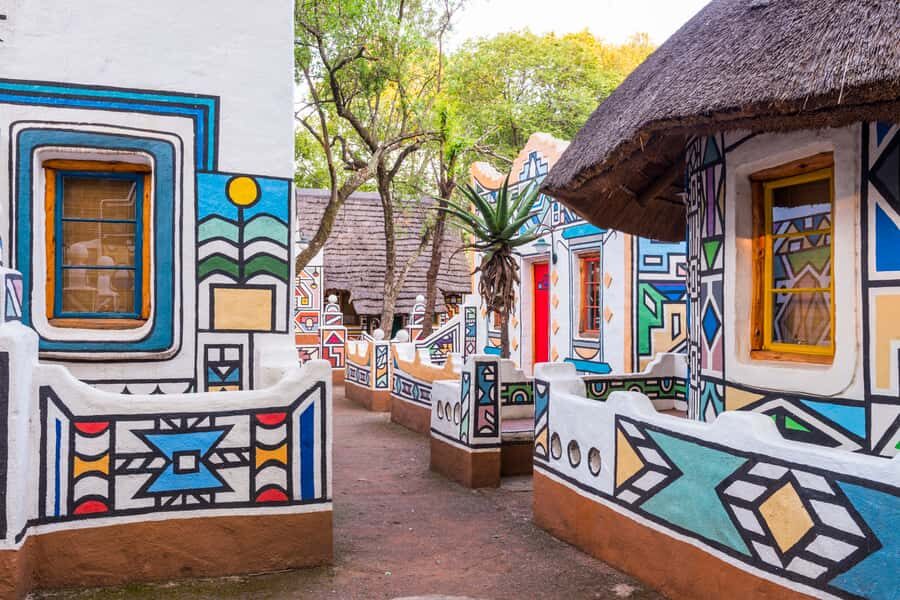
The centerpiece is the visit to different traditional homesteads, each associated with a South African tribe: Zulu, Xhosa, Pedi, Basotho, and Ndebele. Seeing multiple homesteads in one outing is the main way you learn faster here. Instead of treating each culture like a separate trip, the tour helps you compare.
As you move through the villages, pay attention to how people describe homes, community roles, and cultural customs. You’ll also hear about how these traditions are tied to identity and history—at least in the way the guide explains it during your visit. If you like learning by observation, this format suits you well: you’re seeing built spaces and then hearing what they represent.
One smart approach: ask your guide one question per homestead. For example, you can focus on how daily life and community gathering are described, or how specific performance traditions fit into the culture. In one praised tour experience, the guide was noted for being helpful and answering questions calmly—don’t be shy about using that.
Cultural dancing and performances that actually add context
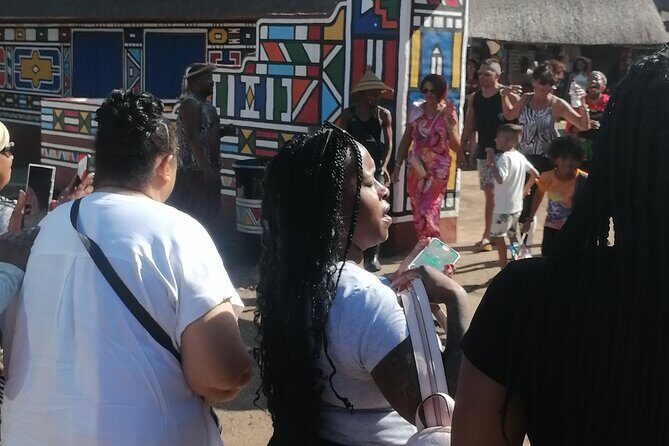
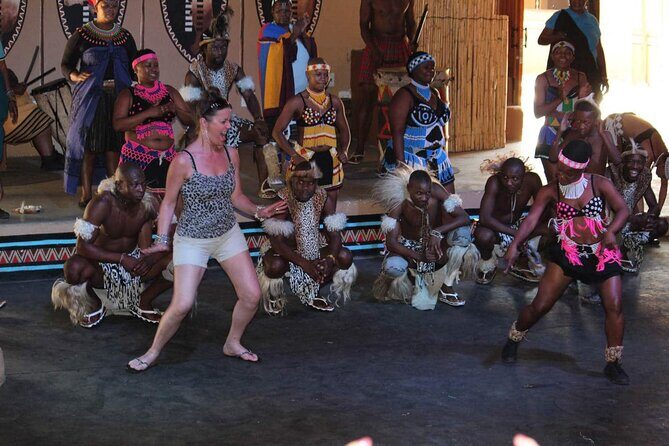
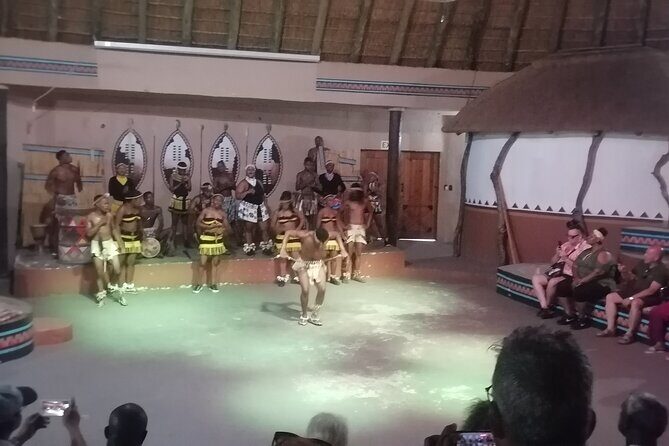
A big part of why people enjoy this tour is the performance element: cultural dancing and related activities. This isn’t just entertainment; it’s a way many communities express identity, celebrate events, and pass on traditions. The tour includes a show that typically wraps the experience, so the performances land like a final chapter after you’ve already seen the homesteads.
When the guide is strong, the dancing feels like it has meaning instead of being random. That’s why the guide matters so much here. One recent guide example, Byron, was singled out for being positive and informative, and that kind of tone can help you connect with what you’re seeing without turning it into a checklist.
If you’re thinking of bringing kids or a group of friends, performances are also a practical win. They make the visit feel like an event, not an hour-long lecture. Just be ready for the fact that the show is part of the package, so plan to stay engaged through the end.
Nyama Choma boma buffet lunch: what you’ll eat and why it fits
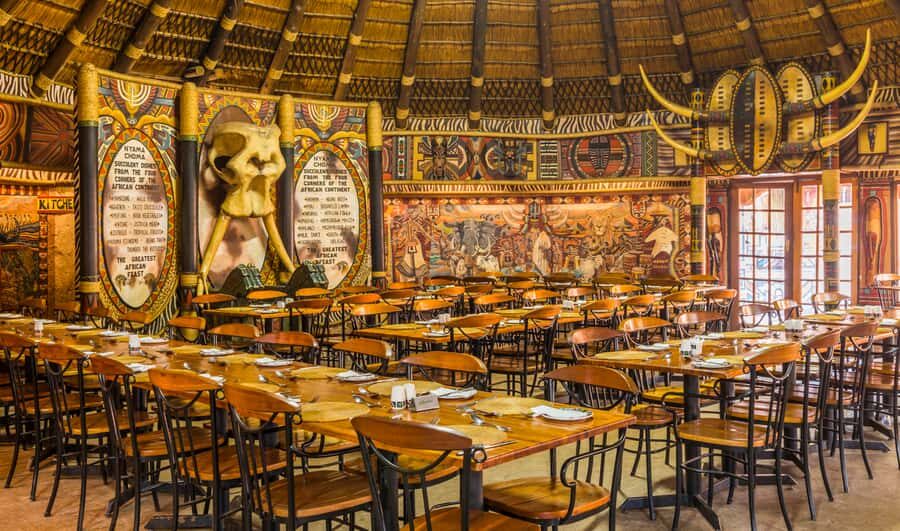
Lunch is a core part of the experience, not an afterthought. You’ll have a boma buffet lunch at the Nyama Choma restaurant, and it’s included in the tour price. Drinks are separate, listed as at your own cost.
I like this arrangement because it ties the meal to the cultural setting. Buffets are also practical on tours: you don’t waste time negotiating menus, and you can choose what sounds best from what’s offered. In a praised account, the food was described as absolutely amazing, and the lunch buffet had a range of options, which is exactly what you want if you have different tastes in your group.
Here’s how to make lunch work for you: arrive ready to pace yourself. The on-site portion includes guided walking and activities, so you’ll probably work up an appetite. Also, keep an eye on drinks if you’re budgeting—since drinks aren’t included, they can quietly add up.
Price and value: why $121 might make sense
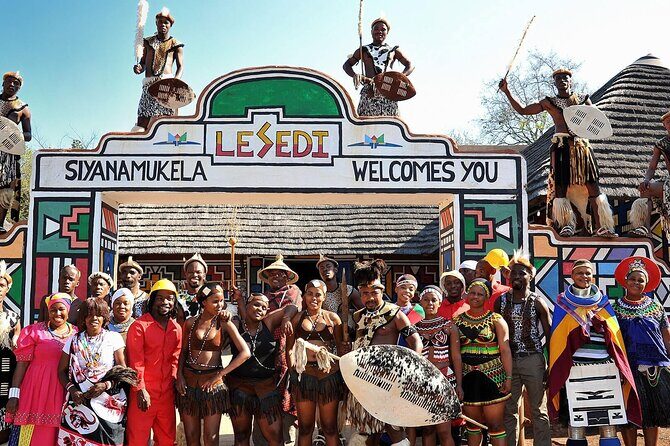
At about $121 per person for a roughly 5-hour experience, the cost can feel steep at first glance. But here’s what you’re paying for, in plain terms:
- Hotel pickup and drop-off from multiple neighborhoods
- Entry tickets
- Lunch (buffet) included
- A live English-speaking guide
- A small group size (limited to 13)
If you were to try to replicate this on your own—getting transport, paying for entry, and booking a guide for a structured visit—you’d likely spend more time and often more money. The small group part matters too: with fewer people, it’s easier for the guide to answer questions and keep the pacing smooth.
My advice: if you’re the type who enjoys guided learning and wants a single, organized cultural stop, this price tends to feel fair. If you only want a casual glance and you hate schedules, you might prefer slower, self-paced options. But for a first-timer seeking cultural context in a tight window, the math works.
The small-group difference: how it affects your day
Small groups aren’t just a comfort perk; they shape the quality of your visit. With up to 13 participants, you typically get more space to move, more chances to ask questions, and a guide who can manage the flow without shouting over a big crowd.
That’s where the best tour moments happen: when the guide answers questions and adds context beyond the basic tour script. In one highlighted experience, the guide was described as calm, humble, and friendly, and that kind of demeanor can make you feel comfortable asking things that you genuinely wonder about.
So if you care about conversation, not just sightseeing, pick the timeslot that fits your energy. Morning can be great if you prefer earlier starts and a straightforward day. Afternoon can feel nicer if you like a slower morning and want your cultural highlight to sit later in the day.
Practical tips to get more out of your visit
If you want this to feel worth it, focus on doing a few small things right.
Bring a basic layer. Even in warm regions, evening air can shift quickly, and you’ll be outside during the walking and activities. Wear shoes you don’t mind getting a little dusty.
Come with 2–3 questions ready. For instance: what the guide says about how traditions are practiced, how homesteads relate to community life, or how performances are explained within the cultural context of each tribe.
And plan your lunch budget mindset. Lunch is included, but drinks cost extra. If you’re ordering anything beyond water, make a choice before you’re standing there deciding under pressure.
Who this tour suits best
This is a great fit for first-time visitors who want structured cultural learning in a short time. It also works well for people who want a guided experience but don’t want a huge group atmosphere.
It’s especially suitable if you’re interested in:
- culture and traditions explained by a live English-speaking guide
- seeing multiple tribes in one visit (Zulu, Xhosa, Pedi, Basotho, Ndebele)
- ending with cultural dancing and a shared meal
If you prefer totally self-guided travel, or you want to spend long hours at one site, you may find the pacing a bit tight. But if you’re trying to make the most of a limited time window, this format is built for you.
Should you book Lesedi Cultural Village?
I’d book this if you want a guided, small-group introduction to several South African cultural traditions in one efficient outing. For many visitors, the standout parts are the guide’s ability to explain and answer questions and the overall flow—homesteads, performances, and then lunch at Nyama Choma boma buffet.
I’d think twice if you hate schedules, dislike walking in short bursts, or you’re looking for a deep, long-form cultural experience that replaces independent exploration. This tour is designed to teach quickly and leave you feeling informed, not to replace longer travel.
If you’re ready for an organized cultural day with a meal and a show, Lesedi Cultural Village is a strong value play at $121—especially because pickup, entry, and lunch are bundled into the price.
FAQ
How long is the Lesedi Cultural Village tour?
The experience is listed as 5 hours total, with on-site time at the village for guided activities and lunch.
What are the tour times?
There are two departure windows: a morning tour from 11h30 to 13h30 and an afternoon tour from 16h30 to 18h30.
What’s included in the tour price?
The tour includes hotel pickup and drop-off, entry tickets, and lunch.
How big is the group and what language is the guide?
It’s a small group limited to 13 participants, and the tour guide speaks English.
What about lunch and drinks?
Lunch is a boma buffet at the Nyama Choma restaurant and is included. Drinks are at your own cost.
Is free cancellation available?
Yes. You can cancel up to 24 hours in advance for a full refund.