REVIEW · CAPE TOWN
Marine Big 5 Safari with transport from Cape Town
Book on Viator →Operated by Marine Dynamics Whale Tours · Bookable on Viator
Whales and sharks start with an early pickup. This Marine Big 5 cruise out of Cape Town aims for sightings of the African penguin, Cape fur seal, great white shark, dolphin, and whale, with an onboard biologist to translate what you’re seeing into real behavior and biology. I love the way the day is built around expert interpretation, not just watching from the boat. I also love the thoughtful food rhythm: coffee and muffins before you head out, then a warm meal after. One possible drawback is the logistics: you’re in the van for a big chunk of the day, so this is more marathon than quick hop.
If you go, plan to be comfortable with the sea. The tour includes wet weather gear and inflatable life-jackets, and the crew manages safety closely (they run with a ratio of about one crew member for every 6–7 guests). I also like that the education is specific enough to make sightings stick, including a biologist named Kelly mentioned in the onboard guidance, plus conservation-minded moments like picking up plastic on the route when conditions allow.
In This Review
- Key points to know before you go
- Marine Big 5 from Cape Town: worth the long day?
- Marine Dynamics crew and biologist talks: what you’ll actually learn
- The early rhythm: pickup, the harbor prep, and the Great White House moment
- Dyer Island and Shark Alley: your best shot at the Marine Big 5
- What the boat time feels like: weather, sea motion, and your comfort plan
- After the boat: warm soup, a food win, and a chance to reset
- APSS: the penguin and seabird sanctuary stop you shouldn’t skip
- Dolphins, whales, and sharks: how season and luck shape the odds
- Group size and crew attention: why it feels organized on the water
- Price, value, and who should book this Marine Big 5 safari
- Should you book? My take on making the call
- FAQ
- What animals are included in the Marine Big 5 focus on this tour?
- How long are you on the water during the cruise?
- Does the tour include hotel pickup and drop-off in Cape Town?
- What food and drinks are included during the day?
- Is the African Penguin & Seabird Sanctuary (APSS) included, and how much time do you get there?
- What safety and weather gear comes with the tour?
- What happens if the tour is canceled due to weather?
Key points to know before you go
- Marine Big 5 focus from Dyer Island: the route is designed for sightings of penguins, seals, sharks, whales, and dolphins.
- Onboard biologist-led interpretation: you’re not left guessing what you’re looking at.
- Comfort perks with a real purpose: hot soup and bread/lasagne after the trip help you thaw out if it’s cold or choppy.
- Safety is a priority: inflatable life-jackets plus wet weather gear come with the booking.
- APSS is included: you get a free stop at the African Penguin & Seabird Sanctuary (APSS).
- Expect a long travel day: the boat time is only part of the total experience.
Marine Big 5 from Cape Town: worth the long day?
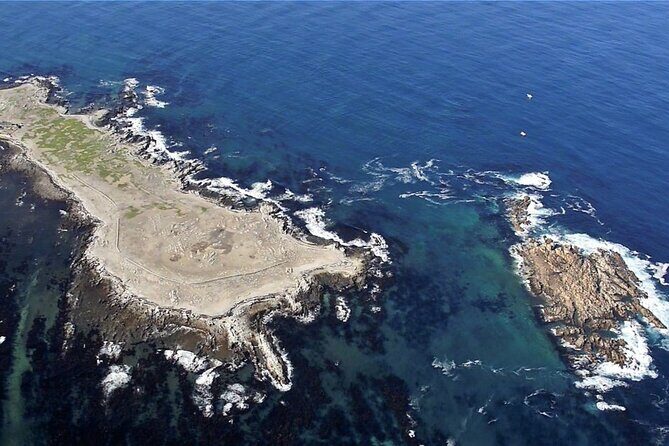
This trip is built for one thing: giving you a strong chance to see Africa’s marine stars in the wild. You head from Cape Town to the Dyer Island area on a guided outing run by Marine Dynamics Whale Tours, and the payoff is the boat time where the action happens. The experience lasts about 10 hours total, but it helps to think of it as two halves: the sea portion (where you’re searching) and the land portion (where you’re traveling, briefing, eating, and resetting).
Is it a bargain? At about $181.74 per person, it’s not a budget outing. But the price includes the stuff that usually adds cost elsewhere: hotel pickup and drop-off, life-jackets and wet weather gear, a professional guide with onboard interpretation, bottled water, and meals that keep you going through an early start. On top of that, you also get a free visit to APSS. When you add up all those built-in pieces, it becomes easier to see the value, especially if you don’t want to plan penguin time and whale time separately.
The biggest “consideration” is how you spend your hours. Reviews and details point to a long drive and early departures. If you’re the type who wants a relaxed morning, this may feel like a wake-up-and-go mission. If you’re okay with that, then the day’s structure works: you use the road time to get oriented, then you’re ready for the boat search.
A few more Cape Town tours and experiences worth a look
Marine Dynamics crew and biologist talks: what you’ll actually learn
What sets this safari apart is the onboard scientist angle. The tour is guided by an onboard marine biologist and an experienced crew, and the goal is education that connects behavior to environment. Instead of just hearing broad facts, you’re guided through what animals do and why they’re there.
This matters because marine wildlife watching is full of “is that what I think it is?” moments. When the biologist explains things in the moment, you’re more likely to notice patterns: when a whale is feeding versus traveling, how seals use specific areas, and why sharks appear in certain zones. A biologist named Kelly is specifically referenced in the onboard guidance, which is a good sign that the team runs with an identifiable expert rather than a generic script.
The crew also handles the practical stuff well. There’s a stated safety model (about one crew member to every 6–7 guests). You’ll be briefed for the boat, and you get inflatable life-jackets and wet weather gear so you’re not left improvising in the cold.
The early rhythm: pickup, the harbor prep, and the Great White House moment
Your day starts with transportation from Cape Town. The tour includes pickup and drop-off, and you should expect the timing to revolve around the boat schedule rather than a leisurely late morning. This is one of the reasons the day feels intense. It’s also why the early food matters.
Before you set out, you’ll arrive at the operating area and receive coffee or tea along with muffins, with safety and conservation context shared before boarding. This is a smart setup. You get warm liquids in your system, you eat something that won’t sit badly, and you’re mentally ready for what the sea can do to your pace.
There’s also a stop tied to the Great White House Restaurant in Gansbaai. The way it functions in the flow is basically: brief, board, search, then refuel and regroup after. After the boat portion, you’re served warm soup and bread/lasagne. That’s not just comfort food; it’s a practical recovery plan. On a cold, windy day, being warm again changes the whole vibe of the afternoon.
Dyer Island and Shark Alley: your best shot at the Marine Big 5
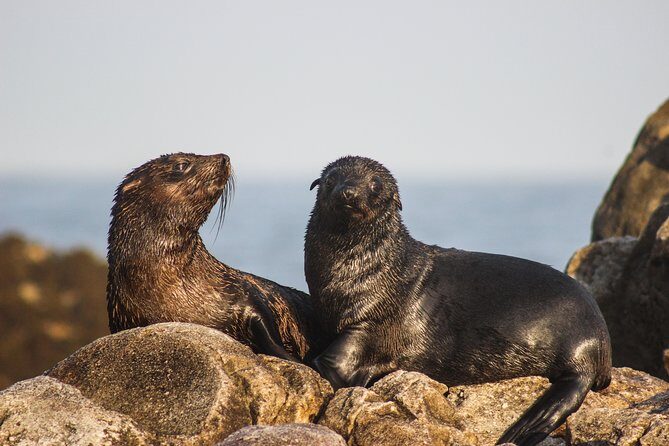
Once you’re on the water, the tour’s heart begins: cruising around Dyer Island with the goal of spotting the “Big 5” marine lineup tied to this region. The area is known for a mix of whales, sharks, Cape fur seals, and seabirds, plus the endangered African penguin.
Here’s what the tour is built to target:
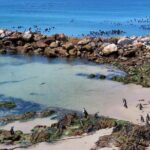
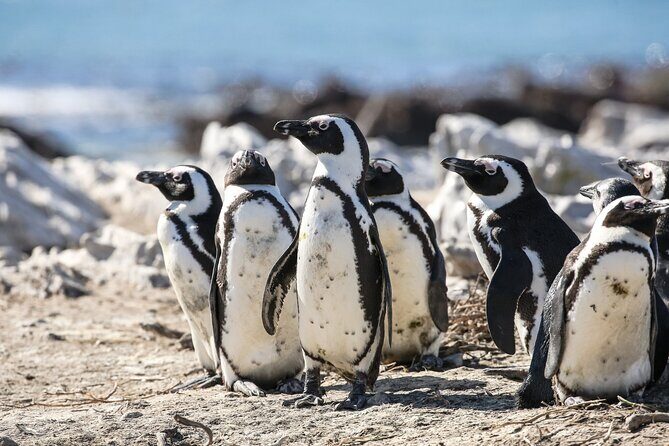
- African penguin sightings in the Dyer Island area
- Cape fur seals around the island and nearby waters
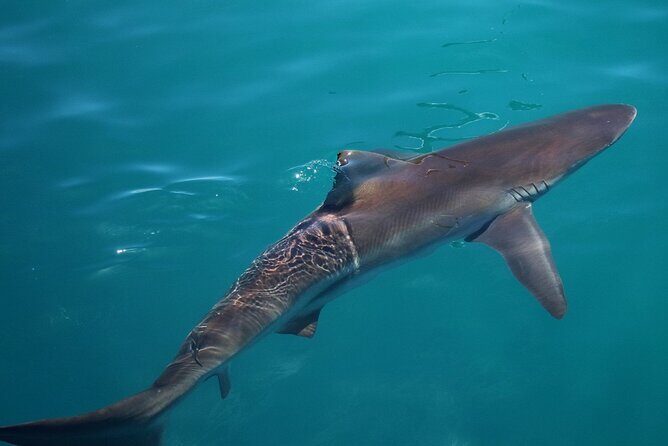
- Great white sharks near Shark Alley
- Dolphins that may be present depending on conditions
- Whales such as southern right, humpback, or Bryde’s whales
Whale season timing is worth paying attention to. Southern right whales are most expected from June to December. Outside that window, the tour notes that humpback and Bryde’s whales can still show up occasionally. That doesn’t guarantee anything, but it gives you a real way to calibrate expectations based on when you’re traveling.
Sharks are the other big reason people book. Shark Alley is part of the region’s reputation, and the tour’s route is shaped around that chance. Some departures are reported with strong shark viewing, while other departures have less action. That’s the nature of ocean wildlife, not a flaw in the operation. What you can control is whether you’re prepared for variable results.
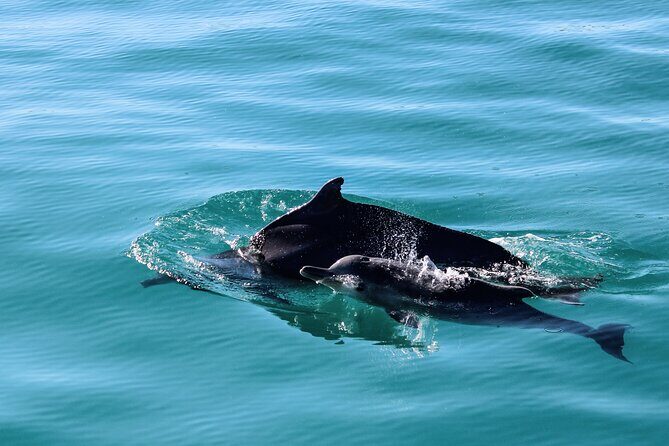
And yes, dolphins can be hit-or-miss. Some people get them; others don’t see them on a given day. The tour’s “search” focus is accurate: you’re not promised a dolphin sighting, but you are actively looking for signs of them during the run.
What the boat time feels like: weather, sea motion, and your comfort plan
The boat portion runs about 2 to 2.5 hours, excluding transfer and briefing time. That shorter on-water window is exactly why the earlier food and the gear matter. A lot can happen quickly out there, and when conditions turn rough, you feel every wave.
Choppy water is common enough that you should treat seasickness as a real possibility. Even with crew experience and safety gear, the ocean is the ocean. If you’re sensitive, consider bringing anti-sickness medication. One traveler specifically mentioned meclizine taken in advance and being fine afterward, which is practical advice if you know you get motion sickness.
Cold can also sneak up on you. Even if Cape Town itself feels mild, wind chill at sea changes things fast. The tour provides wet weather gear, which helps. Still, wearing layers you can adjust is smart, and it’s a good idea to bring a warm layer you’ll actually keep on.
If the sea is rough, the crew response is part of the value. In the supplied information, the crew is described as attentive to those who needed help, and the safety process is taken seriously. This reduces the “panic factor” when the waves show up.

After the boat: warm soup, a food win, and a chance to reset
The return is when the tour earns a lot of trust. You don’t just drift back and hope for the best. You get warm soup and bread/lasagne after the boat trip, plus bottled water and tea/coffee included as part of the flow.
Food here serves two purposes:
1) It helps you recover from the cold and motion
2) It turns the day into a complete experience instead of just an animal hunt
This kind of “you’ll be taken care of” structure matters on a long day. If you’re traveling from Cape Town, you probably didn’t wake up planning to forage for meals at 11 a.m. That’s why the food rhythm is one of the most praised elements.
There’s also a conservation-minded tone around the outing. One reported moment was the crew stopping to pick up plastic. Even if you don’t see that exact action, the tour positions conservation as part of the experience, not just a line in the brochure.
APSS: the penguin and seabird sanctuary stop you shouldn’t skip
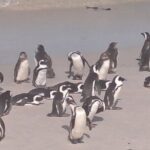
The African Penguin & Seabird Sanctuary (APSS) is included as a free visit. The time on this stop is short—about 15 minutes—so think of it as a focused glance that pairs well with what you saw on the water.
Why it’s valuable: it connects wildlife viewing to real-world conservation work. APSS is described as a marine bird rehabilitation center in the Overstrand area. They provide temporary rehabilitative care to diseased, displaced, injured, oiled, and abandoned marine birds, with a special focus on the endangered African penguin.
Even in a short visit, you can get a sense of how human impacts create problems for seabird colonies, and how rehabilitation and release fit into conservation management. This kind of stop is also a nice emotional bookend. On the boat, you’re chasing wild behavior. At APSS, you learn how recovery efforts try to protect the animals behind those sightings.
Dolphins, whales, and sharks: how season and luck shape the odds
Let’s be honest: wildlife watching always includes luck. This tour does a lot right to improve odds, but it can’t control the ocean. Still, you can stack the deck.
For whales, use the season guidance. Southern right whales are normally from June to December, while humpbacks and Bryde’s whales can appear outside that window. If you’re traveling during the main southern right period, you’re working with the region’s best timing.
For sharks, the tour’s structure around Shark Alley is the key factor. If conditions cooperate and the team finds the right area, great white sightings can be excellent. When shark sightings don’t happen, you can still see other marine life like seabirds, seals, and penguins, since the region’s ecology is active even when a specific animal is quiet.
Dolphins are the most variable in many whale-watching itineraries, and this one is no different. Some departures report dolphin sightings; others do not. If dolphins are a must-have for you, you might want to bring flexible expectations and keep your plan open for other coastal sightings while you’re in the Cape Town area.
Group size and crew attention: why it feels organized on the water
This safari limits the group size to a maximum of 45 travelers. That’s important because boat operations get crowded fast. A smaller group also helps the crew manage safety and keep everyone informed during spotting moments.
The crew-to-guest support level is also strong: one crew member to look after 6–7 guests. In plain terms, that means you’re not lost in the shuffle. You’ll get help when you need it, and safety checks are more likely to feel personal rather than rushed.
Also, the tour includes inflatable life-jackets and wet weather gear. That reduces friction. You’re not hunting for rentals at the last minute, and you’re more likely to step on board ready to move with the boat safely.
Price, value, and who should book this Marine Big 5 safari
The starting price of $181.74 per person feels steep until you look at what’s included. You’re paying for:
- Transport from Cape Town with pickup and drop-off
- Guided boat wildlife viewing in the Dyer Island area
- Onboard biology interpretation plus a professional crew
- Meals and drinks (coffee/tea and muffins before, warm soup and bread/lasagne after, plus bottled water)
- Safety gear (life-jackets and wet weather gear)
- A free APSS visit
That’s a lot of “already handled” value for a single day. It’s also a good deal if you’d otherwise have to pay separately for a boat tour and a penguin sanctuary visit.
This tour is best for you if you want:
- A wildlife-focused day with real explanations
- A chance at sharks plus whales plus penguins, all in one outing
- Comfort with early starts and cold ocean air
- A guided structure that keeps the day from feeling chaotic
It may not be your match if you hate long drives, get carsick easily, or refuse any chance of seasickness. If you’re fine with prep (layers, motion sickness plan), you’ll likely enjoy it more.
Also note the tour says most travelers can participate, but children must be accompanied by an adult. If you’re traveling with kids, it’s worth planning for motion and cold.
Should you book? My take on making the call
If you’re coming to Cape Town and you want one high-effort wildlife day, this Marine Big 5 safari is a solid choice. It’s built around Dyer Island and Shark Alley, it includes an onboard biologist to help you understand what you’re seeing, and it finishes with warm food and an APSS stop that connects the sightings to conservation work.
Book it if you can handle an early pickup and a long travel day, and if you’re okay with the ocean’s unpredictability. Book it especially if sharks and whales are top priorities, because the tour’s route and timing are set up for those targets.
Skip it if your schedule can’t handle the time sink, or if you’re not prepared for choppy conditions and cold wind. In that case, you could consider a more local and shorter outing while you’re in Cape Town.
FAQ
What animals are included in the Marine Big 5 focus on this tour?
This tour is designed around Africa’s Marine Big 5, including the African penguin, Cape fur seal, great white shark, dolphin, and whale.
How long are you on the water during the cruise?
The boat and wildlife portion is about 2 to 2.5 hours, excluding travel time and the briefing time.
Does the tour include hotel pickup and drop-off in Cape Town?
Yes. Hotel pickup and drop-off are included, and it’s offered as part of the experience.
What food and drinks are included during the day?
You get bottled water, coffee or tea and muffins on arrival, and warm soup plus bread/lasagne after the trip.
Is the African Penguin & Seabird Sanctuary (APSS) included, and how much time do you get there?
Yes. A free visit to APSS is included, and the stop is listed as about 15 minutes.
What safety and weather gear comes with the tour?
You’re provided with inflatable life-jackets and wet weather gear for the boat trip.
What happens if the tour is canceled due to weather?
The experience requires good weather. If it’s canceled due to poor weather, you’ll be offered a different date or a full refund.