REVIEW · CAPE TOWN
Off the Beaten Track in Cape Town: Private City Tour
Book on Viator →Operated by Withlocals · Bookable on Viator
District Six hits you in the chest. This private tour connects that painful history with the way Cape Town is living now, from street-level context to food stops in Woodstock. You’ll get a local host and a private route through District Six and Woodstock, plus real-world pointers that help you understand what you’re seeing.
What I like most is the mix of history with places you can actually taste, like a bakery stop and the Old Biscuit Mill area. I also like the pacing: short, focused stops so you don’t feel stuck inside a museum. One thing to consider: the District Six story can come in quick highlights, so if you crave deeper detail, you’ll want to ask your guide for more.
You start at District Six and end in Woodstock, which is a smart flow. It’s also a good value format because the price includes a private guide and transportation, not just someone talking at you on a sidewalk. The tour is built for flexibility within a set timeline, so your guide can adjust how long you linger around key streets, buildings, and community spots.
In This Review
- Key Things I’d Prioritize About This Tour
- Price and Logistics: What $59.23 Really Buys You
- District Six Museum Area: Learning the Neighborhood by Walking It
- Fugard Theatre and the Neighborhood Storytelling That Connects the Dots
- St. Mark’s Anglican Church: Why Some Things Survived
- Woodstock Exchange: The Market-Like Energy and the Pie Stop
- Heart of Cape Town Museum and the Old Biscuit Mill Food-Fashion Mix
- Pacing and Expectations for a 2.5-Hour Neighborhood Route
- Who This Tour Fits Best (and Who Should Rethink It)
- Small Things That Make a Big Difference With Your Host
- Should You Book This Private Off-the-Beaten-Track Tour?
- FAQ
- How long is the Off the Beaten Track in Cape Town private city tour?
- Is this tour private?
- Where does the tour start and end?
- Which neighborhoods will you visit?
- Are any entrance fees included for the stops?
- Does the price include transportation and the guide?
Key Things I’d Prioritize About This Tour
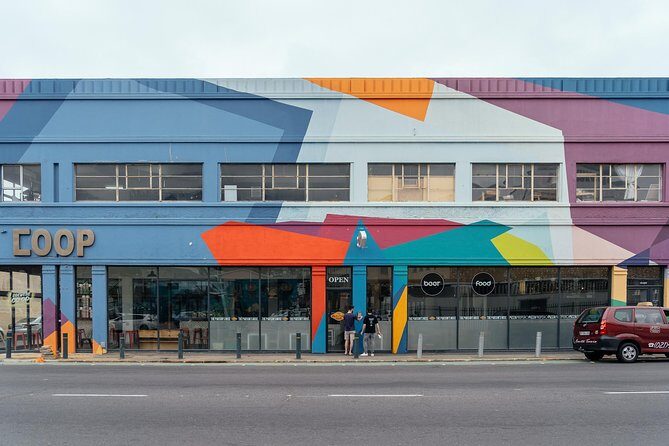
- District Six context without a heavy museum day, so you can read the streets as history
- Woodstock food-and-market stops that make the neighborhoods feel real, not just educational
- A private setup where you can ask follow-up questions instead of waiting your turn
- Short, well-chosen landmarks: theatre, church, and major food hubs
- Local “insider” stops like a pie shop and chances to taste beer (when available)
Price and Logistics: What $59.23 Really Buys You
At about $59.23 per person for roughly 2 hours 30 minutes, you’re paying for time plus access. The big advantage here is that this isn’t a big-group history lecture. You’re with a local host on a private route through District Six and Woodstock, and transportation is included.
There’s also a practical benefit to the tour’s length. In under three hours, you can get orientation, learn what you’re looking at, and still have energy afterward to keep exploring on your own. The downside is that you can’t expect a textbook-length District Six deep dive in one pass, so come ready with questions if that’s your priority.
The meeting point is at the District Six Museum area (25A Buitenkant St, District Six). The tour ends in Woodstock at Durham Avenue, and your host can help you figure out where you want to go next.
You can also read our reviews of more city tours in Cape Town



District Six Museum Area: Learning the Neighborhood by Walking It
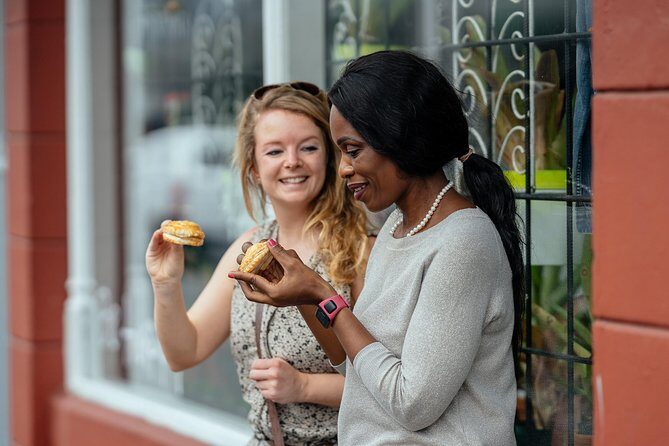
The tour starts where Cape Town’s apartheid history is impossible to ignore: District Six. You won’t be doing a formal museum visit. Instead, you’ll explore the area around the District Six Museum to get context and hear about the issues the city faces.
Here’s why that approach can work well. Museum time can be valuable, but it also separates you from the lived geography. By starting outdoors and moving street-by-street, you tend to notice details faster: how a place is laid out, which buildings survived, and what “missing” spaces feel like on the ground.
Your guide will cover the core event: in the 1970s, the apartheid regime forcibly removed about 60,000 black residents from District Six. The most useful part of that knowledge is how it translates into what you see today. You’ll be looking for the echoes of displacement: scars on the city map, and the community story that continues even when buildings disappear.
Possible drawback: if you wanted to spend more time on District Six history itself, you might find this section feels like essential setup rather than a long, detailed breakdown. If history depth matters to you, ask early for specifics—names, dates, or how the community organized after removals—so you don’t end up with only “snippets.”
Fugard Theatre and the Neighborhood Storytelling That Connects the Dots

Next up is The Fugard Theatre. You’ll check out an older building in the area and hear stories about why entertainment matters. Then you’ll shift toward the deeper theme of survival—how certain community anchors endured even when much of District Six was demolished.
This stop is designed to do two jobs at once. First, it gives you architectural and cultural context. Second, it connects culture to resilience, so you understand that not all “survival” looks like preserving every structure. Sometimes it’s keeping the mission, the community rhythm, and the idea of public gathering alive.
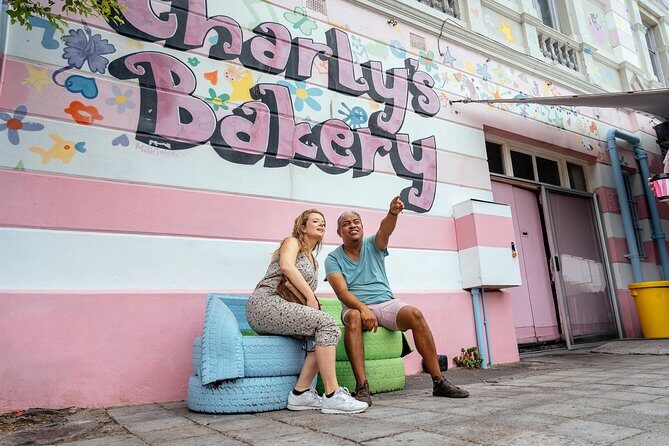
After that, you’ll have a nearby bakery stop where you can get a feel for daily life in the area. That’s not just a snack break. It’s a quick reminder that the neighborhood story isn’t frozen in the past; it’s continuing in everyday routines—what people buy, where they sit, and what feels normal.
Small consideration: the tour format keeps things moving. If you want extra time at the theatre or want more explanation of its role in the community, tell your guide as you arrive so you can adjust the pacing.
St. Mark’s Anglican Church: Why Some Things Survived
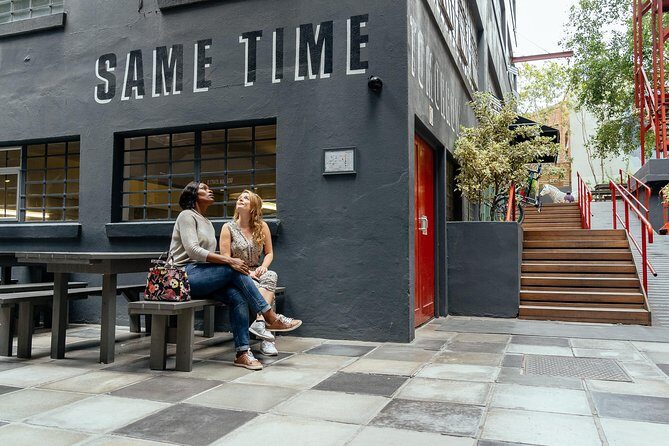
After the theatre, you’ll spend time at St. Mark’s Anglican Church. This stop is brief, but it has weight: you’ll learn why this church survived while other parts around it diminished.
Churches often become landmarks in places that have faced forced change. They can be a steady point in a shifting city. Listening to the survival story here helps you see how Cape Town’s history is partly written through what remains standing—and what doesn’t.
Because this is a short stop, it works best when you actively ask for the “why” behind the survival. If you care about the specifics, use your time well. You can also ask your guide what to look for visually: the building’s relationship to the street, and any signs of what the area used to be like compared with what you see now.
Practical note: the tour timeline includes both the church and nearby stops, so you’ll likely keep it to a quick orientation. If the church stop is a must-do for you, confirm with your host that you’ll have dedicated time there before you move on.
Woodstock Exchange: The Market-Like Energy and the Pie Stop

Once you shift to Woodstock, the tone changes from memorial context to neighborhood texture. You’ll visit The Woodstock Exchange, which is described as a place with hidden gems and a beautiful building. If the market is open, you might catch the vibe while the market runs.
This is the kind of stop that helps you place Woodstock on the map. It’s not just a trendy name. It’s a working neighborhood with small commerce, regular foot traffic, and spaces that feel designed for hanging out.
You’ll also stop at a locally run “hole in the wall” pie shop. The tour is built so you can actually choose a pie and make the moment a snack you’ll remember. That’s part of the value here: you get a simple, local food experience tied directly to where you are.
If you’re the sort of traveler who usually skips food-focused stops because you’re trying to “save time,” this is the opposite strategy. These quick tastings give you a stronger sense of place than another photo stop ever will.
If the market isn’t open: don’t panic. The Exchange building and the general Woodstock rhythm still give you plenty to look at. But if market viewing is important to you, ask your guide ahead of time whether it tends to be open on your day.
You can also read our reviews of more private tours in Cape Town




Heart of Cape Town Museum and the Old Biscuit Mill Food-Fashion Mix
Two of the most “Cape Town right now” stops come at the end.
First, there’s Heart of Cape Town Museum. Here you’ll get another angle on why Woodstock is described as having a strong vibe, and you may have the chance to taste one of their beers. Even if you aren’t a heavy beer drinker, this is an easy way to connect the cultural story to something you can experience on-site.
Then you finish at The Old Biscuit Mill, a famous industrial-style setting with fashionable boutiques plus food markets and restaurants. The whole point of this stop is variety. It’s a place where you can keep exploring after the tour without feeling stranded.
This is also where the timing makes sense. By the time you reach the Old Biscuit Mill area, you’ve already learned enough about the neighborhoods to appreciate why a food-and-design hub belongs here. Otherwise, it can look like just another shopping stop.
What to watch for: Old Biscuit Mill is popular, so expect more people and more choices than earlier stops. If you’re short on time after the tour, decide ahead of time whether you want a sit-down meal or a quick bite so you don’t wander for an hour.
Pacing and Expectations for a 2.5-Hour Neighborhood Route

This is a walking tour with stops that vary in length. Most locations are short orientation windows, with one longer block around Woodstock Exchange and another around Old Biscuit Mill. You’re not being asked to commit to long museum timelines or all-day walking.
Most travelers can participate, and the tour is described as near public transportation. That matters because it gives you backup options if you want to hop off or extend your day on your own after the tour ends in Woodstock.
The pacing is generally “see, learn a bit, move.” That’s ideal if you want context fast and hate repeating yourself in guided groups. If you prefer slow, deep, stay-as-long-as-you-like tours, you may want to treat this as the start of your independent follow-up exploration rather than the final word on the area.
Who This Tour Fits Best (and Who Should Rethink It)
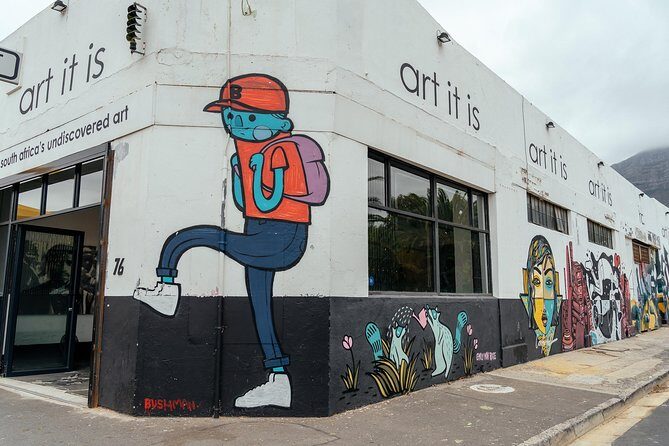
This tour is a great match if you want history that connects to sidewalks, not just a lecture. It’s also a strong fit if you like a balanced route: District Six context first, then daily-life stops like bakeries, pies, and a beer tasting chance.
You’ll likely enjoy it if you’re:
- Visiting Cape Town for a short stay and want fast orientation
- Interested in apartheid history but want it explained through real places
- The type who learns better with questions and back-and-forth than with a strict timeline
- Food-curious and want local stops without planning them yourself
You might want another approach if you’re looking for:
- A super detailed, line-by-line District Six history session
- A tour that stays in one neighborhood all day (this one transitions to Woodstock)
- A long sit-down church or theatre experience with no time pressure
Small Things That Make a Big Difference With Your Host
The tour depends on your guide’s choices within the structure. So do yourself a favor: ask a couple of targeted questions early so you control the depth.
Here are questions that fit the actual stops:
- What should I look for around District Six that most people miss?
- Which parts of St. Mark’s story matter most to understand what happened there?
- If the Woodstock market is open, what stall or area is the most worth it?
- What food in Woodstock do you recommend that locals actually go back for?
Also, since this is private, you can often adjust timing slightly. If a stop hits you emotionally or visually, ask your host if you can spend an extra minute. That’s one of the best parts of a private setup: your curiosity can steer the pace.
And because one serious issue is possible with any outsourced schedule, be proactive on the first connection. Before you set off, confirm the meeting details in writing so you’re not guessing. If something feels off, communicate quickly and keep your phone charged. That single step can save a lot of frustration.
Should You Book This Private Off-the-Beaten-Track Tour?
If you want a private, practical way to understand Cape Town beyond the usual postcard circuits, this is a solid pick. The strongest reason to book is the pairing: District Six context that helps you interpret history through place, followed by Woodstock stops that show how Cape Town lives today. The $59.23 price feels fair because you’re getting a local host plus transportation, not just a walking conversation.
Book it if your goal is orientation and connection: you want to leave knowing what you saw and why it matters, without turning the day into one long, exhausting museum marathon. Skip it or adjust expectations if you want maximum depth on District Six alone. In that case, use this tour as your kickoff, then plan one longer stop afterward where you can go deeper.
FAQ
How long is the Off the Beaten Track in Cape Town private city tour?
It runs for about 2 hours 30 minutes.
Is this tour private?
Yes. It’s a private tour for your group only, with a local guide.
Where does the tour start and end?
It starts at the District Six Museum area on 25A Buitenkant St, District Six, and ends on Durham Ave in Woodstock.
Which neighborhoods will you visit?
You’ll explore District Six first, then you’ll spend time in Woodstock.
Are any entrance fees included for the stops?
The itinerary lists tickets for each stop as free (no admission ticket cost noted for those stops).
Does the price include transportation and the guide?
Yes. The tour includes a private guide and transportation, and it’s described as CO2 neutral with emissions offset.