REVIEW · ADDO ELEPHANT NATIONAL PARK
Port Elizabeth: 2-Day Addo Elephant Park Safari
Book on GetYourGuide →Operated by Afroventures Tours and Safaris · Bookable on GetYourGuide
Elephants at Addo can feel like they own the road. This 2-day safari from Port Elizabeth puts you in malaria-free Greater Addo Elephant National Park for big sightings, river views, and a chance at close-up giraffe tracking.
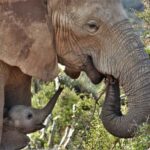
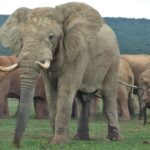
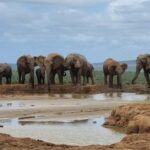
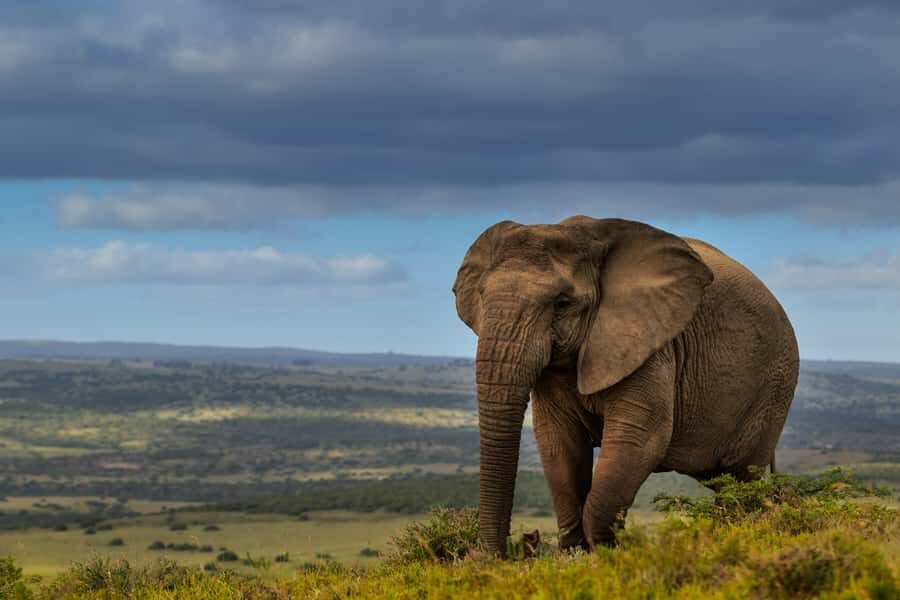
I like the odds you get at Addo. With about 700 resident elephants and one of the densest populations in Africa, the day’s rhythm is built around reliable elephant encounters, not just a hopeful search. And I also like the giraffe tracking on foot, because it turns the morning from viewing animals into actually moving through their world.
One consideration: wildlife sightings can’t be guaranteed. Heat can push animals into shade, and some days focus more on elephants and the smaller “extras” than on big predators like lions or black rhinos.
In This Review
- Key Things You’ll Notice on This Addo Safari
- Addo Elephant Park: Why This Safari Works in Real Life
- Day 1: Addo Game Drive Meets Sundays River and Dunes
- The Addo elephant-focused game drive day
- A note on the smaller wildlife
- Sundays River cruise and the Alexandria dune field
- The Second Day’s Big Moment: Giraffe Tracking on Foot
- What to wear for the walk
- Where You Sleep: 4-Star Comfort After Safari Hours
- Guides and Small-Group Size: Why Max 12 Matters
- Big Five Expectations: How to Think About Lions and Rhinos
- Price and Value: Is $597 Fair for Two Days?
- What to Bring (and What Helps Most)
- Who This Safari Suits Best
- Should You Book It?
- FAQ
- What’s the duration of the Port Elizabeth 2-Day Addo Elephant Park Safari?
- Where does pickup happen for this safari?
- How many people are in the group?
- Is malaria a concern on this trip?
- What activities are included besides the game drive?
- What meals and accommodation are included?
- What should I bring?
- Is the tour suitable for wheelchair users?
Key Things You’ll Notice on This Addo Safari
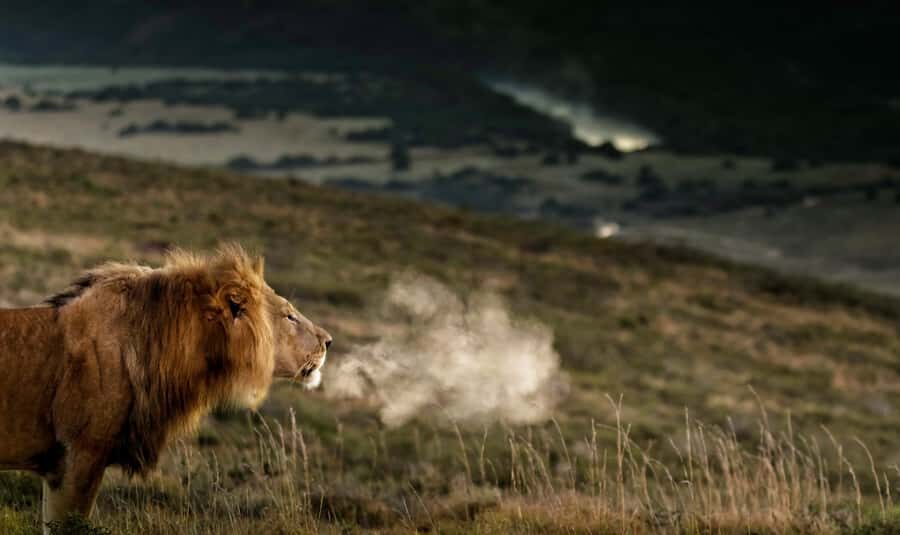
- Big Five in a malaria-free setting, with a strong chance of elephant-heavy game viewing
- Giraffe tracking on foot that prioritizes walking and close contact over a quick photo stop
- Sundays River cruise plus dune time at the Alexandria dune field area
- A park story that starts in 1931 with only 11 elephants, now powering a finely tuned ecosystem
- Attention to smaller wonders like the flightless dung beetle, found almost exclusively here
- Small-group size (max 12), which usually means fewer delays and more individualized guiding
Addo Elephant Park: Why This Safari Works in Real Life
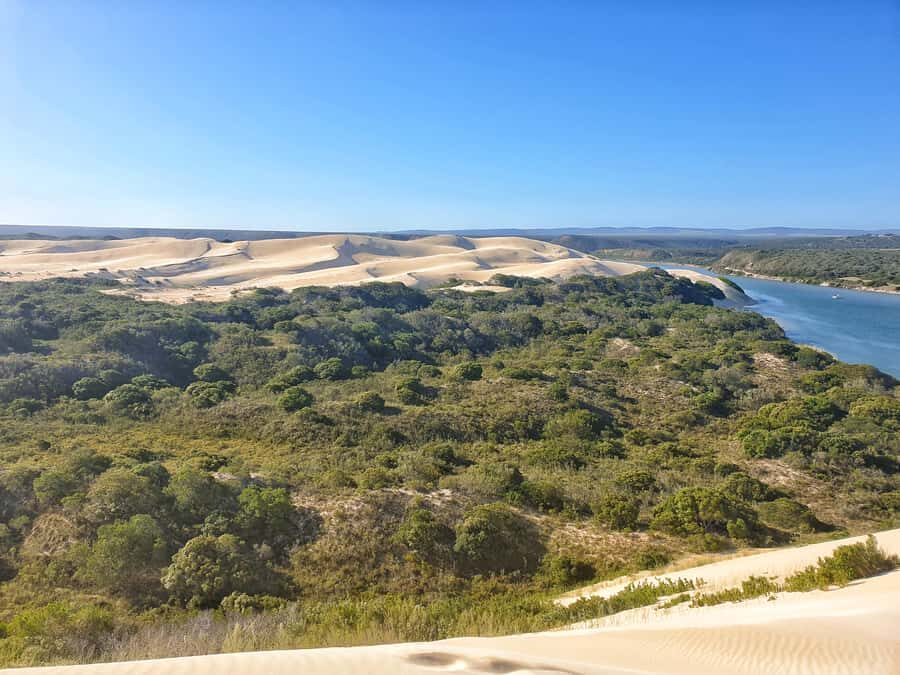
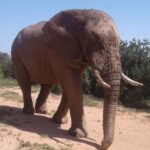
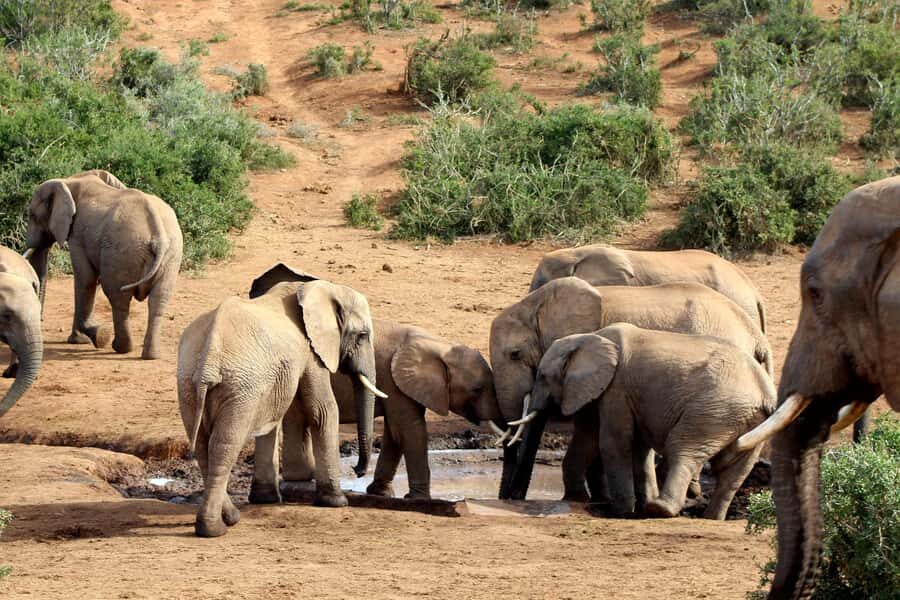
Addo Elephant National Park is one of those places where the brochure math actually makes sense. The park is known for being elephant-dense, and that changes how the safari feels. Instead of spending hours scanning for the “one animal that makes the trip,” you’re more likely to watch elephants change pace through the day—walking, feeding, crossing open ground, and retreating to thicker cover.
There’s also an extra layer that’s easy to miss until you’re there: the park is part of South Africa’s larger conservation picture. Addo is the only national park designed to protect the Big 7 concept—Big Five plus southern right whale and great white shark off the Algoa Bay coast. Even if those marine species are far from your game drive tracks, the idea matters: the park is run like a system, not a single safari attraction.
And because the safari is set in a malaria-free environment, your time is focused on wildlife and comfort rather than medical worry. That’s a big deal on a short, two-day trip—your energy stays with the animals.
A few more Addo Elephant National Park tours and experiences worth a look
Day 1: Addo Game Drive Meets Sundays River and Dunes
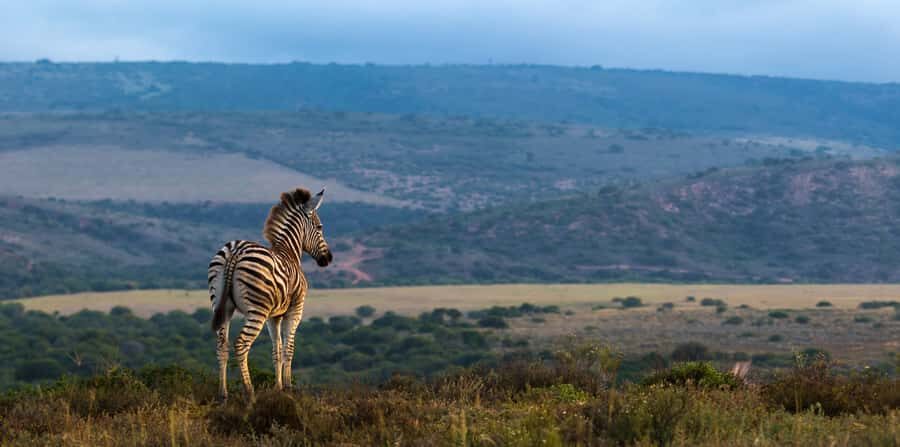
Your first day is built around a full day in the park, then a slower, scenic shift toward water and dunes.
The Addo elephant-focused game drive day
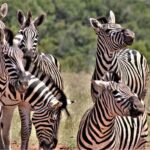
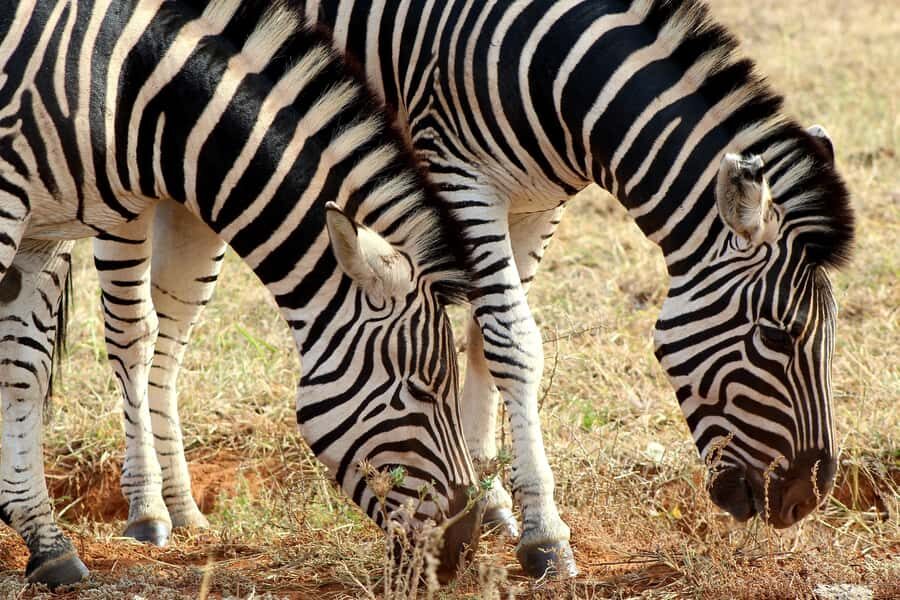
You spend the day searching for the Big Five and the rest of the resident cast: lions and buffalo may appear, along with endangered black rhinos (spotting depends on conditions and where animals are feeding). Expect plenty of other species too, including zebra and antelope, plus hyenas if you catch them active.
What I like about structuring the main wildlife time on day one is simple: you can adjust emotionally fast. If the first hours are hot and animals slip into shade, you still have a lot of time left in the day. If you do hit a great concentration of elephants, you get to enjoy it without rushing.
You’ll also learn what makes Addo special beyond the big headline animals. The park was created in 1931, when only 11 elephants remained in the area. That history helps you understand why the ecosystem feels “tuned” rather than random. It’s not just a place elephants happen to live—it’s a conservation success story that’s managed over decades.
A note on the smaller wildlife
The tour experience also nudges you to look down and sideways, not only straight ahead. One standout detail: the flightless dung beetle found almost exclusively in this region. It’s a reminder that the park’s food web matters, even if the beetle isn’t what you came to photograph.
Sundays River cruise and the Alexandria dune field
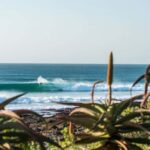
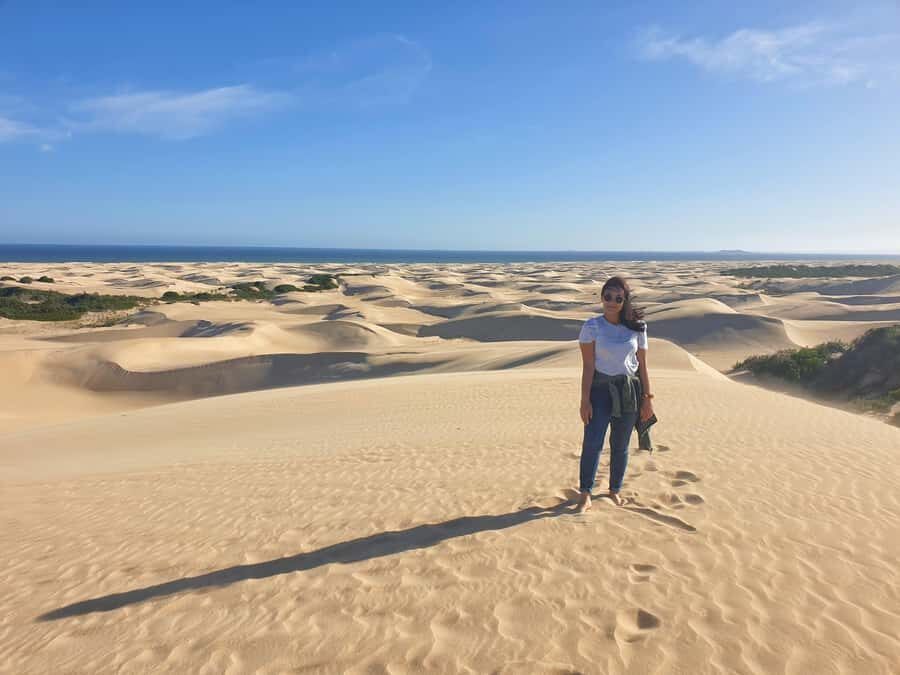
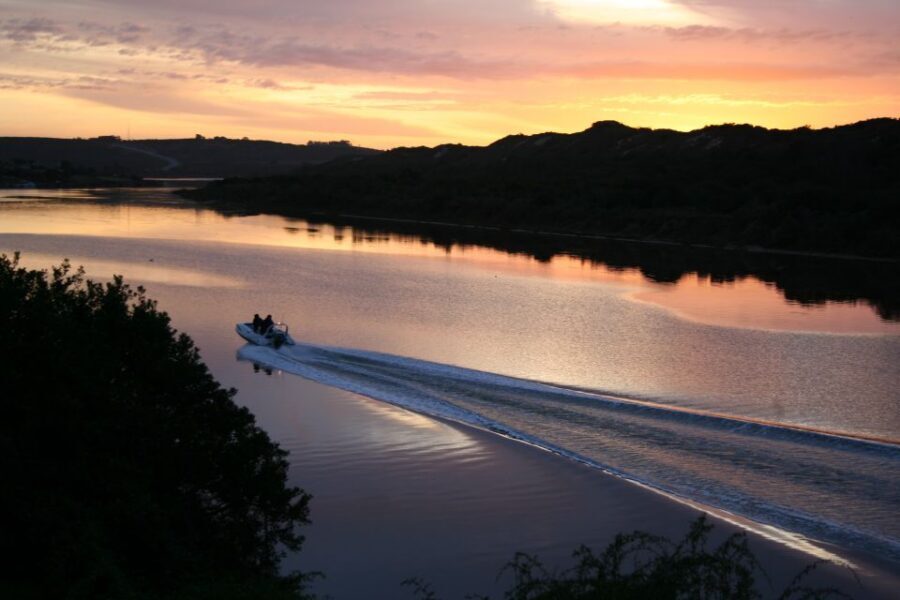
After the main park time, you switch gears to the Sundays River. The cruise is a chance to see a different side of the Eastern Cape: water rhythm, open views, and that calmer safari pace where you can breathe.
You also get dune time at the Alexandria Dune Field area. The tour includes a dune tour, and you might find a stop that allows you to try sandboarding depending on what’s offered on the day. Even when you don’t try it, the dunes themselves help you “see” why the region supports such distinctive habitats.
One practical tip: river and dune activities can mean more time in sun after a morning of game viewing. Bring that sunscreen you promised yourself you wouldn’t forget.

The Second Day’s Big Moment: Giraffe Tracking on Foot
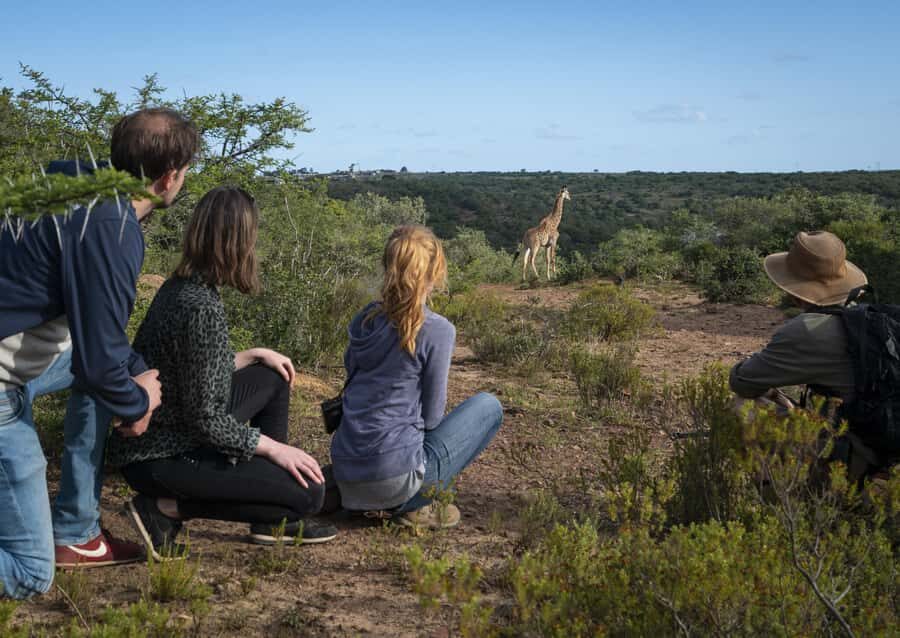
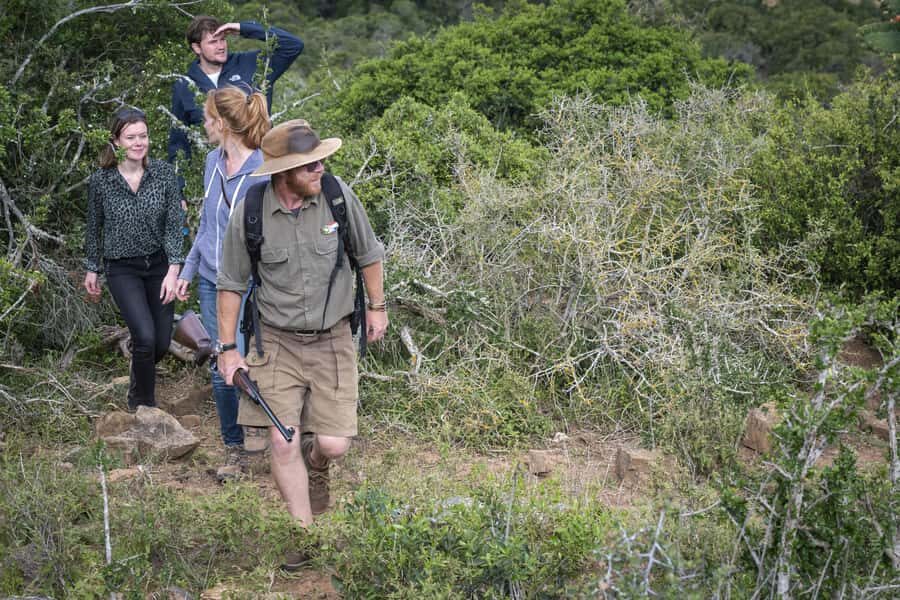
The most memorable part for many people is the giraffe tracking safari on foot. It’s different from a typical safari “walk past the animals from a safe distance.” Instead, the goal is movement—following signs and getting closer as you’re guided.
Here’s the key reality check: the phrase on foot can still include driving between areas. In at least some cases, the “walk” can be shorter than you imagine, with the group moving by vehicle and then stepping out for brief moments. If you’re expecting a long, sustained walk with giraffes staying right beside you, temper expectations. You’ll still likely get great sightings, but the format can be more time-managed than you might picture.
That said, the upside is access. Many people are surprised by how close you can get when the guide is skilled and the animals are relaxed. Giraffes also change the mood of a morning. They’re tall enough to feel like they’re watching you back, and when they step forward calmly, it turns the experience quiet in a good way.
What to wear for the walk
You’ll want comfortable shoes you can stand and walk in for stretches. Warm clothing is also a good idea, since mornings and evenings in the area can feel cool even when the midday sun hits hard. The tour asks you to bring a sun hat and sunscreen, and I’d treat those as non-negotiable.
Where You Sleep: 4-Star Comfort After Safari Hours
This safari includes one night of 4-star accommodation plus meals: 1 breakfast, 2 lunches, and 1 dinner.
What tends to make or break a safari stay is the rhythm. You’ll have a full day of driving and viewing, then you need a place that feels like a reset button. Based on past experiences with this kind of Addo package, lodges near the Sundays River can be especially pleasant—quiet outdoor spaces, good meals, and a sense that you’re still in nature even when you’re off the vehicle.
In examples tied to this safari, accommodations have included places such as Elephant Footprint Lodge and Dungbeetle River Lodge. Both are described as offering strong rooms and friendly service, and the Sunday River setting can add real charm after a day outdoors.
One small heads-up: lunch is sometimes provided as a packed meal, and it can be cooler than you want when you’re ready to sit down. It’s usually still fine, just not a reason to plan your best appetite.
Guides and Small-Group Size: Why Max 12 Matters
This trip runs as a small group limited to 12 people, and you can feel the difference. Fewer people usually means fewer delays, easier communication, and more time for your guide to spot activity rather than manage a crowd.
The quality of guiding is also a theme you should lean into when choosing this safari. In past departures, guides such as John and Riccardo have been highlighted for knowing where to look in Addo, and for keeping things entertaining and clear. Another guide name that comes up is Sidwell, praised for explanations about South African wildlife and for getting groups to key spots without wasting time.
Even if your guide differs, the takeaway for you is straightforward: you’re paying for interpretation, not just transportation. With the right guide, elephant-heavy days become richer—because you understand behavior, not only that you saw something.
Big Five Expectations: How to Think About Lions and Rhinos
The Big Five promise sounds simple. In practice, it’s a matter of timing, heat, and where animals choose to be.
Elephants at Addo are the “steady performers.” Lions, black rhinos, and other predators can be more variable. On hotter days, animals often tuck themselves into shade, and sightings can shift toward elephants and the day’s smaller action. That’s not a failure—it’s how wildlife behaves.
So here’s the mindset I recommend: plan your trip around elephants and the ecosystem experience, not around a single predator moment. If you end up seeing lions or a black rhino, it feels like a bonus. If you don’t, you still have a strong wildlife story: a dense elephant population, hyenas and antelope in the mix, and the chance to learn why the park was created in the first place.
Price and Value: Is $597 Fair for Two Days?
At $597 per person for a 2-day safari, the real question is what you’re getting for that money.
This package includes:
- Hotel pickup from Addo, Port Elizabeth, Bluewater Bay, and Colchester
- Park entry fees
- A local guide
- A full day safari inside Addo Elephant National Park
- Sundays River cruise and dune tour
- Giraffe tracking on foot
- 1 night of 4-star accommodation
- Meals: 1 breakfast, 2 lunches, 1 dinner
When a safari includes accommodation and multiple guided components, the cost starts looking more reasonable. You’re paying for more than a vehicle ride—you’re paying for time management, park access, and guiding across two different environments: open safari terrain plus river-and-dune scenery.
Of course, expectations should match the format. This is still a safari with animals that decide when to show. If you’re only motivated by the highest odds of lions or rhinos, you might feel disappointed on a slower day. But if you want elephant density, strong guiding, and a well-rounded two-day nature program, the price can make sense.
What to Bring (and What Helps Most)
The tour asks you to bring:
- Passport or ID card
- Comfortable shoes
- Warm clothing
- Sun hat
- Sunscreen
That list is short, and I’d add one common-sense approach: pack light layers. You can go from cool morning air to warm-to-hot afternoon sun quickly on safari days. And because you’ll be walking during giraffe tracking, stick to shoes you won’t regret after a few hours.
Also remember:
- No drones allowed
If you’re a drone user, this matters before you arrive—don’t count on bringing it and using it casually.
Who This Safari Suits Best
This is a great match if you:
- Want a short, structured safari with elephant-heavy viewing
- Like the idea of a guided experience that teaches behavior and ecosystem details
- Prefer a small group over large coach-style tours
- Want variety in two days: safari driving, river time, dunes, and a walking safari element
It may be less ideal if:
- You need full wheelchair accessibility (this tour isn’t suitable for wheelchair users)
- You’re only satisfied by seeing certain predators every time
Should You Book It?
I’d book this safari if your goal is to experience Addo’s elephant density with strong guiding, plus add river-and-dune scenery and the memorable giraffe tracking component. The best value here is the combination: a full Addo game-drive day, a second day built around a different kind of animal interaction, and a night in 4-star comfort with meals included.
If you’re the type who feels crushed by the chance of missing lions or black rhinos, you might want to readjust your expectations before you commit. Think “elephants and ecosystem first,” and treat predators as hopeful bonuses.
Either way, this is one of the more practical ways to fit Addo into a two-day window from Port Elizabeth—and when elephants are frequent, that’s the kind of safari math you can trust.
FAQ
What’s the duration of the Port Elizabeth 2-Day Addo Elephant Park Safari?
It’s a 2-day experience with pickup included, and it ends at approximately 18h30 on the second day.
Where does pickup happen for this safari?
Pickup is included from Addo, Port Elizabeth, Bluewater Bay, and Colchester.
How many people are in the group?
The safari runs as a small group limited to 12 participants.
Is malaria a concern on this trip?
The safari operates in a malaria-free environment.
What activities are included besides the game drive?
Included activities are a Sundays River cruise and dune tour, plus a giraffe tracking safari on foot.
What meals and accommodation are included?
You get 1 night of 4-star accommodation, plus 1 breakfast, 2 lunches, and 1 dinner.
What should I bring?
Bring a passport or ID card, comfortable shoes, warm clothing, a sun hat, and sunscreen.
Is the tour suitable for wheelchair users?
No, this experience is not suitable for wheelchair users.