REVIEW · ADDO ELEPHANT NATIONAL PARK
Addo National Park: Guided Half-Day Safari
Book on GetYourGuide →Operated by Crisscross Adventures · Bookable on GetYourGuide
Addo in four hours, and you still see plenty. A small-group drive through the northern Main Camp area of Addo Elephant National Park is a practical way to chase elephants and other wildlife fast, with guides like Stevie, Steven, and Donald sharing what to look for as you go. It’s a guided safari experience built for spotting and photo angles, not just driving around.
I love the hands-on guiding focus. In the best moments, the guide is scanning ahead, calling out subtle movement, and explaining why that tree, patch of grass, or water source matters—stuff you’d miss if you were just following your own route.
One thing to plan for: the entrance and conservation fees are not included, and they’re R492 per person. You’ll also want cash on hand, not just for that fee, but for a tip if you feel the guide earned it.
In This Review
- Key things that matter most on this Addo half-day safari
- Northern Main Camp is a smart way to do Addo in 4 hours
- The closed Toyota Land Cruiser: why it makes a difference for viewing
- Your guide’s real job: spotting fast and telling you what you’re seeing
- What the 4-hour flow looks like once you’re in Addo
- The wildlife odds: what you should hope to see
- Included drinks and snacks keep the safari focused
- Price and logistics: is $81 a good value?
- Who this safari fits best (and who should consider alternatives)
- What to bring, and what Addo asks you not to do
- Should you book this Addo Elephant National Park half-day safari?
- FAQ
- How long is the Addo guided half-day safari?
- What is included in the $81 per person price?
- Are entrance and conservation fees included?
- Is pickup and drop-off available in Addo village?
- What vehicle do you use on safari?
- How many people are in the group?
- Is this tour suitable for children and wheelchair users?
- Are drones allowed, and is smoking permitted in the vehicle?
Key things that matter most on this Addo half-day safari
- Northern Main Camp routing: built around the park’s prime Big 5 viewing area
- Custom closed Toyota Land Cruiser vehicles: high ground clearance and large retractable windows for viewing and photos
- Guides who push for sightings: from elephant time to fast pivots when animals show up
- Included drinks and snacks: keeps energy up without slowing the drive
- Small group (max 10): easier conversations, quieter spotting, less crowd pressure
Northern Main Camp is a smart way to do Addo in 4 hours
Addo Elephant National Park covers a lot of ground, so timing matters. This half-day format concentrates on the northern sections of the park, specifically within the Main Camp area tied to Big 5 viewing. If you’re on a tight schedule in the Eastern Cape, this is the kind of plan that helps you spend more time where sightings are more likely.
In real life, wildlife viewing is always a mix of effort and luck. The value here is that you’re not guessing. Your guide is driving a route designed for the park’s patterns—where animals tend to funnel, graze, and move. That’s especially helpful for first-time Addo visitors who want elephants and the wider range of African wildlife, without turning the day into a logistics puzzle.
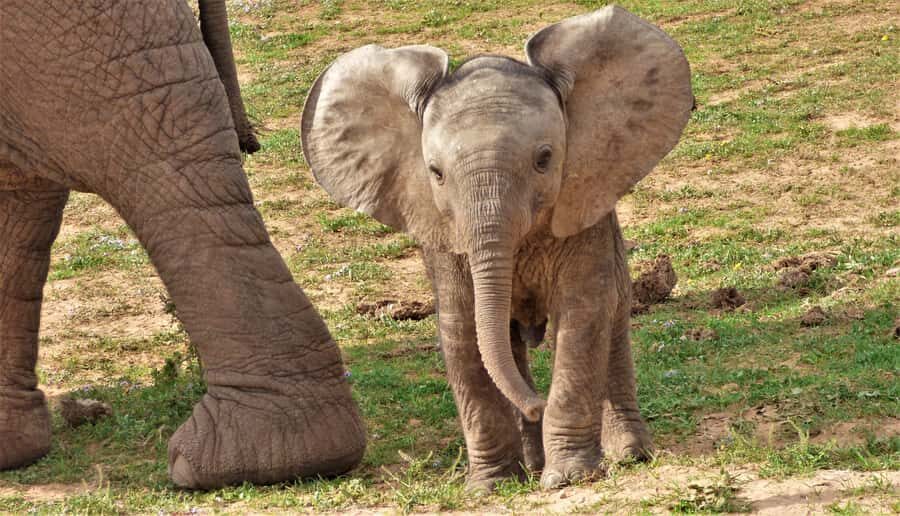
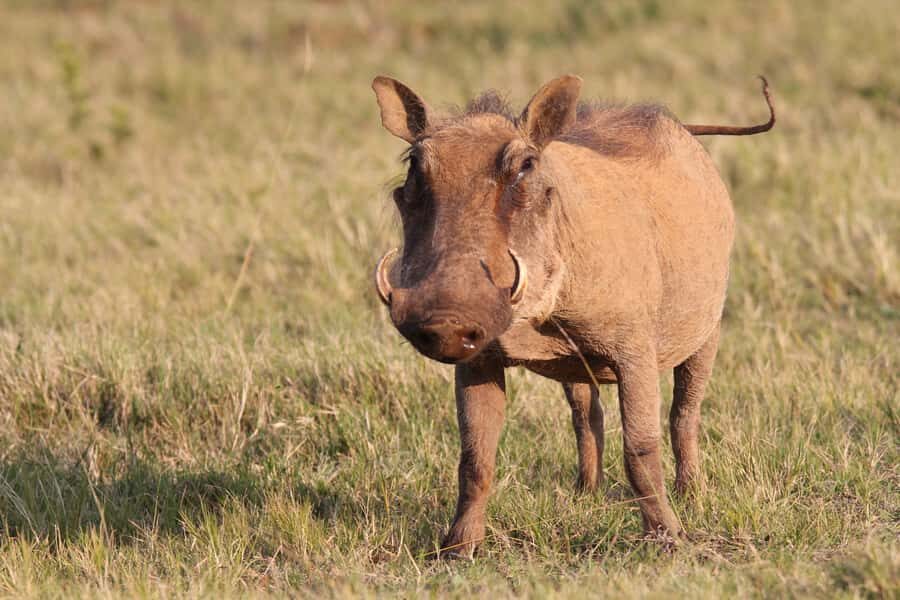
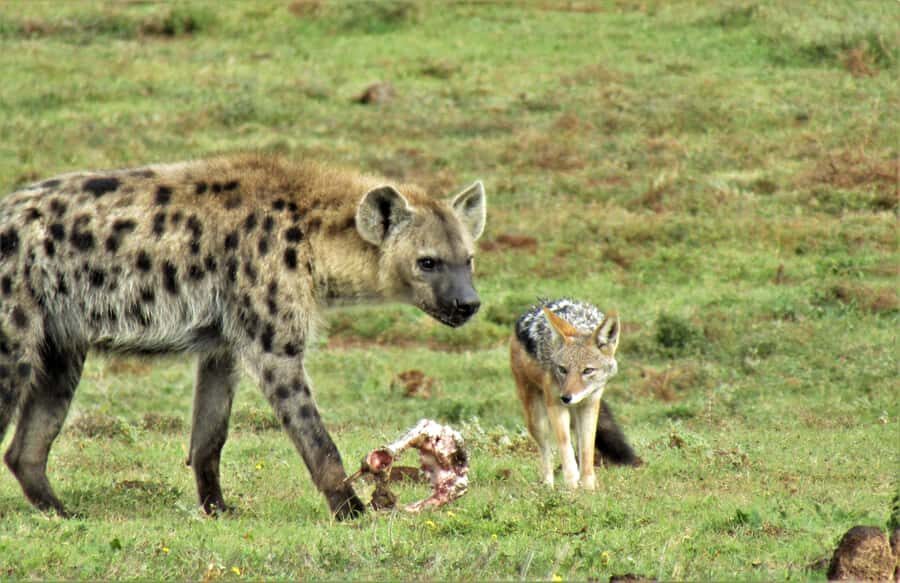
Also, Addo has a “neighborhood” feel because elephants are so common here. Even if lions are quiet that day, you’re still set up for other great sightings—zebra, warthogs, birds in the open, and smaller animals that show up when you’re patient and looking carefully.
You can also read our reviews of more tours and experiences in Addo Elephant National Park.

The closed Toyota Land Cruiser: why it makes a difference for viewing
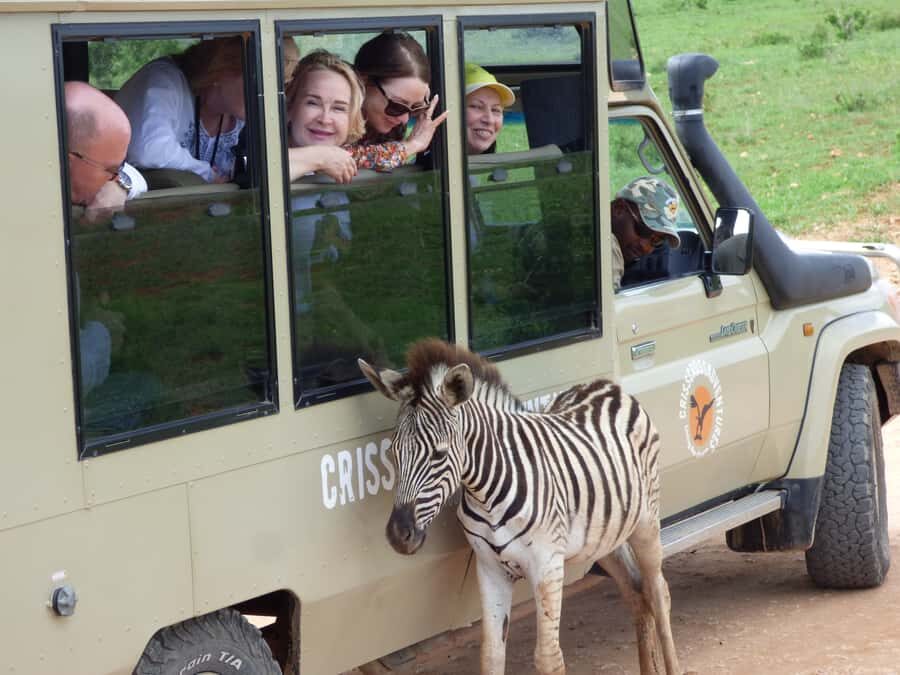
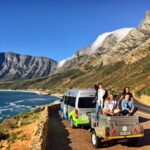
The safari vehicle is a big deal, and not just because it feels more “safari.” You’ll ride in a custom-designed closed Toyota Land Cruiser Safari Vehicle with high ground clearance and large retractable windows. That combo helps you see over vegetation and film or photograph without doing contortionist yoga.
A closed vehicle also makes the game drive more comfortable. You’re not dealing with wind and dust blowing into your face as much, which matters when you’re out for 4 hours. The retractable windows keep viewing simple: slide them open when you spot something, then close them quickly when conditions change.
One underrated benefit: it helps everyone in the group watch equally. In reviews, people were surprised by how well the pull-down side windows work for visibility, especially when they’d expected a more limited view from a “closed” setup. In a small group, that can really shape the whole experience.
Your guide’s real job: spotting fast and telling you what you’re seeing
This is where the safari becomes more than a drive. You’re with a live English-speaking guide, and the point is that the guide’s eyes and local knowledge are part of the ticket value.
Guides on this route don’t just point at animals. They explain the vegetation and the park’s local history and culture, then tie that back to animal behavior. That means when you see a grazing area, you’re not only thinking elephant moment—you’re understanding why that spot stays busy. When something moves in the brush, it helps to know what to look for and how animals use cover.
The guides’ names come up often in feedback, and you’ll see themes like extra effort to find animals and a friendly, story-based approach. Names you might meet include Stevie, Steven, Donald, and Tanya (in at least one team pairing). The takeaway is consistent: the guide is actively working the drive to maximize sightings within a short timeframe.
What the 4-hour flow looks like once you’re in Addo
Here’s the practical rhythm you can expect, based on how this half-day safari operates.
First, you’ll meet at Crisscross Adventures in Addo village, which is the starting point used for the tour. If you choose the pickup option, return transfers are handled from accommodations in the pickup zone around Addo village. Either way, you’ll settle into the vehicle and get a quick briefing before heading into the park.
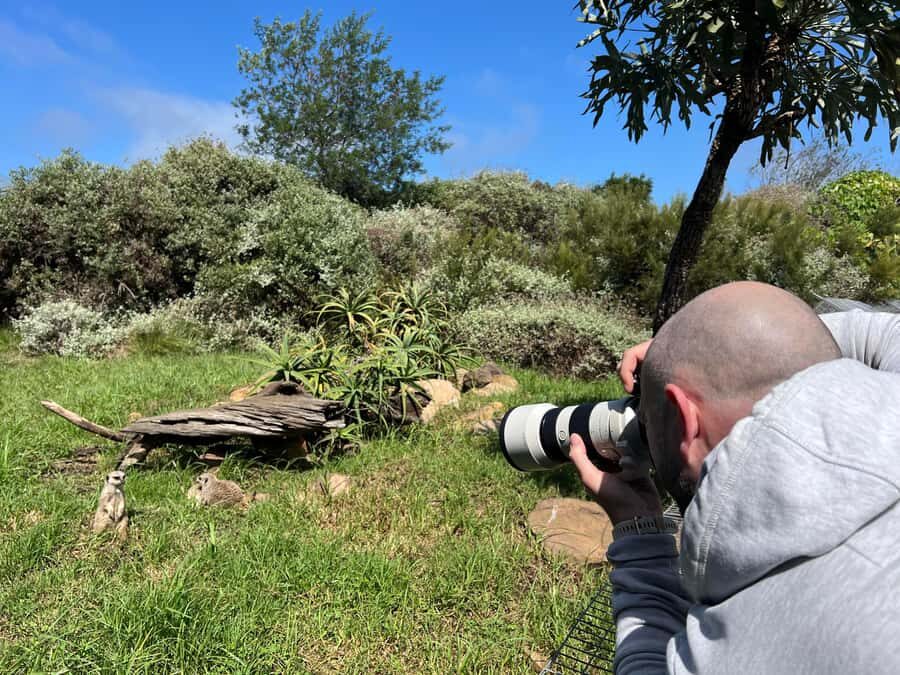
Once you’re inside, the drive typically becomes a pattern of scanning, stopping, and moving on quickly when the guide spots something worth seeing. Because you’re on the northern Main Camp route, you’re set up for repeated chances at elephant activity and other wildlife. The guide helps with photo positioning too—aiming for the right angles and doing those small pivots that make a big difference when an animal is just stepping into the open.
Midway through, you’ll have included drinks and snacks. This matters more than it sounds, because it keeps you from burning time and energy on finding refreshments later. You stay focused on the wildlife rather than breaking the safari to hunt for a bottle of water.
Finally, you return after the 4-hour window, and the tour ends with the drop-off arrangement back to your pickup zone in Addo village if that option was selected.
The wildlife odds: what you should hope to see
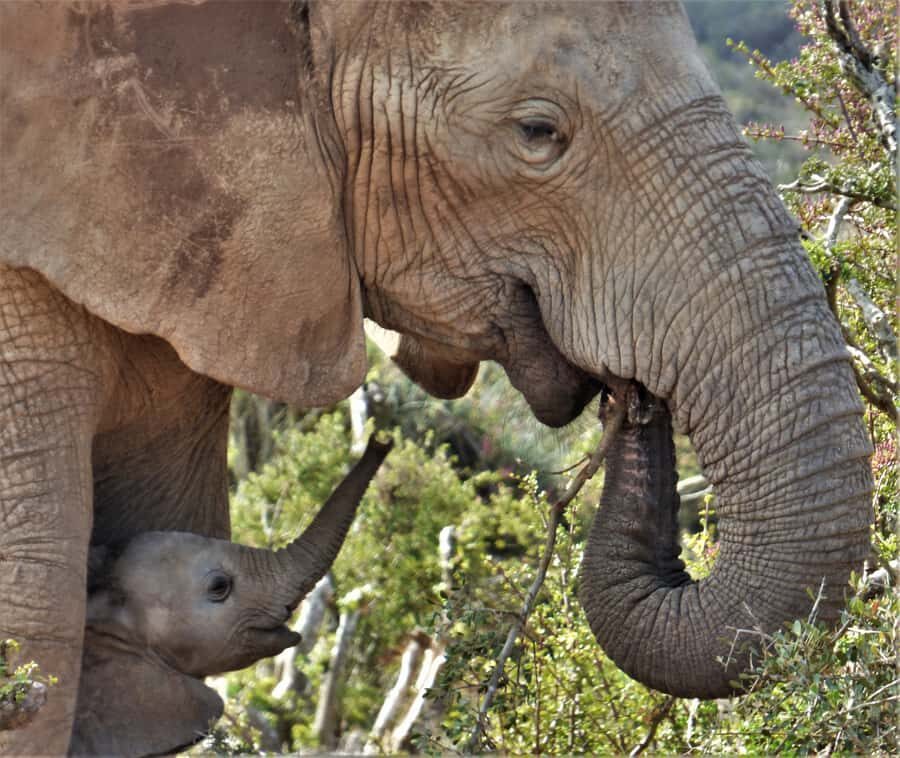
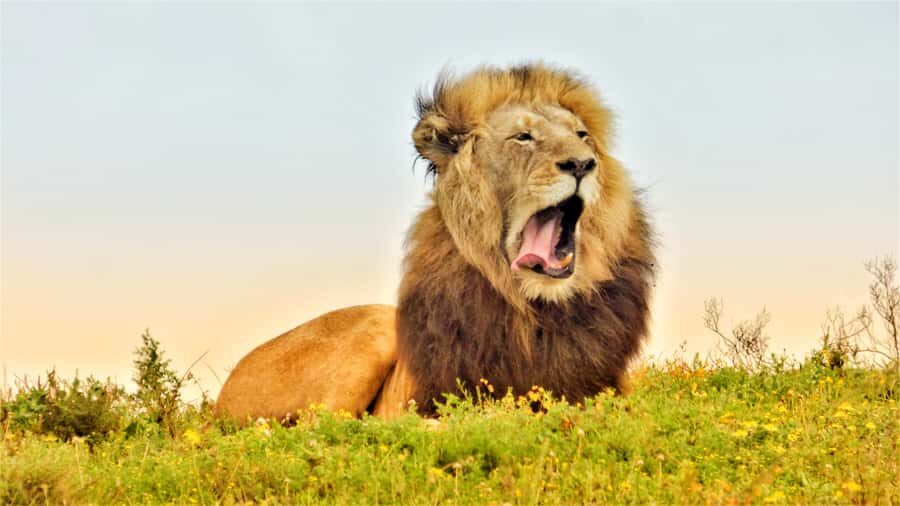
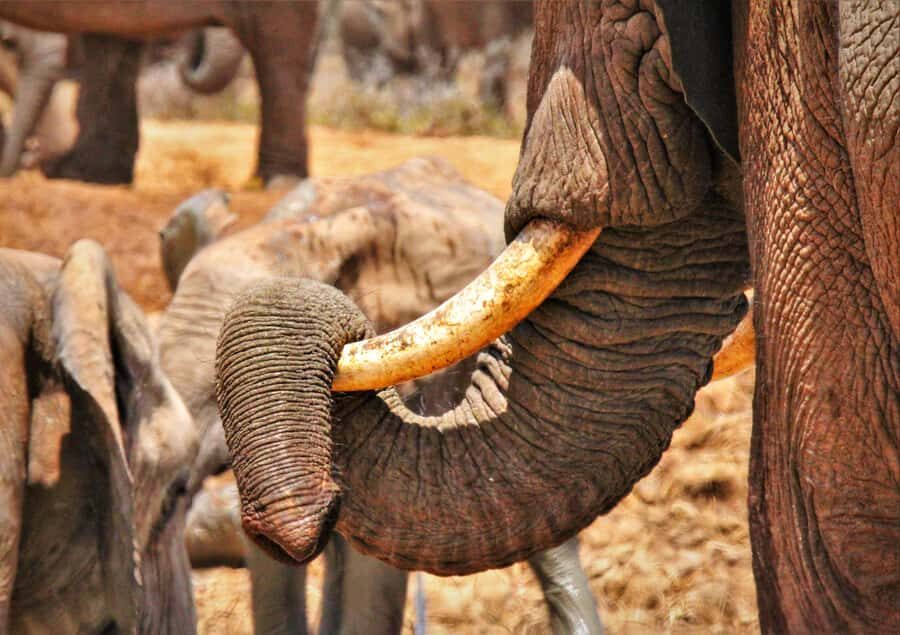
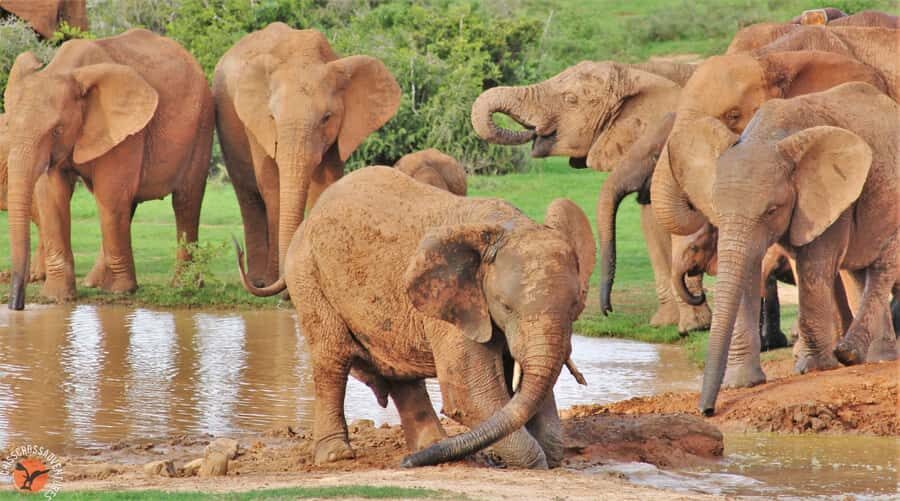
Addo is famous for elephants, and you should expect serious elephant opportunities. Reviews also mention zebra, ostriches, warthogs, mongoose, and even a leopard tortoise sighting. One person reported lions on the hunt, which is a great reminder that dramatic predator action can happen, even if it’s not guaranteed in a short half-day window.
So I’d frame it like this: elephants and the wider wildlife community are the core promise. If lions show up, it’s a bonus.
A few more Addo Elephant National Park tours and experiences worth a look


Included drinks and snacks keep the safari focused
This tour includes drinks and snacks, which is a smart inclusion for a half-day. When you’re out in the park, time moves fast. You don’t want “where do we get snacks” to become part of the day’s mental load.
The vehicle setup also makes it easier to keep going. You’re not hopping out and packing up equipment every time you want a quick break. Instead, you can stay ready for sightings while still getting something to sip and eat during lulls.
In practical terms, that means you’ll be more comfortable during the drive and more alert while the guide is doing that constant scanning for movement. For many people, this is the difference between a safari that feels exciting and one that feels rushed.
Price and logistics: is $81 a good value?
The headline price is $81 per person for a 4-hour guided safari, which sounds reasonable for a guided, vehicle-based experience. But the real value calculation should include the extra costs you’ll face on the day.
Entrance and conservation fees are not included, and they’re R492 per person. That’s the one big add-on you should budget for upfront, especially if you’re comparing against self-drive plans.
Here’s why the guided portion still tends to be worth it for many visitors:
- You’re getting a guide actively searching and interpreting what you see.
- You have a purpose-built vehicle for viewing and photos.
- You’re not burning time with park navigation or figuring out where to park and wait.
If you already have a self-drive plan and local expertise, you might spend less overall. But if you’re short on time, don’t want the guesswork, or want the park reading that guides bring, this format is usually the smoother way to get maximum out of a half-day.
Who this safari fits best (and who should consider alternatives)
This experience is built for adults and for older kids, with an age requirement: it’s not suitable for children under 6.
It’s also wheelchair accessible, which is a meaningful plus if you need a vehicle and viewing setup that works for mobility needs. The vehicle is described as wheelchair accessible in the activity info, so you can plan on it being designed to support access.
This is also a great match for:
- First-time Addo visitors who want a guided introduction to what to look for
- People who want a short safari window but still want real effort on spotting
- Anyone who cares about comfort and easy viewing through retractable windows
- Small-group travelers who prefer fewer people and more direct interaction with the guide
If you’re the type who wants full-day pacing, long walking breaks, or you want to fully control where the vehicle stops, you might want a different format. But for a compact, high-effort safari focus, this one makes a lot of sense.
What to bring, and what Addo asks you not to do
Bring:
- Passport or ID card
- Camera
- Cash
The cash part is practical. Entrance fees are R492 per person and are not included, and it’s advised to carry cash or card for those payments. Also, cash can be useful for a guide gratuity if you want to thank your guide for their effort.
Don’t bring:
- Drones
- Alcohol and drugs
- Also, smoking and vaping are not allowed in the vehicle
And one more smart point: the tour is described as an all-weather experience. That means you should be ready for changing conditions during your 4-hour window, even if the forecast looks calm.
Should you book this Addo Elephant National Park half-day safari?
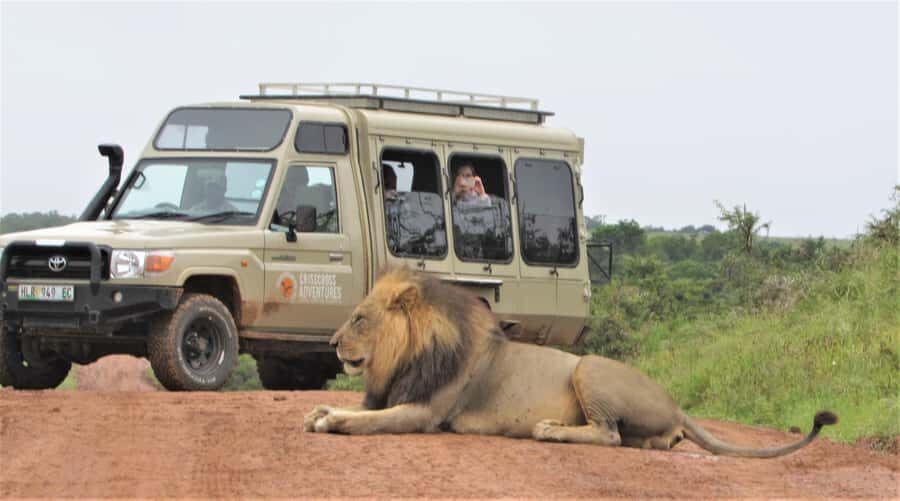
I think this is an easy yes if your goal is simple: see elephants and other wildlife in Addo without spending half your day on navigation. The small group size, the professional guiding, and the viewing setup inside the closed Toyota Land Cruiser vehicles work together to make the time count.
Book it if:
- You’re in Addo for a short visit and want your best shot within 4 hours
- You want a guide to explain the scenery and animal behavior, not just drive past it
- You’d rather pay for spotting help than play animal-detection detective on your own
I’d pause before booking if:
- You strongly dislike adding day-of fees, since entrance and conservation costs (R492 per person) are separate from the $81 tour price
- You’re traveling with a child under 6
FAQ
How long is the Addo guided half-day safari?
The tour runs for 4 hours.
What is included in the $81 per person price?
The tour includes drinks and snacks. If you select the pickup option, return transfers from Addo village accommodations in the pickup zone are also included.
Are entrance and conservation fees included?
No. Entrance or conservation fees are not included, and the listed fee is R492 per person.
Is pickup and drop-off available in Addo village?
Yes, pickup and drop-off in Addo village is available if you choose the option for return transfers from accommodations in the pickup zone.
What vehicle do you use on safari?
The tour uses custom-designed closed Toyota Land Cruiser Safari Vehicles with high ground clearance and large retractable windows.
How many people are in the group?
The group is limited to 10 participants.
Is this tour suitable for children and wheelchair users?
It is wheelchair accessible. It is not suitable for children under 6 years.
Are drones allowed, and is smoking permitted in the vehicle?
Drones are not allowed. Smoking in the vehicle and vaping are also not allowed.
If you want, tell me your travel dates and whether you’re staying in Addo village, and I’ll help you decide if this half-day timing fits better than a longer safari option.