REVIEW · ROBBEN ISLAND
ROBBEN ISLAND MUSEUM TOUR, WITH OPTIONAL LAST MINUTE TICKETS
Book on GetYourGuide →Operated by CONCIEGE RUNNERS CAPE TOWN · Bookable on GetYourGuide
A visit to Robben Island can hit hard. This guided tour is built around the museum experience and the cell where Mandela was held, with a former political prisoner leading you through what happened and what it meant. I like that the format keeps you moving (ferry, bus, then the prison sites), and I like that the guide is someone who lived the history, not just studied it. The main drawback to plan for is that the sea can be rough, and in some cases the ferry (and the tour) doesn’t run.
You’ll get a small-group setup that still feels personal. On the island you’re split into smaller groups that fit a bus, and that bus time is guided by a former political prisoner, so you hear the story in plain, human terms. In one recent experience, the bus guide named Medise stood out as exceptionally inspirational and made the day feel even more humbling.
Finally, I’d watch the last-minute ticket angle and the paperwork details. Short-notice tickets can come with an extra cost (20% mentioned), and the voucher you receive isn’t the final Robben Island entry ticket—you have to claim the actual boarding tickets with the concierge runner after booking.
In This Review
- Key Things You’ll Care About
- Robben Island Museum Tour: What You’re Really Signing Up For
- Getting There: Clock Tower Check-In at the Nelson Mandela Gateway
- Ferry Ride Reality: Shared Boat, Shared Timing, and Weather Risk
- On the Island: Museum, Proof of Prison Life, and the Communal Cell
- Nelson Mandela’s Cell: Why This Stop Hits So Hard
- Bus Stops You Might Not Expect: Sobukwe and the Limestone Quarry
- The Guide Factor: Former Political Prisoners and the Real Value of Small Groups
- Time on the Clock: What a 4-Hour Tour Feels Like
- Photo Opportunities: Table Mountain Views and What’s Actually Worth Shooting
- Price and Value: Is $90 a Fair Deal?
- Tickets, Vouchers, and the One Detail That Can Ruin Your Day
- Who This Tour Fits Best (and Who Might Want a Different Plan)
- Should You Book This Robben Island Museum Tour?
- FAQ
- Do I need to bring my passport or ID?
- Where do I meet for the Robben Island ferry and check-in?
- How early should I arrive before the ferry?
- Is this tour private?
- What does the tour price include?
- How long is the tour?
- What do I do with my GetYourGuide voucher?
Key Things You’ll Care About
- A former political prisoner guides your day, including on the bus portions of the route.
- Mandela’s cell visit is part of a wider island circuit, not just a quick photo stop.
- You’ll ride the ferry from the Nelson Mandela Gateway, with check-in that starts scanning before departure.
- Small groups are organized to fit the allowed ferry and bus capacity, so it’s shared, not private.
- Sea conditions can cancel the trip, so don’t schedule this as your only Cape Town activity on a tight timeline.
Robben Island Museum Tour: What You’re Really Signing Up For
Robben Island is a UNESCO World Heritage Site, and this tour is structured to make sure you don’t just see cells—you understand the system behind them. You start with a guided museum visit, then you move through the prison complex and other key locations on the island via short bus hops.
The strongest part is the way the day is explained to you. Instead of a narrator-style history talk, you’re guided by someone who can speak from lived reality. That changes the tone immediately. Even if you know the broad story already, the details—how people were held, what ordinary prisoners faced, and how long confinement lasted—land differently when they’re delivered with authority and emotional weight.
The theme of the tour is also not subtle. You’ll reflect on standing against social inequality and injustice, tied to the One World message, and that framing makes the day feel like it’s about more than South Africa’s past.
You can also read our reviews of more tours and experiences in Robben Island.



Getting There: Clock Tower Check-In at the Nelson Mandela Gateway

Your day starts at the Nelson Mandela Gateway at the V&A Waterfront area, at the Clock Tower building (the red clock tower). You’ll enter through the security area and join the queue to scan tickets. This is one of those “show up early and you’ll be fine” moments.
Plan to arrive at least 30 minutes before the ferry scan time. If your ferry is scheduled for 9:00, you’re aiming to be there around 8:30. For a 11:00 ferry, arrive around 10:30. For a 13:00 ferry, arrive around 12:30.
Why this matters: you’re not just checking in at a desk—you’re going through scanning that begins before departure. When the tour runs late or crowds get heavy, people who arrive on time can still miss the moment scanning begins.
Ferry Ride Reality: Shared Boat, Shared Timing, and Weather Risk

This is a charter shared ferry to Robben Island, running on a set schedule. The tour includes ferry rides to and from the island, and once you’re on Robben Island, the guide system takes over.
Here’s the consideration: Robben Island ferry service depends on wind and sea conditions. One set of experiences reported cancellations due to wind and rough seas, and another reported that the boat didn’t depart. That doesn’t happen every day, but it’s enough to treat this as a weather-dependent activity.
Practical takeaway: if your Cape Town trip is tight, give yourself flexibility. Don’t book this as the one non-negotiable appointment if you can’t handle a weather reroute.
On the Island: Museum, Proof of Prison Life, and the Communal Cell

Once you land and clear the handoff, you’ll be divided into smaller groups that are sized to fit the bus. Then you travel a short distance to meet your guide. This is where the experience becomes more than just “walk around and read plaques.”
The tour starts with the Robben Island Museum portion. You’ll see exhibitions and materials that act as evidence of what prisoner life was like—how captivity worked, what prisoners experienced, and how the island operated as a tool of control.
Then you’ll get access to more than one type of cell environment. You’ll have the chance to visit the whole complex and also a communal cell where ordinary prisoners were kept. That stop is important because it broadens the day beyond the Mandela story. You’ll see the system at work for people who weren’t famous, who were jailed for various reasons under apartheid-era repression.
Even if you’ve read about Robben Island before, this on-island museum-to-cells pacing helps it feel chronological instead of random.
Nelson Mandela’s Cell: Why This Stop Hits So Hard
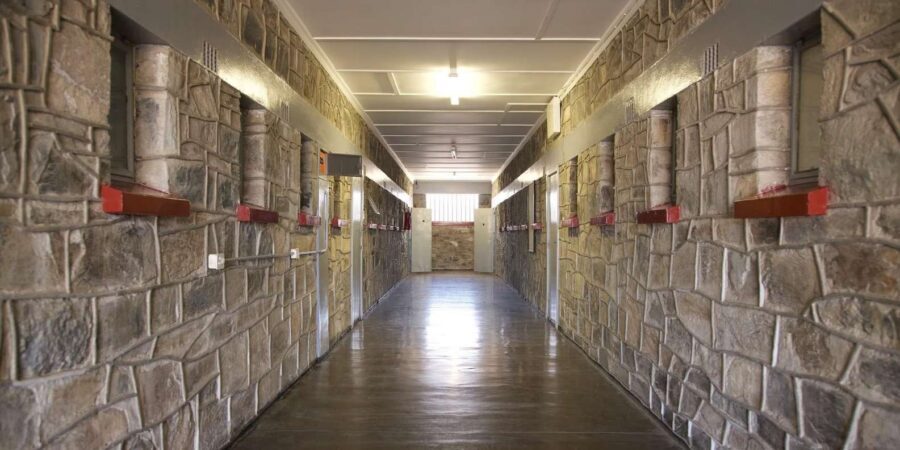
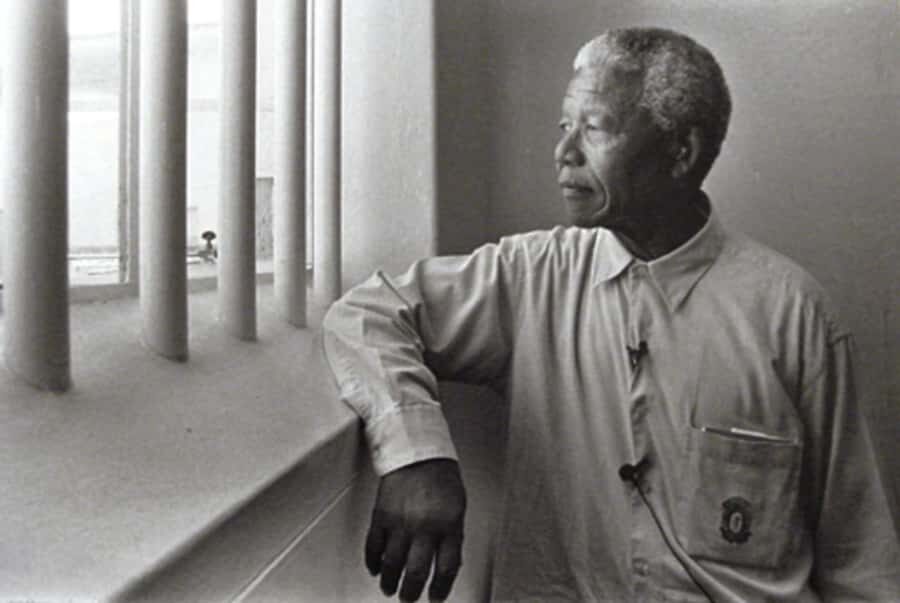
Yes, you’ll visit Nelson Mandela’s cell. It’s described as the cell that confined him for 18 years of the 27 years he spent in jail.
That fact matters because it frames Mandela’s imprisonment as long-term, not a short dramatic chapter. When you stand where he was held, the meaning isn’t just emotional. It’s structural: what it takes to break people, how imprisonment was used to silence resistance, and how stubborn persistence can survive even that.
You’ll also be guided through the historical context around that confinement. The guide connects the museum materials to what you’re seeing in the cells, so you’re not just looking at an empty room. You’re seeing a point in a much larger machine of inequality and injustice—the same themes highlighted by the One World message.






Bus Stops You Might Not Expect: Sobukwe and the Limestone Quarry

This tour isn’t limited to the museum and Mandela’s cell. After you’ve done the main museum and cell portion, you jump back on the bus to visit additional sites across the island.
Two specific stops are highlighted:
- Robert Sobukwe house arrest site
- The limestone quarry, where prisoners were taken for forced labor
These stops broaden your understanding because they show different mechanisms of oppression. The cells explain confinement. Sobukwe and the quarry help you see other parts of the system: monitoring, restriction, and forced labor as punishment and control.
The route design also helps you avoid over-walking. The island can feel like a long day when you’re moving at every angle on foot. Bus segments keep the pace manageable while still covering a lot of ground.
The Guide Factor: Former Political Prisoners and the Real Value of Small Groups

The biggest value here is not a feature list. It’s the people. The day is conducted by a former political prisoner. That means you’re getting interpretation with weight—what the place meant, what survival looked like, and how people understood their own circumstances.
The format is also built for small-group learning. It’s not private. You’ll share the ferry, and once on the island, your group gets split into smaller groups sized to fit buses. Each bus gets a former political prisoner guide for the specific bus tour segment.
From the reviews you can pick up a common thread: some guides make the day feel deeply personal and inspirational. One guide specifically named Medise was called exceptional on the bus tour, and the impression was that it stayed with people long after the day ended.
So if you’re choosing between Robben Island experiences, don’t just compare schedules. Compare what kind of guide experience you’ll get. This one leans heavily into lived storytelling.
Time on the Clock: What a 4-Hour Tour Feels Like

The tour is listed as 4 hours. In practice, it’s a compact mix:
- ferry ride(s)
- museum and cell time
- bus hops to multiple island sites
- wrap-up back at the jetty
Expect the tour to feel structured and full. You shouldn’t count on lounging between stops. This is a “see the key parts, hear the story, keep moving” style.
When you return to the mainland, the tour ends at the jetty. From there, you can choose to eat inside the mall or take an Uber back to your accommodation.
Photo Opportunities: Table Mountain Views and What’s Actually Worth Shooting
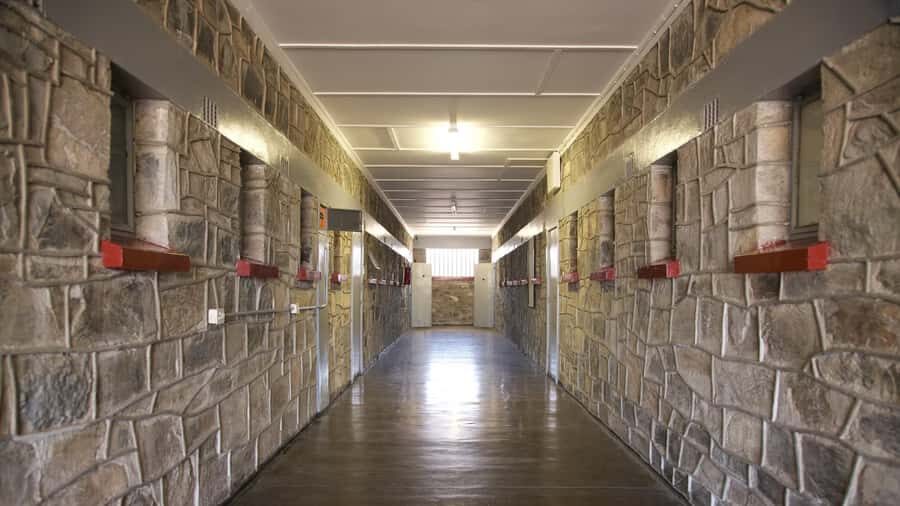
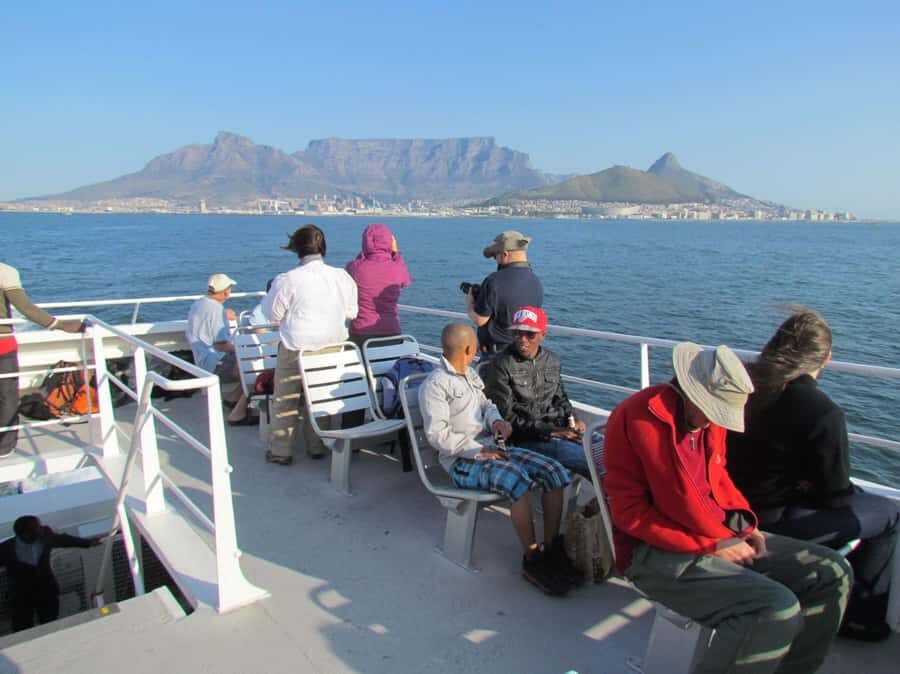
You can take pictures around you, and the itinerary description specifically notes beautiful Table Mountain views and scenery. If you care about photos, this is one of the Cape Town days where the setting is dramatic enough that you’ll want to capture more than just buildings.
Just keep it practical:
- bring a phone with battery capacity
- protect it from salt air if you’re on deck
- don’t expect long photo pauses inside every area
You’ll get your best photo moments during transit and open viewpoints, not in tight spaces where the guide talk is the main event.
Price and Value: Is $90 a Fair Deal?
At about $90 per person, you’re paying for a guided, structured, and transportation-backed day—not just a ticket.
Here’s what the price includes:
- the full Robben Island tour experience with ticket(s)
- ferry ride fares to and from the island
- tour guide fees (from a former political prisoner)
- local agent fees / concierge runner fees
- a note that you should not expect extra fees unless you want to tip someone
You also get “skip the ticket line,” which can matter a lot at busy times, and you’ll only need to focus on scanning your tickets at the Clock Tower check-in point.
Is it worth it? For most people, yes—because you’re essentially buying three things at once: ferry access, guided interpretation by a former prisoner, and a route that covers multiple sites in a single half-day. If you try to DIY this without the right guide support, you may end up paying in time and confusion. This keeps you moving and explained.
The one price-related snag is the short-notice ticket cost. Booking seven days in advance helps you avoid a cited 20% extra charge.
Tickets, Vouchers, and the One Detail That Can Ruin Your Day
This is the part that can trip people up.
After purchasing via GetYourGuide, the voucher you receive is not the final Robben Island entry ticket. You need to contact the concierge runner (Concierge Runners Cape Town) to claim the Robben Island boarding tickets. The note gives two ways to reach them: via the application email or via WhatsApp.
If you show up with only the voucher and you haven’t secured the actual boarding tickets, you may be stuck at the scanning stage. One of the unhappy experiences described that the voucher wasn’t helpful and that check-in didn’t go smoothly, with the ferry leaving without them.
So my advice is simple: once you book, treat ticket claiming as a task, not a hope. Get the boarding tickets sorted before your travel morning.
Who This Tour Fits Best (and Who Might Want a Different Plan)
This is a strong fit if:
- you want a guided Robben Island experience centered on lived storytelling
- you care about understanding the prison system beyond just Mandela’s cell
- you’re okay with a weather-dependent ferry plan
It’s also a good match for history lovers who like structure and interpretation, not just self-guided wandering.
Consider a different plan if:
- you have extremely tight timing and you can’t handle ferry cancellations
- you dislike group logistics and splitting into bus-sized groups
- you’re not willing to handle the voucher-to-boarding-ticket step promptly
Should You Book This Robben Island Museum Tour?
If you can plan with a little flexibility, I think this tour is worth booking. The big draw is the guided format led by a former political prisoner, and the fact that you see Mandela’s cell as part of a wider set of stops, including communal cells, Sobukwe, and the limestone quarry. That makes the day feel connected rather than just symbolic.
My only caution: don’t book it like it’s indestructible. The ferry can be affected by wind and rough sea conditions, and the ticket handoff from voucher to actual boarding tickets is crucial. If you handle those two issues—weather flexibility and ticket claiming—you’ll set yourself up for a meaningful, well-organized half-day.
FAQ
Do I need to bring my passport or ID?
Yes. You should bring a passport if you are an international visitor, or an ID if you are local. If you forget it, you may not be allowed to go through.
Where do I meet for the Robben Island ferry and check-in?
Meet at the Nelson Mandela Gateway area at the V&A Waterfront, in the Clock Tower building (the red clock tower). After the red Clock Tower building, there is a building on your right; enter, go through security, and ask for the queue to scan tickets.
How early should I arrive before the ferry?
Arrive at least 30 minutes before the scanning starts. For example, for a 9:00 ferry, arrive around 8:30; for 11:00, around 10:30; and for 13:00, around 12:30.
Is this tour private?
No. It is not private. The ferry is shared, and once on the island you are split into smaller groups sized to fit bus capacity, each with a guide who is a former political prisoner.
What does the tour price include?
The tickets include the guided Robben Island tour experience, ferry rides to and from the island, tour guide fees (former political prisoner), guide commission, and local agent fees. There should be no additional fees unless you choose to tip.
How long is the tour?
The duration is listed as 4 hours, with the day including museum and cell time plus bus transport to other sites, then returning to the jetty.
What do I do with my GetYourGuide voucher?
The voucher you receive is not the original Robben Island entry ticket. You need to contact Concierge Runners Cape Town after booking to claim the Robben Island boarding tickets, using the app email or WhatsApp.