REVIEW · CAPE TOWN
Cape Town: Robben Island Guided Tour ticket & guided tour
Book on GetYourGuide →Operated by Magwinhi Tours · Bookable on GetYourGuide
Ferry to history, with a real guide. This Robben Island experience has a clear rhythm: short ferry crossing, focused walk on the island, and back in time to keep your Cape Town day moving.
You’ll love two big things right away. The ex-prisoner guide shares first-hand stories that turn buildings into lived reality, and the tour ends with a visit to Nelson Mandela’s actual prison cell, not just photos or explanations.
The main thing to weigh is time. You spend about 3 hours on Robben Island, which is enough to see the key sites, but it won’t feel like a slow, independent wander.
In This Review
- Key things to know before you go
- First step: Getting to the Nelson Mandela Gateway (V&A Waterfront)
- The 30-minute ferry: Table Mountain views and a moving clock
- Robben Island with an ex-prisoner guide: what the tour does well
- Key stops you’ll walk through: graveyard, quarry, and personal stories
- Leprosy graveyard
- Lime Quarry
- Robert Sobukwe’s house
- Maximum security prison
- The emotional anchor: seeing Mandela’s actual prison cell
- How long the day really takes (and how to plan around it)
- Price and value: what you’re paying for at $87
- Who should book this tour (and who might want another option)
- Small details that make the experience smoother
- Should you book this Robben Island guided tour?
- FAQ
- Where does the tour start?
- How do I find the meeting point at V&A Waterfront?
- How long is the ferry ride to Robben Island?
- How long is the guided part on Robben Island?
- Does the tour include tickets in advance?
- Is there hotel pickup?
- Who guides the tour on Robben Island?
- What ID do I need to bring?
- How much time should I allow before departure?
- What if my plans change?
- Should you book this Robben Island guided tour?
Key things to know before you go
- 30-minute ferry each way with big Cape Town views as you head out
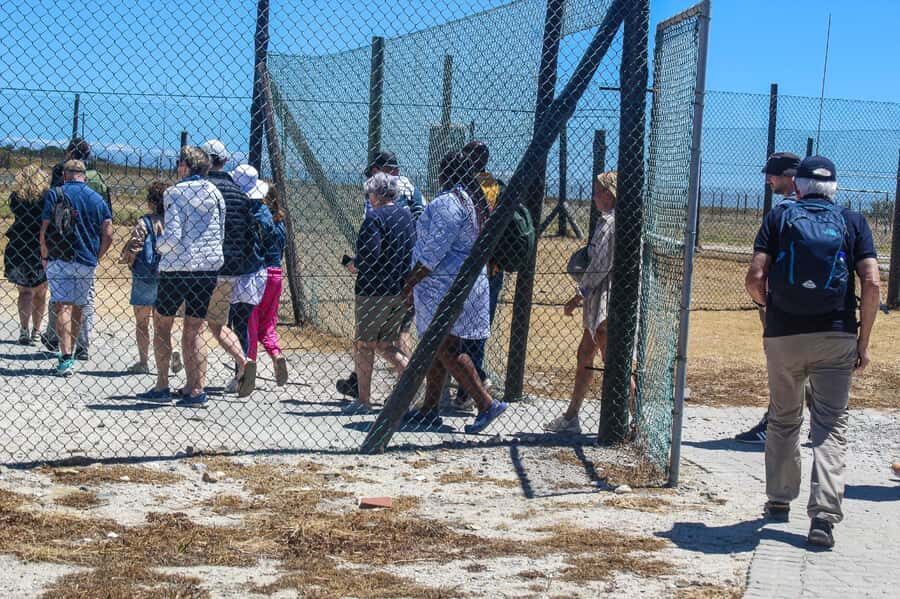
- Guided walk led by a former political prisoner (live, English)
- Leprosy graveyard, Lime Quarry, Robert Sobukwe’s house, and the maximum security prison on the route
- Nelson Mandela’s cell is part of the visit, and it’s the emotional anchor of the day
- Departing from V&A Waterfront makes it easy to pair with the rest of your Cape Town plans
First step: Getting to the Nelson Mandela Gateway (V&A Waterfront)
Your tour starts at the Nelson Mandela Gateway to Robben Island at the V&A Waterfront. Look for the entrance next to the Clocktower by the children’s play area. Go up the steps, and you’ll see security staff who point you in the right direction for the ferry area.
This matters more than it sounds. It’s a popular area, and on tour days it can feel like everyone is moving at once. If you arrive early, you’ll keep the stress level low and your day stays on time.
A small, practical tip: keep your ID easy to reach. You’ll need it both for boarding and for general verification before you go out.
A few more Cape Town tours and experiences worth a look



The 30-minute ferry: Table Mountain views and a moving clock
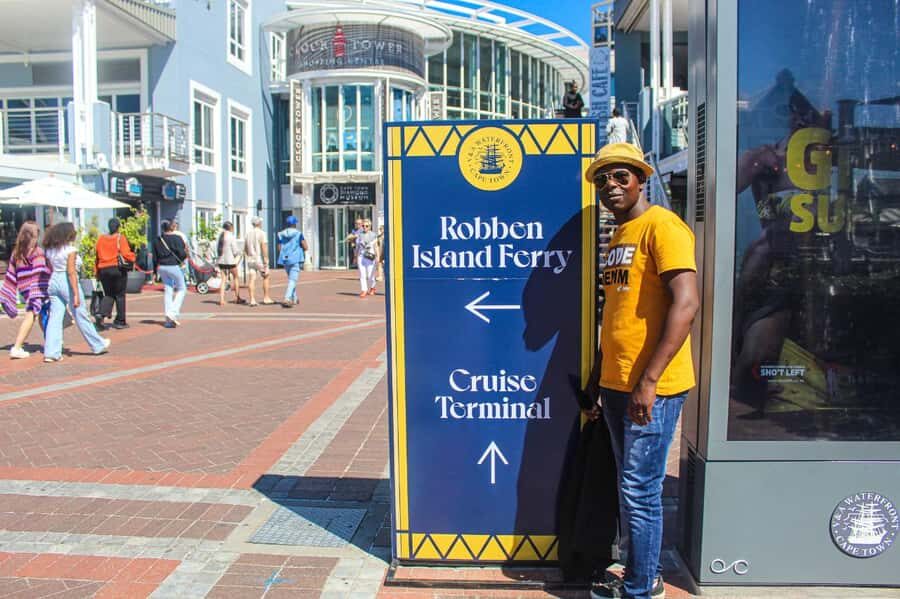
Once you’re on board, you’re looking at the water and Cape Town at the same time. The crossing is listed at 30 minutes, and that’s long enough to get a real sense of where you are—without draining your day.
During the ride, you’ll enjoy views of Table Mountain from the ferry. It’s not just scenic wallpaper. Watching the coastline slide by helps you frame the island as it actually functions in relation to Cape Town—close enough to visit easily, far enough to feel like a separate world once you arrive.
Keep your expectations realistic: the day runs on a tight schedule. If you’re planning a dinner reservation right afterward, aim for something with some buffer time. People often underestimate how the whole process from meeting point to boarding can add minutes.
Robben Island with an ex-prisoner guide: what the tour does well
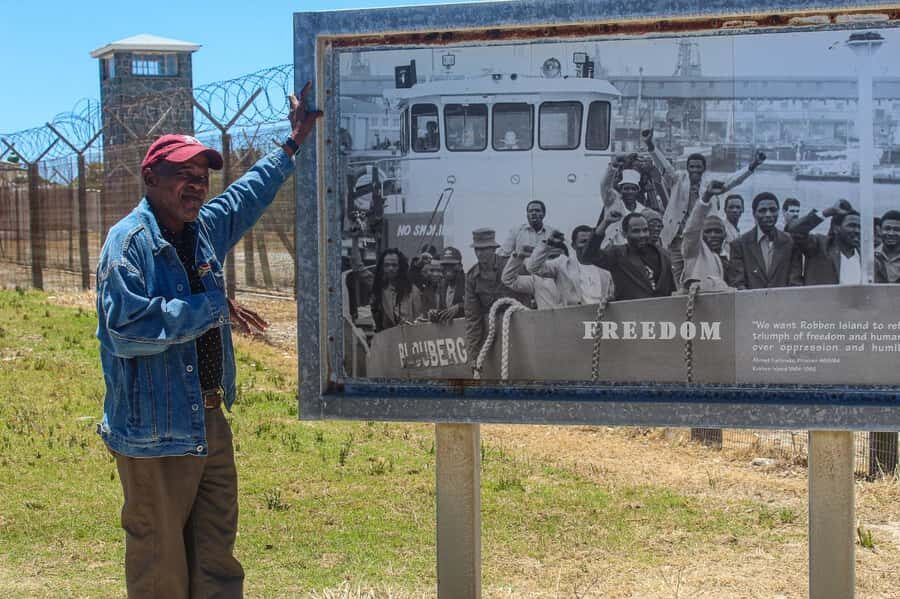
On Robben Island, you’re not getting a lecture. You’re getting a guided experience led by someone who lived the reality. The tour is described as a walk through key landmarks, and the standout feature is the first-hand stories from an ex-prisoner guide.
That’s where this tour earns its reputation. The places on the island can sound like history terms—maximum security prison, Lime Quarry, and so on. The guide’s stories put pressure on those words. You start noticing small details: how space is laid out, what movement would feel like, and why certain locations mattered to the people held there.
It’s also a tour format that works for different learning styles. If you like visuals, you’ll have the buildings and grounds in front of you. If you like narrative, you’ll be guided through what each spot represented. And if you like asking questions, a live guide makes that possible (within the flow of the day).
Key stops you’ll walk through: graveyard, quarry, and personal stories
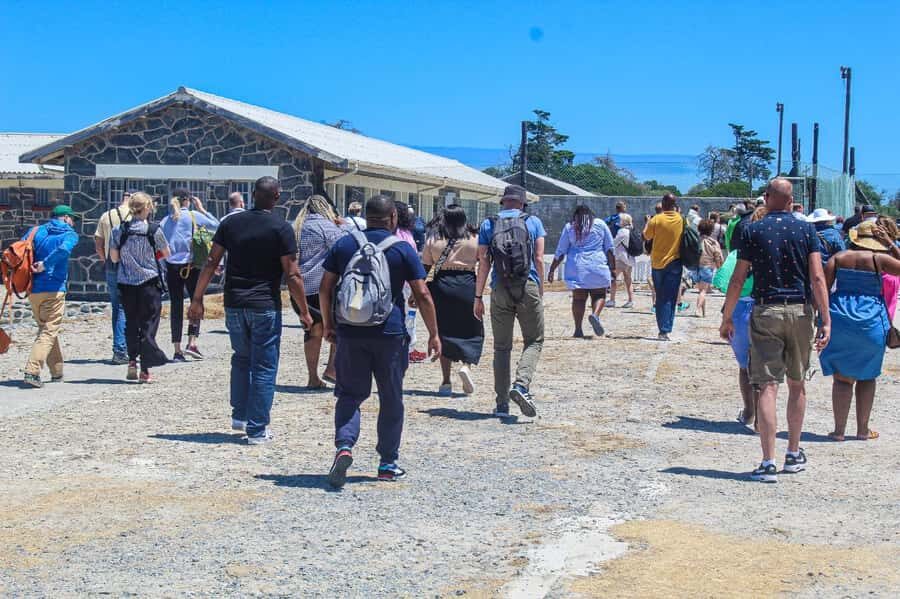
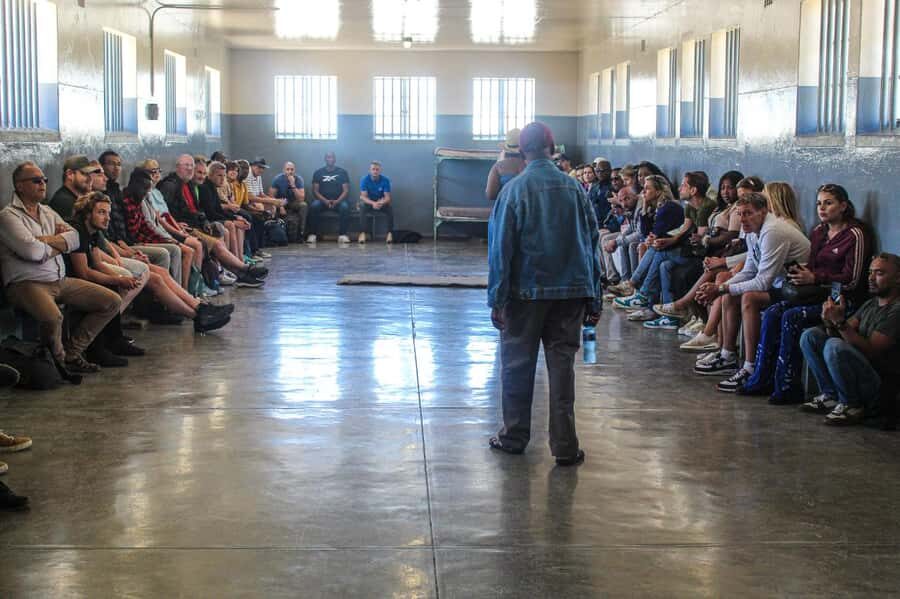
The tour route covers several significant places, and each one has a different emotional tone. You’ll visit the leprosy graveyard, Lime Quarry, Robert Sobukwe’s house, and the maximum security prison area as you move through the island.
Here’s how I’d think about each stop so you know what you’re looking at:
Leprosy graveyard
This is the kind of place where the landscape can feel quiet, but the meaning isn’t. Even if you don’t know the details ahead of time, the stop is designed to show that the island’s purpose wasn’t only punishment—it also reflected how society tried to manage those it feared or marginalized.
You can also read our reviews of more guided tours in Cape Town






Lime Quarry
A quarry is hard to picture until you’re standing near it. When you see the working environment, it becomes easier to understand how labor shaped daily life on the island—how routine could be built around exhaustion.
Robert Sobukwe’s house
This stop adds another thread to the political story beyond Nelson Mandela. Seeing a named residence tied to Robert Sobukwe helps you understand that the island affected more than one leader and more than one phase of the struggle.
Maximum security prison
This is the heavy part of the visit, and it sets up the final emotional moment: Mandela’s cell. If you want one takeaway from the whole tour, it’s that the island’s design and facilities weren’t random—they were part of a system built to control people.
The emotional anchor: seeing Mandela’s actual prison cell
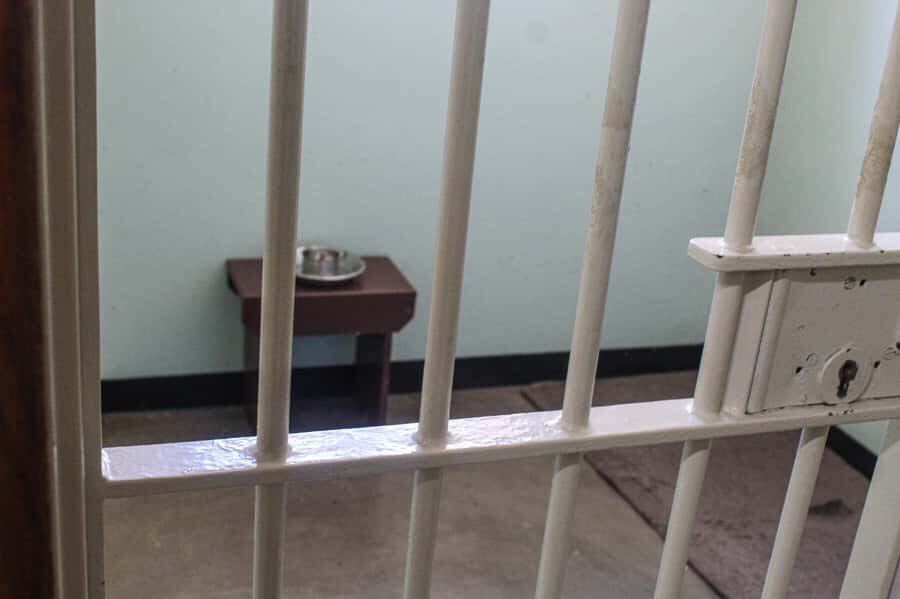
Near the end of the visit, the tour takes you to Nelson Mandela’s prison cell. This is the moment most people remember, and for good reason. It’s not just a memorial stop. You’re being shown the place where he was held.
What makes it powerful is the contrast between what you see and what you imagine. A cell can look small on a map. Seeing it in person brings it back to scale—how little room there is, how limiting the surroundings are, and why dignity mattered even when conditions were designed to strip it away.
If you’re the type who likes a mental checklist, focus on this: don’t rush the cell viewing. Let it land. The tour’s other sites are important, but this one is the emotional center of gravity.
How long the day really takes (and how to plan around it)
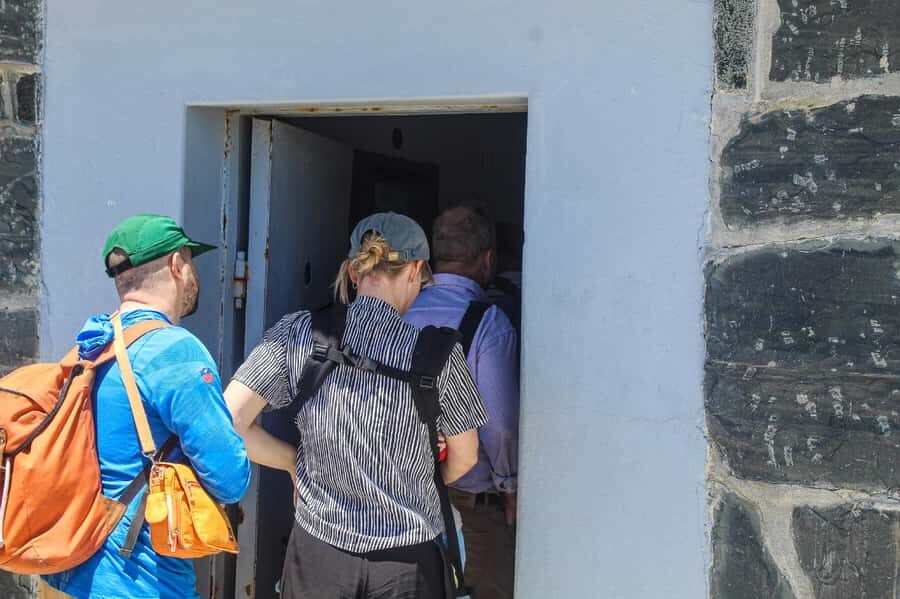
The tour duration is listed at 4 hours total, built around a 30-minute ferry to the island, about 3 hours on Robben Island, and another 30-minute ferry back.
That’s pretty tight, especially on a day when you’re standing, walking, and processing a lot of information. A common practical takeaway is to avoid scheduling something demanding right after. Keep your next plan flexible—coffee, a slow meal, or a short walk around the Waterfront are good fits. You’ll want decompression time.
Also, you should aim to arrive at the meeting point early. You’re advised to be at Nelson Mandela Gateway at least 30 minutes before departure. That’s not just bureaucracy; it helps you avoid last-minute stress.
Price and value: what you’re paying for at $87
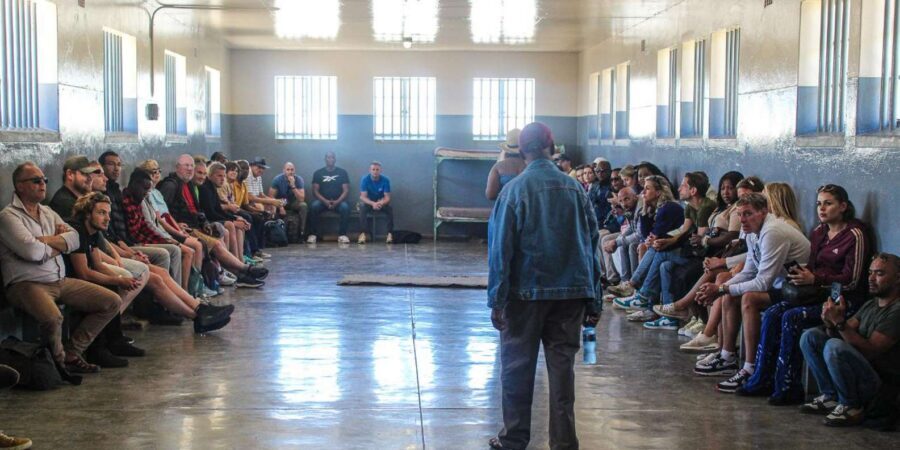
At $87 per person, this tour isn’t the cheapest thing you can do in Cape Town. But it’s also not “tourist pricing with nothing behind it.”
Here’s what’s included that affects value:
- Pre-booked Robben Island ferry ticket
- Robben Island Museum entry/admission
- Guided tour by an ex-prisoner (English)
- Skip the ticket line
- Round-trip ferry timing built into the experience
What you’re really buying is access plus interpretation. The ferry and entry get you there, but the ex-prisoner guide is the part that turns it from sightseeing into understanding.
If you compare options, ask yourself one question: do you want to read your way through the island, or do you want someone who can connect the dots in real time? This tour is for people who value that guided meaning.
And one more value note: because the tour is planned to run in a single block from the Waterfront, it’s easier to fit into a visit. You’re not piecing together transportation and timing on your own.
Who should book this tour (and who might want another option)
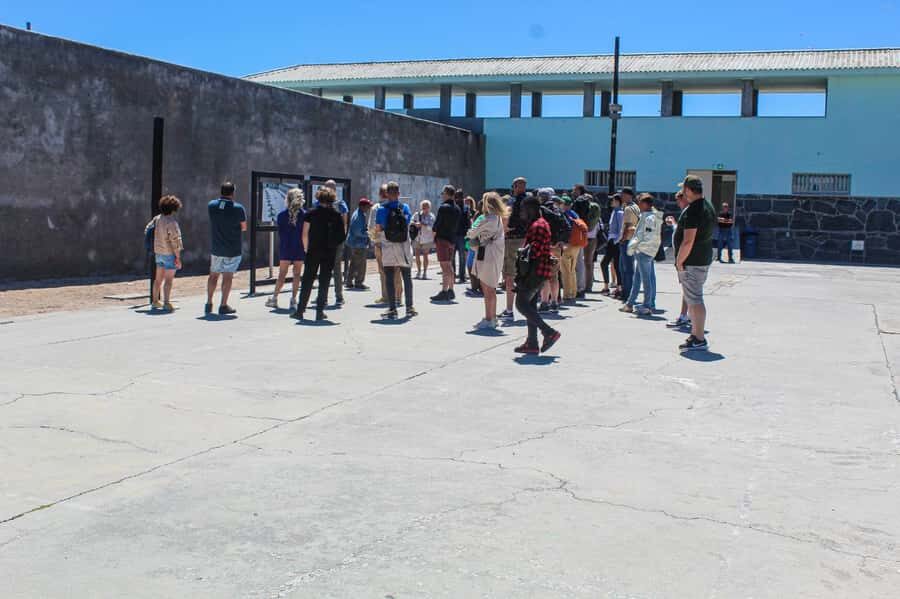
This is a strong choice if you want:
- A structured visit to the island’s key sites
- A guide who offers first-hand context in English
- A guided route that includes both major landmarks and Mandela’s prison cell
It may be less ideal if you prefer:
- A lot of free time on site for independent wandering
- A slower pace with lots of time for repeating stops or lingering in one location
If you’re the kind of traveler who likes history that’s tied to a human story, you’ll likely feel satisfied with this format—even with the short on-island time.
Small details that make the experience smoother
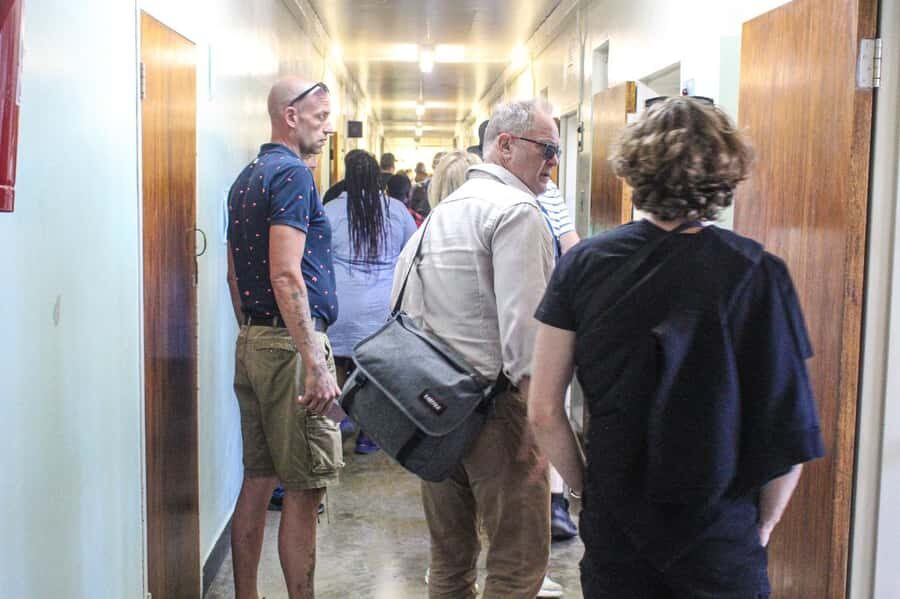
Bring what the tour requests. You’ll need a passport or ID card. A copy is accepted for ID requirements (including for children, based on the info provided). Children also need valid ID.
Keep in mind that the tour is run in English, and it’s described as live guided. That makes it a better fit if you’re comfortable following a spoken explanation while walking.
And yes, wear shoes you can stand and walk in. You’ll be moving between important points, and you’ll want your feet to do the job without complaining the whole time.
Should you book this Robben Island guided tour?
If your goal is to see the main sites efficiently and understand what you’re looking at—this is an excellent fit. The ex-prisoner guide, the guided walk through key locations, and the visit to Mandela’s cell are the reasons to choose this over a self-guided approach.
Book it if you like a clear schedule and you’re okay with about 3 hours on the island. Skip it only if you know you want long, independent time on-site and you’re not interested in a guided route.
FAQ
Where does the tour start?
It starts at the Nelson Mandela Gateway to Robben Island, located at the V&A Waterfront, near the Clocktower by the children’s play area.
How do I find the meeting point at V&A Waterfront?
Enter near the Clocktower by the children’s play area, go up the steps, and follow the directions from security staff to the ferry area.
How long is the ferry ride to Robben Island?
The ferry ride is listed as 30 minutes to Robben Island.
How long is the guided part on Robben Island?
You’ll spend about 3 hours on Robben Island for the guided tour, sightseeing, and walking.
Does the tour include tickets in advance?
Yes. The Robben Island ferry ticket is pre-booked, and you also get Robben Island Museum entry/admission.
Is there hotel pickup?
No. Hotel pickup and drop-off are not included.
Who guides the tour on Robben Island?
The tour includes a live English guide, described as an ex-prisoner guiding the Robben Island Museum tour.
What ID do I need to bring?
You need a passport or ID card. Copies are accepted, and children must also bring valid ID.
How much time should I allow before departure?
You’re advised to arrive at the Nelson Mandela Gateway at least 30 minutes before your departure time.
What if my plans change?
The tour offers free cancellation up to 24 hours in advance for a full refund, and you can reserve and pay later.
Should you book this Robben Island guided tour?
If you want a guided visit that includes the ferry, museum entry, and the emotional centerpiece of seeing Mandela’s actual prison cell, this is a smart value. You’ll trade a little free time for structure and a live ex-prisoner perspective—exactly what makes Robben Island click.