REVIEW · CAPE TOWN
From Cape Town: Whale Watching Tour in Hermanus and Gansbaai
Book on GetYourGuide →Operated by Ivanhoe Sea Safaris · Bookable on GetYourGuide
Whales are the headline, but the route delivers too. This Cape Town-to-Gansbaai outing pairs a long stretch of coastal views with a boat trip built for whale watching. I especially like how the day mixes wildlife time with simple, real-world stops like Stony Point penguins and the Peregrine Farm Stall. One thing to consider: whale sightings and even the boat portion depend on weather and sea conditions.
The pickup is early and organized, and your guide helps you read the scenery as you go. People have praised guides such as Neil, Bruce, Muammer, Prem, and Charlton for being friendly, professional, and good at answering questions on the road. Then, once you reach Gansbaai, you’re set up for land-based spotting on the way in, before heading out on the water.
The best fit is clear: you want a compact day trip where you’re not just staring at a screen—you’re actually learning what you’re looking at. Bring layers and eye gear, because even when the sea is calm, coastal wind can cool things fast.
In This Review
- Key highlights you’ll feel right away
- Cape Town to Gansbaai: Why the drive matters as much as the whales
- The morning route: key stops that turn transit into sightseeing
- Leaving the city fast, then settling into Overberg views
- A Grabouw break that doubles as a reset
- Optional wildlife-focused time: Stony Point or botanical gardens
- De Kelders and land-based whale spotting near Hermanus
- Two hours on the water: what to expect from the boat trip
- Hermanus afterward: late lunch, strolling time, and coastal energy
- Peregrine Farm Stall: the food stop that feels like part of the region
- Price and value: is $249 fair for this kind of day?
- Comfort checklist: what you should bring on a coastal whale day
- Who should book this tour, and who should think twice
- Should you book it?
- FAQ
- FAQ
- How long is the whale watching tour?
- Where do I get picked up in Cape Town?
- Is lunch included?
- What language is the guide?
- Is the tour wheelchair accessible?
- Are unaccompanied minors allowed?
- What should I bring for the day?
- What are the cancellation terms?
Key highlights you’ll feel right away
- Cape-to-coast scenery on the Overberg route with multiple viewpoints
- A purpose-built boat and limits that make whale watching easier to enjoy
- Hermanus time after the boat, so the day doesn’t end when you return to shore
- Penguin viewing at Stony Point as a warm-up for marine wildlife
- Peregrine Farm Stall stop for fresh produce and straightforward farm-shop goodness
- Real flexibility in tough weather, with alternate plans possible if seas are rough
Cape Town to Gansbaai: Why the drive matters as much as the whales
Most whale tours start at the harbor. This one starts earlier, with a long, scenic push along the south coast. In about 20 minutes you’re already out of Cape Town’s city center, and then the trip becomes about rhythm: coastline, viewpoints, quick breaks, and guide-led context.
That matters for two reasons. First, it gets you into “wildlife mode” before you ever reach the boats. Second, it fills the hours with things you can actually look at, not just the hum of the van. Along the route you pass Sir Lowry’s Pass and the dramatic cliff faces dropping toward the Indian Ocean—an easy way to understand why this stretch of coast is so important to marine life.
You’ll also get multiple photo chances, including long views of beaches near Betty’s Bay. If you’re the type who likes to understand a place while you’re seeing it, you’ll enjoy how the guide connects landmarks to the day’s wildlife.
You can also read our reviews of more whale watching tours in Cape Town
The morning route: key stops that turn transit into sightseeing
This trip is paced to keep you from feeling rushed, even with an early departure. Pickups run from major hotels and guest houses within roughly 20 kilometers of central Cape Town, with exact collection times shared the evening before.
Here’s how the morning typically feels as you roll south:
Leaving the city fast, then settling into Overberg views
Once you’re out of town, you’ll travel along the Overberg south coastal route through Gordon’s Bay, Pringle Bay, and Betty’s Bay. These aren’t random place names. They’re built for coastal sightlines—so you’re constantly aware of ocean, cliffs, and bays. That helps when you’re later looking for whales from shore and from the water.
A Grabouw break that doubles as a reset
You’ll pause in Grabouw for a short break—plus a bit of visiting and shopping. It’s one of those small stops that makes the day easier. You get a leg stretch, you can grab a drink or snack, and you arrive in the whale-watching area more relaxed than if you’d been stuck in transit the whole time.
Optional wildlife-focused time: Stony Point or botanical gardens
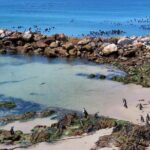
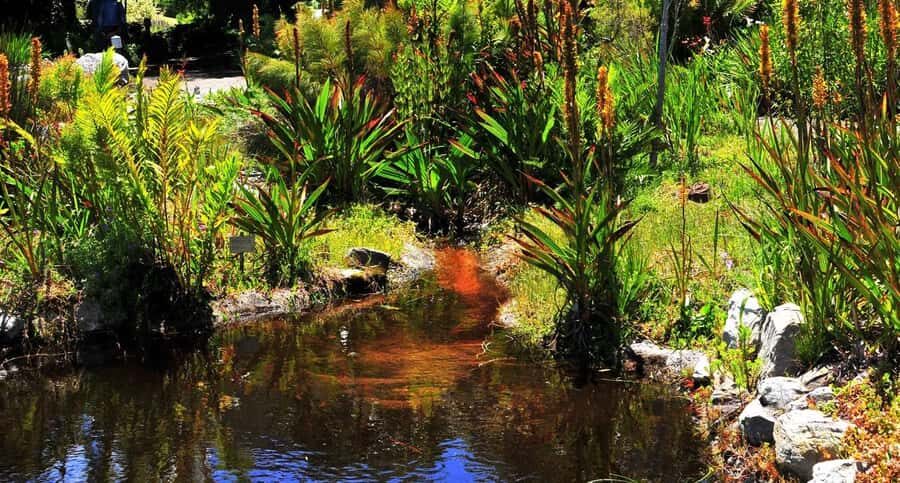
As you near Betty’s Bay, you’ll have a wildlife/interest stop option. One popular choice is Stony Point, known for the African penguin breeding ground. Another option is the Harold Porter National Botanical Garden.
If you want maximum marine credibility before the boat, pick Stony Point time. If you prefer a quieter break with plant scenery and less crowd energy, the botanical garden can feel like a palate cleanser before the ocean action.
Either way, the point is smart: you’re building a mental map of what lives here and why the coastline draws it in.





De Kelders and land-based whale spotting near Hermanus
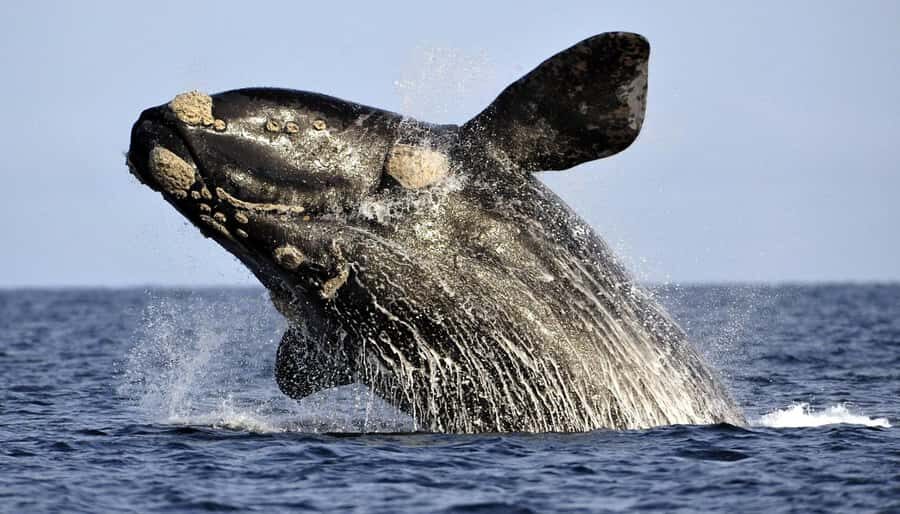
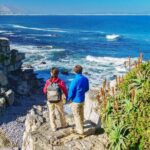
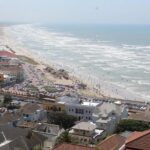
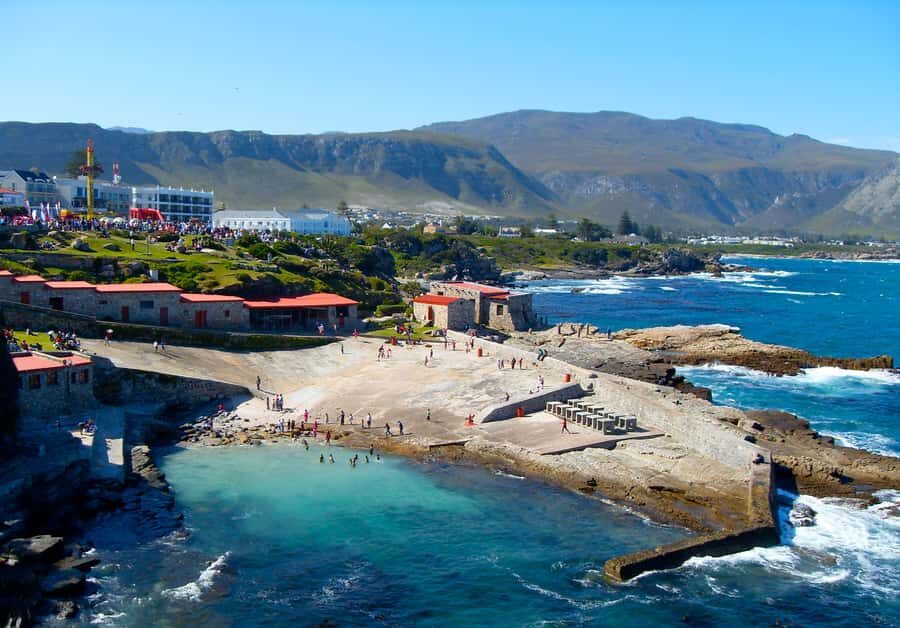
You’ll continue the drive through Hermanus, and the coast starts doing the heavy lifting again. As you approach Gansbaai, you’ll pass areas with cliffs and open beach views where you can sometimes spot whales from land.
De Kelders is part of that story. The cliffs and the beach set you up for land-based watching, which is valuable even if you only catch partial sightings. Watching from shore is slower, but it trains your eyes for what to look for—timing, spouts, and how whales move relative to the coastline.
Hermanus also helps in a different way: even if the big whale moment is still coming, it’s a lively coastal town with views you can enjoy on foot. If your boat trip is delayed or the sea is rough, having a strong land-watching area gives the day somewhere meaningful to go.
Two hours on the water: what to expect from the boat trip
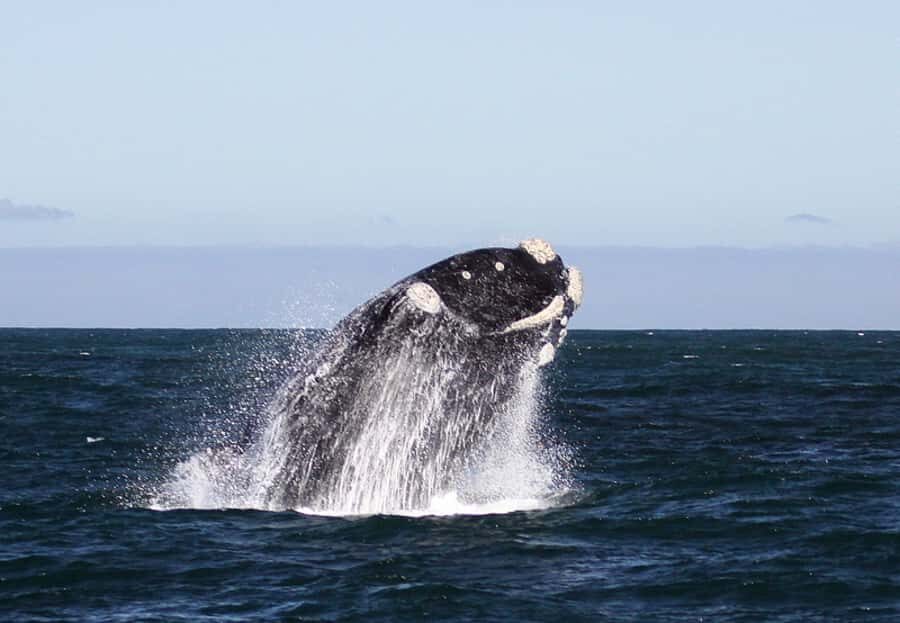
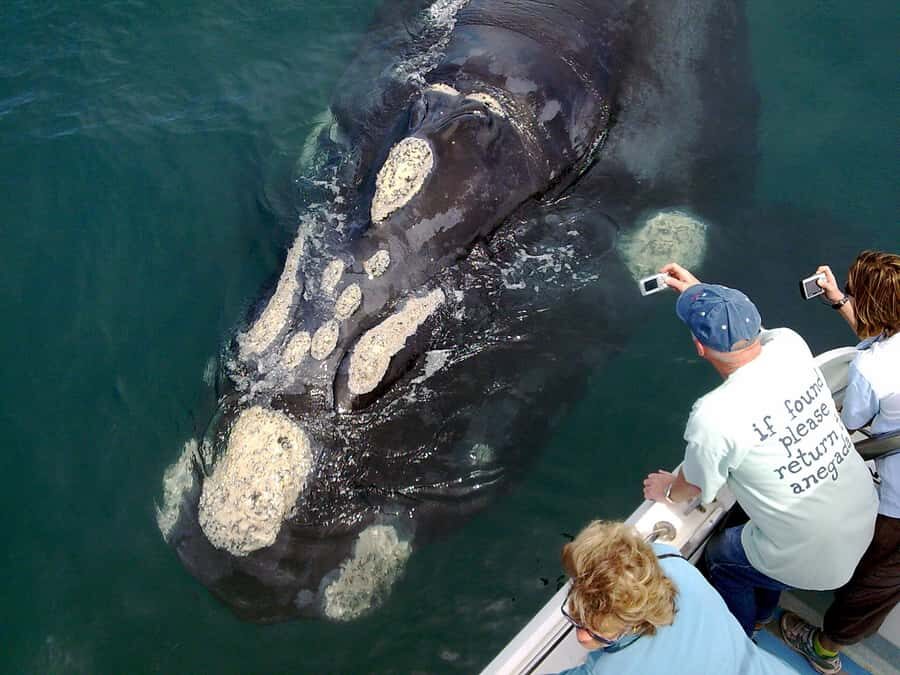
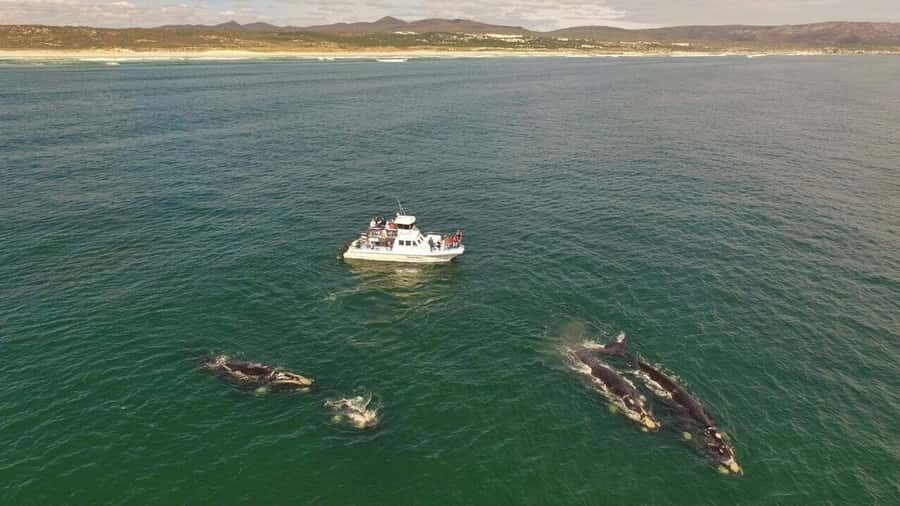
Once you reach Gansbaai, you head out for a whale-watching journey with a duration of about two hours. The experience is designed to be watched—not endured. The boat is described as purpose-built, and passenger limits are part of the plan, which usually means less jostling and more real viewing time.
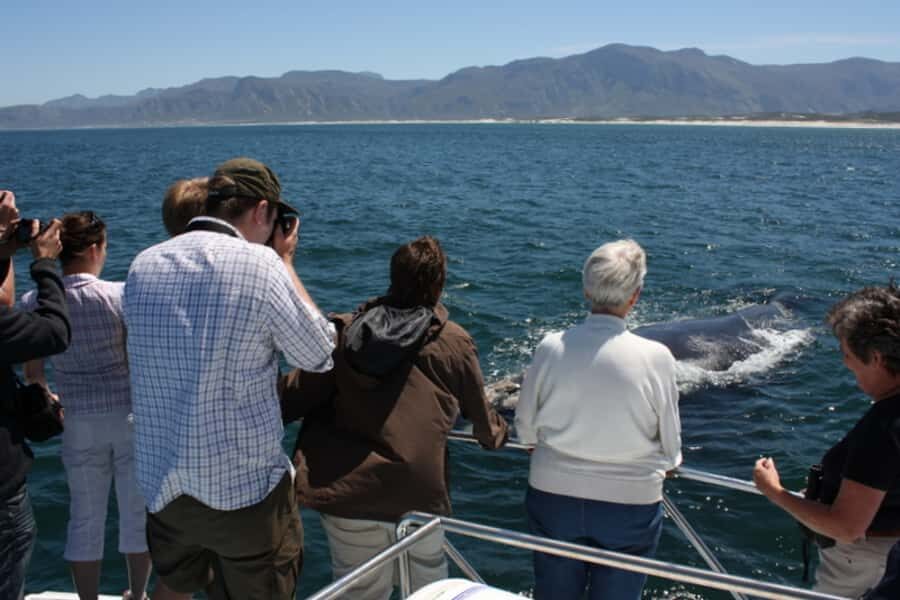
That becomes the core value of this tour. Whale watching isn’t about stacking people next to each other for a quick glance. It’s about staying in position as the crew adjusts approach and angle when whales surface. People have highlighted how the crew gently took the boat toward whales and how that made it possible to observe whales at close range without feeling crowded.
What you might see depends on the day. In past outings, people have reported:
- southern right whales, including mother-and-baby activity
- dolphins and seals
- multiple whale individuals around the boat
The big practical takeaway is to treat this like wildlife viewing, not a guaranteed show. Weather can change everything. One confirmed experience described rough sea conditions causing the original trip to be canceled last minute, and the operator handled it by adjusting plans to keep the day moving. That doesn’t make it “problem-free,” but it does mean the day isn’t automatically ruined if the sea refuses to cooperate.
Hermanus afterward: late lunch, strolling time, and coastal energy
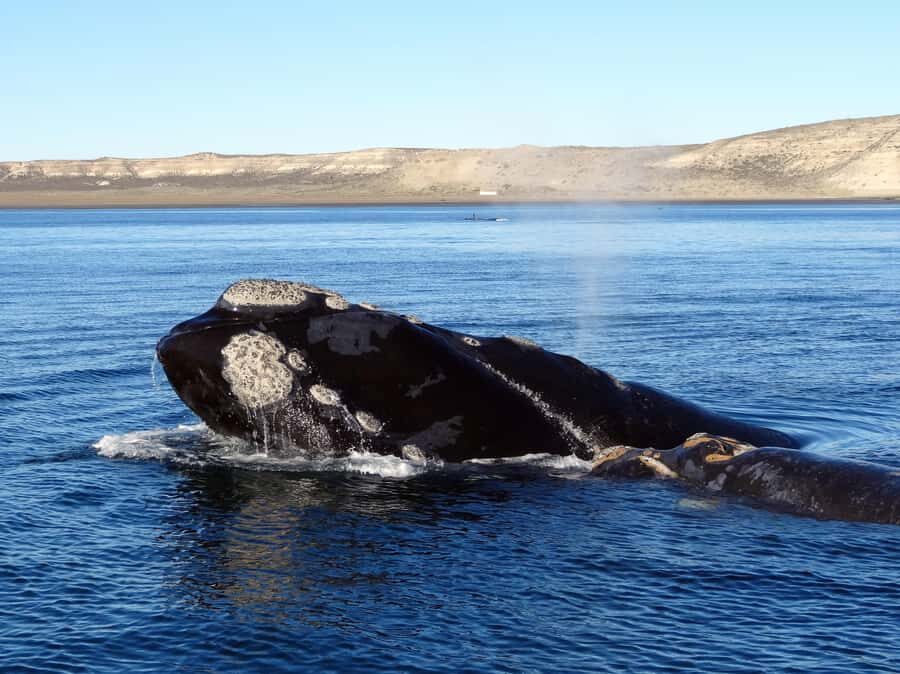
After the boat, you head back along the coast to Hermanus. This is where the day becomes more human-scale. You’ll have time for a late lunch, but lunch isn’t included in the tour price, so you’ll want to budget that separately.
Hermanus is a good place to pause because it’s built for sea views and easy wandering. You’ll find shops and arts-and-crafts stalls, and the whole town makes it simple to spend time outside rather than just sitting in the van waiting for the next leg.
If you’re hoping for one more wildlife moment, Hermanus can help, but it’s also just a solid chance to recharge. Even when the boat is fantastic (or not as active as you’d hoped), having this after section prevents the trip from feeling like a one-and-done event.
Peregrine Farm Stall: the food stop that feels like part of the region
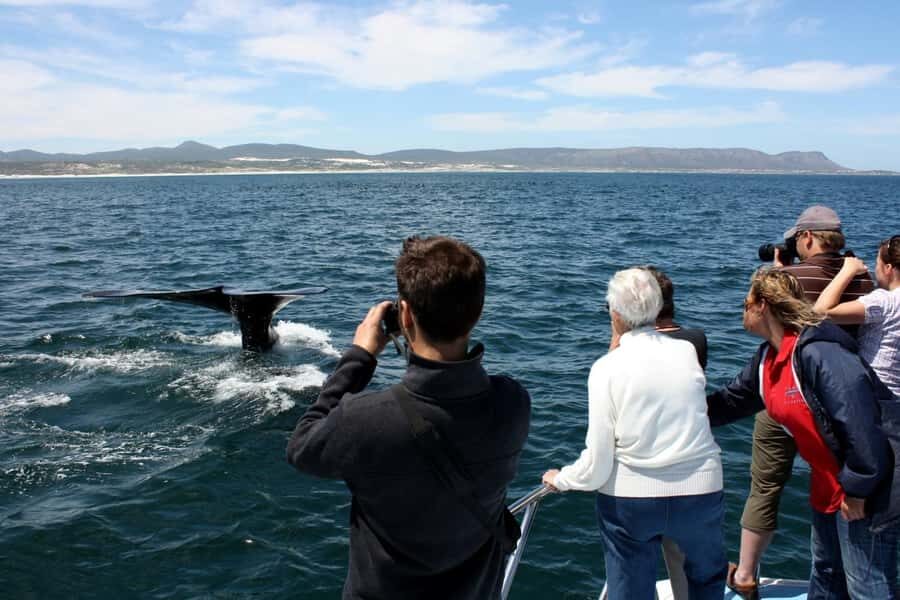
The tour ends with a drive to the N2 and a final stop at the Peregrine Farm Stall. This is the kind of stop I like for tours like this because it’s tangible. You’re not just passing scenery; you’re taking home flavors tied to the area.
The stall is positioned as a place for fresh produce and quality goods straight from the farms. In practice, it’s also a nice final moment to use that time wisely—grab something for later, taste something new, or stock up if you’ve got a kitchen at your lodging.
Even if you’re not a foodie, it’s a good way to break up the drive back and add a local touch without turning the day into a museum visit.
Price and value: is $249 fair for this kind of day?
At $249 per person, this isn’t a budget outing. The value comes from what’s included and from how the experience is set up, not just from the whale watching alone.
What you’re paying for includes:
- pickup and drop-off from central Cape Town area accommodation
- a qualified local guide
- all entrance fees
The guide part is more important than it sounds. On whale-watching tours, a guide often changes how you experience the day. People have praised guides like Neil and Bruce for being informative and professional, with lots of questions answered and helpful timing breaks along the way. If you’re the type who wants context—why certain coastlines matter, what you’re seeing when you look out—you’ll feel that value quickly.
The whale boat setup also adds value. Passenger limits and a purpose-built vessel make viewing more comfortable and give the crew room to work. That can be the difference between seeing whales clearly versus feeling like you’re watching through shoulders.
One consideration: lunch isn’t included. If you usually like sitting down for a proper meal, factor that cost into your total plan. Also remember that nature is unpredictable. If rough seas reduce whale time, the tour may still keep the day full with alternate stops, but you can’t buy certainty.
Comfort checklist: what you should bring on a coastal whale day
Even without knowing your exact weather, you can plan for it. Bring warm layers. Bring sun protection. Bring the gear that helps you see what matters.
Recommended items include:
- warm clothing
- a hat
- sunglasses and sunscreen
- a camera or video camera
- binoculars
This combo is practical. Whale watching can mean bright glare on the water, then cold wind when you’re near shore. Good viewing gear helps on both land-based spotting and on the boat.
Also, wear shoes you don’t mind getting a little sea-spray-adjacent. The boat deck and coastal stops can be slick, even when the day looks calm from the road.
Who should book this tour, and who should think twice
This tour is a good match if you want:
- a single guided outing from Cape Town that combines scenery, wildlife, and local stops
- whale watching with an approach designed to reduce crowding
- English-language guidance for explanations on the road and at stops
It may not be ideal if:
- you can’t handle variable conditions at sea, because whale activity and boat success depend on weather
- you’re traveling with someone who needs to go alone—unaccompanied minors aren’t allowed, and children must be accompanied by an adult
On the plus side, it’s wheelchair accessible, and pickup is planned within a defined radius of Cape Town’s center.
Should you book it?
Yes, if you want a day that feels like a real regional loop—coastline first, then whales, then a coastal town and a farm-shop ending. The strongest reasons to book are the mix of organized viewing (passenger-limited boat setup), the guide-driven context (people have praised guides like Neil and Bruce), and the fact that you’re not stuck with only one activity for the whole day.
If you hate uncertainty at sea, this might still be worth it, but go in with flexible expectations. I’d book if you’re ready to appreciate the whole day, not only the moment whales surface.
FAQ
FAQ
How long is the whale watching tour?
The experience is listed as lasting 2 hours. You can also check availability to see starting times.
Where do I get picked up in Cape Town?
Pickups operate from 6am–7am in the morning, and collection is from major hotel and guest houses within approximately 20 kilometers of central Cape Town.
Is lunch included?
No. Lunch is not included in the tour price.
What language is the guide?
The tour includes a live tour guide in English.
Is the tour wheelchair accessible?
Yes, the tour is wheelchair accessible.
Are unaccompanied minors allowed?
No. Unaccompanied minors are not allowed, and children must be accompanied by an adult.
What should I bring for the day?
Bring warm clothing, a hat, sunglasses, sunscreen, a camera/video camera, and binoculars.
What are the cancellation terms?
Free cancellation is available up to 24 hours in advance for a full refund.