REVIEW · CAPE TOWN
From Cape Town: Hermanus Whale Watching Boat Trip
Book on GetYourGuide →Operated by Ivanhoe Sea Safaris · Bookable on GetYourGuide
A day trip to Hermanus isn’t just about seeing whales. This one runs from the fishing harbor at Gansbaai and spends real time scanning the De Kelders cliffs and bay. The highlight for me is the chance at close encounters with southern right whales, including mother-and-calf pairs that can come surprisingly near.
I also like how the day keeps you on the action: hotel pickup from Cape Town, a small-group boat setup (about 25 people on a boat built for 40), and onboard commentary while you’re out at sea. One drawback to weigh: this is a speedboat day, and if conditions get choppy you may feel it, and the time on the water can feel tight for a long drive.
In This Review
- Key things I’d watch for
- From Cape Town to Gansbaai: why this route matters
- The early pickup and road trip rhythm (and how to stay sane)
- The speedboat setup: what small groups change on whale days
- Crew, safety, and whale etiquette
- How long you’re out there
- What you can see offshore: southern right whales, humpbacks, orcas, and more
- The October-style bonus
- Orcas and penguins: possible, not guaranteed
- De Kelders cliffs to Hermanus shore: how the day is paced
- Drinks, snacks, and the missing lunch question
- What to bring: camera, binoculars, and the warm-clothes reality
- Who this trip is best for (and who should skip it)
- The value question: is $221 per person worth it?
- Should you book this Hermanus-area whale watching boat trip?
- FAQ
- Where does the whale watching trip start?
- How long is the full experience?
- What time does pickup happen in Cape Town?
- What whales and wildlife can you see?
- Are drinks and snacks included?
- Is lunch included?
- Is the tour offered in English?
- Is the trip wheelchair accessible?
- What should you bring?
- Are unaccompanied minors allowed?
Key things I’d watch for
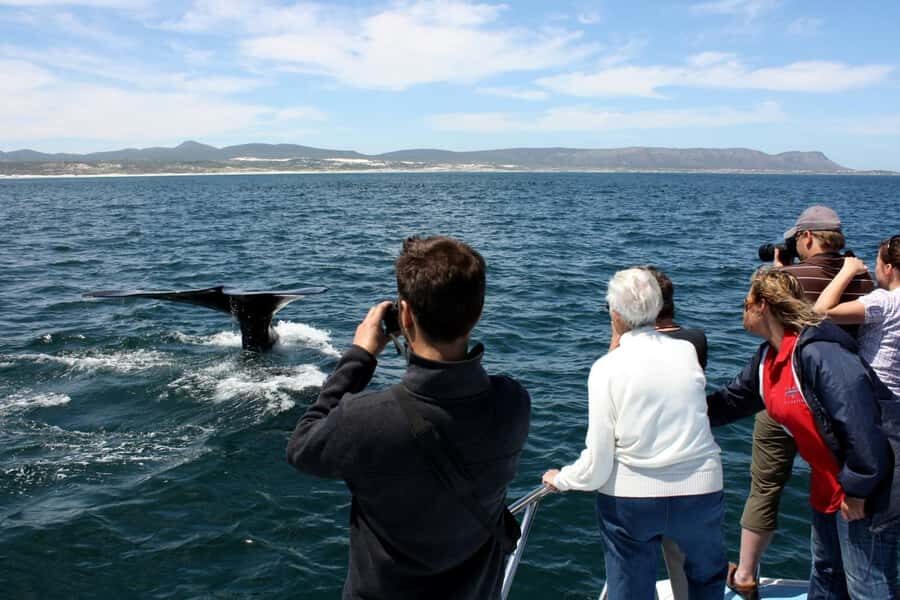
- Small group on a boat built for 40: fewer people, more room to shift positions for sightings and photos
- Real whale-country route: out along the De Kelders cliffs from the Gansbaai harbor
- Respectful whale etiquette: you’ll spend time waiting for whales rather than forcing the encounter
- Species variety when luck hits: southern right whales plus the possibility of humpbacks, dolphins, seals, orcas, and penguins
- Long day, early start: pickup typically begins around 6:45–7:30 AM from Cape Town
From Cape Town to Gansbaai: why this route matters
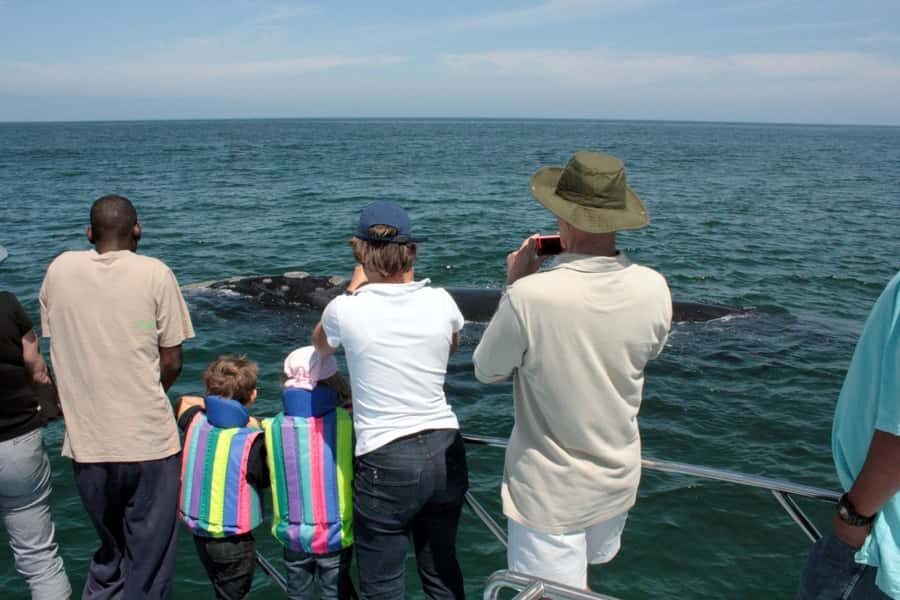
If you’re trying to do whale watching with maximum odds, location is everything. This trip launches from Gansbaai, then runs along the coastline toward the De Kelders area where whales are often spotted from the water. Hermanus is the famous name on the postcard, but this itinerary uses Gansbaai as its engine room.
That swap can feel like a small detail until you’re out there scanning. Starting from a working fishing harbor also helps the day feel grounded and efficient. You’re not waiting around a slick tourist marina; you’re heading straight to the point.
Also, this is a full-day plan: you’re leaving Cape Town early and returning late enough that you’ll feel like you did something, not just watched wildlife from the shore.
You can also read our reviews of more boat tours in Cape Town

The early pickup and road trip rhythm (and how to stay sane)
Pickup in Cape Town runs from 6:45 AM to 7:30 AM, depending on where you’re staying, and you’ll be asked to show up in the hotel lobby about 10 minutes before the time. The ride to Gansbaai takes time, and that matters because the entire day is built around the morning launch.
Here’s how I’d plan it:
- Dress for two weathers: warm clothes for the morning drive, then warmer layers for the boat once you’re out on the water.
- Expect motion: reviews point out that sea conditions can be rough, and a few people got seasick. If you’re sensitive, bring what normally works for you.
- Give yourself a little flexibility: weather can affect departure plans, and some departures have been rescheduled to earlier/later slots when forecasts shift.
Vehicle comfort is another practical thing. The ride is often described as a long back-and-forth, and some people noted seating can feel tight. If you’re tall or traveling with someone who needs leg room, it’s worth mentally preparing for a marathon car day.
One more tip that’s worth copying: several people praised drivers for making the road time more interesting with scenic stops and local stories. You’ll likely learn a lot just from the drive, especially as you pass through Hermanus area views on the return.
The speedboat setup: what small groups change on whale days
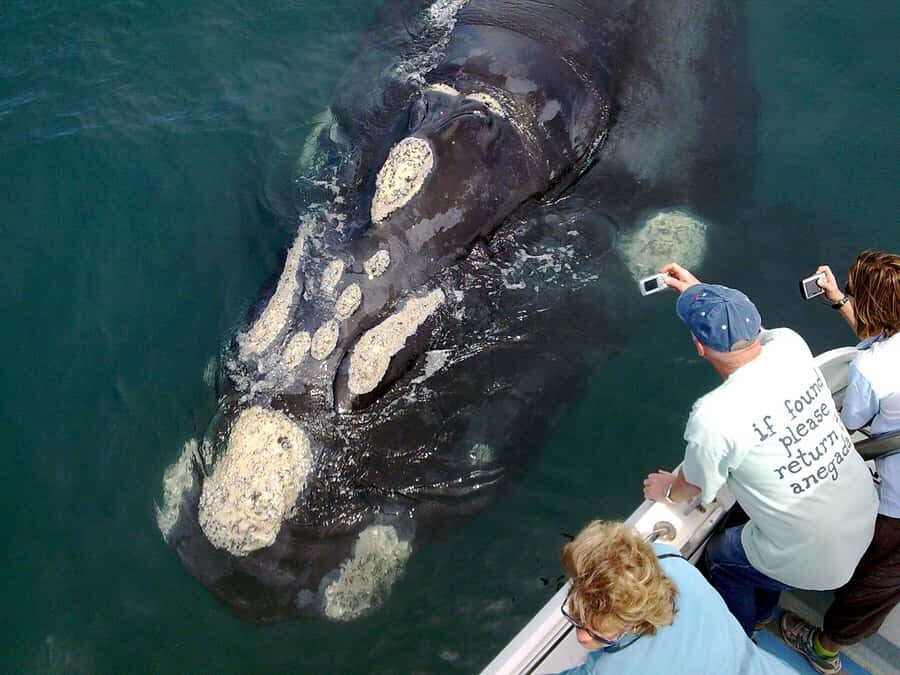
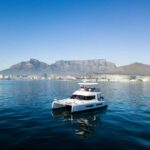
Once you reach the harbor, you’re headed onto a comfortable speedboat designed to carry around 40 people, but with a practical limit of about 25 on the trip. That smaller group size shows up in real ways.
First, it’s easier to find a good viewing spot without playing musical chairs every time the captain changes direction. Second, it’s less crowded when you’re trying to film or photograph. And third, it usually makes the onboard briefing and spotting process feel calmer.
Crew, safety, and whale etiquette
You’ll have both a live guide and an audio guide in English. On the boat, the crew/captain are the ones doing the driving and spotting. People specifically mentioned feeling reassured because the team knew how to approach sightings safely.
From the way the day is described, the goal is not to chase. You’ll spend time looking for the right angles, and when whales come close, you get that wow moment—but you’re still operating under a respectful approach. A few people noted they were able to observe whales on their terms, including calves that stayed close to the surface while the boat waited.
How long you’re out there
The overall tour is listed as 7 hours, and multiple reports describe about two hours on the water. That’s a solid chunk, but it also means you can’t count on a full-length whale saga if sightings are shy that day. Nature decides the pace.
You can also read our reviews of more whale watching tours in Cape Town

What you can see offshore: southern right whales, humpbacks, orcas, and more
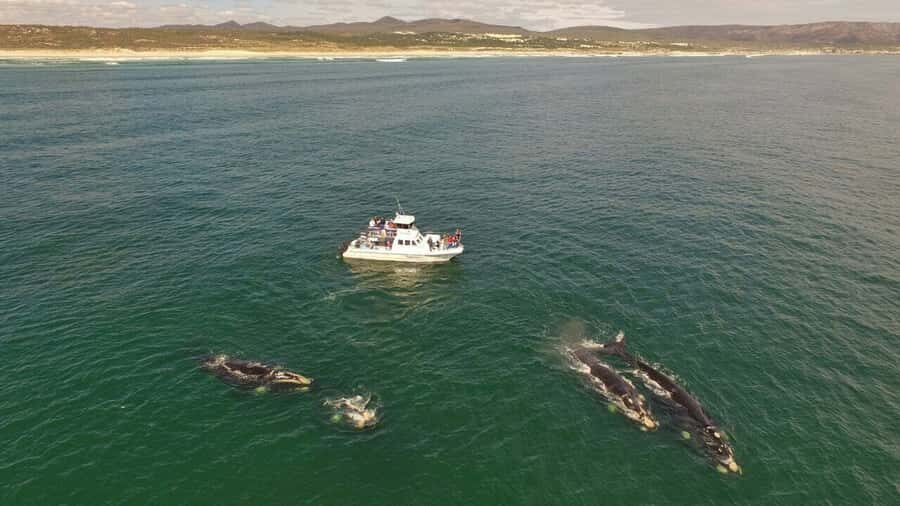
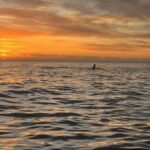
The core target is southern right whales—and especially mother-and-calf pairs. In certain months, the bay can act like nursery territory, so you’re not just scanning for a tall spout in the distance. You’re often looking for behavior: pairs that stay together, calves that surface, and adults that linger close to the boat.
People reported:
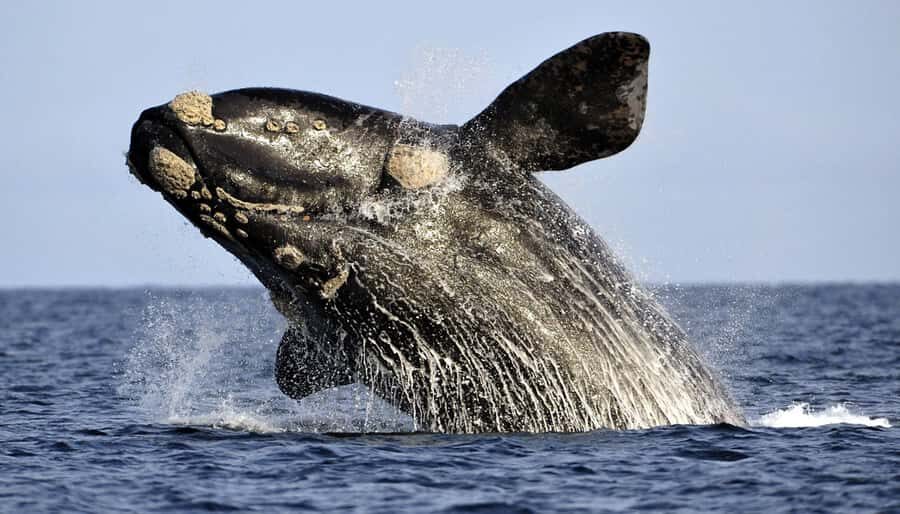
- Multiple mother-and-calf pairs, sometimes with very active behavior like tail slaps and quick breaches
- Southern right whales coming close enough that you can see details like the head and eye area
- Humpbacks and other whales on some outings, depending on conditions
- Dolphins joining the action, including big pods hunting near the surface
- Cape fur seals popping up while whales feed and move through the bay
The October-style bonus
If you’re going in October, expect more of the nursery-energy feeling. Some reports described many mothers and calves and noted the whales can be especially active in that period.
Orcas and penguins: possible, not guaranteed
This trip also advertises the possibility of orcas and false killer whales, plus African penguins. In practice, wildlife sightings are never guaranteed, but the fact that the day’s watch is broad means you’re not only chasing one species.
And penguins do show up on some days. One report mentioned seeing penguins while you were out in the broader mix of marine wildlife.
De Kelders cliffs to Hermanus shore: how the day is paced
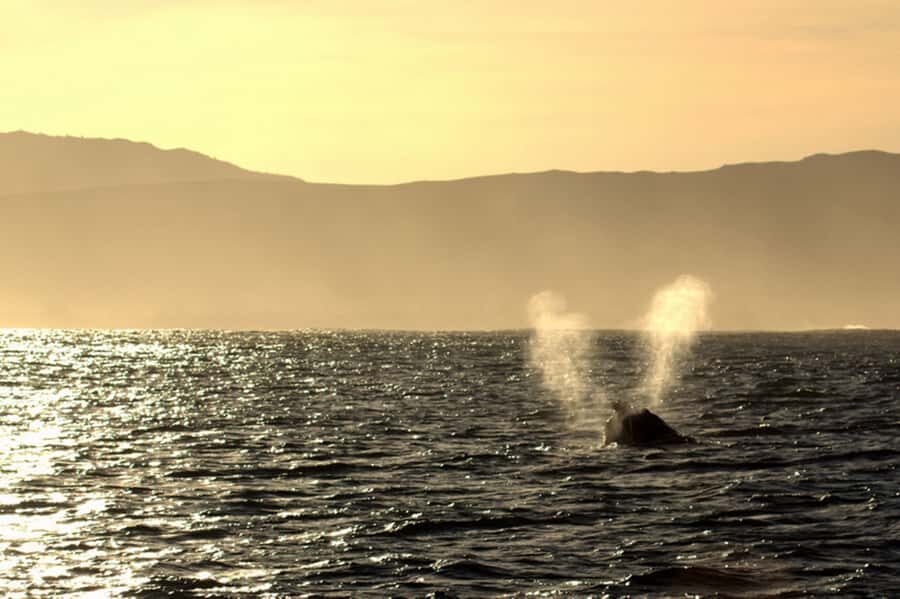
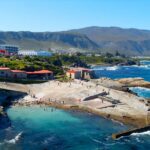
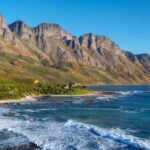
The boat portion runs along the cliffs of De Kelders. That matters because the whales aren’t spread randomly; they’re concentrated by feeding and movement patterns. When the captain finds the right spot, you’ll get that classic whale-watching feel: slow boat, careful scanning, then a sudden change as something surfaces.
On the way back, many people mention a Hermanus stop from shore when the timing works. That’s a nice add-on if you want more views beyond the speedboat.
Just keep your expectations honest. Some people pointed out that Hermanus and Gansbaai aren’t the same town. This tour really is a Gansbaai launch with whale watching that ties into the broader Hermanus region.
Drinks, snacks, and the missing lunch question
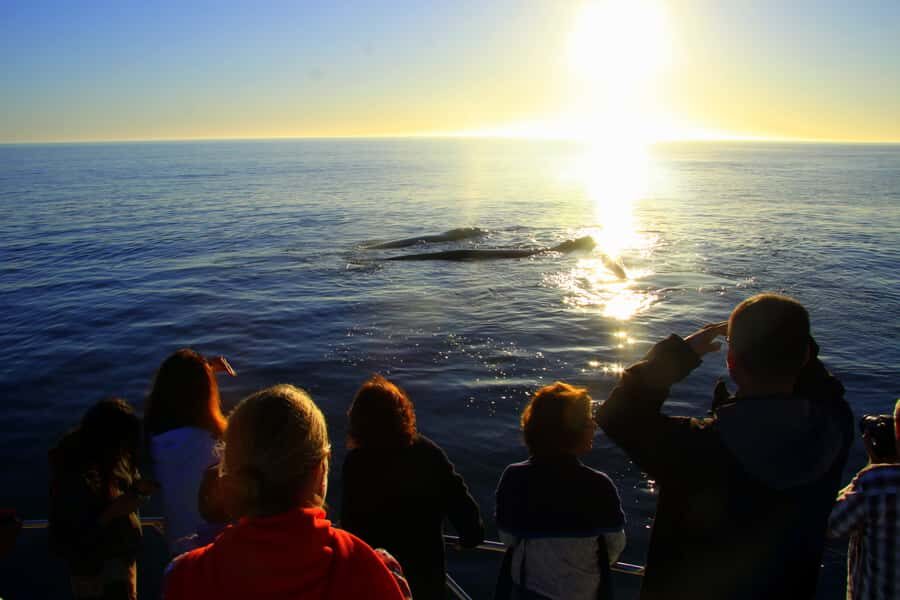
This experience includes drinks and snacks, plus a guide and hotel pickup/drop-off. Still, food details can be a sticking point.
A couple of reports complained that the snack portion didn’t match the description. Others described snacks as minimal (for example, just water plus a small packaged snack). And one person noted a lack of time for lunch.
So here’s my practical approach: treat the included snacks as a bonus, not your full meal plan. If you have a longer day ahead and you’re sensitive to low energy, pack a small extra snack for yourself when allowed. At minimum, bring water if your body runs hot/cold with long drives and sea air.
Also remember: the listing says food is not included. That lines up with why some people felt the day ran a bit fast for a proper lunch break.
What to bring: camera, binoculars, and the warm-clothes reality
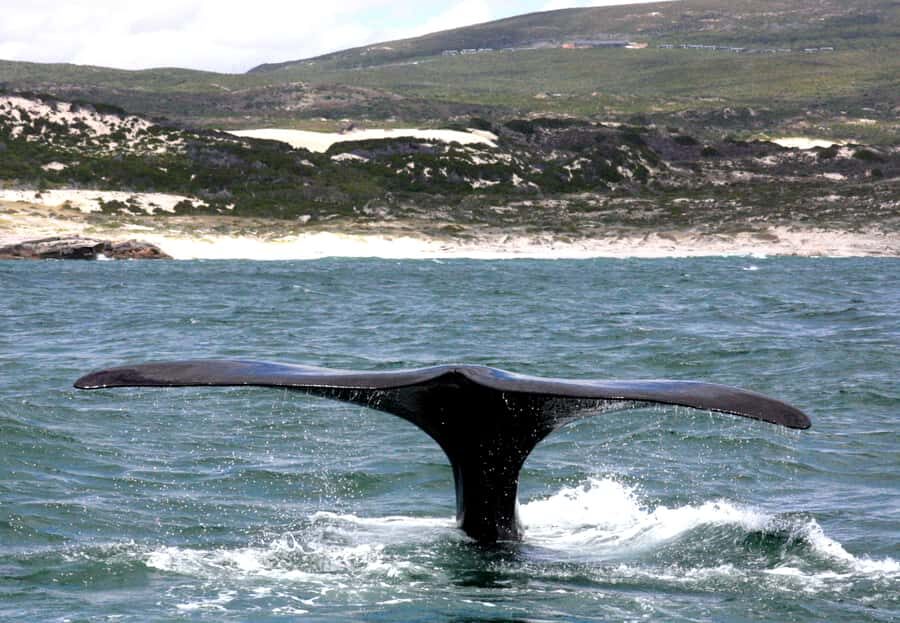
You’ll want to be ready for both sun and wind. The official packing list includes:
- Comfortable shoes
- Warm clothing
- Sunglasses and sun hat
- Camera
- Binoculars
In practice, warm layers matter more than you think. Even when the day starts bright, time on open water can feel cold quickly. And if you’re trying to photograph, binoculars help you locate whales before they’re close enough for detailed shooting.
If you’re prone to motion sickness, this is the day to plan ahead. A speedboat day can be great for action, but rough water is rough water.
Who this trip is best for (and who should skip it)
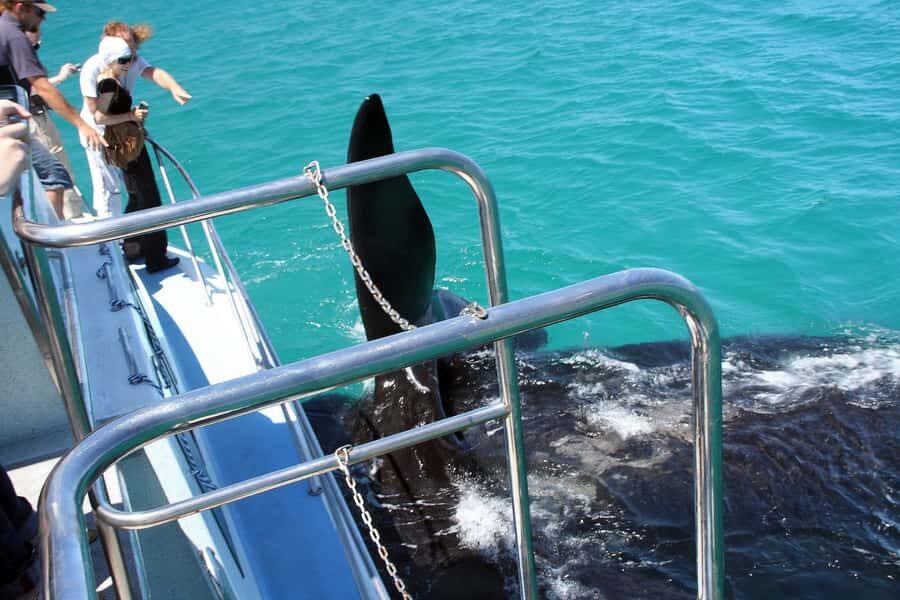
This is a strong fit if you:
- Want a one-day Cape Town trip that prioritizes time on the water
- Care about seeing southern right whales, especially mother-and-calf pairs
- Like small-group dynamics and onboard explanation in English
- Are okay with a long drive in exchange for higher chances of offshore sightings
It’s less ideal if you:
- Know you get very seasick in choppy water
- Need a longer, slower meal-focused schedule
- Really want a big, guaranteed lunch stop (food isn’t included)
- Can’t handle early mornings and a full day of moving around
Also, unaccompanied minors aren’t allowed, so this is primarily an adult-friendly day trip with adult supervision built in.
The value question: is $221 per person worth it?
At $221 per person for about 7 hours, the value comes down to what you’re buying: transportation plus a focused boat hunt with expert spotting and interpretive help.
You’re getting:
- Cape Town hotel pickup/drop-off within a limited radius (up to 20 km around Cape Town CBS)
- A guided whale watching boat trip
- Drinks and snacks
- English live guide and English audio guide
- Wheelchair accessibility
That can be good value when the day clicks. Multiple reports describe once-in-a-lifetime moments—whales swimming right past the boat, pairs staying close for long stretches, and dolphins and seals adding extra wildlife without changing the schedule.
The only real threat to value is a slow whale day. Some people noted whales were shy or sightings took time. If you end up with fewer sightings than you hoped, the price can feel steep—especially since the boat time appears to be around two hours and the drive is long.
Still, for many visitors, the chance at close encounters with southern right whales makes the tradeoff worth it.
Should you book this Hermanus-area whale watching boat trip?
I’d book it if your goal is close wildlife viewing with a well-run, small-group speedboat day from the Gansbaai harbor. It’s built around the species that people come for—southern right whales—and it also gives you a chance at dolphins, seals, and even orca and penguin sightings.
But I wouldn’t book it blindly if you’re easily seasick or you need lots of downtime and a proper lunch. Plan for early pickup, bring warm layers, and be ready for nature to set the pace. If the sea gets rough, you might feel it even with a comfortable boat.
If you want, tell me when you’re visiting (month) and where you’re staying in Cape Town. I can suggest how to time your expectations for right whales and how to pack for the likely morning-to-boat temperature swing.
FAQ
Where does the whale watching trip start?
The whale watching boat trip launches from the fishing harbor of Gansbaai, with sightseeing along the De Kelders area.
How long is the full experience?
The total duration is 7 hours, with an onboard boat portion described by many participants as about two hours.
What time does pickup happen in Cape Town?
Pickup is usually between 6:45 AM and 7:30 AM, depending on your location. The exact pickup time is confirmed the evening before.
What whales and wildlife can you see?
You’re aiming to see southern right whales. The tour also looks for humpbacks, minke whales, Bryde’s whales, orcas, false killer whales, dolphins, Cape fur seals, and African penguins, depending on what’s in the area.
Are drinks and snacks included?
Yes. The tour includes drinks and snacks, but the food/snack details seem to vary by day, so don’t plan on this replacing a full meal.
Is lunch included?
No. Food is not included.
Is the tour offered in English?
Yes. The live guide is English, and an English audio guide is included as well.
Is the trip wheelchair accessible?
Yes, it is listed as wheelchair accessible.
What should you bring?
Bring comfortable shoes, warm clothing, sunglasses, a sun hat, a camera, and binoculars.
Are unaccompanied minors allowed?
No. Unaccompanied minors are not allowed, and children must be accompanied by an adult.