REVIEW · CAPE TOWN
Scuba Dive in Cape Town: 2 Dives for certified divers
Book on GetYourGuide →Operated by Diveteam (PTY) ltd · Bookable on GetYourGuide
Kelp forests are shockingly beautiful. I love how this small-group Simon’s Town trip pairs two underwater sessions with a well-run PADI setup.
You’ll also get a real chance at Cape Peninsula wildlife, from stingrays and catsharks to octopus, with the mountains of False Bay keeping watch above the water.
The second thing I like is the structure on land and on the boat: you assemble and check your gear, get clear safety briefings, and then leave with a guided creature ID afterward.
One possible drawback is simple: the water can be cold, and motion sickness can hit some people—there’s weather risk, and your schedule can change if conditions won’t cooperate.
In This Review
- Key highlights that matter in real life
- Why Simon’s Town fits a 6.5-hour scuba day
- The pre-boarding routine at Diveteam: gear, paperwork, and real prep
- The boat ramp stage: a skipper’s safety talk and a smooth transfer
- First underwater location: colorful reefs or historical shipwrecks
- The False Bay break: hot chocolate, mountain views, and a reality check
- Second underwater location: kelp forests and the wildlife people come for
- After surfacing: hot showers, logbooks, and creature ID
- What’s included, and what you need to plan for
- Price and value: what you’re really paying for
- Who this suits best (and who should skip)
- Quick packing list that makes the day easier
- Should you book this Simon’s Town underwater day?
- FAQ
- How long is the experience?
- Where does it start?
- Is equipment provided?
- Do I need certification?
- Is transport included from Cape Town?
- Will the schedule change due to weather?
Key highlights that matter in real life
- Two scheduled tank sessions in one 6.5-hour outing, so you get more underwater time without turning the day into a marathon
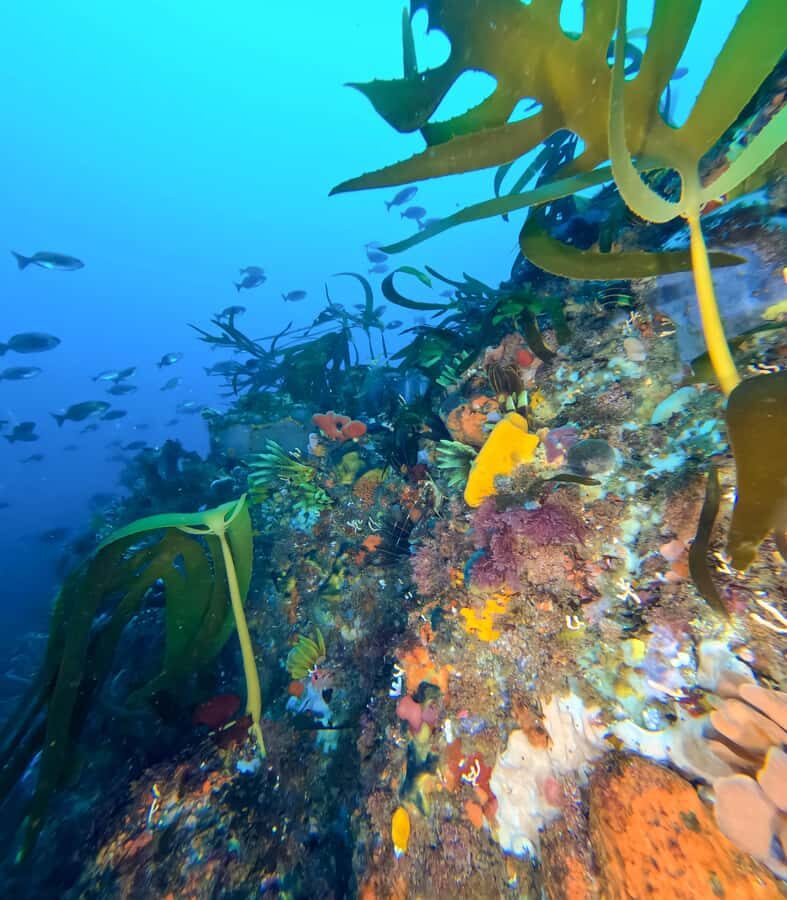
- Kelp forest focus on the second session, where stingrays, catsharks, octopus, and endemic fish are a realistic target
- Reef or historical shipwreck variety for the first session, meaning your experience won’t feel copy-paste
- Small group size (max 8), which usually translates to more attention from your professional guides
- On-site creature identification after you surface, using fish books to help the names stick
- Warm snacks and hot showers after, which you’ll appreciate fast in cold-water conditions
Why Simon’s Town fits a 6.5-hour scuba day
Simon’s Town is a smart base for water adventures around Cape Town because it sits right at the start of the action—close to False Bay and the Cape Peninsula diving zones. What I like about this format is that you’re not spending the whole day driving and waiting. You’re meeting in town, getting geared up efficiently, then heading out for two underwater locations.
This experience is built for certified divers, and that matters. You’re not learning to breathe underwater for the first time—you’re spending your time on-site, looking for wildlife and enjoying the scenery. The tour is also capped at eight participants, so you’re less likely to feel like you’re being processed through a system.
The overall vibe is practical and calm: coffee or tea in a cozy lounge, paperwork handled, gear sized and checked, then a safety-first briefing before you even think about entering the water. That tone pays off when conditions shift.
You can also read our reviews of more scuba diving tours in Cape Town
The pre-boarding routine at Diveteam: gear, paperwork, and real prep
Your day starts at Diveteam in Simon’s Town at 66 St George’s Street. You’ll usually begin with a hot drink and a weather conversation with the crew. This is more than small talk—conditions can change what’s possible underwater, and you’ll get an update before the boat leaves.
Then you handle the admin and the essentials:
- You’ll complete the paperwork.
- You’ll get help with equipment sizing and setup.
- You’ll assemble your scuba gear with assistance from a professional guide, so fit and comfort are taken seriously.
- You can inspect your equipment and confirm it’s in perfect working order.
That last part is underrated. Cold water and heavy kit are already uncomfortable enough for the first few minutes underwater. When your gear fits well and is checked properly, you can focus on buoyancy and wildlife instead of fiddling with straps.
You’ll also receive a detailed safety and underwater-site briefing from your instructor or guide. On a trip like this, it’s not just about rules—it’s about what to expect from the water today: current, visibility, and which underwater location choices make sense.
The boat ramp stage: a skipper’s safety talk and a smooth transfer
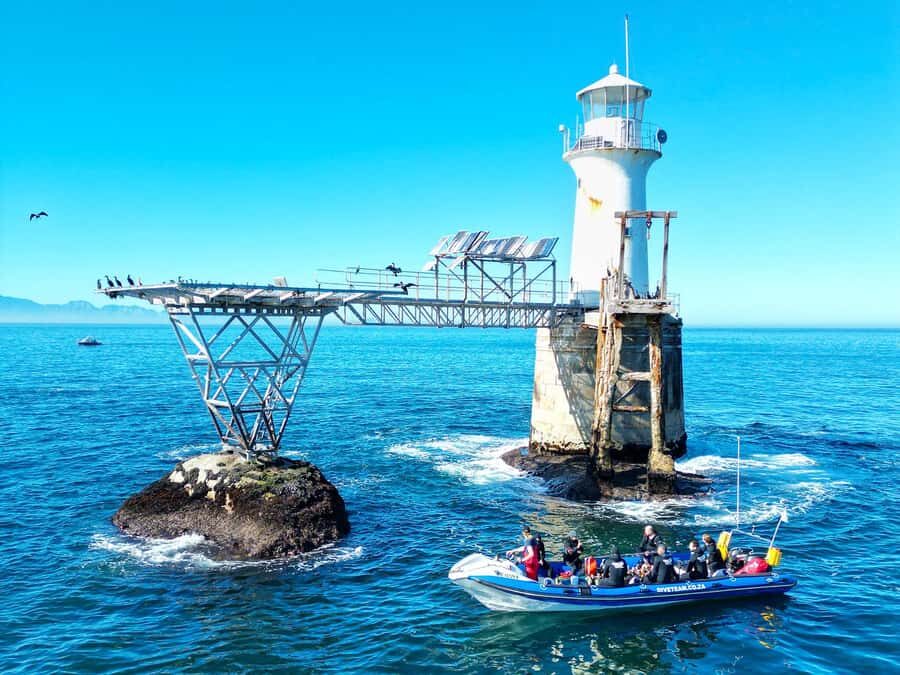
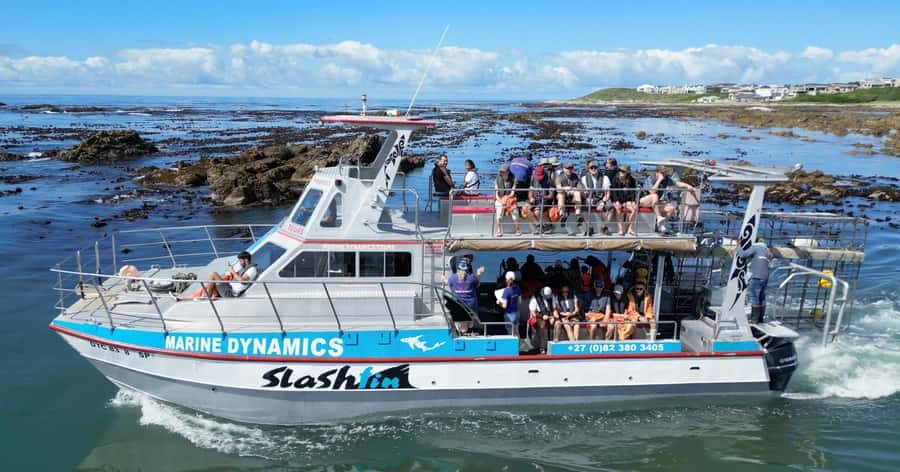
After gear is packed, you head to the boat ramp. Once on the boat, the skipper gives a vessel safety briefing. Again, this is one of those “small” things that makes the whole day feel more controlled. You’re not guessing how the boat handles in open water, where to sit, or what the plan is if weather turns.
The itinerary is designed around two underwater sessions. Between them, you’re back on board long enough to reset and warm up.
One practical tip from the way the day runs: keep your outer layer ready and easy to access. Even if you’re comfortable on the boat, cold air and spray can drain you fast, especially if you run into any choppy water.
First underwater location: colorful reefs or historical shipwrecks
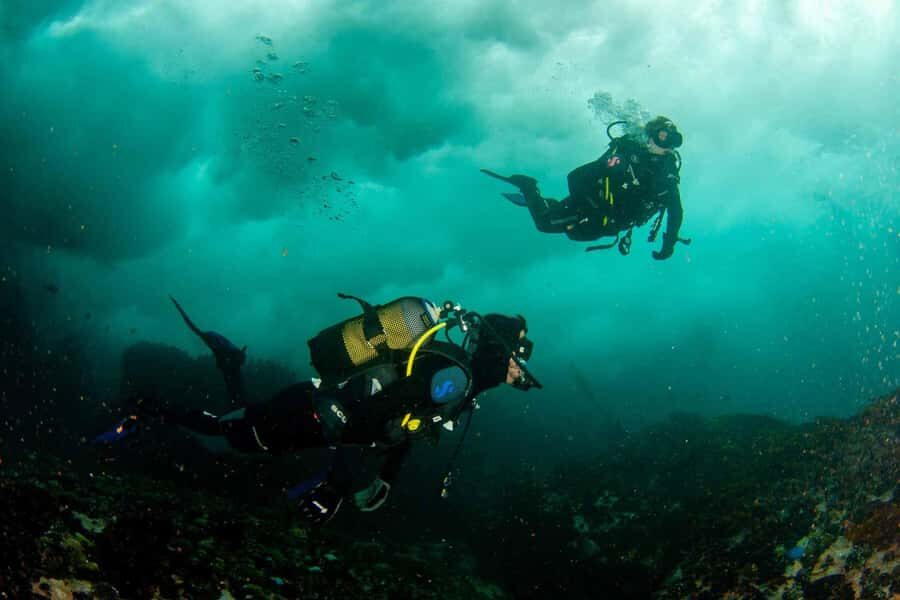
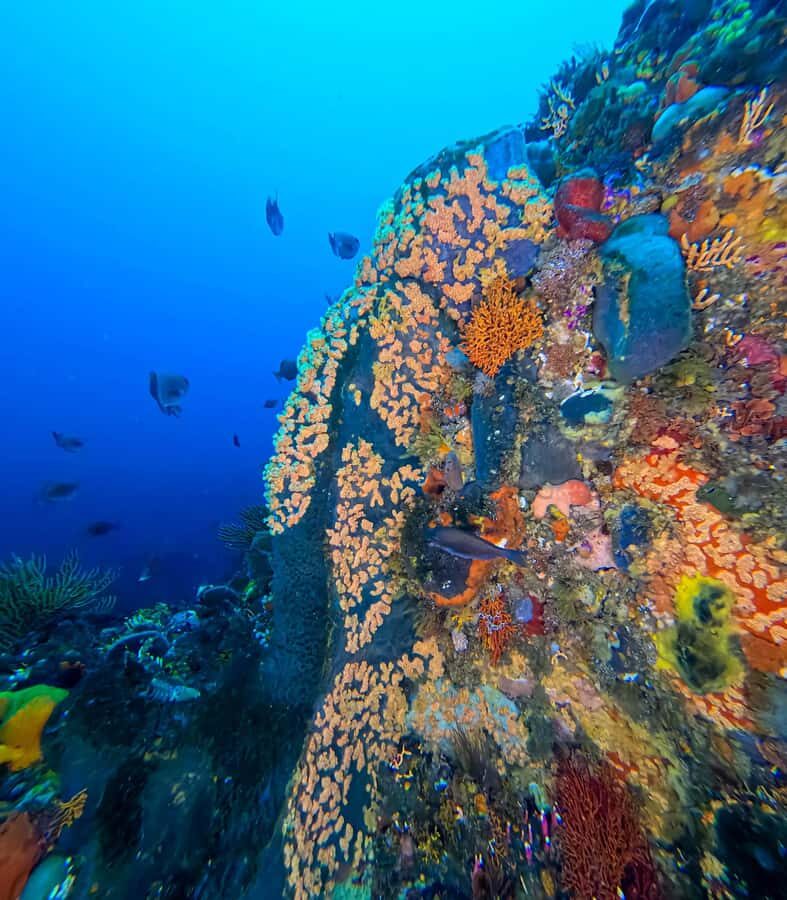
The first underwater session is usually a colorful reef system spanning the Simon’s Town to Cape Point area, or it can be a historical shipwreck, depending on conditions. That flexibility is a big deal because it keeps the day meaningful even when the sea state changes.
Here’s what that means for you as a diver:
- Reef option: you’re likely scanning for catsharks, octopus, stingrays, and small endemic fish, with plenty of color and movement.
- Shipwreck option: you’re looking at structure, hiding spots, and the kinds of marine life that like to use man-made surfaces.
Either way, this is where biodiversity shows up fast in Cape waters. One clear theme from recent dive-day experiences is that fish and rays can appear early, and the guides help you understand what you’re seeing.
Also, expect this first session to set the tone. A diver’s comfort and buoyancy early in the day can make the second session much more relaxed.
The False Bay break: hot chocolate, mountain views, and a reality check
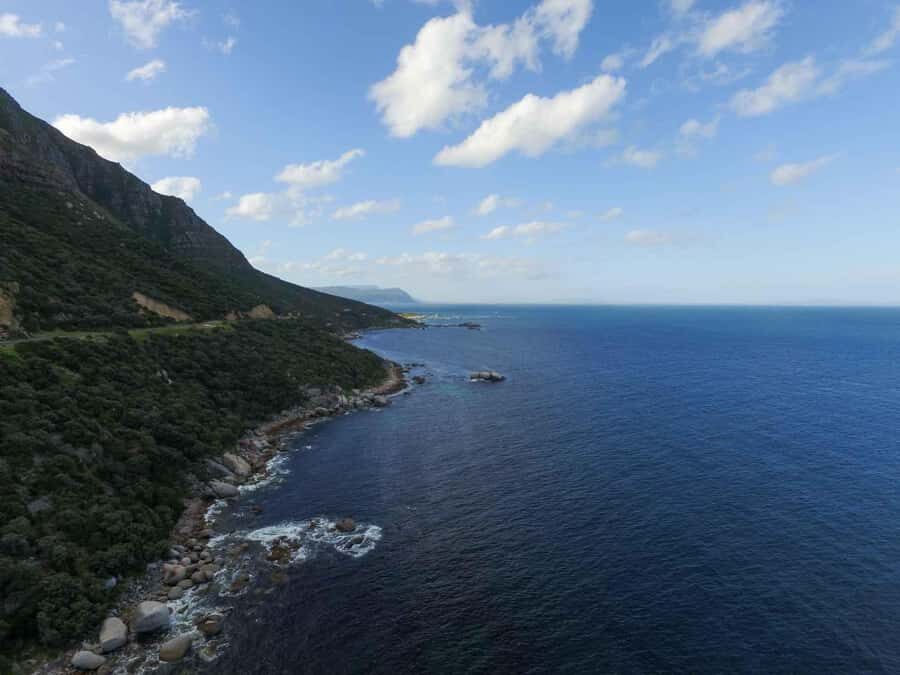
Between the two underwater sessions, you take a break on the boat. The tour includes hot chocolate and snacks while you warm up.
From a practical standpoint, this break is doing three jobs:
- It helps you recover before the second tank.
- It gives you time to let nerves settle if the boat ride was a little rough.
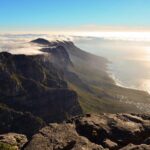
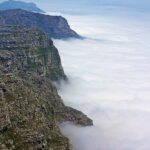
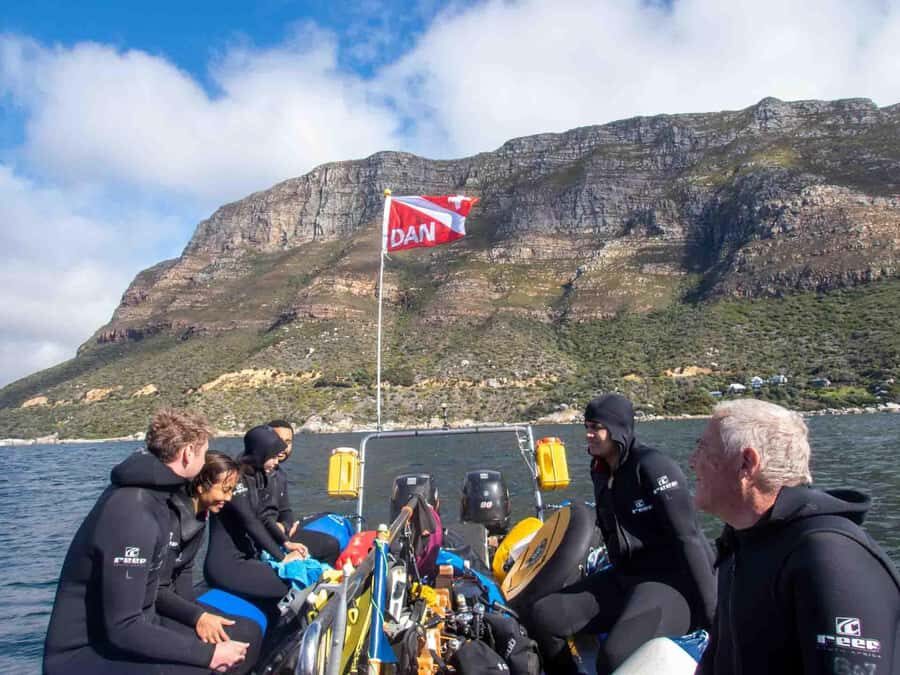
- It’s your chance to take in the scenery of the mountains around False Bay.
There’s another reality check worth mentioning: cold water affects everyone differently, and some people feel it immediately. If you’re prone to feeling chilled, this break is when you should use it—dry off, warm up, and keep your body fueled.
One more note: on at least one booking, some participants experienced sea sickness during the day. The team responded by getting affected divers back to shore and then driving them to the dive center. That’s good to know, even if you personally feel fine. If you’re sensitive to motion, consider preparing like you would for a boat day anywhere else.

Second underwater location: kelp forests and the wildlife people come for
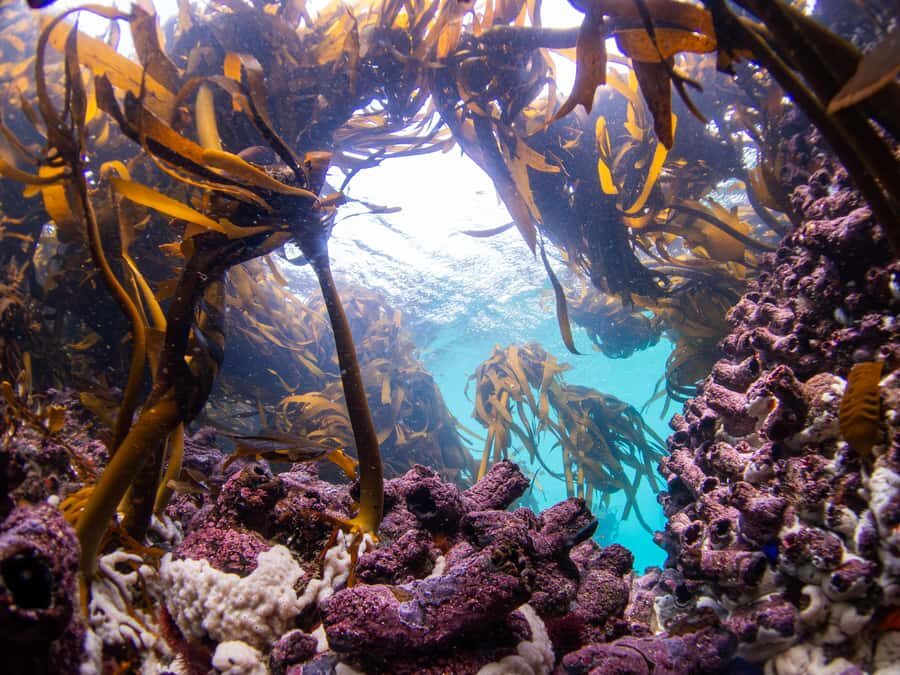
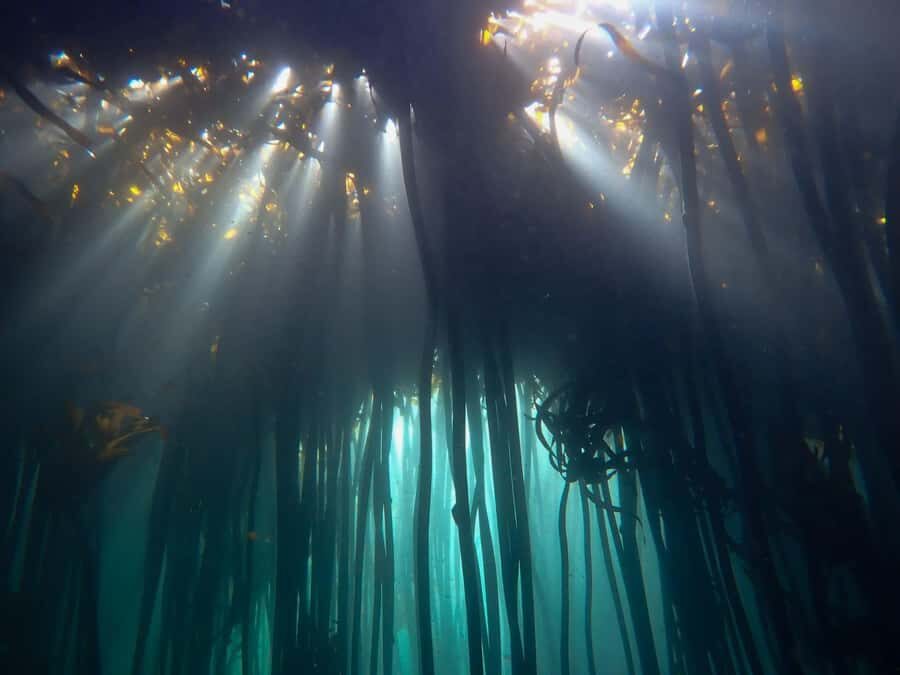
The second underwater session is the signature moment: kelp forests. Towering kelp creates a whole different underwater world—vertical structure, shadow lines, and pockets of life tucked into the plants.
This is where you get the best shot at:
- stingrays
- catsharks (including smaller shy sharks)
- octopus
- other endemic fish species that live in the kelp ecosystem
Kelp forest diving can feel like moving through a slow-moving architecture. It also tends to deliver the kind of sightings that make you stop and simply watch for a few extra seconds. You’ll often find guides pointing out behavior: how animals use kelp for camouflage, how certain fish hover, and where you might see rays gliding by.
Cold water shows up here too, so dress strategy matters. Bring the items you’re told to bring, including a jacket. That’s your shield from wind on the boat and after you surface.
If you’re hoping for seals, you might get them from the boat. Not every day gives an underwater seal moment, but sightings from above can happen.
After surfacing: hot showers, logbooks, and creature ID
When the day wraps, you return to the dive center for hot showers, towels, and a debrief. This part is more than comfort—it’s how you turn a good day into a memorable one.
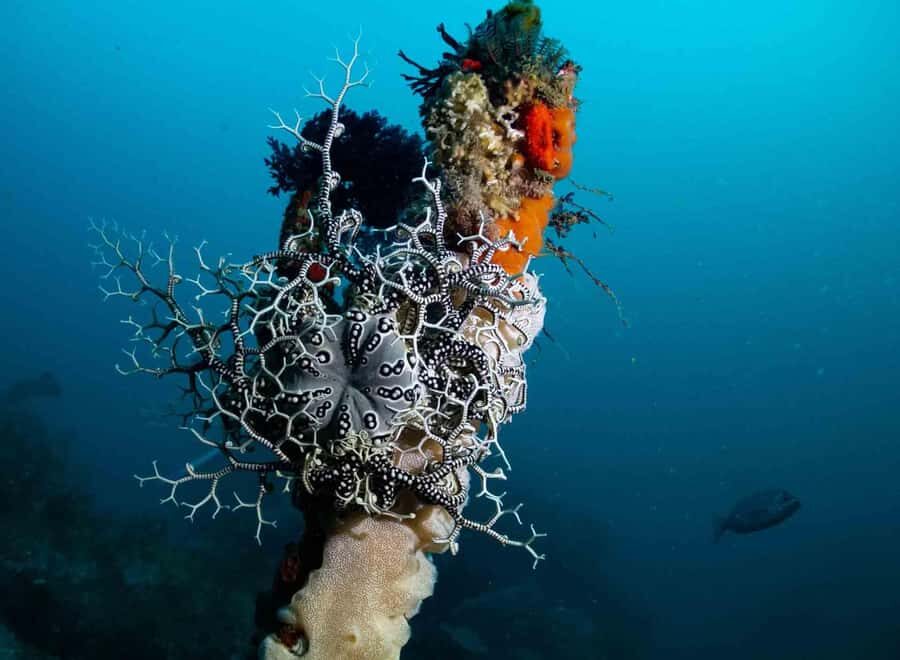
You’ll also do logbook sign-off, and your guide helps you identify creatures you saw using fish identification books. That’s the difference between seeing a stingray and knowing what species—or at least understanding the right category.
In one experience, guides even took videos during the sessions and shared them afterward. If that’s important to you, it’s worth asking on the day so you don’t assume there’s an automatic photo package. In at least one case, there weren’t photo options offered, so bring your own waterproof camera if you want to capture your day your way.
What’s included, and what you need to plan for
Price for this outing is $205 per person for two underwater sessions over about 6.5 hours. For certified divers, that total usually feels fair because it covers the whole operational side: gear, guiding, the boat, and the comfort extras after.
Included items:
- Dive equipment (scuba gear)
- A PADI professional guide
- Snacks and refreshments
- Air or Nitrox
- Boat trip
- Two underwater sessions
- Hot showers and towels
- WiFi at the dive center
Not included:
- Transport to and from the dive center
- Lunch
- Camera service
Two logistics points that affect your day:
- Bring your own way to get to Simon’s Town. Transport isn’t included, so build time into your travel plan from central Cape Town.
- Plan for food. You’ll get snacks, but lunch isn’t included, so eat before you arrive or budget a meal afterward.
Also, weather can control whether your tour happens as planned. You’ll be confirmed about two days prior with a conditions update, so keep an eye on timing if your Cape Town schedule is tight.
Price and value: what you’re really paying for
At $205, you’re paying for more than the sites. You’re paying for:
- a small group cap (max 8)
- professional guidance and safety briefings
- equipment handling and setup help
- a boat day to reach the right underwater zones
- warm comfort elements afterward (showers, towels, and snacks)
In other words, you’re buying convenience and quality control. That’s what matters when the sea is unpredictable and the water is cold.
If you already have your certification and you know you’ll enjoy underwater structure, this is a solid way to spend a single day. It’s also a good choice if you want two tank sessions without turning your whole trip into a multi-day operation.
Who this suits best (and who should skip)
This experience is for certified divers. It’s not suitable for:
- children under 10
- people with heart problems
- non-swimmers
- people with a cold
- people who are diving up to 24 hours prior
- uncertified divers
That’s pretty standard for a day that involves two underwater sessions in colder water. If you’re in good health and you’re certified, you’ll be set.
It’s also a good fit if you enjoy guides who explain what you’re seeing. The creature ID and fish books after the day are a nice touch, especially if you want to go home knowing what lived in that kelp maze.
If you’re sensitive to cold or motion sickness, plan carefully. Bring your jacket, keep layers accessible, and consider how you handle boat rides in general.
Quick packing list that makes the day easier
The tour asks you to bring:
- sunglasses
- hat
- swimwear
- towel
- waterproof camera
- biodegradable sunscreen
- a jacket
- your diving certification
- your dive log
Two practical additions I’d recommend based on the cold-water reality: pack a change of clothes you don’t mind getting sandy, and bring a bag that can handle wet gear on the way home.
Should you book this Simon’s Town underwater day?
Book it if you want a focused half-day plan with two underwater sessions, professional guidance, and a kelp forest second act that targets stingrays, catsharks, and octopus. The small group size and the after-surface creature identification also add real value, not just sightseeing.
Don’t book if you’re dealing with health limits listed by the operator or you know cold-water conditions and boat motion are usually tough for you without strong coping strategies.
If your Cape Town schedule is tight, this is an efficient way to experience a slice of False Bay’s underwater world without turning the day into a travel saga. And honestly, if kelp forests are on your list, this is one of the most direct routes to see them.
FAQ
How long is the experience?
It lasts about 6.5 hours, with two scheduled underwater sessions during that time.
Where does it start?
You meet at the Diveteam dive center in Simon’s Town, located at 66 St George’s Street.
Is equipment provided?
Yes. Dive equipment is included, and you’ll get help with sizing and assembling your scuba setup.
Do I need certification?
Yes. The activity is only suitable for people with diving certification.
Is transport included from Cape Town?
No. Transport to and from the dive center is not included.
Will the schedule change due to weather?
Yes. Diving is weather dependent, and your booking is confirmed about two days prior with a conditions update.