REVIEW · HAZYVIEW
1 Day Photographic Wildlife Safari from Hazyview to Kruger Park
Book on Viator →Operated by B1 Photo Safaris · Bookable on Viator
Kruger photos start before sunrise, and this 1-day wildlife photo safari from Hazyview is built for one thing: getting better frames, not just seeing animals. I like the open safari vehicle for clear sightlines, and I love that gimbals and beanbags are included so your camera stays steady on the move.
There is one big cost to plan for: you’ll still pay extra conservation fees and park entrance fees on arrival, not in the tour price.
In This Review
- A small photo-focused vehicle for real shooting
- You leave at 5:00 am and chase the light
- Key points to know before you go
- The big idea: a photographic safari built around your camera
- The open 3-row safari vehicle and what it means for photos
- Why gimbals and beanbags are a real upgrade (not a gimmick)
- Your guide’s job: find animals and place the camera
- Entering Kruger: Kruger Gate or Phabeni Gate
- Sunrise to sunset means more than long hours
- Meals and comfort stops: plan to pay your own food
- Where the value really comes from: small group + photo support
- Costs to budget for: conservation and park fees
- What you’ll likely see: big moments depend on the day
- Who this safari suits best (and who should think twice)
- Booking smart: questions to ask before you pay
- Should you book this 1-day Kruger photo safari?
- FAQ
- What time does the safari start?
- Where does the safari meet, and where does it end?
- Is this a private tour?
- How many people are in the vehicle?
- What photography gear is included?
- Are park entrance fees and conservation fees included?
- What about meals?
- Is the booking refundable if plans change?
A small photo-focused vehicle for real shooting
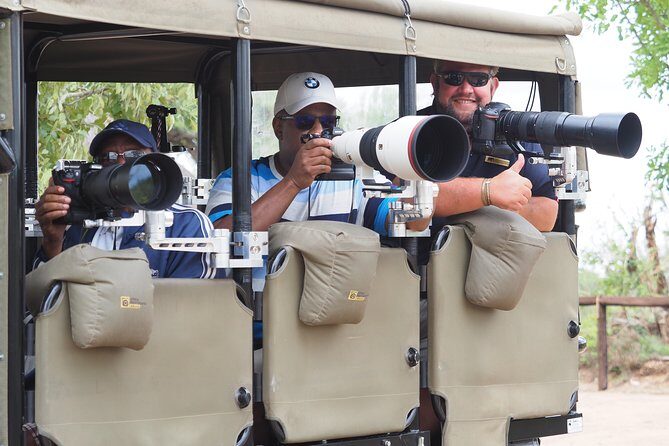
This is a private day with an experienced wildlife photography guide who also drives, typically with a small group in a vehicle sized for photographers. The setup is up to six people, with room for three photographers, which makes it feel more like a focused photo workshop than a bus tour.
Guides with names like Bernhard and Hennie show up with a calm, practical approach: local driving choices, patient positioning, and camera tips geared toward what the light and the animals are doing.
You leave at 5:00 am and chase the light
The day starts at 5:00 am at Perry’s Bridge Trading Post in Hazyview and runs from sunrise to sunset inside Kruger National Park. You’ll have comfort breaks and you’ll stop at main camps for meals where you pay your own food costs.
A few more Hazyview tours and experiences worth a look
Key points to know before you go
- Photo gear support is included: gimbals and beanbags fitted to the open safari vehicle
- Small, private vehicle: up to six people, including up to three photographers
- Sunrise-to-sunset timing: you’re in the park during the best light for wildlife shots
- Guide is also the driver: one person managing both safety and camera positioning
- Transfers from Hazyview are covered: direct pickup/return around the Hazyview area
- Extra fees at the gate: conservation and park entrance are not included
The big idea: a photographic safari built around your camera
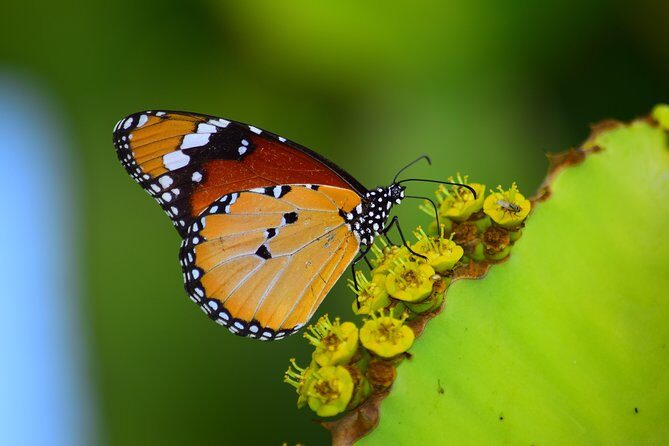
A standard safari is great for spotting wildlife. This one is designed for photographers who want more control over composition, steadiness, and timing. The difference is subtle at first, then obvious once you’re moving through Kruger with your camera up and ready.
The vehicle is open and roomy, and the day is paced around wildlife photography from sunrise to sunset. That matters because in Kruger, the light changes fast. When you’re trying to capture motion and expression, you want your guide focused on where to be when the action happens, not on fitting in lots of random stops.
The open 3-row safari vehicle and what it means for photos
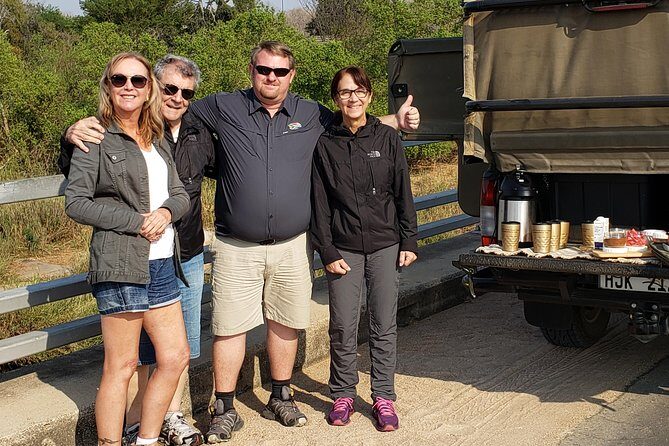
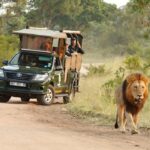
You’ll ride in a spacious open vehicle with three rows of three seats. That seating plan isn’t just comfort. It helps everyone get a usable angle without constantly blocking each other, which is a common problem on wildlife tours.
With a smaller group, the guide can position the vehicle in a way that balances everyone’s lines of sight. In photo terms, that often means fewer moments where you miss the shot because someone’s lens is in the wrong place or the vehicle is turned poorly.
I also like that the day supports actual shooting setups. The vehicle isn’t treated like an afterthought for cameras—it’s part of the system.
Why gimbals and beanbags are a real upgrade (not a gimmick)
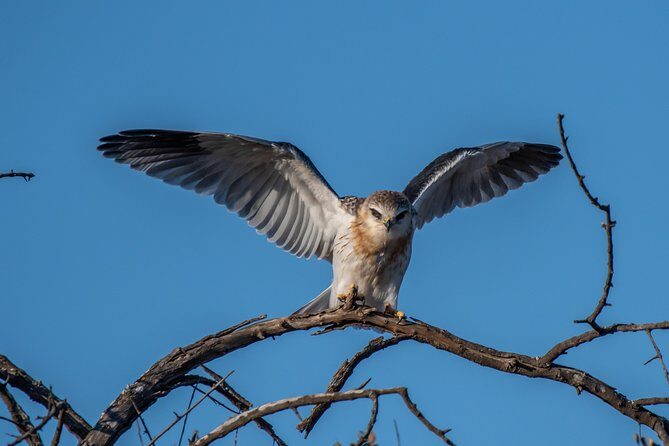
This safari includes Gimpro gimbals and beanbags fitted on the open safari vehicle. If you’ve ever tried to pan smoothly or keep a subject sharp while the vehicle moves, you know how quickly fatigue and shake ruin sharpness.
Beanbags give you a soft, stable brace, especially when you’re working at awkward angles from an open vehicle. Gimbals help with stabilization so you can follow movement without fighting your own camera motion.
And because these are included, you’re not stuck improvising with random straps or hoping your hands can do what stabilization should. It’s one of the reasons serious photographers rate this style of safari so highly.
Your guide’s job: find animals and place the camera
This is where the experience earns its reputation. The wildlife photography guide is also the driver, which keeps decisions tight and fast. No waiting for someone to coordinate from the back of the vehicle. No handoffs.
In practical terms, the guide’s focus tends to be on the kind of positioning that makes photos look intentional: angle, distance, and how the light hits the subject. One review highlighted how the guides predicted animal movement and got the vehicle into a better photo position rather than just driving until they saw something.
You’ll also get photo coaching on the fly. Tips mentioned include basic but useful mechanics like shutter speed choices and ways to steady yourself—yes, even things like bracing your lower body and ankle positioning to help your camera stay steadier.
Entering Kruger: Kruger Gate or Phabeni Gate
From Hazyview, you’ll enter Kruger via either Kruger Gate or Phabeni Gate. The exact gate isn’t something you choose on a whim, but it affects driving time, where you start that first stretch of wildlife searching, and how quickly you’re in the thick of it.
The upside is that you get a full day of driving inside the park with the photographic mindset already running. The downside is the natural one for safari days: Kruger doesn’t follow schedules. Your best plan is to trust the guide and stay flexible when the action is where it is, not where you expected it.
Sunrise to sunset means more than long hours
This tour is a true full-day run inside Kruger—sunrise to sunset—with pickup in Hazyview and a return to the same meeting point at the end of the day. That kind of timing is valuable because wildlife activity often lines up with early and late light.
In photo terms, sunset and sunrise can give you softer tones and better contrast. It also gives you more chances at different species patterns, because you’re not cutting the day off before animals become active.
Yes, it’s early. You’re starting at 5:00 am, and you’ll be in the park long enough that you’ll want your camera batteries and storage ready before the day starts. (If you’re not set up for long shooting sessions, this day will feel like it’s winning the battle.)
Meals and comfort stops: plan to pay your own food
The day includes comfort stops and meal breaks during the drive, typically at main camps. Your food costs are on your own account. The tour does include bottled water, and tea/coffee and mineral water are available on the vehicle during the day.
This setup works best if you treat food as fuel and focus as your main priority. Main camps tend to be where you can reset, stretch, and refill—without losing all day-long momentum inside the park.
Where the value really comes from: small group + photo support
On paper, the price looks like a chunk of money: $533.93 per group (up to 4). But value here isn’t just the ride. It’s the combination of a private vehicle setup, a photo-focused guide, and stabilization gear included.
There’s also a sizing detail worth checking when you book. The tour is designed for a maximum of six people in the vehicle, including up to three photographers. If your group is larger than four, confirm how pricing is handled for the extra seats.
For a photography day, the included gear can matter a lot. If you had to rent gimbal support or pay for specialized photo handling separately, your costs would likely climb. Here, that support is built into the safari structure.
Costs to budget for: conservation and park fees
The conservation fee is R460 per person (INTL visitors) plus R40 for the vehicle, paid in cash on entry. Park entrance fees are also not included.
So even if you pay the tour price up front, you’ll still want to travel with enough cash for those on-arrival fees. If you’re coming from outside South Africa, this is the budget item that can surprise people who only look at the headline tour price.
A smart move is to mentally treat the tour price as the guiding, vehicle, and photo-setup cost, and then treat entry fees as a separate payment for access.
What you’ll likely see: big moments depend on the day
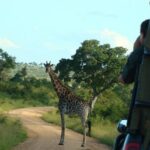
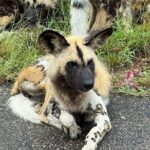
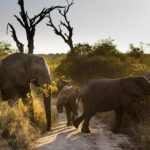
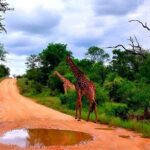
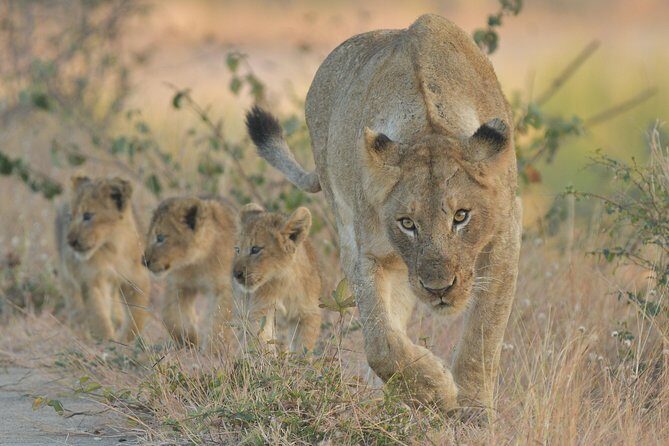
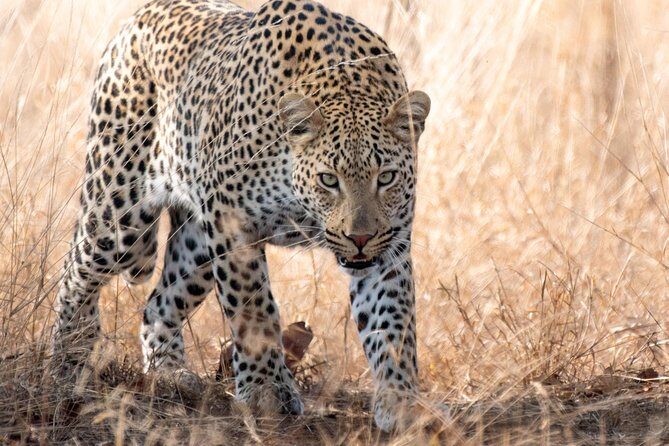
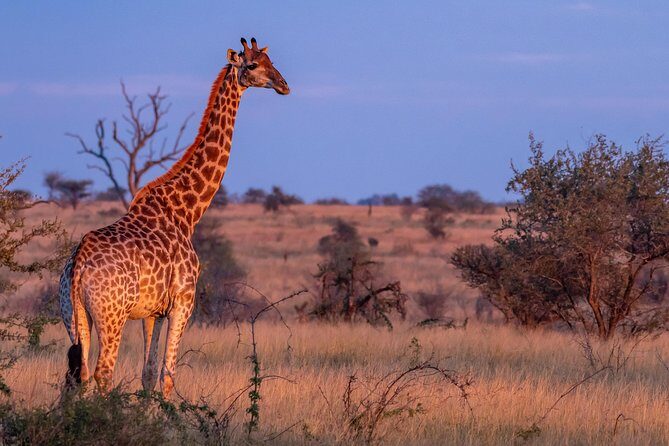
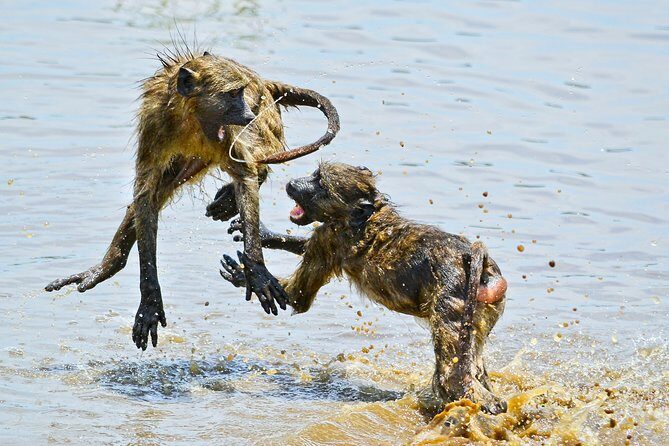
Kruger wildlife photography is a promise of possibilities, not guarantees. Still, the kinds of outcomes people love from this style of safari include real, standout cat sightings, plus big predator moments and strong general wildlife action.
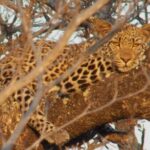
One review mentioned a standout leopard sighting and praised how the guide and vehicle placement helped. Another highlighted getting a huge number of photos during the day (over 3,500), which tells you the focus is on keeping you shooting instead of constantly stopping for small transitions.
If your dream shot involves motion, close behavior, and animals that don’t hold still for long, this is the right format. If you’re more interested in a relaxed sightseeing drive, you might find the photo intensity takes some of the spontaneity out of the day.
Who this safari suits best (and who should think twice)
This safari makes the most sense if you:
- own a camera you care about (even a serious phone won’t get the same payoff as a camera rig)
- enjoy learning small technical tweaks like stabilizing and shutter choices
- want sunrise-to-sunset structure rather than a casual half-day
It can be less ideal if you:
- want wildlife without spending time on camera technique
- don’t want to deal with extra fees at the gate
- prefer a slower pace, because you’ll be moving with a purpose all day
The small vehicle group helps here. You’re not sharing your viewing angle with a crowd, and the guide can keep the day tuned to photography rather than general touring.
Booking smart: questions to ask before you pay
Because the vehicle capacity and the stated price structure don’t perfectly line up on paper, you’ll want clarity before you book. Ask:
- How is pricing handled if my group is above four people, given the vehicle can take up to six?
- What exactly are the conservation fees for my situation, and do you want a cash amount estimate?
- Confirm the pickup location in the Hazyview area so you don’t start the day stressed.
Also confirm your gear plan. This safari includes stabilization support, but your best results will come when your camera setup matches how you’ll be shooting from an open vehicle.
Should you book this 1-day Kruger photo safari?
If you’re serious about wildlife photography and you want a day that’s structured around better angles and steadier shooting, I think this is a smart buy. The included gimbals and beanbags plus the small-group open vehicle add up to a photo experience that feels purpose-built.
Book it if you want a full-day window (sunrise to sunset) and you’re okay paying entry and conservation fees on arrival. Skip it if you’re mainly after a relaxing safari drive or you’re not interested in camera coaching and positioning.
Bottom line: this isn’t just about seeing Kruger. It’s about working Kruger with your camera, and the guide style here is built for that mission.
FAQ
What time does the safari start?
The start time is 5:00 am, with pickup/arrival tied to the Perry’s Bridge Trading Post meeting point in Hazyview.
Where does the safari meet, and where does it end?
You meet at Perry’s Bridge Trading Post, Hazyview and the experience ends back at the same meeting point.
Is this a private tour?
Yes, this is a private tour/activity, and only your group participates.
How many people are in the vehicle?
The open safari vehicle is set up for a maximum of six guests, including up to three photographers.
What photography gear is included?
The safari includes Gimpro gimbals and beanbags fitted on the open safari vehicle, plus bottled water and tea/coffee and mineral water during the day.
Are park entrance fees and conservation fees included?
No. Conservation fees (R460 per person for INTL visitors) plus R40 for the vehicle are paid in cash on entry, and park entrance fees are not included.
What about meals?
Breakfast and meals are for your own account. The safari includes comfort stops and you’ll stop at main camps where you can buy food.
Is the booking refundable if plans change?
No. This experience is non-refundable and cannot be changed for any reason.