REVIEW · DURBAN
Durban City Sightseeing Tour
Book on Viator →Operated by Cullinan Guided Journeys · Bookable on Viator
Durban is a port city with multiple languages, faiths, and food habits woven together. This 3-hour sightseeing loop gives you a fast, guided orientation to how Durban grew from Zulu roots, colonial influence, and 19th-century Indian migration. You’ll cruise the Golden Mile, stop at major cultural sites, and get a local-style taste of Durban.
What I like most is how the guide ties scenery to stories. You start with an expert-led overview (including amusing background on landmarks like Durban City Hall), then you move into hands-on culture at the Phansi Museum and a calm reset in the Botanic Gardens.
One thing to plan around: not everything is included. The Phansi Museum admission is not included, the cable car up Moses Mabhida Stadium is at your own expense, and the Phansi Museum is closed on weekends.
In This Review
- Key things to know before you go
- Durban’s Zulu, colonial, and Indian mix is the real attraction
- Golden Mile beachfront: a quick, guided way to get your bearings
- Durban City Hall stories and the Warwick Triangle market stop
- Phansi Museum: where Durban’s cultural layers take physical form
- Durban Botanic Gardens (1849): the calm break with global plants
- Bunny Chow and the Indian influence you can taste
- Moses Mabhida Stadium cable car: optional views that reward the ride
- Guides, pacing, and why the small group size matters
- Is $52.59 a good value for Durban’s 3-hour hit list?
- Who should book this tour, and who might prefer something else
- Should you book this Durban City Sightseeing Tour?
- FAQ
- How long is the Durban City Sightseeing Tour?
- What time does the tour start and where is the meeting point?
- Is hotel pickup included?
- Are the Durban Botanic Gardens and Phansi Museum tickets included?
- Is the Phansi Museum open on weekends?
- What’s the Moses Mabhida Stadium part, and is it included?
- Does the tour include food and drinks?
- What group size and minimum number of travelers apply?
- Is this tour refundable if I cancel?
Key things to know before you go
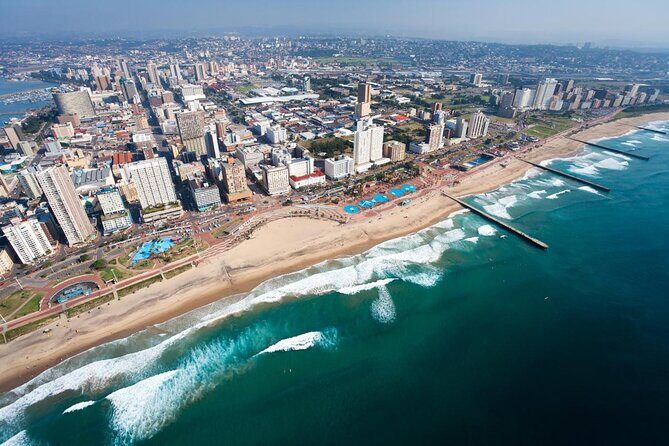
- Golden Mile orientation along Durban’s beachfront, with real-life moments like healers collecting seawater in bottles and women walking the shore in saris
- Phansi Museum (admission extra) with a strong focus on Zulu artifacts like beadwork, clay pots, and headrests
- Botanic Gardens (admission included) founded in 1849, featuring plants from Africa, Asia, and the Americas plus an orchid house
- Warwick Triangle market time to see an African/Indian mix reflected in what you can buy and browse
- Moses Mabhida Stadium views (cable car extra) for a high perspective over Durban
- Small group feel with a maximum of 8 travelers and hotel pickup/drop-off from selected areas
Durban’s Zulu, colonial, and Indian mix is the real attraction
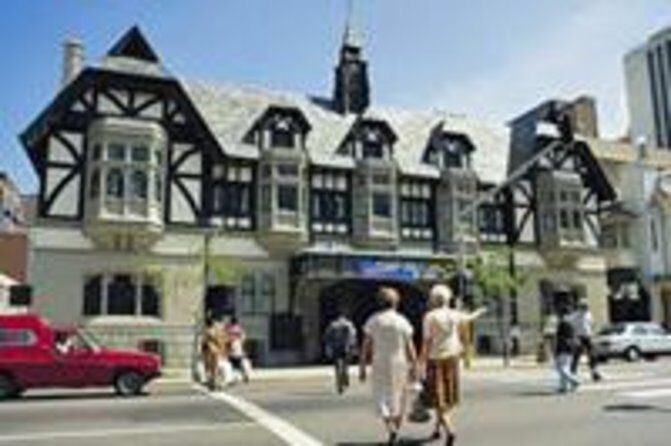
If you only know Durban as a beach stop, this tour helps you read the city a little differently. Durban was shaped by Zulu tribes, colonial settlers, and Indian immigrants who arrived in the 1800s to work as indentured labor. Your guide keeps pointing out how those layers still show up in daily life, from place names to market culture and food.
I like that the tour doesn’t treat Durban as one note. You get a visual rhythm: beachfront first, then museum culture, then gardens, then Indian influence through food. Even the route choices make sense for first-time orientation because they land you near key “what matters here” places rather than just ticking boxes.
The experience also helps you understand why certain details matter. For example, when you’re near the water and you see traditional healers collecting seawater in bottles for medicine, that’s not a random roadside photo. It’s the kind of living practice that explains how communities use the environment in different ways.
You can also read our reviews of more city tours in Durban
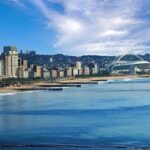
Golden Mile beachfront: a quick, guided way to get your bearings
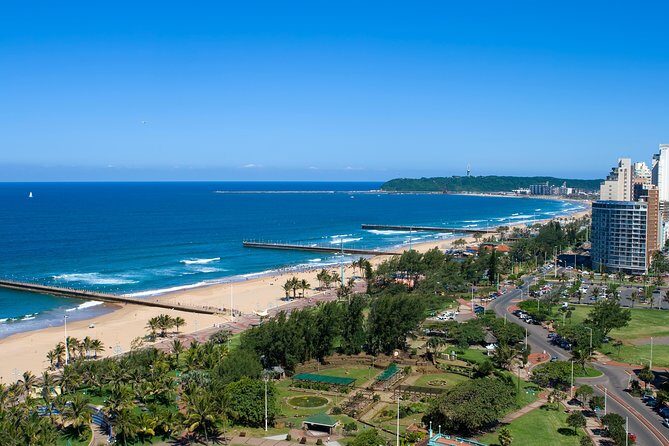
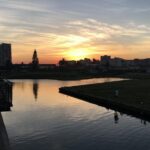
You begin with hotel pickup and then head out toward Durban’s Golden Mile, the signature stretch of beachfront with hotels, restaurants, and shops. This part is more than a drive-by. It’s where you get your “okay, I get it now” feeling for Durban’s layout: where the sea is, where the activity is, and how the city’s mood changes as you move inland.
One of the most memorable moments is the chance to spot traditional healers at the water’s edge collecting seawater in bottles for medicinal use. You might also notice Indian women in saris walking along the beach to enjoy the weather. Your guide uses these small observations to explain broader cultural patterns, so you’re not just watching scenes go by.
Practical tip: bring sun protection and something light for the beach portion. This is Durban, and even when it feels pleasant, you’ll still want shade breaks later.
Durban City Hall stories and the Warwick Triangle market stop
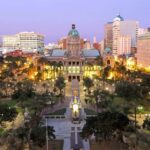
A drive past Durban City Hall gives you context you’ll use later. The guide shares amusing history tied to what you’re seeing, so the building stops feeling like just another civic structure. It’s the kind of explanation that makes the city easier to navigate on your own afterward.
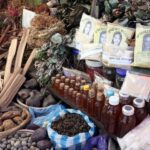
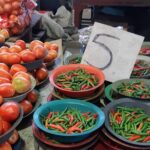
Then there’s time at the Warwick Triangle area for an African/Indian market stop. This is included, and it’s where the tour shifts from “look” to “browse.” You can expect an active market feel, with stalls that reflect the mixed cultural influences of the city.
If you enjoy casual shopping, this stop is useful. If you prefer photos, it still works because you’ll likely see everyday goods and local shopping rhythms that don’t feel staged for tourists.
Phansi Museum: where Durban’s cultural layers take physical form
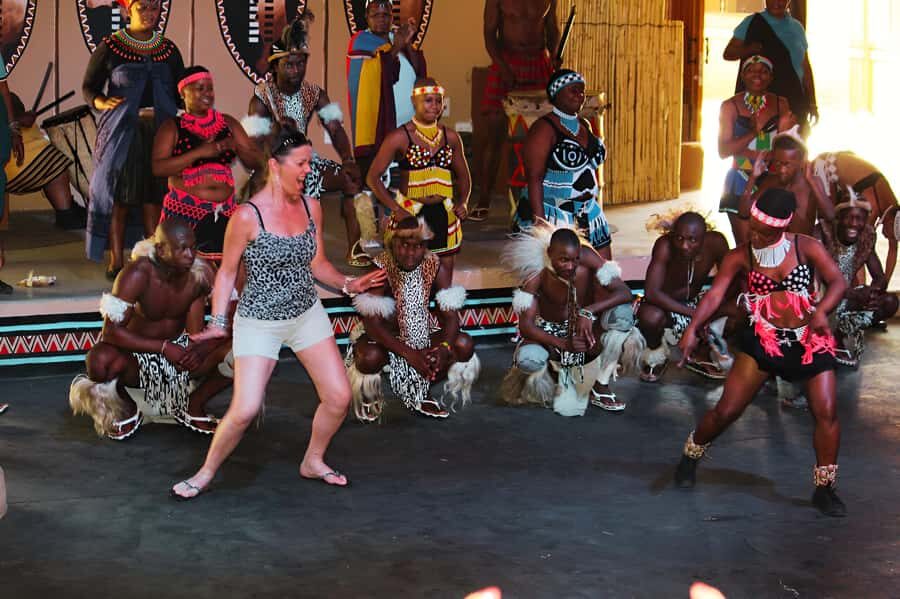
Next comes the Phansi Museum, a stop designed to slow you down. You’ll spend about 30 minutes there with your guide, and the museum’s focus is clear: Southern African artifacts and traditions you can see up close.
Phansi Museum is home to the largest publicly accessible collection of Southern African artifacts and traditions, including Zulu beadwork, headrests, and clay pots. The collection also includes ceramics and other South African treasures. If you care about crafts and material culture, this is the kind of museum where you’ll notice details quickly.
Two important planning points:
- Phansi Museum admission is not included in the tour price.
- The museum is closed to visitors on weekends.
So if your trip lands on a weekend, you’ll want to decide whether you’re okay with an itinerary swap or whether you’d rather choose another day for this tour.
Also, the time is limited. Thirty minutes is enough to get the main ideas and a few solid photo moments, but it’s not enough for a long, unhurried museum day. Wear comfortable shoes and go in ready to pick highlights.
Durban Botanic Gardens (1849): the calm break with global plants
The gardens stop gives you a needed reset after museums and city streets. The Durban Botanic Gardens were established in 1849, and the property is known for plants from multiple regions—Africa, Asia, and the Americas—growing side by side.
You’ll have about 20 minutes here, plus entry is included. The tour also highlights the orchid house, which is one of the easiest “see it fast” features if you’re short on time. Even within a short visit, the gardens work because the environment makes your guide’s earlier history points feel more grounded. You’re not just learning; you’re breathing better air and looking at how living things travel and adapt.
Practical tip: in warm weather, the garden can feel sunny. If you’re prone to heat, plan your photos earlier in the visit and save a few minutes for cooler shaded areas.



Bunny Chow and the Indian influence you can taste
Durban’s Indian influence shows up in ways that are easy to understand and hard to forget, and food is the easiest entry point. Your tour includes information on Indian immigrants and how their influence shaped Durban, including cuisine.
You’ll get a chance to sample famous South African bunny chow, a popular street-food style dish tied to the city’s Indian communities. It’s a smart inclusion because it turns history into a sensory experience. You can read about immigration stories anywhere, but you feel it when you taste what people built around those culinary roots.
One caution: food and drinks are not generally listed as included unless specified. That means your bunny chow tasting is likely part of the tour experience, but you shouldn’t assume you’ll get extra drinks or a full meal covered without checking.
Moses Mabhida Stadium cable car: optional views that reward the ride
The last “big view” moment comes at Moses Mabhida Stadium. You’ll head up toward it, and then you have an option to take the cable car ride to the top at your own expense.
From up there, you’re meant to savor the views over Durban. The stadium area is also a good place to connect what you’ve seen: Golden Mile beachfront lines, city structures, and—depending on conditions—harbor scenery that helps make sense of Durban’s role as a coastal port.
If you’re budget-minded, this is the one cost you can skip. If you like city panoramas, it’s the best payoff for people who want a final “wow” shot before heading back.
Guides, pacing, and why the small group size matters
The tour runs as a small group with a maximum of 8 travelers, and that changes the whole feel. In a small group, your guide can answer questions without the whole bus stopping every two minutes. It also makes it easier to adjust for small issues like someone needing a slower pace.
The best praise pattern here is guidance that feels friendly and organized. One group experience highlighted a guide named Togo as a Zulu guide, and another mentioned Leon and Paul as a team that made the tour a strong first introduction to Durban. There were also mentions of Wendy and Thompson. That’s a good sign for English-speaking visitors because it suggests the tour is led by people who can explain both cultural details and practical context.
Another standout in the feedback: flexibility when someone became ill during the tour. It’s a reminder to take the tour pace seriously. If you start feeling unwell—especially in heat—tell your guide early so they can help adjust.
Is $52.59 a good value for Durban’s 3-hour hit list?
At about $52.59 per person for roughly 3 hours, the value comes down to what’s included and what’s optional. You get hotel pickup and drop-off, a professional guide, and a visit to the Warwick Triangle African/Indian market. You also get admission included for the Durban Botanic Gardens.
What costs extra:
- Phansi Museum admission
- Moses Mabhida Stadium cable car
So you’re paying for the structure: someone to drive you, explain the “why” behind the sights, and keep the timing tight enough to fit a lot into a half-day.
For first-timers, that structure is the real bargain. If you’re arriving with limited time, this tour helps you see the city’s identity in a single morning-style loop. If you already know you want to spend extra time in museums and do extra attractions, then you might think about a longer, self-paced plan. But for a quick orientation with expert commentary, the math works.
Who should book this tour, and who might prefer something else
This tour is a strong fit if you:
- want an organized introduction to Durban in a short time
- like guided explanations tied to actual places (beachfront, museum, gardens)
- want to connect Indian influence to real Durban experiences like bunny chow
- enjoy small group tours where your questions actually get answered
You might look for another option if you:
- plan to visit specifically on a weekend and want the Phansi Museum stop guaranteed (it’s closed on weekends)
- hate extra ticket add-ons like museums and cable cars
- want a slow museum day with lots of time to read every display
Also, this is a practical half-day. It’s not designed to be a full-day deep study. But for many people, that’s the point.
Should you book this Durban City Sightseeing Tour?
I’d book it if you want a smart first step into the city. The combination of Golden Mile beachfront, Phansi Museum culture (when open), Botanic Gardens (with admission included), and an Indian-food taste through bunny chow gives you a balanced Durban snapshot without wasting hours.
Before you book, check your calendar for weekends because Phansi Museum is closed then. Also decide whether you care about the Moses Mabhida cable car views, since that’s the main optional cost at the end.
If you’re the kind of traveler who likes cities with layered identities—Zulu, colonial, and Indian threads—this tour is built for you.
FAQ
How long is the Durban City Sightseeing Tour?
It runs for about 3 hours.
What time does the tour start and where is the meeting point?
The start time is 9:00 am. The meeting point is the Hilton Durban, 12-14 Walnut Rd, Durban Central, Durban, 4001, South Africa.
Is hotel pickup included?
Yes. Hotel pick-up and drop-off are included from selected Durban hotels.
Are the Durban Botanic Gardens and Phansi Museum tickets included?
Botanic Gardens admission is included. Phansi Museum admission is not included.
Is the Phansi Museum open on weekends?
No. The Phansi Museum is closed to visitors on weekends.
What’s the Moses Mabhida Stadium part, and is it included?
You can take a cable car ride to the top of Moses Mabhida Stadium, but it is at your own expense.
Does the tour include food and drinks?
Food and drinks are not included unless specified. The tour mentions sampling bunny chow, but you should expect that drinks or extra food may not be covered.
What group size and minimum number of travelers apply?
The tour has a maximum of 8 travelers and requires a minimum of 2 people to operate.
Is this tour refundable if I cancel?
No. This experience is non-refundable and cannot be changed for any reason.