REVIEW · PLETTENBERG BAY
2-Hour Game Drive at the Plettenberg Bay Game Reserve
Book on Viator →Operated by Plettenberg Bay Game Reserve · Bookable on Viator
Two hours, and the bush does the rest. At Plettenberg Bay Game Reserve, you ride out on an open safari vehicle in the foothills of the Tsitsikamma Mountains, with a ranger helping you target what’s most likely to show up. I like how this is a Big Five-focused drive without eating your whole day, and I also like the value of getting close to wildlife in a short, structured outing.
One thing to think about: the reserve experience can feel more basic than glossy. Some guests note limited comfort on arrival, so plan for simple surroundings and bring your own drinks.
In This Review
- Key takeaways before you book your Plett Game Reserve drive
- Two hours on the Garden Route: what this Plettenberg Bay drive delivers
- Getting there: the N2 scenic route and the meeting point reality
- Inside the 2-hour safari: how the drive uses time and daylight
- The Big Five at Plett Game Reserve: what the reserve is really aiming for
- What else you’re likely to see besides the Big Five
- Rangers and the day’s vibe: when the guide is strong, it changes everything
- Comfort, logistics, and smart packing for your Plett drive
- Price and value: is $57.24 a good deal for a Garden Route safari?
- Should you book this 2-hour game drive?
- FAQ
- How long is the Plettenberg Bay Game Reserve game drive?
- Where does the tour start and end?
- Are meals included?
- Is there a morning or afternoon departure option?
- What’s included in the price?
- How big is the group?
- Can children join the safari drive?
- Can I cancel for a full refund?
Key takeaways before you book your Plett Game Reserve drive
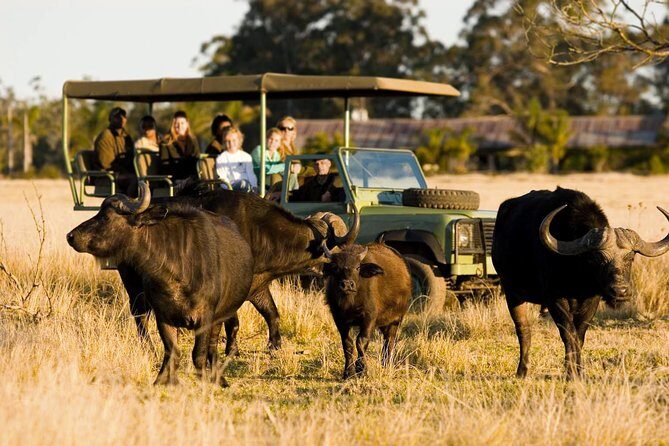
- Big Five odds in a short 2-hour format: elephants, buffalo, rhino, leopard, and lion are part of the park story.
- Open safari vehicle viewing: easier spotting and better sightlines than you’ll get from a closed car.
- A ranger-led approach: the best drives are clearly guided well, with strong emphasis on what you’re seeing.
- You can choose morning or afternoon: timing matters for wildlife movement and light.
- Small group size: capped at 22 travelers, so you’re not stuck watching through a crowd.
- Bring your own refreshments: food and drinks aren’t included, and the on-site setup can be minimal.
Two hours on the Garden Route: what this Plettenberg Bay drive delivers
This is a practical safari stop if you’re road-tripping the Garden Route and want wildlife without a half-day commitment. The 2-hour game drive is designed to keep moving while the action is happening, so you’re not lingering for long stretches with nothing to point at.
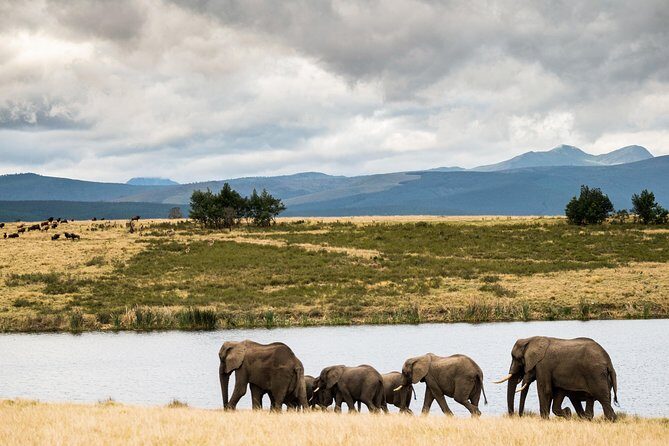
The reserve itself sits on 2,200 hectares at the foothills of the Tsitsikamma Mountains. That means you’re not just driving through a tiny enclosure. You’re working within a protected area where animals have space—and that makes a big difference for sightings, even though wildlife is never guaranteed.
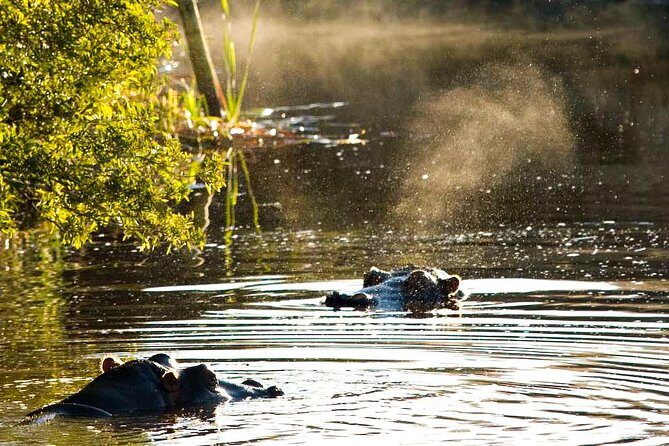
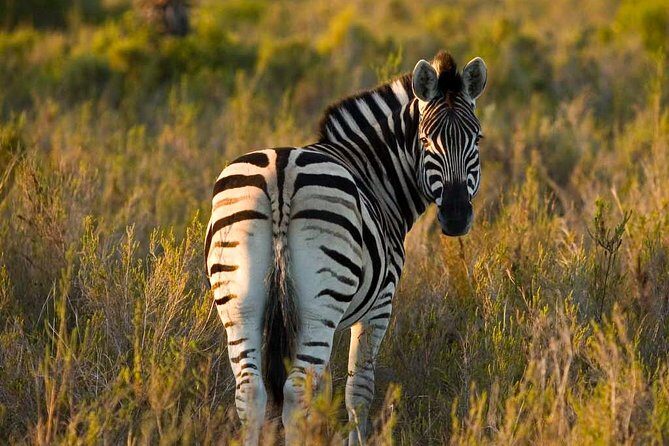
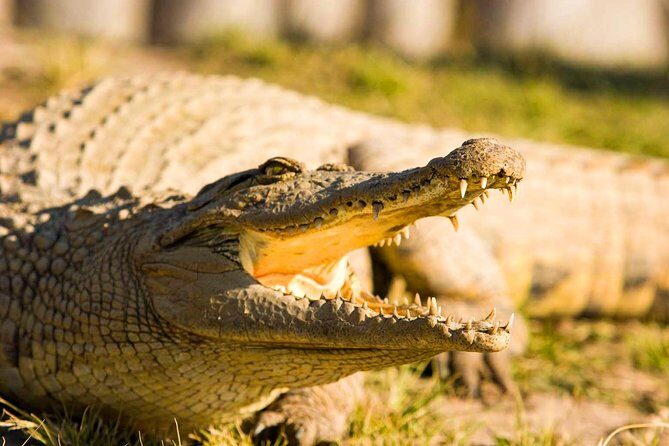
If you’re hoping for the headline species, this reserve is positioned around the Big Five. It’s also home to other animals that often make or break a safari day: giraffe, zebra, antelope, hippo, and crocodile, plus a lot of birdlife.
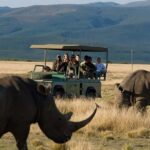
And yes, the open vehicle is part of the magic. You’re up higher, closer to the scene, and you can actually see what the ranger is pointing out—rather than craning around a window frame.
A few more Plettenberg Bay tours and experiences worth a look
Getting there: the N2 scenic route and the meeting point reality
Your experience starts and ends at Plettenberg Bay Game Reserve on Uplands Road in Wittedrift, Plettenberg Bay. There’s no hotel pickup or drop-off listed, so you’ll want to drive yourself or arrange your own transport to the meeting spot.
On the way in, you’ll travel along the N2, one of the classic links along the Garden Route. It’s a nice warm-up for the day because you’re already in a travel mindset: scenery outside, safari mode in your head.
Two practical notes that matter more than you’d think:
- Bring patience for getting parked and settled before departure. The drive is short, so you don’t want delays eating into safari time.
- Expect that facilities at the meeting/lodge area can be limited. One guest specifically warned that there’s not much in the way of seating or refreshments on arrival, so come prepared.
Inside the 2-hour safari: how the drive uses time and daylight
This is built around a simple idea: if you want animals, you need to be in the right places when they’re active. With morning or afternoon departures, you’re matching your time on the vehicle to animal rhythms and the angle of the light.
Here’s what you can expect during the drive:
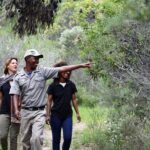
- You’ll head out into the reserve with a ranger who talks you through what you’re likely seeing and why it’s there.
- You’ll spend most of the drive scanning for movement first—then slowing down for the moments that pay off.
- The ranger approach matters, because animals can be close and still hard to spot if you don’t know what you’re looking for.
Because the drive is only two hours, the flow is usually tighter than a longer safari. That’s good news. It keeps the experience focused. It also means that if you arrive with low expectations, you’ll probably still feel the day was worth the effort—especially if elephants or rhinos appear.
The Big Five at Plett Game Reserve: what the reserve is really aiming for
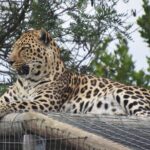
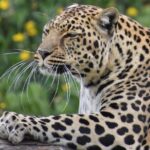
The reserve is now home to four of Africa’s famous Big Five, with elephants mentioned as a recent addition alongside buffaloes, rhinos, and leopards. Lions are part of the Big Five promise for the broader safari theme, but your best bet is to treat the Big Five as an ambition rather than a fixed checklist.
Still, the Big Five focus is real in practice. You’re not going into a drive that only targets a single standout species. The ranger-led route is built to maximize your chances across the day’s wildlife activity.
If you care most about elephants and rhinos, this place has a strong hook. One ranger named Ted has been praised for creating close-up moments with elephants and for making sightings feel personal and specific, including rhinos. That kind of guidance can turn a quick glance into an “I get it now” memory.
Here’s the honest part: even in the best conditions, you won’t control what’s in front of you. A couple of guests felt they didn’t see everything they expected. That doesn’t mean the drive is a failure; it means wildlife is unpredictable and your two-hour window can only catch what decides to show up.
What else you’re likely to see besides the Big Five
The reserve experience isn’t only about the headline animals. It’s also about stacking enough good sightings that even if the Big Five are partial, your drive still feels like a win.
Based on the reserve’s animal list and what’s been observed, you should keep your eyes open for:
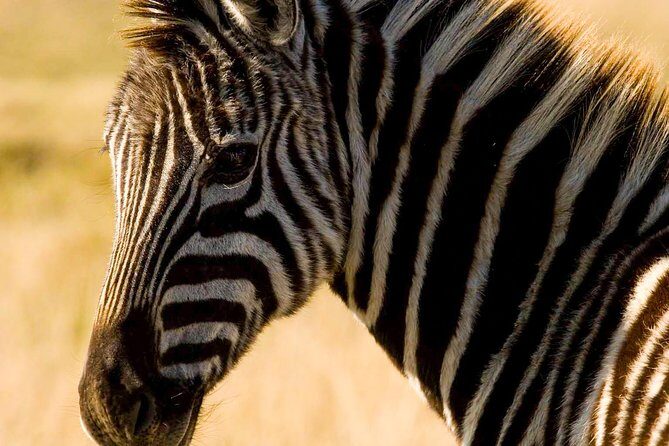
- Giraffes and zebras, which are often easier to spot once you know where to look
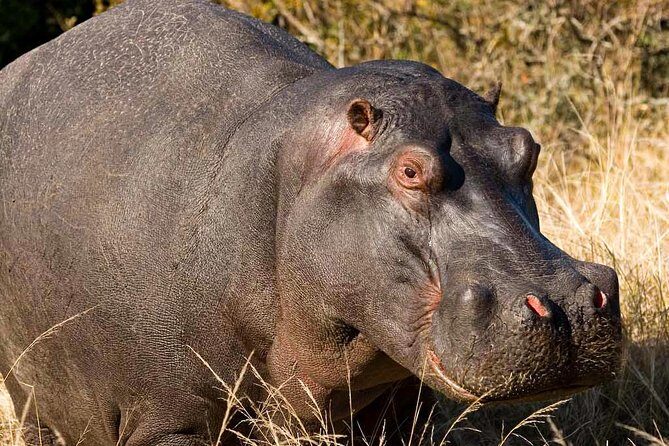
- Hippos and crocodiles, which can be thrilling if conditions put them where you can see movement
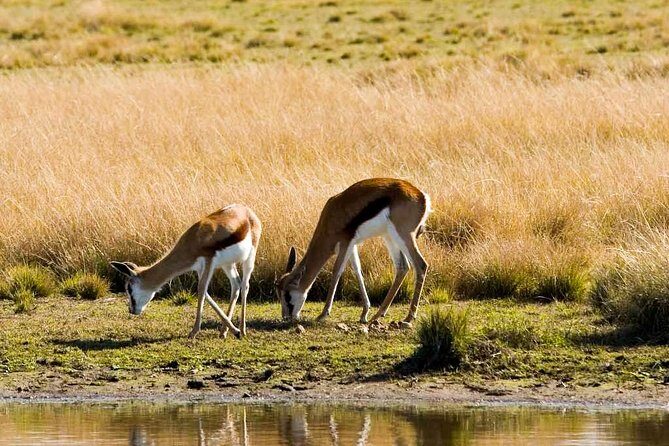
- Antelope species and other smaller wildlife that show up during scanning breaks
- Birdlife, which can be surprisingly constant and sometimes gives you activity even when the larger animals are quiet
This is also where the ranger’s role becomes useful. The best guides don’t just name animals; they connect the sighting to behavior and habitat. When you get that, the drive feels like a learning walk through living country, not just a drive-and-hope session.
Rangers and the day’s vibe: when the guide is strong, it changes everything
Wildlife is the main character. But a ranger can seriously change how your two hours feel.
On the positive side, there are rangers who keep energy up and explanations clear—turning random sightings into something you remember. Ted is one name that stood out for strong animal talk and for building excitement around what you were seeing.
On the negative side, some guests have felt the guide energy was flat or the communication didn’t match the park’s potential. That can happen on any kind of tour, and it’s a reminder that safari is part biology, part interpretation.
If you want the highest chance of a great experience, arrive mentally ready to listen and ask questions. The ranger is part of the value here, and your engagement can make the drive better even if the wildlife isn’t perfect.
Comfort, logistics, and smart packing for your Plett drive
This tour is simple on paper: ranger-guided, two hours, open safari vehicle, small group. But a few practical details can make or break your comfort.
1) Food and drinks
Food and drinks are not included. One guest noted there wasn’t much available on arrival, and another implied bring your own if you want tea/coffee or basic refreshments. So pack water, and consider a snack if your schedule is tight.
2) Access roads and your car
One important warning from a guest: the road from gate to lodge was described as mainly suitable for 4×4 vehicles. You don’t get detailed instructions here about driving requirements, so treat it as a heads-up. If you’re in a standard car, check how you’ll be getting to the meeting point and whether there’s any vehicle constraint.
3) Luggage
Excess luggage charges can apply. Keep bags light. You don’t want to spend safari time thinking about straps and storage.
4) Tickets and group size
You get a mobile ticket, and the group max is 22 travelers. That’s small enough to feel personal, but big enough that you’ll still be sharing viewing space.
5) Kids
Children must be accompanied by an adult. The drive is listed as suitable for most travelers, so it’s generally a straightforward activity for a wide range of visitors.
Price and value: is $57.24 a good deal for a Garden Route safari?
At $57.24 per person for a roughly 2-hour guided game drive, the value comes from three main things:
- You’re paying for a ranger-led outing plus admission to the reserve.
- You’re paying for an efficient safari window during a busy Garden Route trip.
- You’re paying for the possibility of Big Five-range sightings and the chance to stack multiple animals in one go.
Where the cost can feel less “worth it” is when expectations are set too rigidly. If you’re arriving assuming you’ll definitely tick off every animal listed, you might feel disappointed when the sightings are fewer or different from the dream list. Wildlife doesn’t follow schedules.
But if you treat this as a well-timed safari slice—one that fits neatly into your day and uses ranger guidance to maximize what’s possible—you’re likely to feel the price is fair.
Should you book this 2-hour game drive?
Book it if you want a focused Garden Route safari that still aims at Big Five territory, and you like the idea of an open-vehicle drive where a ranger can help you spot animals quickly.
Skip or rethink if your top priority is comfort on arrival, or if you need guaranteed sightings of specific animals. Also, if you’re coming by car and you heard the access road note, double-check that your vehicle and route plan are a match.
If you’re nearby and you can fit it, this is a solid “two-hour yes” that can turn a driving day into a real wildlife memory—especially on runs where the ranger energy is high and the sightings include elephants, rhinos, or both.
FAQ
How long is the Plettenberg Bay Game Reserve game drive?
It’s about 2 hours.
Where does the tour start and end?
It starts and ends back at the meeting point: Plettenberg Bay Game Reserve, Uplands Road, Wittedrift, Plettenberg Bay, 6600, South Africa.
Are meals included?
No. Food and drinks aren’t included.
Is there a morning or afternoon departure option?
Yes. You can choose either a morning or an afternoon departure.
What’s included in the price?
You get a tour guide, and an admission ticket is included as part of the experience.
How big is the group?
The group has a maximum of 22 travelers.
Can children join the safari drive?
Children must be accompanied by an adult.
Can I cancel for a full refund?
Yes. Free cancellation is available up to 24 hours before the experience’s start time for a full refund.