REVIEW · CAPE TOWN
3-Day Private Guided Tour to Cape Town Top Attractions
Book on Viator →Operated by Safari Private Tours. · Bookable on Viator
Cape Town can feel like a menu with too many choices. This private 3-day plan saves you serious research time and keeps the pace private—so you’re not waiting around for other groups. I especially like the air-conditioned transportation between distant stops, which makes the day-to-day moving feel easy instead of exhausting. One thing to consider: Table Mountain tickets aren’t included, so you’ll budget for that add-on day-of.
You also get a smart mix of big scenery and must-do South Africa history without building your own route from scratch. The itinerary threads together the Cape Peninsula viewpoints plus the cultural weight of Robben Island, and it does it with a driver who can keep timing sensible. The possible drawback is simple: you’ll still do real sightseeing time, including short walks and photo stops, so wear comfy shoes and don’t plan on treating it like a slow stroll.
In This Review
- Key things I’d prioritize before you go
- Why this private 3-day Cape Town plan feels less stressful
- Day 1 on the Cape Peninsula: diamonds, beaches, seals, and penguins
- AFROGEM: a diamond-cutting factory visit with sparkling wine
- Camps Bay: a quick beach breather under Table Mountain
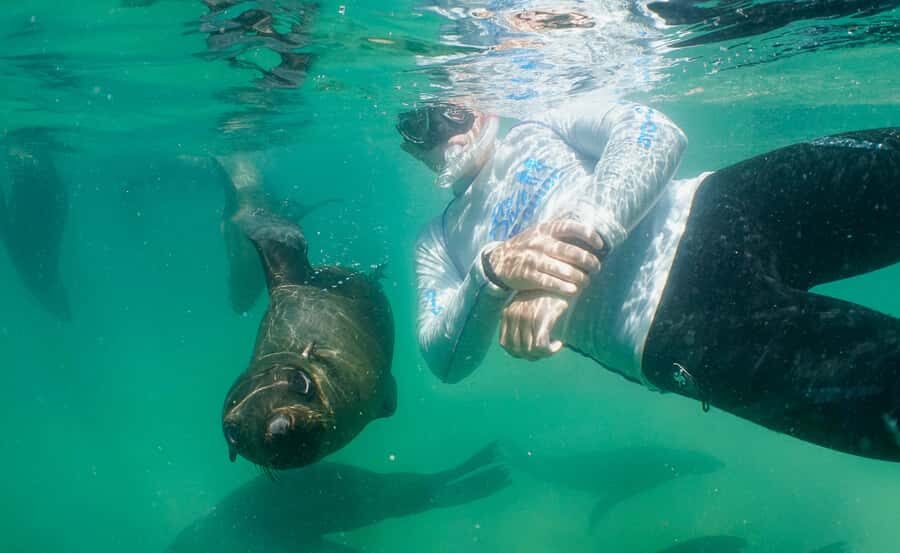
- Hout Bay: seals at the shoreline (no boat required)
- Chapman’s Peak Drive: stop often, take more pictures
- Old Cape Point Lighthouse: climb for views, funicular for convenience
- Cape of Good Hope: two oceans vibes and hiking options
- Boulders Beach Penguin Colony: close-up wildlife time
- Day 2 in the Winelands: tastings, art-meets-wine, and cheetah care
- Spier Wine Farm: dam views and the chandelier made from bottles
- Delaire Graff Estate: wine, art, and a diamond-world mood
- Tokara Wine Estate: mountains, False Bay views, and olive groves
- Cheetah Outreach in Somerset West: the animal part people remember
- Day 3: old fort walls, Bo-Kaap color, Mandela history, then Table Mountain
- Castle of Good Hope: key ceremony and canon timing matters
- Bo-Kaap: Malay Quarter architecture and Cape Malay cuisine options
- Robben Island Museum: guided on the island, with Nelson Mandela moments
- City Hall: Mandela’s first speech after release
- Table Mountain: cableway ride, big views, and extra ticket planning
- Transportation comfort and private pace: what you’ll feel day to day
- Price and value: what’s included, what costs extra, and how to budget
- Weather-dependent stops: when Cape Town changes the plan
- Who should book this tour—and who should think twice
- Should you book this 3-day private Cape Town tour?
- FAQ
- Is this tour private?
- How long is the tour?
- What time does the tour start?
- Is pickup offered?
- What is included for Robben Island?
- Are Table Mountain tickets included?
- Are wine tastings included at the wineries?
- Is lunch included?
- What happens if the weather is poor?
- Can I cancel for free?
Key things I’d prioritize before you go
- Private day pacing: fewer pauses, less waiting, and smoother movement across long distances.
- Cape Peninsula hits: Chapman’s Peak Drive, Cape of Good Hope, Cape Point area viewpoints, and penguins.
- Winelands with real options: tastings depend on what you order—so bring a tasting budget.
- Robben Island is guided, but separate: you’ll be met by a resident guide on the island, then picked up after.
- Table Mountain is the one extra cost: the cableway trip is part of the visit, but tickets are not included.
Why this private 3-day Cape Town plan feels less stressful
I like guided tours most when they solve the problem you actually have: time. Cape Town isn’t just one city sight. It’s a whole set of regions—coast roads, mountain views, wine farms, and island history—and trying to connect all of it on your own can become a full-time job.
This tour is private, meaning it’s only your group. That matters because Cape Town’s “top attractions” are spread out, and crowd timing can get weird. A private vehicle also helps with the in-between moments: the drives from the city to the Cape Peninsula, then back again, then out toward the Winelands. You’re not stuck waiting while someone else argues about which photo spot to hit.
Also, the tour includes bottled water and uses an air-conditioned vehicle. On a warm day, that’s not a luxury—it’s a sanity saver. You’ll likely spend plenty of time outside for views and beach moments, so it helps to have a comfortable reset between stops.
You can also read our reviews of more guided tours in Cape Town
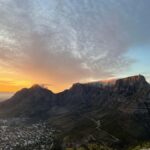
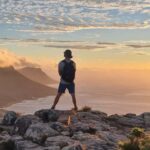
Day 1 on the Cape Peninsula: diamonds, beaches, seals, and penguins

Day 1 is the “wow” day for a lot of visitors, and it’s built around the Cape’s dramatic coast. It starts with something you might not expect on a scenery-heavy itinerary: AFROGEM.
AFROGEM: a diamond-cutting factory visit with sparkling wine
The morning begins at AFROGEM, a family business producing diamond and gemstone jewelry since 1966. The standout detail here is the complimentary factory tour concept—watching diamond cutting and jewelry manufacturing up close. It’s not only a sales stop. It’s also a chance to see how craftsmanship works when you’re not guessing.
There’s even a complimentary glass of sparkling wine included. For me, that sets a friendly tone right away. For you, it’s a nice break from jumping straight into long drives.
Time is about 1 hour, with admission ticket free. This is a short indoor segment early in the day, which can be smart if the weather is changeable.
Camps Bay: a quick beach breather under Table Mountain
Next is Camps Bay, described as a favorite seaside area at the foot of Table Mountain and nearby peaks. Expect a brief stop: photos, a short walk on the sand, and a chance to grab a quick coffee or snack if you want (there’s even a Starbucks nearby, if you’re the kind of traveler who likes familiar options).
This stop is only about 20 minutes. So treat it as a “reset moment,” not a beach day. The upside is you’ll get the iconic look without losing your whole afternoon to planning and parking.
Hout Bay: seals at the shoreline (no boat required)
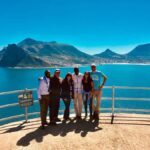
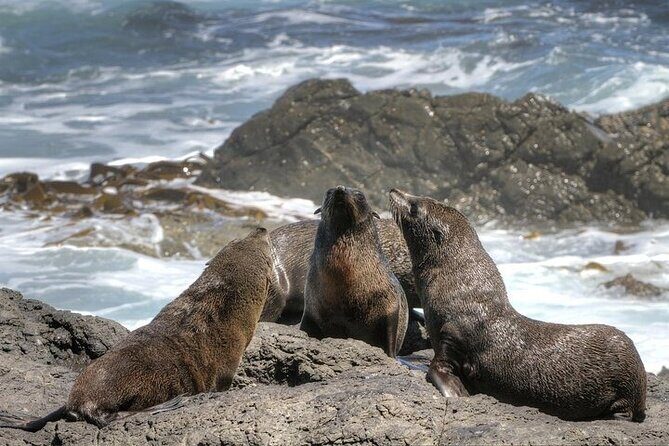
Then you’ll head to Hout Bay. The tour keeps it simple: a short stop to see the seals along the area. You won’t hop on a boat—this is mostly a quick photo-and-look moment with about 30 minutes.
That’s good for people who want the “seals are here” experience without committing to an extra excursion. It also means less time tied up if ocean conditions make boats annoying.
You can also read our reviews of more private tours in Cape Town
Chapman’s Peak Drive: stop often, take more pictures
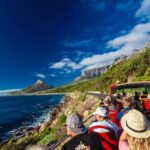
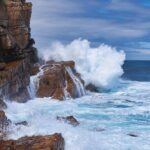
After Hout Bay, you’ll drive one of the most famous coastal roads: Chapman’s Peak Drive (the local nickname is “Chappies”). This 9-kilometer mountainside road drops dramatically to the ocean, and the itinerary gives you a short window to enjoy the breeze and pull over for photos. There’s even mention of writing your name on the rocks—one of those small local quirks that makes a viewpoint feel more personal.
Time is about 20 minutes, and entry to Chapman’s Peak Drive is included. Real talk: this is the kind of stop where you’ll want to have your phone camera ready before you arrive at the turnouts. Plan to shoot both “straight out” ocean views and the coastline curves.
Old Cape Point Lighthouse: climb for views, funicular for convenience
Next is Old Cape Point Lighthouse, and this is where you get big effort for big payoff. You can walk and take the funicular (at your own cost) to reach the lighthouse viewpoint. The tour also offers three route options: a coastline path with many stone staircases (best coastline views), a steady paved path from the car park, and the funicular option if you don’t feel like climbing.
The lighthouse portion is about 2 hours, and entry is included. Just note: the funicular ride itself isn’t free. If you’re trying to keep spending down, budget for the walk. If your legs prefer less climbing, budget for the extra fee.
Cape of Good Hope: two oceans vibes and hiking options
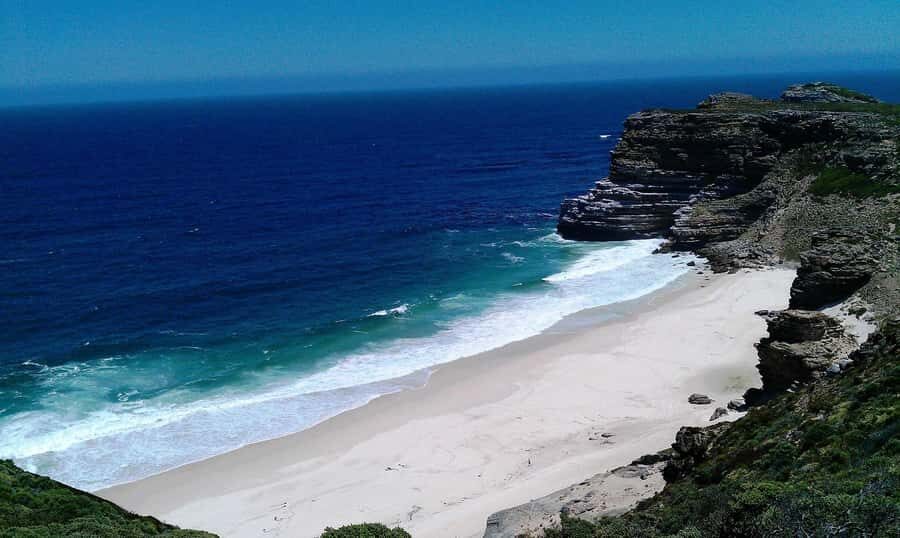
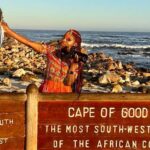
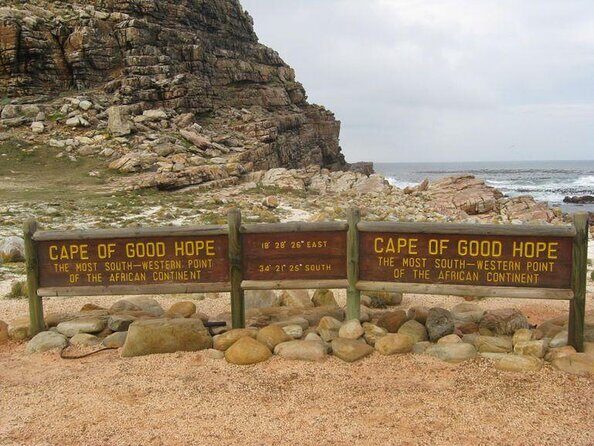
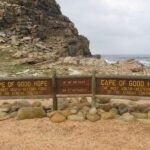
From Cape Point area, you continue to Cape of Good Hope, described as the “corner of Africa.” The cold Atlantic and Indian Ocean meeting point idea is part of what makes this area so famous. You’ll have about 2 hours here.
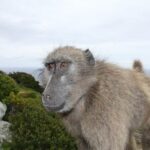
The tour mentions hiking trails to the summit of the cape for activity and sightseeing. That means you have choices: quick viewpoints for photos, or more movement if you want a short hike. Either way, wear grippy shoes. Wind can be real on the cape, and the ground can feel uneven.
Boulders Beach Penguin Colony: close-up wildlife time
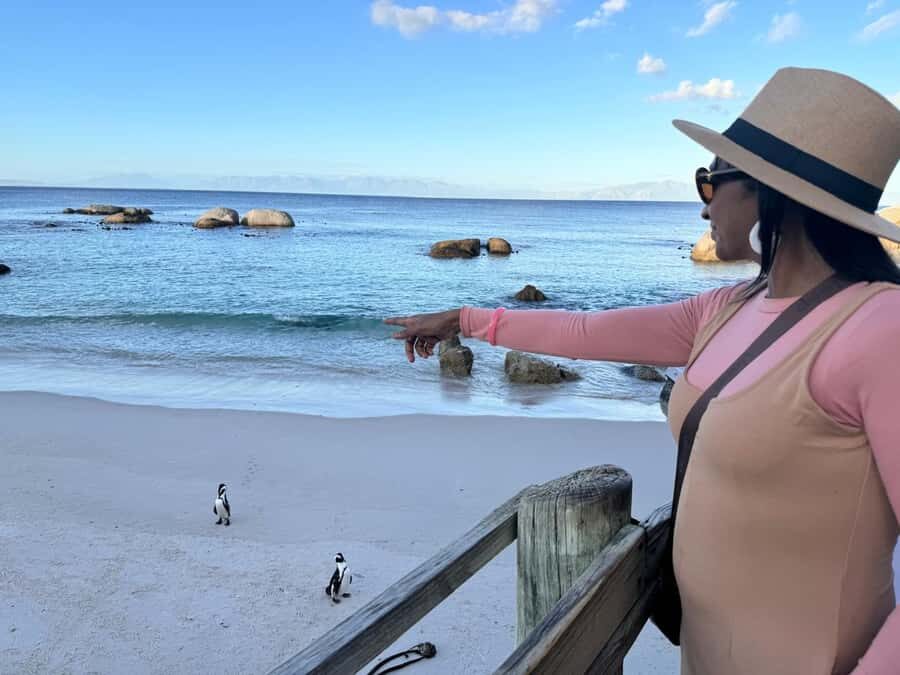
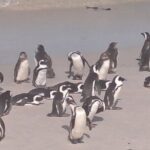
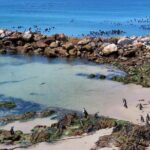
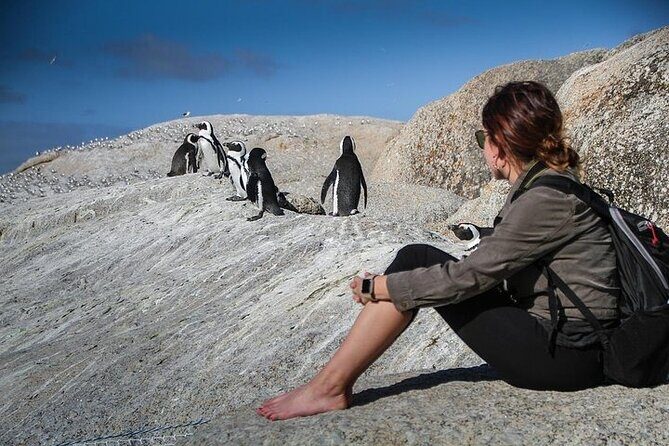
Finally, the day ends at Boulders Beach Penguin Colony. This is a beach visit centered on African Penguins. The tour time is about 1 hour, with admission included. You’ll walk on the beach and take close-up photos of flightless birds in a setting that’s built for visitors to experience penguins safely and respectfully.
This is one of those stops where the time actually matters. If you linger too long, you’re rushed for the drive back. If you rush, you miss the behavior—penguins aren’t “pose for a picture” machines. You’ll get more out of your visit if you give yourself a relaxed hour.
Day 2 in the Winelands: tastings, art-meets-wine, and cheetah care
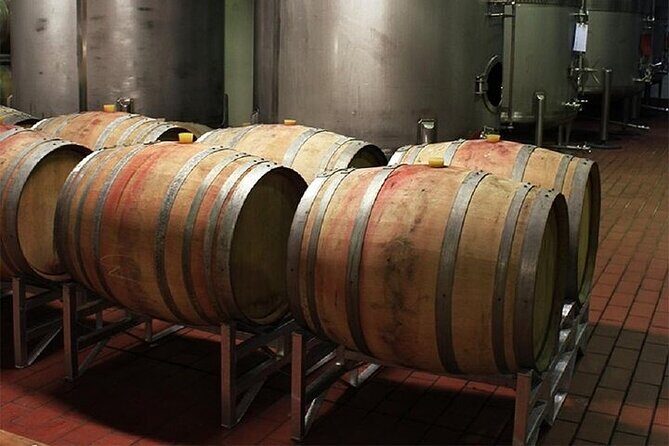
Day 2 shifts from coastline drama to wine country, with a very Cape Town style of variety: estates with views, an art factor, and then an animal conservation stop.
Spier Wine Farm: dam views and the chandelier made from bottles
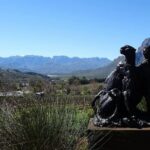
At Spier Wine Farm, you get a wine-tasting and food platter format with views over their dam and the Helderberg mountains. The tour includes a highlight detail: the Heath Nash chandelier made from 334 recycled Spier wine bottles, weighing 370 kilograms, hanging above the tasting counter.
Admission is free, but wine tasting fees are not included. The tasting cost is listed as roughly R60–R120, depending on what you choose. I like that you can select either a tasting with or without food pairing, then build a board if you want an olive, cheese, or cured meat platter.
This stop makes sense if you want a “real winery” experience without needing to do homework. If you’re not a wine drinker, you might still enjoy the setting and food pairing options—just plan your tasting budget accordingly.
Delaire Graff Estate: wine, art, and a diamond-world mood
Next is Delaire Graff Estate, described as a world-class destination for wine, art, cuisine, and escape from daily life. The idea here is experience, not only drinking: it’s an estate that’s meant to feel like a polished, design-forward environment.
The tour time is about 2 hours, and admission is free. Tastings are again the part that costs extra, since wine tasting fees are not included. If you like elegant estates and good views, this is a good match.
Tokara Wine Estate: mountains, False Bay views, and olive groves
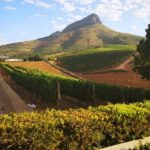
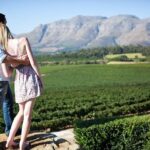
Then you’ll go to Tokara Wine Estate, on the Simonsberg slopes, with vineyards and olive groves. The description focuses on the mountain setting and views over False Bay and toward Table Mountain.
Time is about 2 hours, and admission is free. Tokara’s stop tends to appeal to people who like a calmer, scenic wine-country vibe more than a showroom feel. Either way, you’ll be in the mood for slow tasting and pictures.
Cheetah Outreach in Somerset West: the animal part people remember
After wine country, the day turns educational at Cheetah Outreach in Somerset West. This is an educational and community-based program centered on cheetah survival. You’ll tour the facilities, learn the mission, and then mingle and pet the cheetahs with time for photos.
Time is about 1 hour 30 minutes, with entry included. This is a stop that adds meaning to the day, not only scenery. If you’re traveling with kids or you want the “South Africa beyond nature views” element, this is one of the most memorable parts.
Day 3: old fort walls, Bo-Kaap color, Mandela history, then Table Mountain
Day 3 is about history and identity, then finishes with the mountain view you came for.
Castle of Good Hope: key ceremony and canon timing matters
First up is the Castle of Good Hope, described as one of South Africa’s oldest buildings. The tour highlights experiences tied to the castle, including the key ceremony and the canon firing.
Important detail: the key ceremony runs Monday to Friday. Cannon firing does not take place on Sunday, and both ceremonies are weather dependent. The tour time here is about 1 hour.
So if you’re the type who likes “schedule matches perfectly,” check your day of the week. If you’re flexible, don’t stress. Even without the ceremony timing, the castle setting is still a strong historical stop.
Bo-Kaap: Malay Quarter architecture and Cape Malay cuisine options
Next is Bo-Kaap, known as the Malay Quarter, with colorful houses and a Muslim-majority neighborhood. The tour mentions it has the largest concentration of pre-1850 architecture in South Africa and is the oldest surviving residential neighborhood in Cape Town.
Time is about 45 minutes. This stop is built for photo time and culture: learn the history and culture, then optionally taste Cape Malay cuisine at a restaurant if you want (the tour suggests you can do this, though it’s not included as a specific meal package).
Be aware: this is time for walking and viewpoints within a neighborhood, not a museum-style deep dive. It’s best if you enjoy street-level character.
Robben Island Museum: guided on the island, with Nelson Mandela moments
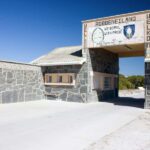
Then comes the big one: Robben Island Museum. Here, you charter a shared trip to the island. You’ll meet a resident tour guide who leads the island portion. Your tour guide/driver from the mainland won’t join you during the island tour.
The total time is about 4 hours, including the 30-minute boat trip out and 30-minute return, plus hotel drop-off time. On the island, you’ll be transported around by bus for part of the experience before visiting Nelson Mandela’s prison cell and doing The Long Walk to Freedom at the end.
This is one of those tours where the emotional weight is part of the value. It’s also structured well: you don’t have to manage logistics like scheduling the ferry and guide. You just show up and follow the flow.
City Hall: Mandela’s first speech after release
After Robben Island, you stop at City Hall, tied to Nelson Mandela’s first speech after his release on 11 February 1990. There’s also mention of a statue unveiled in 2018 on the Grand Parade balcony where he spoke.
The stop is brief at about 15 minutes. It’s a quick “connect-the-dots” moment that ties the island history to a city landmark.
Table Mountain: cableway ride, big views, and extra ticket planning
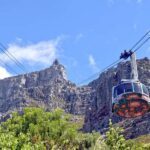
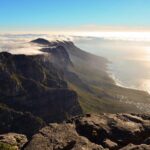
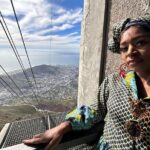
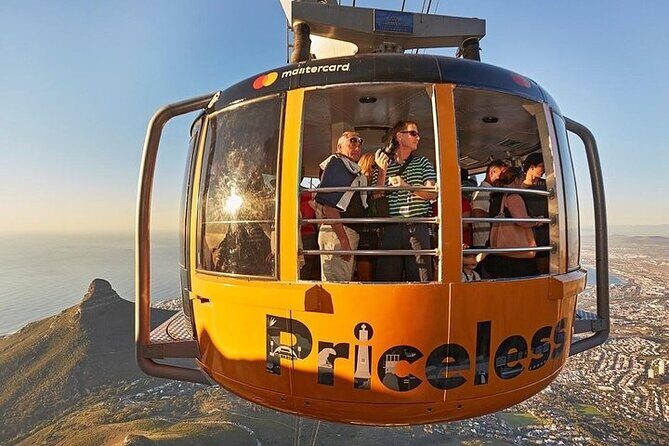
Finally, you finish at Table Mountain. The tour includes getting to the top via cableway cart, enjoying views over the city and ocean, and doing a guided-style tour of the mountain, including a brief history and time around the top area (with mention of small animals like squirrels).
Table Mountain is about 2 hours, but admission tickets aren’t included, so you’ll pay separately for the mountain access. The tour also gives you a choice to walk down or take the cableway back when you’re done.
Practical tip: Table Mountain can be affected by weather. If conditions aren’t ideal, your experience might change day-to-day. So plan to stay flexible with your photos and your timing.
Transportation comfort and private pace: what you’ll feel day to day
A private tour is often described as “you won’t wait for others,” but I think the real benefit is how it changes the whole rhythm of the trip.
With private transportation, the driver can keep the schedule smooth across distant stops. That means fewer awkward gaps like: you finish early at one place, then you sit around while the next group arrives. You also get air-conditioned travel, which matters in heat and sun.
You’ll start at 9:00 am, and you’ll get water included. That combo is practical. It makes it easier to handle the days when you’re outside for views—then back in the car for the next leg.
One note: private doesn’t mean “no walking.” You will still do walking at beaches and viewpoints. The funicular options at the lighthouse and the cableway at Table Mountain are helpful for keeping effort reasonable, but you should still wear comfortable shoes.
Price and value: what’s included, what costs extra, and how to budget

The price is $574.34 per person, and the tour is commonly booked about 40 days in advance. That booking pattern usually means it sells at a steady pace, so you shouldn’t wait until the last week if your dates are firm.
Here’s the value math as it’s laid out in what’s included:
- Robben Island tickets are included.
- Entry to Chapman’s Peak, Cape of Good Hope and Cape Point, and Boulders Beach penguins are included.
- Entry to Cheetah Outreach is included.
- Wine farms list admission ticket free, but wine tasting fees aren’t included.
- Bottled water and air-conditioned private transport are included.
What’s not included (so you can avoid surprises):
- Table Mountain tickets (extra).
- Wine tasting fees (about R60–R120, varies by option).
- Lunch (not included).
- Optional gratuities.
In plain terms: you’re paying for private transport plus a lot of paid-entry items, then you handle the two big “variable cost” categories—wine tastings and Table Mountain access, plus lunch.
If you’re the kind of traveler who orders multiple tastings at each wine stop, that extra cost can add up. If you like a single tasting or skip the food pairings, you can keep spending under control. Either way, you should budget for those extras so the total doesn’t feel like a shock.
Weather-dependent stops: when Cape Town changes the plan
This is the only Cape Town “risk” built into the experience: it requires good weather. Also, some scheduled ceremonial elements are weather dependent. For example, at Castle of Good Hope, the key ceremony runs Mon–Fri, canon firing doesn’t happen on Sunday, and both are weather dependent.
The tour plan also includes open-air viewing like Cape Peninsula viewpoints and Table Mountain. When weather isn’t ideal, you’ll want to be ready for changes.
The good news is you’ll have options if weather disrupts things, since the experience is designed to be rescheduled or refunded if it can’t run safely. The smart move: pack a light layer and be ready to roll with plan adjustments.
Who should book this tour—and who should think twice

This tour fits best if:
- You want top Cape Town sights without building a route yourself.
- You prefer private timing and calmer pacing.
- You’re mixing scenery with meaningful history and want both on the same trip.
- You’d rather sit in an air-conditioned vehicle than spend your vacation comparing transport options.
It might not be ideal if:
- You’re hoping for only low-cost activities. Table Mountain tickets and wine tastings add extra spending.
- You don’t want any walking at beaches and viewpoints, since some legs involve stairs or short walks even with viewpoints.
If you’re traveling with older family members, the presence of cableways and funicular options can help manage effort. Just remember: some paths still involve walking, and the Cape Peninsula can be windy.
Should you book this 3-day private Cape Town tour?
I think this is a strong booking when you’re short on time and want the big hits with less hassle. The mix is well chosen: Cape Peninsula scenery, penguins, Winelands estates, cheetah outreach, Robben Island history, then Table Mountain.
Book it if you value private transport, want fewer logistics headaches, and you’re okay budgeting a bit extra for Table Mountain tickets and wine tastings. Skip it (or consider a lighter day plan) if you’re trying to keep everything to a tight single-price budget.
FAQ
Is this tour private?
Yes. It’s a private tour/activity, and only your group participates.
How long is the tour?
It runs for 3 days (approx.).
What time does the tour start?
The start time is 9:00 am.
Is pickup offered?
Yes. Pickup is offered, and you’ll be dropped off back at your hotel.
What is included for Robben Island?
Robben Island tickets are included, and you’ll charter a shared trip with a resident tour guide for the island tour. Your total Robben Island time is about 4 hours including boat travel and drop-off.
Are Table Mountain tickets included?
No. Table Mountain tickets are listed as not included.
Are wine tastings included at the wineries?
Wine tasting fees are not included. Admission is free, but tasting fees vary from R60–R120.
Is lunch included?
No. Lunch is not included.
What happens if the weather is poor?
The experience requires good weather. If it’s canceled due to poor weather, you’ll be offered a different date or a full refund.
Can I cancel for free?
Yes. You can cancel up to 24 hours in advance for a full refund.