REVIEW · JOHANNESBURG
7 Day Classic Kruger National Park Safari
Book on Viator →Operated by Viva Safaris · Bookable on Viator
Seven days in Kruger beats a one-day dash. I love the slow safari pace with repeated sunrise and sunset drives plus bush walks, and I love that the major activities are included so you’re not constantly paying extra. One consideration: lunches on game-drive days in Kruger and on transfer days aren’t included, and drinks are also separate.
You’ll sleep at Tremisana in en-suite, air-conditioned chalets for six nights, with real downtime between drives. The group stays small (up to nine), and the routing blends Balule, Kruger National Park, Moholoholo, and the Panorama Route before you’re back in Johannesburg.
In This Review
- Key highlights you’ll feel on the ground
- Johannesburg to Kruger: what the 9:30 start sets you up for
- Balule Game Reserve nights: sunset drive, spotlighting, and bush BBQ
- Sunrise bush walk on the Olifants River: the best kind of adrenaline
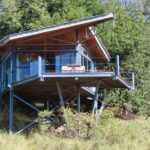
- Tremisana lodge life: chalets with AC, lapa time, and real recovery
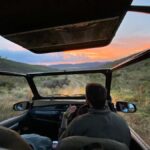
- The Kruger day in an open-sided game viewer: seeing without the glass effect
- Moholoholo Wildlife Rehabilitation Centre: conservation you can actually see
- Balule again: drives built around mornings, siestas, and sundown BBQ energy
- A second Kruger day: more time equals more chances
- Sunrise drive on the final morning, then Panorama Route to Blyde River Canyon
- Price and value: what $1,419.58 covers (and what it doesn’t)
- Group size, pacing, and who this suits best
- Practical tips to make the safari days feel smooth
- Should you book this 7-Day Classic Kruger Safari?
- FAQ
- What’s included in the 7-Day Classic Kruger Safari?
- Are hotel and airport transfers included?
- Will lunch always be included?
- Is the Big Five experience part of the plan?
- How big is the group?
- Is there a vegetarian option?
- Can I cancel for a full refund?
Key highlights you’ll feel on the ground
- Small group size (max 9): easier to hear the guide and settle into a slower rhythm.
- Open safari vehicles: game viewing without the glass-window feel, plus better chances to spot and track wildlife.
- Sunrise and sundowner scheduling: you’re chasing the hours when animals are most active.
- Balule + Kruger combo: more time in habitat you can actually work with on foot and from vehicles.
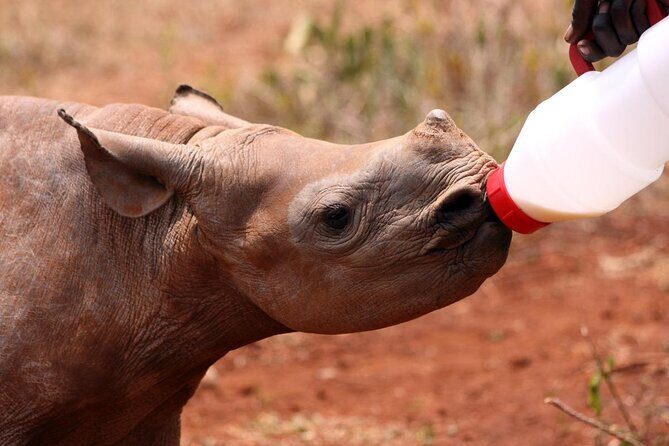
- Moholoholo rehabilitation centre: a close-up conservation stop with lions and leopards among the residents.
- Panorama Route finale: Three Rondawels and Blyde River Canyon on the way back toward Johannesburg.
Johannesburg to Kruger: what the 9:30 start sets you up for
This trip is designed to reduce the usual safari chaos: you get picked up in Johannesburg (or at O.R. Tambo Airport), then you travel into the Kruger region and settle in with your lodge base. The start time is listed as 9:30am, so you can plan the day like a real itinerary—not a vague “sometime in the morning” situation.
Travel days matter in safari planning. By the time you reach the reserve, you’re not starting game drives at peak fatigue. That’s a big deal because spotting wildlife takes patience and alertness, not just luck.
A few more Johannesburg tours and experiences worth a look
Balule Game Reserve nights: sunset drive, spotlighting, and bush BBQ
Your first game viewing comes from Balule Game Reserve at Tremisana Game Lodge. You board an open Land Cruiser for a roughly four-hour sunset drive, then the schedule shifts into night viewing using a spotlight. That combo is great because it gives you two different animal moods: daytime grazing and movement, then nocturnal activity once it’s dark.
Dinner is a bush-style BBQ at Marula Tree Boma. The value here isn’t just the food (though it sounds like a fun change from hotel dinners); it’s that you’re still in the safari setting, not commuting away from it after a long day.
A practical note: night drives can mean cooler air than you expect. Even if South Africa is warm during the day, I’d pack a light layer so you don’t end up feeling cold every time the vehicle stops for an animal spot.
Sunrise bush walk on the Olifants River: the best kind of adrenaline
The next morning is built around a sunrise bush walk near the Olifants River. You’ll head out for about four hours with rangers guiding you through the bush, focusing on what you’d normally miss if you were just walking on your own.
This is where the tour earns serious points. Vehicle drives are great, but a bush walk changes your rhythm. You’ll notice tracks, smaller movement, and the “background” details that later help you read the landscape during game drives.
The walk is described as having adrenaline—so yes, it’s active. The tour notes that your rangers are adequately armed, which matters for peace of mind when you’re getting close to the natural realities of safari country. Wear sturdy shoes you can trust; you want grip and ankle support, not flimsy soles.
Tremisana lodge life: chalets with AC, lapa time, and real recovery
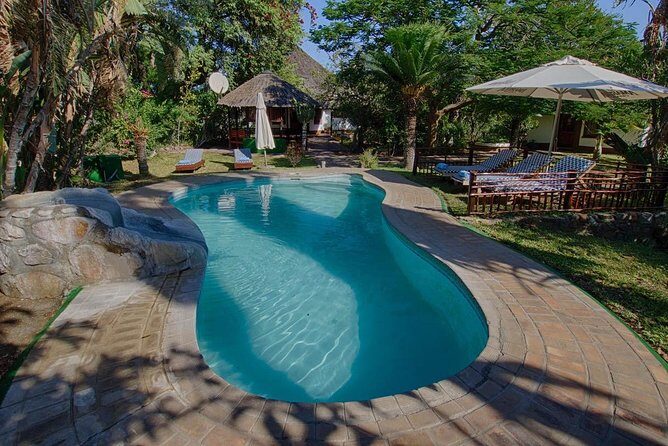
Between drives, you’re not stuck with long blank gaps. You return for brunch, then you get time to rest, and you can use the lodge’s lapa for relaxing activities like reading and swimming.
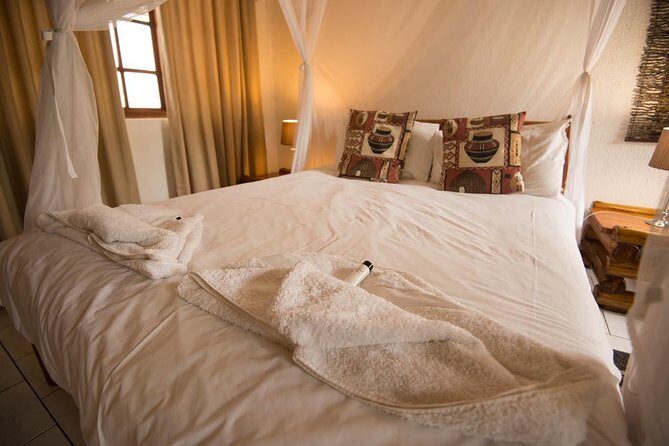
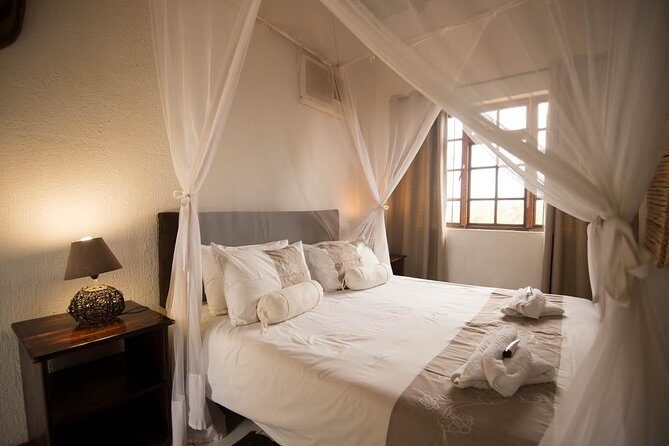
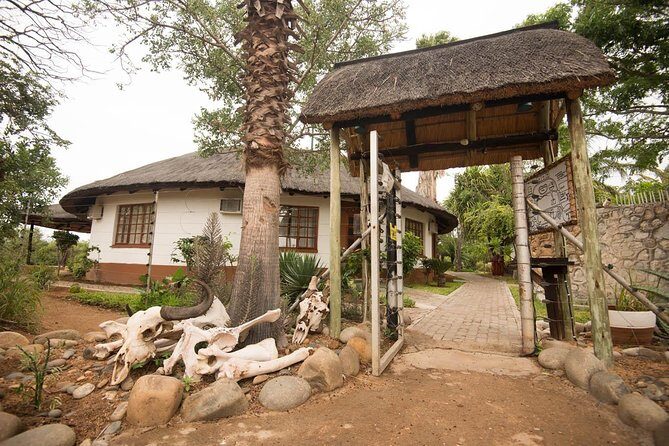
The accommodations are en-suite and air-conditioned, which is a huge comfort upgrade after dusty open-vehicle days. You’ll also appreciate that the pace alternates big activity moments with downtime, instead of stacking early starts back-to-back without breaks.
If you tend to travel a bit “overbooked,” this structure is a relief. You’ll still feel the adventure, but you won’t feel wrecked every evening.
The Kruger day in an open-sided game viewer: seeing without the glass effect
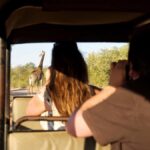
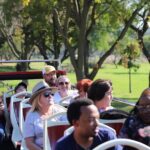
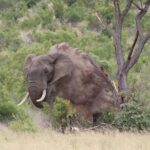
One full day is spent in Kruger National Park, using a custom-built open-sided gameviewer. The key perk is simple: you view game without glass windows. That means you’re less boxed in, and your senses get more involved. The tour even points out the ability to listen and smell the bush—small details, but they help the experience feel like real nature rather than a guided slideshow.
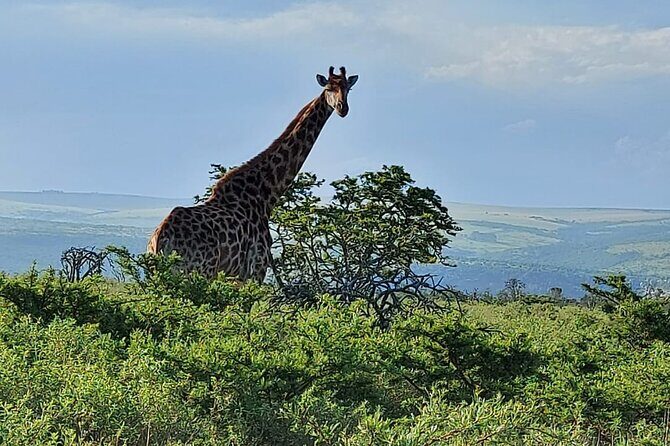
You’re also placed in a region described as having lots of open plains that draw large herds—zebra, giraffe, and antelope—and those herds attract predators. The itinerary calls out the Orpen–Satara–Nwanedzi area as a zone with a high concentration of lions.
That doesn’t mean you’ll automatically check every box. Safari sightings depend on animals moving and guides reading signs. Still, the way they’ve set up the day—open plains plus predator-rich dynamics—gives you a meaningful shot at big-cat action.
A few more Johannesburg tours and experiences worth a look
Moholoholo Wildlife Rehabilitation Centre: conservation you can actually see
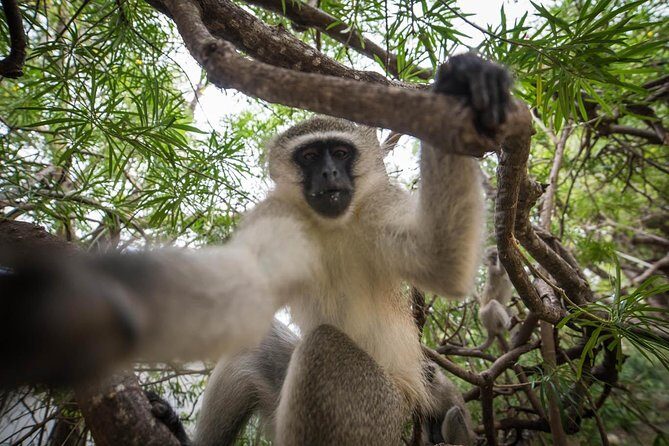
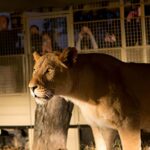
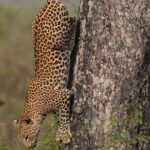
Moholoholo Wildlife Rehabilitation Centre is a conservation-focused stop that runs about two hours. This is the part of the trip that adds emotional weight in a good way. You’ll learn about rehabilitating injured and orphaned animals, and you’ll get close to residents, including lions and leopards.
This kind of visit tends to change how you watch the wild later. You’ll think about injuries, recovery, human impact, and why protected work matters beyond the excitement of spotting an animal.
If you’re traveling with kids, this is also a strong educational moment. The tour’s “most travelers can participate” note applies here too, and paired with the safari context, it’s one of the stops that makes the whole trip feel more than just sightseeing.
Balule again: drives built around mornings, siestas, and sundown BBQ energy
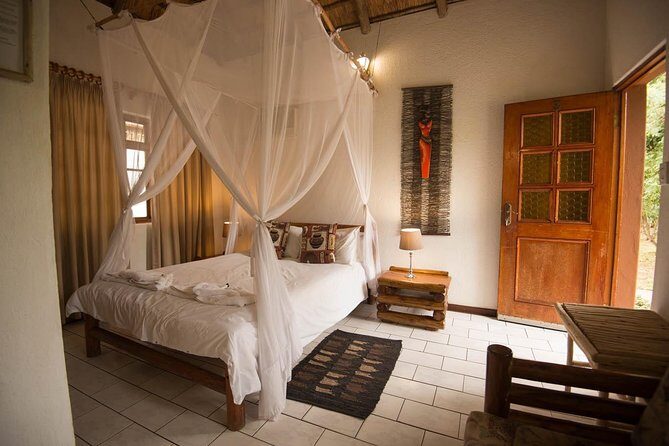
Another day runs fully in Balule, starting with coffee and rusks at sunrise and then a morning drive (about four hours). There’s a drinks break along the Olifants River, then you return in time for brunch.
After that comes a real afternoon break: time for a siesta and relaxing in the lodge. Then around 17:00, you head out for another sunset drive and back for a bush BBQ at Marula Boma.
This pattern is smart. It reduces decision fatigue and prevents the common safari mistake of treating every hour like a scoring opportunity. You still get multiple chances for wildlife, but you protect your energy so you can actually enjoy what you spot.
A second Kruger day: more time equals more chances
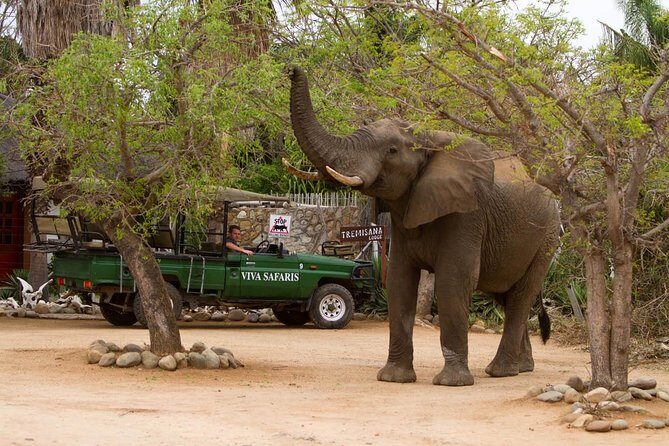
Day six brings another full day of game viewing in Kruger National Park. The structure matters here: you’re not burning all your time on one long “everything in one day” push. Seven days total means you can react when sightings are slow and take advantage when the bush is active.
Is it guaranteed you’ll see every member of the Big Five? No safari is. But this plan is built to support the big-five focus by giving you repeated opportunities across different days and areas.
Also, the tour uses open safari vehicles during the safari portion. That supports visibility and comfort, and it helps you stay engaged even when nothing appears for a short stretch.
Sunrise drive on the final morning, then Panorama Route to Blyde River Canyon
On the last day, you’re out early again with a sunrise drive in Balule for about an hour. Short and sweet, but it keeps the rhythm alive right up to departure.
Then comes the scenery shift: after breakfast, you drive the Panorama Route. You’ll see the Three Rondawels and Blyde River Canyon, then return to Johannesburg in the late afternoon, with airport drop-off arranged.
This is a nice transition if you feel safari-ed out by the final morning. Instead of another animal-spotting session, you get the payoff of those famous viewpoints—without losing the sense that your day is still structured.
Price and value: what $1,419.58 covers (and what it doesn’t)
At $1,419.58 per person, the price is easier to judge when you list what’s truly included. You get six nights’ accommodation, all activities, national park fees, taxes and handling charges, and transportation. Meals are part of that too: breakfast for seven days, plus lunch on non-transfer days (three lunches total). Dinner is included for seven nights.
The tour also includes hotel and/or airport pickup and drop-off, plus transport by air-conditioned minivan. For safari time, the game-viewing uses open vehicles, which is one of those details that can add real value because it affects your viewing experience.
What’s not included is equally important:
- Lunch on transfer days and days in Kruger (you’ll stop where lunch can be purchased)
- Drinks
- Items of a personal nature
- Flight to South Africa
This is a good place to sanity-check your spending habits. If you like to buy drinks often at meals, budget extra. If you’re comfortable with lunch purchases during stops, you’re set.
Group size, pacing, and who this suits best
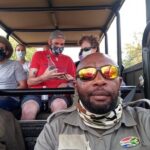
With a maximum of nine travelers, this is small enough that you won’t feel like you’re in a cattle-car safari. It’s also a good fit if you value hearing the guide and having time to ask questions when the group is stopped.
Children must be accompanied by an adult, and most travelers can participate. If you’re interested in the bush walk portion, be honest with yourself about mobility and comfort on uneven ground.
This tour is a strong match for:
- People who want multiple game drives over several days
- Travelers who prefer included activities (fewer add-on surprises)
- Anyone who likes a mix of wildlife and conservation learning at Moholoholo
- Couples and small groups who don’t want a huge crowd
Practical tips to make the safari days feel smooth
You’ll be outside a lot, so plan like a safari pro:
- Bring sun protection and sunglasses; open-vehicle time means exposure.
- Wear long pants and shoes you can stand in for bush walk terrain.
- Keep a little cash/card for lunch during Kruger and transfer days since meals there aren’t included.
- If you care about packing light, remember drinks aren’t included, so you might want to plan how you’ll handle that.
For wildlife viewing, patience is the real “skill.” Give your eyes time to adjust, and don’t rush past moments when you think nothing is happening.
Should you book this 7-Day Classic Kruger Safari?
If you want a classic Kruger experience without trying to juggle logistics yourself, this is a solid pick. The biggest reasons are the slow safari pace—sunrise, sundowners, and multiple days in Kruger—and the fact that activities and park fees are handled for you. You also get more than just game drives through Moholoholo, which adds meaning to the whole trip.
I’d think twice only if you’re very price-sensitive on every extra meal and drinks purchase, since lunch in Kruger isn’t included. Also, if you’re expecting a guaranteed Big Five sighting, temper those expectations—wildlife timing is always a factor.
Overall, this is the kind of safari that rewards calm planning. You don’t cram. You watch. You learn. And you come home with more than photos.
FAQ
What’s included in the 7-Day Classic Kruger Safari?
The tour includes six nights of accommodation, all activities, all taxes, fees and handling charges, local guide, national park fees, transportation (including an air-conditioned minivan), and breakfast and dinner for the days listed. Lunch is included on non-transfer days and on days not in Kruger.
Are hotel and airport transfers included?
Yes. Pickup and drop-off from hotels in Johannesburg and/or O.R. Tambo Airport are included, and airport drop-off in Johannesburg is arranged at the end.
Will lunch always be included?
No. Lunch is included on non-transfer days and on days not in Kruger. Lunch on transfer days and on days in Kruger isn’t included; the tour will stop where lunch can be purchased.
Is the Big Five experience part of the plan?
Yes. The tour highlights bush walks and game drives aimed at spotting the Big Five, along with multiple chances across Kruger and nearby reserves.
How big is the group?
The tour has a maximum of nine travelers.
Is there a vegetarian option?
Yes. A vegetarian option is available—advise at the time of booking.
Can I cancel for a full refund?
Yes, free cancellation is offered. You can cancel up to 24 hours in advance for a full refund, and cancellations made within 24 hours of the start time aren’t refunded.