REVIEW · PORT ELIZABETH
Addo Elephant National Park Day Tour from Port Elizabeth
Book on Viator →Operated by Nqaba Township And Safari Tours · Bookable on Viator
A day safari beats waiting for the next “safari week.” This full-day trip to Addo Elephant National Park packs serious wildlife time into about 9 hours, with lunch and transfers built in, so you lose less time to logistics and more time to spotting animals. It’s also framed as a malaria-free park visit, which matters if you want to keep your trip planning straightforward.
I like the practical setup: pickup and drop-off from your accommodation area means you’re not hunting for transport at 9 a.m. I also like that lunch is included, since Addo day drives can run long and it’s one less thing to figure out once you’re already at the park.
One drawback to keep in mind is that safari satisfaction can hinge on the guide and vehicle on the day. Some accounts point to cases where the drive felt more like passing through than getting real commentary, and there have also been complaints about vehicle condition (one example mentioned a broken windshield), so it’s worth checking before you assume this will feel like a premium guided safari.
In This Review
- Key things to know before you go
- Addo in One Day: why this Port Elizabeth safari works
- Price and what’s included: the real value of $165.22
- From Gqeberha to Addo: pickup timing and how the day flows
- Southern game viewing (10:00–13:00): elephants and Big Five odds
- Lunch at the main camp (13:00–14:00): rest without losing the hunt
- Northern game viewing (14:00–17:00): a second chance at rare sightings
- Wildlife you can realistically expect: elephants, lion, black rhino, and more
- Small-group safari math: up to six (and up to twelve) means different vibes
- The big reality check: guide info and vehicle condition
- Who this Addo day tour is best for
- Should you book this Addo Elephant National Park day tour?
- FAQ
- What time does the tour start?
- How long is the Addo Elephant National Park day tour?
- Is pickup included?
- Does the price include lunch?
- Is park admission included?
- How big is the group?
- Where does the tour start and end?
- Is a mobile ticket used?
- What happens if the weather is bad?
- Can I get a refund if I cancel?
Key things to know before you go
- One park, two game-viewing blocks: southern morning drive and northern afternoon drive, with lunch between.
- Big animals on the schedule: elephants first and center, plus the park’s “Big Five” framing and other species like lion and black rhino.
- No overnight needed: you get a full day of wildlife viewing without committing to a lodge stay.
- Small-group feel: described as limited to six people, with a higher overall max (up to 12) listed for the activity.
- Lunch + entry included: you’re paying for park time, not just transport.
Addo in One Day: why this Port Elizabeth safari works
If your time in Port Elizabeth (or nearby Gqeberha) is tight, a day trip can be the right move. This one is built around Addo Elephant National Park, South Africa’s third-largest national park, and it’s positioned as a way to see a lot without the planning and cost of an overnight stay.
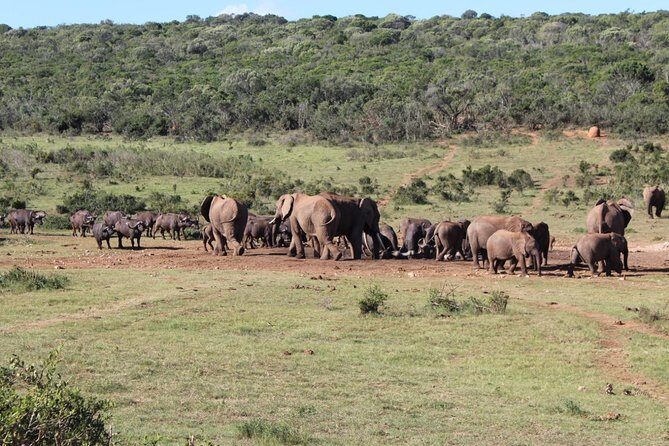
What makes Addo a smart day-safari destination is the density of elephants. You’re not relying on luck alone to see big herds at a distance; the park is known for having one of the densest elephant populations in Africa, which changes the whole feel of a game drive. Even if you miss a rare sighting, you’re likely still getting that constant “there are elephants everywhere” energy.
And since it’s described as a malaria-free environment, it reduces one major health-planning headache that can crop up with other African safari regions. That alone can make a day trip feel calmer and easier to commit to.
You can also read our reviews of more tours and experiences in Port Elizabeth.


Price and what’s included: the real value of $165.22
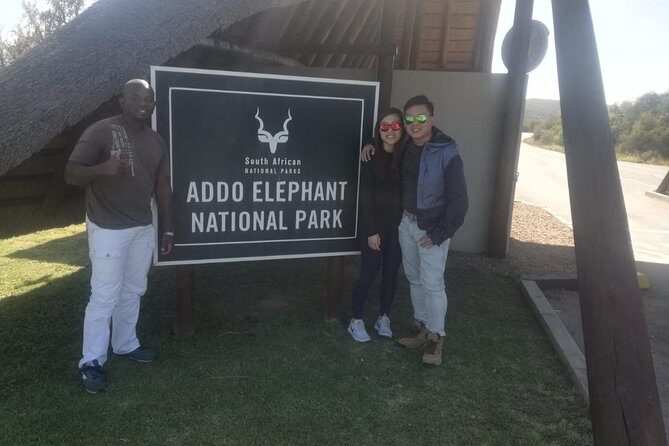
At $165.22 per person, you’re paying for more than “a ride to a park.” The pricing is framed as including hotel transfers (pickup/drop-off), lunch, and the admission ticket for the park. For a safari day, those inclusions matter, because the expensive part is often the logistics: someone has to drive you, manage the timing, and get you into the park legally.
The other value angle is time. A full day is tight, and this is scheduled to maximize game viewing in the morning and afternoon rather than burning hours on delays. When an itinerary is built like this, you’re not just buying access to Addo—you’re buying less dead time.
That said, the average booking window (about 153 days in advance) suggests this tour can be popular. If you’re choosing dates near busy periods, booking early helps you avoid scrambling for the “only option left” tour.
From Gqeberha to Addo: pickup timing and how the day flows
Your day starts with a pickup around 9:00 a.m., with the schedule listing arrival at Addo around 9:45 a.m. That gives you a reasonable ramp-up time so you’re not rushing out the door and then waiting half the morning.
The total day is about 9 hours, and it’s designed to feel complete: game viewing in the morning, lunch at the main camp, then another long game-viewing block. You exit the park at around 5:30 p.m. and get back to Port Elizabeth around 6:00 p.m.
Two practical tips for reading a schedule like this:
- If your accommodation pickup isn’t close to the main meeting access point, ask how “near public transportation” maps to your exact lodging area.
- Bring patience for day-trip pacing. A safari day moves like a train: once you’re inside the park, you’re on the tour’s rhythm.
Southern game viewing (10:00–13:00): elephants and Big Five odds
The morning slot runs from about 10:00 a.m. to 1:00 p.m., and it’s focused on the southern part of Addo. This is your first big game-drive window, and it’s where you typically want your eyes switched on right away.
Why? Because elephants are the anchor animals here. In a park known for dense elephant populations, you can often spot multiple herds across a drive, and early in the day you’re more likely to be positioned for sightings before the roads and viewing areas get busier.
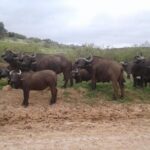
This part of the park is also where the tour leans into the park’s “Big Five” framing. The tour info explicitly positions Addo as home to the Big Five, and it also lists other species you might see, including lion and buffalo. On a day safari, you’re not guaranteed every species. But you are buying a structured shot at them, rather than a free-for-all.
A small consideration: morning is also when you may feel the push to concentrate. If you get motion sickness easily, plan for it. If you don’t, you’ll enjoy this window most because it’s the “wow, we’re in the park” phase.
Lunch at the main camp (13:00–14:00): rest without losing the hunt
Lunch runs from about 1:00 p.m. to 2:00 p.m., and it’s scheduled at the main camp. The big benefit of built-in lunch is obvious: you don’t waste time leaving the park or trying to find food options on the fly.
Another benefit is mental reset. After a long morning drive, a real break helps you stay engaged for the afternoon game viewing. The tour duration is fixed, so the goal is to keep the break useful rather than turning it into a long detour.
One note to keep expectations realistic: lunch time isn’t going to be a luxury lodge meal with time to wander. It’s a functioning stop designed to return you quickly to the next game-drive block.

Northern game viewing (14:00–17:00): a second chance at rare sightings
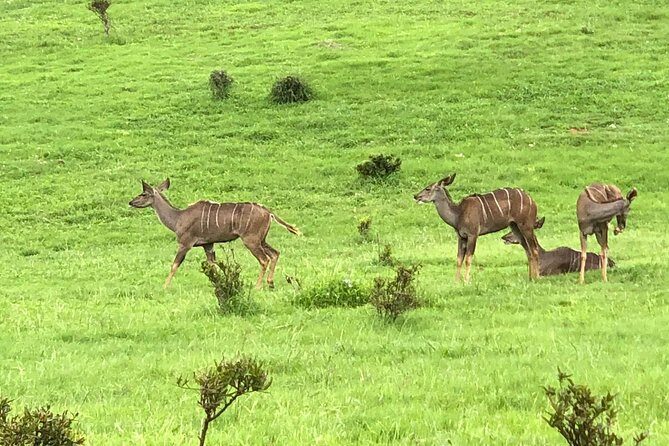
The afternoon slot runs about 2:00 p.m. to 5:00 p.m., focused on the northern part of the park. Splitting the day this way is a smart design choice because it changes your odds. Different areas can mean different sightings, even within the same park.
In a day tour, the second block is also where you can adjust your “spotting strategy.” If you’ve already seen several common animals in the morning, you tend to watch differently in the afternoon—more scanning for movement, signs, and tracks.
This is also the stretch where fatigue can creep in. If you’re the type who needs constant stimulation, bring a way to stay comfortable: sun protection, water, and a little flexibility in your expectations help a lot on a long road-based safari day.
Wildlife you can realistically expect: elephants, lion, black rhino, and more
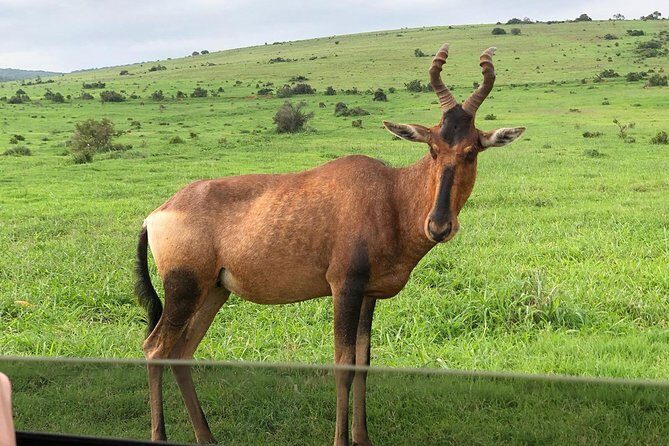
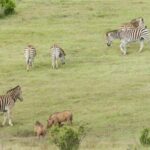
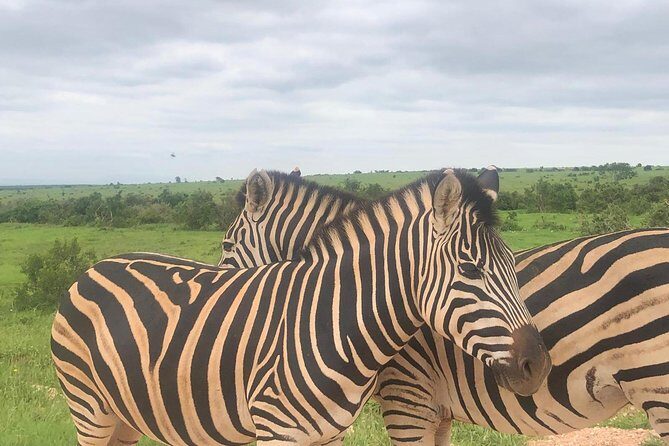
The tour description lists a wide set of potential sightings: elephants, lion, buffalo, black rhino, spotted hyena, leopard, zebra, and more. That list matters because Addo is famous for elephants, but it’s not just an “elephant-only” park.
What you should take from that list is not a promise—it’s a hint about habitat and density. Addo’s reputation for elephant density is the standout. The other big predators and charismatic animals are part of the park’s broader ecology, and the tour’s two-drive approach gives you more time in different park areas.
Also, the park’s positioning as malaria-free in the tour info isn’t just marketing fluff for your calendar. It’s one of those trip-planning variables that can either make your mind at ease or turn your planning into a math problem. If you’re thinking about a safari while traveling with limited time, this framing helps you commit.
Small-group safari math: up to six (and up to twelve) means different vibes
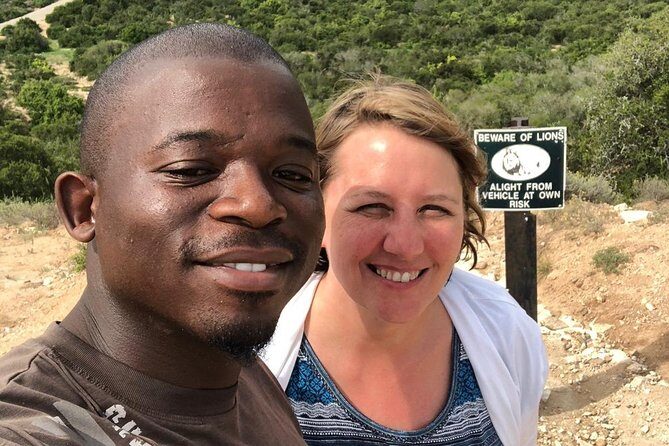
This tour is described as a small-group tour limited to six people, while also listing a maximum of 12 travelers for the activity. That doesn’t mean you’ll necessarily have 12. It does mean you should expect a group size that stays relatively intimate compared with big coach tours.
Why group size matters:
- In smaller groups, it’s easier to hear what the guide is saying.
- In smaller groups, you can move through the day with less friction.
- In smaller groups, your viewing positions can feel less “cattle herded.”
The flip side is that group size won’t fix everything. If the guide gives minimal commentary, you’ll still feel it. If the vehicle feels rough or poorly maintained, you’ll still feel it. That’s why the “how it runs on the day” question is worth asking.
The big reality check: guide info and vehicle condition
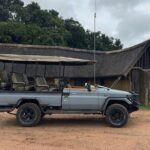
Here’s the part I’d treat like a checklist item before you lock in this tour. Some accounts highlight issues around what you get in terms of guidance—specifically, that the safari experience can feel like driving through rather than learning as you go. There’s also mention of an older vehicle with a broken windshield in at least one case.
That doesn’t mean every day is like that. But it does mean you shouldn’t assume a safari day automatically equals expert narration. If your ideal safari includes a lot of animal behavior explained—why elephants are where they are, what signs to look for in predators—make sure the tour you choose sets that expectation clearly.
If you’re booking and have a chance to message the operator, it’s reasonable to ask:
- Will your guide provide commentary during sightings?
- What vehicle type will you use for your departure?
- Are there any known comfort or condition issues for that specific date?
It’s not about being picky. It’s about protecting the main value you’re buying: time and attention in the park.
Who this Addo day tour is best for
This trip makes the most sense if you:
- Want big-game safari time without an overnight camp.
- Are short on days in Port Elizabeth and still want to see elephants at a true national park scale.
- Prefer pickup and drop-off instead of renting a car and navigating your own long day.
- Like the idea of a structured day with lunch and entry handled.
It may be less ideal if you:
- Expect a very lecture-style wildlife lesson with in-depth species behavior every time.
- Are sensitive to vehicle comfort, or you’re worried about day-trip road conditions.
- Need guaranteed high-end vehicle quality. The available negative feedback mentions vehicle issues at least once, so you should take that seriously.
Should you book this Addo Elephant National Park day tour?
I’d book it if your priority is straightforward: see elephants and other big animals in Addo with a plan that returns you to Port Elizabeth the same day. The included lunch and park admission are practical wins, and the two-game-drive structure helps you squeeze more wildlife time out of a limited schedule.
I’d think twice or ask extra questions if your priority is the most polished guiding and top-tier vehicle comfort. The negative examples about limited information and vehicle condition are the kind of problems that can turn a day trip from satisfying to frustrating fast.
If you do book, be ready for a long day and a drive-based safari format. Plan for comfort, keep your expectations flexible, and treat the guide as the key to unlocking the day’s meaning. In a park as elephant-focused as Addo, that balance is exactly what makes a day trip work.
FAQ
What time does the tour start?
The pickup starts at around 9:00 a.m., with arrival at Addo Elephant National Park listed for about 9:45 a.m.
How long is the Addo Elephant National Park day tour?
It runs for approximately 9 hours.
Is pickup included?
Yes. Pickup and drop-off from your hotel/hostel/guesthouse area are included.
Does the price include lunch?
Yes. Lunch is included in the tour.
Is park admission included?
Yes. Admission ticket is included.
How big is the group?
The tour is described as limited to six people, and the activity also lists a maximum of 12 travelers.
Where does the tour start and end?
It starts in Gqeberha, South Africa, and ends back at the meeting point.
Is a mobile ticket used?
Yes. A mobile ticket is offered.
What happens if the weather is bad?
The experience requires good weather. If it’s canceled due to poor weather, you’ll be offered a different date or a full refund.
Can I get a refund if I cancel?
Free cancellation is available up to 24 hours in advance for a full refund. If you cancel less than 24 hours before the start time, you won’t receive a refund.