REVIEW · CAPE TOWN
African Art Workshop
Book on Viator →Operated by Tozamile Mnapu · Bookable on Viator
A first painting lesson in Cape Town. This hands-on African art workshop with local artist Tozamile Mnapu is built around learning how to create a piece from scratch, plus hearing the story behind the art. I like that it’s small (capped at 10), so you get real attention instead of drifting in a crowd. I also like that the setup is low-stress: you show up, and the supplies are provided so you can travel light.
The one thing to consider is the location: the studio is in Langa (meeting point at 20 Bitterhout St). If you’re not used to getting around Cape Town, give yourself extra time and double-check the directions before you go.
In This Review
- Key highlights to look for
- What You’re Really Paying for in Langa
- Walking Into Tozamile Mnapu’s Art Space
- How the Workshop Breaks Down (in plain steps)
- African Art History and a Personal Artist Story
- The Hands-On Part: Painting From Scratch Without Stress
- Small-Group Size: Why 10 People Matters
- Getting There in Cape Town: Meeting Point Reality Check
- Price, Timing, and the Real Value of a Take-Home Painting
- Who This Workshop Is Best For
- What to Expect When You Leave
- Should You Book This African Art Workshop in Cape Town?
- FAQ
- How long is the African Art Workshop?
- Where is the meeting point?
- What’s included in the price?
- Is the group small?
- Do I need painting experience?
- Can I bring a service animal?
- Is there free cancellation?
Key highlights to look for
- Small-group cap of 10 for more hands-on guidance
- Equipment provided, so you don’t need to bring brushes or paint
- Learn painting from scratch with step-by-step instruction
- Choose your starting surface: prepared material or a blank option
- Bespoke take-home souvenir: you leave with the painting you create
- Artist-led story plus art history, tied to life and community
What You’re Really Paying for in Langa
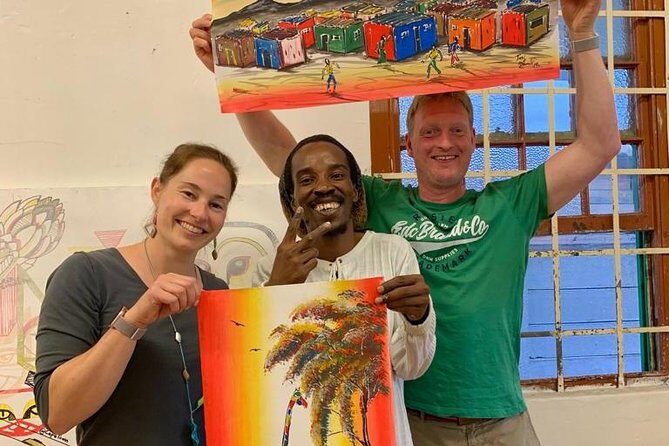
At $29.47 per person for about 3 hours, this workshop is less about “a class” and more about a guided creative session with a working artist. The value hits for three reasons: you’re in a small group, the materials are included, and you get to make something you can actually take home (not just a few sketches).
And there’s a human layer here. You’re not just learning techniques. You’re hearing how African art connects to history and to real life in Cape Town through the artist’s journey. That matters, because it changes how you look at your own finished piece. Even if your drawing skills are brand new, you’ll understand what you’re putting on the page and why it has meaning.
One more practical point: on average, this is booked about 35 days in advance. If you’re traveling in peak season or you like to plan neatly, lock it in earlier rather than treating it like a last-minute add-on.
A few more Cape Town tours and experiences worth a look


Walking Into Tozamile Mnapu’s Art Space
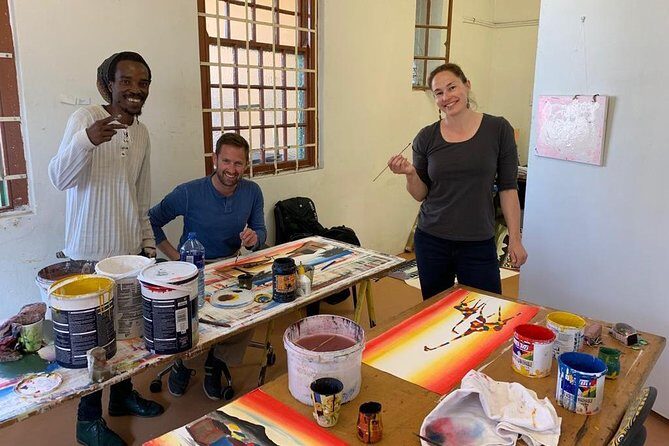
The experience starts at 20 Bitterhout St, Langa, Cape Town (7456), South Africa, and it ends back at the same meeting point. You’ll begin in the artist’s studio, where you’re welcomed and introduced to the bigger picture of African art and the creator behind it.
From the start, the session is designed to feel approachable. The artist explains how he creates his paintings from scratch, then you’ll build from there. This setup is ideal if you’ve never painted before, because you’re not expected to arrive with skill. You’re given a path to follow.
You also get that “you’re in a real place” feeling. Langa isn’t a museum set-up. It’s a living neighborhood, and the artist’s perspective ties art to community and social context.
How the Workshop Breaks Down (in plain steps)
The session follows a simple rhythm that works well for beginners and casual artists.
First, you settle in and get the story. You’ll hear about African art history alongside the artist’s personal life journey. This isn’t a long lecture, but it gives you a framework before you start making marks.
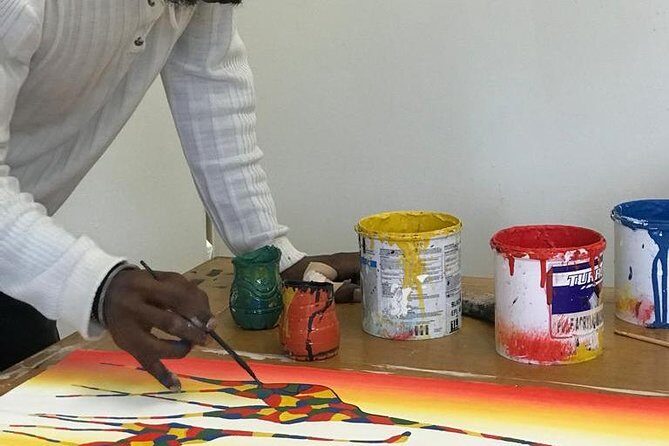
Next, you watch how it’s done. The artist explains his process and demonstrates how a painting develops from nothing. The key here is that you’re seeing the method, not just the result.
Then you choose your starting point. You can start painting on a material prepared for you or on a blank material. If you want structure, go with what’s prepared. If you want a more self-directed feel, choose the blank option.
After that, it’s your turn. You’ll paint with a wide range of colours and brushes, guided by expert tips. This is where the “small-group” element really pays off.
Finally, you leave with your artwork. After roughly 3 hours, you go home with the painting you created. That makes the workshop feel worth your time even if you only have one afternoon to spare in Cape Town.
African Art History and a Personal Artist Story
What I like most about this workshop is that the art lesson isn’t floating in space. The artist, Tozamile Mnapu, ties African art history to his own life and the world around him.
You’re learning more than brush technique. You’re picking up a sense of how artists communicate through style, color choices, and subject matter. And when the artist talks about community, it gives your painting extra weight. You’re not just producing a souvenir—you’re practicing a kind of storytelling.
The best part is the tone. The instruction is friendly, and the guidance is patient. That’s exactly what you want when you’re trying something new and you’re not sure your hands can translate what you picture in your head.
The Hands-On Part: Painting From Scratch Without Stress
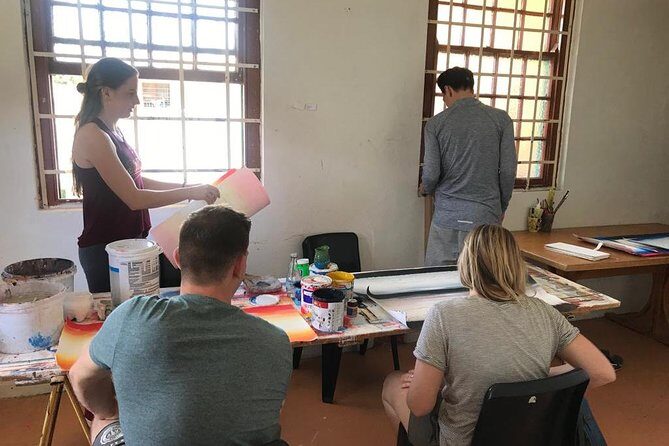
The workshop is built for people who think they’re “not artistic.” It basically disassembles the fear.
You start with demonstrations, then you move into your own painting. You’ll have art equipment provided, which is a practical blessing in Cape Town. No scrambling for supplies. No carrying extra baggage. Just you, your colors, and a plan that’s explained for you.
The choice between a prepared surface and a blank material is a smart touch. It means you can match the experience to your comfort level. If you’re nervous, the prepared option reduces uncertainty. If you want a more open starting line, the blank option gives you freedom from the first stroke.
And during painting time, you’ll get tips on how to build your piece. From the feedback, the artist is good at helping people find their own creative voice, even when it’s their first attempt. That’s the difference between watching art and actually making it.




Small-Group Size: Why 10 People Matters
Capped at 10 travelers, this workshop is set up so the instructor can actually see what you’re doing. In larger classes, it’s easy to feel ignored. Here, the guidance can be direct, with room for questions and quick corrections.
That matters because painting is partly technique and partly confidence. When you’re stuck on a detail—too much paint, a brush choice you’re unsure about, or how to start an area—the fastest fix usually comes from someone standing close enough to point you in the right direction.
This group size also makes the session feel more like a conversation. You can talk about social issues the artist engages with, including the kinds of topics that come up when you compare experiences across countries. The workshop isn’t only about art; it’s also a chance to connect ideas.
Getting There in Cape Town: Meeting Point Reality Check
The meeting point is 20 Bitterhout St, Langa, Cape Town in Langa, and it’s described as near public transportation. That’s helpful if you’re using local transport and walking parts of your route.
Practical tip: because the workshop begins at the studio meeting point and ends back there, you’ll want to treat the area as your “home base” for the afternoon. Plan your other activities around it rather than trying to cram in something right before or right after.
If you’re coming with a friend, even better. Since it’s a shared creative space, it’s easier to coordinate arrival and keep the timing stress down.
Price, Timing, and the Real Value of a Take-Home Painting
Let’s do the value math. You pay $29.47 for about 3 hours, and you leave with your finished painting. The supplies are included, and you’re learning with expert guidance in a small group.
That combo is what makes it good value. If you were to buy beginner supplies in Cape Town and then pay for instruction somewhere else, the cost can add up fast. Here, the workshop structure makes the experience practical: you’re paying for instruction, materials, and a result you can carry home.
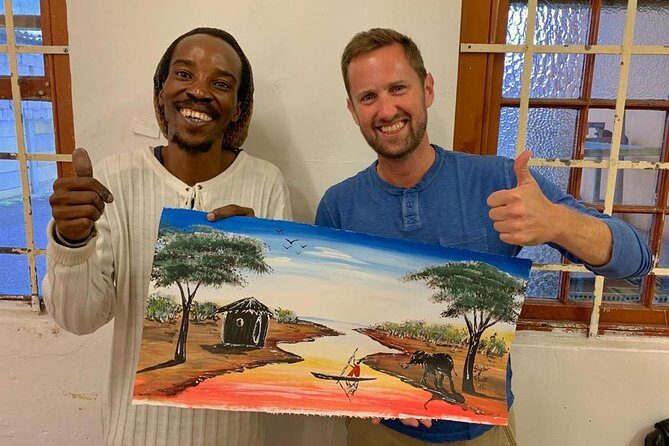
Also, the “take home souvenir” isn’t generic. It’s made by you, with guidance from Tozamile Mnapu, in the context of the artist’s story and art history. That personal connection is what makes the painting more than a disposable memory.
Timing-wise, it’s short enough to fit into most Cape Town itineraries. If you want one meaningful activity that’s hands-on and not exhausting, this lands in a sweet spot.
Who This Workshop Is Best For
This is a good fit if you want something real, hands-on, and not overly formal. It’s also ideal if you:
- are a complete beginner and want clear help
- want to support a local artist directly through your experience
- like learning with your hands, not only listening
- want a take-home souvenir that’s personal
The session notes also say most travelers can participate, and service animals are allowed. If you have specific needs, it’s still smart to confirm details during booking.
What to Expect When You Leave
The workshop ends back at the meeting point after roughly 3 hours, and the big payoff is simple: you’ll go home with your painting.
I’d plan your day with the assumption you’ll need a little care carrying artwork. Don’t schedule your next activity in a way that makes you sprint. A calmer plan helps you enjoy the moment instead of thinking about logistics the whole time.
If you’re the type who likes gifts with a story, this is perfect. It’s one of those experiences where the souvenir comes with a clear memory: you watched the process, you painted along, and you heard the artist’s reasoning behind his approach.
Should You Book This African Art Workshop in Cape Town?
If you’re asking whether it’s worth your time, my answer is yes—especially if you want a creative afternoon with a real local artist in Langa. The strongest reasons to book are the small group size, the patient instruction, the supplies provided, and the fact that you leave with something you made.
You might skip it only if you’re looking for a passive sightseeing activity or you’d rather spend your time in more tourist-focused areas. This workshop is about doing, asking, and creating.
If you can, book ahead (it’s often reserved about a month out). Then show up with curiosity, be ready to try, and let Tozamile Mnapu guide you from first stroke to finished painting.
FAQ
How long is the African Art Workshop?
It runs for about 3 hours.
Where is the meeting point?
The start point is 20 Bitterhout St, Langa, Cape Town, 7456, South Africa, and the activity ends back at the meeting point.
What’s included in the price?
Art equipment is provided, and you create your own painting to take home.
Is the group small?
Yes. The workshop has a maximum of 10 travelers.
Do I need painting experience?
No. You can participate even if it’s your first time, and the artist explains how he creates paintings from scratch and provides guidance during painting.
Can I bring a service animal?
Yes, service animals are allowed.
Is there free cancellation?
Yes. You can cancel up to 24 hours in advance for a full refund. If you cancel less than 24 hours before the start time, the amount paid is not refunded.