REVIEW · CAPE TOWN
Cape Town: Cultural Cycling Tour
Book on GetYourGuide →Operated by AWOL Tours · Bookable on GetYourGuide
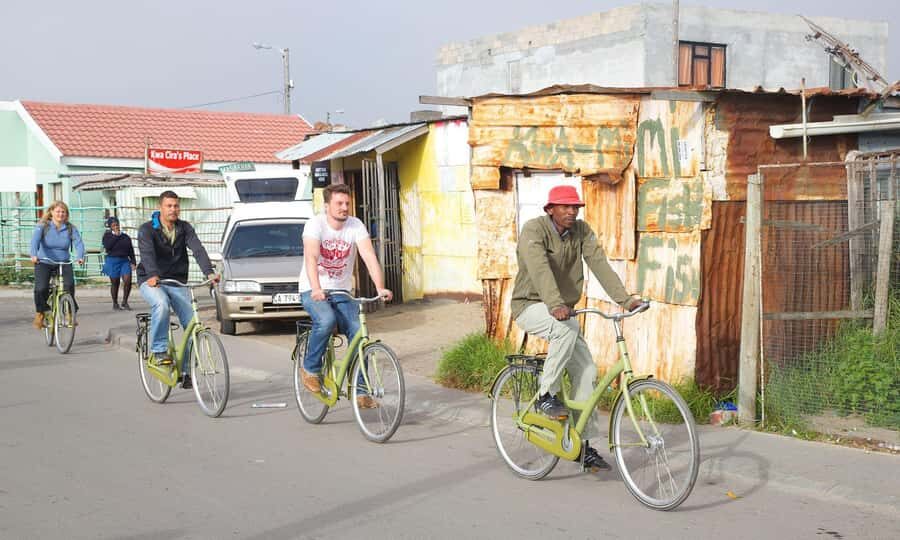
Cycling into Masiphumelele feels real fast. This 4-hour cultural cycling tour turns Cape Town township life into something you can see up close, from street-level conversations to small community stops that most people only drive past. You ride an old-fashioned bike, follow a local Xhosa guide, and spend time meeting the people who live, work, and teach there.
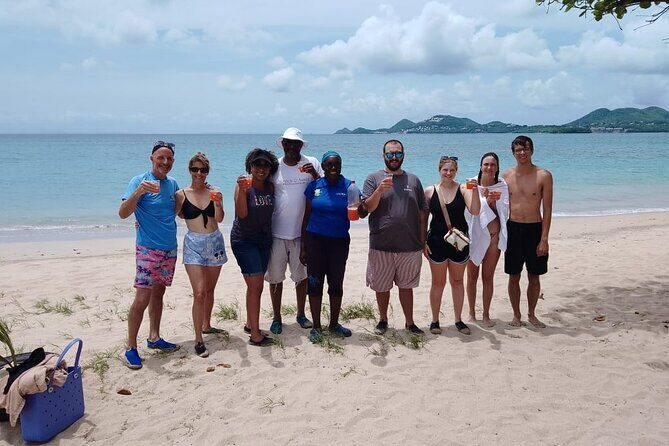
I love the way it’s built around community interaction instead of photo stops. The tour is small, limited to 8 participants, and it’s led by a local guide who shares customs and points out what matters in daily life, including visits to places like the library and local businesses. If you get your bearings quickly, the route starts to feel like a guided story you can pedal along with.
One thing to consider: the contrasts are strong. You may feel awkward at times when you see how hard some education and childcare situations can be. That emotional edge is part of the point, but it’s not always comfortable.
In This Review
- Key highlights worth planning around
- Why a township bike tour is different from a sightseeing day
- Your start at Masicorp and the SongezoYouth training workshop
- The ride route: library visits, local entrepreneurs, and Xhosa customs
- The Sangoma dance moment: culture you can watch and ask about
- School-time stops: crèche visits and how support shows up
- Sunday option: gospel church and a different kind of community gathering
- Lunch: African food, tea, and hospitality in two settings
- Old-fashioned bikes, small groups, and comfort rules that matter
- Price and value: what $106 buys you in real terms
- Who this tour suits best (and who should skip it)
- Should you book this Cape Town cultural cycling tour?
- FAQ
- Where does the Cape Town Cultural Cycling Tour start?
- How long is the tour?
- What is included in the price?
- Is transport included?
- How big is the group?
- What should I bring and wear?
- Is the tour suitable for wheelchair users?
- Can I cancel and get a refund?
Key highlights worth planning around
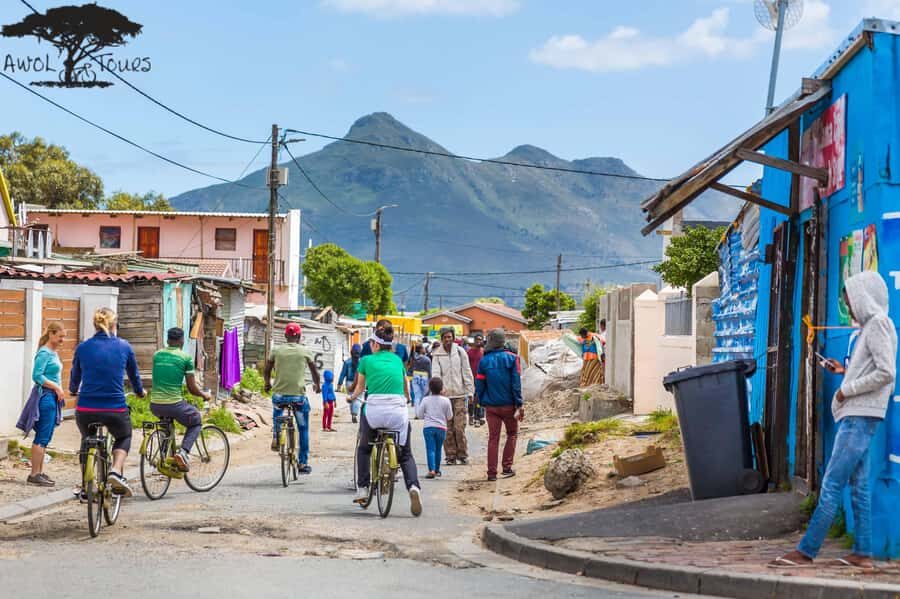
- Old-fashioned Dutch bicycles make the ride feel grounded and a bit old-school
- A local Xhosa guide keeps the cultural context practical and easy to ask questions about
- Sangoma visit and dance bring traditional healing culture to life in a memorable way
- School-time stops often include a crèche, with proceeds supporting facilities
- Lunch in an African restaurant or a local home gives you a genuine taste of everyday hospitality
- SongezoYouth cycling training is where the story connects to youth development
Why a township bike tour is different from a sightseeing day

A walking tour gives you pace. A car tour gives you speed. A bicycle tour gives you something else: attention to what’s right in front of you—faces, details in the street, and the tone of conversation as you pass by.
That’s why this one works. You’re not just looking at Masiphumelele from a distance. You’re moving alongside it. From the start, you’re connected to a local cause and local rhythm, not just a scripted route. The small group size also helps. With fewer people around, it’s easier for your guide to answer questions and for you to slow down when something is worth noticing.
And yes, you still get the fun part: riding a proper bike through an urban neighborhood with a guide who explains what you’re seeing. But the best moments are the human ones—like meeting people at community stops, then hearing the meaning behind them in plain language.
You can also read our reviews of more cycling tours in Cape Town


Your start at Masicorp and the SongezoYouth training workshop
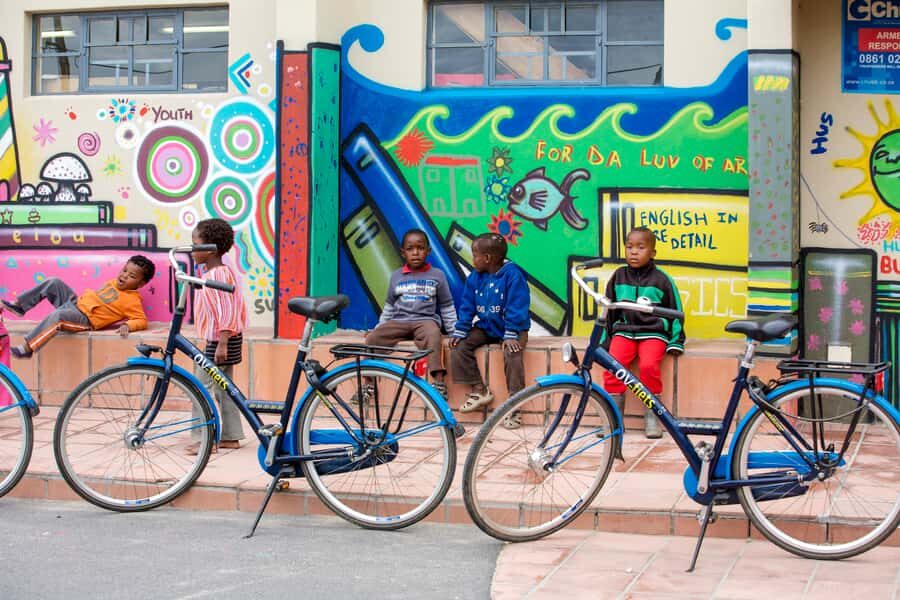
The tour begins at Chasmay Road Campus at Masicorp. That matters more than it sounds, because it sets the tone: this isn’t only a tour. It’s also tied to training and education support.
Before you roll out, you share a workshop space with the SongezoYouth Cycling academy, where you may see budding cyclists training. You’ll also hear about Songezo Jim, noted as South Africa’s first Black South African cyclist, and his role inspiring youth to take up the sport. Even if you’re not a cyclist, it’s a powerful angle: cycling as opportunity, not just activity.
Then your local guide takes over. This is when you start learning how to read the neighborhood. You’ll understand which places are central to day-to-day life, and why some spots are community anchors while others are where small enterprise happens. It becomes easier to understand the township not as a single story, but as a living network.
The ride route: library visits, local entrepreneurs, and Xhosa customs
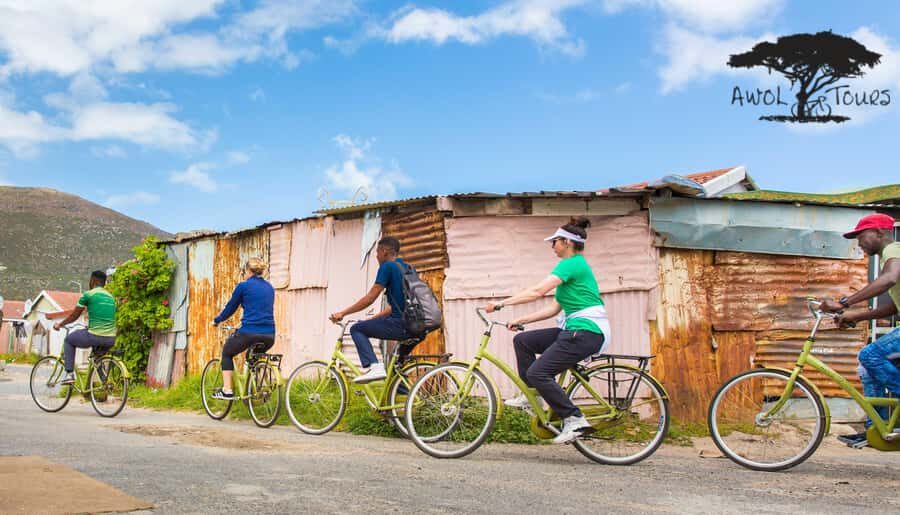
Once you’re moving, the tour focuses on real community stops. You’ll visit places such as a local library and areas connected to entrepreneurs and small businesses. That combination is smart. A library tells you about learning and resources. Small businesses tell you about creativity, survival, and ambition—often all at once.
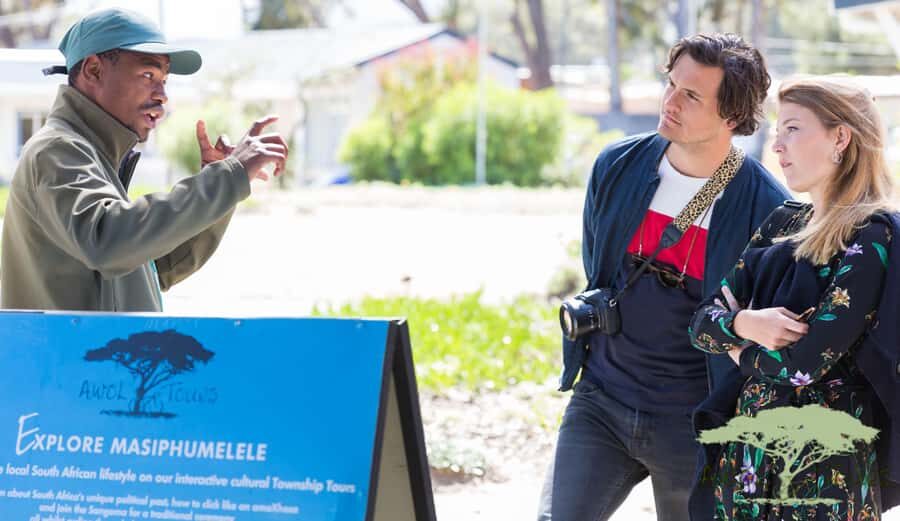
Your guide shares local Xhosa customs along the way. The value here is not academic facts—it’s how people explain meaning in their everyday language. It also gives you something practical: you’ll know what questions are respectful, what topics your guide can explain comfortably, and where to slow down to listen.
You should expect a guided rhythm: ride, stop, talk, ride again. Because you’re on a bike, you also cover ground faster than walking, but slower than a vehicle. That sweet spot helps you catch details you might miss otherwise.
The Sangoma dance moment: culture you can watch and ask about
One of the tour’s standout inclusions is the Sangoma visit, with time for dancing with traditional healers. This is one of the clearest examples of why this experience feels more than a standard “culture stop.”
Traditional healing and ceremony are not museum pieces. They live inside community beliefs and daily life. When the tour includes a dance moment, you’re not only observing from the edge—you’re stepping into the experience with the guidance of people who know how to explain it.
Practical note: you’ll want to dress and behave respectfully. The tour isn’t set up for flashy attire. You’ll also see a clear rule set around personal items and conduct (more on that in the practical section). If you go in with a curious mindset and a respectful tone, this part becomes one of the most memorable.
School-time stops: crèche visits and how support shows up
Timing changes what you’ll see. During school time—when weekends and school holidays are excluded—you may visit a local crèche, where teachers work under difficult circumstances.
This stop isn’t only about seeing classrooms. It’s also about understanding what support means in the real world. Part of the tour proceeds go toward improving facilities. That makes the visit more than a checkmark. You get a chance to understand how education support shows up on the ground, even when resources are limited.
If your trip falls on a period when schools aren’t in session, the school stop may not be the same. The point is that the tour is responsive to the community’s calendar, which keeps it from feeling like an always-open theme park.




Sunday option: gospel church and a different kind of community gathering
On Sundays, the tour could include a visit to a local gospel church. That shifts the feel of the day in a meaningful way.
Gospel services tend to be communal, emotional, and loud in the best way: voices, music, and shared belief. One person specifically highlighted the service as the best part of the tour, which matches what you’d expect when a community gathering is part of the program rather than a quick viewing. If you’re traveling on a Sunday, this option can add an extra layer to your understanding of community life.
Lunch: African food, tea, and hospitality in two settings
Food is included, and it’s one of the real value wins. Depending on the day and setup, lunch happens either at an African restaurant or in the home of a local lady who regularly hosts tourist groups and makes authentic African tea or lunch.
I like that you’re not only offered one version of food. Restaurants are helpful for consistency. Home meals are where you often feel the difference between eating food and experiencing hospitality. Either way, the lunch portion is part of why this tour feels worth the price: you’re not paying extra just to keep yourself going.
One important detail for your comfort: the tour includes rules about what you can bring. You’ll want to plan to eat only what’s provided during lunch, and avoid bringing snacks with you.
Old-fashioned bikes, small groups, and comfort rules that matter
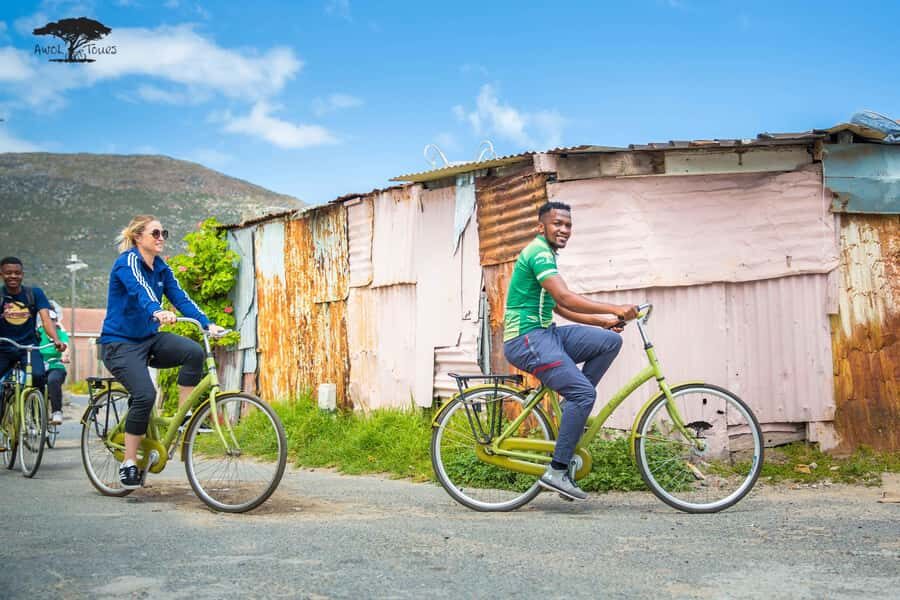
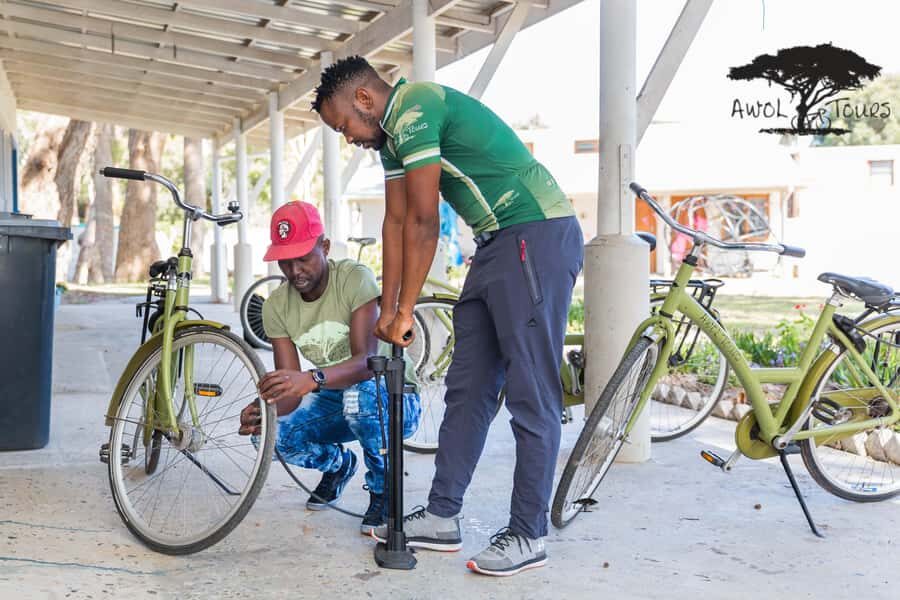
You ride an old fashioned Dutch bicycle. That might sound like a quirky detail, but it affects the whole experience. These bikes feel sturdy and stable, and they fit the tour’s tone: calm, grounded, and practical.
Comfort is mostly about preparation. The tour lasts 4 hours, and it’s a cultural route with stops. You’ll need comfortable shoes. Also, you won’t want anything that restricts movement or adds risk if you need to step off the bike quickly.
The tour also has clear restrictions:
- High-heeled shoes are not allowed
- Jewelry is not allowed
- Food is not allowed (outside food)
And there’s a good reason behind the guidance about kids: don’t bring sweets or treats. The local partner prefers working with registered charities, and your tour guide will steer you toward the appropriate support.
Price and value: what $106 buys you in real terms
At about $106 per person for 4 hours, this is not the cheapest way to see Cape Town. But it’s also not priced like a quick hobby. Here’s where the value comes from.
You’re paying for:
- A local Xhosa guide who shares customs and explains the stops
- Bicycle use (the old Dutch bike)
- African lunch plus drinks like tea in the home setting
- A Sangoma visit and dance as part of the cultural program
- Donations that support Masicorp, a non-profit organisation working in education and community support
There’s also the fact that 10% of all tour proceeds go directly to Masicorp. That’s a tangible contribution tied to the day you spend, not a vague promise.
Transport is the one item not included, but that’s a normal trade-off for tours that start at a specific local base. If you don’t need door-to-door pickup, you can keep the day simple.
Who this tour suits best (and who should skip it)
This tour is a strong fit if you want:
- A small-group cultural experience that prioritizes people over scenery
- A route with real community stops like a library and local businesses
- Traditional culture experiences such as a Sangoma visit and dance
- Food that feels integrated into the day, not a separate plan
It’s less suitable if you need wheelchair access or mobility accommodations. The tour is listed as not suitable for people with mobility impairments and wheelchair users.
It’s also a good match for travelers who can handle a bit of emotional contrast. You’ll likely see both struggle and determination, and you’ll come away with more nuance than you’d get from a photo-based day.
Should you book this Cape Town cultural cycling tour?
If you care about where your money goes and you’re comfortable riding a bike through real neighborhoods, this is a great choice. The Sangoma visit, the chance to learn from a local Xhosa guide, and the structured support for Masicorp and SongezoYouth make it feel purposeful. Add in African lunch—sometimes in a home setting—and you get a full 4-hour experience that doesn’t feel padded.
I’d book it if you’re ready for the day to be human, not polished. You’ll likely feel moments of discomfort because the contrast is real. But you’ll also see hope, community effort, and the strength people bring to making their children’s lives better.
If you want a lightweight, purely scenic ride with minimal emotion, you might feel challenged by the stronger parts of the story. But if you want an honest, guided view of Masiphumelele that includes culture, food, and support, this tour checks the right boxes.
FAQ
Where does the Cape Town Cultural Cycling Tour start?
It departs from Chasmay Road Campus, Masicorp Head office.
How long is the tour?
The duration is 4 hours.
What is included in the price?
The tour includes a local Xhosa guide, an old-fashioned Dutch bicycle, African lunch, a Sangoma visit, and donations to Masicorp.
Is transport included?
Transport is not included, but it can be arranged on request.
How big is the group?
The group is kept small, with a limit of 8 participants.
What should I bring and wear?
Bring comfortable shoes. The activity also has dress restrictions such as no high-heeled shoes.
Is the tour suitable for wheelchair users?
No. It is not suitable for people with mobility impairments and wheelchair users.
Can I cancel and get a refund?
Yes. There is free cancellation up to 24 hours in advance for a full refund.