REVIEW · HAZYVIEW
Kruger National Park Morning Safari
Book on GetYourGuide →Operated by GAP Tours & Transfers · Bookable on GetYourGuide
That first light over Kruger hits different. This 7-hour morning safari from Hazyview is built for sunrise energy, expert bush guidance, and serious wildlife time in South Africa’s largest game reserve. I love that you’re not just watching from a seat—you’re learning as you go, including the park’s wildlife and even human stories like bushman rock paintings and other archaeological sites (time permitting). One thing to plan for: early mornings on an open vehicle can feel chilly.
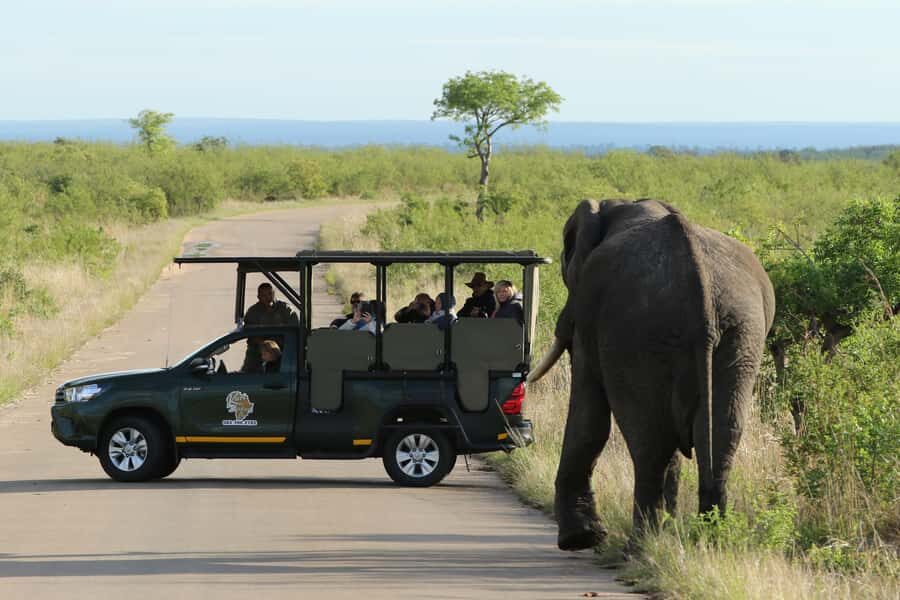
What I really like is the choice between open or closed safari vehicles. An open vehicle gives you the full sensory experience—dust, sun-warmed grass, cicadas, and the cry of fish eagles—while the closed, air-conditioned option is a smart switch for heat, families with young kids, or older guests. Either way, you’re in Kruger at the hour when animals are often more active and the day starts before the crowds feel like the world is awake.
The main drawback is comfort. If you book the open-vehicle option, bring a warm jacket—Kruger mornings can be cold before the sun climbs.
In This Review
- Key things to know before you go
- From Hazyview to Kruger at sunrise: why the timing matters
- Wildlife viewing built around a real guide, not just a drive
- Open safari vehicle vs closed air-conditioned: pick your comfort style
- What you’ll learn beyond animals: bushveld life and human presence
- A realistic look at the morning plan (and when wildlife slows down)
- Animals you can reasonably expect to see
- Price and value: is $93 per person a good deal?
- Who this safari suits best
- Quick tips: what to bring and how to prep
- Should you book the Kruger National Park morning safari from Hazyview?
- FAQ
- How long is the Kruger National Park morning safari?
- Where do you get picked up and dropped off?
- Are meals included?
- Is the Kruger National Park entry fee included?
- Can I choose between open and closed safari vehicles?
- What should I bring for the tour?
Key things to know before you go
- Sunrise timing in Kruger makes for peak early-day animal activity
- Big Five viewing in natural habitats with an on-the-ground guide
- Open-air vs air-conditioned changes comfort more than you’d expect
- Bushveld knowledge covers mammals, birds, trees, and how everything fits together
- Human history stops like rock paintings or archaeology may be added if time allows
From Hazyview to Kruger at sunrise: why the timing matters
The tour starts with pickup from your accommodation in Hazyview, then heads into Kruger National Park for a morning safari. That morning start isn’t just a schedule detail. It changes what you notice. In the first hours of light, animals often move more confidently, and guides can spot behavior cues that are harder to read later when heat and traffic build.
You’ll spend the drive and early viewing window focused on what’s around you in the bushveld, not just ticking off sightings. A good guide will help you see the small stuff too—signs of animal presence, birds calling from the canopy, and how vegetation and water sources shape where animals choose to be.
This is one of those experiences where you’re not stuck in a long sit-and-wait rhythm. The day is structured to get you into Kruger early, then keep your viewing time moving with guidance and interpretation.
A few more Hazyview tours and experiences worth a look
Wildlife viewing built around a real guide, not just a drive
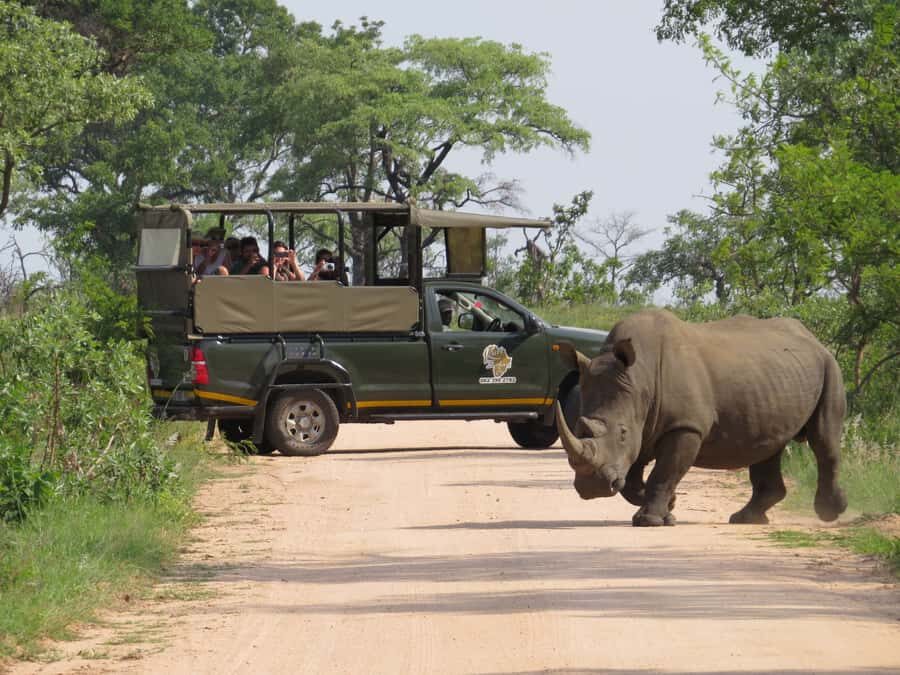
A huge part of the value here is the qualified guide. You’re not only looking for animals. You’re learning how the park works—ecology, behavior, and what to listen for.
The information shared on this safari is wide and specific: you’ll hear about the presence of 147 species of mammals, 500+ species of birds, and 336 species of trees that form the background for everything you see. That sounds like trivia until you realize it’s exactly what helps you make sense of sightings. When your guide explains what to look for in tracks, calls, or movement, the bush becomes more readable.
And it shows in how people describe their time. Guides get praised for being friendly and interesting, and for creating a pace that doesn’t bulldoze your attention. If you want a few extra minutes to watch something settle, you’re not usually forced back on schedule.
The tour also aims at Big Five viewing in natural habitat. You should treat that as a strong possibility, not a guarantee. Kruger is a living system, and sometimes animals are simply not where they were last hour. The good news: a competent guide will shift tactics—searching differently, scanning wider, and timing your viewing to match animal movement.
Open safari vehicle vs closed air-conditioned: pick your comfort style
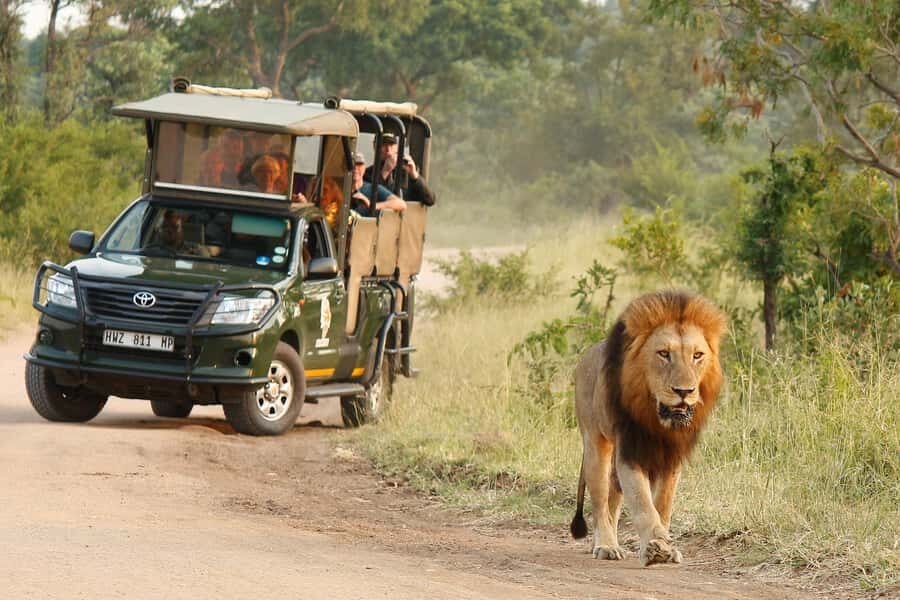
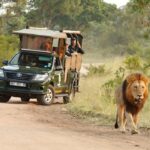
This safari gives you a genuine choice. You can ride in an open game vehicle, which is the classic Kruger feel, or request a closed, air-conditioned vehicle for comfort.
Here’s how that choice plays out:
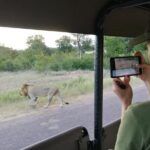
- Open vehicle advantages: you feel more of the bush. You’ll likely notice the dust, the sun-warmed grass, and the soundscape: cicadas and fish eagles calling as the morning settles in. If you like direct, outdoor travel, this option makes the day feel more real.
- Closed vehicle advantages: you’re protected from cold early temps and from harsher heat later. It’s a practical pick for older guests, families traveling with young children, or anyone who wants wildlife viewing with less physical discomfort.
The important catch is the morning temperature. If you choose open, plan on bringing a warm jacket. Even in warm regions, early starts can be surprisingly cool before the sun does its work.
If you’re unsure which to pick, think about your own tolerance for weather more than the novelty factor. You’ll remember the sights longer if you’re comfortable enough to stay focused.
What you’ll learn beyond animals: bushveld life and human presence
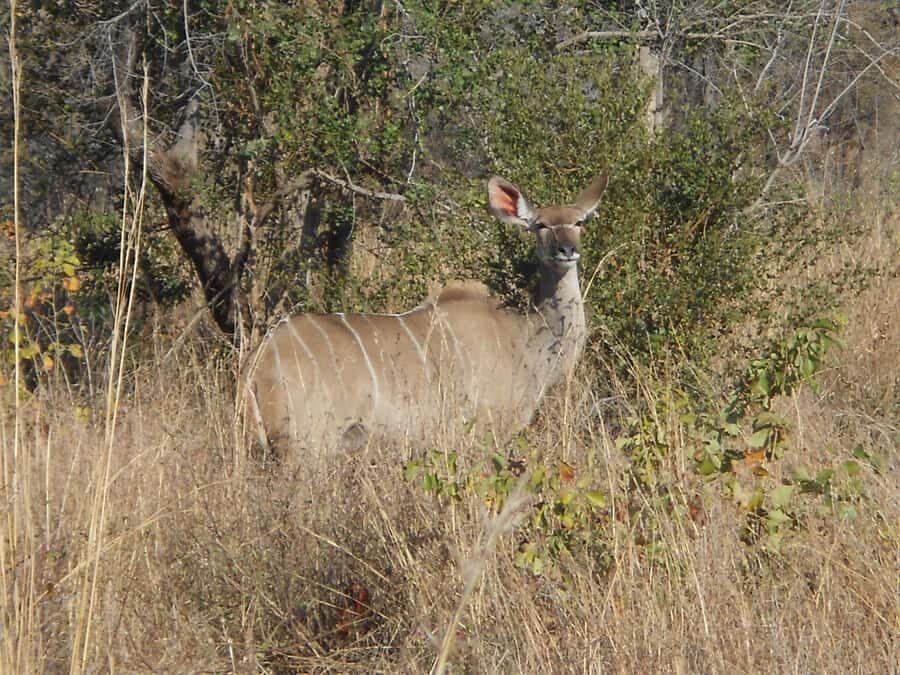
Kruger isn’t just about animals. You’ll also get context about the environment and the human layer that existed long before modern game reserves.
Your guide will talk about recorded human presence in the region, including Bushman rock paintings and archaeological sites that are conserved alongside the park’s natural features. On some departures, time allows at least one such stop during the trip. Even when it isn’t part of the route, the explanation helps you understand why certain areas matter beyond wildlife spotting.
Why this matters for you: it turns the safari into more than a photo mission. You start seeing the landscape as an interconnected home for animals and people across time. That’s the kind of context that makes even quiet stretches—when wildlife is sparse—feel purposeful instead of empty.
A realistic look at the morning plan (and when wildlife slows down)
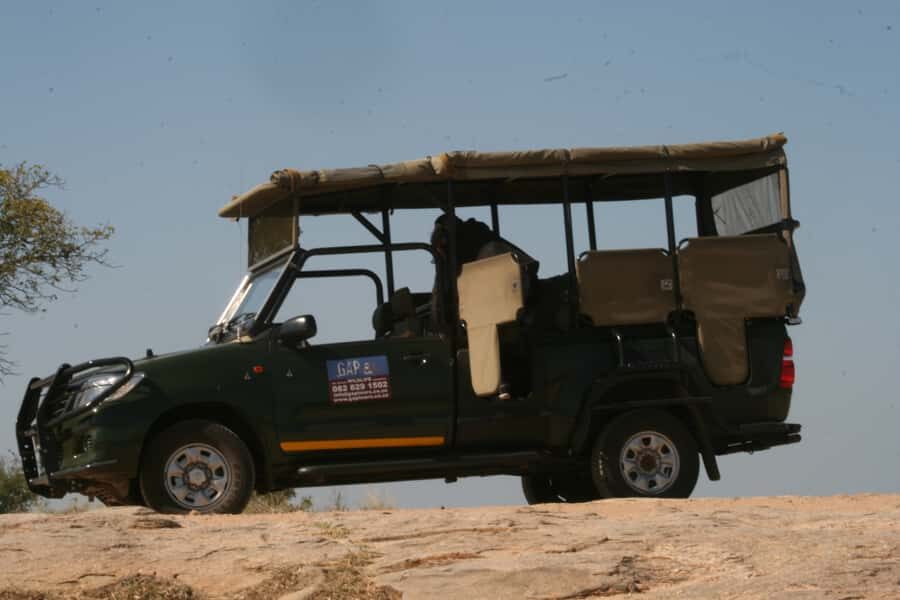
You’re out early and out for about 7 hours, with pickup and drop-off handled from Hazyview. The day is designed to pack in the best chance of seeing animals early while still allowing time for interpretation and, if possible, cultural sites.
But let’s be honest: weather happens in Kruger. In at least one case, a thunderstorm overnight delayed wildlife viewing until after 08:00. That’s not a problem unique to this tour—it’s just how safari life works when conditions change.
If you want to handle this calmly, do two things:
- Dress in layers, especially if you’re on an open vehicle.
- Use the guide’s downtime. If visibility is reduced, a good guide can keep the learning going—explaining behavior patterns, plant life, and where animals tend to be once conditions improve.
That’s one reason the guide quality matters so much. A slow wildlife moment becomes less disappointing when you’re learning what to watch for next.
A few more Hazyview tours and experiences worth a look
Animals you can reasonably expect to see
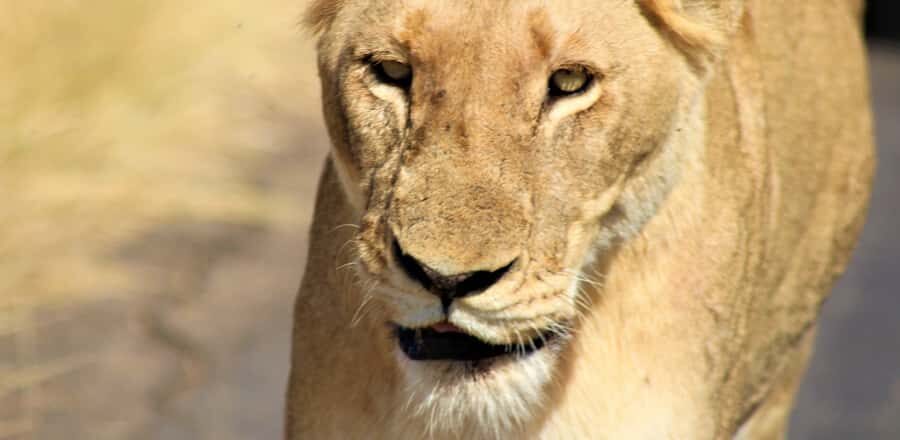
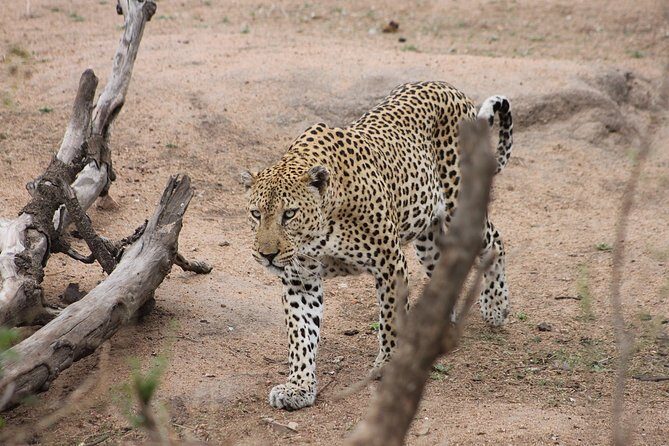
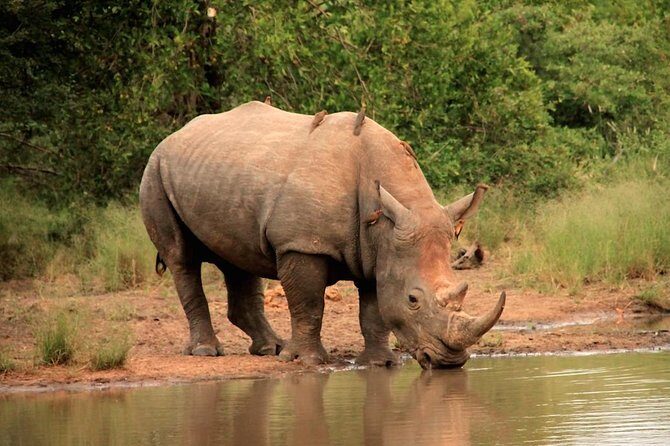
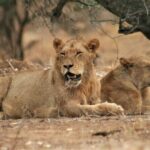
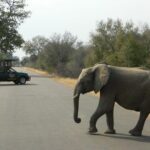
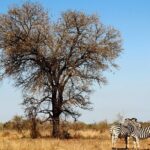
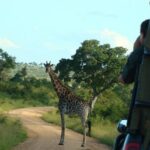
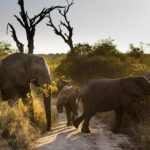
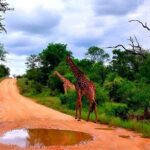
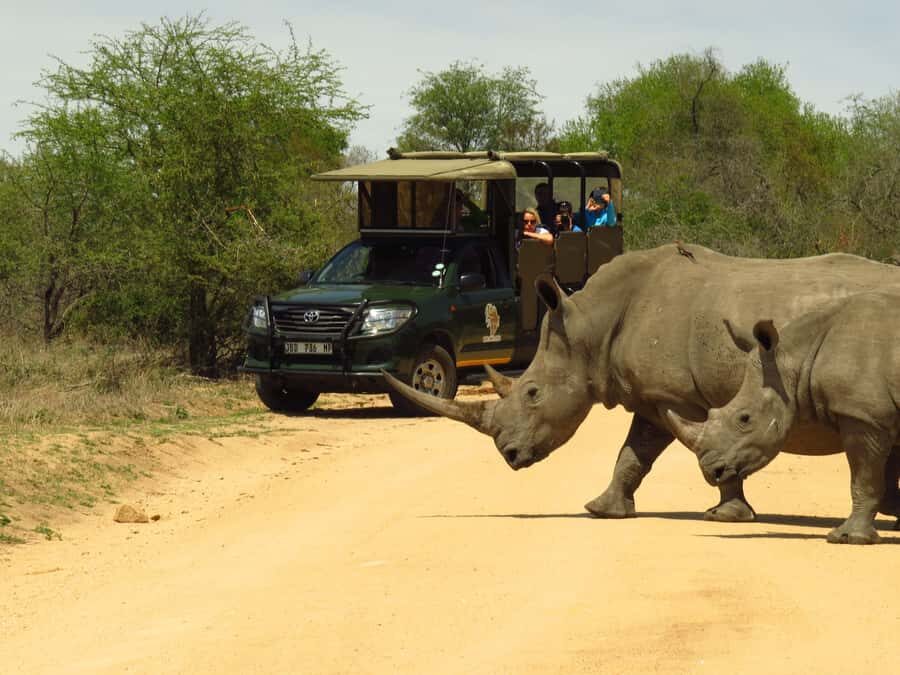
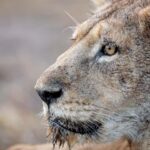
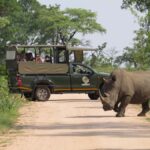
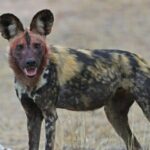
The safari focuses on Big Five viewing, but the actual “best moments” often come from a mix of iconic and in-the-moment encounters. People on this safari have reported strong sightings such as giraffes, elephants, leopards, and rhinos.
Even if you don’t see all of the Big Five, you can still end the morning with a sense of what Kruger feels like at first light: animal movement, bird calls, and the guiding skill of someone reading the bush like a story.
Also, don’t underestimate bird life. The tour’s bird focus (over 500 species) means you’ll likely get help spotting and identifying calls and activity, not just mammals.
Price and value: is $93 per person a good deal?
At $93 per person, this is priced like a mid-range safari day, not a luxury all-in vehicle experience. The value hinges on what’s included and what you need to add yourself.
What you get included:
- Pickup and drop-off at accommodation in Hazyview
- Transportation by open or closed vehicle
- Qualified guide
- Bottled water
What you pay extra for:
- Kruger National Park entry fee (not included)
- Meals (not included)
So is it worth it? Usually, yes—if you care about having a real guide and enough guided time to make your morning count. Kruger can be expensive when you start adding vehicle time, guide time, and entry separately. Here, the guide-led experience and transfer are part of the base price, so you’re not scrambling to piece it all together.
The smart money move is budgeting for the park entry fee and planning food on your own. That keeps you from getting surprised later in the day.
Who this safari suits best
This is a strong fit if you want:
- A sunrise-focused Kruger experience rather than a late-day safari
- A guide-led outing with bushveld interpretation
- The option to tailor comfort with open vs closed vehicles
It’s especially good for couples, friends, and families—because the vehicle choice makes it easier to match comfort needs. If you’re an older traveler or you don’t love being cold early in the morning, the closed, air-conditioned option is the kinder route.
If you hate unpredictable weather or you only want guaranteed outcomes, safari life can test your patience. But if you’re flexible, this morning format gives you a great blend of wildlife time and learning.
Quick tips: what to bring and how to prep
Bring:
- Passport or ID card
Plan for:
- A warm layer for open-vehicle mornings (real life saver)
- Sunglasses and sun protection if you’re on the open side later as the day warms up
- A camera or phone for the moments your guide helps you spot before you notice them
Also, since meals aren’t included, think about whether you’ll eat before pickup or plan for food after you’re back in Hazyview.
Should you book the Kruger National Park morning safari from Hazyview?
If your goal is a guided Kruger morning with a real chance at the Big Five and a guide who explains what you’re seeing, I’d book this. The open vs closed vehicle choice is a practical upgrade over tours that treat everyone the same, and the morning timing is a key reason Kruger can feel electric.
I’d choose it with extra confidence if you like learning as you go—mammals, birds, trees, plus human history like Bushman rock paintings when time allows. If you’re the type who gets cranky about cold or long waits, pick the closed option and come prepared with good layers either way.
FAQ
How long is the Kruger National Park morning safari?
It runs for about 7 hours in total, including pickup from Hazyview and drop-off afterward.
Where do you get picked up and dropped off?
You’re picked up and dropped off at your accommodation in Hazyview.
Are meals included?
No. Meals are not included, so you’ll need to plan food separately.
Is the Kruger National Park entry fee included?
No. The Kruger National Park entry fee is excluded from the tour price.
Can I choose between open and closed safari vehicles?
Yes. You can choose an open safari vehicle, or request a closed, air-conditioned vehicle (useful for very hot weather, older guests, and families with young children).
What should I bring for the tour?
Bring a passport or ID card. Also, if you choose an open vehicle, plan for it to be quite cold in the morning and bring a warm jacket.