REVIEW · CAPE TOWN
Cape Town: Great African Sea Forest Guided Snorkel
Book on GetYourGuide →Operated by Cape RADD · Bookable on GetYourGuide
One of Cape Town’s best underwater lessons happens in kelp. This Great African Sea Forest snorkeling trip mixes reef-forest wonder with real marine biology, plus a chance to support shark research with photo ID.
I love how the tour feels structured from the first briefing to the last check-in, and I love that you’re not just floating around—you’re learning the logic of the ecosystem as you go, from octopus hunting to why sea urchins are called hat-wearers. The main drawback to plan for: you’ll snorkel through thick kelp, so the experience is better if you’re comfortable in the water and ok with that slower, gear-assisted pace.
You’re guided by marine biologists in a small group capped at 8, which keeps attention high and safety calm. I also like the way shark viewing is handled as research-focused rather than luck-based, even though your sightings can vary day to day. If you’re expecting a guaranteed shark encounter, keep your expectations flexible.
In This Review
- Key highlights at a glance
- Snorkeling the Great African Sea Forest from False Bay
- Marine biologists, shark science, and the briefing that actually matters
- Gear, timing, and what 2 hours feels like in kelp
- What you’ll spot inside the kelp forest (and why it’s not random)
- The shark photo-ID work: how your snorkeling helps marine research
- FinSpotter app access and the Ocean Ambassador honor
- Price and value: does $74 make sense for you?
- Weather, comfort, and practical tips that help you enjoy it
- Who should book this Cape Town sea forest snorkel (and who shouldn’t)
- Should you book Cape RADD’s guided Sea Forest snorkel?
- FAQ
- FAQ
- Where is the meeting point?
- How long is the snorkeling tour?
- How much does it cost?
- What’s included with the tour?
- Do I need to bring snorkeling equipment?
- Is the tour operating in bad weather?
- Do I need high fitness or snorkeling experience?
- Is it a small group tour?
- Who is this not suitable for?
- Is there flexibility if my plans change?
Key highlights at a glance
- Marine biologist-led snorkeling with a proper pre-water briefing and on-the-spot explanations
- Small group (8 max), meaning more time and care in the water
- Included wetsuit + snorkel kit, so you can focus on the kelp forest, not shopping
- Your help with shark photo identification, a concrete research activity
- FinSpotter app access plus an Ocean Ambassador honor for your assistance
Snorkeling the Great African Sea Forest from False Bay
Cape Town’s underwater world here isn’t built around coral reefs. It’s built around kelp—long, swaying “sea trees” that form a moving maze. That’s why the experience feels different from typical snorkel trips: you’re not just watching animals on open sand, you’re traveling through an ecosystem that literally grows around you.
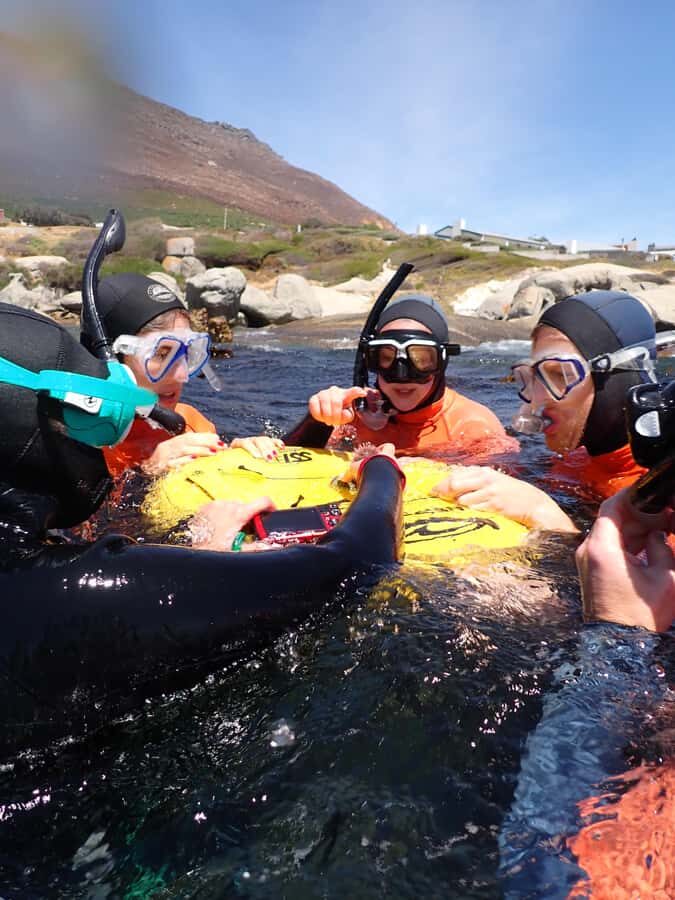
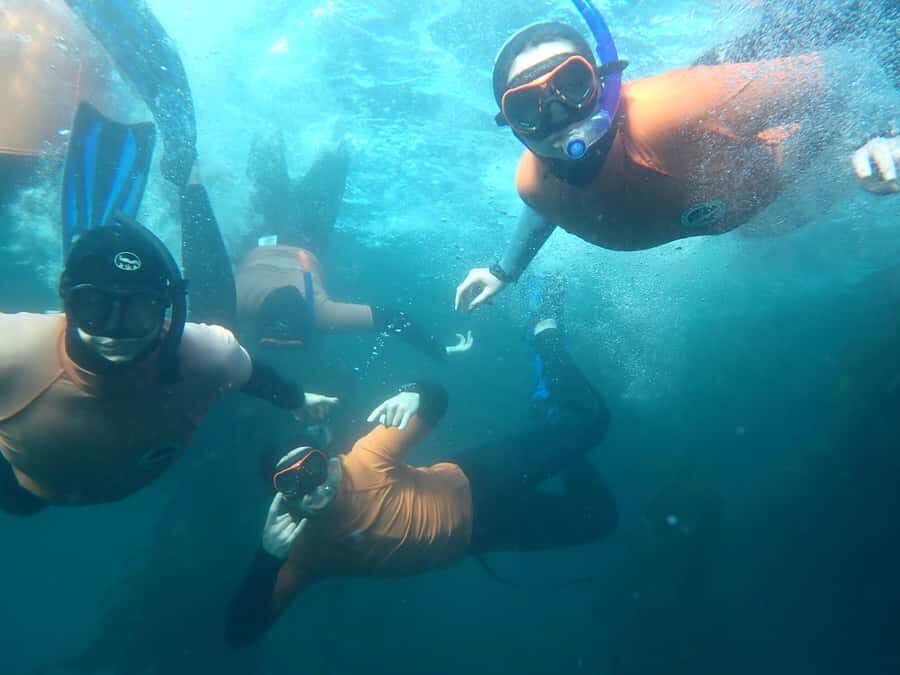
This tour runs from the shore of False Bay, meeting inside Cape RADD Dive Center. From there, you head out with a marine biologist team and spend about 2 hours in the water with purpose. The water time may vary slightly depending on conditions, but the overall flow is consistent: intro, guided snorkeling, then photos and wrap-up.
The value for me is how the kelp forest isn’t treated like scenery. You’re taught what to notice—how the kelp structures habitat, how animals use it, and what researchers are trying to learn from shark encounters. That turns a scenic snorkel into something you’ll remember with context.
You can also read our reviews of more guided tours in Cape Town
Marine biologists, shark science, and the briefing that actually matters
Before you even get wet, you get an in-depth briefing by a marine biologist. This is where the trip earns its “great for learning” reputation, because the explanations are tied to what you’ll look for next—rather than being generic facts.
You’ll learn how octopi hunt, what shy sharks use as hiding spots, and why sea urchins are described with that playful hat connection. That kind of guiding language isn’t just cute; it helps you spot small movements and shapes in the kelp without needing perfect underwater vision.
In the field, you may be guided by leaders with names like Mark the Shark (described as a marine scientist), or guides such as Danni and Megan. Even when the guide changes, the style stays the same: safety first, then careful scanning of the ecosystem, with explanations that connect directly to the animals you’re seeing.
Gear, timing, and what 2 hours feels like in kelp
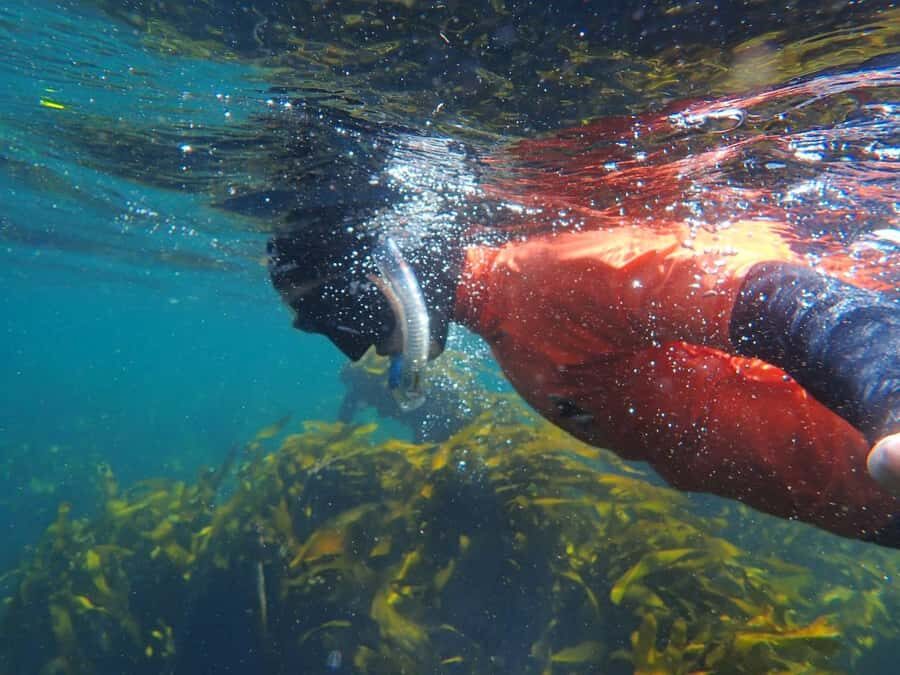
You get snorkeling equipment included: mask, snorkel, fins, and a wetsuit. That matters for value because it removes a common vacation pain point—rentals, last-minute shopping, and guessing what thickness wetsuit you’ll need.
This isn’t described as high-fitness snorkeling, but it’s still real water time. You’ll need to be able to swim or be comfortable in the water, and you’ll be moving through kelp. One reviewer note to take seriously: snorkel effort in kelp can feel more challenging than open-water snorkeling where you just float and scan. Staying on the surface often gives you less seabed detail, because the “action” sits inside the kelp.
If you get conditions that allow you to go a bit deeper along the kelp, you’ll likely see more of the structure and more habitat detail. One guest even described getting excited once the water depth reached roughly 5–6 meters, after easing in shallower. You won’t control depth, but you should know what you’re working toward: the best kelp viewing usually happens when you’re not just skimming the surface.
What you’ll spot inside the kelp forest (and why it’s not random)
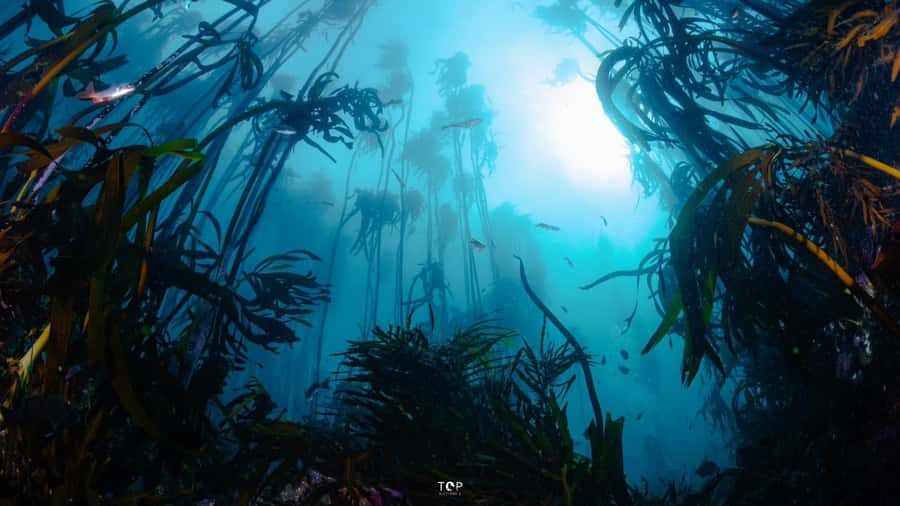
The kelp forest is where this tour earns its wow factor. The guiding team leads you through the Sea Forest and helps you recognize sea life by behavior and location, not just by luck.
From what you’re specifically told to look for, you can expect encounters with:
- Sea urchins (often noticed by their “hat” look in the way they cluster)
- Octopus (especially their hunting behavior)
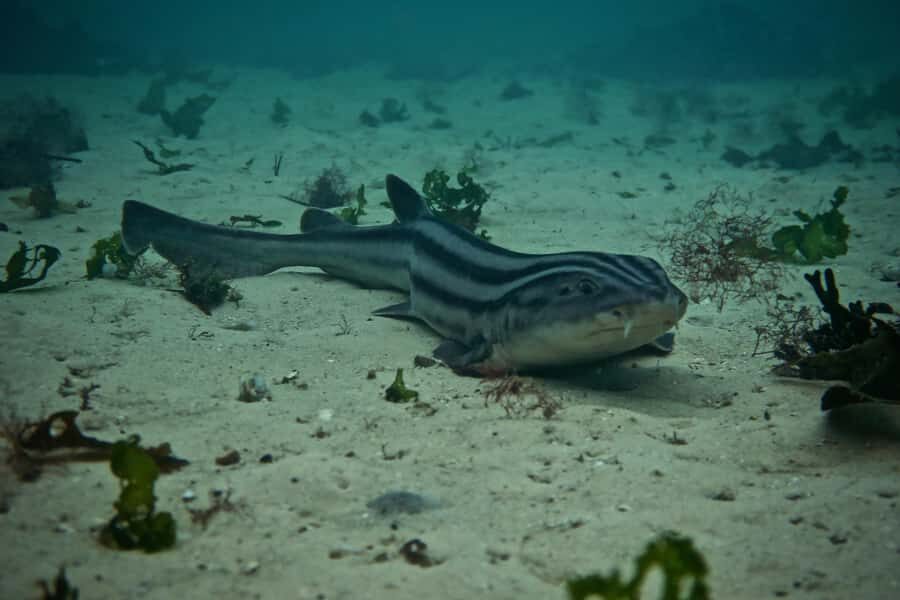
- Sharks (not necessarily constant, but a focus of the research plan)
- Other small kelp-dwelling life like sea stars and additional colorful species, depending on the day
What I like about this approach is that the guide’s job is to make the invisible visible. Kelp forests hide animals well. When your guide points out hiding spots, tells you what body shapes to look for, or shows how animals use the structure, your success rate goes up fast.
Also, the vibe stays calm. This is not “race to see everything.” You slow down to read the habitat. That makes the 2 hours feel full rather than rushed.
The shark photo-ID work: how your snorkeling helps marine research
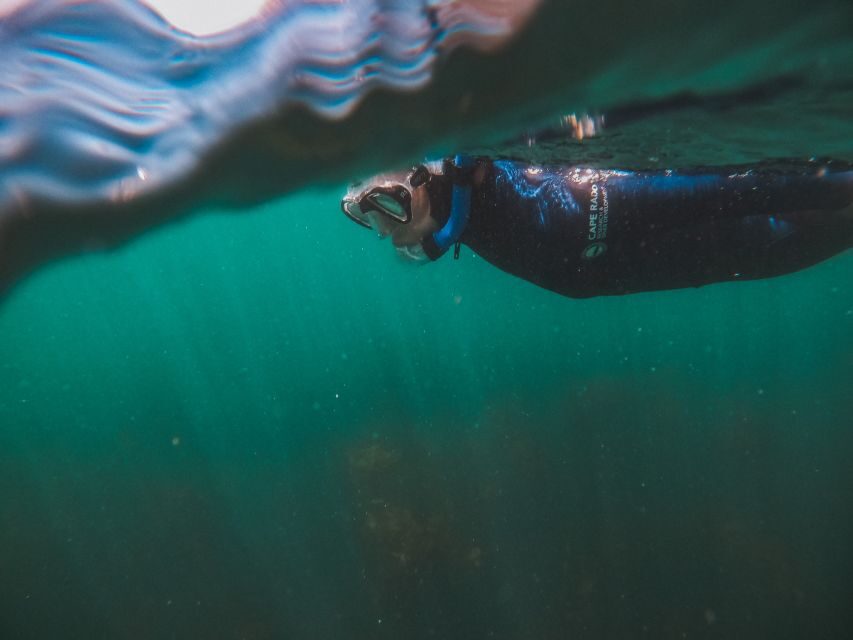
This is the part that turns an activity into contribution. You’re not only looking for sharks—you’re helping with a research workflow.
During the snorkel, you’ll participate in finding and collecting photo identification of a friendly endemic shark species. In other words: you’ll capture images that researchers can use to help identify individuals. That helps scientists track and study sharks over time, without needing to disturb them.
The focus on photo ID is smart. It’s non-contact, and it turns your camera (or your guide’s photo system) into actual data. That also explains why the briefing spends time on shark behavior and hiding spots. If you understand how shy sharks move through kelp, you’re far more likely to capture usable identification images.
A note to keep your expectations grounded: shark sightings can vary. Some guests report seeing sharks; others share that they got plenty of kelp life but didn’t spot the research subject that day. The goal is research participation, not a guarantee of a specific species every time.

FinSpotter app access and the Ocean Ambassador honor
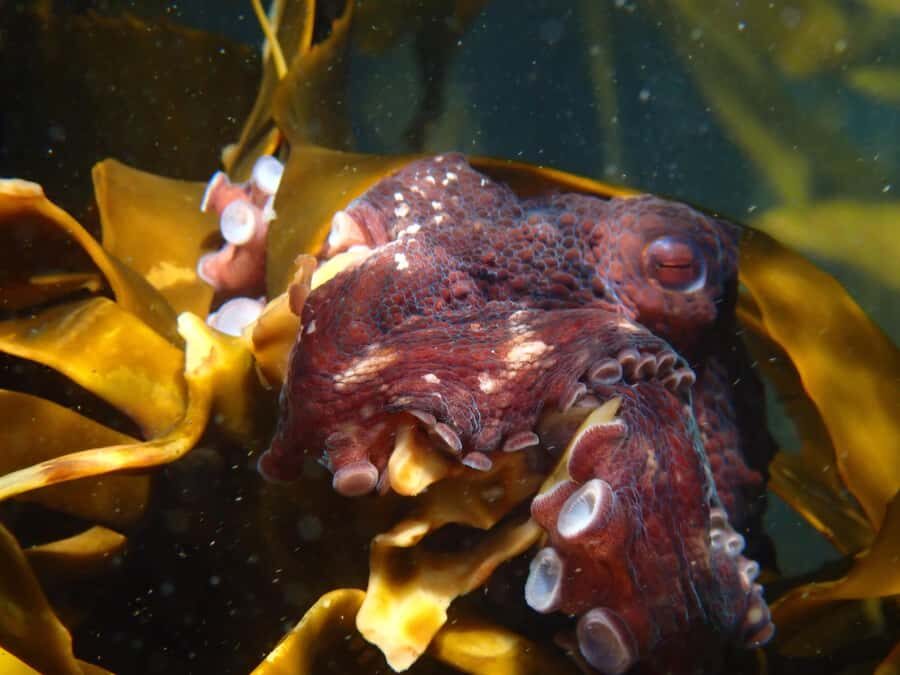
After the snorkel, you keep the momentum through the FinSpotter app, which includes special access tied to shark sightings. That’s a nice touch if you want to keep learning after you leave the water—especially in an area where sharks are a real part of the local ecosystem.
You’ll also be recognized as an Ocean Ambassador for your assistance with marine research. It’s not a certificate you earn by reading a brochure. It’s tied to your role in the photo-ID and your participation in the scientific activity.
If you care about impact, these two add-ons help the trip feel like more than a one-time tour. You leave with something practical (app access) and something symbolic (Ocean Ambassador honor), both grounded in the research theme.
Price and value: does $74 make sense for you?
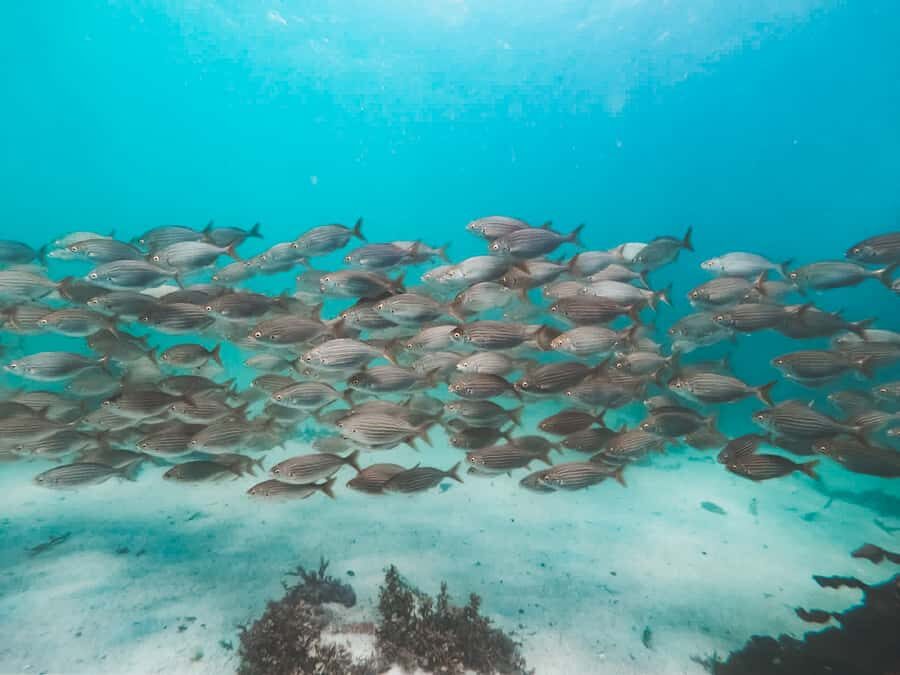
At about $74 per person for a 2-hour guided snorkeling experience, the price only works if you value two things: serious instruction and included gear.
You’re getting:
- Marine biologist guidance
- Snorkeling equipment (mask, snorkel, fins, wetsuit)
- Photos included
- Briefing and guided in-water support
- Research participation through shark photo identification
- FinSpotter app access and Ocean Ambassador recognition
If you’ve ever tried to snorkel kelp alone, you know the hard part isn’t finding water. The hard part is knowing where to look in a thick underwater forest and how to not panic once you’re surrounded by it. This tour pays that skill gap for you, through guided interpretation and hands-on scanning.
So the value is strongest if you want:
- A guided learning experience, not just a swim
- Safety support and small-group attention
- A meaningful “I helped science” component
Weather, comfort, and practical tips that help you enjoy it
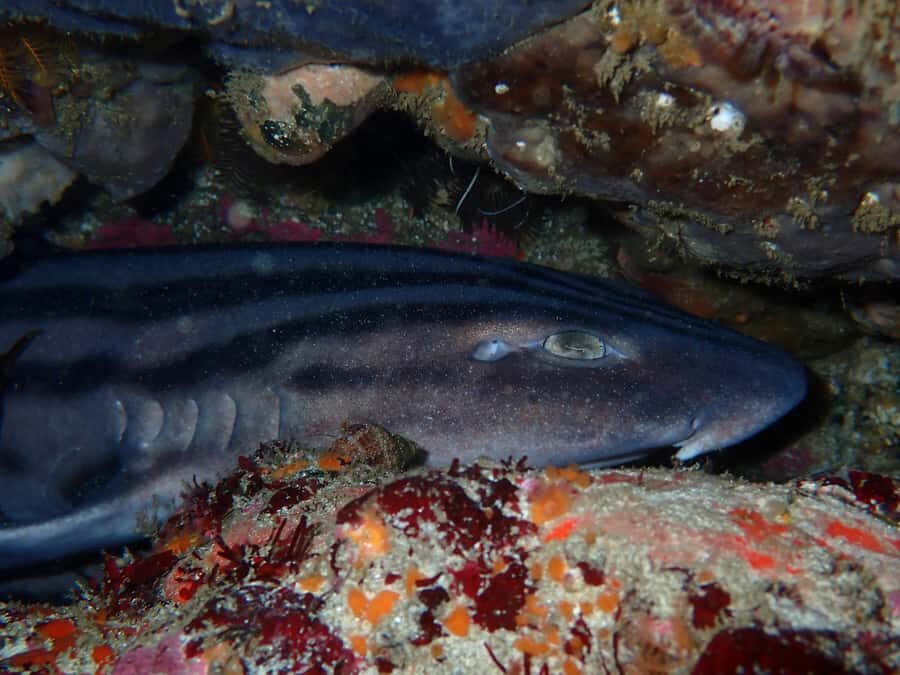
This tour runs rain or shine, which is good to plan around. What you can’t control is water and visibility, and kelp snorkeling can feel different depending on current, tide timing, and the water’s surface conditions.
A couple of practical tips from the real-world vibe you should take seriously:
- Bring swimwear and a towel. Simple, but it prevents the kind of scramble that kills vacation time.
- Wear a wetsuit-comfort mindset. You’re supplied with the wetsuit, so don’t overpack.
- If you’re sensitive to hot surfaces, be ready for possible short ground transport moments. One guest mentioned a truck ride where shoes weren’t used and the black surface felt hot. It’s not the core of the tour, but it’s smart to plan for.
Finally, make sure you’re emotionally ready for kelp. It can look spooky above the water, but with a guide you’ll learn how to move calmly through it and focus on the animals instead of the feeling of being in a living underwater forest.
Who should book this Cape Town sea forest snorkel (and who shouldn’t)
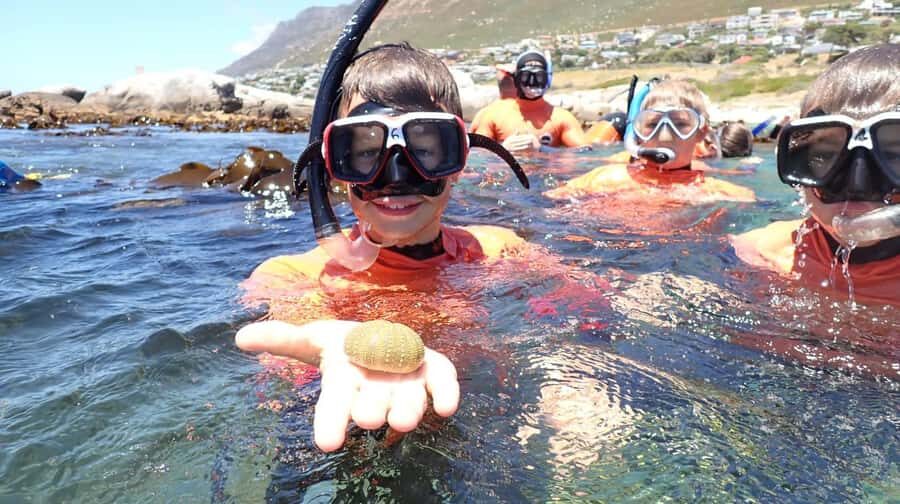
This experience is a great fit if you:
- Can swim or feel comfortable in the water
- Enjoy wildlife watching with explanation
- Want small-group guidance (8 max)
- Like activities that connect to conservation and research
It may not be the best fit if you fall into the “not suitable” categories:
- Children under 10
- Pregnant women
- People with mobility impairments
- People over 95
If you’re a beginner snorkeler, you’ll still need comfort in the water. But the structure helps: the briefing first, then guided scanning and support in the kelp. Some guests even said it gave them confidence to snorkel on their own later in kelp—proof that the teaching is practical, not just theoretical.
Should you book Cape RADD’s guided Sea Forest snorkel?
Book it if you want a Cape Town snorkeling trip that’s more than a photo stop. The marine biologist-led format, the included gear and photos, and the real contribution to shark photo identification make the experience feel worth the $74.
Skip it if you need coral-reef style scenery, or if you’re chasing a guaranteed shark encounter. This isn’t positioned that way. You’re participating in research in a living kelp forest, where results can vary and the “win” is both learning and contribution.
FAQ
FAQ
Where is the meeting point?
You meet inside Cape RADD Dive Center, on the shore of False Bay.
How long is the snorkeling tour?
The duration is 2 hours.
How much does it cost?
The price is $74 per person.
What’s included with the tour?
You get a marine biologist guide, snorkeling equipment (mask, snorkel, fins, wetsuit), photos, and an in-depth briefing of the area and activity by the marine biologist.
Do I need to bring snorkeling equipment?
No. The tour includes mask, snorkel, fins, and a wetsuit. You should bring swimwear and a towel.
Is the tour operating in bad weather?
Yes. The activity takes place rain or shine.
Do I need high fitness or snorkeling experience?
No high fitness level is required. You do need to be able to swim or at least be comfortable in the water.
Is it a small group tour?
Yes. It’s limited to 8 participants.
Who is this not suitable for?
It’s not suitable for children under 10, pregnant women, people with mobility impairments, and people over 95.
Is there flexibility if my plans change?
The experience offers free cancellation up to 24 hours in advance for a full refund, and you can reserve now and pay later.