REVIEW · CAPE TOWN
Cape Town: Marine Wildlife Tour from the V&A Waterfront
Book on GetYourGuide →Operated by African Eagle Daytours · Bookable on GetYourGuide
Cape Town’s bay ecosystem delivers real wildlife encounters. This 90-minute hydrofoil cruise from the V&A Waterfront is built for close-up sea life—from dolphins breaching near the boat to African penguins working their way back to the colony. On a clear day, you also get water-level views of Table Mountain and Robben Island, which makes the whole trip feel like Cape Town from a new angle.
I love how quickly the trip gets you onto the water. You start with a short van ride, then settle in at the waterfront kiosk area before heading out to look for humpback and southern right whales (seasonal), Cape fur seals, dolphins, seabirds, and even unusual species like sunfish.
One drawback to plan for: wildlife isn’t guaranteed, and the tour is weather dependent. If conditions are rough, it can feel choppy, boarding can be a bit tricky for some people, and you may get less commentary from seats farther back.
In This Review
- Key highlights to know before you go
- From the V&A Waterfront to Table Bay: the vibe and the route
- Getting to the water: van transfer and the marine kiosk meeting point
- On board the hydrofoil: what you’ll actually do during the 90 minutes
- The animal highlights: whales, dolphin pods, seals, and penguins
- Whales: the seasonal reality (and the payoff)
- Dolphins: why this cruise can feel personal
- Seals and penguins: calmer sights, still worth it
- Table Mountain and Robben Island from the water: why the views matter
- Weather, waves, and comfort: how to plan for a smooth day at sea
- Who guides you and how the explanations help
- Price and value: is $61 for 90 minutes a smart spend?
- Who this tour suits best (and who should skip it)
- Should you book this Marine Wildlife Tour from the V&A Waterfront?
Key highlights to know before you go
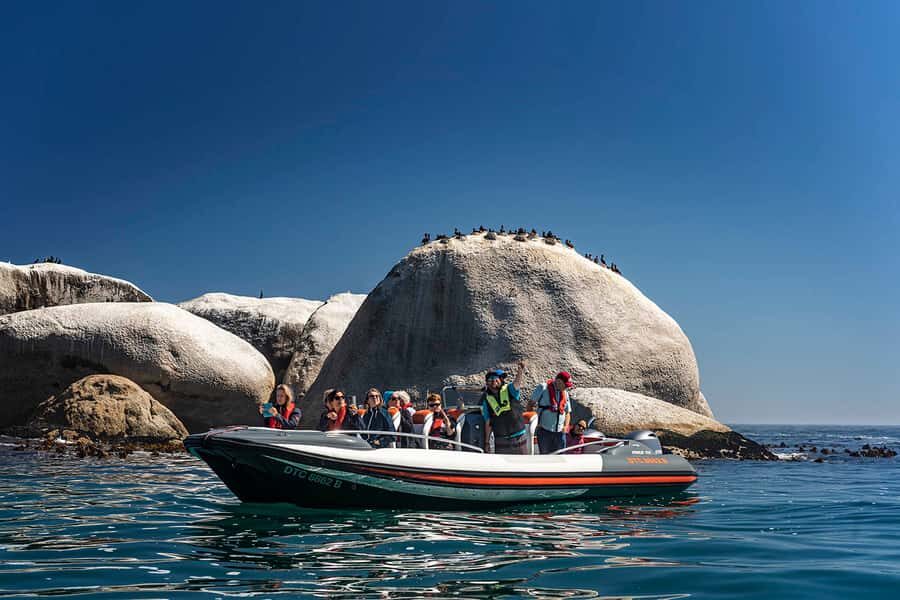
- Hydrofoil speed: more time scanning the bay for life, not sitting around.
- Wildlife-focused guiding: you learn what you’re seeing and why the area matters.
- Seasonal whale odds: southern right whales are best June to November.
- Multiple species in one outing: dolphins, seals, penguins, sea birds, and sometimes whales.
- Cape Town viewpoints from sea level: Table Mountain and Robben Island show up clearly in the water.
From the V&A Waterfront to Table Bay: the vibe and the route
This tour is set up as a straightforward, water-first day. You’ll either be picked up from your accommodation (if you choose that option) or meet near the African Eagle Marine Kiosk by the Victoria & Alfred Basin Swing Bridge. Either way, you’re headed toward Table Bay quickly, which is a big deal when the window for good sightings is short.
Once you’re at the V&A Waterfront area, you’ll check in and get the basics from the crew before going out. Then it’s a proper marine-watching format: find animals, position the boat carefully, and keep scanning as conditions change. In other words, it doesn’t feel like a sightseeing lecture with a token wildlife stop.
A few more Cape Town tours and experiences worth a look

Getting to the water: van transfer and the marine kiosk meeting point
Most people will feel this first in the logistics. There’s a short van ride involved either way—about 15 minutes—before you reach the waterfront check-in area. The meeting point is specific: look for the African Eagle Marine Kiosk near the Swing Bridge.
A practical heads-up: depending on where you’re coming from, traffic can stretch that ride. One guest noted a long stretch from the CBD to the quay, while others liked the convenience of pickup. If you’re staying near the center, you’ll likely feel less of this “waiting time” and more of the “on-the-water” time.
On board the hydrofoil: what you’ll actually do during the 90 minutes
This cruise is 90 minutes long, which is a good length for wildlife searching without tiring you out. The hydrofoil setup matters because it helps the boat move efficiently through the bay when sightings appear. You’re not stuck in one spot hoping; the crew can reposition to chase the best odds.
You’ll spend the cruise looking for a mix of animals across the food chain:
- Whales (seasonal): humpback and southern right whales depending on time of year and what’s in the bay.
- Dolphins: pods can approach closely, including breaching behavior near the boat.
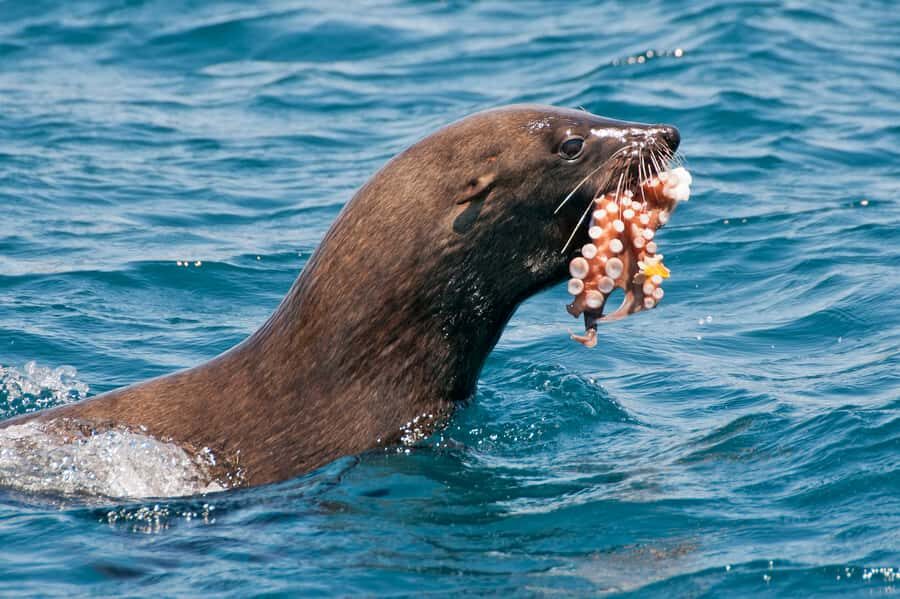
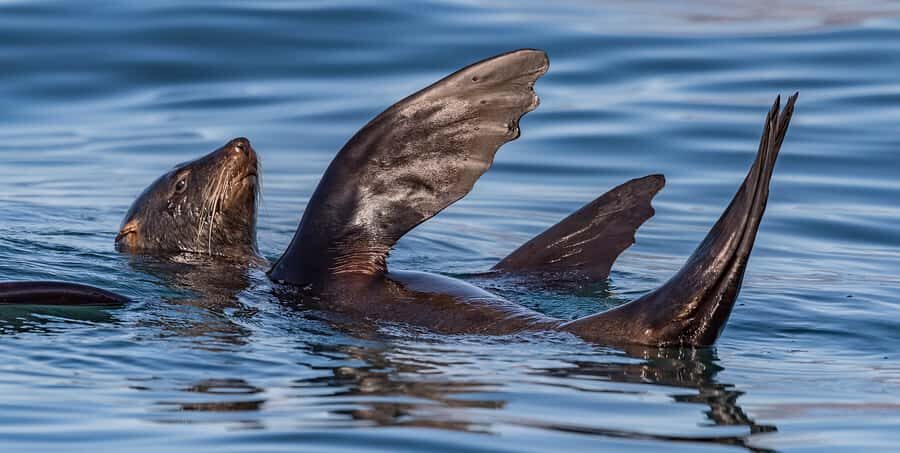
- Cape fur seals: often lounging on jetties or near the shoreline edges.
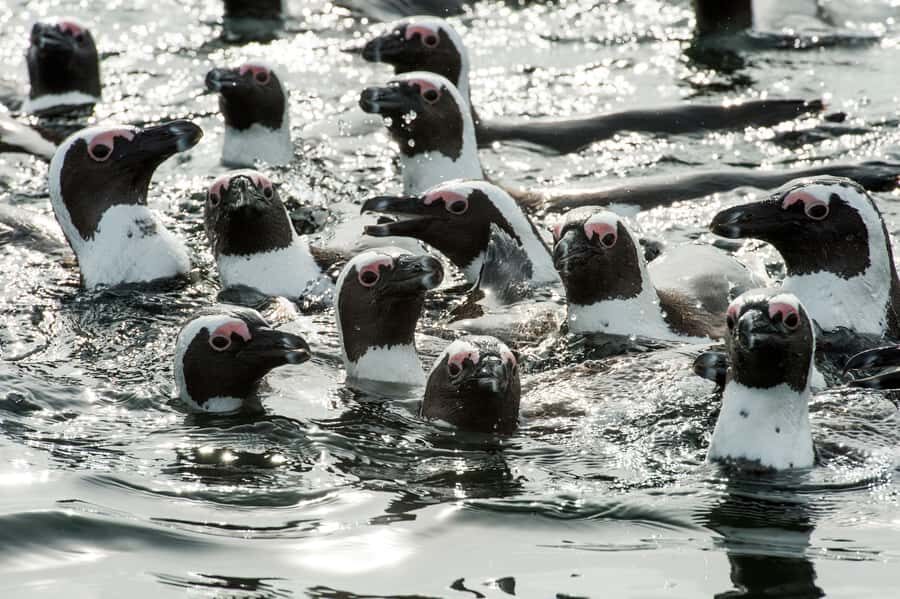
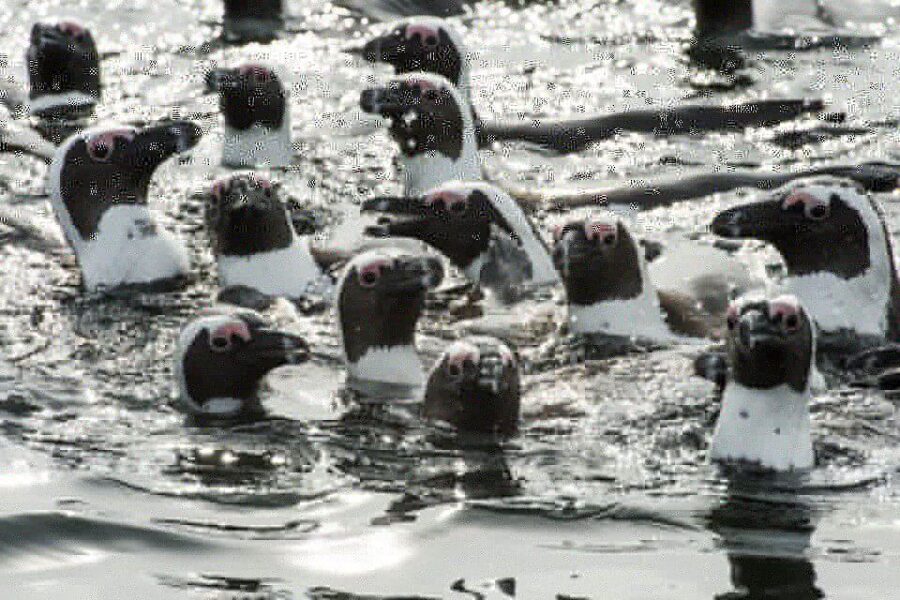
- African penguins: you may see them at work, going under the water for fish near their breeding area around Robben Island.
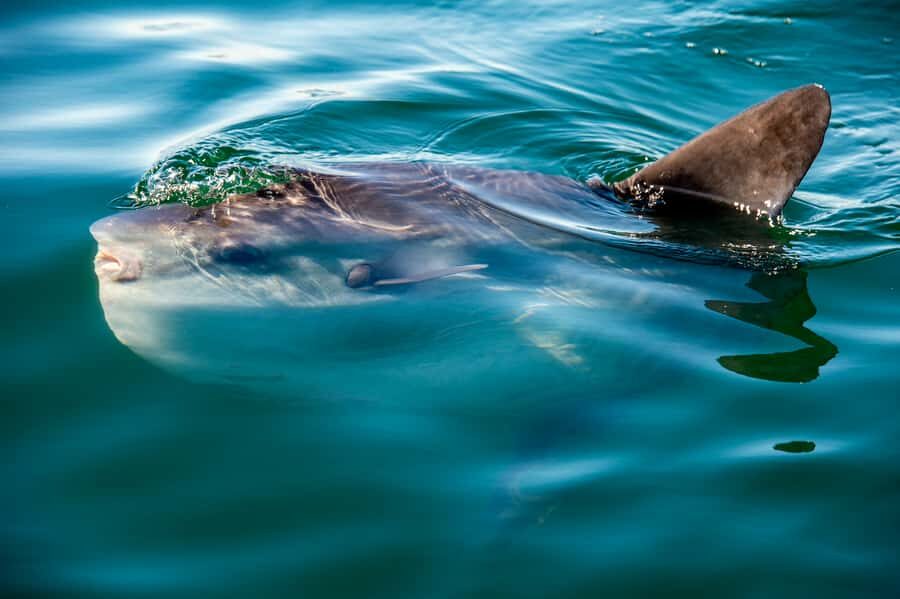
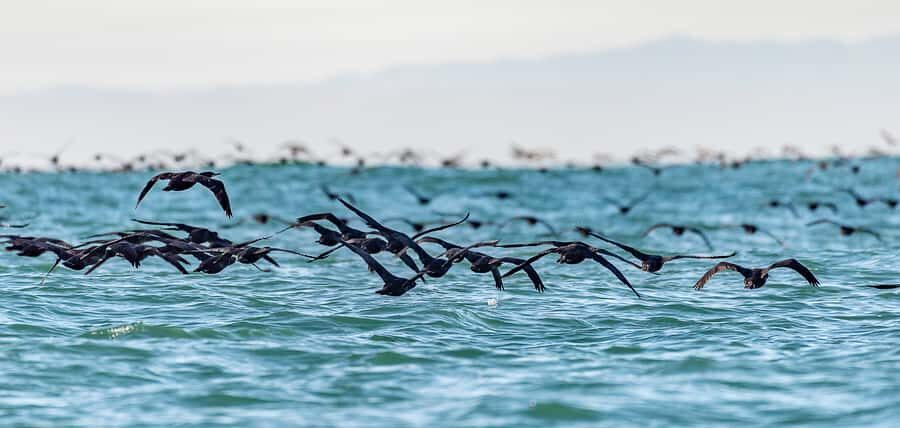
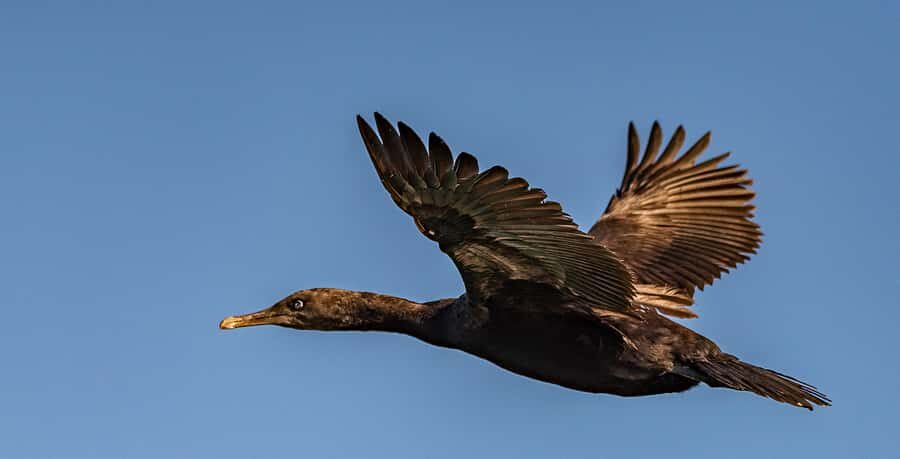
You’ll also be watching the birds, because Table Bay’s ecosystem comes with an airborne feed. In the area you might spot terns, gannets, cormorants, and even the black-browed albatross. And if you’re lucky, you could see other species like sunfish—not the kind of “only in documentaries” sight that’s impossible, just less common.
The animal highlights: whales, dolphin pods, seals, and penguins
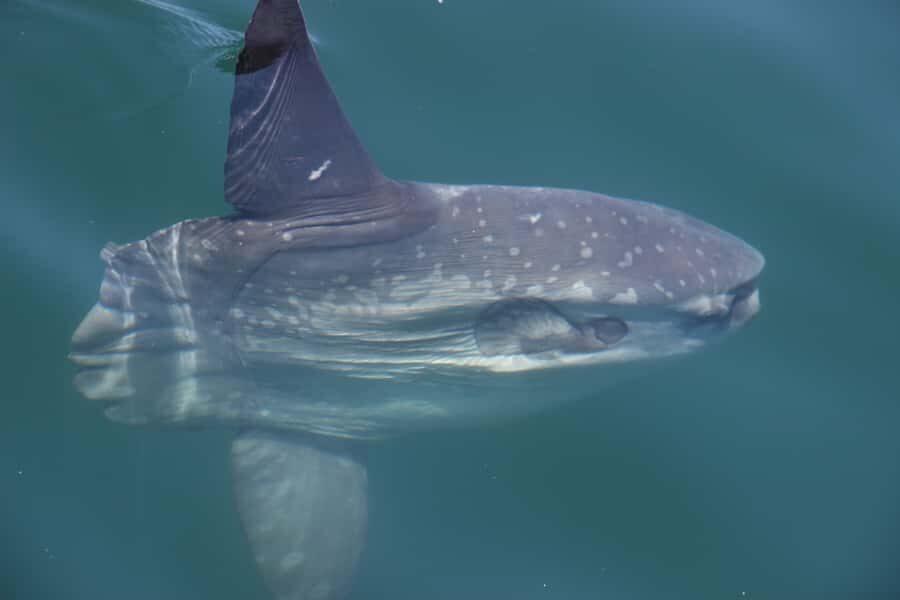
The biggest wow moments tend to come from big, active behavior—dolphins breaching, whales surfacing, seals popping up close, penguins diving for prey (rephrase: going under for fish).
Whales: the seasonal reality (and the payoff)
If you’re traveling with whale hopes, keep it realistic. Southern right whales have the best chance from June to November, but humpbacks can show up outside that window too. Several recent encounters include humpbacks in February, which tells you the bay can surprise you.
When whales do appear, you’ll understand why this cruise is popular: you’re not watching whales from a far-off beach. You’re on the water, positioned for viewing, with the sea space around you as context. It’s the difference between hearing about nature and seeing the scale of it with your own eyes.

Dolphins: why this cruise can feel personal
Dolphins are often the most reliable “activity species.” Guests specifically highlight pods of dolphins breaching up close, which usually means fast-changing moments and a lot of time spent looking left, right, and back toward where the pod is moving.
If you want a tour where you’re not waiting silently for an animal to appear, this is a good bet. Dolphins tend to make themselves visible, and the crew’s job is spotting their patterns early and getting you into a good line of sight.
Seals and penguins: calmer sights, still worth it
Not every highlight is loud and dramatic. Cape fur seals lounging on the jetties can be surprisingly entertaining if you notice how they rest, shift, and watch the water. And penguins add a different kind of emotion: watching African penguins move in connection with their breeding area near Robben Island gives the trip a sense of purpose, not just wildlife spotting.
Even when penguin sightings aren’t constant, the presence of birds and marine life around the same area makes the ecosystem feel real and connected.
Table Mountain and Robben Island from the water: why the views matter
Sure, the wildlife is the main goal. But I also like this cruise for the way it layers views of Cape Town into the same timeline.
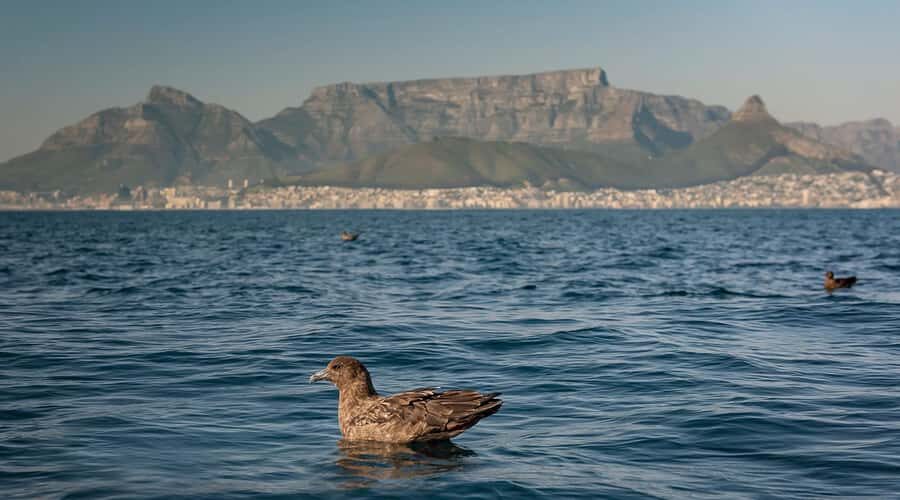
From the water, you get water-level views of Table Mountain and Robben Island while you’re waiting for the next sighting. That changes the feeling of the trip. You’re not just looking at animals; you’re also seeing how the city sits against the coast and why this bay ecosystem is so closely tied to Cape Town’s geography.
It’s also a nice counterbalance on days when the sea life is slower. Even if you only get seals, penguins, and dolphins (and not whales), you’ll still come back with strong photos and the “I saw Cape Town from the ocean” effect.
Weather, waves, and comfort: how to plan for a smooth day at sea
This cruise is weather dependent, and you’ll be informed about changes one day prior. That matters because Table Bay can be calm one day and bumpy the next. When conditions get rough, expect more movement and some spray.
Bring:
- Sunglasses
- Sun hat
- Sunscreen
Also, consider clothing you don’t mind getting salty. A few guests noted the possibility of getting splashed, especially depending on where you sit. If you’re trying to keep hair and clothes pristine, you’ll want a backup layer.
Seating can be another practical factor. Some people found it harder to see or hear if they were seated farther back or lower down. If you’re sensitive to sound, arrive with the expectation that the crew may repeat key points while you scan.
Who guides you and how the explanations help
What makes this tour feel worth it is the way the crew ties wildlife to the place. Guides share facts about marine life behavior and the bay ecosystem, plus context about Cape Town and how nature is protected.
You’ll often hear names like Francois and John connected to strong guiding in customer feedback. If either of them is on the roster, that’s a reassuring sign you’ll get clear, practical explanations, not just generic “look over there” pointing.
The tone from the boat crew is also part of the value. Many guests describe the captain and guides as positive, attentive, and careful about minimizing disturbance to animals. That’s not a small detail—it’s how you end up feeling like you’re watching wildlife rather than interfering with it.
Price and value: is $61 for 90 minutes a smart spend?
At $61 per person for a 90-minute eco-cruise, the value is strongest if you’re traveling with at least one “must-see” animal in mind: dolphins, seals, penguins, or whales. You also get a two-way transfer and a guided wildlife format, so it’s not just a random boat ride.
Where the math gets tricky is the one thing you can’t control: sightings depend on the day. Some departures include multiple species and even whales; others may deliver mostly seals and penguins. Still, even those calmer days tend to be packed with birdlife and active sea moments.
To get the best return on your money:
- Go with a flexible mindset on whales, and treat them as a bonus.
- Bring weather-appropriate gear so you can enjoy the full 90 minutes even if it’s choppy.
- Sit with a view in mind, especially if you care about hearing commentary as much as seeing animals.
Who this tour suits best (and who should skip it)
This is a good fit for people who want a compact wildlife outing with a strong chance of seeing multiple marine species. Families can do well too, since the tour is only about an hour and a half and the crew usually works hard to find wildlife.
It’s also a solid choice if you’re trying to start your Cape Town trip with something memorable that’s not just city walking.
But it’s not for everyone. The tour is not suitable for:
- people with mobility impairments
- people with heart problems
- wheelchair users
If any of that applies, you’ll need to look for a different kind of marine experience on land, where movement and boarding demands are lower.
Should you book this Marine Wildlife Tour from the V&A Waterfront?
Yes, if you want a real wildlife outing with fast access from central Cape Town. The combination of dolphins, seals, penguins, birds, and the possibility of whales makes this one of the more efficient ways to experience Table Bay’s marine life in a single session.
Book it with two expectations: wildlife is never guaranteed, and weather can change how bumpy the day feels. If you’re comfortable with that, you’ll likely love the mix of animal encounters and ocean views, plus the chance to learn how the area protects marine life.
If you’re on the fence, I’d make the call based on your travel month. Chase southern right whales with more confidence between June and November—but even outside that window, humpbacks and dolphin pods are still part of what the bay can deliver.