REVIEW · CAPE TOWN
Ocean Wildlife Encounter in Cape Town
Book on Viator →Operated by Ocean Wonder · Bookable on Viator
A fast ocean safari in Cape Town beats sitting on land. You’ll ride a power boat with a real wildlife focus, then let the day’s sea and weather decide where you go and what shows up. When conditions are right, you may even spot dolphins.
I love the small group feel, with a maximum of just 7 travelers, so the guide and skipper can focus on finding animals and keeping everyone in the loop. I also love the way the trip mixes wildlife education with big Cape Town scenery, including Table Mountain and Robben Island views from the water.
One thing to plan for: this is a cold, blowy ride and you should expect to get a bit wet. Also, sightings depend on what the ocean gives that day, so your best day is not guaranteed.
In This Review
- Quick hits: what makes this ocean wildlife trip work
- Meeting at Oceana Power Boat Club in Green Point
- Why the route changes: chasing wildlife, not a schedule
- What you might see: dolphins, seals, penguins, whales, and surprise life
- The guide and skipper edge: Paul and Rob’s spotting style
- Cape Town’s best photo angles: Table Mountain and Robben Island from the sea
- How the 2-hour ride feels: energy, speed, and getting wet
- Price and value: is $80.52 worth it?
- Who this tour fits best (and who should think twice)
- Practical tips that improve your odds and comfort
- Should you book the Ocean Wildlife Encounter in Cape Town?
- FAQ
- How long is the Ocean Wildlife Encounter?
- What does the tour include?
- What is the meeting point?
- Is there a fixed route?
- What wildlife might I see?
- Do I need to bring anything to stay comfortable?
- Is coffee or tea included?
- How big is the group?
- What if the weather is poor?
- Can I cancel for a full refund?
Quick hits: what makes this ocean wildlife trip work
- No fixed route, so the skipper follows the day’s conditions instead of running a checklist
- Small max group (7) for a more hands-on, focused wildlife hunt
- 2 hours that move fast, with plenty of chances to shoot photos from open water
- Table Mountain + Robben Island seen from a perspective you usually don’t get
- Professional guide and skipper (often Paul, sometimes Rob), both tuned to spotting marine life
- Cold-weather reality: bring warm layers because it can feel sharp on open water
Meeting at Oceana Power Boat Club in Green Point
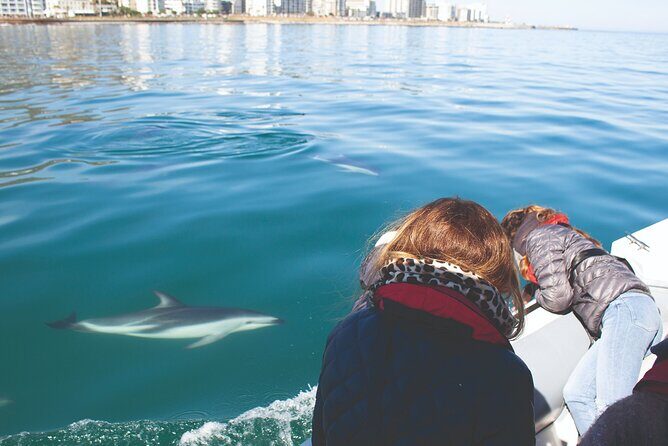
Your adventure starts at Oceana Power Boat Club on Haul Rd in Green Point. That area is convenient for a Cape Town stay because it’s near public transportation, and the setting already feels like the coast is part of your plan, not an afterthought.
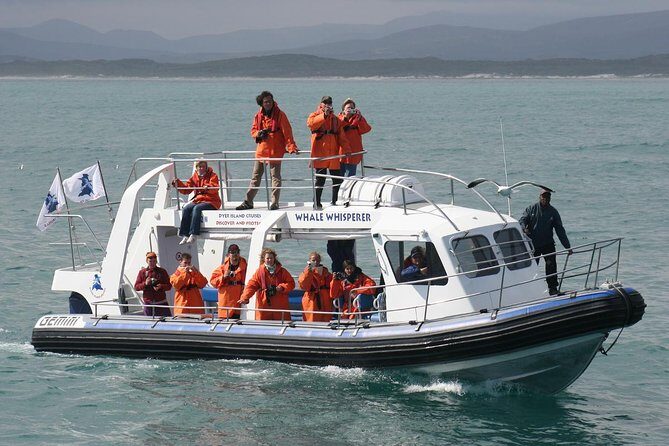
The boat itself is the key detail here. This isn’t a slow sightseeing cruise. You’re in a power boat built for moving out, changing direction quickly, and staying alert for wildlife.
There’s also a comfort-and-safety limit to note: the tour lists a maximum weight per traveler of 120kg. If you’re within limits, the smaller group size makes it easier to settle in and enjoy the ride without feeling swallowed by a crowd.
A few more Cape Town tours and experiences worth a look


Why the route changes: chasing wildlife, not a schedule
This experience uses a simple idea: wildlife doesn’t live on a timetable. There’s no fixed route, and the day’s conditions guide the plan. That means you won’t feel stuck watching the same shoreline stretch while the ocean stays quiet.
For you, the upside is flexibility. The skipper can reposition based on wind, sea state, and where animals are feeding or traveling. The downside is uncertainty. Some days you’ll get an early show; other days you’ll work for it. Still, that’s the point of an ocean encounter—nature has the final word.
This approach also tends to improve your odds of seeing multiple species in one outing, because you’re not limited to one or two predefined viewing spots. You’re more like a hunter’s team, scanning for movement and then going where the action is.
What you might see: dolphins, seals, penguins, whales, and surprise life
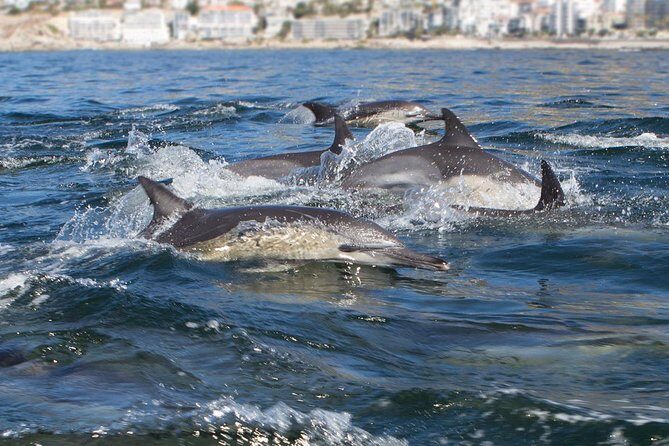
The core promise is wildlife, and the pattern is usually the same: you’ll look for dolphins first, then build from seals, birds, and any larger animals that surface nearby. Exact sightings vary, but the trip’s track record is strong.
From the wildlife people describe after their outing, you can reasonably expect potential sightings like:
- Dolphins (including Dusky dolphins and Heaviside’s dolphins, depending on the day)
- Seals (Cape fur seals show up often in reported trips)
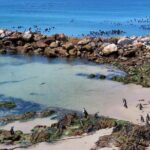
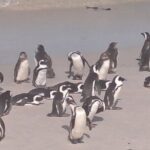
- African penguins (when they’re active nearby)
- Whales (people report humpbacks and Bryde whales on different outings, and sometimes other whale species)
- Fish and smaller ocean life such as sunfish and even jellyfish
One theme in the trip feedback is how fast things can turn on. In some cases, dolphins appear within minutes of departure. That’s not something you can count on every time, but it’s a good sign that the skipper isn’t just cruising aimlessly.
Also pay attention to the kinds of sightings people mention beyond the big mammals. Seabirds and underwater life can show up even when whales are shy, and that still makes the trip feel like a living ecosystem instead of a brief “spot-and-go” event.
The guide and skipper edge: Paul and Rob’s spotting style
A wildlife boat trip lives or dies on its human eyes. This one comes with a professional guide and skipper, which matters because Cape Town’s coastal waters can look calm from land while hiding movement beneath the surface.
You’ll often hear about Paul as the guide and skipper. People describe him as passionate and very focused on finding animals, with a strong ability to read what the ocean is doing. If you get Paul, you’ll likely hear clear, practical explanations while you’re watching—why an area might be productive, and what signs to look for beyond just the obvious splashes.
Rob is another name that shows up for guide spotting ability. People highlight his skill at picking out wildlife quickly, which can make a huge difference when you only have 2 hours on the water. Short time means every scan counts.
One important mindset to keep: this is not an ocean zoo. If the animals decide to stay elsewhere, the team can still give you a strong experience, but you shouldn’t expect the same result every departure. The best part is that the crew keeps searching and adapts in real time.
Cape Town’s best photo angles: Table Mountain and Robben Island from the sea
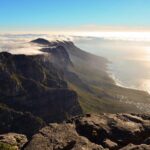
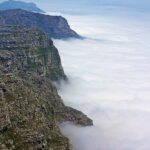
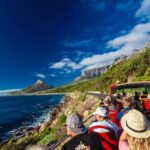
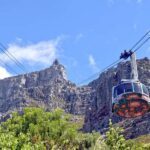
Even if wildlife steals the show, the scenery is a big reason this outing feels worth the money. People consistently mention great photo opportunities for Table Mountain and Robben Island.
From the ocean, you get angles you can’t easily recreate from a viewpoint. It’s also a different sense of scale—Table Mountain doesn’t just look scenic; it feels close and commanding when you’re moving past the coastline.
Robben Island can show up as a clean visual landmark too, especially when the sea and sky cooperate. If you care about photos, aim to have your camera ready early and keep it accessible. You don’t want to miss the moment just because you’re digging through a bag.

How the 2-hour ride feels: energy, speed, and getting wet
The whole experience runs about 2 hours, and it moves. You’re not stuck waiting around. You’ll spend that time out on open water looking for life, then return to the launch point.
What you should plan for is the ride itself. Multiple people stress that it can be dry, blowy, and at times bouncy, and you should wrap up warm. Even if you don’t get drenched, you’ll feel that wind on the face and neck the second you’re out beyond the sheltered edges.
So treat it like a “bring gear” outing, not a “show up in summer clothes” outing. Light layers won’t be enough if you run cold. If you’re prone to seasickness, this kind of boat can still be fine for many people, but your comfort level will matter. The crew’s job is safety and keeping you okay, yet the ocean is still the ocean.
Timing is also why the trip feels efficient. You’ll get multiple wildlife scanning windows inside that short time, and that short duration helps you experience more than you would on a longer cruise where you might not see much.
Price and value: is $80.52 worth it?
At $80.52 per person, you’re paying for a few things that add up quickly: a dedicated wildlife-focused boat outing, a professional guide and skipper, and a small group size capped at 7 travelers. You’re also paying for flexibility—because the route changes daily based on local conditions.
So what makes it good value isn’t just the price tag. It’s the combination:
- Short time window (you’re not spending half a day)
- Active searching instead of a fixed route
- A chance at multiple species, including whales depending on conditions
- Real Cape Town scenery while you’re out there
If your goal is a relaxed, slow cruise, this may feel too fast and too windy. But if your goal is wildlife with strong odds and good views, it fits well. It’s also a good “use your morning or afternoon well” type of activity.
One more value note: it uses a mobile ticket, so you don’t need to scramble for printed documents. That’s small, but it helps when you’re juggling other Cape Town stops.
Who this tour fits best (and who should think twice)
This is a strong match if you:
- Want a nature-and-science experience without a long commitment
- Like fast-moving plans and don’t mind short bursts of action
- Want a shot at dolphins, seals, penguins, and sometimes whales
- Care about getting Cape Town viewpoints from the water
It can be a tougher match if you:
- Get cold easily and hate wind exposure
- Strongly dislike wet or bouncy boat rides
- Need guaranteed animal sightings (no ocean trip can promise that)
On the positive side, the trip is described as something most people can participate in, with that 120kg weight limit being the main stated physical constraint. And the small group size tends to feel more personal than bigger tours.
Practical tips that improve your odds and comfort
Here are the choices that will make the experience smoother for you:
- Wrap up warm. People explicitly call out that it can get very cold on open water, even when you think it won’t.
- Expect some spray. Even if you don’t get soaked, sea mist and splash happen.
- Keep your phone/camera ready, not buried. With wildlife, you don’t always get a warning before an animal pops up.
- Plan for variable sightings. The crew works hard to find animals, but you’re going with the ocean’s mood.
One small “don’t forget” item: coffee or tea isn’t included. If you like a hot drink before or after, grab it near your day plan so you’re not left wishing you’d thought of it.
Should you book the Ocean Wildlife Encounter in Cape Town?
I’d book this if you want a short, active wildlife outing with a serious crew and a real chance to see dolphins, seals, and penguins—plus the bonus of Table Mountain and Robben Island views. The small group cap and the wildlife-first approach are exactly what make it feel like more than a routine sightseeing boat.
I wouldn’t book it if your priority is comfort in wind and spray. This is a boat ride that expects you to dress for the ocean and accept that conditions can change. If you’re okay with that tradeoff, it’s a great way to spend a couple hours in Cape Town—hands-on nature, fast scanning, and photos you’ll actually be happy you took.
FAQ
How long is the Ocean Wildlife Encounter?
It lasts about 2 hours.
What does the tour include?
You get the 2-hour ocean wildlife encounter on the boat with a professional guide and skipper.
What is the meeting point?
You meet at Oceana Power Boat Club, Haul Rd, Green Point, Cape Town, 8005, South Africa.
Is there a fixed route?
No. The route is decided on the day based on local conditions.
What wildlife might I see?
Sightings mentioned include dolphins (including Dusky and Heaviside’s), seals, penguins, sunfish, jellyfish, and whales on some outings.
Do I need to bring anything to stay comfortable?
The ride can be cold and windy and may be wet, so warm clothing helps.
Is coffee or tea included?
No. Coffee and/or tea are not included.
How big is the group?
The maximum group size is 7 travelers.
What if the weather is poor?
The experience requires good weather. If it’s canceled due to poor weather, you’ll be offered a different date or a full refund.
Can I cancel for a full refund?
Yes, you can cancel up to 24 hours in advance for a full refund. If you cancel less than 24 hours before, the amount paid is not refunded.