REVIEW · DURBAN
Drakensberg Kamberg Cave Art & Mandela Capture Site Day Tour
Book on GetYourGuide →Operated by 1st Zulu Safaris C.C · Bookable on GetYourGuide
San cave art and Mandela in one day. This ten-hour tour strings together Kamberg Nature Reserve and the Nelson Mandela Capture Site, with Howick Falls in between. I love the guided trek to the cave shelters and the way the San paintings are explained in plain, human terms. I also love the Capture Site’s steel-column design and the museum context, which makes Mandela’s story feel real, not like a school poster. The only real drawback to plan around is the 60-minute walk to the caves, which can feel long if you have an injury or balance issues.
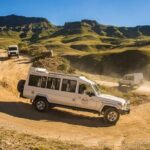
I also like the smart pacing: the day starts with a quick cultural stop in Pietermaritzburg before you head into the Drakensberg foothills. You’ll get a ride on a 4×4 for the mountain access, then shift from nature to history without feeling rushed. Just make sure you bring the right shoes and wear layers, because this part of KwaZulu-Natal can go from comfortable to chilly fast.
Top things you’ll notice on this tour
- San rock paintings at Kamberg: shelters made by the San over at least 4,000 years
- A leisurely but real cave walk: about an hour on foot up to the artwork
- Howick Falls as a full stop: around 95 meters high on the Umgeni River
- Mandela’s Capture Site sculpture: 50 steel columns that form a portrait illusion
- A guided day that stays on track: English, French, Greek, and Portuguese supported
In This Review
- A full day route with three very different meanings
- Pietermaritzburg City Hall: big brick, quick context
- Kamberg Nature Reserve: the leisurely 60-minute walk to San paintings
- The guided cave-art visit: seeing meaning, not just pictures
- Howick Falls (KwaNogqaza): a 95-meter break in the day
- Nelson Mandela Capture Site: steel columns that form a portrait
- Price and value: what $218 covers for a full-day route
- Guide quality and pacing: why Aaron’s approach matters
- What to pack (and what to skip)
- Accessibility and language support: know what to ask up front
- Who this tour fits best
- Should you book it
- FAQ
- How long is the Drakensberg Kamberg Cave Art & Mandela Capture Site Day Tour?
- What’s included in the price?
- Is food and drinks included?
- Is there a walk to the caves?
- Where does pick-up happen?
- What languages are the guides available in?
- Is the tour wheelchair accessible?
A full day route with three very different meanings
This is one of those South Africa days that works because it mixes “why we’re here” moments. You start in Pietermaritzburg, swap to ancient human art in the Drakensberg foothills, and then end at Nelson Mandela’s Capture Site and museum. The route also uses natural breaks—cave time, waterfall time, museum time—so you’re not just trapped in a car for 10 hours straight.
The tour runs about 10 hours, and the exact start time depends on availability. You’ll want a relaxed morning mindset, because you’ll be moving between areas that each have their own rhythm: walking, then pausing for views, then settling into museum learning.
One more practical note: the tour includes entrances and a local guide, but food and drinks aren’t included, so you’ll need to plan for your own snacks or a bought meal during the day if you’re hungry.
Pietermaritzburg City Hall: big brick, quick context
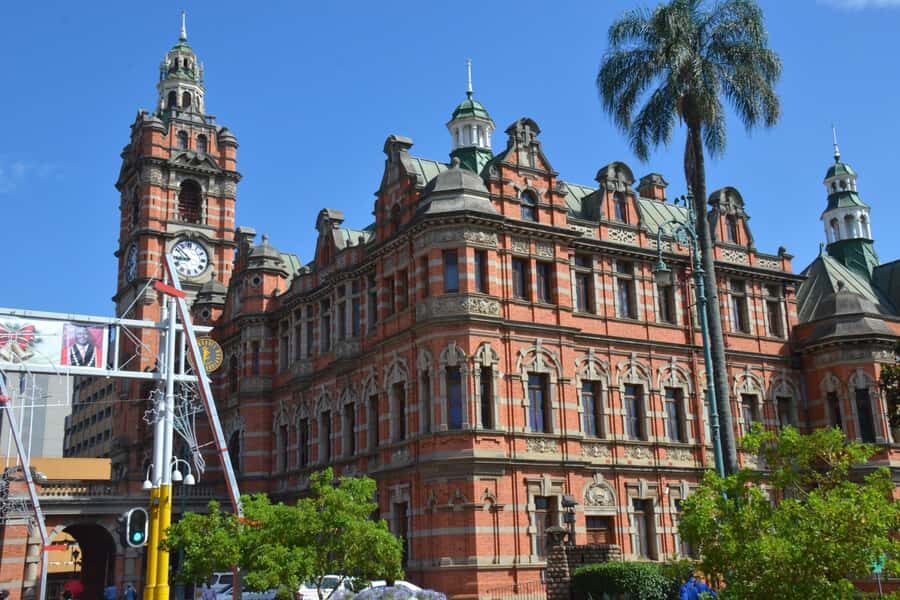
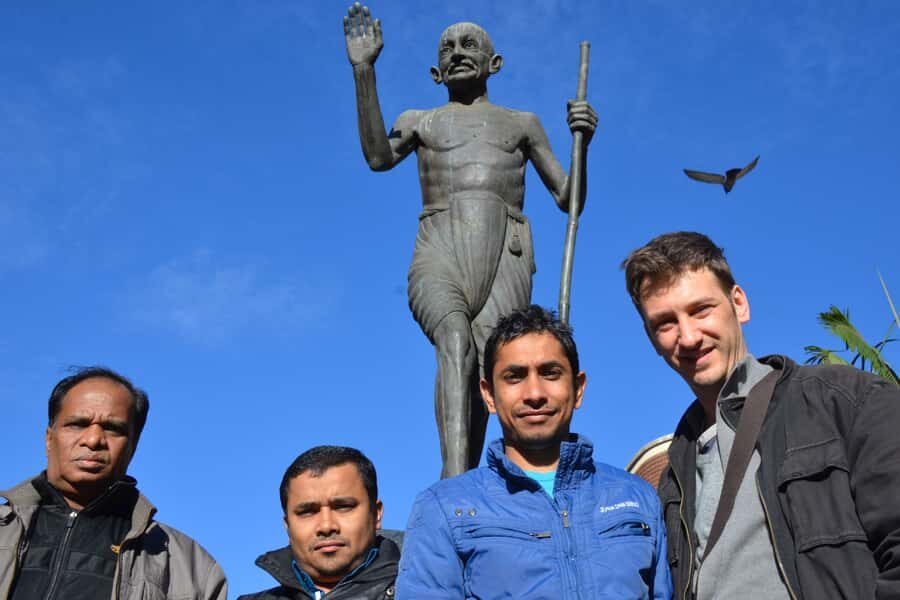
Before the mountains, the tour stops in Pietermaritzburg, the capital of KwaZulu-Natal. You’ll visit the City Hall, which is claimed to be the largest brick building in the southern hemisphere, and you’ll also see a Gandhi statue.
This part is short, but it sets the tone. It’s not a deep dive lecture; it’s more like a warm-up. If you like knowing what region you’re in before you leave the city behind, this stop helps. If you’re in a hurry, keep your expectations realistic: you’re here for a quick look, not a half-day city tour.
You can also read our reviews of more tours and experiences in Durban.
Kamberg Nature Reserve: the leisurely 60-minute walk to San paintings
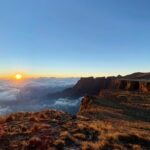
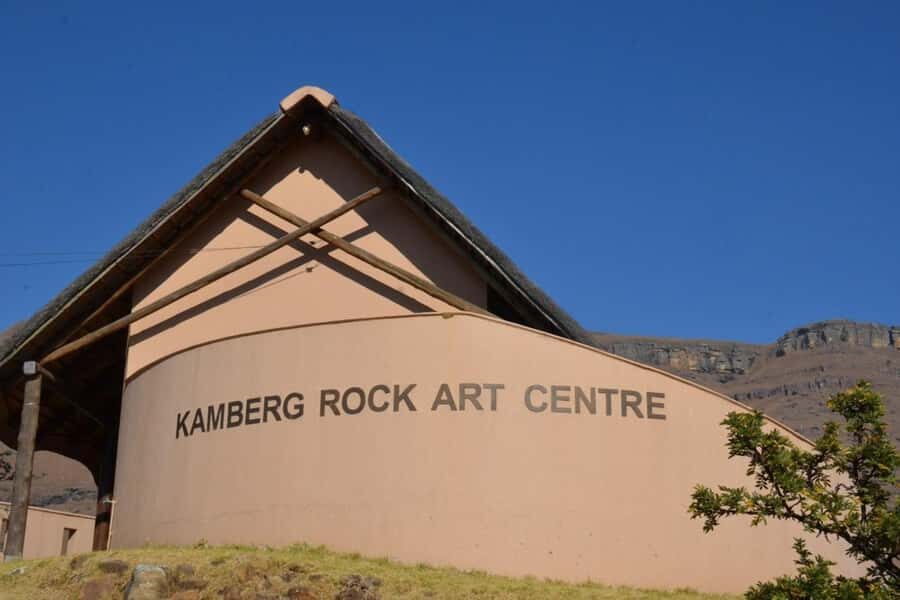
Your main experience happens at Kamberg Nature Reserve, part of the Maloti–Drakensberg Park World Heritage Site. The reserve was proclaimed in 1951 and covers about 6,300 hectares, which is a lot of room for walking and rock shelter hunting—human-made art, carved into a world of stone.
Here’s what matters for your comfort: the tour includes a leisurely 60-minute walk to the caves. Even if it’s described as leisurely, it’s still a hike up to cave shelters. Wear shoes with grip, and bring suitable clothing for mountain walking. If you’ve had knee or ankle issues, don’t assume you’ll “push through.” Tell your guide at the start.
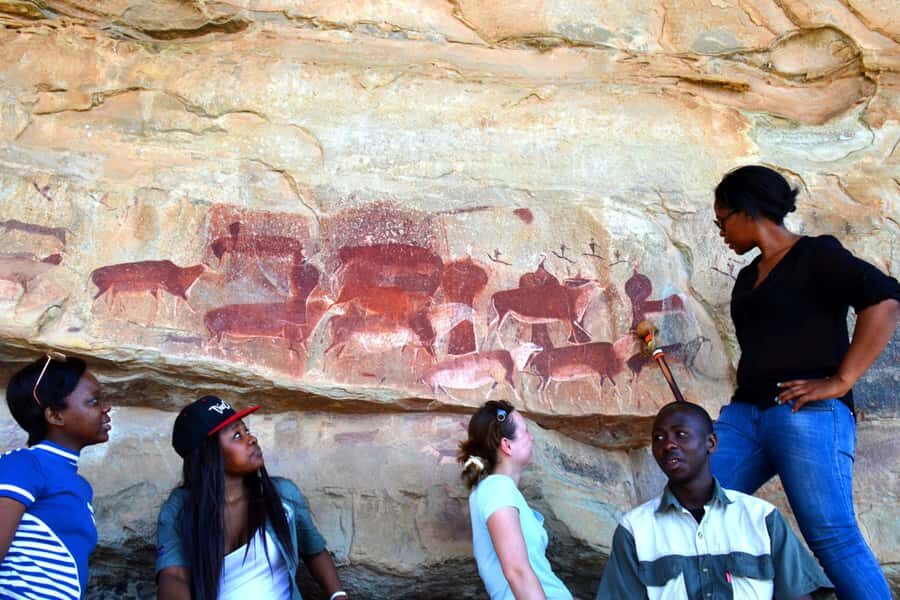
In the reserve you’ll see natural rock shelters that contain San rock paintings. These were created over at least 4,000 years, and the artwork is described as outstanding in both quality and variety. That time depth can feel abstract—until you’re standing in front of it and realizing this isn’t a modern reproduction. It’s evidence of long human presence and spiritual life in the region.
The guided cave-art visit: seeing meaning, not just pictures
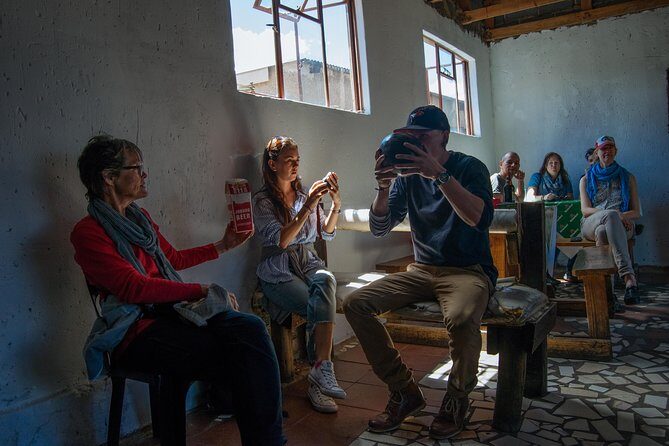
The cave-art part is guided, and that’s a big deal. Rock paintings can look like shapes until someone gives you a framework for what you’re seeing—story elements, style, and the kind of spiritual meaning people attached to them.
What I like about this portion is that it’s not just about the fact that the paintings exist. The focus is on what the art communicates: the spiritual life of the San people. The region’s San communities no longer live there, so the paintings work like a time capsule. You’re not only viewing art; you’re meeting a worldview that has been gone from the area for a long time.
You also get a nature-walk feel here, not a checklist museum vibe. The rock shelters are part of the environment, and the way you approach them—walking in, then turning your attention to the art—changes how you experience them. It’s slower and more physical, even though the walk is considered leisurely.
Howick Falls (KwaNogqaza): a 95-meter break in the day
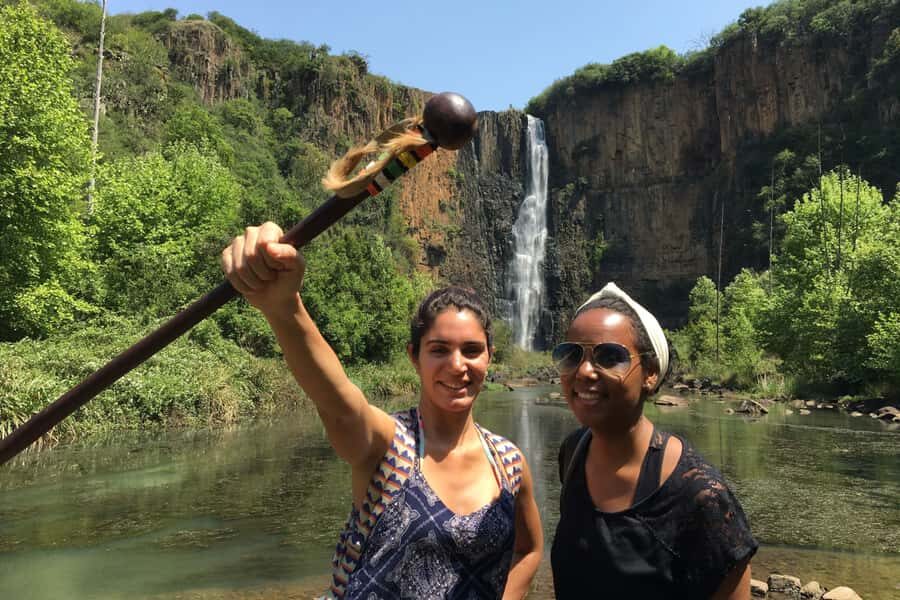
After the Drakensberg time, you head to Howick, where you’ll visit Howick Falls. The falls are about 95 meters high and they sit on the Umgeni River. The Zulu name is KwaNogqaza, which translates to Place of the Tall One.
This stop works because it’s a reset. You’ve spent time focused on small details—figures in rock shelters—then you get a big, loud reminder of scale. Even if you’re not a waterfall fanatic, it’s a memorable pause in a day that could otherwise run too tightly from one site to the next.
Give yourself a moment to just watch. Water does something that photos can’t: it forces you to pay attention.
Nelson Mandela Capture Site: steel columns that form a portrait
The final phase is history with a strong visual hook. At the Nelson Mandela Capture Site, you’ll see the Mandela statue and also visit the Apartheid Museum.
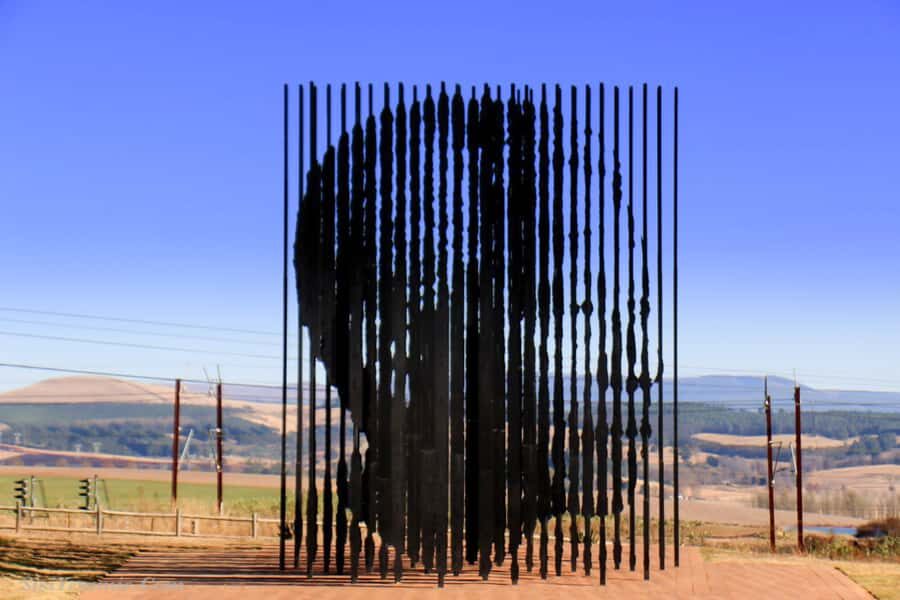
The statue experience is striking in its design. The sculpture uses 50 steel column constructions, each between 6.5m and 9.5m tall, set into the Midlands terrain. As you approach, a portrait of Mandela looking west comes into focus at about 35 meters. The vertical columns line up to create the illusion of a flat image.
This is one of those places where distance matters. You’ll understand it faster by letting yourself walk the approach path without rushing, because the effect depends on your position relative to the columns.
Then you shift into learning mode at the museum, which is dedicated to Mandela’s life and his struggle against Apartheid. I like that the sculpture gives you an emotional starting point, and the museum grounds it with context. It helps the story land.

Price and value: what $218 covers for a full-day route
At $218 per person for a 10-hour tour, the price isn’t “cheap,” but it also isn’t just you sitting on a bus. You’re paying for:
- A local guide through the main sites
- Entrance fees included
- Hotel pick-up and drop-off (for selected hotels) and port pick-up if needed
- Taxes and handling charges
What’s not included: food and drinks and personal expenses. That’s normal for day tours, but it’s the one cost you might forget when budgeting. Plan for a snack and water, and consider buying a meal rather than assuming you’ll be fed.
Value-wise, this day makes sense if you want three meaningful stops without stitching them together yourself. It’s also a good choice if you don’t want the logistical effort of finding reliable transport between Pietermaritzburg, the Drakensberg area, Howick Falls, and the Capture Site.
Guide quality and pacing: why Aaron’s approach matters
The guide can make or break a day like this, because you’re mixing walking, caves, and museum time. The experience gets high marks for staying helpful and attentive—especially when someone needs a slower pace.
One standout example from an earlier day: Aaron was described as informative and patient, including waiting so a guest could still complete the walk to the cave art after health issues and a bad knee. That kind of care matters on a tour like this. It’s not just about information; it’s about timing and comfort.
At the same time, you should know that “stuff happens” on active days. One unhappy account involved a plan adjustment and a rough situation around getting to the caves safely, with missed time and no satisfying resolution afterward. I can’t control that risk for you, but I can help you reduce it: if you have any injury, recent surgery, or mobility limits, tell your guide early. Also, take the walk seriously—good shoes and sensible clothing are your first line of safety.
A helpful mindset for this tour: treat it like a guided hike plus guided history. Not a sprint between landmarks.
What to pack (and what to skip)
This is a practical day. Pack like you’re walking in mountain terrain, then dress like you’ll be in a museum area afterward.
Bring
- Walking shoes with grip
- Suitable clothing and layers
- Any meds you might need, especially if you have knee or ankle concerns
- A water bottle and snacks since food and drinks aren’t included
Consider skipping
- Flip-flops or shoes with poor tread (the cave approach is where slips happen)
- Heavy bag loads that slow you down for the cave walk
If you’re camera-heavy, keep your hands free for the walk. In and around caves, you’ll appreciate not juggling everything.
Accessibility and language support: know what to ask up front
This tour is listed as wheelchair accessible, and it also notes that wheelchair users should inform the local partner prior to the start of the tour. If you need specific arrangements, do it early so expectations stay realistic about what parts of the day you can comfortably manage.
Language support includes English, French, Greek, and Portuguese. German and Polish can be requested. If your group has multiple languages, asking about guide language fit before you go is a smart move—nothing derails a day like missing key explanations.
Pickup is available at the Durban Harbour passenger terminal and at accommodations within a 5 kilometer radius of the Gooderson Tropicana Hotel area, with selected hotels included. If you’re not sure you qualify for pickup from your location, confirm before departure.
Who this tour fits best
You’ll like this day if you:
- Care about deep-time human stories—San rock art with at least 4,000 years behind it
- Enjoy a guided walking experience without needing a hard hike
- Want a strong “Mandela plus context” ending at the Capture Site and Apartheid Museum
- Prefer one organized day over independent logistics
You should think twice if:
- You can’t handle a 60-minute walk at mountain pace
- You’re traveling with an ankle/knee injury and haven’t had medical advice cleared for this kind of terrain
- You dislike long days with multiple stops (this is 10 hours, start to finish)
Should you book it
I’d book this tour if your priority is meaningful variety—San cave art, a major waterfall stop, and Mandela’s story—under one guide-led plan. The best part is the combination: you end your day with history that has modern weight, after spending time with art that reaches back thousands of years.
I’d also book it if you trust that your guide will meet you at your pace. The positive experiences highlight guides who pay attention, and that’s exactly what you want when the day includes walking to caves.
But I wouldn’t ignore the cave walk. If mobility is a concern, make your needs crystal clear before you go, and bring the right footwear. If conditions aren’t ideal, ask how they’ll handle the walk and timing on the day so you’re not surprised.
If you want a day that feels like you’re moving through meaning—ancient, natural, and political—this fits.
FAQ
How long is the Drakensberg Kamberg Cave Art & Mandela Capture Site Day Tour?
The tour duration is 10 hours.
What’s included in the price?
It includes a full-day tour, entrance fees, a local guide, hotel pick-up (selected hotels only), port pick-up and drop-off, and all taxes, fees, and handling charges.
Is food and drinks included?
No. Food and drinks are not included, and personal expenses are also not included.
Is there a walk to the caves?
Yes. The tour includes a leisurely 60-minute walk to the caves. Comfortable walking shoes and suitable clothing are recommended.
Where does pick-up happen?
Pick-up is available at Durban Harbour passenger terminal, and at hotels/accommodations within a 5-kilometer radius of the local supplier’s office at Gooderson Tropicana Hotel (South Beach, Durban). Pick-up is also available at selected hotels within that area.
What languages are the guides available in?
The live tour guide can be in English, French, Greek, or Portuguese. German and Polish can be requested.
Is the tour wheelchair accessible?
The tour is listed as wheelchair accessible. Wheelchair users should inform the local partner prior to the start of the tour for special arrangements.