REVIEW · PILANESBERG NATURE RESERVE
Evening Pilanesberg Safari Tour from Sun City
Book on GetYourGuide →Operated by MoAfrika Tours (Pty)Ltd · Bookable on GetYourGuide
Night safari makes the dark feel alive. This Pilanesberg Evening Safari is interesting because you get a practical pickup from Sun City and nearby lodges, then roll straight to Manyane Gate for an open-vehicle drive timed for animals at dusk. I like that it’s run by a guide with expert knowledge, so you’re not just looking at darkness—you’re learning how to spot what’s out there.
The main thing to think about is cost on top of the headline price. The Pilanesberg conservation fee is paid at the gate and depends on your residency, and the drive wraps up near sunset rather than lasting through the entire night.
In This Review
- Key highlights at a glance
- Sun City Pickup and the 16:00 Departure Rhythm
- Manyane Gate: Where Your Pilanesberg Safari Starts
- The 3-Hour Open-Vehicle Evening Drive (and Why It Works)
- Nocturnal Wildlife at Dusk: What You Might Spot
- Heading Back to Manyane Gate Before Full Darkness
- Price and Conservation Fees: Knowing the Real Value
- What’s Included, What’s Not, and What to Bring
- Who This Pilanesberg Evening Safari Suits Best
- Should You Book This Evening Pilanesberg Safari?
- FAQ
- What time is the pickup for the Evening Pilanesberg Safari?
- How long is the safari experience?
- How big is the group?
- What’s included in the tour price?
- Do I need to pay a fee at the park?
- Is the guide language English?
- Is this safari suitable for young children?
Key highlights at a glance
- Small group (10 people max) for a more focused safari experience
- 16:00 pickup from Manyane Resort area for a tidy late-day start
- Open-vehicle dusk drive when wildlife tends to move more actively
- Expert guide in English sharing wildlife, ecology, and animal behavior
- Conservation fee at the gate is separate from the tour price
Sun City Pickup and the 16:00 Departure Rhythm
This safari is built for people who don’t want a whole-day production. You start with pickup at 16:00 from the Manyane Resort area (and also options for Sun City and nearby hotels/lodges), then get transported toward Pilanesberg. The transfer is about 30 minutes, which keeps things moving without feeling rushed.
I like this timing because it matches what you’re trying to see. Late afternoon to early evening is when temperatures cool, and animals tend to become more active. It also gives you that window where the sky is still light enough to spot movement, but the day has shifted into “predator and prey both have places to be” mode.
One practical note: this is an evening outing, so you’ll want to be mentally ready for a darker start to the day. Bring patience for the gate-area transition and keep your camera accessible—when you do see something, you’ll want to react fast.
You can also read our reviews of more city tours in Pilanesberg Nature Reserve
Manyane Gate: Where Your Pilanesberg Safari Starts
You’ll be taken to Manyane Gate, the entrance to Pilanesberg National Park. From there, the safari portion kicks in. Even though the gate itself isn’t the exciting part, it matters because it’s where the timing becomes real: you’re entering the park at the shift between daylight viewing and dusk behavior.
Also, plan for the fact that the park has a conservation fee payable at the gate. The amounts differ by residency: R 500 international visitors, R 275 for SADC nationals, and R 168 for South African residents. You’ll want to have the right budget ready so you’re not scrambling mid-trip.
If you’re coming from Sun City, this route is convenient in a big-picture way. Instead of managing your own transport and timing, the tour handles the “get there” part, so you can focus on the viewing window.
The 3-Hour Open-Vehicle Evening Drive (and Why It Works)
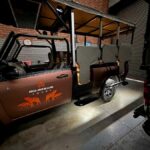
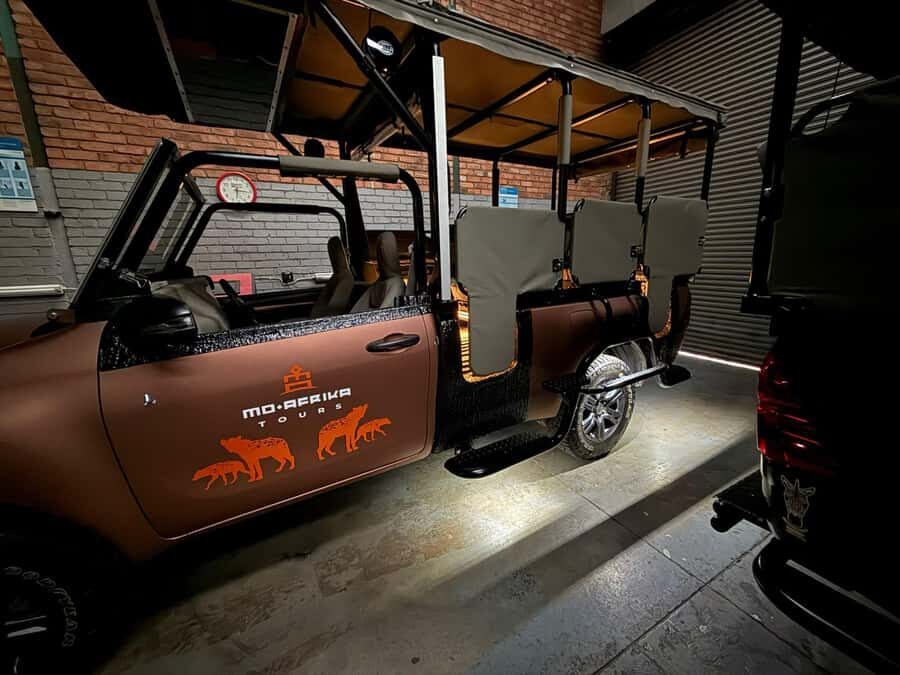
Once you’re in the park, you board an open safari vehicle for a guided game drive. This is the core of the experience: about 3 hours out on the reserve, led by a qualified guide. Open vehicles are a classic safari setup for a reason—you get better sightlines, less visual blocking, and a closer feel for the environment.
The late-afternoon/early-evening timing is doing a lot of work for you. As the sun drops, animals often change routines: feeding patterns shift, predators start hunting more actively, and many species become easier to track by movement rather than by location. Even if you’re not a hardcore wildlife person, you’ll notice that the guide’s focus becomes more specific as dusk lands.
What you’re paying for here isn’t just “a ride.” It’s the guide’s ability to explain what you’re seeing and why it’s happening. The guide shares wildlife, ecology, and animal behavior as you move through the park, so you get context instead of random spotting. In a short safari like this, that kind of interpretation can make the difference between seeing a few animals and understanding the bigger story.
Nocturnal Wildlife at Dusk: What You Might Spot
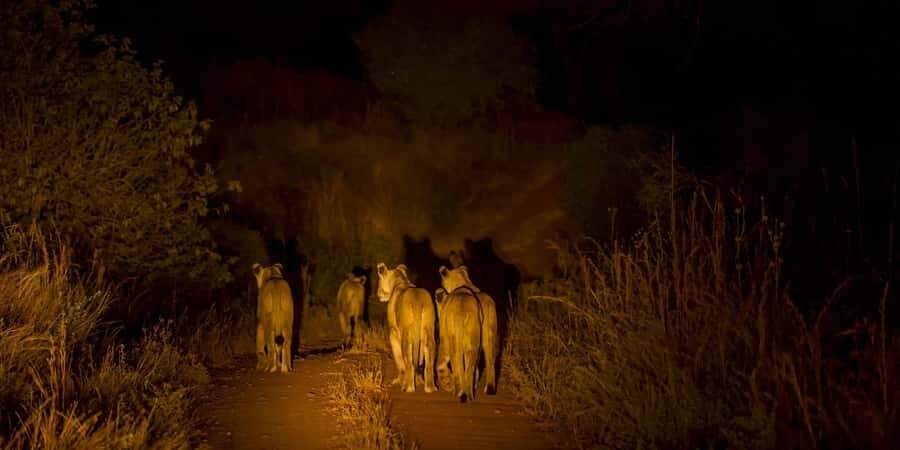
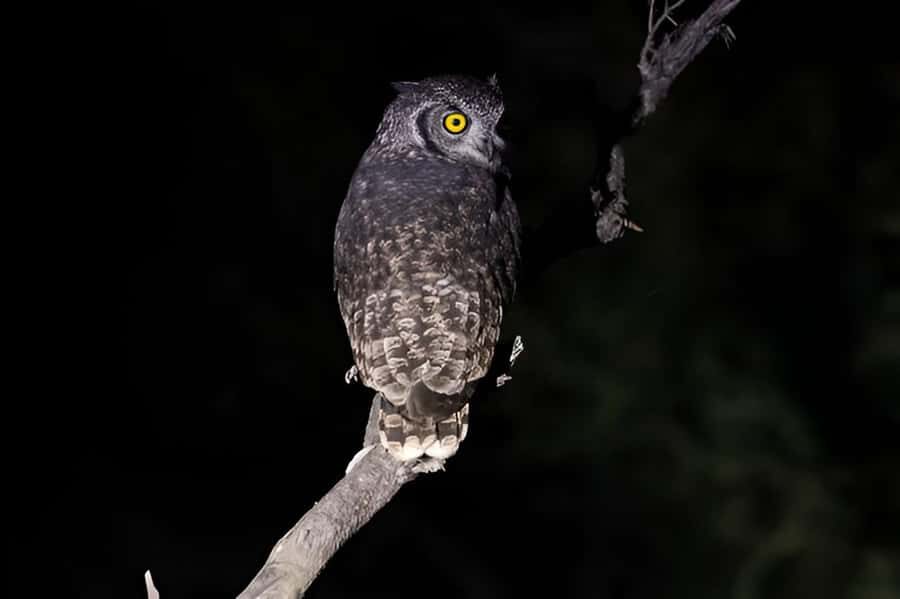
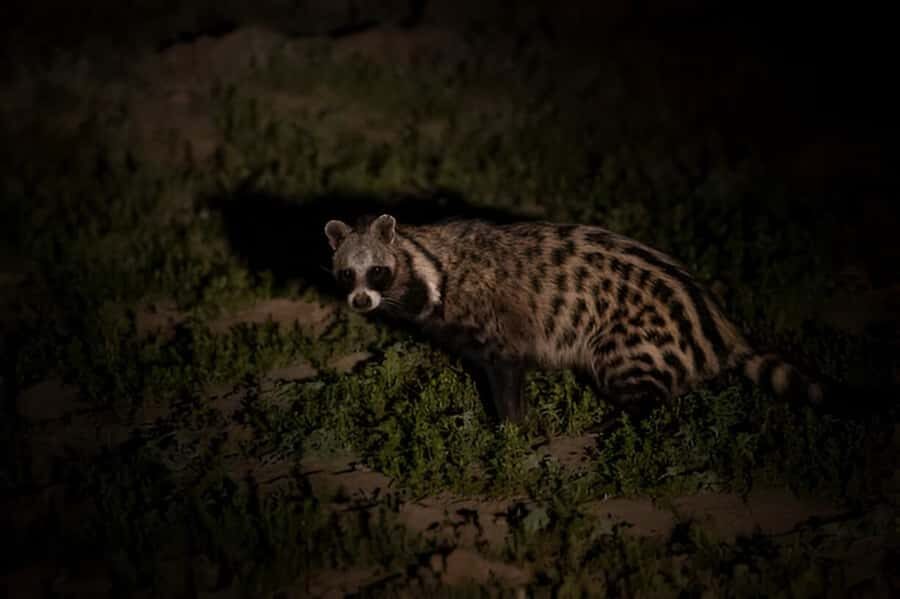
The safari is marketed around nocturnal wildlife, but the most important thing to understand is the exact viewing window. This drive happens during late afternoon and early evening, with the experience designed to capture dusk activity before things go fully dark.
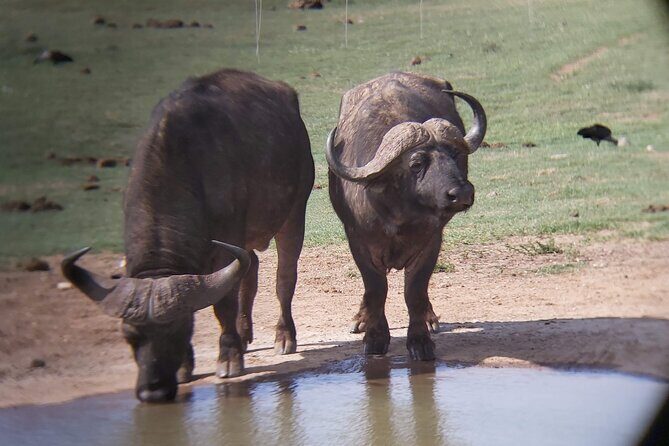
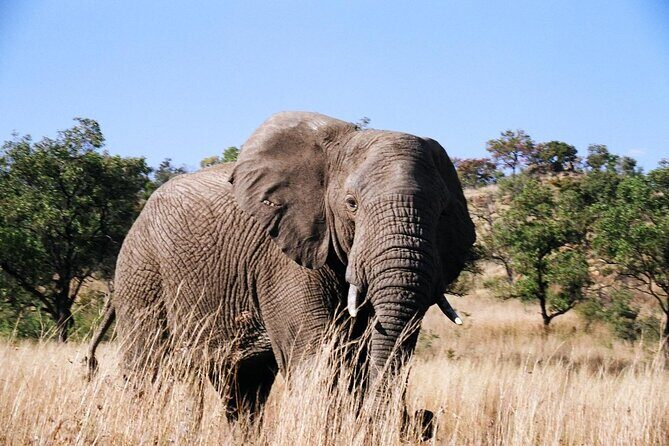
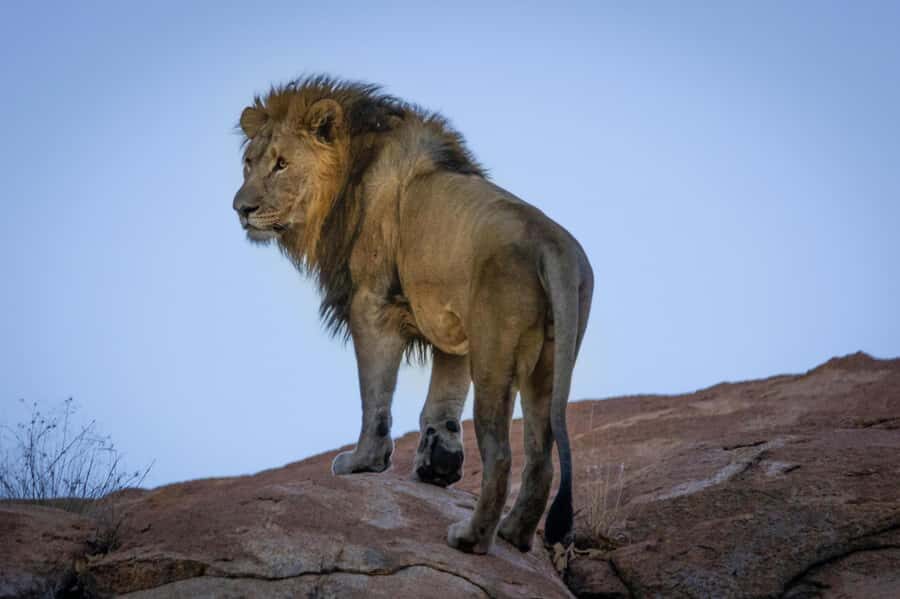
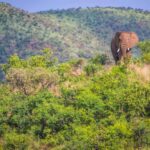
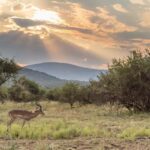
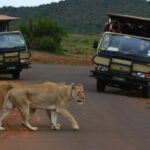
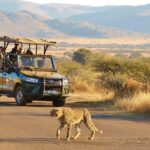
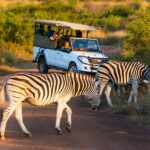
Depending on conditions and sightings, you may encounter elephants, rhinos, buffalo, antelope, and predators that are often active around dusk. That mix is exactly why Pilanesberg is so popular: it’s not a one-species show. Even on evenings when the highlights are smaller moments, you can still pick up behavior clues—how animals react to the light shift, how they move, and how predators time their hunts.
Here’s where your best strategy is simple:
- Keep your eyes on edges and routes, not just center-frame sighting
- Listen for the guide’s pattern: when they slow down, something usually matters
- Expect surprises, not a guaranteed checklist
Open-vehicle safaris can feel a little exposed, but that’s also part of the value. You’re closer to the action, and the light change can make every animal silhouette more dramatic. If you’re the type who enjoys learning how to read a landscape, you’ll get more out of this than if you only want big, obvious sightings.
Heading Back to Manyane Gate Before Full Darkness
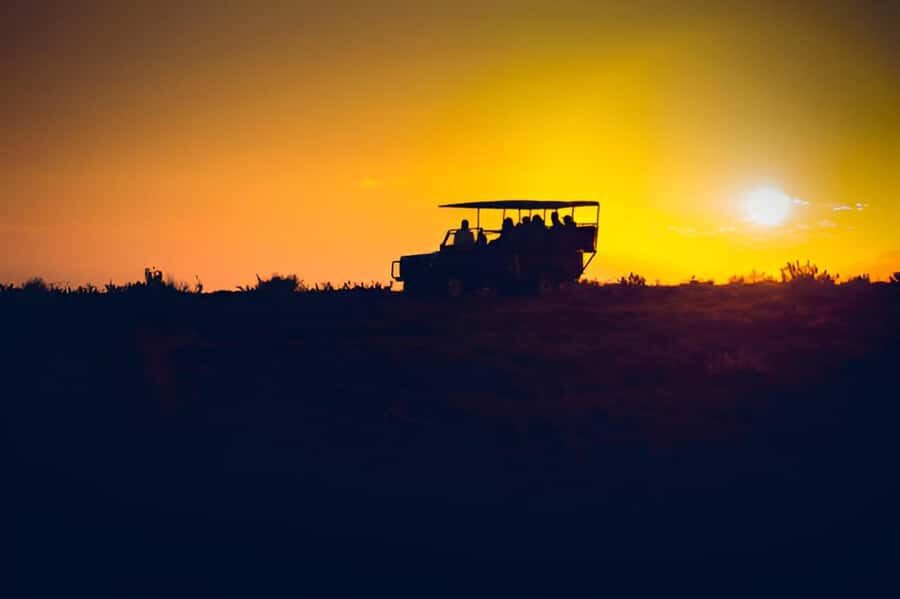
The drive ends near sunset and you return to Manyane Gate before full darkness. Then you transfer back to your lodge or hotel. The total experience is listed as about 4 hours, which keeps it friendly for an evening schedule and for people who prefer their adventures to end at a reasonable hour.
I like this structure for a few reasons. First, it protects the experience from turning into a slog. Second, it usually means you still have enough light to appreciate the scenery and feel confident about where you are as you leave. Lastly, if you’re using Sun City as your base, it’s a straightforward way to add a safari without disrupting your whole trip rhythm.
If you’re expecting an all-night hunt for nocturnal animals, this may feel shorter than you want. The tour is timed to dusk, not deep midnight. Still, for many first-time safari-goers, dusk viewing is one of the best balances of activity and visibility.
Price and Conservation Fees: Knowing the Real Value
The price is $59 per person for the tour itself, and it’s a fair figure for what’s included: pickup, an open-vehicle safari, a qualified guide, and the transport to and from the park. Add that it’s limited to 10 participants, and you’re getting a more personal experience than bigger group tours.
But here’s the part you should calculate before you book: the Pilanesberg National Park conservation fee is not included in the tour price. It’s payable at the gate and depends on where you live:
- R 500 for international visitors
- R 275 for SADC nationals
- R 168 for South African residents
So your real total is the tour price plus that gate fee (plus any personal purchases). If you’re comparing value with other safari options, make sure you’re comparing like with like—some tours bundle conservation fees; this one separates them.
Still, even with the extra fee, the cost often makes sense for visitors staying near Sun City. You’re not paying for your own vehicle, your own navigation, or extra time getting to the park. The tour packages the logistics so you spend your energy where it counts: on the viewing time.
What’s Included, What’s Not, and What to Bring
Included in the experience:
- Pickup from Sun City, Manyane Gate, or nearby hotels/lodges
- Open vehicle night safari (dusk-focused) in Pilanesberg
- Expert, qualified guide
- Park drive time of about 3 hours
Not included:
- Personal purchases
- Pilanesberg conservation fee (paid at the gate in rand)
About the timing: temperatures typically cool in the late day, and you’ll be out on an open vehicle during the transition into evening. That’s a hint to dress for the drop in temperature and keep layers handy. Also, since dusk can happen quickly, it helps to have your gear ready before the light changes.
One more practical consideration: the safari is in English and has a small group size. That can be a win for your experience quality, but it also means you’ll want to follow the guide’s instructions when they’re repositioning for sightings.
Who This Pilanesberg Evening Safari Suits Best
This is a great fit if you’re:
- Staying in or near Sun City
- Short on time but still want the thrill of a guided safari
- Interested in animals active around dusk
- Traveling with a preference for smaller groups (max 10)
It’s also a good option if you like learning while you look. The guide’s focus on wildlife, ecology, and animal behavior helps you connect sightings to context, which makes even “not-perfect” sightings feel worthwhile.
Age note: it’s not suitable for children under 4. If you’re traveling with little ones, check age requirements carefully before planning the day.
Should You Book This Evening Pilanesberg Safari?
Book this tour if you want a smart, time-efficient Pilanesberg introduction with open-vehicle dusk viewing and a small group plus an English-speaking expert guide. The pickup from Sun City and the 4-hour format make it easy to fit into a holiday schedule, and the dusk timing is exactly when many species become more active.
Skip or reconsider if you’re specifically hunting for a long, late-night safari after full darkness. This one is built around late afternoon and early evening, and it returns before it gets fully dark.
If your priority is value and a guided way to see Pilanesberg’s nocturnal-themed action without managing logistics, this is a solid choice. Just don’t forget to budget for the conservation fee at the gate.
FAQ
What time is the pickup for the Evening Pilanesberg Safari?
The pickup time listed for this option is 16:00, starting from Manyane Resort/Manyane Gate area.
How long is the safari experience?
The total experience duration is about 4 hours, including transport and the guided drive in the park.
How big is the group?
It’s a small group, limited to 10 participants.
What’s included in the tour price?
The tour includes pickup from Sun City/Manyane Gate or nearby hotels/lodges, an open vehicle safari drive, and an expert qualified guide.
Do I need to pay a fee at the park?
Yes. Pilanesberg National Park conservation fee is payable at the gate: R 500 (international visitors), R 275 (SADC nationals), or R 168 (South African residents).
Is the guide language English?
Yes, the live tour guide is English.
Is this safari suitable for young children?
No, it’s not suitable for children under 4 years.