REVIEW · ST LUCIA SOUTH AFRICA
From St Lucia: iSimangaliso Wetland Park Night Drive Safari
Book on GetYourGuide →Operated by Heritage Tours & Safaris · Bookable on GetYourGuide
This night drive is your best excuse to see wildlife after dark. In iSimangaliso Wetland Park, the animals you miss in daylight can suddenly get bold, especially with spotlights and an experienced guide. I like the focus on nocturnal mammals—bush babies and even aardvarks are on the game plan—but a cold, rainy night can cut down visibility.
What I also like is the rhythm of the 3-hour outing: scan, stop, and listen, instead of rushing. The small group size (up to 10) helps you actually hear what the guide is pointing out. One thing to consider: it’s a night safari, not a guarantee—if weather is rough, you may need patience for the best sightings.
In This Review
- Quick take: what matters most on this night drive
- Night driving at iSimangaliso: why after-dark sightings feel different
- Timing and the 3-hour plan: 7 PM or 8 PM, then into the dark
- Getting started: pickup from Abiel Publishing and settling in
- How the guide actually finds wildlife after dark
- Nocturnal mammals: bush babies and aardvarks on the hunt list
- The Big Five idea at night: realistic, exciting, and imperfect
- Water giants and close-up drama: crocodiles, hippos, and birdlife
- Moonlight, elephants, and the soundtrack of buffalo
- Night sky breaks: constellations while you wait
- What weather can change: rain, cold, and low light reality
- Price and value: is $46 worth a night drive?
- Who this night safari suits best
- Should you book the iSimangaliso Wetland Park Night Drive Safari?
- FAQ
- What time does the night drive start?
- How long is the iSimangaliso Wetland Park night safari?
- Where is the pickup point?
- How much does the safari cost?
- What group size should I expect?
- What language is the tour guide?
- Are spotlights used during the safari?
- What animals can you expect to see?
- Is conservation fees included in the price?
- Is free cancellation available?
- Is there a pay-later option?
Quick take: what matters most on this night drive
- Up to 10 people means more time for questions and better guidance in the dark
- Spotlights in the vehicle help you spot animals without blinding them or losing detail
- Target species are real night hunters like leopard, plus classic nocturnal mammals such as bush babies
- Water-loving wildlife odds are strong, with chances of crocodiles and hippos
- Guide-led scanning is the difference-maker—watching moving eyes beats guessing in the bushes
- You’ll get night-sky moments during the drive, not just animal scanning
Night driving at iSimangaliso: why after-dark sightings feel different
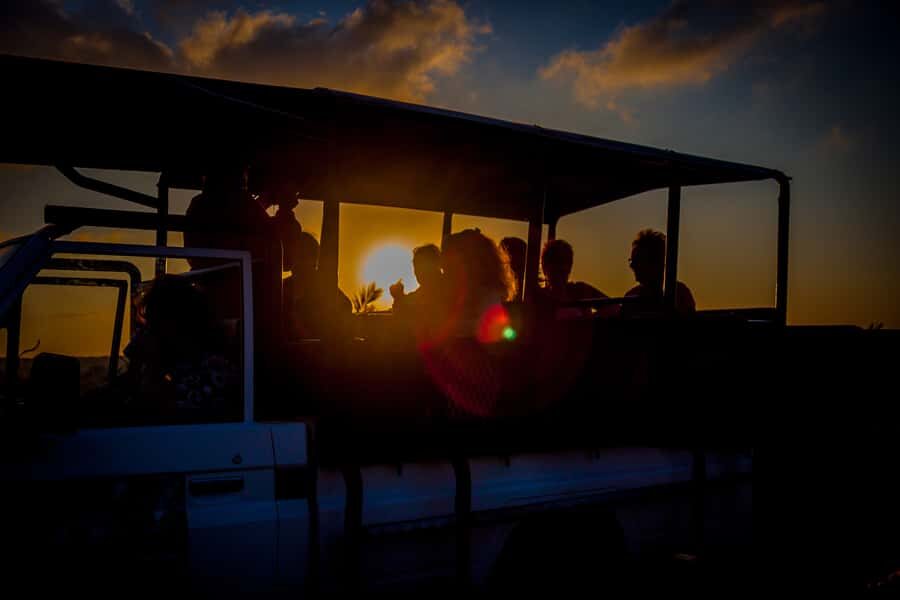
A daytime safari is like looking at the front door of nature. A night drive is more like hearing the house wake up—small movements become louder, and animals that hide all day start using the open space. iSimangaliso Wetland Park is the right place for that switch, because the habitat and waterways attract creatures that move when it’s cooler and quieter.
The best part for you is how the night changes what’s possible. With a guide working the route and vehicle spotlights doing the hard work, you’re not just hoping for random luck. You’re scanning with intention, and that’s what boosts your odds of seeing the less-obvious stuff—like bush babies perched where you’d never look in daylight.
And yes, you can still dream about the headliners. The tour specifically sets its sights on nocturnal big cats like leopard, and on the kind of animal energy you usually associate with early morning rather than late night.
You can also read our reviews of more evening experiences in St Lucia South Africa
Timing and the 3-hour plan: 7 PM or 8 PM, then into the dark
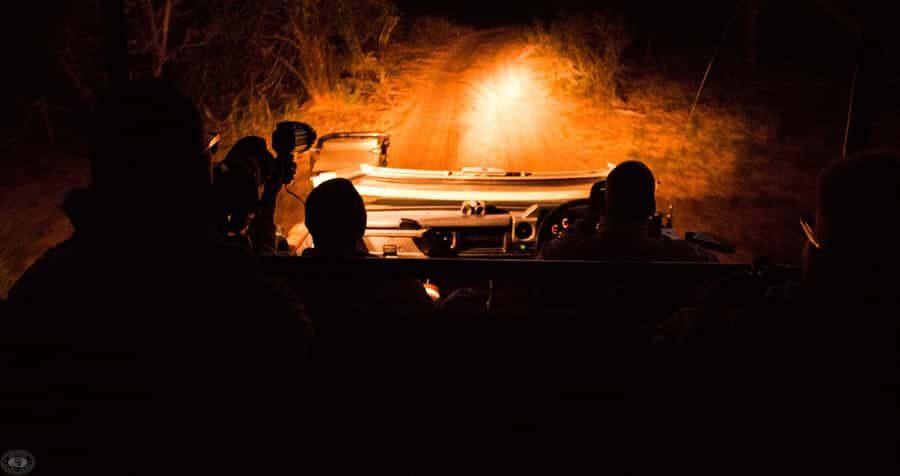
This safari runs for about 3 hours, starting either at 7:00 PM or 8:00 PM. That choice matters because light levels and animal activity can shift as the evening deepens. Earlier can mean a smoother entry into darkness; later can mean deeper night conditions where nocturnal mammals feel more active.
Pickup is tied to your accommodation, and it’s coordinated through Abiel Publishing as the pickup point. Once you’re loaded into the vehicle, you’ll spend the bulk of the time inside iSimangaliso Wetland Park, with the guide guiding the search along the best routes for night sightings.
For me, this length is a sweet spot. It’s long enough to get multiple chances—water edges, moving paths, and those brief pauses when something appears. It’s also short enough that you’re not exhausted by cold and low light before the action peaks.
Getting started: pickup from Abiel Publishing and settling in
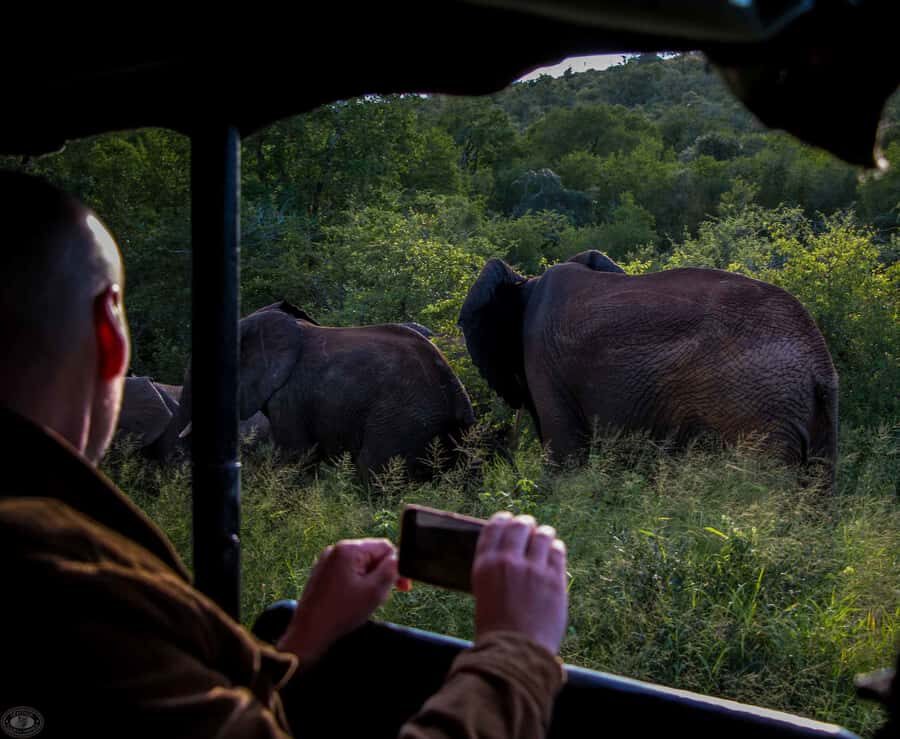
The tour experience begins with pickup from your accommodation and then connects with the departure point at Abiel Publishing. That matters because in a night drive, you don’t want delays. You want to be seated, ready, and scanning when the first signs of wildlife show up.
Once you’re in the vehicle, the setup is built for spotting after dark. The vehicles are fitted with spotlights, which lets the guide pick out eyeshine and silhouettes without having to rely on moonlight alone. You’ll notice how this changes your role too—you’re not staring into the dark hoping for a miracle. You can follow the guide’s scanning plan and react quickly when something moves.
With a small group (up to 10), you also get a less chaotic experience. In practice, that means fewer people blocking each other’s views and a better chance to hear what the guide says when the vehicle slows down.
How the guide actually finds wildlife after dark
Night safaris live or die on technique. The guide’s job isn’t just to drive through darkness—it’s to choose the moments when visibility, animal behavior, and safety line up.
Here’s what works on this kind of tour:
- Spotlights + careful stops: the guide can check the edges of paths and open areas where nocturnal animals cross.
- Reading movement, not just shapes: many creatures show first as eyeshine or a brief silhouette.
- Listening and timing: nocturnal animals often travel in bursts, so the guide tries to be there when they move.
The guiding quality is a big reason the reviews rate this experience so high. One guide name comes up clearly: Sakile. In a cold, rainy case, the tour still earned strong marks for explanation and effort to find animals, even when the conditions made it harder. That’s a realistic reminder: the guide can do everything right and still lose out to weather.
Your best move: keep your focus flexible. If you expect only one kind of sighting, you’ll miss the value of the “small wins” that often show up in the same drive—tiny animals you’d never clock at night unless someone points you toward them.
Nocturnal mammals: bush babies and aardvarks on the hunt list
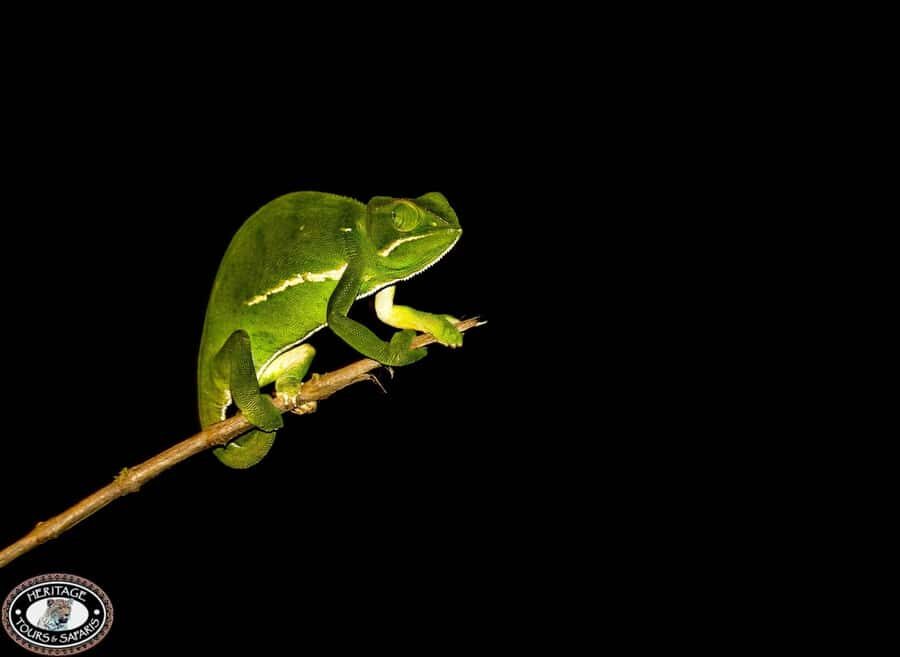
This tour leans into the nocturnal mammals that make night safaris special. Bush babies are often a highlight on these kinds of outings, and the chance to see them is one of the main reasons to book instead of choosing a standard daytime game drive.
Aardvarks are another target on the night list. They’re not the easiest animals in the world to spot, and that’s exactly why night drives can help. When the park shifts into nocturnal mode, you get different foraging patterns and different visibility.
What you should know before you go: you may see animals at a distance, then watch for movement that confirms it. You might also catch them briefly before they fade back into vegetation. That’s normal. The goal isn’t to stare at one spot for hours—it’s to catch the sequence: the first sign, the brief appearance, then the retreat.
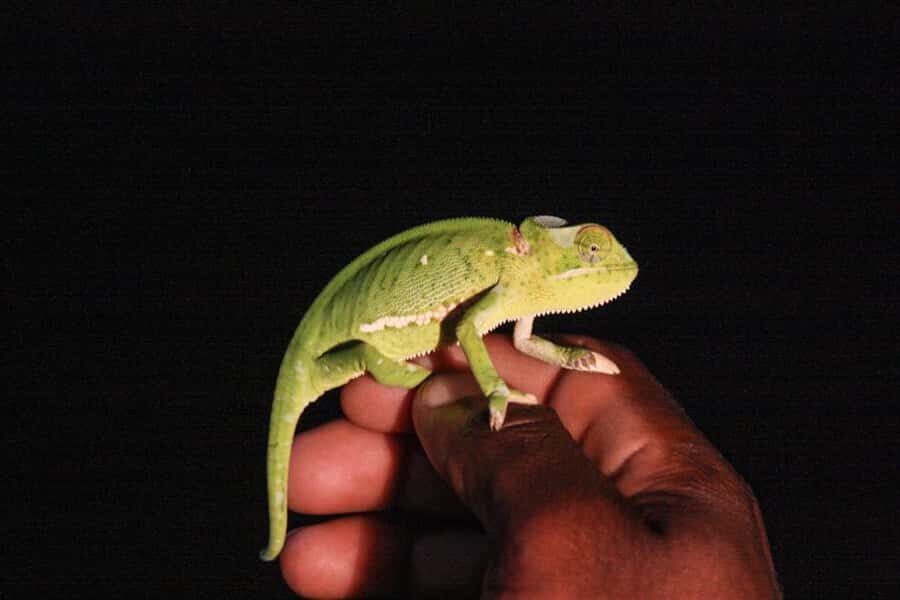
If you’re the type who loves nature details, this tour fits well. One thing that came through strongly in feedback is that the guide looks for the smaller, unusual creatures that people normally miss when they only scan casually.
A few more St Lucia South Africa tours and experiences worth a look
The Big Five idea at night: realistic, exciting, and imperfect
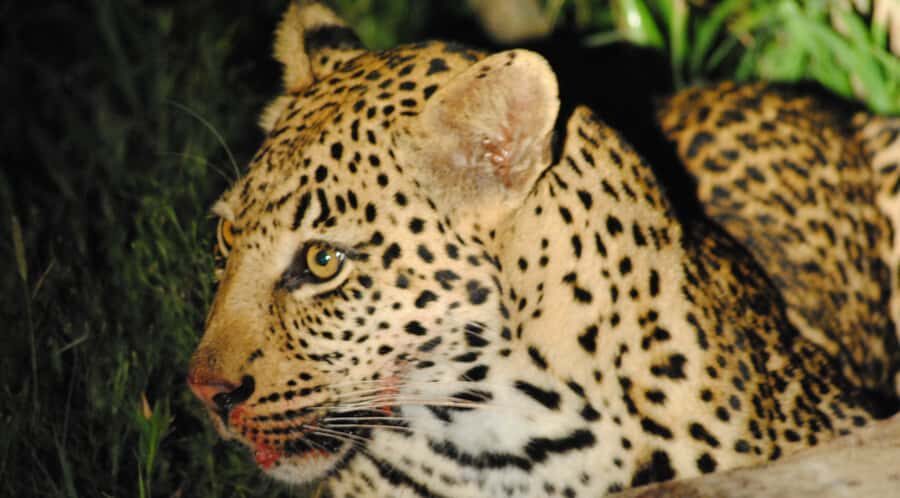
The tour highlights a shot at Africa’s Big Five game species at night, and the big temptation here is leopard. Leopard hunting at night is exactly the kind of behavior that makes a nocturnal safari feel like a different game.
Still, I’d keep expectations grounded. A night drive is more random than a daytime “predictable track” safari, because many animals don’t show themselves on schedule. You’re hunting for opportunities, not ordering certainty.
What can help you emotionally: even if the big cat doesn’t appear, you can still get an excellent experience. That’s because night drives often deliver other high-value sightings—water mammals, birds that look and sound different after dark, and the general “ecosystem at work” vibe.
One review story specifically stressed that their main goal was achieved through close crocodile and hippo sightings. That’s a good example of how the night can still pay off even when the leopard moment doesn’t happen.
Water giants and close-up drama: crocodiles, hippos, and birdlife
iSimangaliso Wetland Park is built for water-edge encounters. On the night drive, that can translate into some intense moments, especially if the route includes areas where crocodiles and hippos operate close to the shoreline.
One of the standout positive reports described seeing many crocodiles and hippos, including views that felt extremely close. That’s the kind of wildlife encounter that lingers because it’s not just “seeing an animal.” It’s seeing behavior—how it moves, how it stays still, how it watches.
Birds can also be part of the night drive experience, and feedback mentioned a large weaver colony, fish eagle sightings, and lots of herons. Even if birds aren’t the first thing you think of at night, wetlands can still offer surprises once you’re in the right place and the guide is scanning properly.
So if you’re thinking this is only about mammals: it’s not. You may get a mix of water wildlife and winged watchers, depending on what the guide finds on your specific drive.
Moonlight, elephants, and the soundtrack of buffalo
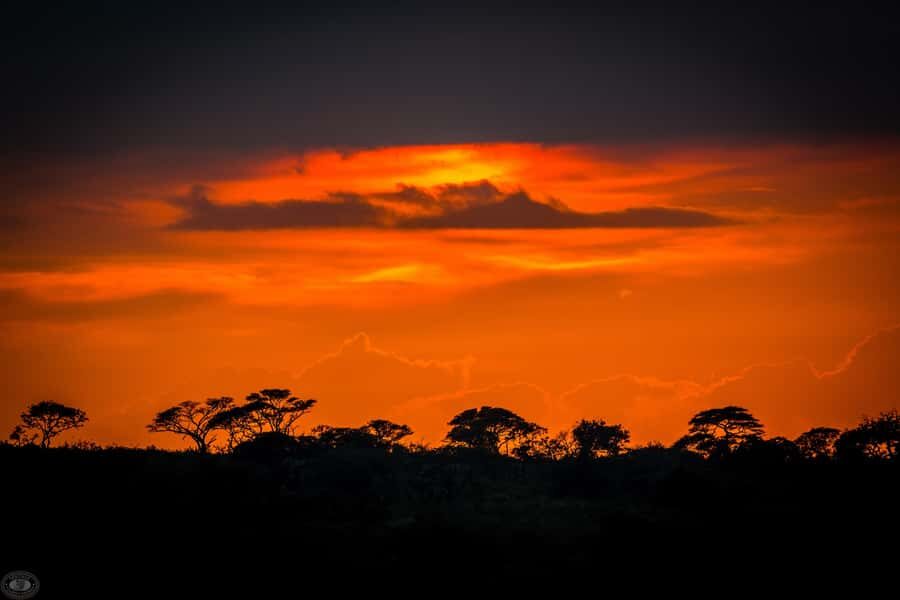
Night safaris create a different kind of thrill: sound and timing. You might not always see an animal the second you hear it. Sometimes you first catch the vibe—footsteps, breathing, a shift in the dark—then the spotlight reveals the source.
The tour plan explicitly points toward possible elephant sightings under moonlight glow, or the chance to hear buffalo hooves pounding across the plains at night. That’s one of the reasons to take a night drive seriously even when sightings are scattered: the audio cues can be as memorable as the visuals.
When you hear big animals moving, don’t rush to look everywhere at once. Let the guide’s spotlight sweep guide your eyes. That keeps you from missing the moment the animal actually appears.
Night sky breaks: constellations while you wait
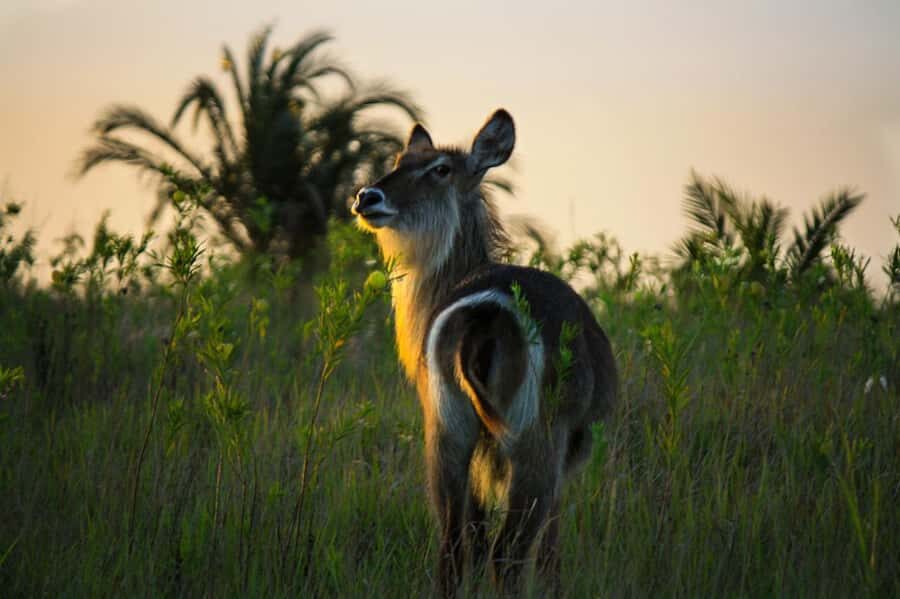
Wildlife spotting often comes with waiting. The good news is that this tour doesn’t waste those pauses. You can gaze at the night sky and note constellations during the drive.
This sounds simple, but it adds up. When you’re out after dark, the sky becomes its own form of travel—especially if you’ve been thinking mainly about animals all day. It turns the long seconds between sightings into something you can enjoy instead of endure.
Also, night sky moments can help you reset. If the animals aren’t showing up yet, you can look up, breathe, and come back focused when the guide calls attention again.
What weather can change: rain, cold, and low light reality
There’s one practical drawback to plan for: rain and cold can make night safaris harder. In a recent experience, rain and cold were called out directly, along with the feeling that you had to try harder to see much.
Here’s the honest takeaway: your odds aren’t only about luck or the guide’s skill. Weather affects visibility, animal movement, and comfort. Cold also makes you move less, and your spotting becomes less relaxed.
If the forecast looks rough, dress like you mean it. Bring warm layers, and wear something that keeps your legs covered and comfortable while you scan. You’ll appreciate it even if the animals show up quickly, and you’ll need it if they don’t.
Price and value: is $46 worth a night drive?
At $46 per person for a 3-hour guided night drive, this is positioned as a solid value option—especially because conservation fees and hotel pickup and drop-off are included. Those details matter because they remove the “hidden costs” feeling that sometimes happens with tours.
You’re paying for three things that are hard to replicate on your own:
- The ability to drive and search in the right way at night (not just go somewhere in the dark)
- Expert guide scanning and explanations (what to look for, where to look, what you’re seeing)
- Vehicle spotlights and access to the park for this type of outing
Is it a bargain? If you want night wildlife and you don’t want the hassle of planning a nighttime route yourself, yes—this price feels fair. If you only want day animals, or you’re expecting guaranteed leopard-on-demand, then your money might be better spent elsewhere.
Who this night safari suits best
This tour is a great fit if you:
- Want a night-first experience rather than repeating a daytime route
- Love nocturnal animals like bush babies and aardvarks
- Enjoy guided wildlife explanations instead of just driving slowly and guessing
- Prefer smaller groups (up to 10) for a calmer, more focused ride
It’s also a strong choice for people who enjoy wetlands as a travel theme. If you’re the type who appreciates crocodiles, hippos, and birds around water edges, the park’s night character will feel rewarding.
If you’re traveling with kids, it can work well as long as everyone is prepared for cold and waiting. The best nights tend to have frequent stops and short “spotting bursts,” which keep attention from fading.
Should you book the iSimangaliso Wetland Park Night Drive Safari?
Book it if you want a genuinely different wildlife mood—one where nocturnal mammals can actually be part of your story. The combination of spotlight-assisted scanning, a guide who actively searches, and a 3-hour window inside the park is a strong setup for the money.
Skip it or reconsider if you’re easily turned off by cold weather and low light, or if you only care about the single big-cat moment. A night drive is exciting, but it’s also honest about what nature can deliver on a given evening.
If you do book, go in ready: dress warm, keep expectations open, and trust the guide’s rhythm. When the spotlight lands on eyeshine, you’ll understand why this is such a popular way to experience iSimangaliso after dark.
FAQ
What time does the night drive start?
Pickup happens around 7:00 PM or 8:00 PM, depending on the selected starting time.
How long is the iSimangaliso Wetland Park night safari?
The duration is about 3 hours.
Where is the pickup point?
The pickup point is Abiel Publishing, with hotel pickup and drop-off included.
How much does the safari cost?
It costs $46 per person.
What group size should I expect?
It’s limited to a small group of up to 10 participants.
What language is the tour guide?
The live tour guide is provided in English.
Are spotlights used during the safari?
Yes. The vehicles are fitted with spotlights to help you view animals at night.
What animals can you expect to see?
You’ll be looking for nocturnal species such as bush babies and aardvarks, and there’s also a chance of nocturnal big cats like leopard. The park may also show other wildlife depending on the night.
Is conservation fees included in the price?
Yes, all conservation fees are included.
Is free cancellation available?
Yes. You can cancel up to 24 hours in advance for a full refund.
Is there a pay-later option?
Yes. You can reserve now and pay later.