REVIEW · ST LUCIA SOUTH AFRICA
St Lucia: Hippo and Crocodile Cruise on a 15-Seat Vessel
Book on GetYourGuide →Operated by Shoreline boat cruises · Bookable on GetYourGuide
A small boat and a lot of hippos. That’s the core thrill of the St Lucia Hippo and Crocodile Cruise, a 2-hour wildlife ride through the St Lucia Estuary. You cruise past busy hippo feeding areas and you also get bird-spotting time in iSimangaliso Wetland Park territory, with skippers and guides calling out what’s going on.
What I like most is the close-up nature of the 15-seat vessel. From the waterline you get a better chance of seeing real behavior instead of distant silhouettes, and people regularly spot multiple hippo groups in one outing. I also love the way the guides break down the ecosystem so you leave knowing why the animals are where they are, with names like Thobile, Brandon, and Mr Brown mentioned in guest feedback.
One heads-up: crocodiles can be hit-or-miss because they hide along the banks and in grass, and sometimes you’ll come back with a heavy hippo and bird day instead of guaranteed croc sightings. Weather can add drizzle too, so pack for cool, damp minutes on the water.
In This Review
- Key highlights I’d plan around
- Why Lake St Lucia is a Hippo Magnet (and what you’ll actually see)
- Boarding at Siyabonga Jetty: How to plan your 2-hour cruise
- The 15-seat boat reality: sightlines, comfort, and photo strategy
- The hippo viewing part: how the cruise creates close encounters
- Crocodiles and bird life: the “bonus wildlife” factor
- Guides and skippers: why the talk makes the wildlife easier to spot
- Price and value: is $23 for 2 hours actually worth it?
- Who should book this St Lucia hippo and crocodile cruise?
- Should you book it? My practical take
- FAQ
- Where do I meet for the cruise?
- How long is the hippo and crocodile cruise?
- What should I bring?
- Is food and drinks included?
- Are crocodiles guaranteed?
- What happens if weather is bad?
Key highlights I’d plan around
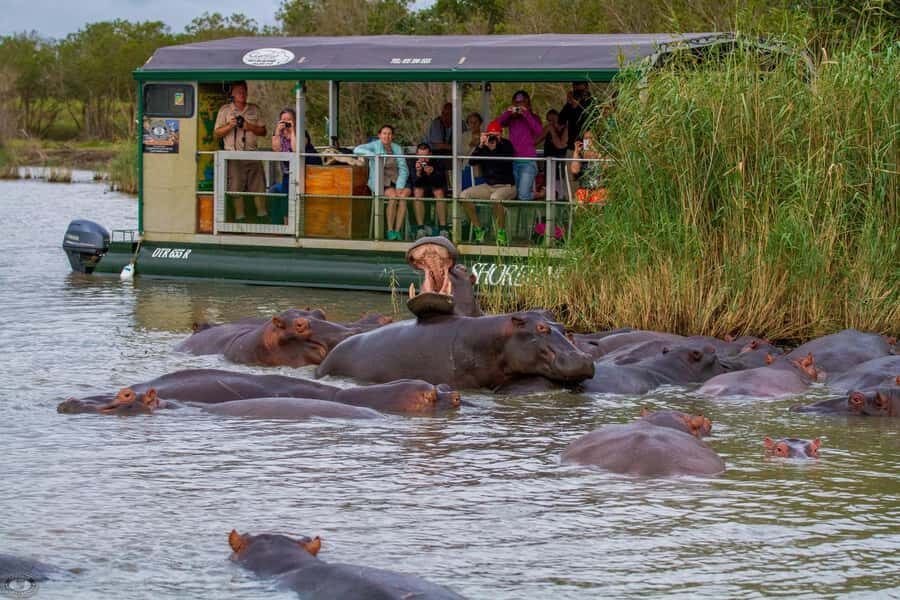
- Close hippo viewing on a small boat that keeps you near the action on the estuary
- St Lucia Estuary wildlife density, with frequent sightings of several hippo groups
- Bird life spotting while you cruise, not just a quick scan from one viewpoint
- Nile crocodiles are possible but not guaranteed, since they can stay camouflaged
- Skipper and guide narration that helps you read what you’re seeing
- A comfortable roof for light rain, plus practical time on the water for photos
Why Lake St Lucia is a Hippo Magnet (and what you’ll actually see)
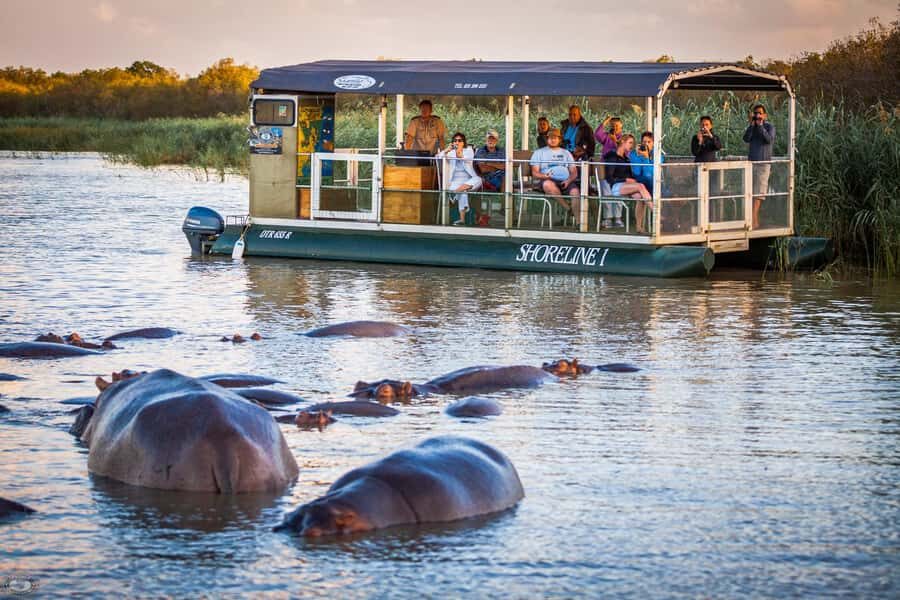
Lake St Lucia is famous for a simple reason: the estuary is a food-and-shelter highway for wildlife. The cruise runs through one of Africa’s largest estuarine systems, where water, reeds, and open channels create clear “zones” for different animals. That’s why you’re not just looking at a postcard; you’re moving through a living habitat.
Your main stars are hippos, with the area described as holding the largest population of hippos in South Africa. On this kind of cruise, that matters because you can often see more than one hippo group. Think: pods (families) that behave like units—resting, browsing, and moving between feeding and safety zones—so the ride feels active even when the hippos are mostly floating.
You’re also in the neighborhood of Nile crocodiles. The important thing is how they behave: they often stay low in the grass at the shoreline and in reed edges, which can make them harder to pick up than hippos. If you’re going expecting a crocodile every time, you’ll want to adjust your mindset. If you’re okay with surprise sightings, you’ll probably enjoy the day more.
And then there’s the birds. Guests consistently mention strong bird moments along the estuary—everything from big raptors to smaller species in the trees and reed beds. Even when the animal sightings follow the “hippos first” pattern, the birding adds variety and keeps the cruise from feeling repetitive.
You can also read our reviews of more tours and experiences in St Lucia South Africa.
Boarding at Siyabonga Jetty: How to plan your 2-hour cruise
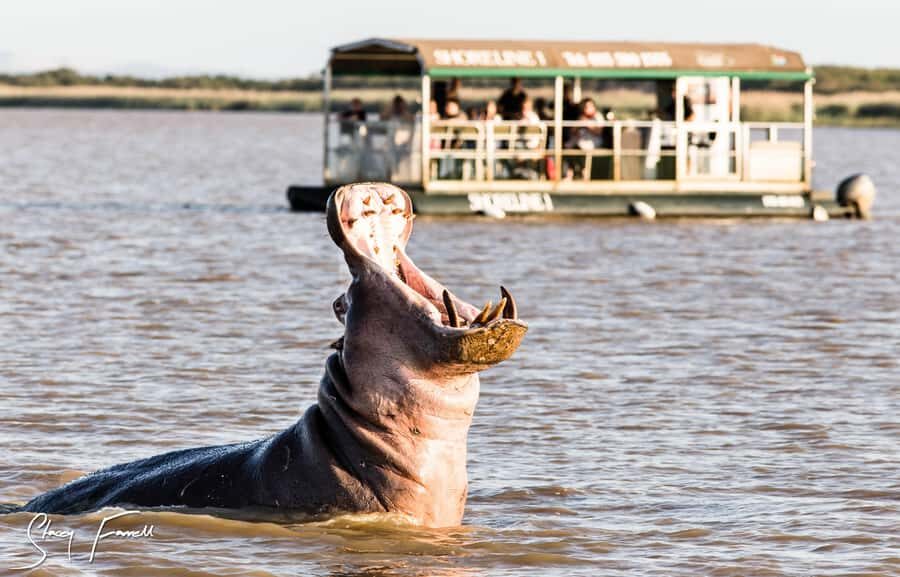
The cruise departs from Siyabonga Jetty (St Lucia). Arrive about 15 minutes early so you’re not rushing your parking-to-boarding transition. The jetty is described as being just before the bridge, on the left as you enter St Lucia, with plenty of parking on either side of the road. One practical bonus from guest feedback: parking is covered, which helps keep your car cooler if you’ve driven in warm weather.
Once you’re at the water, the whole experience stays refreshingly simple. You don’t need to bring hiking shoes or study wildlife for days. This is about getting onto the estuary quickly, then letting the skipper put you in the right areas for what’s active.
The total time is about 2 hours. That’s long enough for multiple sighting “windows,” but short enough that you can still do other St Lucia activities the same day—boat rides, beach time, or a drive to nearby viewpoints. If you’re building a tight itinerary, this is a smart length.
The 15-seat boat reality: sightlines, comfort, and photo strategy
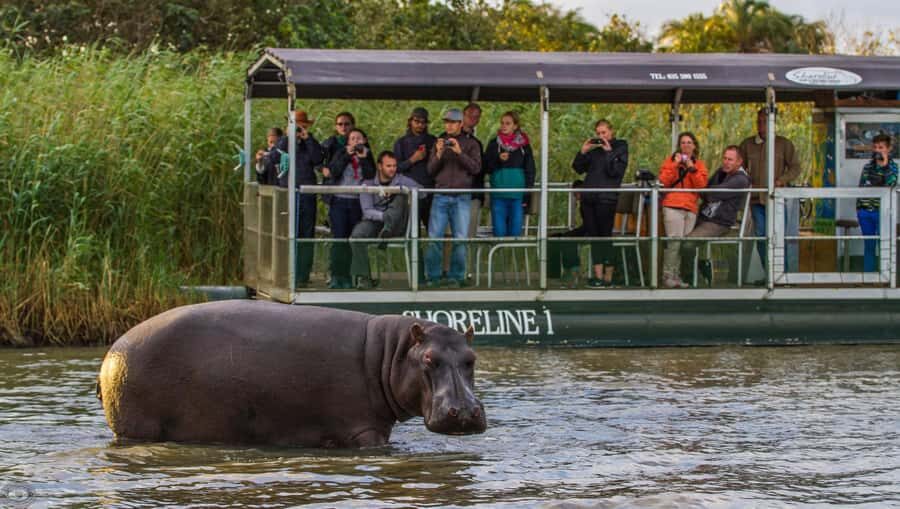
This cruise runs on an exclusive 15-seat vessel. Small group size matters. With more space per person, it’s easier to reposition your seat angle toward the waterline where hippos and crocodiles tend to appear. Guests also note that the boat sits close to the water, which improves your chances of seeing details—snouts, eye position, ear flicks—rather than just “big shapes in the distance.”
Comfort is generally good. There’s a roof, and that helps when you get light drizzle. Still, pack a jacket. Several people mention weather that wasn’t perfect, and even with the roof you’ll feel cool wind during movement and when you’re waiting for an animal to surface.
Here’s a photo tip you’ll actually appreciate: there’s a mention that the boat doesn’t have an upper viewing level. That means if a hippo stays on land beyond reeds, you might miss the best angle compared with boats that sit higher. The good news is hippos and crocodiles usually show up where the water meets the shoreline vegetation—so with the right spotting, you’ll still get good chances from your seat.
If you want the best odds of active hippos, one guest recommendation is to do the cruise later in the day. The logic is simple: animal activity often rises as light and temperatures shift, and that can change what you see during your 2 hours.
The hippo viewing part: how the cruise creates close encounters
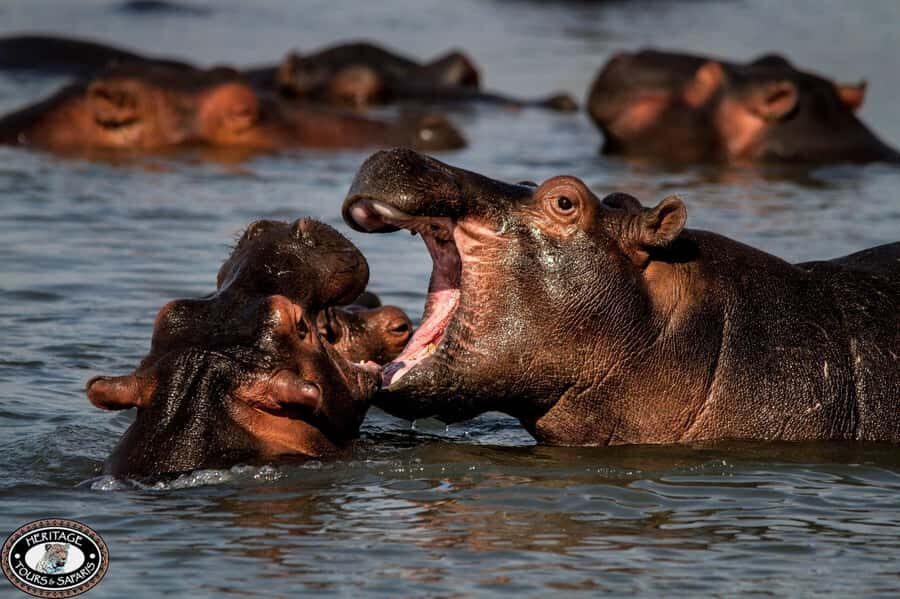
The cruise is designed around hippo contact. In plain terms, your best viewing happens when the boat slows or positions near areas where hippos are feeding, resting, or moving between water and shore. Because hippos live in groups here, you’re often not waiting for a single animal to appear—you’re looking at several groups during the trip.
In guest feedback, the pattern repeats: lots of hippos, sometimes multiple families, and often pretty close views. People describe hippos being in the water close enough for clear eye-and-skin detail, plus moments of animals gathering in groups. One guest even mentions seeing a mummy and baby hippo near the banks, which gives you that rare “family behavior” feeling instead of only seeing adults floating.
What to watch for, so you don’t miss the best moments:
- Hippos often move in short bursts: surface, breathe, then settle again.
- Look for changes around reed edges—movement there can lead to a quick reveal.
- When you see one pod active, nearby pods may shift too, since the estuary creates shared feeding pathways.
And since the guides and skippers talk during the cruise, you’ll get context for what you’re seeing. Guests mention lots of questions answered, and facts about hippo behavior and bird nesting habits. That kind of commentary makes your viewing time feel more like a living lesson than a wildlife drive.
Crocodiles and bird life: the “bonus wildlife” factor
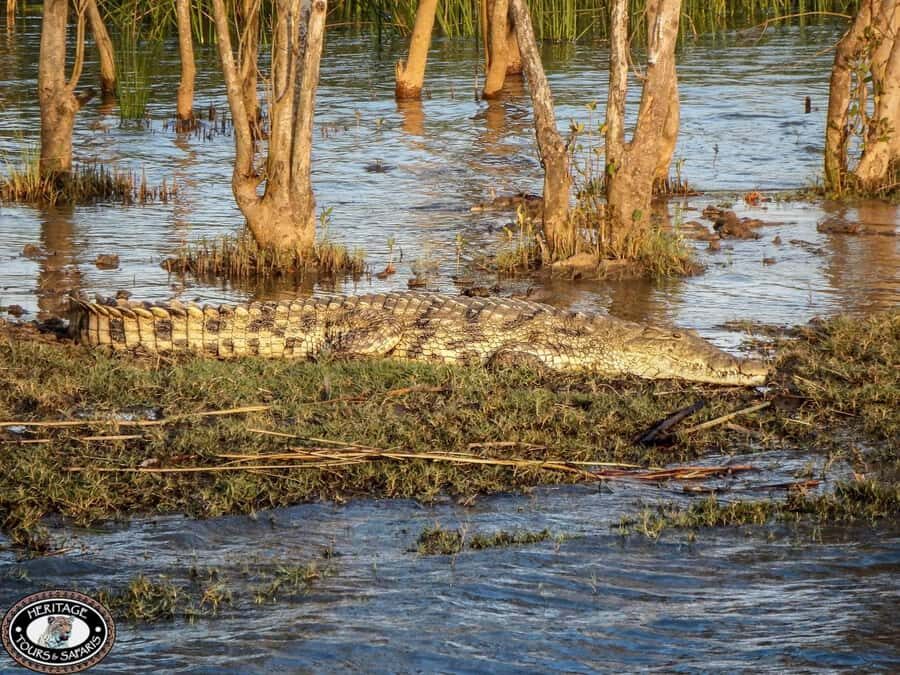
Crocodile sightings are the wild card. Some days you get them clearly. Other days they stay tucked in vegetation and you only catch brief glimpses. Guests describe Nile crocodiles as elusive, and that matches how crocodiles operate in calm, reed-heavy shorelines.
When crocodiles do appear, they can be dramatic. One account mentions crocodiles gathered around a carcass, which is the kind of scene that suddenly makes the ecosystem feel very real. Another guest reports a crocodile sighting during better conditions, while several mention no crocs on the day and still rate the cruise highly because the hippo density was strong.
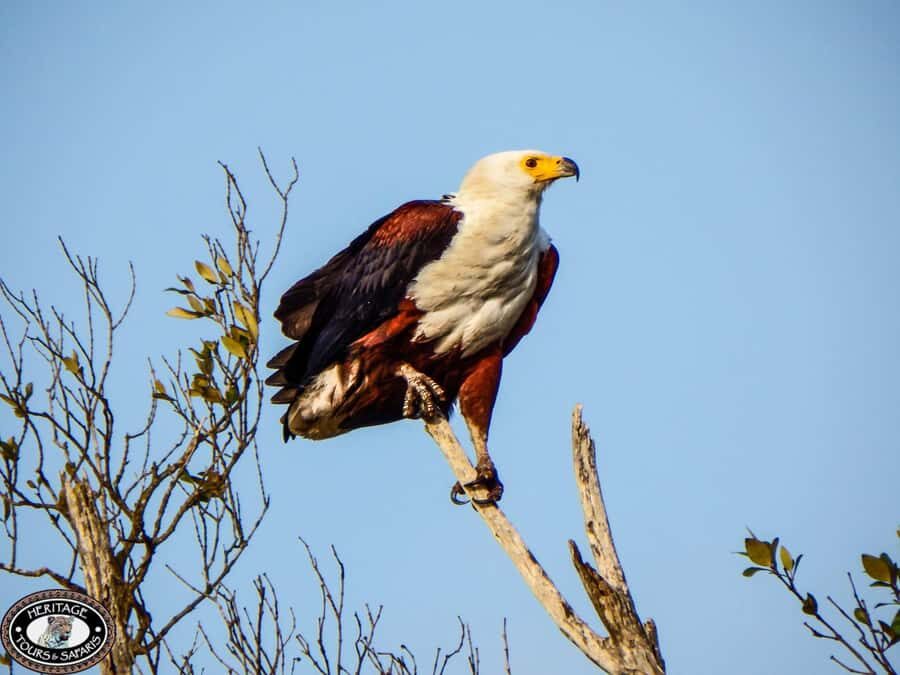
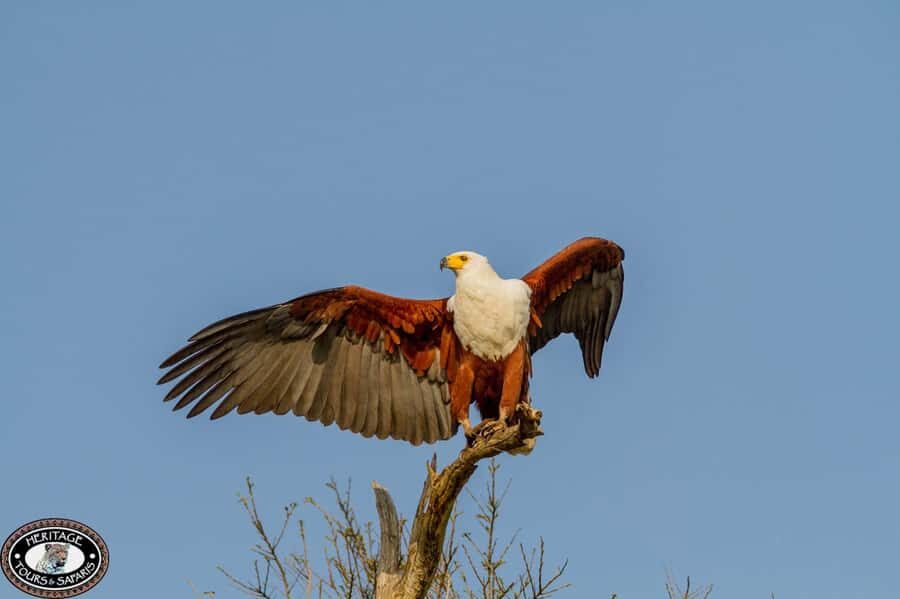
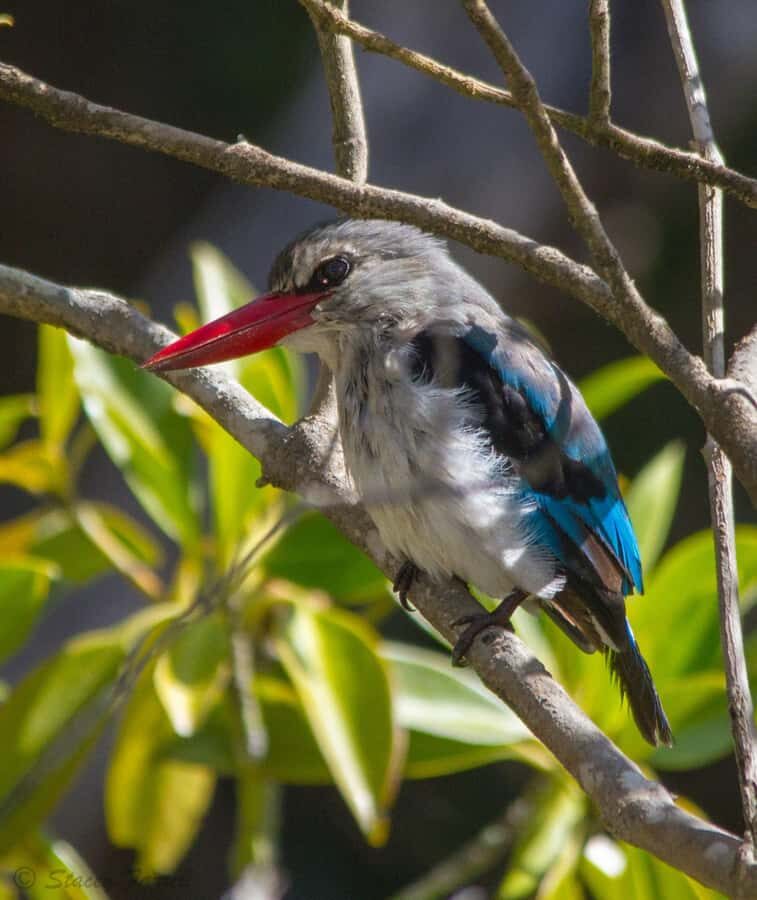
Bird life is the dependable supporting act. You might spot raptors like fish eagles, plus other species that use the estuary edges for hunting and nesting. People also mention smaller surprises, such as a swimming iguana sighting in one outing. Those “nature bonus” moments are part of why you don’t want to treat a 2-hour cruise as too short to matter.
For bird lovers, the biggest advantage is that bird spotting doesn’t depend on you walking. You’re cruising slowly enough for the guide to help you scan trees, reed beds, and waterlines.

Guides and skippers: why the talk makes the wildlife easier to spot
This is one of the strongest reasons to choose this specific cruise style. The skippers and rangers share fun facts and practical interpretation—what the animals are doing, why they’re using certain areas, and how the estuary system works.
You’ll hear commentary that turns “I see something” into “I understand what I’m looking at.” Guest feedback includes specifics like explanations of hippo behavior, nesting habits for birds, and ecosystem details. Names you might hear in guest accounts include Thobile, Brandon, and Mr Brown, and multiple people praised friendly, question-friendly guiding.
This matters because wildlife spotting can be frustrating if you don’t know what to look for. Hippos are big, but they’re also good at blending into floating water and shade. Crocodiles are even harder. A good guide helps you focus on the right shoreline edge, the right movement pattern, and the right “wait for it” timing.
Price and value: is $23 for 2 hours actually worth it?
At around $23 per person for a 2-hour cruise, the value here comes from three things: small-group viewing, close-to-water positioning, and a high chance of seeing multiple hippo groups.
You’re not paying for a long drive or a full-day commitment. You’re paying for time on the water in the place where hippos are concentrated and likely to be active. With that kind of setup, $23 starts to look like a practical “wildlife hit” when compared to longer or more expensive tours that may still deliver mostly distant sightings.
One cost note: food and drinks are not included. That’s not a dealbreaker, but it changes how you pack. Bring snacks if you need them, and bring a jacket for comfort. Some people prefer keeping it simple with what they bring onboard, then saving restaurant time for later.
If you’re traveling with kids or anyone who doesn’t want a long excursion, this price-and-duration pairing is a strong fit. Two hours passes quickly when you’re seeing real wildlife behavior.
Who should book this St Lucia hippo and crocodile cruise?
This cruise is ideal if you want:
- Close hippo viewing without hours of walking
- A short wildlife outing that fits around other St Lucia plans
- Bird spotting alongside mammals and reptiles
- A guide-led experience where explanations help your eyes work better
It’s also a good option for people doing their first safari-style outing in South Africa, because hippos are easy to appreciate even if you’re not a hardcore birder. Families often like it too since the cruising pace is relaxed and the boat setup is made for comfortable viewing.
If you hate waiting for wildlife and need guaranteed crocodiles every time, adjust expectations. Crocodiles can be hidden, and that’s part of the estuary experience. Hippos are the more consistent target here.
Should you book it? My practical take
Book this if your priority is hippos on Lake St Lucia with a small boat, close viewing, and a guided explanation that helps you make sense of what you’re seeing. The recurring theme in guest feedback is clear: people often get many hippos, plus bird life, and the guide talk makes the whole 2-hour window feel worthwhile.
Think twice only if crocodiles are your absolute must-see, since they can stay hidden in reeds and grass. Also, if you’re extremely sensitive to chilly drizzle, plan your outfit for damp weather even with the roof.
If you time your trip well, bring binoculars, and keep your expectations aligned with how crocodiles behave here, this cruise is one of the most straightforward ways to experience St Lucia’s wildlife without turning your day into a logistics puzzle.
FAQ
Where do I meet for the cruise?
You meet at Siyabonga Jetty in St Lucia. It’s described as being just before the bridge on the left as you enter St Lucia, and there’s ample parking nearby.
How long is the hippo and crocodile cruise?
The cruise duration is 2 hours.
What should I bring?
Bring a jacket, binoculars, and snacks. Food and drinks aren’t included, so snacks help if you want something during the ride.
Is food and drinks included?
No. The cruise does not include food or drinks, and you’re welcome to bring your own refreshments onboard.
Are crocodiles guaranteed?
No. Crocodiles can be elusive and may be hidden along the banks and in grass. Hippos and bird life are usually the more consistent part of the experience.
What happens if weather is bad?
You’ll receive a full refund if the tour is cancelled due to weather conditions. There’s also free cancellation up to 24 hours in advance for a full refund.