REVIEW · GQEBERHA
Full-Day All Inclusive Safari with Traditional Braai Lunch
Book on GetYourGuide →Operated by Addo Game Drives Pty Ltd · Bookable on GetYourGuide
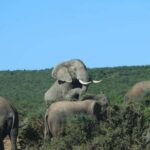
Elephants up close set the tone fast. This full-day, small-group safari in Addo Elephant National Park pairs two game drives with a proper braai lunch inside the park. I love the structure: morning and afternoon driving so you get more chances as animals move and waterholes change. I also love the food here is part of the day, not an afterthought, with a traditional BBQ spread that keeps you fueled for more spotting.
The guide’s job is to read animal behavior and put you where the action is, and you’ll get tea/coffee and drinks along the way. One possible consideration: the Big Five aren’t guaranteed on any day. Sightings depend on where wildlife is that day, and lions (and especially leopards) can be tougher than elephants near water.
In This Review
- Key things that make this safari worth your time
- Addo Elephant National Park: the “big animals” day you can actually enjoy
- The 9-hour flow: pickup to drop-off without the chaos
- Morning game drive: your best shot at elephants, zebra, and lions
- 10:30 AM tea-and-coffee break: small pause, smart timing
- Lunch inside the park: braai with real South African comfort food
- Afternoon game drive: the second hunt for the Big Five
- The guide experience: how spotting becomes more than luck
- Refreshments and comfort: what you’re really paying for
- Price check: is $186 good value for this kind of day?
- Who should book this safari (and who should think twice)
- Should you book it?
- FAQ
- How long is the safari?
- How many people are in the group?
- Where does pickup and drop-off happen?
- What time is the tea and coffee break?
- What’s included in lunch?
- What animals are you hoping to see at Addo?
- Is the tour suitable for mobility impairments?
Key things that make this safari worth your time
- Two game drives in one day, built to match animal movement across the day
- Tea/coffee around 10:30 AM plus refreshments served throughout the drive
- Braai lunch inside Addo with 3 meats, salads, Rooster Brood (bread cooked on the open fire), and vegetarian options
- Small group size (up to 9 participants) so you can hear your guide and spot animals faster
- Guides like Steven and Mostaff are singled out for interpreting animal behavior and keeping the hunt for sightings focused
- Pickup options from Port Elizabeth or Colchester hotels/guest houses (depending on what you choose)
Addo Elephant National Park: the “big animals” day you can actually enjoy
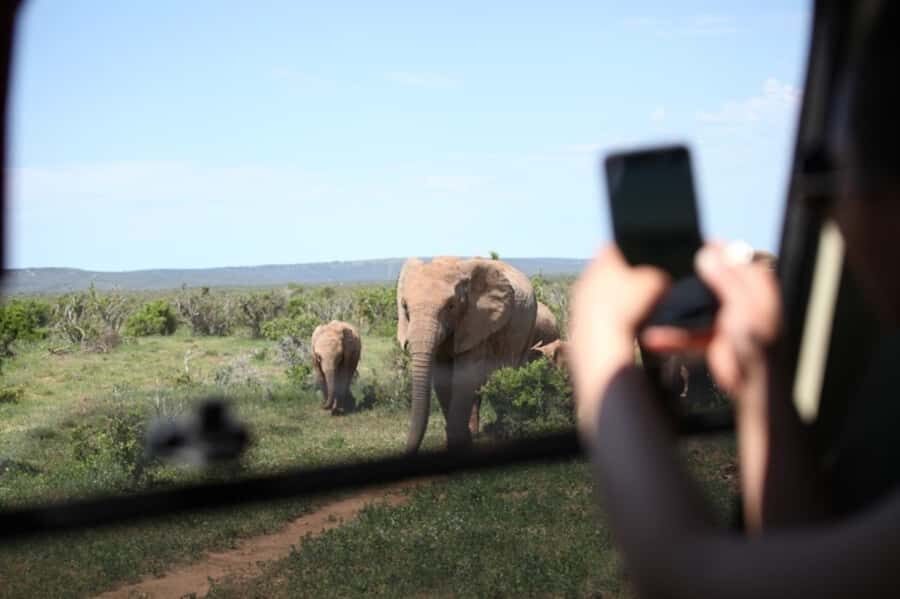
If your dream is a safari day that feels real and not rushed, Addo is a smart pick. It’s in the Eastern Cape and it’s known for steady wildlife viewing, especially elephants. The best part is this tour is built around staying on the move—driving, stopping, and watching—so you’re not wasting hours on long transfers.
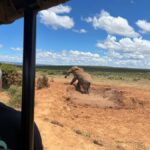
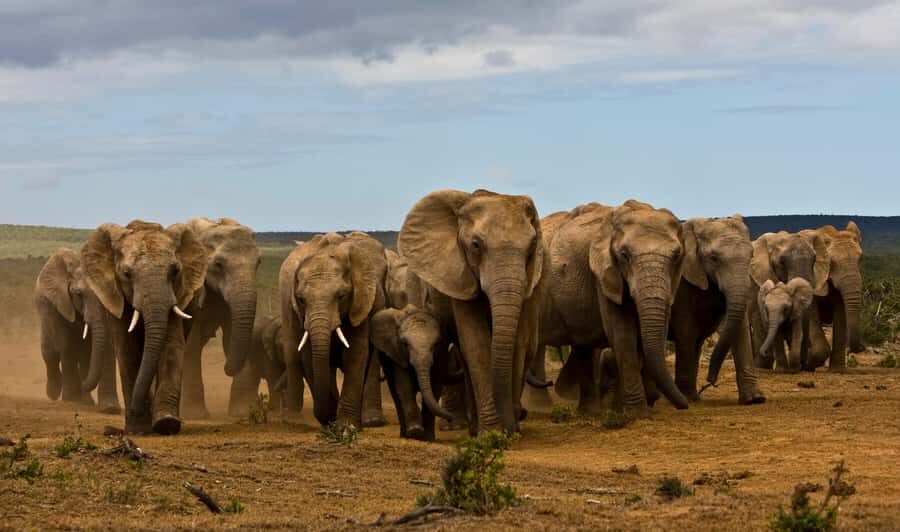
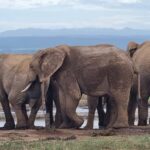
This is also one of those places where you can see why safaris are more than checklists. When elephants are feeding or moving between water sources, you can watch behavior change over time: adults lead, smaller ones follow, and the group’s pace tells you a lot about what they’re doing. That “what are they doing and why” explanation is a big part of the value you’re paying for.
A few more Gqeberha tours and experiences worth a look
The 9-hour flow: pickup to drop-off without the chaos
You’ll usually start with hotel or port pickup and end with drop-off back at your accommodation. Pickup is described as optional from Port Elizabeth or Colchester hotels/guest houses, depending on the option you select. Either way, it keeps you from having to self-navigate or worry about timing.
The full day is paced around game drives plus breaks, not a constant crawl with no plan. You’re out for 9 hours, which is a lot, but it’s also the kind of time slot that lets your guide chase both morning and afternoon activity. If you hate long travel days, plan for a slow evening afterward.
One more practical note: this tour isn’t suitable for people with mobility impairments. Safari days often involve getting in and out of vehicles and moving around during stops, so it’s better to look for an accessible alternative.
Morning game drive: your best shot at elephants, zebra, and lions
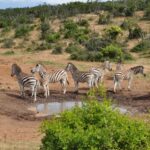
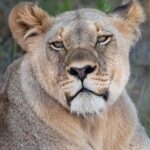
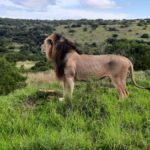
Morning is where you can catch the “first wave” of animals. The tour’s first stretch is typically good for seeing antelope and zebra, plus lion sightings when conditions line up. That early part matters because predators and herbivores often change where they spend time as temperatures and light shift.
Your guide is experienced and focused on spotting. Their job is not just to find animals, but to explain what you’re seeing. You’ll learn how animals react to each other, what “normal behavior” looks like, and what to watch for so you understand the moment rather than just spotting a shape in the distance.
Then comes a tea and coffee break around 10:30 AM. Think of it as a timing beat: a short pause before the next phase of the search, when your odds can shift toward animals that are moving toward water.
10:30 AM tea-and-coffee break: small pause, smart timing
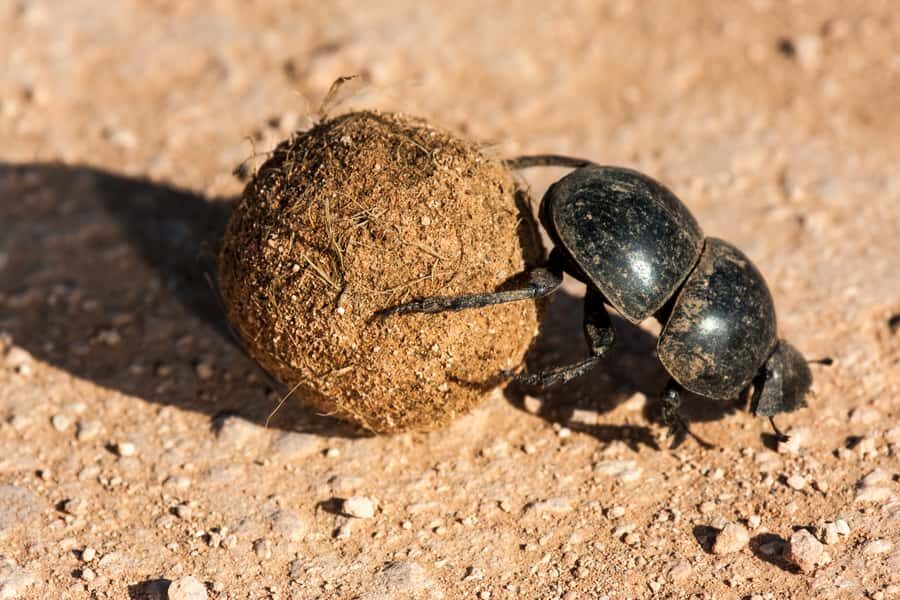
The tour stops for tea and coffee at about 10:30 AM, and it’s a welcome reset during a long wildlife day. More importantly, it’s timed so you don’t lose your momentum. You don’t just stop because it’s time to stop—you stop, refresh, and then continue on for more sightings.
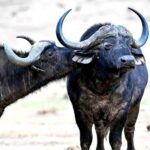
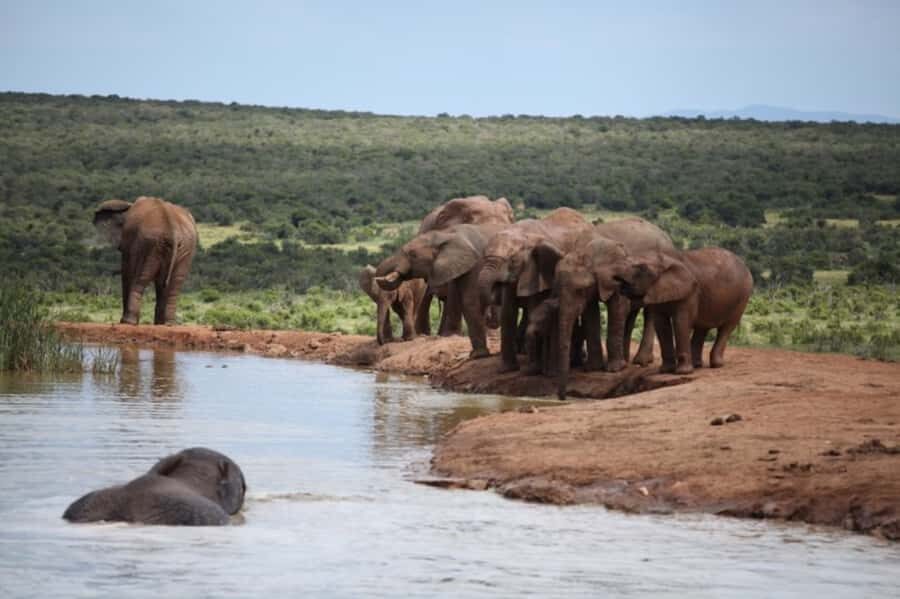
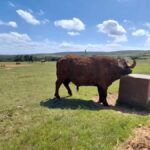
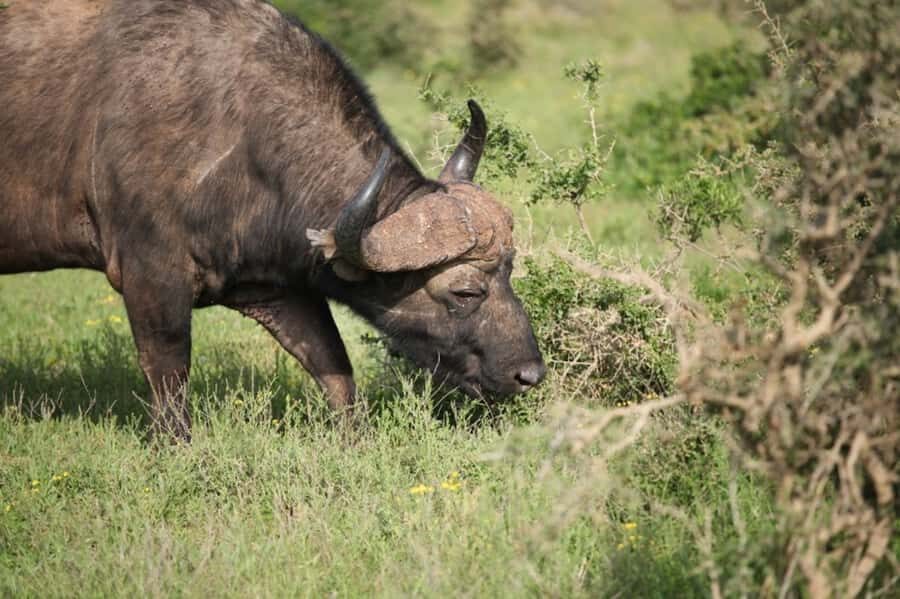
After the break, the day keeps pushing toward watering-hole activity. The plan includes watching for elephants and buffalo near water, which is where wildlife often gathers and where behavior becomes easier to interpret from the vehicle. If you’re the type who likes to know why the animals are in a certain area, watering holes make the story clearer.
Lunch inside the park: braai with real South African comfort food
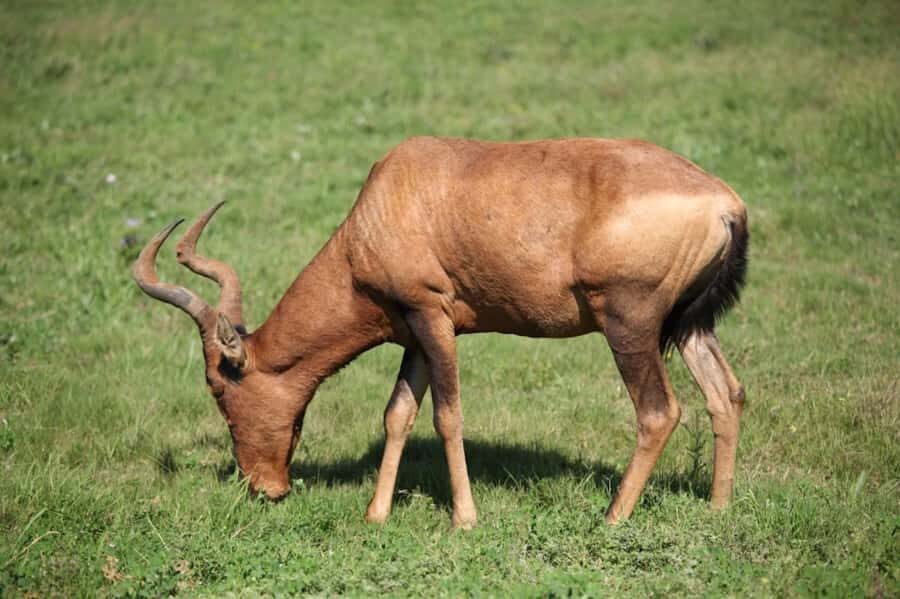
Lunch is one of the most standout parts of this day. You’ll eat a traditional South African braai lunch inside Addo. The spread is described as 3 meats plus salads, and you’ll also get Rooster Brood, bread cooked on an open fire. There are delicious vegetarian options available if you request them.
The drink lineup is also part of why this lunch lands well: mineral water, juice, beer, and white wine are included. That’s not just about indulgence. After morning driving, food and cold drinks help you stay comfortable and attentive during the afternoon drive, which is when you’ll want to be watching closely for movement and changing scenes.
Another detail that matters: lunch is positioned as part of the safari rhythm. It’s not a separate excursion with a long drive to a restaurant. Staying inside the park keeps the day focused on wildlife, which is what you came for.
A few more Gqeberha tours and experiences worth a look

Afternoon game drive: the second hunt for the Big Five
After lunch, you head back out for the afternoon drive. This part of the day can be just as productive because animals don’t stick to one routine. Some species are more active at certain times, and watering holes can draw different animals depending on heat and pressure in the area.
The tour is designed to maximize your chances of spotting the Big Five by doing two drives rather than one. Reality check: you might see elephants, zebra, antelope, buffalo, and possibly lions, but the full set depends on the animals and where the guide finds them that day. Even if you don’t get all five, the value is in the close-up behavior and the chance to witness animals in their own timing, not a staged moment.
Your best viewing typically comes from patience. Watch how vehicles position themselves, listen to the guide’s explanations, and keep eyes scanning for subtle movement—ears, tails, the direction an animal is facing. When you do that, even a “not much right now” stretch turns into a moment where something finally appears.
The guide experience: how spotting becomes more than luck
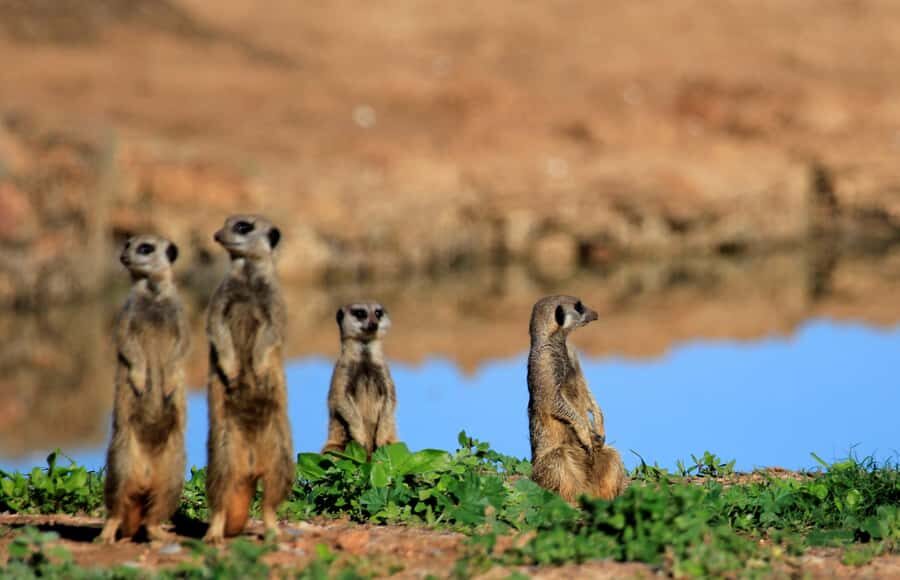
This safari’s edge is the guide’s interpretive skill. The tour description emphasizes that the guide will do their best to locate as much game as possible and explain behavior while you’re out there. That turns the day from animal sightings into a learning experience you can actually use in the moment.
Guides named in the experience include Steven/Steve, and Mostaff, both noted for strong animal knowledge and keeping the vibe friendly and engaged. You can feel this difference when the guide tells you what you’re looking at and why it matters, instead of just pointing and saying there’s an animal.
Also pay attention to small practical details. Some guides will aim for good photo spots and stop when you want extra time to watch an animal. That doesn’t mean the whole day becomes a photo shoot. It means you get the chance to linger when the moment deserves it.
Refreshments and comfort: what you’re really paying for
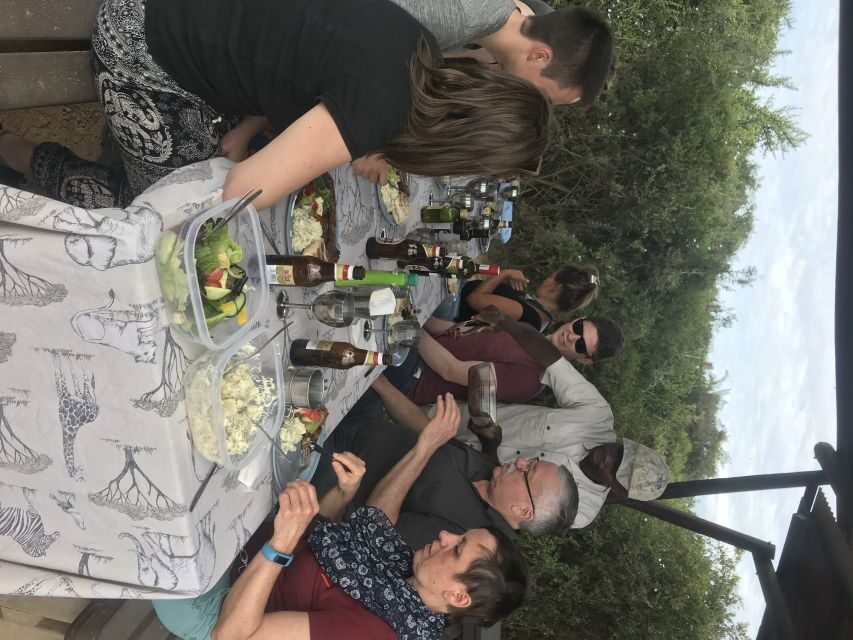
The tour includes refreshments throughout the drive: tea and coffee, plus mineral water, juice, and alcoholic drinks with lunch (beer and white wine). That’s a comfort upgrade that matters more than it sounds. On safari, dehydration and low energy make it harder to enjoy long viewing stretches.
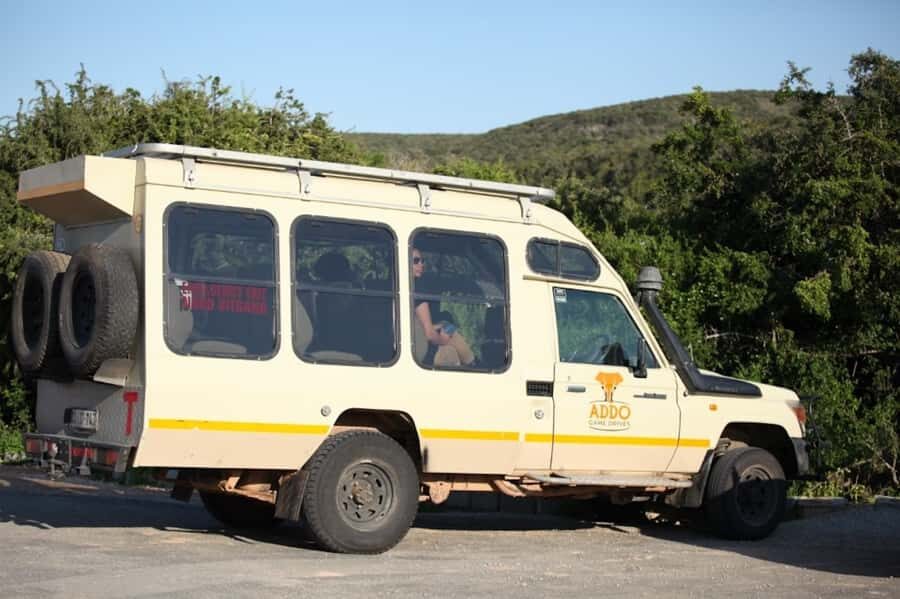
Transportation is also described as comfortable, and the safari uses vehicles that work well for weather and road conditions. In practical terms: when you’re not fighting discomfort, you can focus on scanning and listening.
One more comfort factor is the group size: up to 9 people. A smaller group means fewer distractions and easier communication. It also helps your guide manage where everyone is sitting and looking, which affects spotting.
Price check: is $186 good value for this kind of day?
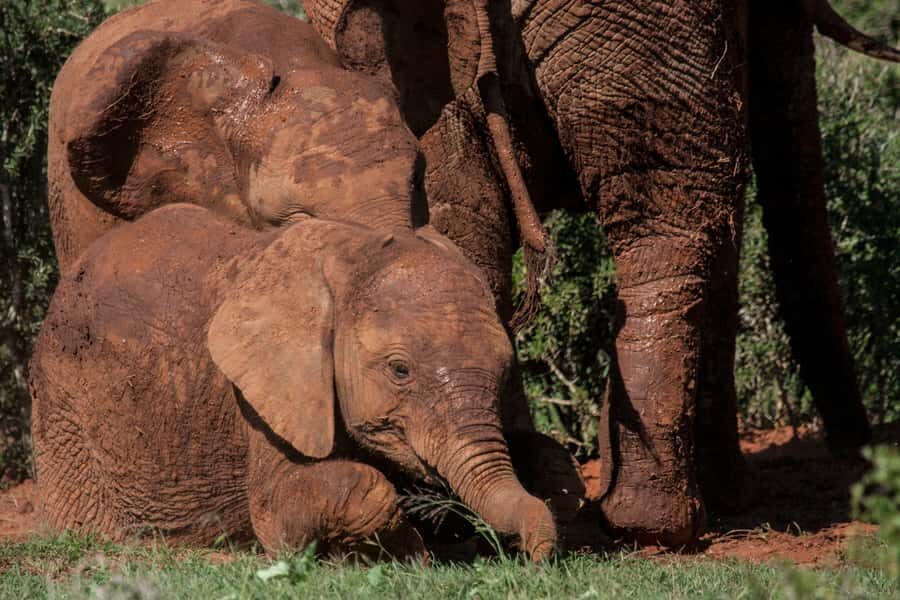
At $186 per person for a 9-hour guided safari with two game drives, park entrance fees, pickup/drop-off (option-dependent), lunch with drinks, and tea/coffee, the value is pretty solid. You’re basically paying for three things at once:
- Access and time in Addo with a guide searching actively
- A full lunch experience inside the park, not a quick snack
- Comfort and convenience from pickup to drop-off
If you were to self-drive, you’d still pay for park access, fuel, and time. And you’d miss the behavior reading and “where should we look next” guidance. This tour is a good fit if you want the wildlife day without turning it into a logistics project.
Who should book this safari (and who should think twice)
Book this if you want a full-day Big Five-style safari that stays practical: two drives, frequent breaks, included lunch, and a guide who interprets what you’re seeing. It’s a strong match for first-time safari goers, families who can handle a long day, and anyone who wants more than a drive-by sighting.
You should think twice if you:
- Need mobility-friendly access due to the tour not being suitable for mobility impairments
- Want a guaranteed checklist outcome (this is wildlife, so it’s always a chance-based outing)
- Dislike long, uninterrupted drives with limited walking
If you’re chasing specific animals like lions or leopards, keep expectations flexible. Elephants and other common species are easier to find in Addo, while the “harder-to-spot” Big Five members can be less predictable.
Should you book it?
If your priority is a guided day that makes Addo feel alive—two game drives, lunch inside the park, and refreshments handled for you—then yes, I’d book it. The $186 price makes sense because you’re getting more than transport: you’re paying for time in the park, a proper braai lunch, and a guide who helps you understand animal behavior as you go.
If you want a guaranteed Big Five checklist, this isn’t the right way to do it. But if you’d rather watch elephants, buffalo, zebra, and predators when they appear, learn what you’re seeing, and leave fed and satisfied, this is a very reasonable choice.
FAQ
How long is the safari?
The tour duration is 9 hours.
How many people are in the group?
It’s a small group limited to 9 participants.
Where does pickup and drop-off happen?
Hotel or port pickup and drop-off are available depending on the option chosen. Pickup can be available from Port Elizabeth or Colchester guest houses or hotels.
What time is the tea and coffee break?
Tea and coffee are scheduled for around 10:30 AM.
What’s included in lunch?
Lunch is a traditional South African braai with 3 meats, salads, Rooster Brood (bread cooked on the open fire), plus delicious vegetarian options on request. Mineral water, juice, beer, and white wine are included.
What animals are you hoping to see at Addo?
The safari focuses on Big Five chances, and you should have opportunities to spot elephants, lions, rhino, and more, plus antelope and zebra early in the day and elephants and buffalo near watering holes later.
Is the tour suitable for mobility impairments?
No. It is not suitable for people with mobility impairments.