REVIEW · GQEBERHA
GQ: City Walking Tour & African Cuisine Cooking Class
Book on GetYourGuide →Operated by RAWSON TOURING PTY LTD · Bookable on GetYourGuide
Cook dinner and learn Gqeberha on foot. I love the small-group walking tour with guide Rowson, who keeps things personal while showing the streets, Algoa Bay views, and key stops like the Donkin Reserve and the Campanile Memorial. Then it turns into hands-on African cooking, where you help prepare and share a meal built from ingredients and techniques passed down through generations.
The one drawback worth watching for is whether you really booked the combined option that includes the cooking class; the city walk is strong on its own, but the cooking portion is what makes this experience different. If that’s your priority, double-check before you go, and plan to be on your feet for a good chunk of the morning or afternoon.
In This Review
- Key things that make this Port Elizabeth to Gqeberha experience work
- From Port Elizabeth to Gqeberha: start with a proper city intro
- Campanile Memorial and Donkin Reserve: views plus context
- Markets, crafts, and street art: where the city feels current
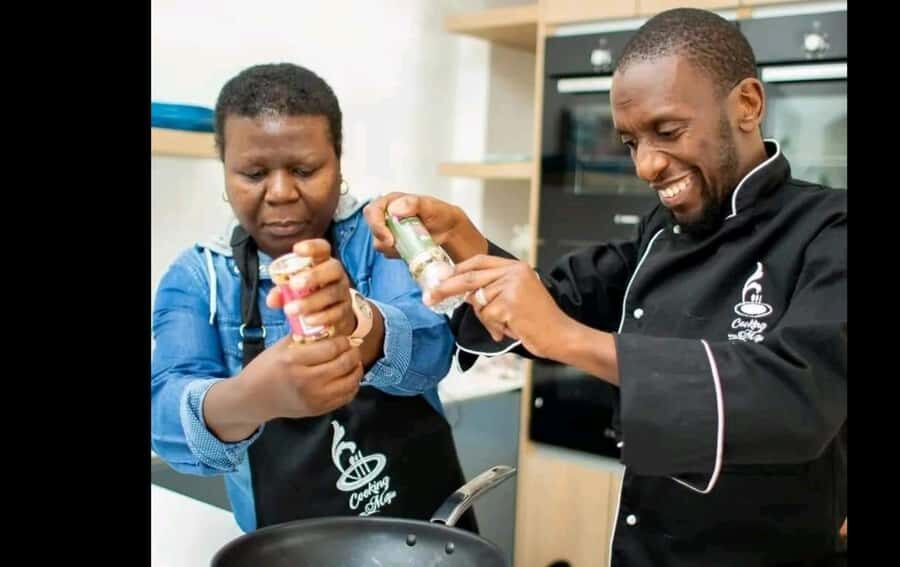
- The hands-on cooking class: you’ll be at the cutting board
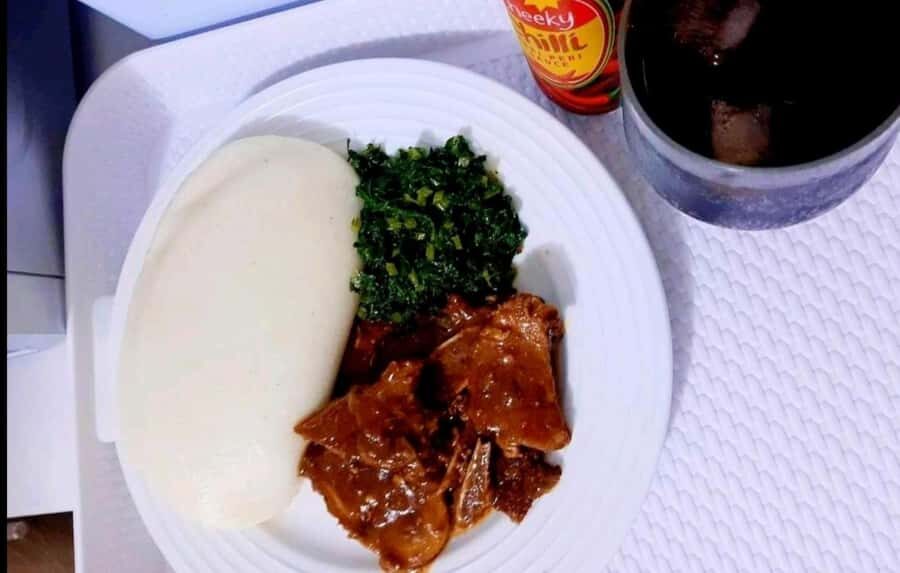
- The menu you’ll actually cook and eat
- How long is this, really, and how physical is it?
- Pickup, drop-off, and group size: small-group is the sweet spot
- Price and value: what $56 buys in a short day
- Who should book this (and who might skip it)
- Should you book this Gqeberha city walk and African cooking class?
- FAQ
- How long is the city walking tour and cooking class?
- What options are available?
- Where are the pickup and drop-off locations?
- Is the tour guide English-speaking?
- How large is the group?
- Are vegan and vegetarian options available?
- Is this experience suitable for pregnant women?
Key things that make this Port Elizabeth to Gqeberha experience work
- A tight walk with big “orientation” value: Victorian streets, cobblestone lanes, street art, and ocean views
- Guide Rowson’s hands-on local touch: clear storytelling and lots of moments for photos
- Landmarks with purpose: Campanile Memorial views plus Donkin Reserve mosaics and meaning
- You cook, step-by-step, not just watch: sadza, beef bones with greens, chicken stew, chakalaka, sugar beans
- Dietary options are built in: vegan and vegetarian dishes are available
- The meal is the point, shared communally, finished with an African hot beverage
From Port Elizabeth to Gqeberha: start with a proper city intro
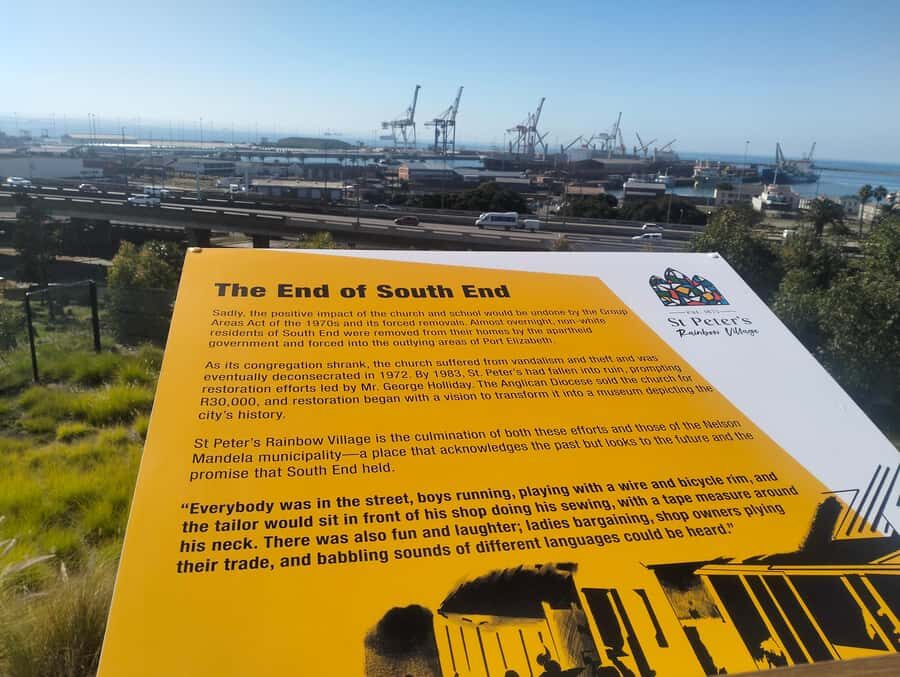
Even if you’ve only got a short time in the Eastern Cape, this combo tour gives you a fast grip on the place. You start with a guided walk through Gqeberha, the city formerly known as Port Elizabeth, and you’ll hear why it’s nicknamed the Friendly City. The pacing is relaxed enough to ask questions, but structured enough that you don’t feel like you’re just wandering.
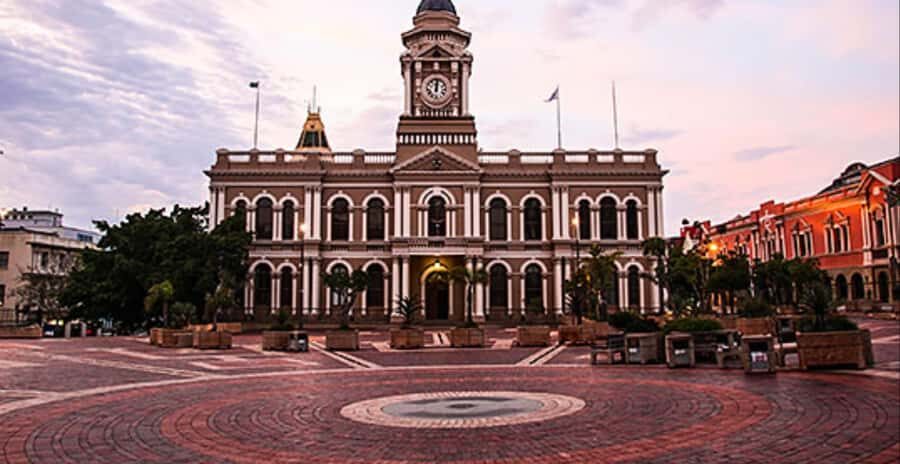
What I like most is that you’re not stuck in a checklist. You get the feel of the city through everyday details—architecture, alleyways, local markets, and street art—then you connect those details to the stories your guide shares along the way. It’s an easy way to understand how the city’s different chapters fit together.
If you choose the city-only option, you still get the benefit of the same guided orientation. The combined option simply adds the kitchen part afterward, which turns your cultural learning into something you can taste.
You can also read our reviews of more walking tours in Gqeberha


Campanile Memorial and Donkin Reserve: views plus context

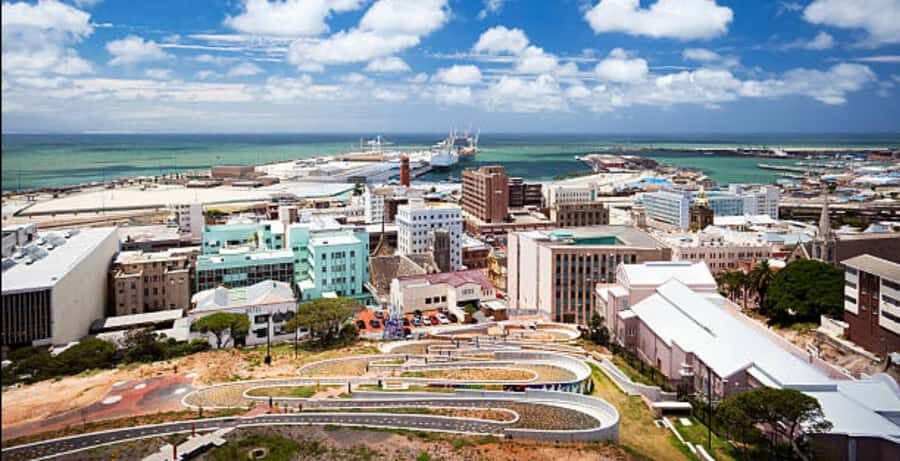
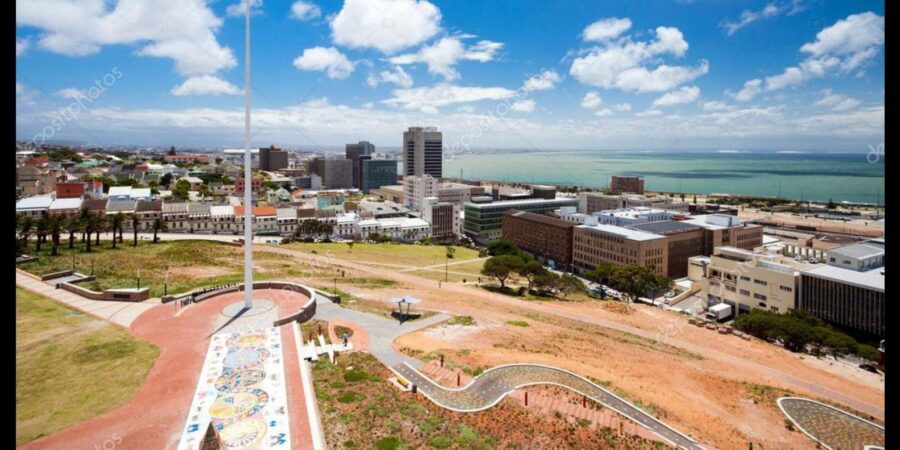
Two stops help anchor the whole walk: the Campanile Memorial and the Donkin Reserve. The Campanile Memorial is where the city opens up—panoramic views across the bay—so you can quickly picture where things are and how the coastline shapes the city. It’s the kind of viewpoint that makes the rest of the walk snap into place.
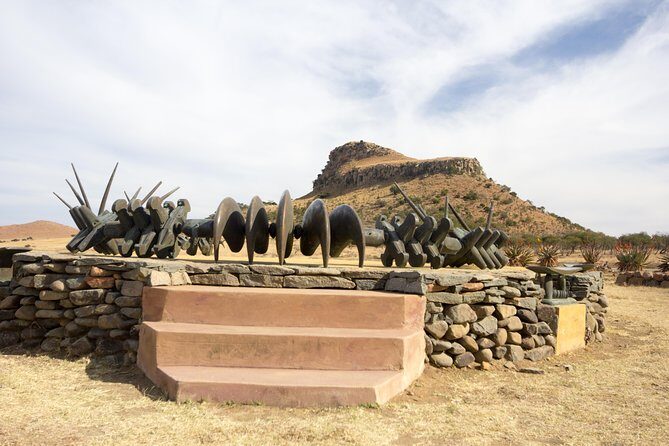
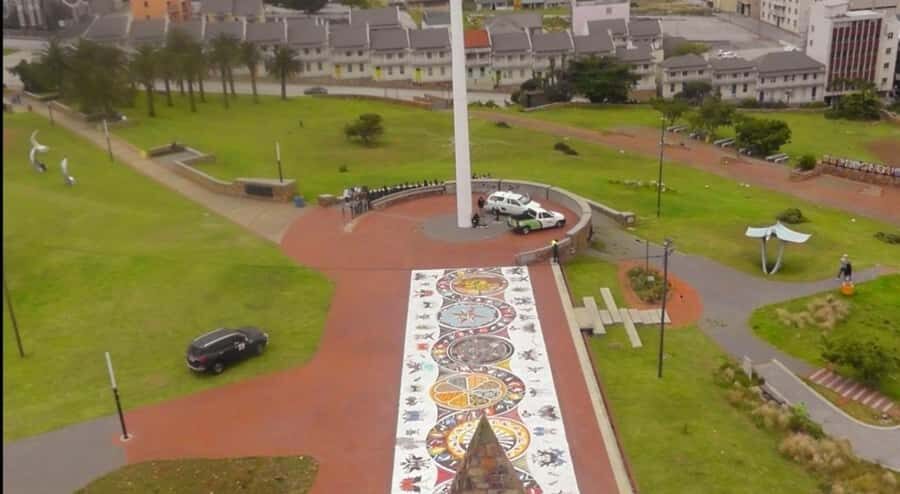
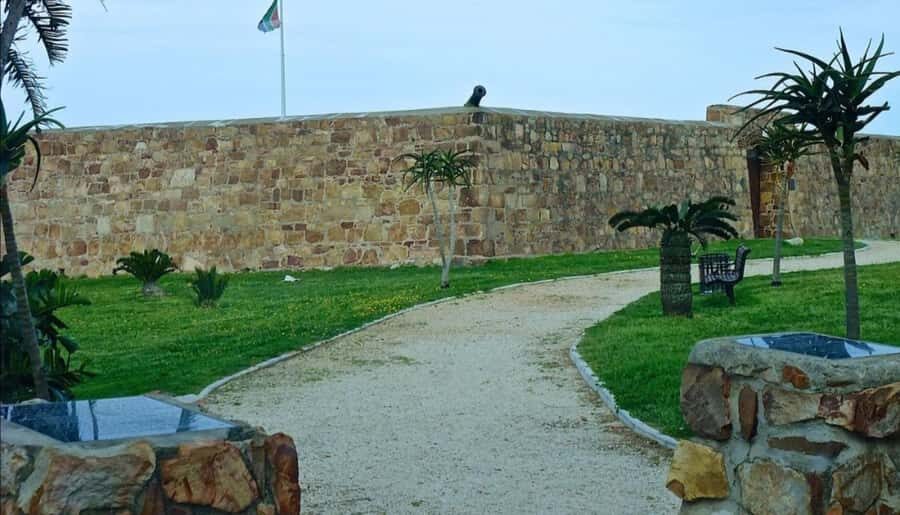
Then you move to Donkin Reserve, known for its colorful mosaics and the layered stories tied to the area. This isn’t just a pretty photo stop. The guide connects what you’re seeing to why it matters, so you leave with a stronger sense of place instead of a few random landmark snapshots.
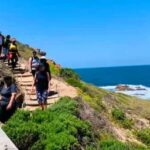
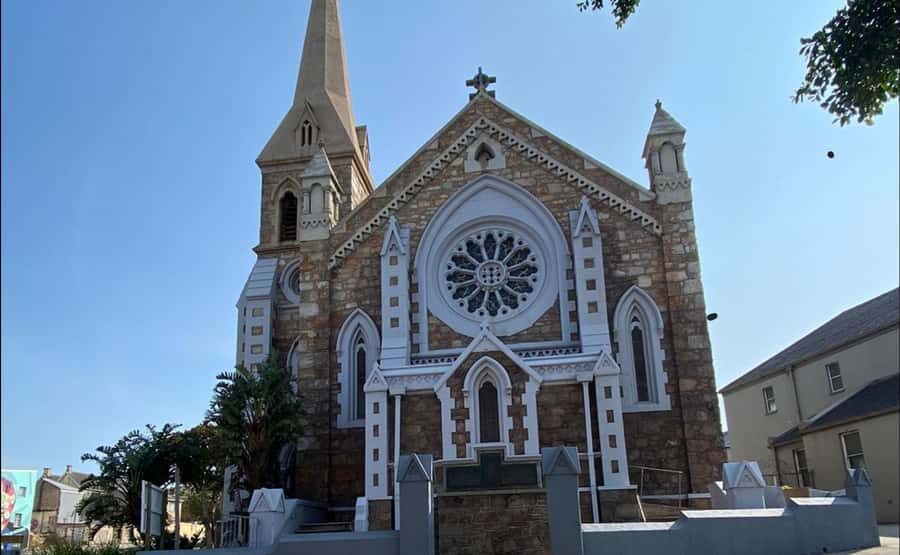
Between those points, expect stops that break up the route: streets lined with older architecture, glimpses out toward Algoa Bay, and smaller lanes that feel more local than touristy. It’s a good balance of big scenes and human-scale streets.
Markets, crafts, and street art: where the city feels current
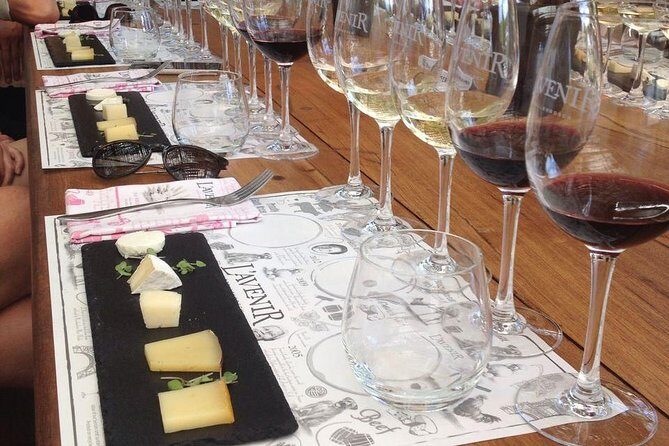
A city walk gets more interesting when it includes what people actually do. Here, you’ll pass by local market activity and street art, plus there’s a short segment that includes an arts-and-crafts market visit and taste-and-drink stops (including beer and a wine tasting component).
Timing can vary day to day, but the point stays the same: you get more than monuments. You get hints of modern creativity alongside older patterns of life. If you’re the type who likes to notice what’s on a wall, what’s being sold, and what locals consider normal, you’ll enjoy these stops.
One practical tip: if you plan to shop, keep a small amount of cash and be ready to slow down. These are the moments you’ll likely want to look closely.
The hands-on cooking class: you’ll be at the cutting board
After the walk, the experience shifts from street level to kitchen level. You’ll be welcomed with traditional drinks and starter snacks, then your host explains African food in a way that’s practical, not just theoretical. You’ll talk through ingredients, how they’re used, and how recipes are carried forward through families and community traditions.
This is not a sit-and-watch class. You roll up your sleeves and work through the meal together, learning techniques step by step. That means you’re part of the cooking process, not an observer passing time until dinner shows up.
And yes, you get to eat what you cook. Then you finish with an African hot beverage, which is a nice closing touch if you want something warm after time outdoors.
The menu you’ll actually cook and eat
The meal is the highlight, and the menu is specific enough that you can picture what you’re in for. Expect to work with staples and sauces that show up across many African cuisines, with a clear focus on classic comfort foods.
Here’s what you may cook as part of the class:
- Sadza (ground maize staple)
- Beef bones with greens
- Chicken stew
- Chakalaka
- Sugar beans
There are also vegan and vegetarian options available, which matters because it keeps the class communal. You’re not pushed into a separate meal experience.
What I appreciate is that the dishes include both starch and sauce—so you don’t just end up with something that tastes like one note. Sadza brings a familiar base texture, while stews and chakalaka bring heat, tang, and depth. Even if you’re not sure you’ll like everything, the structure of the meal makes it easier to understand how each component plays a role.
You can also read our reviews of more city tours in Gqeberha

How long is this, really, and how physical is it?
The timing is described in a practical range: the overall experience is about 2 hours up to 210 minutes, depending on which option you pick and how the day flows. The walking portion itself is around 2.5 hours, so if you’re doing the combined option, expect the full experience to run closer to the longer end of that range.
Because there’s walking involved (including older streets and some uneven surfaces), comfortable shoes are not optional. You’ll also be standing and moving around in the kitchen during the cooking steps. If you’re not steady on your feet, consider the city-only option.
Also, this experience is stated as not suitable for pregnant women. If that applies, you’ll want to choose a different format that avoids prolonged standing and movement.
Pickup, drop-off, and group size: small-group is the sweet spot
This tour runs as a small group, with a limit of 10 participants. That size matters. With a group this small, you’re more likely to get direct answers, a real back-and-forth with the guide, and less time waiting for the slowest person to catch up.
Pickup is included from where you are around Port Elizabeth, with two pickup location options listed as Port Elizabeth and Addo. Drop-off is within Port Elizabeth. If you’re staying near the city center, it should feel straightforward. If you’re coming from farther out, make sure you’re comfortable with the pickup timing that your specific start point implies.
The guide is live and the tour language is English, which helps if you want to ask questions and get explanations you can actually use.
Price and value: what $56 buys in a short day
At about $56 per person, you’re paying for two things: a guided city walk and a hands-on cooking lesson that ends with a shared meal. For a combined experience like this, the value is in the conversion of knowledge into a real tasting session.
You’re not just seeing the city—you’re learning how food is made with your own hands, then eating immediately afterward. That’s a more memorable use of time than a tour that ends with photos and a quick recommendation for dinner.
One way to judge value for yourself: if you love learning through doing, the cooking portion alone is what justifies the price bump versus the city-only option. If you only want sights and prefer to eat later on your own, the city-only tour may make more sense.
Who should book this (and who might skip it)
This is a strong choice for you if you want a structured introduction to Gqeberha plus a practical cultural experience you can carry home. It’s also a good fit for solo visitors, couples, and small groups because the small size keeps it social without feeling like a giant bus tour.
You should lean toward the combined option if:
- You want a meal experience that’s included and communal
- You enjoy cooking or at least want to learn how staples like sadza fit into a full dish
- You’d like vegan or vegetarian options handled within the class format
You might skip the combined option if:
- You’re short on time and only want the city orientation
- You don’t want to participate in cooking steps
- You have mobility concerns that make longer walking harder
If you’re pregnant, this one is specifically listed as not suitable, so choose a different activity that matches your needs.
Should you book this Gqeberha city walk and African cooking class?
If you’re deciding between sightseeing and something you can actually taste, this combo wins because it does both in one organized block of time. The walking tour gives you quick city orientation—views from Campanile Memorial, mosaics and meaning at Donkin Reserve, and local flavor from markets and street art. Then the kitchen part turns cultural learning into a shared meal you helped create.
I’d book it if your ideal South Africa day includes hands-on experiences, you like asking questions, and you’re comfortable with a few hours of active time. Just make sure you’ve chosen the option that includes the cooking class, since that’s the part that turns a good walk into a memorable meal-making story.
FAQ
How long is the city walking tour and cooking class?
The experience is listed as 2 hours up to 210 minutes, depending on availability and which option you choose. The walking tour portion is described as about 2.5 hours.
What options are available?
You can choose between a normal city tour (option 1) or a combined city tour plus cooking class (option 2).
Where are the pickup and drop-off locations?
Pickup is included from where you are around Port Elizabeth, with pickup options listed as Port Elizabeth and Addo. Drop-off is within Port Elizabeth.
Is the tour guide English-speaking?
Yes. The live tour guide speaks English.
How large is the group?
The group is small, limited to 10 participants.
Are vegan and vegetarian options available?
Yes. Vegan and vegetarian options are available as part of the cooking class meal.
Is this experience suitable for pregnant women?
No. It is not suitable for pregnant women.