REVIEW · GQEBERHA
Gqeberha: City Highlights Car and Walking Tour
Book on GetYourGuide →Operated by Aza Addo Transfers and Tourism · Bookable on GetYourGuide
Gqeberha tells its story fast. You start with the city’s makeover from Port Elizabeth to its new name, then spend the afternoon on streets that are meant for strolling and photos. The Donkin Reserve and the beach give you that easy mix of history and sea air that makes this part of South Africa feel grounded, not rushed.
I especially like the small, practical pace: hotel pickup by car, a short drive around key areas, and then walking where it matters. It’s also the kind of tour where the guide actually brings the place to life; I like how guides such as Caleb, Marvin, and Randy talk with confidence about local culture and history, and then help you see it through the lens of everyday Gqeberha life.
One thing to consider: you do walk at a moderate level, and the city can feel hilly underfoot, so comfortable shoes are non-negotiable. Also, a couple of key places you might want to enter cost extra, like the lighthouse (R75) and any paid stadium tour.
In This Review
- Key Highlights Worth the Time
- Gqeberha’s Big Story Starts With the Name Change
- The 3-Hour Rhythm: Pickup, Scenery, Then Walk
- Donkin Reserve and the Campanile: Where Views Meet Stories
- Nelson Mandela University Area: A Smart Change of Pace
- City Stroll and the Hilly Bits: How to Stay Comfortable
- Beach Time and the Windy City Mood
- Stadium and Lighthouse: Optional Extras That Affect the Budget
- Guides Who Make the City Click: Caleb, Marvin, Randy, and More
- What This Tour Includes (and How That Drives Value)
- Who Should Book This Gqeberha Tour
- Should You Book This Gqeberha City Highlights Tour?
- FAQ
- How long is the Gqeberha City Highlights Car and Walking Tour?
- What’s included in the price?
- What is not included?
- Do I need to pay for extra attractions during the tour?
- Is the tour only walking?
- What language is the guide?
- Is hotel pickup and drop-off included?
- Is it wheelchair accessible?
Key Highlights Worth the Time
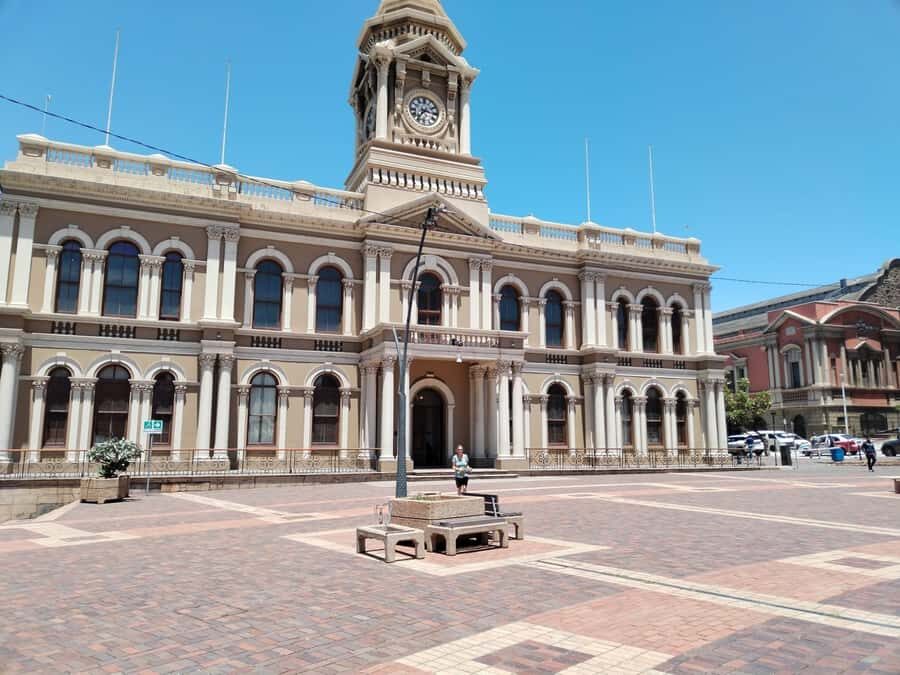
- Donkin Reserve views paired with clear context about why the area matters
- Car + walking mix that keeps the schedule efficient without feeling like a sprint
- City history, explained simply including the name change to Gqeberha
- Photo-friendly stops where your guide will help you get the shot
- Beach time tied to the city’s wind-and-coast identity
Gqeberha’s Big Story Starts With the Name Change
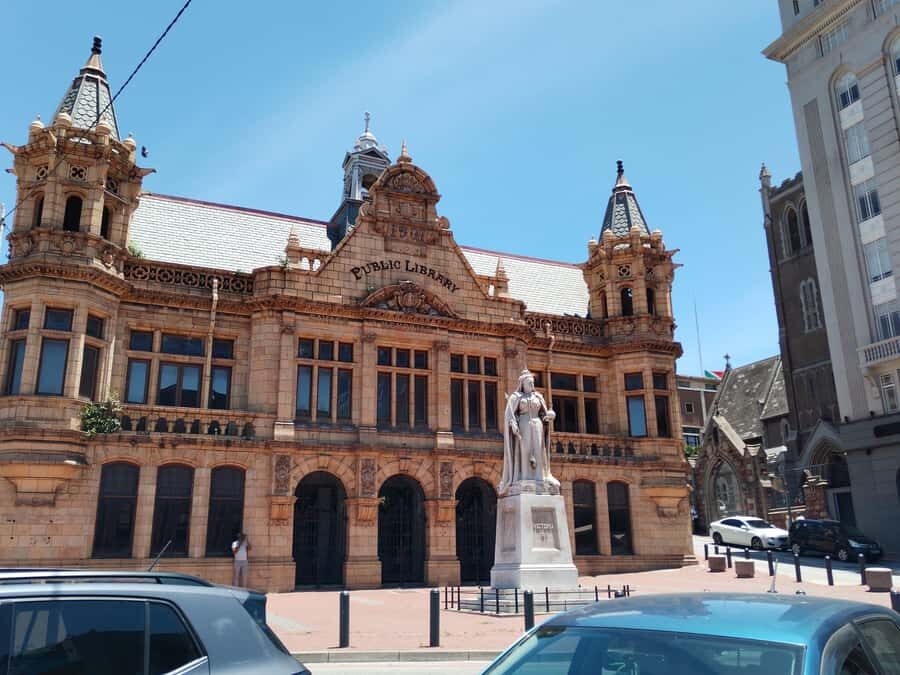
If you’re coming in with the old name Port Elizabeth, this tour helps you reframe what you’re looking at. Gqeberha is the city’s current name, officially gazetted on 23 February 2021 after a 2019 recommendation by the Eastern Cape Geographical Names Committee. The new name comes from the Xhosa and Southern Khoe word for the Baakens River that runs through town.
That matters because the guide doesn’t treat it like trivia. You’ll understand the layers: the city’s European founding, the local geography, and how language and identity shift over time. You’ll also see physical markers of that history in the central area, including the Donkin Memorial in the CBD tied to the city’s founder.
The founder story is straightforward and useful for orientation. Gqeberha was founded in 1820 as Port Elizabeth by Sir Rufane Donkin, who was governor of the Cape then. He named it after his wife, Elizabeth, who had died in India. Even if you’ve seen a memorial before, this one lands better when the guide ties it to the geography you’re walking near and the coastal role of the area.
I like that the tour makes the past feel like a map, not a lecture.
You can also read our reviews of more walking tours in Gqeberha


The 3-Hour Rhythm: Pickup, Scenery, Then Walk
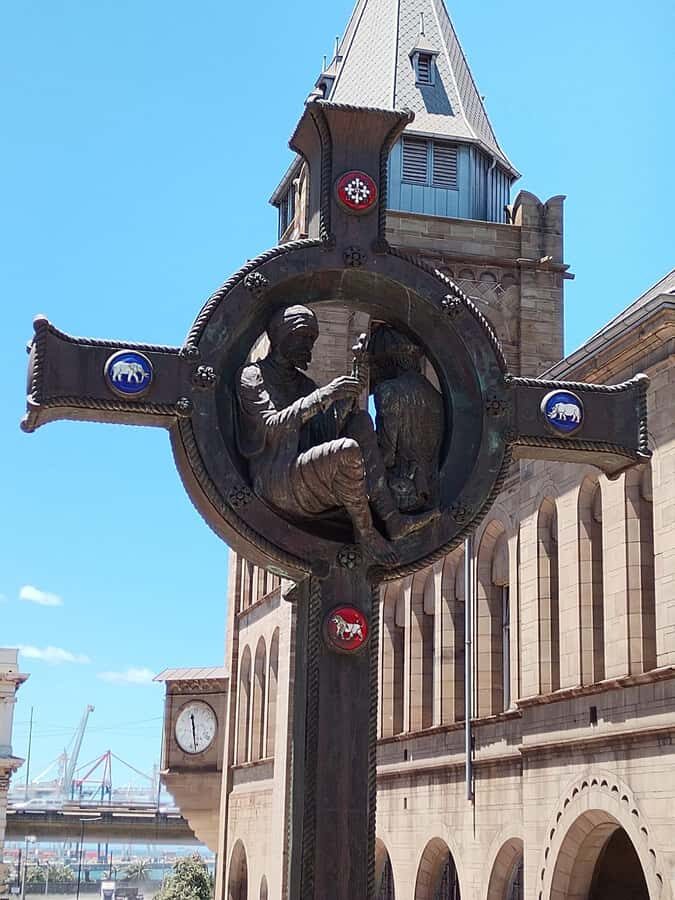
This is built to fit a half-day without eating your whole schedule. The duration is about 3 hours, and it starts with hotel pickup in Gqeberha. You’ll head out by car to cover distance efficiently, and then you’ll walk the parts that reward foot traffic.
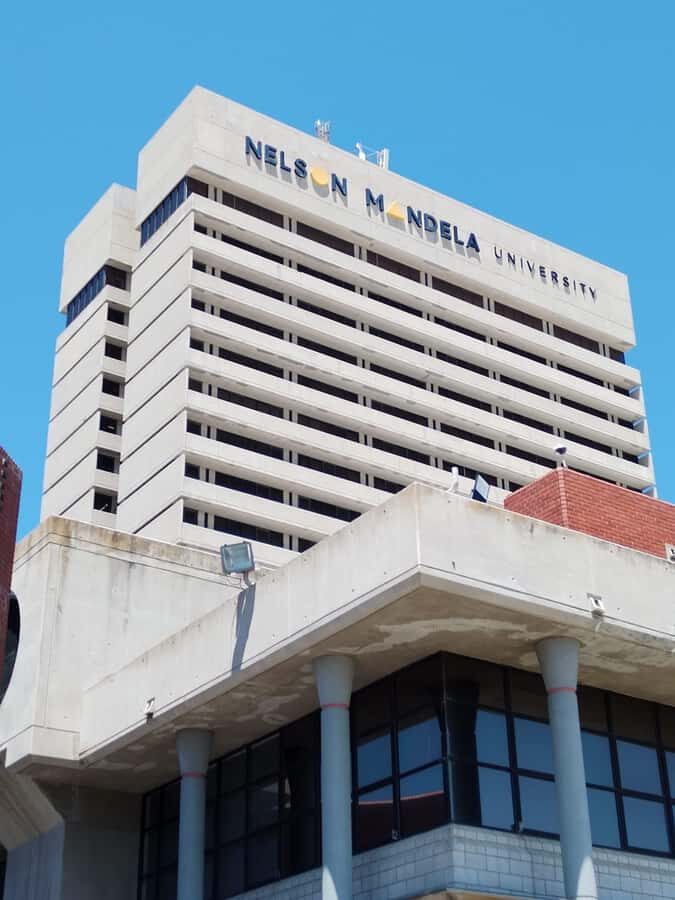
The route includes a drive to Nelson Mandela University City Center, and the coastal approach is part of the sightseeing flow. That gives you a quick “this is what the coast looks like from the road” moment before you slow down. After that, you’ll move through the CBD and around the Donkin Reserve area, with a leisurely pace designed for seeing street-level details.
Walking time is described as moderate, and that matches what you should plan for. The city can be hilly, so take that seriously. Good shoes will do more for your enjoyment than any tip on earth. If you’re not used to inclines, go slower than your usual pace and don’t be shy about taking pauses when the guide points out something interesting.
One practical benefit: bottled water is included. It sounds small, but in warm coastal weather, it keeps the tour comfortable instead of turning into a “when can we stop?” situation.
Donkin Reserve and the Campanile: Where Views Meet Stories
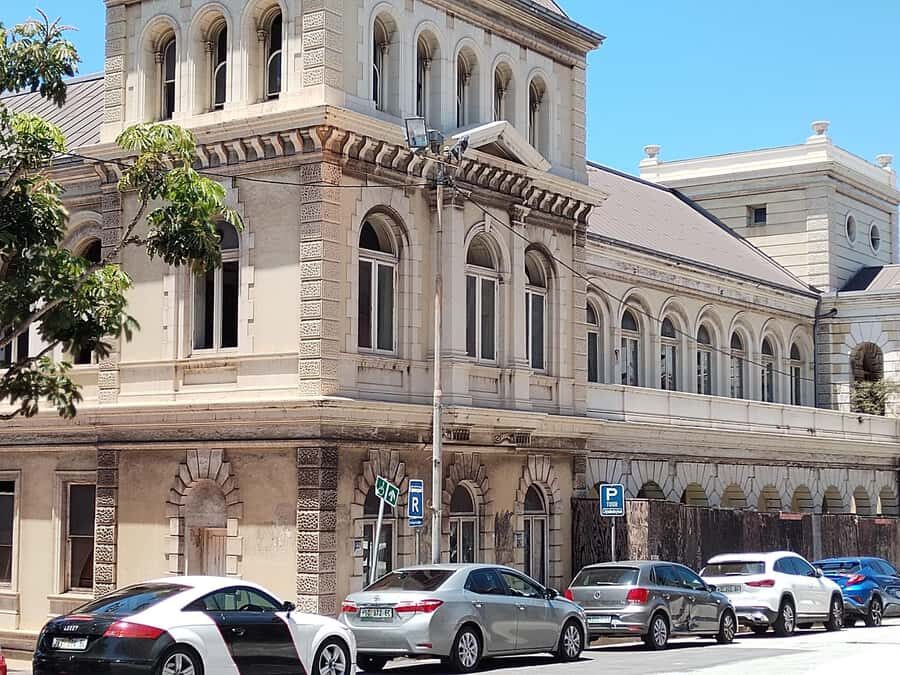
Donkin Reserve is the anchor stop on this tour for a reason. It’s one of those places where you can look out, take a breath, and then suddenly understand what you’ve been driving past.
Here’s what makes it worth your time: the guide connects Donkin Reserve with the city’s founding narrative and the Donkin Memorial in the central business district. You’re not just seeing a viewpoint; you’re seeing the logic of why the area became important and how the city’s early identity formed.
You’ll also pass by the Campanile, another key landmark that helps you orient yourself. Even if you don’t go into a building, passing a recognizable feature is useful when you’re trying to remember where things are later.
And yes, this is where the photo energy kicks in. In the experience, guides like Caleb have been described as going above and beyond as a photographer, which tells you the tour isn’t just “look and move on.” If you want clear, well-timed shots, this is the part where you’ll feel it.
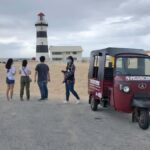
If you want to add a bit more cost at the right moment, there’s also a lighthouse option. Entrance fees for the lighthouse are not included, listed at R75. So plan on having some cash or card ready if you decide it’s worth the extra stop.
Nelson Mandela University Area: A Smart Change of Pace
After the early city context, the route shifts toward the Nelson Mandela University area. This is a nice balance because it keeps the tour from feeling like it’s only about monuments and postcards.
The university district brings a different tempo to what you’re seeing. You get city life layered with education and local movement, not just historical points. It’s also a good chance to understand how modern Gqeberha works alongside older landmarks.
For many people, the university stop is where the tour feels more “real.” Instead of only standing still for views, you’re walking through sections of town that people use day to day. Even if you’re not there as a student, it helps you read the city like a resident rather than a visitor.
City Stroll and the Hilly Bits: How to Stay Comfortable
This is where shoes matter. The walking portion includes the Nelson Mandela University City Center and the Donkin Reserve areas, and the city can be quite hilly. That doesn’t mean you’ll be exhausted, but it does mean you should avoid fragile footwear.
I recommend:
- Comfortable walking shoes with grip
- A hat for sun protection
- Sunscreen so you don’t end up paying for a great afternoon with a bad sunburn later
- Keep your camera handy, but don’t let it distract you on slopes
There’s another practical note: keep your belongings secure. Pickpocketing can happen in crowded areas, so use normal street-smart habits—bags zipped, phone not on the edge of a pocket, and no leaving valuables unattended for photos.
This tour is wheelchair accessible, so if mobility is a concern, it’s worth asking the guide how they’ll pace the walk and which route options they use. The car segment helps, but the walking portion still exists.
You can also read our reviews of more city tours in Gqeberha

Beach Time and the Windy City Mood
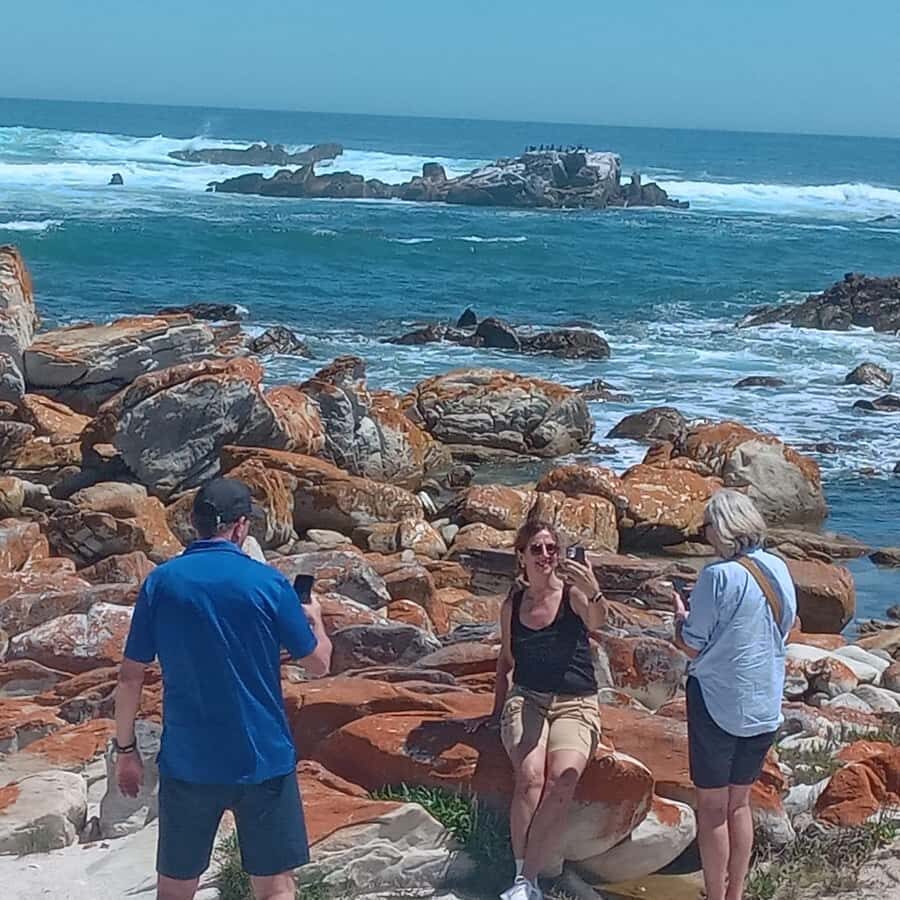
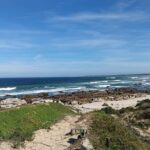
Gqeberha is often nicknamed the Windy City, and the beach stop is a reminder that coastal weather shapes daily life here. Even when the wind is mild, it adds that crisp feeling that makes the city feel alive and open.
The tour includes time to explore the beach as part of the highlights. That beach segment works well for two reasons:
1) It breaks up the history points with open-air views
2) It helps you understand the city’s relationship to the ocean, not just the ocean as scenery
If you’re thinking, I want at least one “slow down and watch” moment during my time here, this is usually where you get it.
Stadium and Lighthouse: Optional Extras That Affect the Budget
Not everything is included inside ticketed attractions. The lighthouse entrance fee is listed separately at R75, and a stadium tour may also cost extra since stadium tour entrance isn’t included.
So the real value question becomes: do you want a photo-viewpoint stop, or do you want to go inside? If you’re the type who likes to pay for a specific ticket only when it’s clearly the right moment, bring extra money just in case the timing lines up.
Also, timing matters. Some sites can be closed when you arrive, depending on the day and hour. That’s not a reason to skip the tour—it’s just why I think it’s smart to pick one or two “must-see” places for entrances and stay flexible on the rest.
Guides Who Make the City Click: Caleb, Marvin, Randy, and More
The standout in this kind of tour isn’t the landmarks—it’s the storytelling. The guides associated with this experience often bring a friendly, conversational approach, and the best part is how they connect details to what you’re actually seeing around you.
You’ll hear strong local perspective from guides such as:
- Caleb, known for history that feels easy to follow and for helping with great photos
- Marvin, described as friendly and knowledgeable in a way that keeps the tour smooth
- Randy, noted for making local visitors feel at home and safe, not like they’re just being shown around
That matters because history tours can turn stiff fast. Here, the vibe is more like walking with someone who cares. The guide also helps you understand what to notice as you go: why certain corners matter, what the landmarks represent, and how the city’s geography guides its identity.
If you want more than facts—if you want context you can carry with you after the tour—this style tends to deliver.
What This Tour Includes (and How That Drives Value)
At $56 per person for about 3 hours, you’re paying for more than a walk. What you get is:
- A professional guide
- A walking tour component
- Hotel pickup and drop-off
- Round-trip transportation by car
- Bottled water
- A live English-speaking guide
So you’re not just relying on taxis or figuring out timing on your own. You get guided routing that puts key areas in reach without spending your energy on logistics. That’s where the value usually lands for people with limited time.
And because it’s a mix—car for covering ground, walking for the sights—you avoid the two extremes: not enough walking to see anything, or too much walking that you don’t enjoy the experience.
Who Should Book This Gqeberha Tour
This tour fits best if you:
- Want a high-yield introduction to Gqeberha without spending a full day
- Like history told in a way you can remember while you’re standing in the right place
- Prefer a gentle pace with a guide who can adjust to your comfort
- Need hotel pickup so your first hours in town are stress-free
It might be less ideal if you:
- Have limited mobility and can’t manage any hilly walking, even with car support
- Only care about ticketed attractions and feel strongly about paid lighthouse or stadium entries
Should You Book This Gqeberha City Highlights Tour?
Yes, if you want a practical, guide-led way to understand Gqeberha quickly. The combination of city history (including the Port Elizabeth to Gqeberha transition), recognizable stops like Donkin Reserve and the Campanile, plus beach air makes this feel like a complete orientation—not just a list of sights.
It’s also a good value setup because transportation, water, and pickup are included. Just go in with sensible expectations: you’ll see a lot, but some paid entrances are optional. Bring your walking shoes, protect yourself from the sun, and keep your stuff secure in busier areas.
If you like tours where the guide helps you see the city through both stories and street-level details, this one is an easy bet.
FAQ
How long is the Gqeberha City Highlights Car and Walking Tour?
The tour lasts about 3 hours.
What’s included in the price?
The tour includes a professional guide, a walking tour, bottled water, hotel pickup and drop-off, and round-trip transportation by car.
What is not included?
Entrance fees are not included for the lighthouse (R75) and for the stadium tour.
Do I need to pay for extra attractions during the tour?
Potentially, yes. The lighthouse and stadium tour have separate entrance fees if you choose to go in.
Is the tour only walking?
No. It’s a mix of car sightseeing and walking, with a moderate amount of walking.
What language is the guide?
The live tour guide is available in English.
Is hotel pickup and drop-off included?
Yes. Pickup and drop-off are included in Gqeberha.
Is it wheelchair accessible?
Yes, the tour is listed as wheelchair accessible.