REVIEW · HAZYVIEW
Full-Day Kruger National Park Safari
Book on Viator →Operated by GAP Tours Transfers · Bookable on Viator
5:30am sounds brutal, but it’s exactly the kind of start that makes a Kruger day work. This full-day safari runs you through real prime time for wildlife, with a guide who knows where to look and time set aside for conservation spots like Pabeni Gate and, if the schedule allows, Bushman rock paintings.
I especially like the flexibility in the vehicle choice, because open safari means you feel every turn of the bush road. I also like that the day is long enough to cover more ground than the half-day options. A key drawback to plan around: park entry fees and food aren’t included, so your final cost depends on what you bring and what the KNP charges that day.
After pickup in Hazyview, you’re out the door and into Kruger for about 10 hours. Expect heat to be part of the deal, too. In one example, the temperature hit 38°C, and sightings slowed in the hottest stretch—still a strong day, just not a constant nonstop show.
In This Review
- Key things I’d focus on before you go
- Entering Kruger via Pabeni Gate at Dawn
- Open-Air vs A/C Vehicles: pick the comfort level you want
- How a 10-Hour Kruger day keeps your chances alive
- Big Five chances, and why the guide matters more than the map
- Bushman rock paintings: the non-animal reason to keep your eyes open
- Price and value: what $121.21 really buys in Kruger
- What to expect on the day: pace, comfort, and the “heat reality”
- Who this safari suits best (and who should think twice)
- Should you book this full-day Kruger safari?
- FAQ
- How long is the safari?
- What time does the tour start?
- Where does the safari enter Kruger?
- Are hotel pickup and drop-off included?
- Is the Kruger National Park (KNP) entry fee included?
- Is food included?
- Is bottled water provided?
- What vehicle options are available?
- Can children join?
- What’s the cancellation policy?
- Is a mobile ticket used?
Key things I’d focus on before you go
- Open vs A/C vehicle choice so you can trade raw wildlife closeness for midday comfort
- Pabeni Gate entry as your starting point for a long, structured safari day
- Full-day timing (about 10 hours) gives the guide room to work different areas
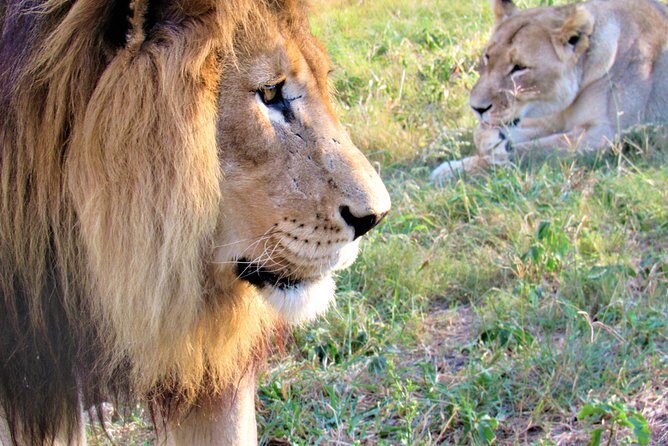
- Big Five target with chances across lions, elephants, Cape buffalo, and the rest
- Bushman rock paintings if time allows adds meaning beyond spotting animals
- Bottled water included so you’re not stuck buying basics during the drive
Entering Kruger via Pabeni Gate at Dawn
Your day typically begins with pickup in Hazyview, then a transfer to Pabeni Gate in Kruger National Park. The start time is listed as 5:30am, so plan for an early wake-up and a quick breakfast back in town if you want one. The tour ends back at the meeting point, so you’re not left figuring out transport at the end of a long day.
Pabeni Gate is your gateway into one of the world’s best-known wildlife areas, and it matters because it sets the tone: you’re not just driving around randomly. You’re going into a park built for wildlife viewing, with a guide steering you toward areas where animals tend to show up.
Also, if you choose an open safari vehicle, you’ll feel the day more directly. The air, the dust, the sun-warmed grass—Kruger doesn’t stay inside the glass. It’s a sensory way to start, and it tends to make you pay attention to small movement along the bush road.
Practical tip: if you’re sensitive to early mornings, set your expectations now. This is a full-day commitment. But for wildlife, the early hours usually give you the best shot at activity.
A few more Hazyview tours and experiences worth a look
Open-Air vs A/C Vehicles: pick the comfort level you want
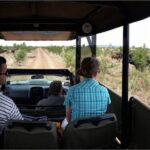
This safari offers a choice of open or air-conditioned safari vehicles. That choice affects how the day feels more than people expect.
An open vehicle is a trade: you get better sightlines and a closer connection to what’s happening outside the vehicle. You also feel the elements. On a hot day, you’ll work harder to stay comfortable, and that can make long drives less fun.
An A/C vehicle is the comfort pick. It helps when the temperature climbs, and it’s easier to concentrate when you’re not fighting heat. The only downside is that the vehicle is more enclosed, so you may need to adjust your approach for photos and for spotting animals at a distance.
A review you can take to heart is that it can get seriously hot in Kruger—one day reached 38°C. When heat ramps up, animals often slow down. So having A/C can help you stay focused and enjoy the drive even when the pace changes.
How a 10-Hour Kruger day keeps your chances alive
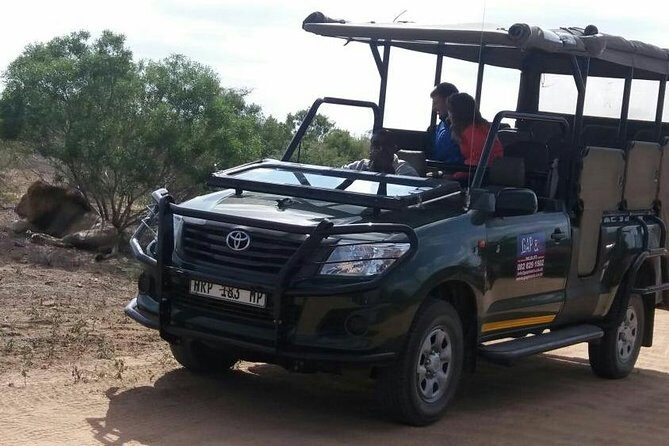
A big advantage of a full-day safari is simple: time. Instead of squeezing wildlife viewing into a short block, you’re given about 10 hours to move through the park.
That doesn’t mean you’ll see everything. No safari can promise perfect sightings. But it does mean your guide isn’t forced to do a one-shot routine. If there’s activity in one direction, you can spend time there, then reposition if the park gives you different signals later.
The tour is also built around wildlife-watching stops. That’s important because it suggests the schedule isn’t just a drive; it’s structured to put you where sightings are more likely. And since you’re in the park for longer, your guide can take advantage of shifting conditions—like changes in animal movement through the day.
Heat is the real weather factor to plan around. In one example day where temperatures rose to 38°C, wildlife viewing became less frequent in the hottest stretch. That’s a normal safari rhythm: early and later can be stronger, while midday can test your patience.
Practical tip: bring your flexibility mindset. Treat the day like a wildlife search with phases, not one continuous hunt.
Big Five chances, and why the guide matters more than the map
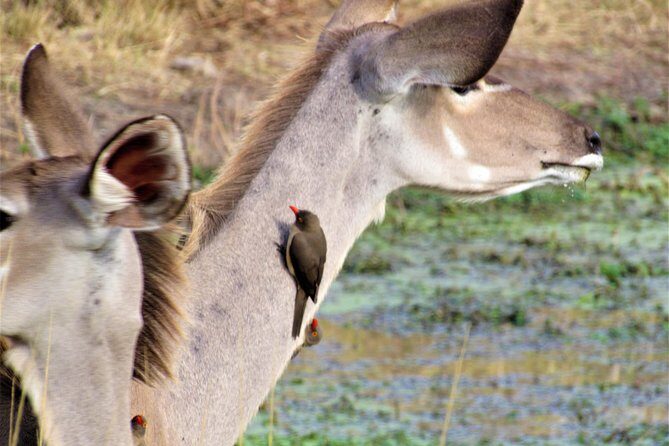
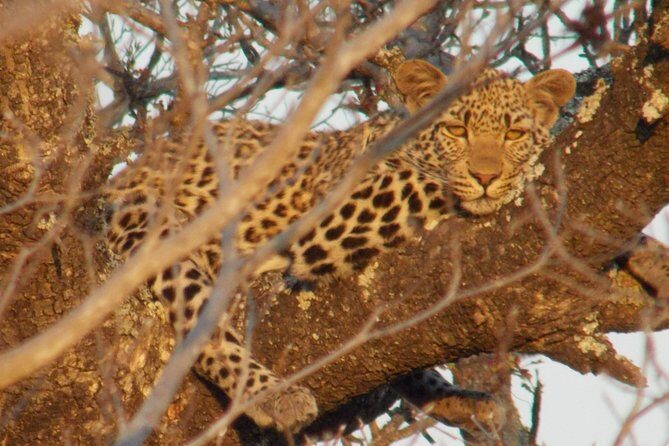
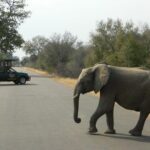
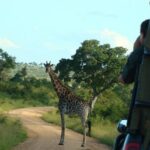
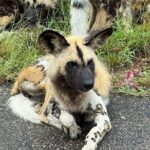
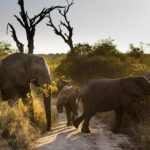
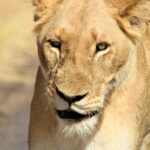
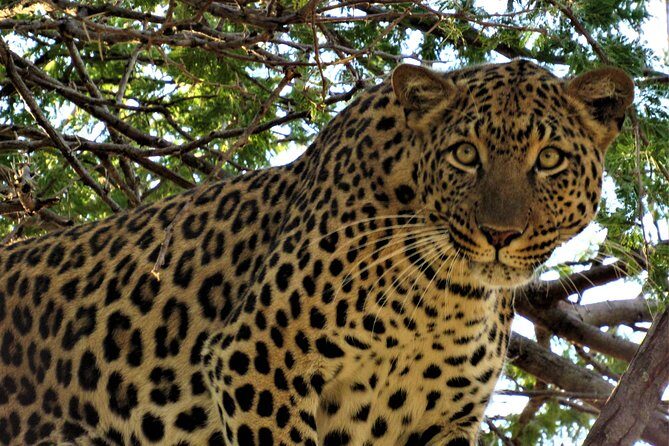
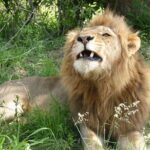
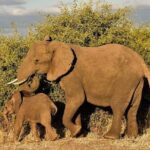
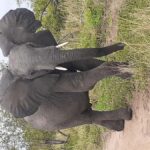
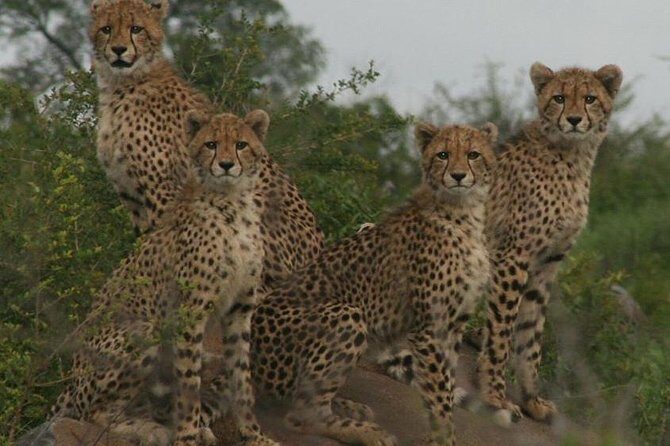
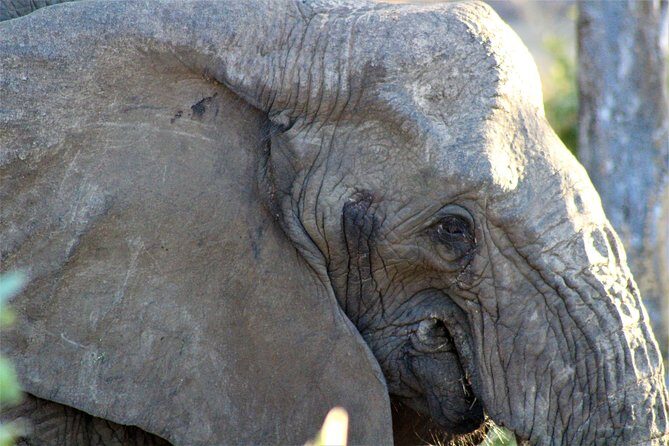
Kruger’s reputation comes from the Big Five: lion, leopard, rhinoceros, elephant, and Cape buffalo. This tour is designed around that kind of wildlife focus, with experienced guides guiding you through open plains and bush areas.
What you really benefit from is guide skill—where to position, when to slow down, and how to read the park. One of the strongest pieces of feedback tied to this experience is about Edward, praised as a guide with real command of the bush and wildlife. In that example, he worked with a very small group, which can make communication and spotting easier because you’re not constantly negotiating a crowd.
Even with strong guidance, sightings can still be unpredictable. One highlight-worthy reality check: in that same example day, the group didn’t see a rhino, but did see the other Big Five animals. That’s the kind of outcome you should expect—full-day safari success often means multiple excellent sightings, even if one species doesn’t show.
What I’d do in your shoes: when your guide calls attention to something—fresh tracks, birds behaving a certain way, movement in the brush—listen closely and stay ready. On safari, the difference between seeing it and missing it can be a matter of seconds.
Bushman rock paintings: the non-animal reason to keep your eyes open
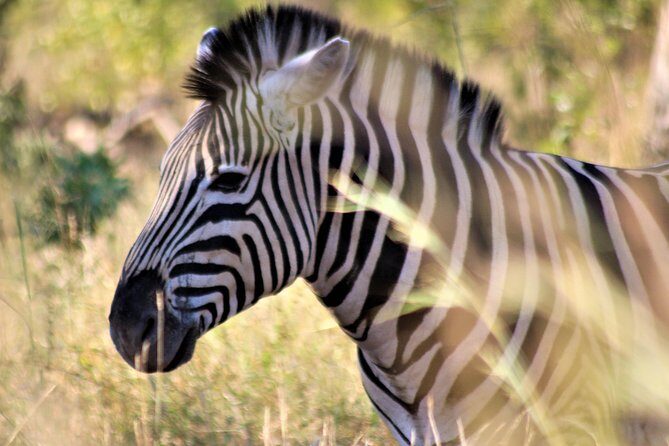
One of the more interesting touches here is the cultural side. The tour notes that the presence of man—including Bushman rock paintings and archaeological sites—is conserved alongside the park’s natural assets.
Here’s the key detail: the tour says that if time permits, at least one of these may be included. That means it’s not guaranteed in every schedule, but it’s part of the day’s purpose beyond just wildlife spotting.
Why this matters for your experience: seeing animals in Kruger is the headline. But knowing there’s a human story layered into the landscape adds context to what you’re looking at. Even brief stops tied to rock art can make you slow down and notice the place differently.
Practical tip: if the schedule is tight that day, ask your guide when the cultural stop is planned. You’ll get a clearer picture of what will fit, and you can adjust your priorities—wildlife first, rock art if it’s on the table.
A few more Hazyview tours and experiences worth a look
Price and value: what $121.21 really buys in Kruger
At $121.21 per person, this safari can feel like a fair deal—especially because hotel pickup and drop-off (for selected hotels) and bottled water are included. You’re also paying for the guide effort and the vehicle time inside the park, which is the core cost of a safari day.
But here’s what you must account for: KNP entry fees and admission tickets are not included, and food and drinks aren’t included either. So the real comparison isn’t just the advertised price. It’s the total you’ll spend once you add park entry and your own lunch/snacks and beverages.
If you want to keep the day smooth, pack or budget for a simple meal plan. Early starts can mean you’ll feel hungry around the time you’re deep in the park. Also, you’ll want water on hand even though bottled water is provided by the tour—heat can make you thirsty faster than you expect.
The value sweet spot is this: if you want a full-day Kruger safari with a serious guide and the option of open or A/C vehicle, this format does the job. If you’re counting every cent and you’d rather pack meals anyway, the cost stays easier to manage. If you need meals fully covered, you’ll have to plan on paying extra.
What to expect on the day: pace, comfort, and the “heat reality”
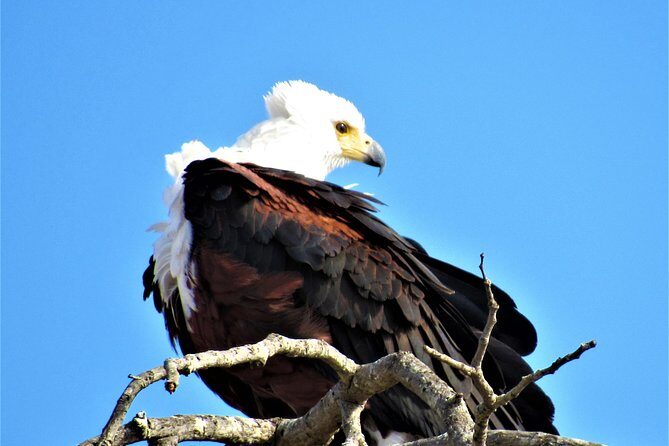
The day is built around a classic safari rhythm: you start early, you drive and watch, and you stop when the park gives you something worth seeing. That’s why the vehicle choice matters so much.
In very warm conditions, you’ll feel how the schedule changes. One real-world example from the experience: the temperature hit 38°C, and the animal viewing pace slowed during the hottest stretch. That doesn’t mean the day is a bust—it just means you need to manage comfort so you can keep your attention on spotting.
Comfort tools matter:
- Light layers you can peel on the move
- Sun protection (hat/sunglasses)
- A camera ready early, not once you’re already tired
- A steady mindset during the quiet stretches
Also, since the day is about 10 hours, bring a plan for energy. You’ll want something to eat and drink that’s easy to handle. The tour includes bottled water, but it does not include meals, so decide ahead of time how you’ll handle lunch.
Who this safari suits best (and who should think twice)
This tour lists that most travelers can participate. Children can go too, as long as they’re accompanied by an adult. The early 5:30am start is the bigger filter for families and for anyone who struggles with mornings.
It also helps if you like guided wildlife time. This isn’t a do-it-yourself drive where you bounce between viewpoints. You’re relying on an experienced guide to keep things moving and to look for the best odds at sightings.
If you dislike long sitting hours in the heat, pick the air-conditioned vehicle. If you love the full open-air safari feel, pick open vehicle and dress for the sun.
And consider your expectations. This is a wildlife search day. It’s not a guaranteed box-check for every Big Five species. But when sightings line up, the full-day format gives you multiple chances across different parts of the day.
Should you book this full-day Kruger safari?
I’d book it if you want a structured, full-day Kruger experience with real wildlife focus, convenient pickup from Hazyview, and a guide who can actively help you find animals. The biggest reason is that the day is designed to give you more time than short safaris, which improves your chances of seeing something great even when the park is quiet for a while.
I’d think twice if you hate heat and you’re not planning for it, since Kruger can reach extreme temperatures in season. And I’d do the math first, because park entry and food aren’t included, so your actual total depends on what you budget for meals and KNP fees.
If you’re the type of traveler who likes being out early, staying alert, and letting a skilled guide steer the day, this is a solid pick.
FAQ
How long is the safari?
It runs for about 10 hours.
What time does the tour start?
The start time is 5:30am.
Where does the safari enter Kruger?
It starts at Pabeni Gate.
Are hotel pickup and drop-off included?
Yes, pickup and drop-off are included for selected hotels.
Is the Kruger National Park (KNP) entry fee included?
No. KNP entry fees and admission tickets are excluded.
Is food included?
No. Food and drinks are not included.
Is bottled water provided?
Yes, bottled water is included.
What vehicle options are available?
You can choose between an open safari vehicle or an air-conditioned safari vehicle.
Can children join?
Yes, but children must be accompanied by an adult.
What’s the cancellation policy?
Free cancellation is available up to 24 hours before the experience start time for a full refund.
Is a mobile ticket used?
Yes, the tour includes a mobile ticket.