REVIEW · WESTERN CAPE
Full-Day Swartberg Mountain PRIVATE Tour (including lunch and transfers)
Book on Viator →Operated by True South Travel · Bookable on Viator
Swartberg Pass feels like a time machine. This private day from Oudtshoorn pairs a UNESCO Swartberg Pass drive with guided walks for plants, animals, and hands-on conservation learning.
I love the big-view factor, especially the climb up to the pass and the drop-down views over the Karoo. I also love the on-foot spotting opportunities, from klipspringer and jackals to proteas and fynbos.
The one catch is it’s a full day (about 7–8 hours) with two hikes, and it really hinges on good weather in the mountains.
In This Review
- Key things to know before you go
- From Oudtshoorn to Swartberg Pass: a mountain drive with real payoff
- UNESCO Swartberg Pass (1888): Thomas Bain’s dry-stone engineering
- The sandstone hike: 300-million-year rocks and wildlife spotting
- H.O.P.E. Foundation: conservation you can connect to the land
- Second leisurely hike and the plant-and-animal rhythm
- Lunch, timing, and how the day stays comfortable
- Price and value: what you’re paying for at $201.77 per person
- Who should book this Swartberg private tour?
- Quick checklist before you go
- Should you book it?
- FAQ
- Where are you picked up, and where do you return?
- What time does the tour start, and how long is it?
- What’s included in the price?
- What is Swartberg Pass, and why does it matter?
- What kinds of wildlife and plants should I look for?
- Is the tour affected by weather, and how does cancellation work?
Key things to know before you go
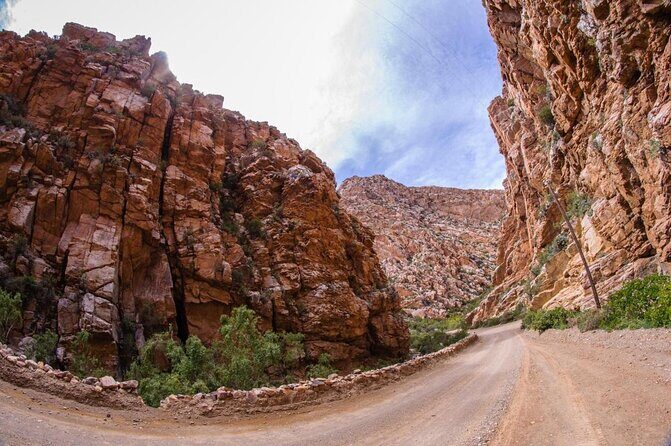
- UNESCO Swartberg Pass built in 1888 by Thomas Bain, using dry-stone methods that still hold up
- A steep climb to about 1,500 m (5,100 ft), with views over the Klein and Great Karoo
- A hike among 300-million-year-old sandstone formations, with chances to spot Verreaux’s eagles and jackals
- H.O.P.E. Foundation stop to learn how local conservation efforts work
- Two different walking sections, one focused on scenery and wildlife, the other on plants and animals
- Private vehicle and driver-guide with lunch included, plus nature reserve entrance fees
From Oudtshoorn to Swartberg Pass: a mountain drive with real payoff
This is the kind of tour that works best when you want your day to feel efficient. You start with a morning pickup from your Oudtshoorn accommodation, then head north into the foothills of the Swartberg Mountains. The schedule can be flexible, but you’ll usually be planning around a 9:00 am start and a full day out in the countryside.
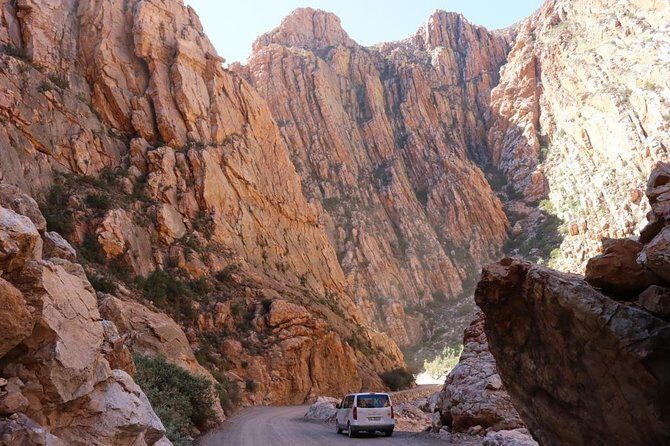
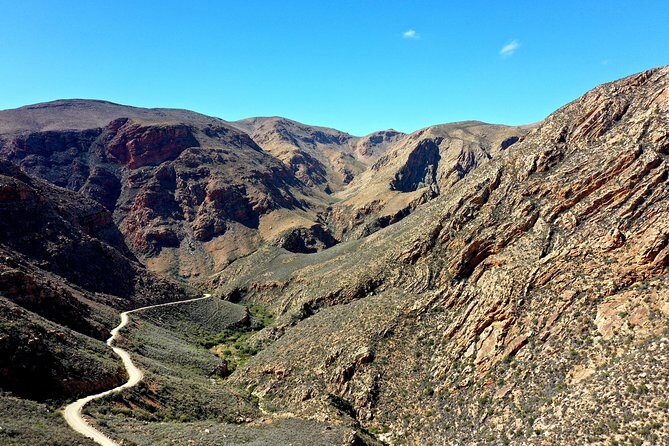
The drive isn’t just transport. You’re actively climbing—about 880 meters (2,900 feet) from the foothills up toward the pass. That elevation change matters, because it shapes what you’ll see: warmer low-country views quickly give way to a higher, rockier mountain world.
You’ll reach the top area of the pass around 1,500 meters (5,100 feet) above sea level. Then the scenery starts doing the talking—wide views down over the Klein Karoo and Great Karoo. It’s the sort of view that’s hard to fake, even with a great camera.
One practical note: Swartberg Pass is described as having a gravel surface. Expect slower sections and a bit of bumpiness. If you’re prone to motion sickness, it’s worth taking that into account before you go.
You can also read our reviews of more private tours in Western Cape
UNESCO Swartberg Pass (1888): Thomas Bain’s dry-stone engineering
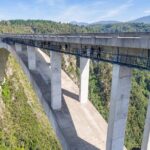
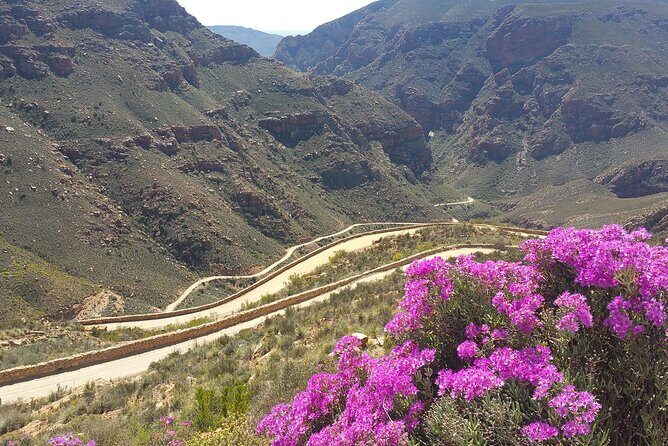
Swartberg Pass is the day’s big set piece, and the details are part of the fun. It’s a UNESCO-listed mountain road and also a National monument, tied to Thomas Bain, the famous road engineer. The pass was built over four years and opened on 10 January 1888.
The construction method gets special emphasis: the road was made with dry-stone technique, which relied on extreme manual labor. The claim you should take seriously is that the pass is still as solid as it was when constructed—so you’re literally walking and looking at infrastructure that has survived more than a century.
At the pass, you’re also learning what it took to build a road through rugged terrain in an era without today’s machinery. You’ll hear that construction effort stretches back to the 19th century, and it shows in the structure of the pass itself—tight curves, steep sections, and stonework that looks like it was designed to last.
What you’ll enjoy most is how the guide ties engineering to place. You’re not just reading facts in a car. You’re standing where the road meets the mountain, so the physical reality of the work makes sense fast.
The sandstone hike: 300-million-year rocks and wildlife spotting
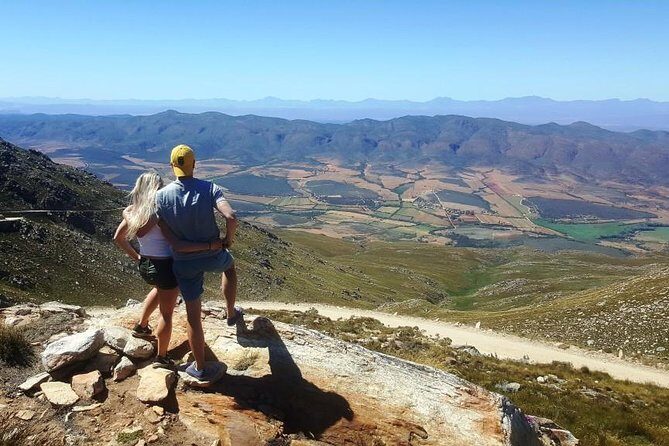
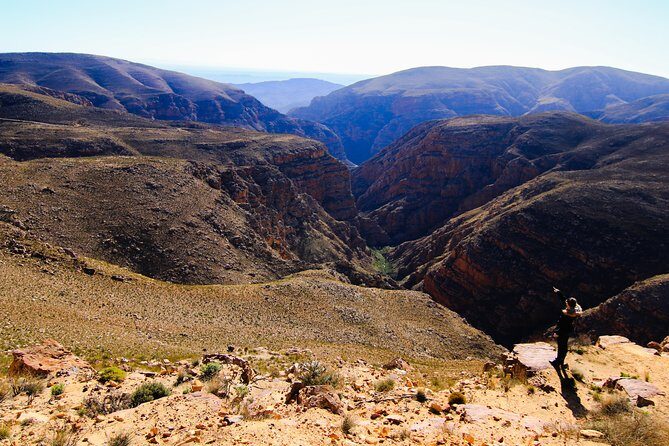
Once you’ve had time at the pass, you shift from driving to walking. You’ll leave from the pass on foot for a hike into the surrounding countryside. This is where the day turns into pure outdoors time.
The geology angle is one of the main reasons I’d book this tour. You’re told to look at sandstone formations dating back more than 300 million years. That’s mind-bending on paper, but in the field it’s more about texture and color: rock layers, weathered edges, and the way the mountain has shaped itself into something readable if your guide points things out.
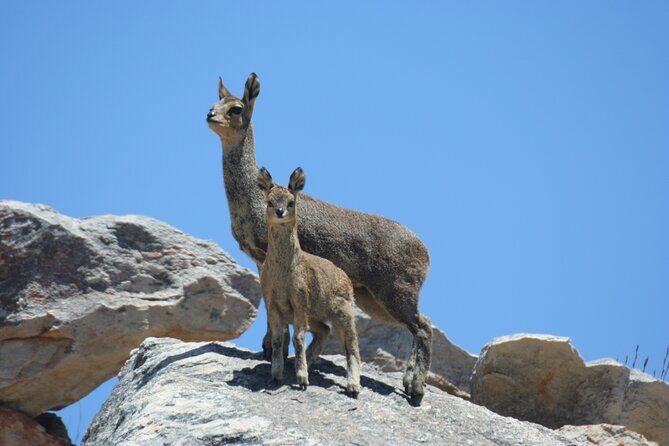
The hike also gives you wildlife scouting—no guarantees, but real targets. Keep your eyes open for Verreaux’s eagles, buzzards, jackals, and klipspringer (small mountain antelope). You’ll want to move slowly, scan ahead, and check the edges of slopes rather than staring straight down.
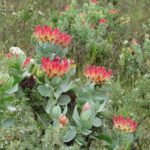
Plants matter here too. If you like botany, you’re in the right place. The tour specifically flags protea plants, which provide nectar for local sunbirds. You’ll also be watching for fynbos species such as the pincushion plant and cone bush.
This is where having a strong driver-guide makes a noticeable difference. One guide name that comes up in the tour’s feedback is Lynette, praised for pointing out wildlife and plants people might miss and for linking the pass story to what you can see around you. That’s the kind of guide skill that turns a hike into a learning walk.
A possible consideration: hikes plus mountain air can add up. You don’t have details like exact trail length in the information, so I’d plan as if you’ll be on your feet for a meaningful stretch. If you’re bringing older family members or anyone with mobility limits, you’ll feel safer going in with realistic expectations about uneven ground and elevation.
H.O.P.E. Foundation: conservation you can connect to the land
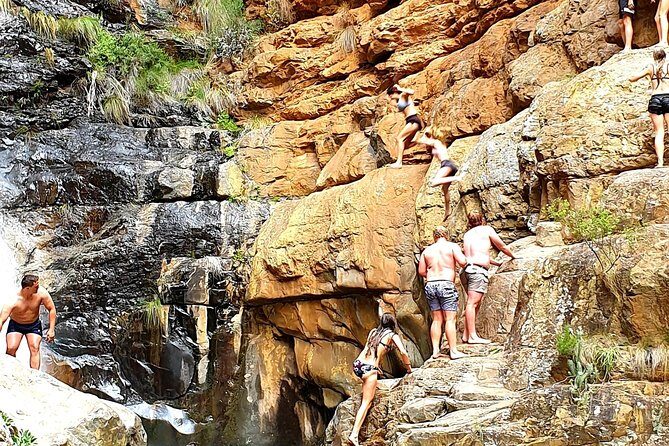
After the first hike, you head back toward the pass and continue to the H.O.P.E. Foundation offices. This stop changes the tone of the day. Instead of only looking outward, you also look at how people are trying to protect what you just walked through.
You’ll spend time learning about conservation efforts linked to the foundation’s members. The information you’re given is practical and local in focus: how conservation here works, and why this area needs ongoing attention. It’s also a good reminder that wildlife spotting isn’t separate from habitat protection. If anything, this stop ties those two pieces together.
Think of it as your “why” moment. The morning shows you what’s on the mountain. The H.O.P.E. stop explains why the mountain needs stewardship—and what local groups are doing to keep that system intact.
If you care about responsible travel (not just seeing a place), this part is a solid value add. It makes the day feel less like sightseeing and more like understanding.
Second leisurely hike and the plant-and-animal rhythm
The day doesn’t end when you leave the offices. You’ll do a second, more leisurely hike to explore the area’s plant and animal life. The key difference is emphasis: the earlier walk is very much about sandstone formations and wildlife scanning from the pass area. This second walk is more about ongoing observations—what’s growing, where, and how animal life fits into that picture.
It also helps with pacing. After the first active stretch, a “leisurely” format gives you a chance to slow down and just enjoy. You can take more time with plants, watch for bird movement, and re-check likely spots where you might spot something you missed earlier.
If the weather turns, this part can still work in your favor. The day still has multiple components, so you’re not stuck with a single weather-dependent viewpoint. You’ll also have the guide’s input on where to focus based on conditions.
A few more Western Cape tours and experiences worth a look
Lunch, timing, and how the day stays comfortable
Lunch is included, which matters more than it sounds in a mountain schedule. You’re out for about 7 to 8 hours, and you’ll have a morning pickup plus drives plus two walking sections. Having food covered keeps you from turning the day into a logistical scavenger hunt.
Timing can vary because the tour notes that the exact schedule is flexible and you should confirm your departure time with the operator. So don’t plan tight connections immediately after drop-off. Treat the afternoon as your buffer time.
Also, because you’re in the Swartberg Mountains region, pack like you’ll get temperature swings. Even if the day starts sunny, mountain weather can change quickly. This isn’t about being dramatic—it’s just smart.
Price and value: what you’re paying for at $201.77 per person
At $201.77 per person, this isn’t a budget outing. But it also isn’t just “a seat on a bus.” You’re paying for a private vehicle, a driver-guide, lunch, and nature reserve entrance fees. For many people, that bundle is what makes the price feel fair.
Here’s where the value shows up in real terms:
- Private transport means you’re not stuck waiting for other groups. You can keep the day flowing.
- Entrance fees included reduces the common stress of figuring out what’s covered and what isn’t.
- Driver-guide is doing active work: explaining the pass, pointing out features in the sandstone, and scanning for animals and plants.
- Time in the field matters. You’re getting both UNESCO pass viewpoints and walking sections tied to geology and wildlife.
If you’re traveling as a couple or a small group, the “per person” cost can start to feel more reasonable because you’re not paying for multiple taxis or piecing together transport and guide separately.
Who should book this Swartberg private tour?
This tour fits you if you’re the type who enjoys outdoor time with structure. I’d especially recommend it if you like any of these:
- Roads and engineering history, especially built work from 1888 and dry-stone construction
- Wildlife spotting with specific targets like klipspringer, jackals, and raptors
- Plants and local ecology, including proteas and fynbos species
- Learning that goes beyond a viewpoint—like the conservation focus at H.O.P.E. Foundation
If you only want short stops and easy strolling, you may find the day a bit full because it includes two hikes. And since the experience requires good weather, it’s best if you’re flexible with timing and can handle a reschedule if conditions aren’t right.
Quick checklist before you go
Based on how this day plays out, I’d show up ready for mountain walking and scanning:
- Bring layers for temperature changes
- Wear comfortable shoes for uneven ground
- Have sun protection (hat, sunglasses, sunscreen)
- Bring binoculars if you own them; otherwise, your camera with zoom can help
- If you get carsick, consider motion-sickness precautions given the gravel pass road
Should you book it?
I think this is an easy yes if you want a full, guided day that blends UNESCO scenery, ancient geology, wildlife spotting chances, and a real conservation stop. The pass alone is compelling, but the hikes and the H.O.P.E. learning moment are what make the day feel complete.
Book it if you’re comfortable with a long day and two walking sections, and if your travel dates are flexible enough to handle weather. If you like the outdoors, this tour gives you more than photos—it gives you context you’ll remember.
FAQ
Where are you picked up, and where do you return?
You’re picked up in the morning from your accommodation in Oudtshoorn and returned with a drop-off back at your Oudtshoorn accommodation.
What time does the tour start, and how long is it?
The tour start time is 9:00 am, and the duration is about 7 to 8 hours.
What’s included in the price?
The tour includes transport by private vehicle, a driver-guide, lunch, and nature reserve entrance fees.
What is Swartberg Pass, and why does it matter?
Swartberg Pass is a UNESCO-listed mountain road and National monument. It was constructed by Thomas Bain over four years and opened on 10 January 1888, using a dry-stone technique.
What kinds of wildlife and plants should I look for?
On the walks, you’re encouraged to look for Verreaux’s eagles, buzzards, jackals, and klipspringer (antelopes). For plants, you may spot proteas (nectar for sunbirds) and fynbos plants such as pincushion plant and cone bush.
Is the tour affected by weather, and how does cancellation work?
The experience requires good weather. If it’s canceled due to poor weather, you’ll be offered a different date or a full refund. You can cancel up to 24 hours in advance for a full refund.