REVIEW · OUDTSHOORN
Oudtshoorn: Celestial Stargazing with Telescope and Guide
Book on GetYourGuide →Operated by True South Travel · Bookable on GetYourGuide
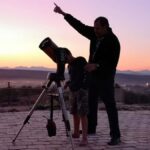
Oudtshoorn makes the night feel close. In one hour with True South Travel, you get specialized telescopes plus a guide who points out southern hemisphere highlights in plain, lively talk. I like the direct view through the scope (stars look real, not pinpoints), and I really enjoy the human side of the experience—guides like Robert and Colin have a way of making astronomy fun. One consideration: this is short, and it depends on clear skies, so cold-weather prep matters.
You’ll meet your guide in Oudtshoorn and then spend the hour doing what you came for: looking up, looking closer, and learning what you’re seeing. The focus stays on visible targets—prominent planets, constellations, galaxies, and globular clusters—so the time doesn’t get wasted on long lectures.
If you want a full night of deep-sky chasing, this one might feel brief. But if you’re after a concentrated, well-explained telescope session in one of South Africa’s best-known stargazing areas, it’s a strong value at $71 per person.
In This Review
- Key things I’d watch for
- Why Oudtshoorn’s Karoo sky is made for telescope viewing
- Your 1-hour format: telescope viewing that stays focused
- The one possible drawback
- What you’ll see through the telescope: planets, clusters, and the southern night
- A note on the Moon
- The guide talk that turns astronomy into culture
- Practical prep: what to wear, bring, and photograph
- Camera tips you’ll thank yourself for
- Price and value: is $71 per person worth it?
- Who should book this Oudtshoorn stargazing tour (and who should skip it)
- Should you book? My quick call
- FAQ
- Where do I meet the guide for the stargazing session?
- How long does the Oudtshoorn stargazing experience last?
- What’s included in the price?
- Is transportation included?
- What languages are available for the guide?
- What should I bring to the tour?
- Is the tour suitable for young children?
- Is the tour wheelchair accessible?
- What weather should I expect for stargazing tours?
Key things I’d watch for
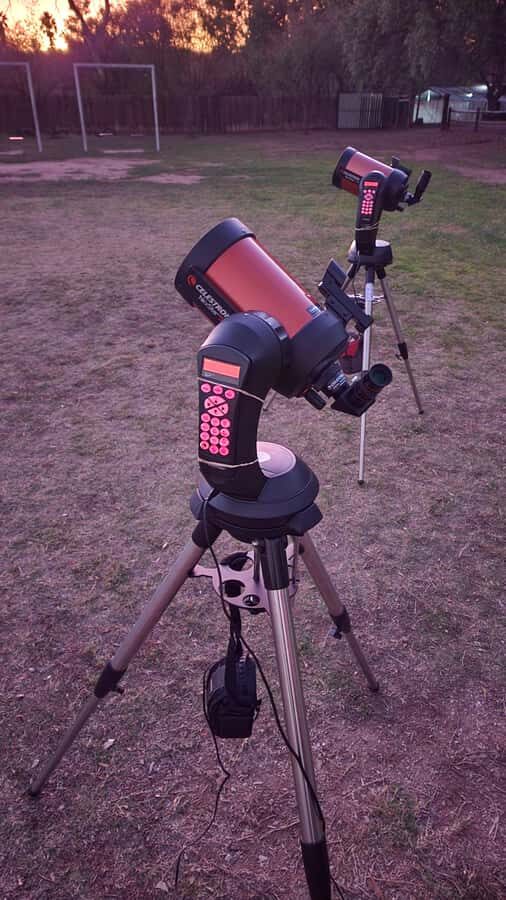
- Telescope time with a live guide so you know what you’re seeing, not just staring
- Southern sky targets like planets, constellations, galaxies, and globular clusters
- Guides with personality such as Robert and Colin, including humor and easy explanations
- Expect great visibility when skies cooperate, sometimes including the Moon and its craters
- An experience built around stories—from star naming to African traditions like the Xhosa
Why Oudtshoorn’s Karoo sky is made for telescope viewing
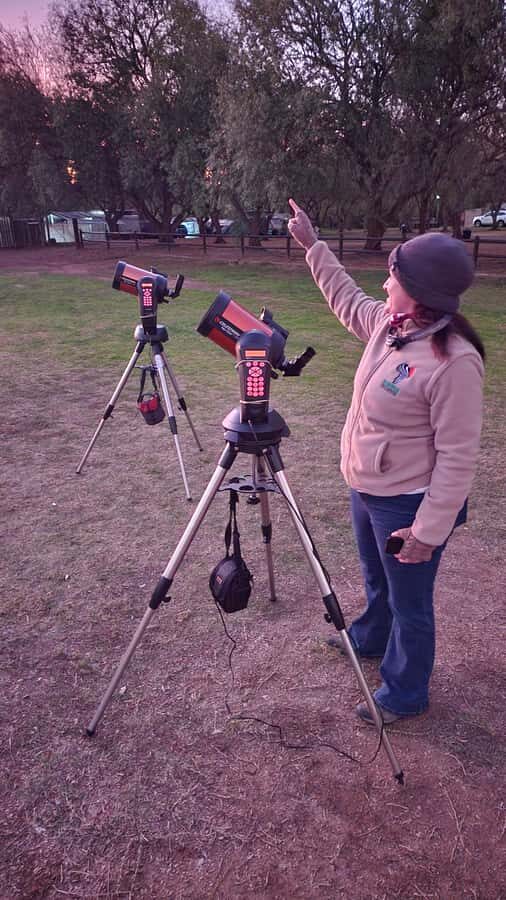
Oudtshoorn sits near the Karoo, and the big win here is the sense that the sky turns into a real place. With less city glow than many destinations, you can actually separate stars and notice contrast through the telescope.
What surprised me—just from how guides talk about it—is how quickly the sky becomes understandable. You don’t need years of astronomy. You just need someone to connect the dots: this bright object is a planet, that patch is a constellation pattern, and those fuzzy-looking regions are the kinds of deep-sky targets you normally only see in photos.
Another plus is that southern skies feel different. Many common astronomy references are built around the northern hemisphere, so seeing patterns, star groupings, and objects that are prominent from down south gives the whole hobby a fresh start.
You can also read our reviews of more guided tours in Oudtshoorn
Your 1-hour format: telescope viewing that stays focused
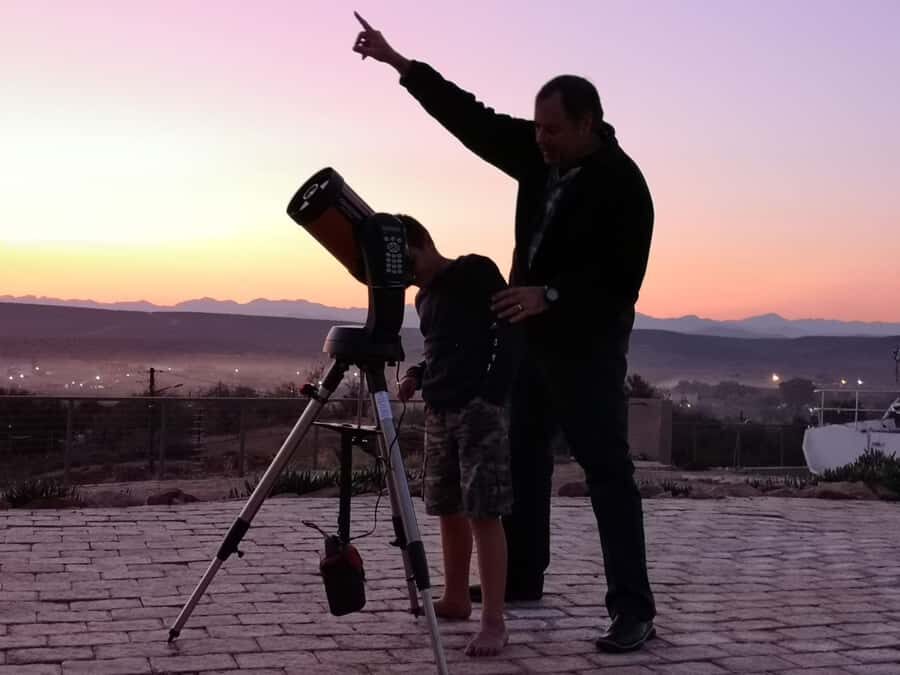
This experience is a single, guided session that runs about 1 hour. There’s no hopping around town, no complicated route. You’ll start in Oudtshoorn and then spend your time where it matters: outside under the stars with the telescope set up.
In practice, that usually means a rhythm like this:
- You meet the guide and get oriented quickly.
- You spend time looking through the scope at selected night-sky objects.
- You pause for explanations so the viewing clicks into place.
- You wrap up while the best part of the night is still fresh.
Because it’s only an hour, the guide has to be efficient. And that’s where the good ones shine. The standout theme from recent bookings is how smoothly guides teach and how clearly they connect objects to stories and context. If you’ve ever looked at the sky and felt lost, this format is designed to fix that fast.
The one possible drawback
You’ll be cold at the start and during the viewing, and the scope work takes patience. Bring the right layers (more on that below). Also, if you’re expecting a long, slow “stay out until midnight” style of tour, this won’t match that vibe.
What you’ll see through the telescope: planets, clusters, and the southern night
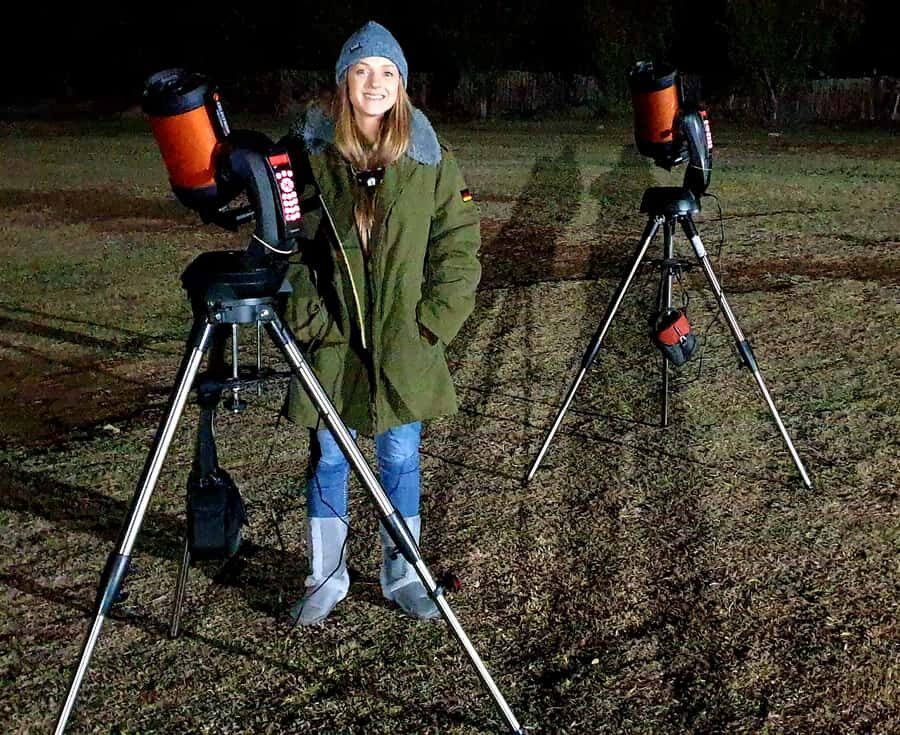
The promise here isn’t vague. The session is built around specific categories of objects:
- Planets (the kind of targets that look like they belong in your hand once you’re viewing them through a telescope)
- Constellations (patterns you can finally connect to the names)
- Galaxies and globular clusters (targets that show up as fuzzy, but not randomly fuzzy)
One of the most satisfying things about telescope viewing is that it changes your scale. You stop thinking, I’m looking at faraway lights, and start thinking, I’m seeing structures and detail—however modest—within the limits of your location and the night conditions.
From the way guides guide the hour, you’ll also learn how to “read” the sky. Instead of hunting for faint objects yourself, you get pointed to the right spot, then you understand what you’re looking at long enough to keep your bearings even when you glance away from the eyepiece.
A note on the Moon
Sometimes the Moon is part of the night’s targets, and when it is, you can get a view that feels surprisingly crisp—craters included, when conditions align. Even if the Moon isn’t the main highlight, you’ll still get the guided comparison between bright objects and deeper-sky targets so you know how to tell them apart.
The guide talk that turns astronomy into culture
The stargazing portion isn’t just technical. Your guide connects the sky to human meaning—past and present. Expect conversation that ranges from astronomy basics to why people have been obsessed with the stars for thousands of years.
Here are the kinds of connections that are explicitly part of the experience:
- How the stars influenced naming and thinking about time, including the days of the week
- How celestial patterns show up in stories tied to history, including references like the Egyptian pyramids
- How astronomy and night-sky traditions appear in African cultures, including Xhosa traditions
This is the part I like most when I’m choosing stargazing tours. A telescope can show you objects, but it’s the guide who explains why humans cared in the first place. When you hear how star patterns influenced language, calendars, and cultural practice, the sky stops being just scenery. It becomes a shared human map.
And the best guides keep it understandable. Recent experiences highlight guides like Robert and Colin for doing exactly that—clear explanations, plus humor that keeps everyone comfortable and awake.
Practical prep: what to wear, bring, and photograph
The tour is outdoors under the night sky, so comfort is a real part of the quality. The basic packing list is simple, but don’t treat it like a suggestion—cold can make you rush and miss details.
Bring:
- Comfortable shoes (you may stand for short stretches)
- Weather-appropriate clothing plus comfortable layers
- Gloves and a scarf (small things that make a big difference)
- A camera (and the willingness to fumble with settings in the dark)
- Water (you’ll be there long enough to appreciate it)
Camera tips you’ll thank yourself for
Even if you’re not an astrophotography expert, you’ll get more keeper shots by planning for darkness:
- Keep a steady grip and use whatever stabilizing option you can manage.
- Expect that telescope viewing and phone camera results won’t always match. Sometimes your best photos are the ones you take quickly, not the complicated ones you wrestle with.
The tour is focused on telescope viewing, not on teaching advanced photo processing. Still, having your camera ready helps you capture the moment and the Moon/bright targets when they’re in view.
Price and value: is $71 per person worth it?
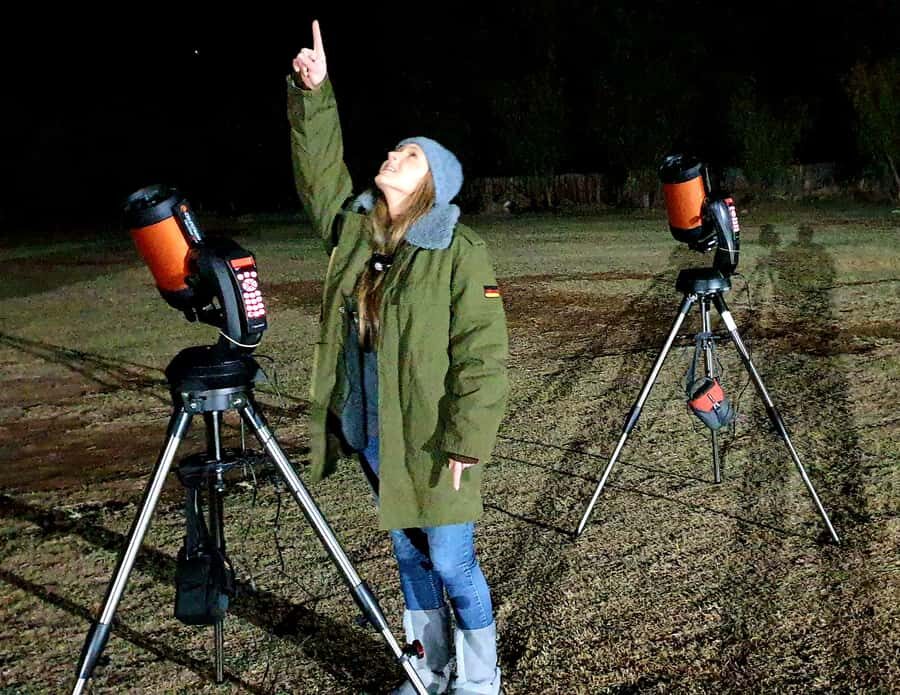
At $71 per person for about 1 hour, you’re paying for three things: time in a telescope, a live guide, and a guided “what to look at” experience in a place where the sky supports it.
That makes the value pretty straightforward:
- If you’ve ever gone to a viewpoint with a basic telescope and felt lost, you know the difference a good guide makes.
- Here, the guide does the pointing, the explaining, and the storytelling while the telescope handles the magnification.
- The time is tight, which means you’re not paying for hours of waiting around.
Not included is transportation, so you’ll want to plan how you’ll get to Oudtshoorn and back on your own. But once you’re there, the core experience is simple: meet the guide, use the telescope, learn what you’re seeing.
Also, the language options are Afrikaans and English, which helps if you want a guide who can switch smoothly between common phrases and clear explanations.
Who should book this Oudtshoorn stargazing tour (and who should skip it)
This experience fits best if you:
- Want a short, high-focus introduction to the southern night sky
- Like guided explanations more than self-guided wandering
- Want telescope views without needing astronomy gear of your own
- Enjoy a mix of science and culture in the same hour
It’s not a great fit if you:
- Need wheelchair access (it’s not suitable for wheelchair users)
- Are traveling with children under 6 (it’s not suitable for them)
Should you book? My quick call
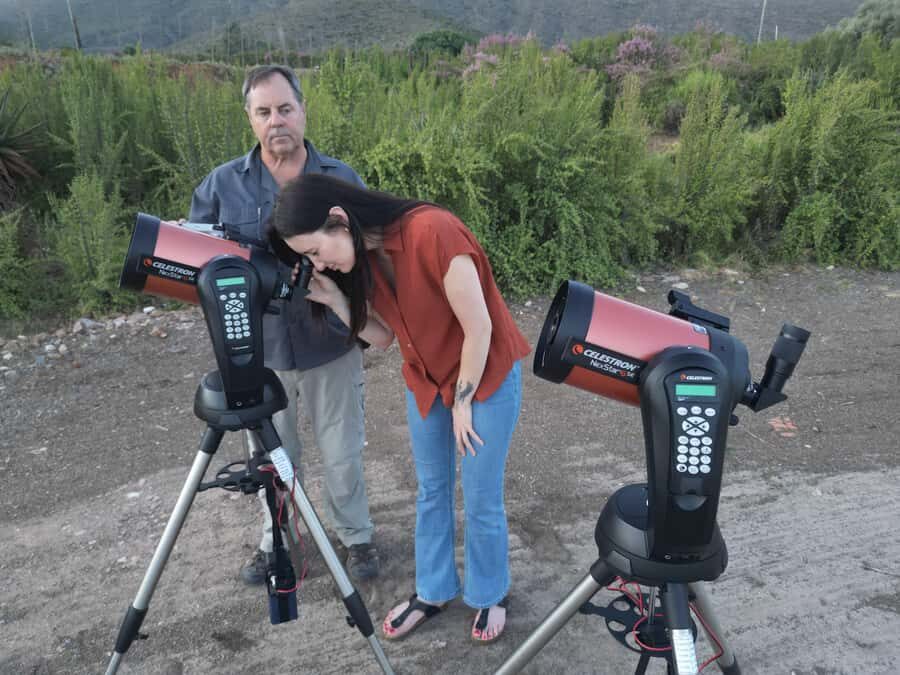
If you want one memorable hour where the sky feels real—through a telescope, with a guide who can explain planets, constellations, galaxies, and globular clusters while weaving in the human stories behind the stars—this is a strong choice. At $71 for a guided telescope session, it’s not cheap, but it’s also not inflated for what you actually get: focused viewing plus someone who helps you understand it.
Book it if you’re the kind of traveler who enjoys looking longer than the photo snapshot. Skip it if you’re expecting a full-night astronomy program or you know you won’t handle cold and patience well.
If you tell me your travel month and whether you’re more into planets or deep-sky objects, I can suggest what mindset to bring so you get the most out of that one-hour window.
FAQ
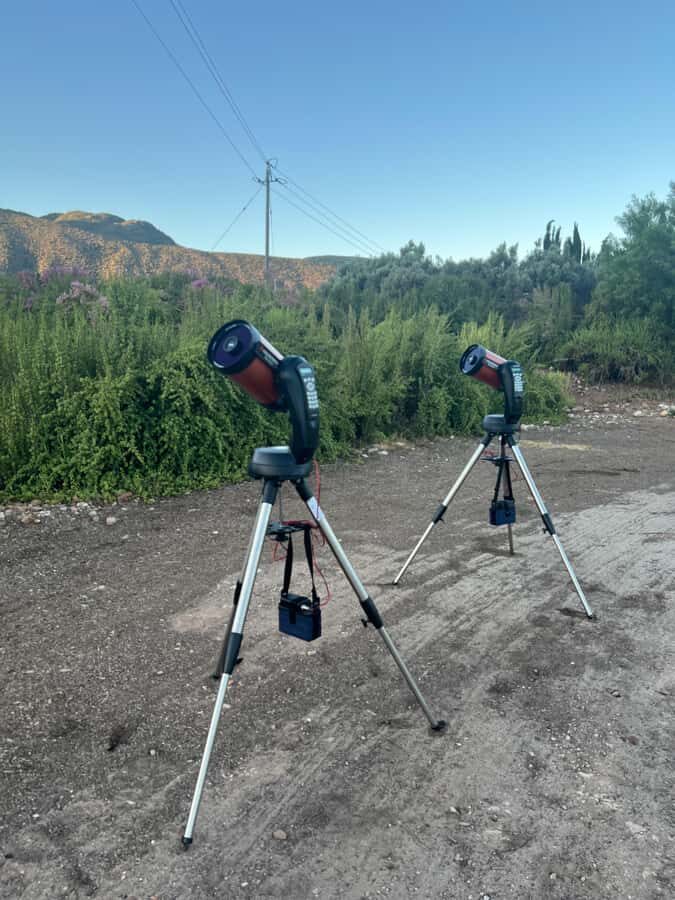
Where do I meet the guide for the stargazing session?
You meet your guide in Oudtshoorn. After you book, the activity provider True South Travel sends the meeting point address via WhatsApp.
How long does the Oudtshoorn stargazing experience last?
The tour lasts about 1 hour.
What’s included in the price?
The experience includes a live guide and access to a telescope.
Is transportation included?
No. Transportation is not included, so you’ll need to arrange how to get to the meeting point.
What languages are available for the guide?
The guide speaks Afrikaans and English.
What should I bring to the tour?
Bring comfortable shoes, comfortable clothes, water, a camera, gloves, and a scarf (plus weather-appropriate layers).
Is the tour suitable for young children?
No, it’s not suitable for children under 6 years old.
Is the tour wheelchair accessible?
No, it’s not suitable for wheelchair users.
What weather should I expect for stargazing tours?
Stargazing depends on conditions, so you should plan for night weather and cold. If conditions are poor, the experience may not run as expected.