REVIEW · OUDTSHOORN
From Oudtshoorn: Full-Day Private Swartberg Mountain Tour
Book on GetYourGuide →Operated by True South Travel · Bookable on GetYourGuide
Big views start with a steep climb. This full-day private tour takes you from Oudtshoorn into the Swartberg Mountains to walk the Swartberg Pass, spot fynbos along the way, and reach summit views over the Great Karoo before finishing at De Rust.
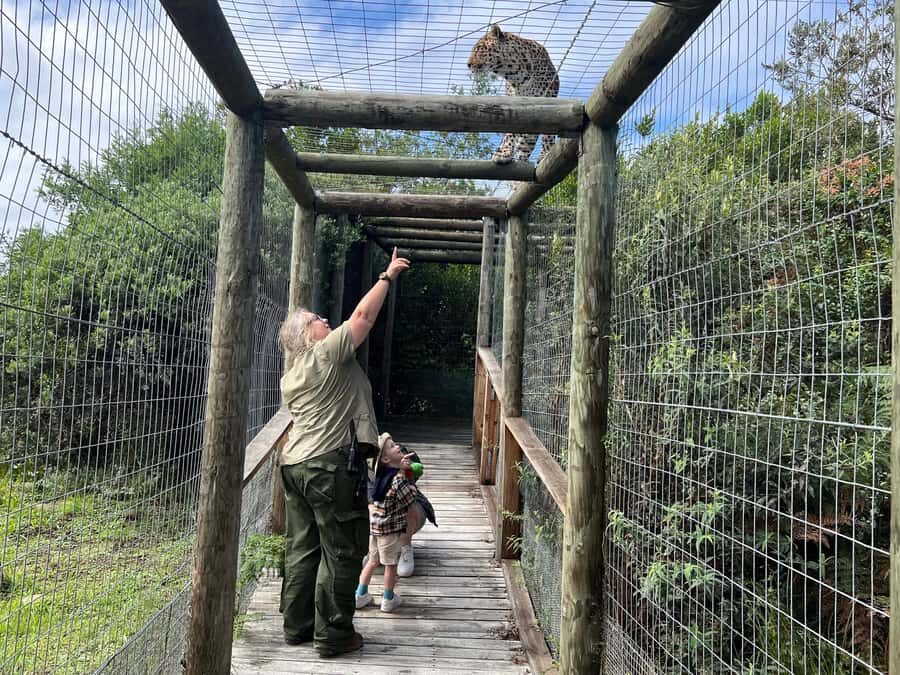
What I really like is that this is truly private: you can ask questions and move at the pace that fits you instead of getting swept along. I also love the way the guide connects plants and geology to wildlife and conservation, including the leopard work linked to the H.O.P.E. Foundation, so the day feels meaningful rather than just scenic.
One consideration: it’s a long outing with a 900m ascent, and it isn’t suitable for wheelchair users. If you’re not comfortable hiking uphill for hours, you’ll feel it.
In This Review
- Key Things You’ll Notice on This Swartberg Pass Day
- Why the Swartberg Pass Hike Feels More Like a Guided Walk Than a Route
- From Oudtshoorn Pickup to the Start of the Pass
- Swartberg Pass Walking: Fynbos, Birds You Can Spot, and Ancient Rocks
- Die Top Summit: The 170km View and What You Learn About Leopard Conservation
- Prince Albert Lunch Stop: A Real Midday Reset Before the Waterfall
- Meiringspoort Waterfall at 60 Meters: Why This Stop Works in a Private Day
- De Rust Finish: A Quiet Ending After the Pass
- Price and Value: When $229 Per Person Makes Sense
- What to Pack for a Comfortable 8.5-Hour Mountain Day
- Should You Book This Swartberg Pass Private Tour?
- FAQ
- Where is pickup for this tour?
- How long does the Swartberg Pass private tour take?
- Is transportation included from my accommodation?
- What’s included with the tour price?
- Where is lunch served?
- What languages do the guides speak?
- Is this tour suitable for wheelchair users?
- What should I bring for the hike?
- What’s the cancellation policy?
Key Things You’ll Notice on This Swartberg Pass Day
- Private guide attention so you can ask questions and tailor the pace to your needs
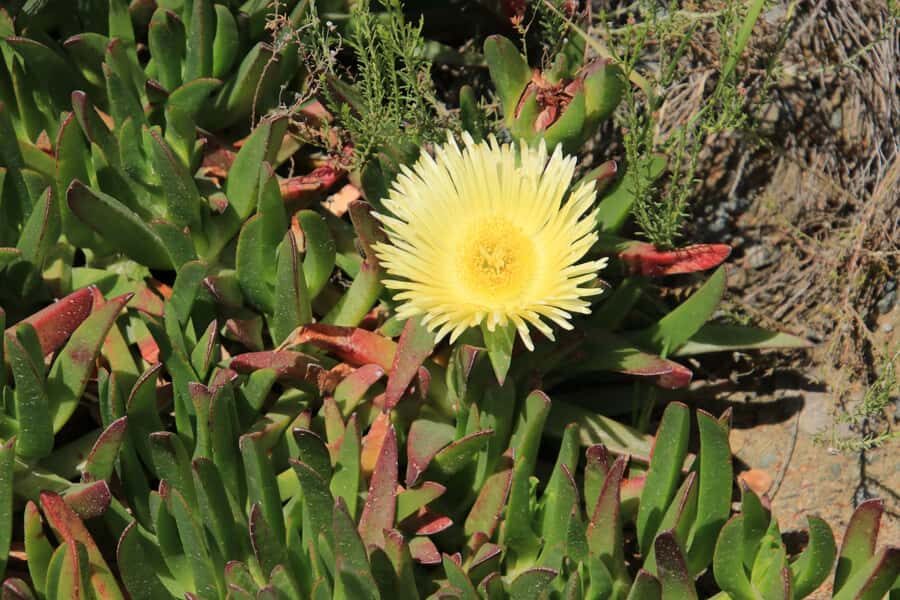
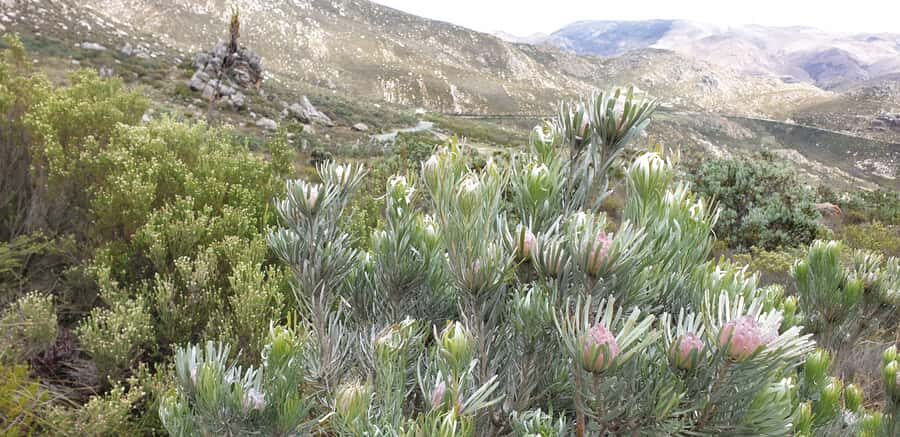
- Fynbos identification up close, including protea (a South African specialty)
- Old sandstone storytelling with folded strata about 300 million years old
- Die Top summit viewpoints with a 170km panoramic view of the Great Karoo
- Meiringspoort Waterfall at 60 meters, a clear natural landmark in the route
Why the Swartberg Pass Hike Feels More Like a Guided Walk Than a Route
The Swartberg Pass area sits within the Swartberg Mountains, listed as a UNESCO World Heritage Site, and you feel that status in the mix of dramatic geology and living plants. You’re not just looking at big scenery from a car window. You’re walking through it, with stops that turn the view into something you can understand.
I like that the day has a clear “from details to overview” rhythm. Early on, you focus on what’s growing (the fynbos vegetation). Then the guide pulls your attention to the rocks (folded sandstone strata that date back around 300 million years). By the time you reach the summit at Die Top, the plants and rock layers make the Great Karoo viewpoint snap into place.
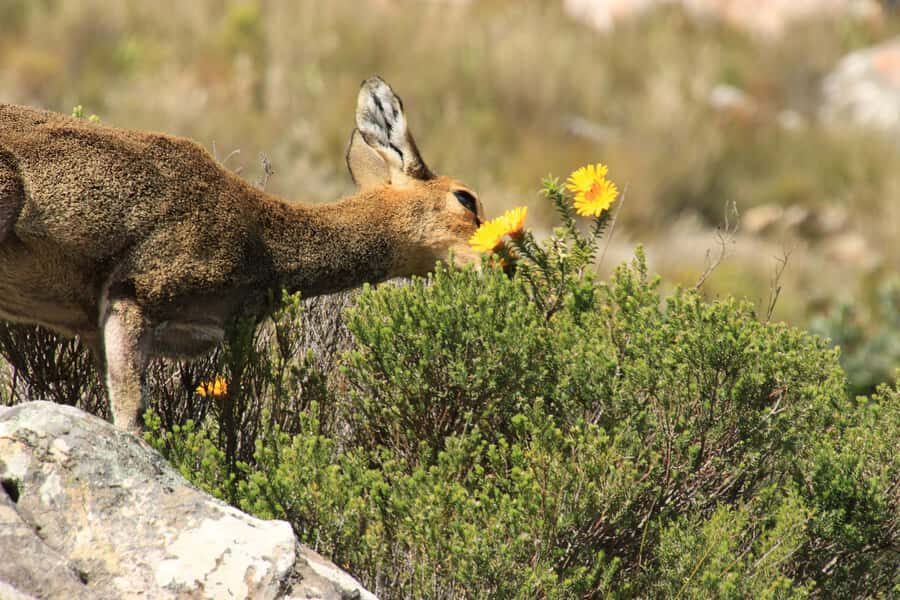
You’ll also get wildlife context, not guaranteed sightings. The tour route gives real chances to spot birds like Verreaux Eagle or Jackal Buzzard, and smaller mammals such as Klipspringer on rugged sandstone. Even if you don’t see wildlife every moment, the guide’s interpretation helps you understand what to look for and why these animals matter to the ecosystem.
You can also read our reviews of more private tours in Oudtshoorn
From Oudtshoorn Pickup to the Start of the Pass
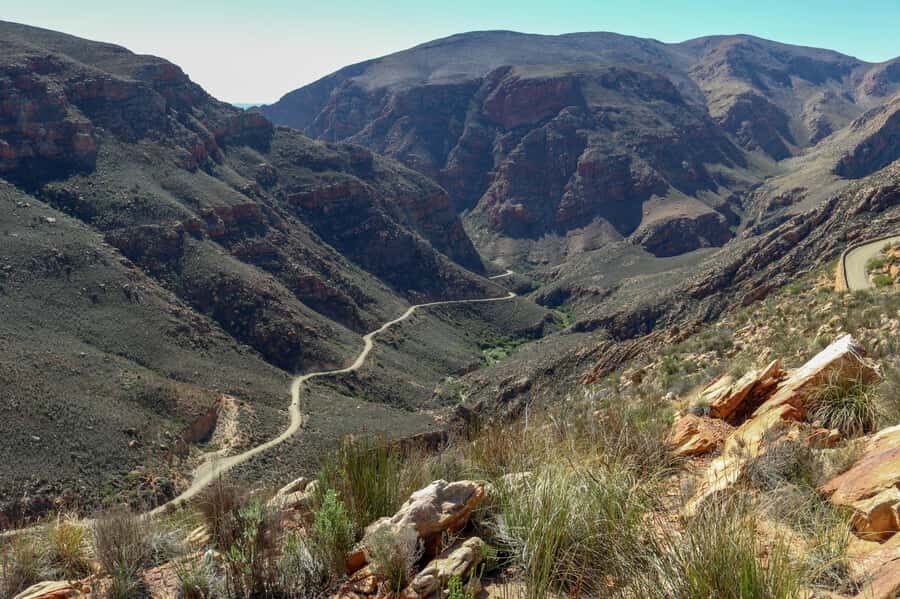
You’ll begin with pickup in Oudtshoorn, arranged through your guesthouse reception. That matters more than it sounds. In a region like the Great Karoo, having transport handled means you spend your energy on the walk, not on logistics or figuring out timing with transfers.
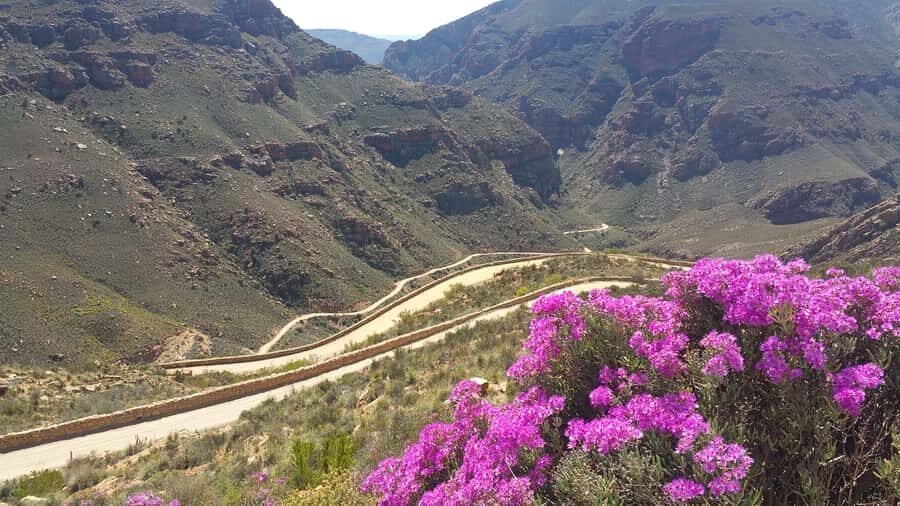
The drive brings you toward the southern foothills, where you’ll start a 900m ascent via the Swartberg Pass. This first stretch is the foundation for everything that follows. Once you’re moving uphill, you’ll start noticing the vegetation changes and the way the terrain shapes wind and light. That’s the kind of on-the-ground shift that you miss when you simply drive the route.
Practical note: the day runs long (about 8.5 hours), and conditions can vary. Bring warm clothing, a hat, and sunscreen, and wear comfortable clothes made for walking. Even when the sun is strong, mountain weather can still feel cool, especially near viewpoints.
Swartberg Pass Walking: Fynbos, Birds You Can Spot, and Ancient Rocks
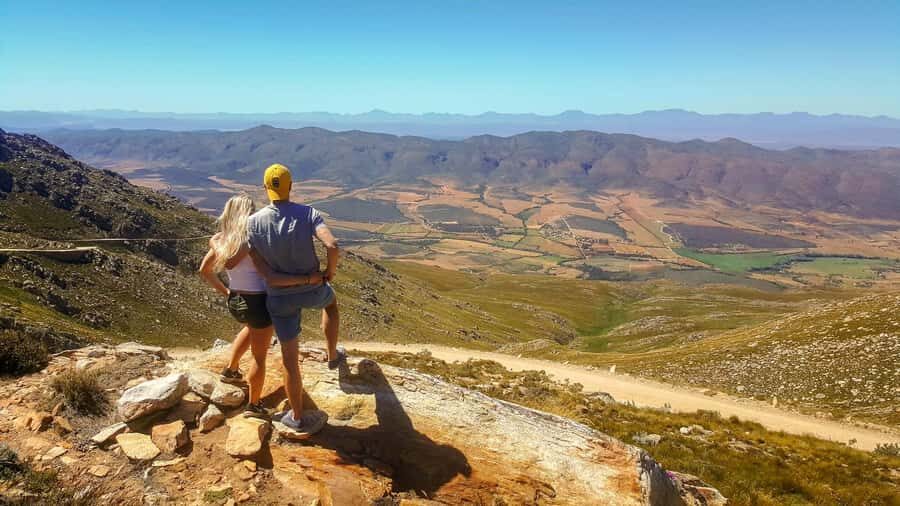
The Swartberg Pass segment is built for slow, observant hiking. You’ll spend roughly 3 hours walking while your guide watches for what you can’t easily spot on your own: plant types, rock formations, and wildlife clues.
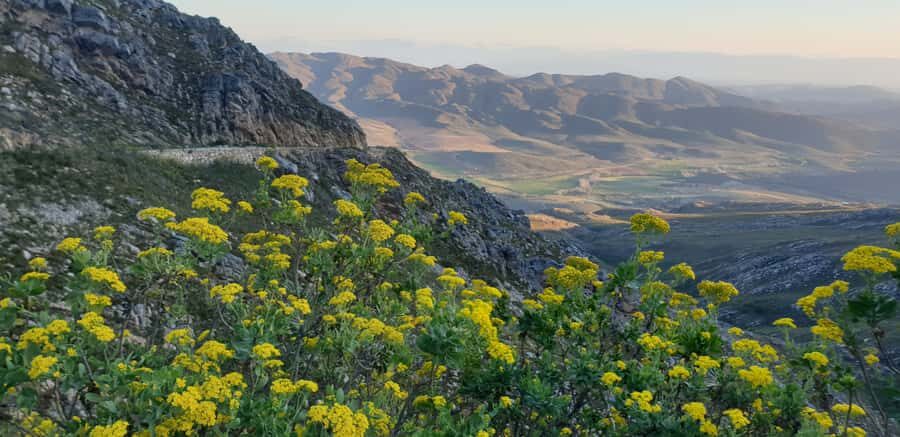
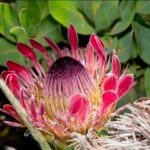
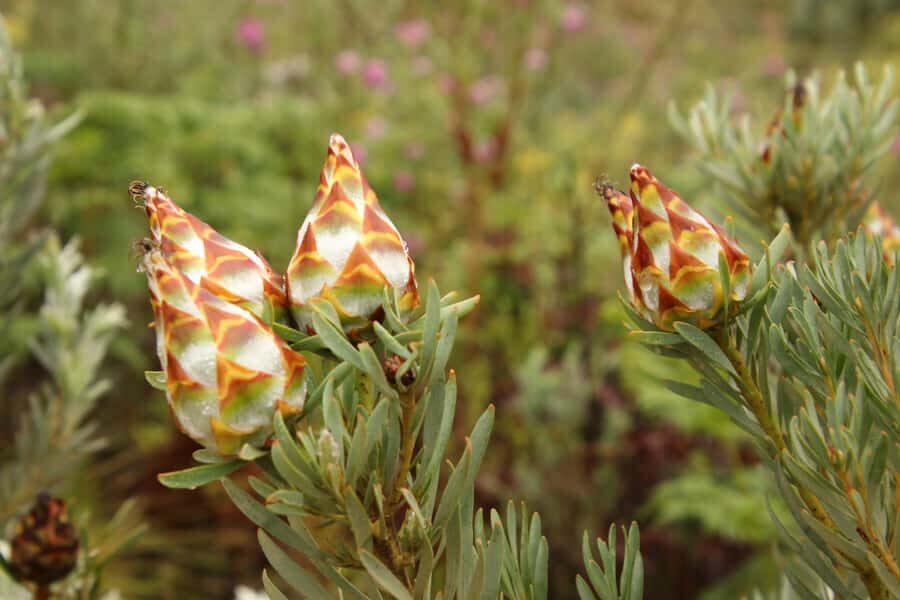
The fynbos portion is a highlight. Fynbos is South Africa’s distinctive shrubland system, and you’ll get up close to plants such as protea, with the guide explaining what you’re seeing and why it belongs here. This is one of those moments where the vegetation turns from background color into real science. You start seeing patterns—how the plants survive dry conditions, how they cluster, and how they respond to the local conditions.
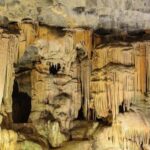
Then comes the geology lesson. You’ll learn to read the folded sandstone strata—a rock story stretching back about 300 million years. It’s not just a fun fact. It helps you understand why the walk has the shapes it does: steep sections, exposed rock faces, and places where animals can shelter or hunt.
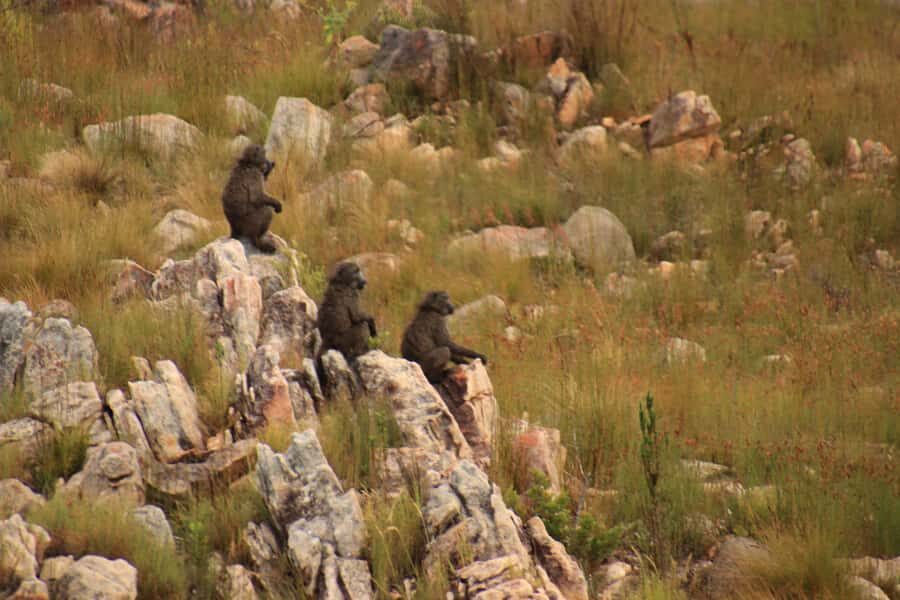
Your guide also keeps an eye out for wildlife opportunities. Depending on what’s moving that day, you might spot birds like Verreaux Eagle or Jackal Buzzard soaring overhead. You might also glimpse Klipspringer, a small antelope that often prefers rugged, rocky ground. No promises, but the tour is timed and structured so you’re in the right zones to look.
Die Top Summit: The 170km View and What You Learn About Leopard Conservation
At the summit of Swartberg Pass, known as Die Top, you’ll take in a huge panoramic view—about 170km across the Great Karoo. This is where the day’s earlier focus pays off. When you understand the fynbos and the rock structure, the view feels less like a postcard and more like a real landscape you can interpret.
The guide’s conservation talk also lands well at this point. You’ll learn about a leopard conservation initiative pioneered by members of the H.O.P.E. Foundation. Hearing about ongoing work while standing in habitat that shaped animal survival makes the conservation story feel grounded rather than abstract.
Tip for summit time: expect wind and exposure. Even if you’re dressed for sun, bring layers in your daypack so you can adjust when temperatures shift. Also, keep a pause plan. When the views are this big, you’ll want a few quiet minutes to take photos and just breathe, especially before you start descending again.
Prince Albert Lunch Stop: A Real Midday Reset Before the Waterfall
After the summit section, you’ll descend the pass and head toward Prince Albert for lunch (about 1 hour). This stop breaks up the hike in a smart way. It’s not just eating. It’s a reset: your body recovers a bit, and your mind shifts from “climb and look” to “continue and watch for changes.”
Lunch in Prince Albert is included, and it’s described as a light lunch. That likely means you won’t leave hungry, but you also won’t be weighed down for more walking and viewing. For me, that’s the right kind of meal on a day like this.
Then you continue through the Karoo terrain, where the guide points out the arid Great Karoo environment, including succulents and karroid bush. This part helps connect the dots between fynbos and the drier Karoo systems. The vegetation doesn’t feel random anymore—it feels like a sequence of survival strategies.
Meiringspoort Waterfall at 60 Meters: Why This Stop Works in a Private Day
The day’s big natural landmark is the Meiringspoort Waterfall, 60 meters high. It’s an unmissable stop on this route, and it’s worth showing up ready to look from the best viewing angle your guide recommends.
Waterfalls in dry regions don’t just look pretty. They signal a system—how water gathers, where it drops, and what kind of environment forms around it. Even without complicated explanation, seeing a tall waterfall like this gives you instant context for how the mountains and rock structure affect water movement.
From a practical standpoint, this is the part of the day where timing and pacing matter. You’ll be walking and paying attention throughout, so when you reach the waterfall, you’re physically capable of stopping, looking, and taking photos without feeling rushed. With a private guide, you’re also more likely to get the small moment you need: a pause to stand comfortably, absorb the sound, and then keep going.
De Rust Finish: A Quiet Ending After the Pass
After the Meiringspoort segment, you’ll wind through the rest of the pass and arrive at De Rust, described as a peaceful dorpie (small village). This finishing point adds a nice contrast to the big views earlier in the day.
Once you reach De Rust, you’ll have transportation back to your accommodation in Oudtshoorn. That last transfer is a comfort: you don’t need to manage another drive or wonder how long it will take while you’re tired. It turns the day into a complete experience rather than a series of separate logistics.
For people who like a calm end to an active outing, this matters. The Swartberg Pass day is naturally intense because of distance and elevation. Finishing in a quiet village keeps you from feeling like you’re sprinting across the region just to check boxes.
Price and Value: When $229 Per Person Makes Sense
At $229 per person for about 8.5 hours, this isn’t a budget hop. You’re paying for more than transportation and a route. You’re paying for interpretation and control.
Here’s where the value comes from:
- Private transportation from your accommodation (door-to-door focus, not just a meeting point)
- A mountain guide, including conservation and ecology learning
- A conservation fee included in the package
- Lunch included in Prince Albert
If you’re the kind of traveler who cares about what you’re seeing—why certain plants exist, how rock formations shape the terrain, and what conservation efforts look like—then the private guiding portion is the real reason the price feels fair. If you only want sweeping photos with minimal walking and minimal talking, you might feel the cost more than the benefit.
This tour tends to suit couples, solo travelers who want expert attention, and hikers who enjoy learning while moving. Based on the route demands (900m ascent), it’s best for people who already feel comfortable hiking for hours.
What to Pack for a Comfortable 8.5-Hour Mountain Day
The tour provides a walking plan and guide support, but you need to show up prepared. At minimum, bring:
- Warm clothing
- A hat
- Sunscreen
- Comfortable clothes
Think in layers. Warm clothing helps when the air cools near viewpoints and exposed sections. A hat handles sun and wind. Sunscreen matters because mountain light can feel sharper than you expect, even when you’re not in a typical beach setting. Comfortable clothes are your quality-of-life factor, especially because this day includes both a climb and a longer, view-focused walk.
Also, set your expectations for timing. This isn’t a quick “see it and leave it” outing. It’s structured around multiple meaningful stops, so you’ll want to arrive with energy (and a willingness to slow down to look closely).
Should You Book This Swartberg Pass Private Tour?
I’d book this if you want a day that mixes views with real understanding. The best parts of the experience aren’t only the summit panorama and the waterfall. It’s the way a good guide helps you notice fynbos like protea, read ancient sandstone, and connect wildlife and conservation to the terrain you’re standing on.
Skip it if you want a short, easy walk. The 900m ascent and full 8.5-hour duration make this more of a hiking day than a light stroll, and it isn’t suitable for wheelchair users.
If you’re ready for a private, question-friendly outing with strong nature focus, this tour is a smart use of your time near Oudtshoorn. It’s the kind of day you come back from remembering specific plants, specific rock textures, and one very tall waterfall.
FAQ
Where is pickup for this tour?
Pickup is in Oudtshoorn, and the guide meets you at your guesthouse reception in the morning of departure.
How long does the Swartberg Pass private tour take?
The tour lasts about 8.5 hours.
Is transportation included from my accommodation?
Yes. You get private transportation from your accommodation in Oudtshoorn to the Swartberg Mountains, and you’re brought back after the tour.
What’s included with the tour price?
Included are a mountain guide, private transportation, a conservation fee, and lunch.
Where is lunch served?
Lunch is a light lunch in Prince Albert.
What languages do the guides speak?
The live guide speaks English and Afrikaans.
Is this tour suitable for wheelchair users?
No, it is not suitable for wheelchair users.
What should I bring for the hike?
Bring warm clothing, a hat, sunscreen, and comfortable clothes.
What’s the cancellation policy?
Free cancellation is available up to 24 hours in advance for a full refund.