REVIEW · CAPE TOWN
Koeksister and Samoosa Class by the Malay Cook Up
Book on GetYourGuide →Operated by Cape Malay Cook Up · Bookable on GetYourGuide
Flour, spice, and sweet comfort. This Cape Malay Cook Up workshop turns your kitchen skills up a notch with a hands-on, step-by-step guide to making samoosas and koeksisters from scratch in a home kitchen in Bo-Kaap, Western Cape. You also get a taste of the culture behind the snacks, with local context shared along the way and a sit-down tasting at the end.
I especially like how interactive it feels, even when you’re learning something new. And you get the best kind of break built in: savoury and sweet snacks you made yourself, not just watched being assembled.
One thing to keep in mind: depending on how the session runs, you might not handle every single component from zero. In one experience, the samosa pastry and some filling elements were pre-done, which can reduce the hands-on factor for those who want full scratch cooking. If that’s your priority, ask when you book what parts are truly from scratch versus prepared in advance.
In This Review
- Key things to know before you go
- Bo-Kaap Kitchen Lessons: Samoosas and Koeksisters, Made Step by Step
- What This Workshop Costs (and Why It Feels Fair)
- Inside the Class: How the Two Hours Usually Unfold
- Samoosas: Learning the Savoury Side Without the Stress
- Koesisters: Sweet-Spicy Fun With More Hands-On Energy
- Why the Food Story Matters in Bo-Kaap
- The Tasting and Conversation Part You Don’t Want to Miss
- Who This Cooking Class Is Best For
- Practical Tips to Get More Out of Your Time
- Booking Readiness: Policies and House Rules, Briefly
- Should You Book the Cape Malay Cook Up Samoosa and Koesister Class?
- FAQ
- Where does the class take place?
- How long is the workshop?
- How much does it cost?
- What will I learn to make?
- Is tasting included?
- What’s provided during the workshop?
- Do they share any context or local history?
- What languages are offered?
- Are alcohol or drugs allowed?
- Is there flexibility to book later or cancel?
Key things to know before you go
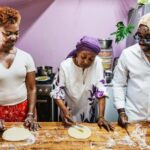
- Home-kitchen setting in Bo-Kaap with an instructor guiding you through the process
- Two classics together: samoosa triangles plus koeksisters, sweet-spicy and satisfying
- You eat what you make, with a tasting at the end in a relaxed sit-down
- Local history gets woven in, including the Bo-Kaap roots of these foods
- English and Afrikaans instruction so you can follow along comfortably
Bo-Kaap Kitchen Lessons: Samoosas and Koeksisters, Made Step by Step
This is the kind of class that feels like it belongs in Cape Town, not like a generic food activity. You’re learning two street-food staples of the Cape Malay tradition in a real home kitchen in Bo-Kaap. That neighborhood context matters, because these snacks aren’t just treats you eat on the side. They’re part of how people there mark everyday life and hospitality.
The format is simple and friendly: a two-hour interactive cooking workshop where the host walks you through each stage. You’re not sent away with a packet and a prayer. You’re guided, corrected, and encouraged as you go. And when the cooking phase ends, you sit down with the host and enjoy the food you prepared, with time for hearty conversation.
I also like that it’s built around the big flavors, not just the technique. Even if you’ve cooked before, you’ll learn how the Cape Malay approach shapes the balance between savoury and sweet-spicy. Think of it as getting both comfort food and cultural food education in one sitting.
A few more Cape Town tours and experiences worth a look
What This Workshop Costs (and Why It Feels Fair)
The price is $23 per person for a two-hour class including tasting, with all equipment and ingredients provided. On paper, that’s not a huge cost for a full workshop. In practice, it adds up because you’re not paying extra for supplies you might not own, like specialized tools, and you’re not spending time shopping for the right ingredients.
You’re also getting more than a cooking demo. The class includes:
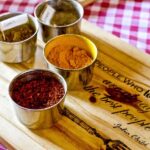
- ingredients and equipment
- the tasting portion
- local history shared during the session
- authentic ingredients
So the value comes from three things: time (two full hours), food (you eat what you made), and guidance (an accomplished Cape Malay cook coaching you step-by-step). If you’re the type who likes learning by doing, the $23 makes sense because the host handles the structure and the sourcing, while you handle the making.
Inside the Class: How the Two Hours Usually Unfold
You’ll spend the session in a home kitchen, not a big commercial venue. That usually means you get a more personal pace. You’ll be taught how to make samoosa (pastry triangles) and koesister (traditional sweet-spicy doughnuts) from scratch, with the process coached step by step.
Even though the class is cooking-focused, it’s also part storytelling. The host shares local history along the way, including why these foods matter to Bo-Kaap and how they’ve remained part of South Africans’ diets across cultures and religions.
Here’s what you can count on from the structure:
- You start cooking early enough that you feel you’re actively involved, not just waiting around.
- The workshop covers both snacks, so you leave with two wins instead of one.
- At the end, you sit down with the host to enjoy what you made, which turns the experience into a social meal, not a rushed hand-off.
This last part is underrated. Food classes can turn into a production line. This one keeps a human tone. It helps you actually taste and talk, rather than just collect recipes.
Samoosas: Learning the Savoury Side Without the Stress
Samoosa is the part of the menu that can feel intimidating at first, because the pastry has to hold its shape and the filling has to taste right. The class teaches you how to make the samoosa pastry triangles from scratch, guided step by step.
Now, a practical heads-up: not every session may involve every element being made from zero. One experience noted that the samosa pastry was store-bought and some filling elements were pre-done, which reduced the hands-on dough work and the ingredient-scent-and-touch part of the process.
What you should do with that info:
- If you care most about making the pastry dough yourself, ask before you go whether the session includes full dough-from-scratch work.
- If your goal is learning the overall workflow and the flavour logic, you may still enjoy it, because the class covers the shape and the approach, and you’ll definitely get the tasting payoff.
The good sign from the broader experience: the session is described as interactive and engaging, and the cooking portion flows in a way that includes you rather than putting you in the background.
Koesisters: Sweet-Spicy Fun With More Hands-On Energy
If you’re trying to decide what to prioritize, I’d lean toward koesister. The overall experience consistently gets praise for being interactive, and one specific note suggested that the koesister part of the class feels more hands-on.
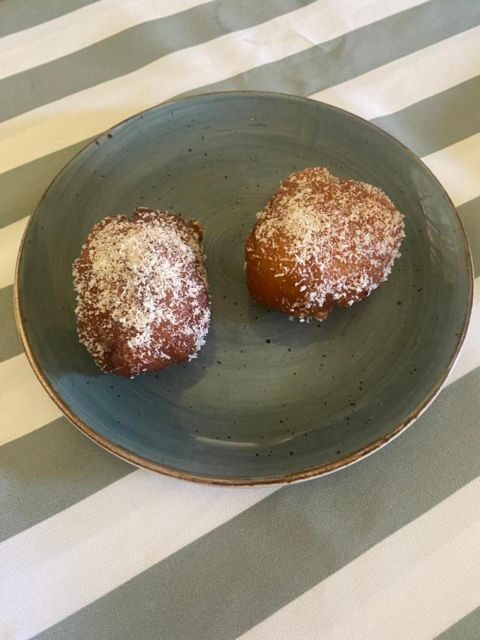
Koesisters are sweet-spicy doughnuts, and learning them is a fun change of pace after the savoury work. This is where you’ll likely feel the most momentum: shaping and handling the dough, working with the sweet-spicy profile, and ending up with something that tastes like a proper treat, not just a snack you made out of duty.
Even better, the tasting at the end isn’t separate from the experience. You finish the cooking and then sit down to enjoy what you made, which helps you understand what works. When you can taste your own koesister right after learning it, the technique clicks faster.





Why the Food Story Matters in Bo-Kaap
This isn’t just a cooking class about recipes. It’s also about why these foods have such a strong place in the local diet.
You’ll hear that samoosa and koesister are synonymous with the earliest inhabitants of Bo-Kaap. And you’ll also learn that these pastries stayed part of South Africans’ meals even beyond one religious or cultural group. That’s a key takeaway if you’re trying to understand the food beyond the fryer.
Food travel gets a lot better when you know what the dish represents. Here, the history connection helps you taste with context. You’re not just chewing dough and filling. You’re sampling a tradition that survived, adapted, and traveled through everyday life.
The Tasting and Conversation Part You Don’t Want to Miss
At the end, you don’t just take food away in a container and leave. You sit down with the host to eat and talk. That matters more than people think.
First, it makes the class feel generous. You’re not treated like a paying participant who needs to move along. You’re part of a home meal moment. Second, conversation helps you correct misconceptions while the smell of the food is still fresh in your head.
If you’re curious, you can ask practical questions on the spot, like what makes the flavours come together or what people usually pair with these snacks. Even if you’re shy, the vibe is described as welcoming and comfortable.
Who This Cooking Class Is Best For
I’d recommend this workshop if you fit one of these profiles:
- You want a hands-on class in Cape Town that includes both savoury and sweet.
- You like learning food traditions tied to a place, not just following a recipe.
- You’re traveling with friends or family and want something social that still teaches skills.
It also works well if you’re a confident home cook who wants a cultural twist. You’ll still learn how Cape Malay flavours show up in these classics.
And it might not be your perfect match if your top priority is “everything made completely from scratch with no prepared components.” The possibility of pre-done pastry or fillings has been mentioned in one experience, so you’ll get the most satisfaction if you’re okay with learning the overall method and tasting the final results.
Practical Tips to Get More Out of Your Time
This class is only two hours, so the best strategy is mental: pay attention and move with the group.
A few ways to help yourself enjoy it more:
- Wear clothes you don’t mind getting a little messy. Any pastry class can get floury.
- Ask one question early. If you care about “from scratch,” ask whether the samosa pastry dough is made during the session.
- Taste as you go when the moment allows. The quicker you connect flavour to action, the easier it is to remember what you learned.
- Keep your questions focused. The host shares both cooking guidance and local context, so it helps to ask about what you’re seeing, not random food trivia.
Also, note the language options: English and Afrikaans. If you prefer one language, you’ll want that clear when you book, so you don’t end up translating in your head.
Booking Readiness: Policies and House Rules, Briefly
A couple of practical notes before you lock it in. Alcohol and drugs aren’t allowed, so plan to treat this like a clean, family-style kitchen experience.
The booking setup includes flexible planning: you can reserve and pay later (pay nothing today), and you can cancel up to 24 hours in advance for a full refund. If your schedule is still changing in Cape Town, that flexibility is useful.
Should You Book the Cape Malay Cook Up Samoosa and Koesister Class?
I’d say book it if you want a real Bo-Kaap home-kitchen experience with two iconic Cape Malay snacks and a guided, social finish. The best reasons to choose it are straightforward: you learn the process, you get tasting included, and you leave with a sense of why these foods matter locally.
Before you book, do one small homework step based on the only real caution that came up: confirm whether the samosa portion includes full dough-making from scratch or uses any prepared pastry elements. If the answer is “partial prep,” you’ll still likely enjoy the koesister side and the overall experience, but you’ll adjust your expectations so you don’t feel short-changed.
If you want a fun skill-share that turns into dinner conversation, this is a great fit.
FAQ
Where does the class take place?
The workshop takes place in the Western Cape, in Bo-Kaap, in a home kitchen.
How long is the workshop?
It runs for two hours, including tasting.
How much does it cost?
The price is $23 per person.
What will I learn to make?
You learn to make samoosa (pastry triangles) and koesister (sweet-spicy doughnuts).
Is tasting included?
Yes. Tasting is included as part of the two-hour class.
What’s provided during the workshop?
You get all equipment and ingredients provided, plus authentic ingredients are used.
Do they share any context or local history?
Yes. Local history is shared during the experience.
What languages are offered?
The class is conducted in English and Afrikaans.
Are alcohol or drugs allowed?
No. Alcohol and drugs are not allowed.
Is there flexibility to book later or cancel?
Yes. You can reserve and pay later, and you can cancel up to 24 hours in advance for a full refund.