REVIEW · PORT ELIZABETH
Marine Eco Safari
Book on Viator →Operated by Cape Recife · Bookable on Viator
Cape Recife gives you wild ocean energy without the hassle of a boat. This land-based Marine Eco Safari is built for shore-hugging wildlife, standout birding, and lighthouse-time on the Eastern Cape coast. It is an easy way to wrap up a Port Elizabeth stay with real nature, not a scripted stop-and-go day.
I really like the way this trip mixes wildlife watching with birding and botanical scenery. I also love that you get a guided format in the right vehicles and with the right gear, so you’re not just staring at the horizon hoping for something. One thing to factor in: the experience runs in the open air, and the area can be windy—bring warm layers.
In This Review
- Cape Recife safari highlights and what to expect
- Key things I’d circle before you book
- Cape Recife in 3 hours: what this land-based marine safari really gives you
- Getting started at Kelway Hotel in Humewood
- Birding and botanical stops: the quiet strength of this tour
- Guided drives and hikes: how the group actually finds wildlife
- Whales and dolphins from the shore: the marine part you’re booking for
- Lighthouse views, coastal history, and why the timing matters
- Cocktails and braai-style downtime: where the “eco” side relaxes
- Price and value: is $85.75 worth it in practice?
- Who this safari suits best (and who should skip it)
- Quick checklist before you go
- Should you book Marine Eco Safari at Cape Recife?
- FAQ
- How long is the Marine Eco Safari?
- Does this tour include pickup, or do I need to find my own way to Cape Recife?
- What group size should I expect?
- When do I get confirmation after booking?
- What happens if weather is bad?
- Are there mobile tickets, and is the tour near public transport?
Cape Recife safari highlights and what to expect
You’re heading to a section of coastline known for whales year-round and for bottlenose dolphins. Bird life is a big deal here too, with chances for pelagic, coastal, freshwater, and bush species, so even if the marine sightings slow down, you’re still likely to see plenty. The guides also layer in botanical and historical context, including what Cape Recife dunes and plant growth were helped by.
The main drawback is simple: it depends on weather and on timing. If conditions are poor, the operator may move dates or refund you, and on colder/windier evenings you’ll want to dress for it.
Key things I’d circle before you book
- Shore-based whale and dolphin chances without needing to go offshore
- Cape Recife birding across multiple habitat types, including pelagic possibilities
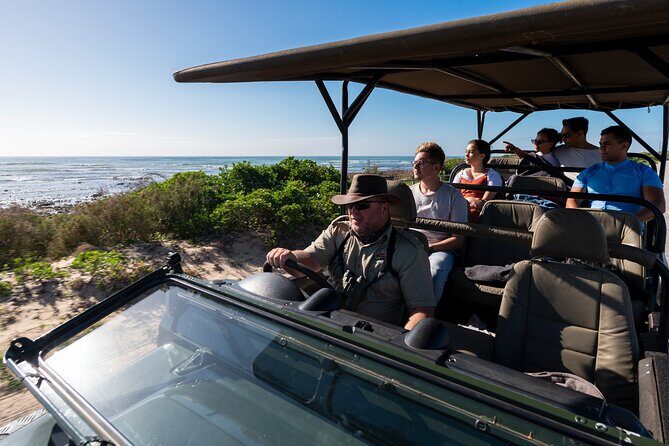
- Game-viewing style drives in equipped vehicles with a guide
- Lighthouse time with big views and coastal history notes
- Sunset pacing with cocktails and a late beach walk to close out the day
- Sardine Run timing (May to July) for a major marine spectacle when you’re lucky
A few more Port Elizabeth tours and experiences worth a look

Cape Recife in 3 hours: what this land-based marine safari really gives you
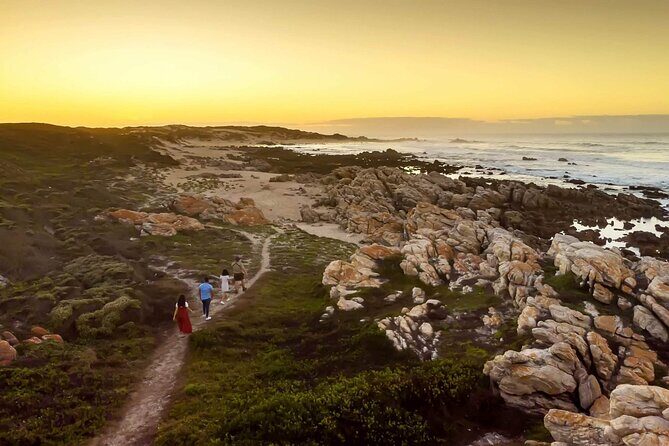
This isn’t a long, all-day safari. It’s a focused 3-hour outing designed around one goal: getting you close to what’s happening along Cape Recife’s coast. The setting is rugged and wild-feeling, but the pace stays manageable. That matters in Port Elizabeth, where you might want one special nature block without burning your whole day.
The “land-based” part is key. You’re watching whales and dolphins from the coastline and from viewpoints, with guided stops that help you interpret what you’re seeing. You get the marine excitement, but you also get the bonus stuff: birding, plant diversity, and lighthouse-era stories that make the coast feel like more than just scenery.
Price-wise, at $85.75 per person, it’s not a bargain-basement activity. But for the mix of guided driving, walking, and lighthouse viewing, plus the focus on wildlife and birding in a specific hotspot, it can feel like solid value—especially compared with piecing together multiple separate experiences.
Getting started at Kelway Hotel in Humewood
The tour meets at Kelway Hotel, Brookes Hill Drive, Humewood, Port Elizabeth. Pickup is offered, and the activity ends back at the same meeting point, which is convenient if you’re staying nearby.
This is also a small-to-mid group experience: a maximum of 20 travelers, and a time slot requires a minimum of 4 adults. That’s a nice balance. You’re not packed in like a bus tour, but you also don’t get stuck waiting around for a lone guide and a couple of people.
You’ll get a mobile ticket, and confirmation comes within 48 hours of booking (subject to availability). Bookings on average are made about 15 days in advance, so if you have a narrow travel window, don’t leave it too late.
Birding and botanical stops: the quiet strength of this tour
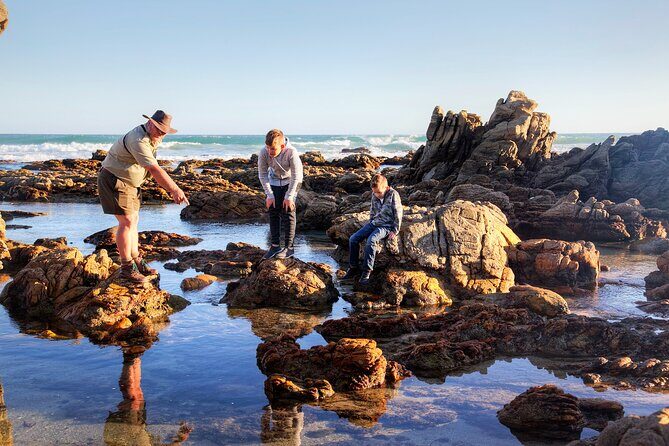
If you care about birds, this is where Cape Recife shines. The safari is set up for birding in multiple habitats: coastal, bush, and freshwater edges, plus the possibility of pelagic species depending on conditions. In plain terms, it means your guide isn’t only scanning for dolphins and whales; you’re also moving through spots where birds make sense.
The botanical angle is not random decoration either. Cape Recife is described as a botanical hotspot with protected plant diversity. That shows up as a guided “look closer” approach—what you’re seeing isn’t just pretty shrubs; it’s a living system adapted to this specific coastline.
I like tours that treat birds and plants as part of the main event, not an optional extra. This one does that. So even if you don’t get a perfect marine moment, you still get something worthwhile to bring home: new species to track, and new ways to read the shoreline.
Guided drives and hikes: how the group actually finds wildlife
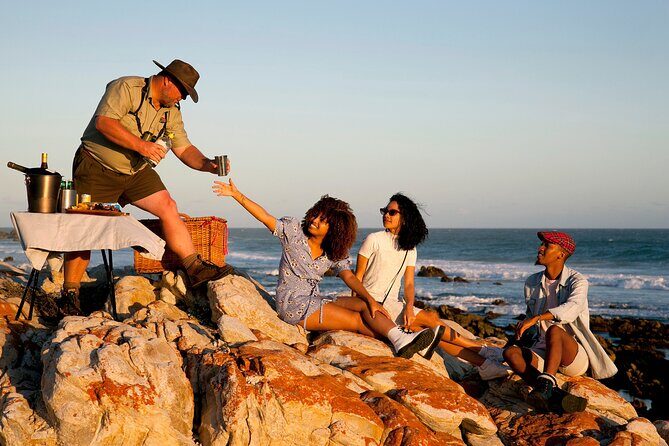
You’ll spend time in game-viewer style vehicles equipped for the job, then step out for guided drives and hikes. That matters because spotting marine life from shore is often about position and timing, not just patience. A good guide gets you to the right viewing points and helps you understand what you’re looking for.
The reviews also point to strong guide delivery. People specifically call out named guides like Nash, Roger, and Mervyn for sharing clear explanations and making the experience feel personal rather than generic. You can expect more than spotting-and-waiting; the guide is meant to connect the scenery to wildlife behavior and local environmental features.
One practical note: this is an outdoor, moving experience. Plan for a bit of walking and possibly uneven ground near coastal areas. Wear footwear that won’t punish you if the terrain changes.


Whales and dolphins from the shore: the marine part you’re booking for
This is marketed for year-round whale and dolphin possibilities, and it’s built around the coastline’s reputation. The area is known as the bottlenose dolphin capital of the world, so dolphins are a realistic highlight rather than a rare miracle.
Here’s what land-based viewing changes: you’re not chasing animals. You’re watching patterns. If conditions are right, you might spot dolphins feeding, traveling, or surfacing near where the coastline shapes the water. Whales can also be seen year-round, but your chances depend on what the ocean is doing that day.
If you’re visiting during May to July, keep a special eye out for the sardine run. It’s described as a major annual event when sardines migrate northward along the Eastern Cape, drawing predators and seabirds. The scale is wild on paper—shoals can stretch for kilometers—and it can turn Cape Recife into a high-energy wildlife scene for a short window. Even if you’re not there in peak sardine-run timing, this is still a species-rich marine area where sightings can happen across the year.
Lighthouse views, coastal history, and why the timing matters
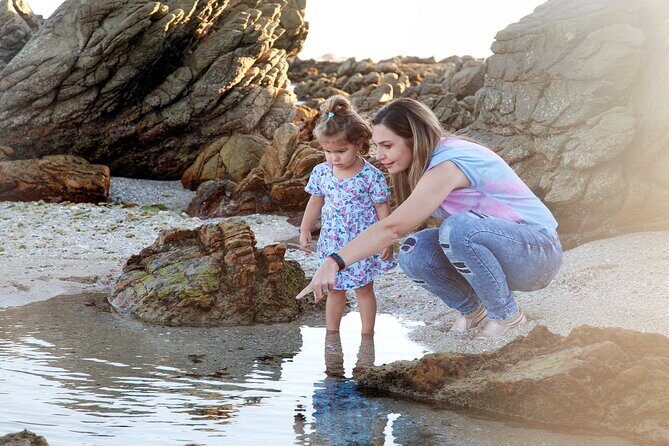
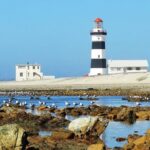
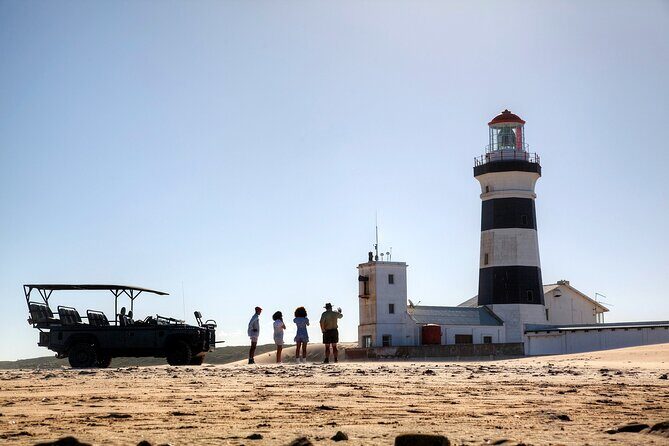
The itinerary includes lighthouse and marine exploration, and that part is more than just a photo stop. The lighthouse viewpoint gives you a higher perspective over the coast—useful for scanning, and helpful for understanding how the land meets the sea.
It’s also where the tour can get surprisingly thoughtful. One guide story highlighted Roger sharing an intelligent plan for using sewerage water to help grow plants and establish dunes. That kind of detail turns the dunes from background scenery into something you understand and respect.
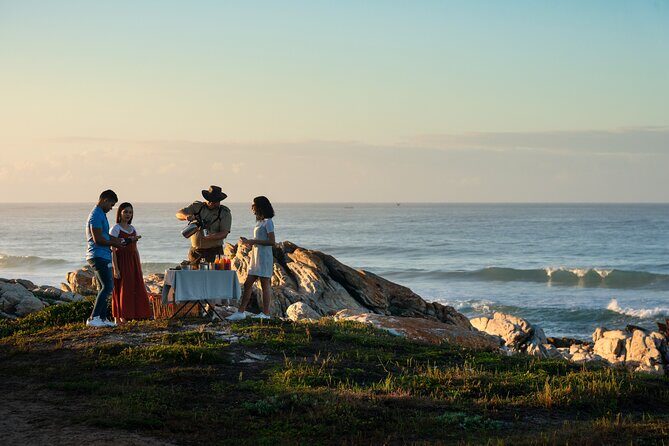
Timing helps, too. The experience is framed around a last sunset feel, and that pairs well with lighthouse viewing. When light drops, the coast can look dramatic and wildlife behavior can shift. The tour also includes a late evening walk on the beach after cocktails, so you get that after-sunset calm where birds and sea activity can still be going.
A quick warning from real experience: wind can be a factor here. One guide note called out cold wind, with clear advice to dress warm. Even if Port Elizabeth weather looks mild earlier, don’t assume the coast will stay comfortable.
Cocktails and braai-style downtime: where the “eco” side relaxes
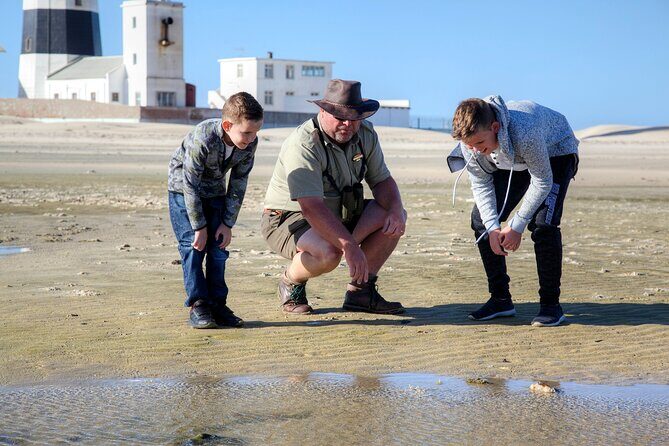
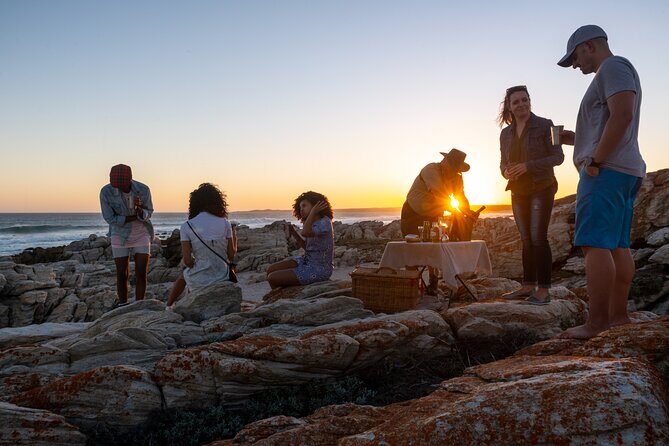
This tour isn’t only walking and scanning. It closes with a sunset moment that includes cocktails, then rounds off with a late beach walk. That’s a smart choice because it lets you process what you saw while the coast is still alive.
Some experiences connected to the lighthouse setting also include time to enjoy a braai area setup, which is great if you want your nature outing to end with a relaxed, social-feeling touch. Guides like Mervyn were even highlighted for making the drinks a standout part of the evening, so this isn’t treated like a rushed add-on.
If you’re the type who likes tours that end well—good view, good pacing, and a chance to loosen up—this part is a big plus.
Price and value: is $85.75 worth it in practice?
At $85.75 per person for about 3 hours, the value depends on what you want most.
If you want a single, guided shot at whales, dolphins, and birds in one focused outing, this price can make sense. You’re paying for:
- guided coastal driving and walking
- lighthouse viewing time
- a local guide who explains what you’re seeing
- a format that’s built around the Cape Recife hotspots
If you’re only chasing one thing—say, a guaranteed marine sighting—this won’t promise that. It’s wildlife viewing, not a ticketed animal show. But if you want the best odds in a set area, plus birding and environmental storytelling, this tour earns its keep.
Group size helps too. With up to 20 travelers, you’re not likely to feel completely lost in the back. Small enough for guidance, big enough for an energetic group.
Who this safari suits best (and who should skip it)
This is a strong fit if you:
- want shore-based wildlife in Cape Recife instead of a full-day excursion
- care about birding as much as marine life
- like lighthouse views and local environmental stories
- want a 3-hour nature stop that still ends with a sunset mood
Skip it if:
- you hate wind or cold evenings and don’t want to layer up
- you’re looking for a boat-based experience (this one is explicitly land-based)
- you need a rigid schedule with indoor comfort the whole time
Quick checklist before you go
Cape Recife is coastal and exposed. So plan like you’re going to be outside more than you’re inside.
- Pack warm layers, especially if you’re going at day’s end
- Wear comfortable shoes for walks and hikes
- Bring your patience for wildlife timing (shore viewing is about conditions)
If weather is poor, the experience may be canceled and you’ll be offered a different date or a full refund, so watch your plan as your departure day approaches.
Should you book Marine Eco Safari at Cape Recife?
I’d book it if you want a true Eastern Cape nature moment that combines marine life chances with serious birding and lighthouse-time. The standout strengths are the guiding style (people specifically highlight Nash, Roger, and Mervyn), the mix of wildlife plus environment learning, and the way the evening ends with cocktails and beach walking.
If you’re visiting Port Elizabeth and you only have a small window for something special, this is one of the easier ways to make Cape Recife part of your trip—without signing up for a whole day or a boat schedule. Just dress for the wind, keep your expectations realistic about wildlife timing, and focus on the joy of watching the coast do its thing.
FAQ
How long is the Marine Eco Safari?
The experience lasts about 3 hours.
Does this tour include pickup, or do I need to find my own way to Cape Recife?
Pickup is offered, and the tour ends back at the Kelway Hotel meeting point.
What group size should I expect?
The activity has a maximum of 20 travelers, and it requires a minimum of 4 adults per time slot.
When do I get confirmation after booking?
You should receive confirmation within 48 hours, subject to availability.
What happens if weather is bad?
This experience requires good weather. If it’s canceled due to poor weather, you’ll be offered a different date or a full refund.
Are there mobile tickets, and is the tour near public transport?
Yes, you’ll receive a mobile ticket, and the activity is noted as near public transportation.