REVIEW · PRETORIA
Full-Day Guided Tour of Soweto, Johannesburg and Apartheid Museum
Book on Viator →Operated by Heritage Explorer Tours · Bookable on Viator
History hits hard, then turns into everyday stories. I love how this day links Constitution Hill with the Apartheid Museum, and then keeps the learning going in Soweto with Mandela landmarks, so the message doesn’t stay stuck in one place. I also like that the tour can feel personal in a small group, guided by a local pro like Neo, known for humor and smooth professionalism. One consideration: the tour is not wheelchair accessible.
You’ll ride in an air-conditioned vehicle with bottled water and on-board WiFi, and you won’t waste the day hunting for tickets at every stop. Still, a few key experiences have extra costs or separate tickets, like lunch at Sakhumzi, optional bungee jumping, and the Hector Pieterson Museum entry.
Key things you’ll like
- Constitution Hill Human Rights Precinct: former prison turned justice-focused landmark, with the Constitutional Court in the mix
- Apartheid Museum time: enough duration to see exhibits without feeling rushed
- Soweto street history: Vilakazi Street plus Mandela House on the same day
- A real-neighborhood stop: Motsoaledi Bus Stop gives you a guided walking perspective in an informal settlement
- Small group size: capped at 13, which helps the pace feel controlled
In This Review
- Why This Johannesburg and Soweto Day Feels Worth the Price
- Top of Africa Views: Start With a Sense of Scale
- Constitution Hill Human Rights Precinct: Prison to Justice in One Place
- Apartheid Museum: How 2 Hours Changes the Way You Look at the City
- FNB Stadium, Motsoaledi Bus Stop, and Orlando Towers: The Day’s Street-Level Reality
- Sakhumzi Restaurant: South African Buffet and Soweto Beer (Not Included)
- Vilakazi Street Walk: Mandela and Desmond Tutu in the Same Neighborhood
- Mandela House: The Personal Side of a Public Legacy
- Hector Pieterson Museum and Memorial: Understanding the 1976 Youth Uprising
- Timing, Group Size, and Comfort on an 8-Hour Schedule
- What to Budget Extra (And What’s Already Covered)
- Should You Book This Full-Day Johannesburg and Soweto Tour?
- FAQ
- Is pickup included on this Johannesburg and Soweto full-day tour?
- How long is the tour?
- What is the price per person?
- What admissions are included in the tour price?
- What costs are not included?
- Is there a stop at FNB Stadium?
- Do you walk through an informal settlement area?
- How big is the group?
- Is the tour wheelchair accessible?
- Does weather affect the tour?
Why This Johannesburg and Soweto Day Feels Worth the Price

This is a big-city day built around big ideas. You’re not just “seeing sights”—you’re walking through the arc of South Africa’s past, then landing in Soweto’s living, everyday streets.
At $99.66 per person, the value comes from what’s already included. You get major admissions covered for Constitution Hill, the Apartheid Museum, and Mandela House, plus guided time in the key areas tied to the Mandela legacy. Add bottled water, an air-conditioned ride, and a local guide/driver, and you’re mostly paying for access and interpretation—not just transport.
The tour also aims for balance. It mixes official, ticketed history stops with lighter-but-still-meaningful breaks like views from the FNB Stadium area and a look at Orlando Towers’ mural scene. That helps the day feel varied instead of one long museum sprint.
The pace is guided and structured, and you’ll spend roughly 8 hours on the go. It’s the kind of schedule that works best when you come ready to walk, listen, and take breaks when your guide suggests them.
Top of Africa Views: Start With a Sense of Scale

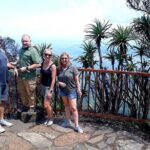
Before you get deep into the memorial sites, you’ll get perspective from the Top of Africa viewpoint area. Johannesburg can feel confusing at street level, and a high viewpoint helps you understand the city’s size and how neighborhoods sit next to each other.
Even if you’re not a “view person,” this is a useful warm-up. It sets context for what comes next: the contrast between political power, cultural landmarks, and the lived reality of Soweto streets.
Bring sunglasses and expect bright light. If the day is clear, the viewpoint is the kind of quick stop that makes the rest of the tour hit harder—because you can picture where you are in the broader map.
You can also read our reviews of more guided tours in Pretoria


Constitution Hill Human Rights Precinct: Prison to Justice in One Place
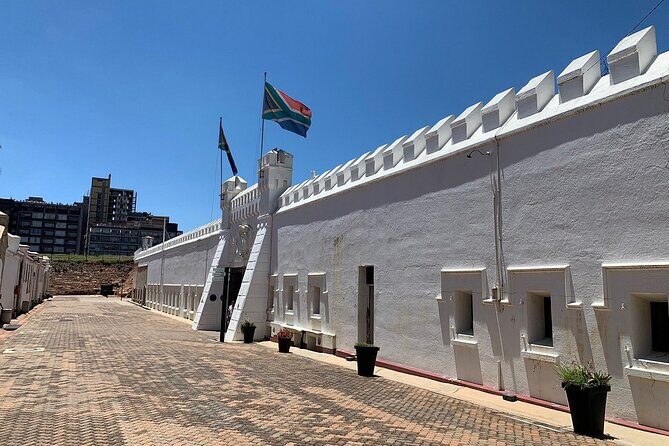
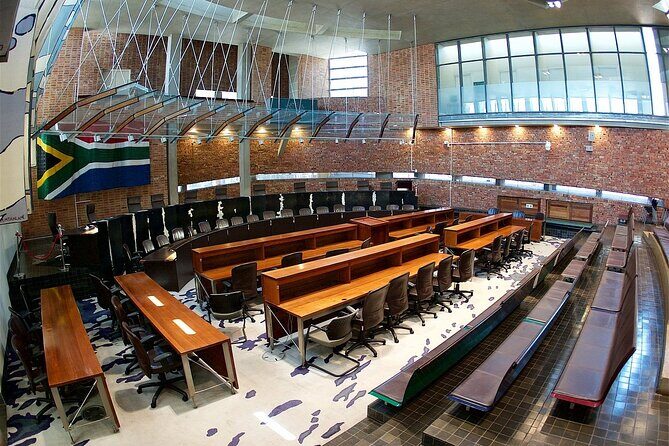
Constitution Hill is one of those stops that doesn’t need extra decoration. The power is built in. You’re looking at a site that once functioned as a prison, and now serves as a symbol of South Africa’s move from oppression to freedom and human rights.
What I like about this stop is the framing. It’s not just about dates and names. The place itself connects history to modern institutions, including the presence of the Constitutional Court.
You’ll have about an hour here, and that’s enough time to grasp the big story without rushing through every section. Expect a mix of exhibits and meaningful spaces, and plan to take your time reading what you can. If you move too fast, you’ll miss the emotional logic of the site.
Apartheid Museum: How 2 Hours Changes the Way You Look at the City

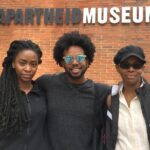
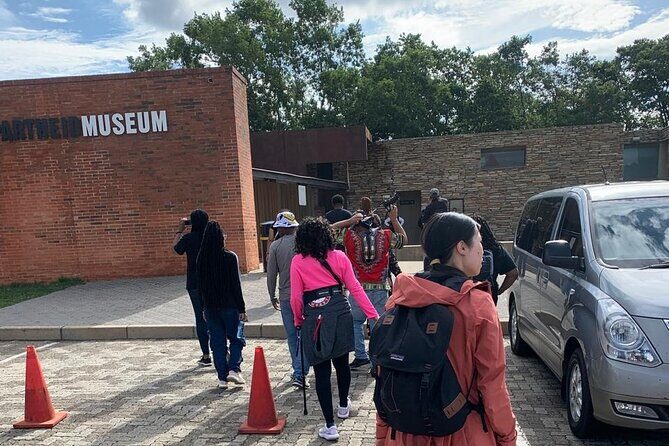
Next comes the Apartheid Museum, with around two hours on the clock and admission included. This is the stop where the day turns more intense.
The museum’s focus is straightforward: it explains how apartheid rose and how it fell in South Africa. The key is the pacing—your time is long enough to process what you see, but short enough that the day doesn’t become overwhelming.
If you’re the type who likes to absorb slowly, two hours gives you room to follow themes rather than just skim. If you prefer a faster approach, you can still cover a lot, but you’ll want to let your guide’s explanations steer you toward the sections that matter most.
This is also where a strong guide makes a big difference. Neo’s style, as described by people who got him, leans friendly and engaging, and that kind of approach helps keep the tone from becoming cold or purely factual.
FNB Stadium, Motsoaledi Bus Stop, and Orlando Towers: The Day’s Street-Level Reality
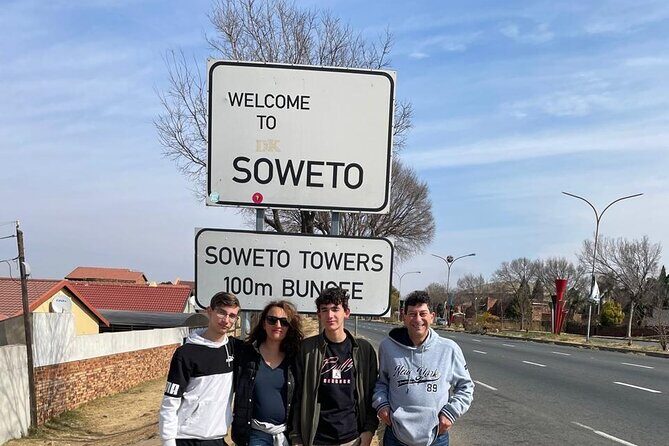
After the major historical sites, the tour shifts to the city and its street stories. You’ll stop briefly at FNB Stadium, which is known as Africa’s largest football stadium and a main venue for the 2010 FIFA World Cup. The stop is short—around 15 minutes—but it’s a quick reset. Sports culture is part of Johannesburg’s identity, and it matters that you see that alongside political history.
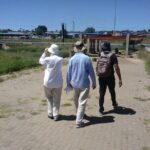
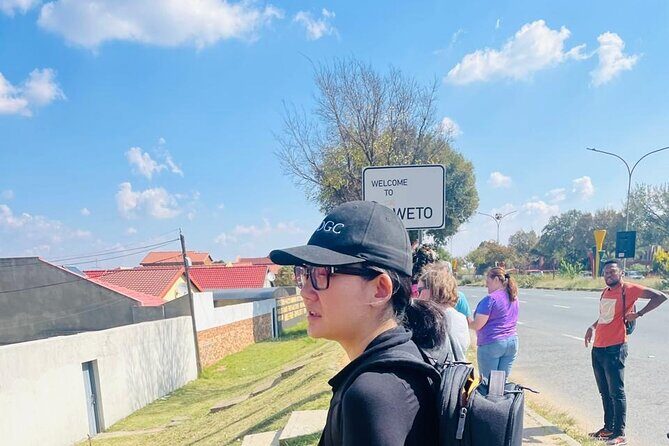
Then you’ll head to Motsoaledi Bus Stop for a guided walk through the Motsoaledi informal settlement area. You’ll spend about 30 minutes walking along sandy streets and passing local homes. The guide gives you context, and you’ll have a chance to exchange greetings with residents.
This is one of the most important parts of the itinerary because it shifts your perspective. Political history can feel distant; this stop makes the present visible. You’ll want to be respectful with your attention and your photos, and follow what your guide asks in the moment.
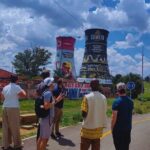
After that, Orlando Towers is next for around 30 minutes. You’re there to see the famous landmark and its colourful murals. There’s also bungee jumping available at your own cost if you want the adrenaline add-on. Even if you don’t jump, the tower and surrounding mural vibe is a good contrast to the earlier memorial stops.
Sakhumzi Restaurant: South African Buffet and Soweto Beer (Not Included)
You’ll have about an hour at the Sakhumzi Restaurant stop. This is where you refuel, and it’s also where you get a taste of local food culture.
Lunch isn’t included in the tour price, and neither are alcoholic beverages. You can still enjoy the buffet if you want, and the restaurant offers Soweto-made beer—but you’ll pay separately.
A practical tip: if you’re traveling with people who have dietary needs, use this meal window to be clear with the guide ahead of time. The tour schedule gives you enough time to eat without feeling like you’re standing around, but it’s still a planned stop, not a free-for-all.
Also, keep the alcohol policy in mind. Alcohol is only served to travelers 21 and older, and minors get non-alcoholic drinks. If your group includes mixed ages, it helps to plan accordingly.
People often talk about the food here in a positive way, and it makes sense. When you’ve been walking and learning all day, a proper sit-down meal turns the day from intense to balanced.
You can also read our reviews of more museum experiences in Pretoria

Vilakazi Street Walk: Mandela and Desmond Tutu in the Same Neighborhood
Vilakazi Street is one of Soweto’s iconic walks. You’ll spend about 30 minutes here, and it focuses on place and legacy.
The street is historically significant because Nelson Mandela and Desmond Tutu lived here. Even if you only know their names from books and speeches, walking the street makes the legacy feel more grounded.
It’s also the calm part of the day compared with museums. Instead of exhibits, you’re seeing the scale of daily life: streets, front doors, and the feel of being in a real neighborhood rather than a staged attraction.
This is a great moment to slow down and ask your guide questions. Want clarity on family, community, or how Soweto is different from other parts of Johannesburg? This is the kind of stop where your guide can connect the dots naturally.
Mandela House: The Personal Side of a Public Legacy
Mandela House is next, with about 30 minutes on-site and admission included. This is the former home of Nelson Mandela, and it brings the day from broad history into personal details.
What works about keeping this stop right after Vilakazi Street is continuity. You’ve just walked the street connected to major figures, and now you step into a space linked directly to Mandela.
Expect a focused visit rather than a long wandering session. That’s good. Short and structured time helps you retain what you see, instead of wearing yourself out before the final memorial stop.
If you’re a detail reader, you’ll probably enjoy taking your time here. If you prefer a broader overview, your guide’s explanations will help you find meaning without overthinking every room.
Hector Pieterson Museum and Memorial: Understanding the 1976 Youth Uprising
The last major educational stop is the Hector Pieterson Museum and Memorial, with about 30 minutes. Admission here is not included, so you’ll handle the entry cost separately.
This museum centers on the 1976 youth uprising and why it matters in South Africa’s history. This is also a key emotional pivot for many people, because the focus shifts from leadership figures to the youth and the collective force of protest.
The time is short, so you’ll get the essentials. You’ll want to listen closely to what your guide says and then read what you can inside the spaces you’re shown.
If you’re trying to decide whether this stop is worth paying extra for, my take is yes—because it completes the day’s theme. You’ve covered institutional justice and apartheid’s rise and fall, plus Mandela’s legacy at home. This adds the youth-led turning point that helped shape the political future.
Timing, Group Size, and Comfort on an 8-Hour Schedule
This tour runs about 8 hours and starts at 9:30 am, with pickup offered. That early start helps you beat part of the day’s heat and gives you enough time to do the ticketed sites properly.
The group size is capped at 13, which is a sweet spot for a day like this. You don’t want a crowd at places where attention and quiet reading matter.
You’ll be in an air-conditioned vehicle, and you’ll get bottled water. On-board WiFi is included too, which can help if you want to look up context or simply share photos after the stops.
Good weather matters here. If weather is poor, you’ll be offered a different date or a full refund, so you won’t just lose the day with no options.
And yes, the tour is not wheelchair accessible, so plan accordingly if mobility is a concern.
What to Budget Extra (And What’s Already Covered)
Admissions included in the main price:
- Constitution Hill Human Rights Precinct
- Apartheid Museum
- Mandela House
The tour also includes entry/admission related to Vilakazi Street as part of the guided experience, plus bottled water and the guide/driver service.
Plan extra spending for:
- Lunch at Sakhumzi Restaurant
- Soweto beer and any alcohol (and alcohol is age-restricted)
- Orlando Towers bungee jumping, if you choose it
- Hector Pieterson Museum and Memorial entry
A quick way to think about it: the base price covers the big headline sites plus guidance, and the extras are mainly about optional or food-and-add-on costs. If you treat lunch and optional activities as separate line items, the whole day stays predictable.
Should You Book This Full-Day Johannesburg and Soweto Tour?
Book it if you want a guided day that ties together the political story of South Africa with real street-level Soweto experiences. This is especially a good choice if you like structure and interpretation—because the tour includes tickets for several major stops and keeps the schedule moving without turning it into a chaotic sprint.
Skip it or rethink if you need wheelchair accessibility, or if you hate paying separately for end-of-day entry like Hector Pieterson. Also consider your walking tolerance. This day includes museum time, plus a real-neighborhood walk in Motsoaledi, so comfortable shoes matter.
One more reason I’d recommend it: the guide experience. Neo comes up repeatedly in feedback for being kind, professional, and funny in a way that makes the whole day feel easier to handle while still respectful.
If you can handle a full, meaningful day and you’re ready to learn through both museums and neighborhood stops, this is a strong value option.
FAQ
Is pickup included on this Johannesburg and Soweto full-day tour?
Yes. Pickup is offered, and the tour starts at 9:30 am.
How long is the tour?
It runs for approximately 8 hours.
What is the price per person?
The price is $99.66 per person.
What admissions are included in the tour price?
Entry is included for Constitution Hill Human Rights Precinct, the Apartheid Museum, and Mandela House. Vilakazi Street is also listed as included for admission/entry as part of the experience.
What costs are not included?
Lunch at Sakhumzi Restaurant is not included, alcoholic beverages are not included, and entry for Hector Pieterson Museum and Memorial is not included. Orlando Towers bungee jumping is also not included.
Is there a stop at FNB Stadium?
Yes. You’ll visit FNB Stadium for about 15 minutes, and admission there is free.
Do you walk through an informal settlement area?
Yes. You’ll visit Motsoaledi Bus Stop for about 30 minutes, with time to walk past local homes and exchange greetings.
How big is the group?
The tour has a maximum of 13 travelers.
Is the tour wheelchair accessible?
No. This tour is not wheelchair accessible.
Does weather affect the tour?
Yes. The experience requires good weather. If it’s canceled due to poor weather, you’ll be offered a different date or a full refund.