REVIEW · KRUGER NATIONAL PARK
Overnight Trails Camp in Olifants River
Book on Viator →Operated by My Africa · Bookable on Viator
The Olifants River makes this safari feel close. A tented camp, chef-made meals, and wildlife by the water turn two days into real memory. I like the mix of a guided game drive and a guided bush walk.
My other favorite part is the dinner setup: snacks and drinks during your stay, plus breakfast and dinner prepared by a private chef. One thing to consider: bush walks aren’t for kids under 12, and if you’re pregnant you’ll need to check first.
In This Review
- Quick highlights to know before you go
- Where the Olifants River sets the tone for your night
- Three Bridges meeting point: the 2:00 pm start that shapes Day 1
- Afternoon game drive: your guide’s job is to find animals and help you see them
- Sundowner and the dinner hour: how the camp experience feels different at night
- Sleeping in the tented camp: comfort, but still in the wild
- Day 2 at dawn: the bush walk (and the rules you should know)
- Breakfast back at camp: chef-made and built for a full day
- Food and drinks on safari: what’s included and why it adds value
- Price and value for $404.33 per person (and what you should double-check)
- Who this trails camp is best for
- Practical tips to make your 2-day safari smoother
- Should you book this Overnight Trails Camp on the Olifants River?
- FAQ
- How long is the Overnight Trails Camp in Olifants River?
- What does the tour cost?
- Where do we meet, and when does it start?
- What’s included in the price?
- Are bush walks included for children?
- What happens if I cancel or need to change the booking?
Quick highlights to know before you go
- Olifants River setting: hippos and elephants are part of the night soundscape right in front of camp.
- Private-chef meals: dinner and breakfast are handled for you, so you can focus on the bush.
- Two wildlife styles: an afternoon drive for big sightings, then a morning walk for smaller, close-up action.
- Sundowner at camp: settle in with the river after the drive, then dine under the stars.
- Age rule for walks: kids under 12 can’t do the bush walk, and it’s swapped for a drive instead.
- Private setup: it’s listed as private—only your group participates.
Where the Olifants River sets the tone for your night
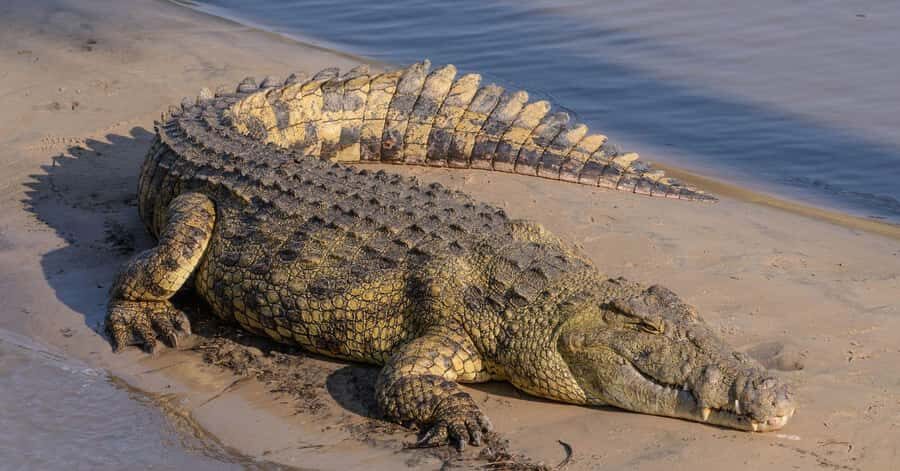
This is one of those safaris where the river isn’t just scenery—it’s the main character. The camp sits along the Olifants River in Greater Kruger, and the timing is built around wildlife coming to drink. When you arrive, you’re greeted by sundowner vibes and the calls of hippos from the river area in front of camp. That’s a strong hook, because you’re not waiting until morning for the bush to feel alive.
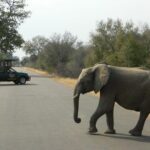
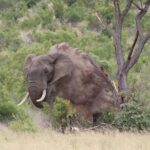
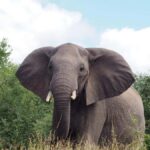
What I like most is how the schedule balances thrill and calm. You get a proper afternoon game drive, but then the evening slows down on purpose. The elephants hanging around the river add that slow, almost cinematic feel—especially once you’re settled and the light drops.
One more practical point: sleeping near water means you’ll hear more at night. Hippo calls and river-side life are part of the deal, so pack a little patience (and maybe earplugs if you’re a light sleeper).
You can also read our reviews of more tours and experiences in Kruger National Park.
Three Bridges meeting point: the 2:00 pm start that shapes Day 1
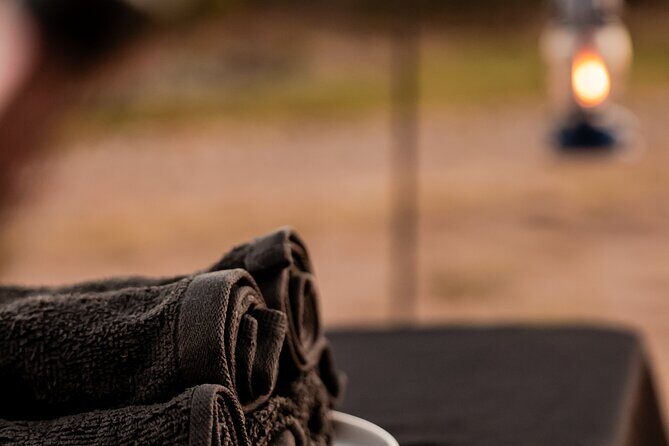
Your day begins at the Three Bridges Restaurant, Pub and B&B on Oxford farm Mica (meeting time is 2:00 pm). Getting picked up that afternoon matters, because it sets up Day 1 as a “wildlife now” day—not a slow arrival day.
This format also works well if you’re coming from nearby areas like Hoedspruit, since you can sleep and relax in your own rhythm before this starts. Then, once you’re out in the Greater Kruger area, you’ll likely spend the rest of Day 1 focused on the river and sightings, not logistics.
The other detail I’d plan around: the tour ends back at the same meeting point. So you’re not solving a new transportation puzzle at the end. If you’re coordinating flights or a longer road trip, that simplifies things.
Afternoon game drive: your guide’s job is to find animals and help you see them
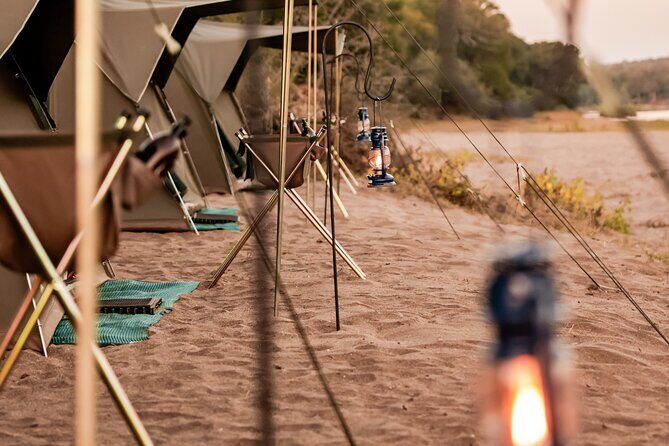
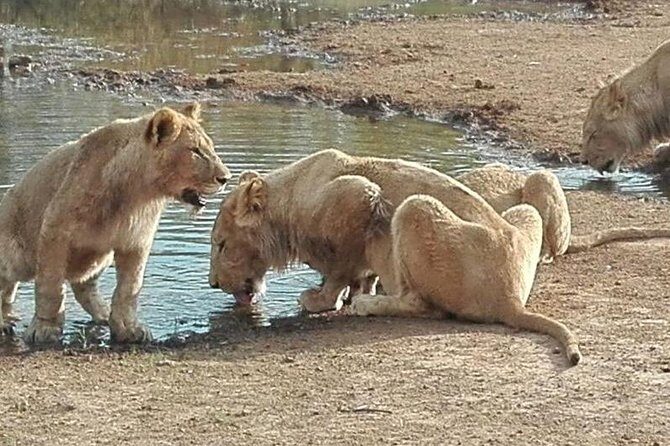
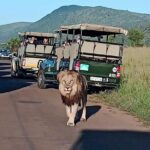
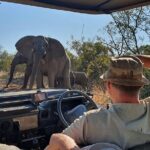
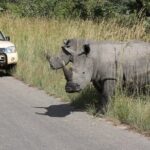
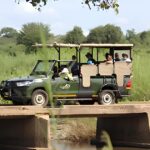
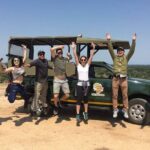
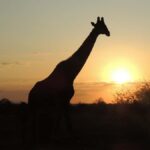
The safari drive is the first wildlife “big picture” moment of the trip. You go out in the afternoon with a guide, and it’s designed to put you in the right position for sightings as animals become more active.
A nice touch here is that your guide is a real person guiding the whole experience, not just a check-in at the start. In written feedback connected to this camp, a guide named Werner shows up—so it’s clear the guiding team is a major part of the value. The best drives aren’t just about spotting; they’re about understanding why you’re seeing what you’re seeing.
What to expect from this segment:
- You’re going when the light is changing, which often helps both visibility and animal movement.
- You’re not just riding around; the experience is organized around getting you close to the action.
If you’re the type who wants maximum big-animal odds, the afternoon drive is a smart first step. If you’re hoping for close-up, feet-on-the-ground nature moments, the next morning walk is where that happens.
Sundowner and the dinner hour: how the camp experience feels different at night
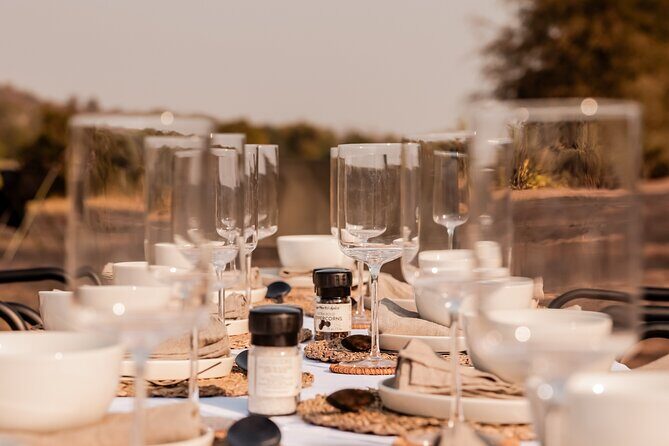
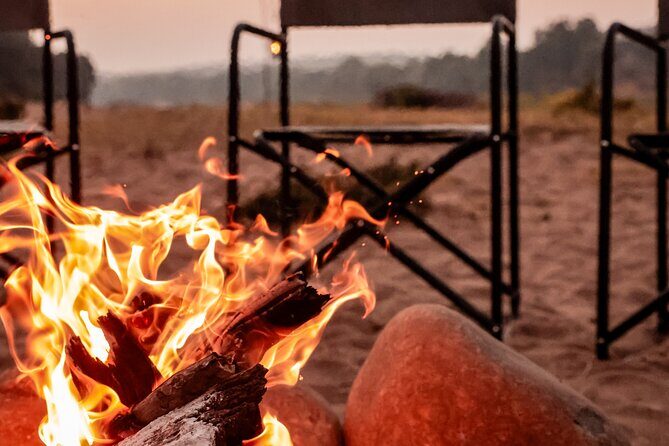
Day 1 doesn’t just stop at the drive. When you reach camp, you get a sundowner and time to settle in. This is where the Olifants River vibe really lands. Hippos calling from the river and elephants moving through the area for water create a nighttime rhythm that’s hard to replicate in a standard lodge setting.
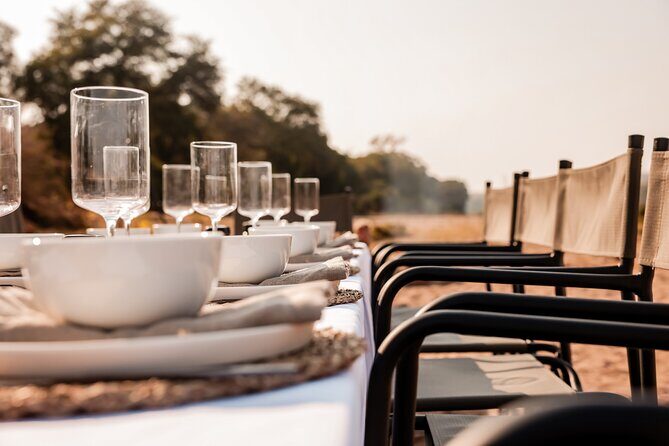
Then comes dinner under the stars. The meal is described as a traditional South African dinner, and the big practical win is that it’s prepared by a private chef. So you’re not stuck coordinating the “where do we eat?” part after a long drive day.
You also get snacks and beverages throughout your stay, plus bottled water. Alcoholic beverages are included, which is worth noting because it’s one less decision on safari nights.
If you want to get the most out of this evening:
- Arrive ready to slow down for a few hours.
- Treat the sundowner as your transition time, not something you rush through while trying to “fit in more.”
This is also a good moment to remind yourself what safari timing is like: animals don’t follow your schedule. The camp is set up so you can enjoy waiting, not just endure it.
Sleeping in the tented camp: comfort, but still in the wild
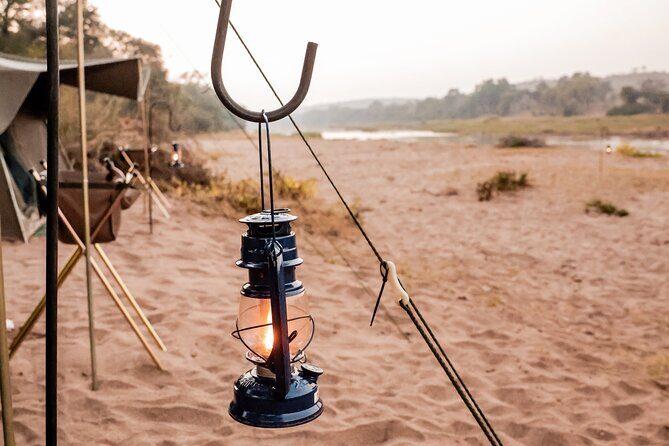
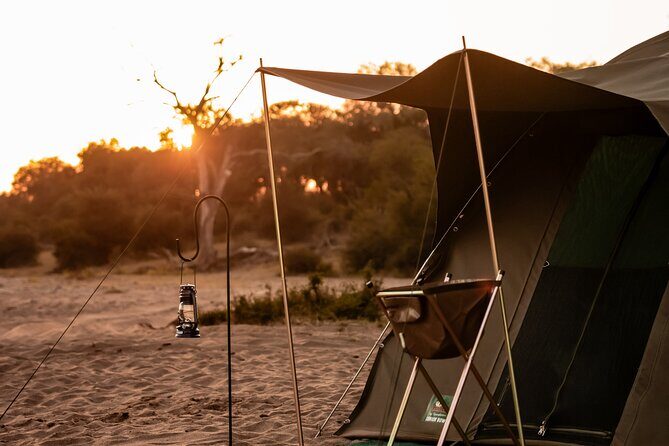
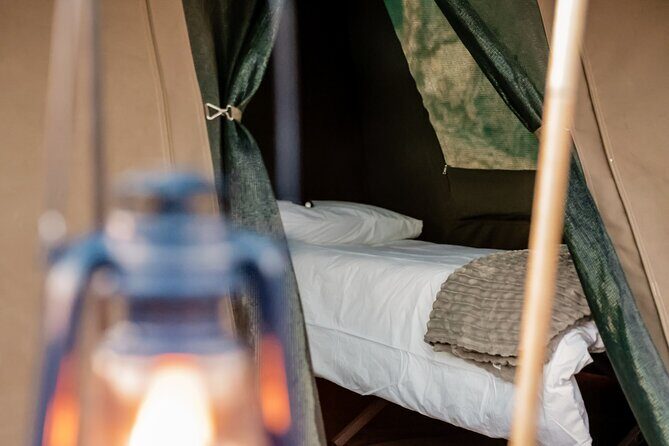
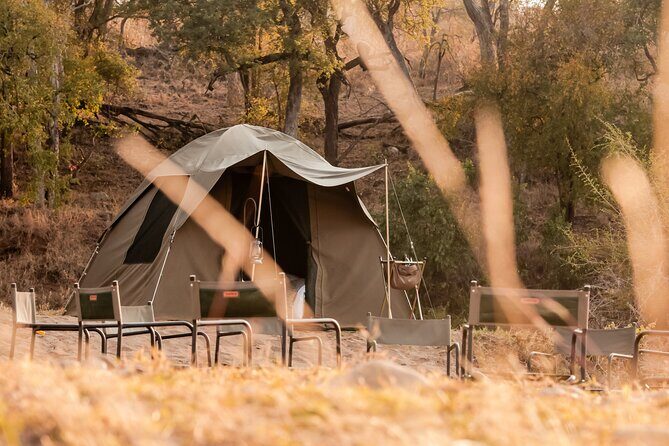
You’ll be sleeping in a tented camp with comfortable, stylish tented accommodation. The experience is positioned as a blend of luxury and wilderness, but the real value is simpler: you’re not sleeping far away from the action.
Being close to the river means you’re more likely to hear what’s happening nearby—hippos, movement, the general buzz of life after dark. That’s part of the authenticity. It’s also part of the reason this overnight feels like more than a day trip.
One thing to keep in mind is that tented camping, even when it’s made comfortable, still feels more “out there” than a hotel room. If you’re used to silent walls and blackout curtains, you’ll want to mentally adjust. If you like sleeping in nature, this will feel like exactly what you came for.
Day 2 at dawn: the bush walk (and the rules you should know)
The morning starts with a bush walk at dawn, guided by a trained trails guide. This is the segment that changes the whole safari tone. A game drive helps you spot animals in motion; a walk teaches you how the bush works up close—tracks, small creatures, plants, and the quiet details you usually miss from a vehicle.
Here’s the practical rule you must plan around: children under 12 aren’t permitted to do the bush walks. The walk will be substituted for a drive instead. If you’re traveling with kids, confirm age details early so your morning doesn’t turn into a last-minute disappointment.
Why the bush walk is worth prioritizing:
- It’s the most “personal” wildlife time on the schedule.
- It forces you to slow down and notice what you can’t see at a distance.
- It gives you a different kind of connection than sitting in a vehicle.
Safety-wise, you’re with a trained guide, which matters on foot. Still, if you’re someone who gets anxious in natural settings, this is the moment to mention concerns before you start walking.
Breakfast back at camp: chef-made and built for a full day
After the walk, you return for breakfast prepared by your chef. This matters more than you might think. Day 2 is the kind of morning where you’re moving and paying attention, so you want a real meal after.
Breakfast (2) is included, plus coffee and/or tea. Water is also provided throughout. That combination keeps the day steady, so you’re not hunting for supplies or stressing about hydration.
If you’re someone who likes to take photos early, this is also the best time to do it without rushing. The light at dawn is usually your friend for both wildlife spotting and general bush photos.
Food and drinks on safari: what’s included and why it adds value
On this trip, meals and drinks are part of the package, not extras you try to piece together.
Included:
- Coffee and/or tea
- Bottled water
- Snacks and beverages during your stay
- Alcoholic beverages
- Breakfast and dinner (each included for the 2 days)
The standout is dinner and breakfast being prepared by a private chef. That’s a real quality-of-life upgrade. After a drive day and a dawn walk, the last thing you want is to be negotiating food plans while the day is still running.
This also affects pacing. When you know meals are handled, you can follow the safari rhythm. You can stay focused on the bush instead of managing logistics.
Price and value for $404.33 per person (and what you should double-check)
At $404.33 per person for about 2 days, the key question isn’t just the number—it’s what comes with it. Based on what’s included, you’re paying for an organized overnight safari bundle that covers:
- Guide time
- One afternoon game drive
- One morning bush walk (with the age rule noted)
- Chef-prepared dinner and breakfast
- Drinks, snacks, bottled water
- A private, group-only experience
Also, you get a mobile ticket and confirmation at booking, which tends to reduce the “what do we show at the gate?” stress.
The only realistic drawback in value terms is timing. This is a tight two-day plan. If you’re the type who wants multiple long drives and extra downtime, you might find this schedule brisk. But if you want an efficient, high-impact overnight, it’s a strong fit.
One more consideration: the experience is described as non-refundable and cannot be changed. So if your plans might shift, build in extra caution before committing.
Who this trails camp is best for
This experience is a good match if you want:
- A classic Kruger-style safari with a twist: drive plus walking
- An overnight that feels like you’re living in the environment, not just passing through
- Meals handled for you, including a dinner under the stars
It’s also appealing for safari lovers who want more than a “drive-and-go” format. The bush walk is the differentiator. It gives you that feet-on-the-ground feeling, guided and structured.
Who might pause first:
- Families with children under 12 (because the bush walk won’t apply and it swaps to a drive)
- Anyone with pregnancy who hasn’t cleared suitability with the provider
- People who want to avoid basic tent-camping sounds at night (because the river life is part of the deal)
Practical tips to make your 2-day safari smoother
Here are the things that will help you enjoy the camp without friction.
Bring:
- Sun protection for the morning walk and daytime drive
- Comfortable layers (dawn and night can feel cooler)
- A small camera strap setup you can manage on foot
Plan your mindset:
- Dawn bush walks are slower than drives. If you’re expecting constant action, it may feel different. That’s normal. Pay attention and you’ll get rewarded.
Communication tip:
- If you have pregnancy concerns, the info says to contact to discuss further. Do that early, not after you’re already committed.
Simple comfort upgrade:
- If you’re a light sleeper, consider earplugs for nighttime river sounds.
Should you book this Overnight Trails Camp on the Olifants River?
I’d book it if you want an overnight safari that feels real and structured: a guided drive, a dawn bush walk, and chef-made meals you don’t have to think about. The Olifants River setting gives the camp a built-in sense of place, with hippo calls and elephants tied to your night.
Skip it (or at least think carefully) if:
- Your schedule is fragile, because the booking is non-refundable and not changeable.
- You’re traveling with kids under 12 who specifically want the bush walk.
- You hate any chance of tent-camping noise at night.
If you want a compact, high-connection safari in Greater Kruger, this is the kind of trip that can actually change how you see a safari: not just spotting animals, but experiencing the bush in two different ways.
FAQ
How long is the Overnight Trails Camp in Olifants River?
The tour is listed as 2 days (approx.).
What does the tour cost?
The price is $404.33 per person.
Where do we meet, and when does it start?
You start at Three Bridges Restaurant, Pub and B&B on Oxford farm Mica, 1380, South Africa, starting at 2:00 pm. The activity ends back at the same meeting point.
What’s included in the price?
The tour includes guide service, coffee and/or tea, alcoholic beverages, bottled water, breakfast (2), and dinner (2).
Are bush walks included for children?
Children under 12 are not permitted to do bush walks. The walk will be substituted with a drive.
What happens if I cancel or need to change the booking?
This experience is non-refundable and cannot be changed for any reason. If you cancel or ask for an amendment, the amount you paid will not be refunded.