REVIEW · DURBAN
Phezulu Cultural Village & Reptile Park Day Tour from Durban
Book on Viator →Operated by 1st Zulu Safaris · Bookable on Viator
One of the fastest ways to feel Zulu culture is in four hours. This day trip links Durban with the Valley of 1000 Hills, then packs in a cultural village visit, a dance show, and a guided reptile walk with some serious names. It’s a lot for one morning, and that’s exactly why it works.
I especially like the way Phezulu turns culture into something you can see and do, not just watch. The beehive-shaped thatched huts, stories about beliefs and rituals, and chances like Zulu spear making (plus meeting a sangoma, or traditional healer) give the morning real shape.
My one possible drawback is that it’s tightly timed. At about 4 hours, you’ll see plenty, but you won’t have long stretches to linger, snack, or go slow—so plan for a packed, guided flow.
In This Review
- Key highlights worth planning around
- Durban to the Valley of 1000 Hills: how the timing really works
- Inside the Zulu cultural village: huts, rituals, and a sangoma meeting
- What can feel challenging in wet weather
- The Zulu dance show: 50 minutes that move fast
- Reptile Park tour: crocodiles, snakes, and real names
- Who leads the reptile walk matters
- Hands-on python time and holding snakes
- Guide, driver, and group size: what to expect from the service
- Price and value: is $114.86 for four hours a fair deal?
- Practical tips so your morning feels smooth
- Who should book this Durban day trip?
- Should you book Phezulu Cultural Village and Reptile Park from Durban?
- FAQ
- How long is the Phezulu Cultural Village and Reptile Park day tour from Durban?
- What time does the tour start?
- Where is the meeting point?
- Does the tour include pickup and drop-off?
- What cultural activities are included?
- How long is the Zulu dance show?
- What reptiles will you see?
- Is food included?
- Does the tour run in bad weather?
- Can I cancel for a refund?
Key highlights worth planning around

- Four-hour day trip with 9:00am start from the Durban area, returning to the same meeting point
- Zulu village visit in traditional beehive huts, including a sangoma encounter
- 50-minute Zulu dance performance with costumes, movement, and humor
- Reptile Park tour with resident animals, including green mamba and crocodiles
- Up-close animal time like meeting Ramesis, a 90-year-old Nile crocodile
- Hands-on python experience with Cleo, a 42 kg Burmese python
Durban to the Valley of 1000 Hills: how the timing really works
This tour is built for people who want big variety without committing to a full day of driving and searching. You’ll get picked up from hotels and cruise ships in the Durban area, with the tour running from 9:00am and ending back where you started. Expect about 4 hours total, which means the schedule is more like a guided sprint than a relaxed wandering day.
The drive itself matters. You’re heading toward the Valley of 1000 Hills, and even if the day is damp or overcast, you usually get at least some glimpses of the surrounding hills as you pass through. It’s one of those routes that makes the day feel like more than just a stop-and-photo combo.
One practical note: the day is not built around food. There’s no meal included, so you’ll want to bring snacks or at least keep water handy for the ride and any gaps between activities.
You can also read our reviews of more tours and experiences in Durban.



Inside the Zulu cultural village: huts, rituals, and a sangoma meeting
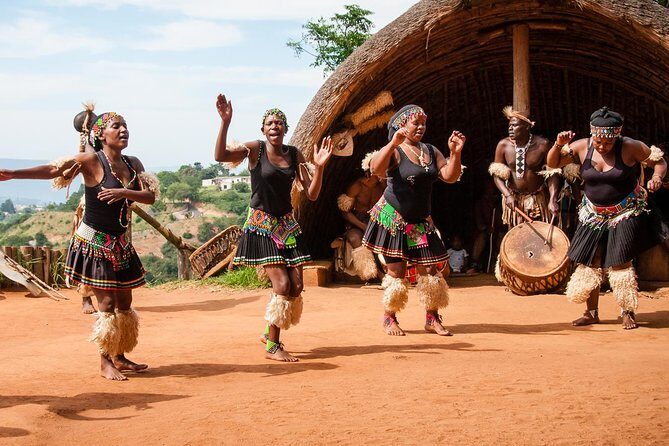
Phezulu’s cultural section is where the tour earns its keep. You’re taken through traditional beehive-shaped thatched huts, and the focus is on artefacts plus explanations of beliefs and rituals. Instead of treating history like a museum label, the guide connects the items to everyday meaning—how people live, how they explain the world, and what traditions are kept.
A key moment is the chance to meet a sangoma, the traditional healer. You’re not just hearing about the role; you’re getting face time with the practice and the person. If you’re interested in living traditions (not just costumes), this is the part that tends to stick with you.
You may also see hands-on moments tied to traditional craft and skill. One of the highlights mentioned is Zulu spear making, which is exactly the kind of short activity that helps you understand the culture without requiring a lot of prior knowledge. You don’t need to be a history buff to get value here—you just need curiosity and a willingness to participate.
What can feel challenging in wet weather
This is also the part where conditions can change. If it’s raining, the huts and outdoor areas can feel a bit musty, and you’ll want to be ready for damp ground or slippery paths near entrances. The good news is the tour is designed to run in all weather conditions, as long as you dress for it.
The Zulu dance show: 50 minutes that move fast
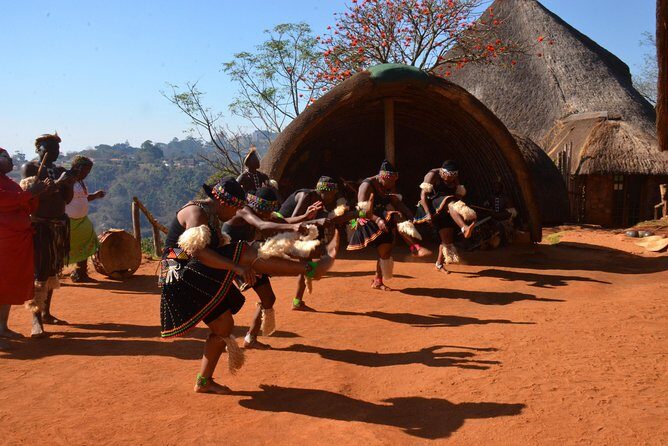
The Zulu dance performance runs for about 50 minutes, and it’s not the passive kind of show where you watch people in silence. The dancers are in traditional garb, and the performance is described as graceful, agile, and even funny. That matters because humor and audience energy are part of many cultural performances, not an afterthought.
This segment is also a timing advantage. In a short day, you need something that pulls everyone together. The dance show does that. It resets the pace, breaks up the cultural hut time, and gives you a visual reference point for everything you just heard.
If you want to get the most from it, don’t treat it like a background spectacle. Watch how movement and rhythm communicate, and pay attention to how the costumes and gestures fit the story being told. The show’s value is in how it translates culture into something you can feel in your body, even from your seat.
Reptile Park tour: crocodiles, snakes, and real names
Then the morning switches gears—onto wildlife. The reptile area is handled by a local guide, and the tour focuses on resident crocodiles and snakes, including the green mamba (not a small detail, because that’s a name most people only hear in stories).
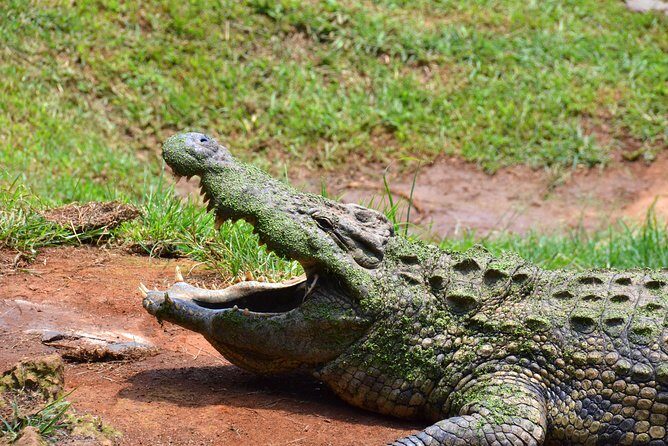
The star animal is Ramesis, a 90-year-old Nile crocodile. Meeting an older resident crocodile adds a different kind of perspective. Instead of treating reptiles as a quick thrill, the visit leans into the idea of caretaking, survival, and behavior—how these animals live where they’re cared for.
There’s also time with other reptiles and guided explanations designed to make the animals feel less mysterious. You’ll learn facts, but more importantly, you’ll get context for why people fear some species and why understanding behavior is key.






Who leads the reptile walk matters
Several comments highlight that the reptile guide can make the difference. Names that have shown up include Aaron, who’s been praised for doing the reptile tour professionally. If you’re lucky enough to be with a guide who explains with patience, the whole reptile section turns from a photo stop into a real learning moment.
Hands-on python time and holding snakes

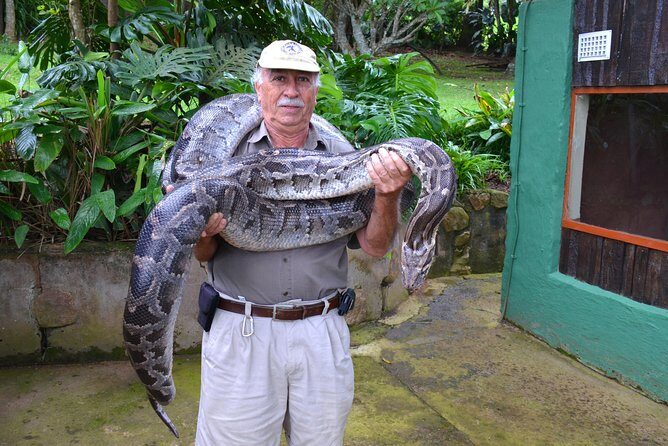
One reason this tour gets recommended for families (and for people who don’t want only theory) is the chance for a hands-on experience. A big featured animal is Cleo, a 42 kg Burmese python. That’s the kind of fact you can’t fake—your impression will be based on size and calm handling, not a brochure.
You may also have opportunities to hold snakes, and the experience is framed as guided. That means you should listen closely, ask questions, and follow the handler’s lead. If you’re sensitive to reptiles, it’s still worth considering for the learning value, but be honest with yourself about what you’ll feel comfortable doing.
If you’re traveling with teens, this is a practical win. One reason: the reptile time gives everyone something active to do instead of only sitting through explanations.
Guide, driver, and group size: what to expect from the service
The tour includes a driver/guide, and many departures run with a multi-lingual guide. That matters because it affects how well the cultural explanations land and how easily you can ask follow-ups.
Also, the group size cap is 99 travellers. That’s not tiny, but it’s large enough to explain why the schedule feels structured and why you’ll move as a unit. If you hate the feeling of being herded, this might feel like a lot. If you prefer clear guidance and a steady pace, you’ll probably do fine.
A detail that shows up in positive experiences: people appreciate when guides are patient. Names that have been mentioned include Fortune (connected to strong customer service) and Christo. If you get a driver who makes the ride calm and a guide who keeps explanations clear, you’ll feel the trip is worth it—not just because of animals and dances, but because the day flows smoothly.
Price and value: is $114.86 for four hours a fair deal?
Let’s talk value honestly. At $114.86 per person for roughly 4 hours, this isn’t a bargain-bin excursion. If you judge value only by time spent on-site, you might feel shorted, especially if you’re hoping for a longer, slower tour.
But value here isn’t just minutes. It’s the combo:
- transportation with pickup and drop-off from hotels and cruise ships
- a guided Zulu cultural session with huts and sangoma access
- a 50-minute Zulu dance show
- a guided reptile experience featuring specific animals like Ramesis and Cleo, plus species such as green mamba
Also, you’re buying guidance for two different worlds in one morning: culture and wildlife. That’s a lot to pack into a half-day, and it explains why many people feel it’s a memorable use of time.
My rule of thumb: if your Durban plans include limited time outside the city, and you want a high-return morning, this tour can be a smart buy. If you have flexibility and prefer to control pacing, you may want to compare against other local experiences before committing.
Practical tips so your morning feels smooth
Here’s how I’d prep to avoid common snags.
- Dress for weather: the tour runs in all conditions, so bring a light rain layer if skies look questionable. If it’s wet, expect damp paths.
- Bring water and a snack: food and drinks aren’t included, and the day is short.
- Wear shoes with grip: huts and pathways can be slick in rainy weather.
- Use the mobile ticket: you’ll have it on your phone, so keep battery and signal in mind.
- Plan for a guided day: because you’re moving with a group (max 99), keep questions ready and don’t expect long independent time.
One more small tip: if you want photos, keep your camera accessible. The best moments come quickly during shows and animal interactions.
Who should book this Durban day trip?
I’d point this tour toward people who want a quick, structured sampler of two things South Africa does very well: living culture and wildlife education.
This fits especially well if:
- you’re traveling with families, including teens who enjoy hands-on activities
- you want a Zulu cultural introduction that includes more than songs and scenery
- you’re curious about reptiles and want to learn in a guided setting, not just look at tanks
- you have limited time in Durban and want a day trip that actually uses the morning
If you’re looking for a slow, reflective day, or you’d rather spend time at one place in depth, the 4-hour format might not satisfy you.
Should you book Phezulu Cultural Village and Reptile Park from Durban?
If your goal is a fast, high-variety day trip with real-guided moments—huts, a sangoma encounter, a dance show, and reptile time—then yes, I think it’s worth booking. The tour’s best asset is the blend: cultural understanding and wildlife education in a schedule that doesn’t waste daylight.
Just go in with the right expectations. This is not a full-day adventure with lots of free time. It’s a planned 4-hour hit, and you’ll get your value by leaning into the guidance and the interactive parts.
If you’re okay with that format, you’ll likely leave with two very different stories: one rooted in Zulu traditions, and another centered on animals like Ramesis and Cleo.
FAQ
How long is the Phezulu Cultural Village and Reptile Park day tour from Durban?
It lasts about 4 hours.
What time does the tour start?
Start time is 9:00am.
Where is the meeting point?
The listed start point is Gooderson Tropicana Hotel, 85 Marine Parade, South Beach, Durban, 4001.
Does the tour include pickup and drop-off?
Yes. Pickup and drop-off are included from hotels and cruise ships.
What cultural activities are included?
You’ll visit Phezulu’s traditional cultural village with beehive-shaped thatched huts, learn about beliefs and rituals, and you’ll meet a sangoma. There’s also Zulu spear making and a Zulu dance performance.
How long is the Zulu dance show?
The Zulu dance performance runs for about 50 minutes.
What reptiles will you see?
The guided reptile portion includes crocodiles and snakes, including the green mamba. You’ll also meet Ramesis, a 90-year-old Nile crocodile, and have a hands-on experience with Cleo, a 42 kg Burmese python.
Is food included?
No. Food and drinks are not included.
Does the tour run in bad weather?
It operates in all weather conditions, so dress appropriately.
Can I cancel for a refund?
Yes, free cancellation is available if you cancel at least 24 hours before the experience’s start time for a full refund.