REVIEW · JOHANNESBURG
Pilanesberg: Two-Day Camping Adventure from Johannesburg
Book on GetYourGuide →Operated by MoAfrika Tours (Pty)Ltd · Bookable on GetYourGuide
Big Five days start early. Pilanesberg is malaria-free and close to Johannesburg, so you trade road time for wildlife time fast. I like the radio-linked tracking that helps the vehicle find animals, plus the camping setup just a short drive from the park gate.
What really appeals to me is the drive pattern: three safari drives in top open vehicles and one shorter drive in a closed minivan. I also love that the camping experience includes real tent comforts and basics like a sleeping bag, and you can use the camp’s cooking setup (gas stove, refrigerator, and cooking gear).
One thing to think about is logistics around timing on Day 2. The trip runs early, and if communication isn’t crystal clear the morning schedule can feel rushed; also, open-vehicle drives can get windy.
In This Review
- Key highlights that matter on the ground
- Why Pilanesberg is a smart safari choice from Johannesburg
- Three game drives and how the schedule plays out
- Day 1: the first long morning run
- Day 1: camp lunch, then golden-hour hunting
- Day 2: early light again, then one shorter added drive
- Open-vehicle safaris: the best views, plus one trade-off
- Tlou Tented Safari Camp and the camping reality near the gate
- Guide skills: what changes when rangers actually know the job
- Day 1 itinerary details you’ll want to plan for
- Day 2 itinerary details: early again, then a controlled exit
- Value and pricing: what $329 really buys you
- Who this safari camping trip suits best
- Small comfort checklist (so you enjoy the early mornings)
- Should you book Pilanesberg camping from Johannesburg?
- FAQ
- How long is the Pilanesberg camping safari?
- How far is Pilanesberg from Johannesburg?
- Is malaria a concern in Pilanesberg?
- What safari drives are included?
- Where do I sleep on this trip?
- What camping gear is provided?
- What meals are included?
- Does the price include park entry?
- Can the operator do airport drop-off?
- What’s the cancellation policy?
Key highlights that matter on the ground
- Malaria-free convenience: about a 2 to 2.5-hour drive from Johannesburg
- Three safari drives: two open-vehicle drives plus one closed-vehicle drive
- Radio-linked wildlife tracking for faster animal contact
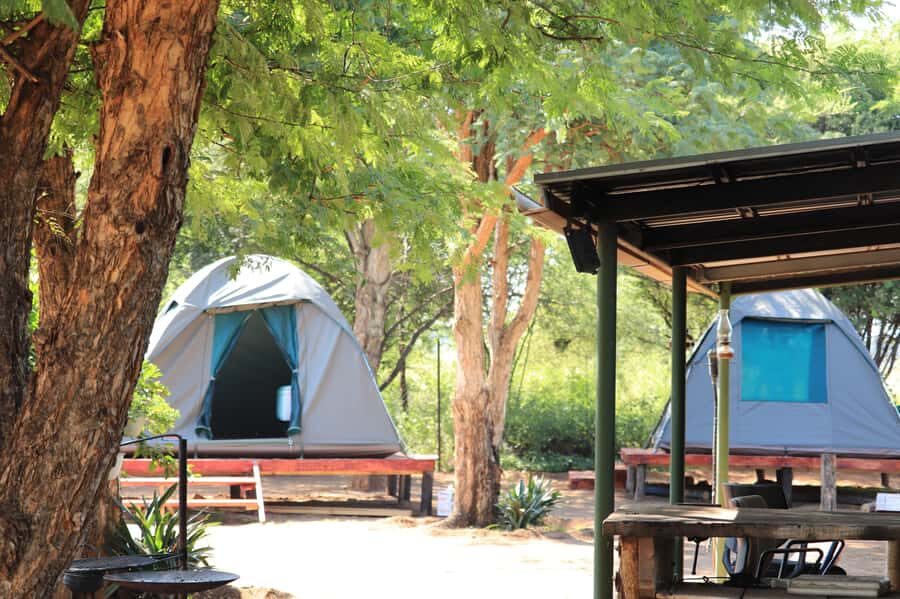
- Tented camping near the gate with campfire time and straightforward meals
- Pro rangers (including guides such as Vincent, Moloko, and Martin) focused on positioning for good sightings
Why Pilanesberg is a smart safari choice from Johannesburg
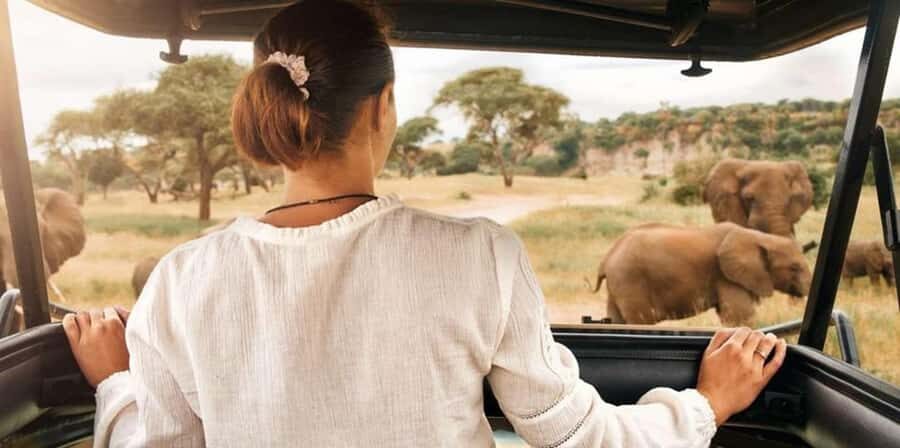
Pilanesberg National Park is the kind of place that fits real life. You’re not spending an entire day getting there, which means you can actually enjoy the safari rather than just commuting. It’s also malaria-free, a huge deal for peace of mind when planning a short trip.
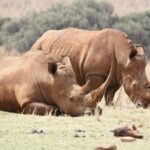
The park sits in an ancient volcanic crater, and that natural bowl shape helps concentrate wildlife. For you, it usually means more chances to spot animals without constantly searching. Add in the park entry included in your package, and you’re not stuck figuring out logistics at the gate.
At the price point (listed at $329 per person), this is designed for travelers who want high safari value without paying lodge luxury prices. The operator also frames this as the same itinerary style as higher-end packages, using the same kind of driving rhythm and ranger-led approach.
You can also read our reviews of more tours and experiences in Johannesburg.

Three game drives and how the schedule plays out
This tour is built around a simple safari truth: morning and late afternoon are prime time. You get a long morning session on Day 1, a sunset drive the same day, and another long morning on Day 2. That gives you multiple lighting conditions and multiple chances for different animals to show up.
Day 1: the first long morning run
You’re picked up in Johannesburg early, with comfort stops during the drive. After the drive, you’ll hit Pilanesberg and start a roughly 3-hour morning game drive in open safari vehicles. This is where you set the tone—predators can hunt, and many herbivores are moving, especially earlier in the day.
The value here is not just time. The experience uses radio-linked communication for real-time wildlife tracking, so your guide team can adjust the route based on where animals are at that moment. You don’t have to sit around hoping for luck.
Day 1: camp lunch, then golden-hour hunting
Around midday you’ll reach your camping base, check in, and eat lunch. You can then relax at the camp—some people like the campfire atmosphere, others use the time to reset for the afternoon.
Then you go out again for a sunset game drive (about 3 hours, in the open vehicles). This is where open-vehicle driving starts to feel magical. You’re chasing the golden light, and sightings often come with that slow-motion drama you only get when the day turns warm.
Day 2: early light again, then one shorter added drive
On Day 2, you’ll rise early for another 3-hour morning game drive. That early start keeps you in the best wildlife window again, not just once, but twice across the two days.
After breakfast and camp time, you’ll have the option of a short drive in a closed vehicle (minivan). The plan includes lunch-time timing and gives you flexibility: if you want to skip the short drive, you can relax at camp and meet the pickup later (timed into the departure plan).
Open-vehicle safaris: the best views, plus one trade-off
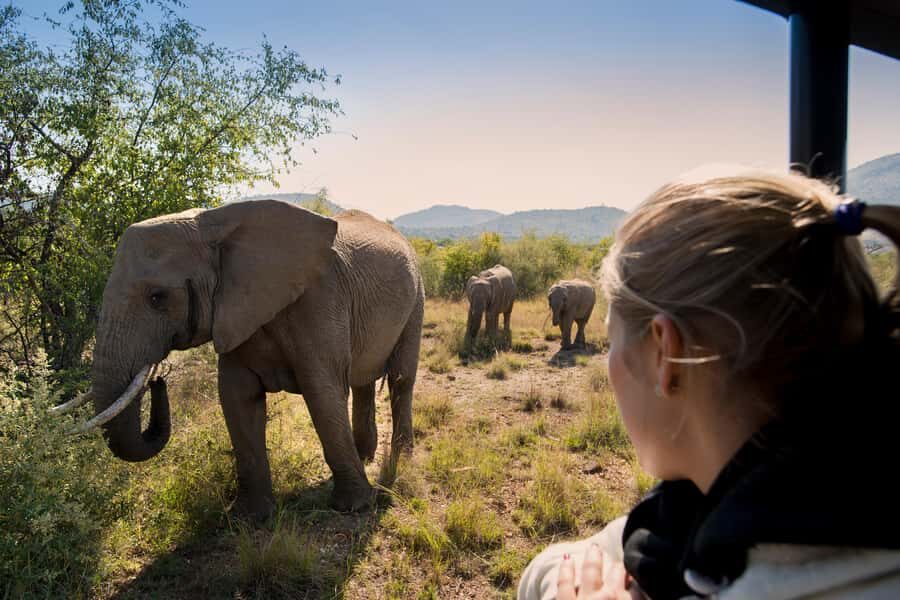
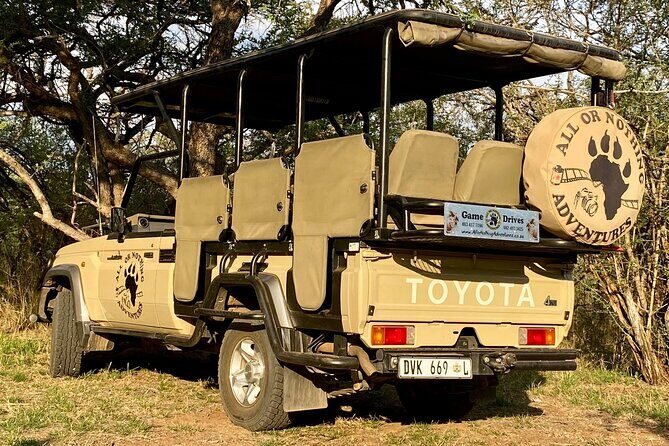
If you care about sightlines and photos, you’ll appreciate the open-vehicle choice. The safari drives run in “superior” open vehicles, and guides position the vehicle for viewing angles. That’s exactly the kind of detail that matters when you’re trying to follow animals across open ground.
There is one clear drawback: wind. On open vehicles, you’ll feel it—especially in the colder parts of the year or on breezy days. Bring a layer you can zip up quickly. Sunglasses and a cap help too, not because it looks cool, but because the dust and airflow can be distracting.
Also, comfort stops during drives are part of the plan, and you might find it helps to ask your guide how they’ll handle breaks on your exact drive day. One guest noted that communication about possible toilet stops could be clearer, so it’s worth setting expectations early.
Tlou Tented Safari Camp and the camping reality near the gate
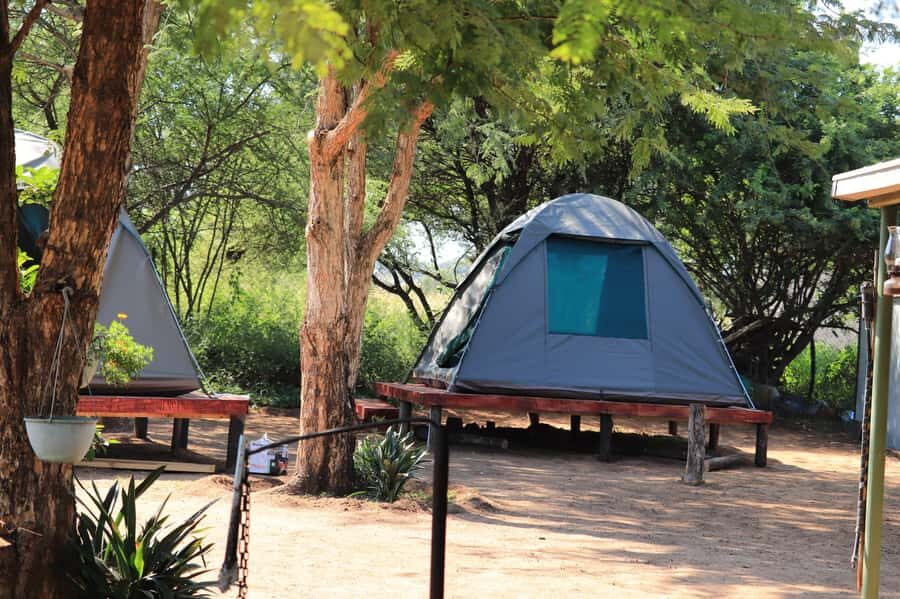
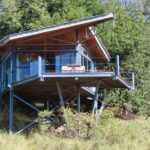
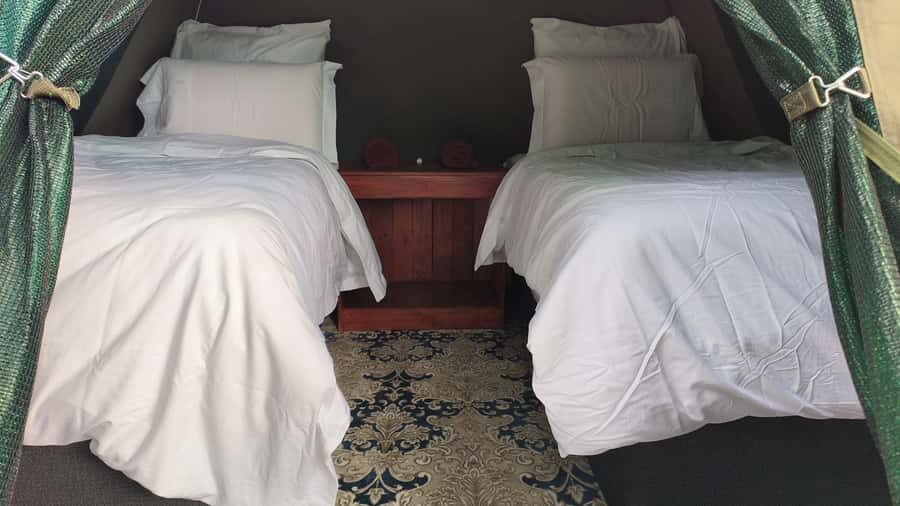
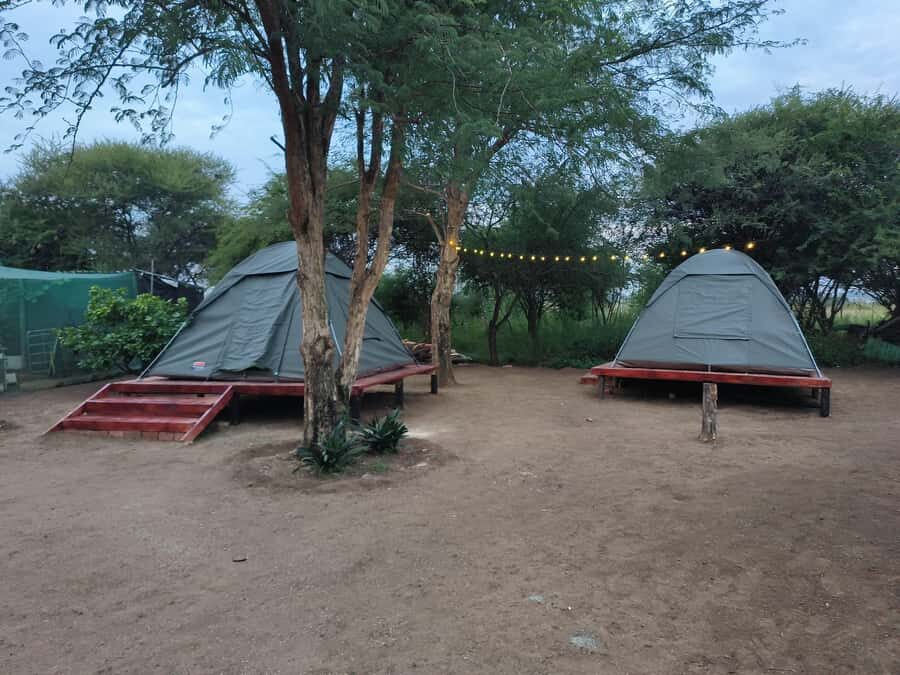
Your overnight stay is described as camping in the area of the park gate. The itinerary highlights Tlou Tented Safari Camp, about 4 km from the gate, and the inclusions also mention overnight camping at either Manyane Resort or Bakgatla Resort. In plain terms: you’re staying in the Pilanesberg camping zone close enough that your safari schedule stays tight.
Camping here is not “roughing it” in the desert sense. You sleep in tents with a provided sleeping bag, and you can rent pillows. You’ll also have access to camp basics like a gas stove, refrigerator, and cooking gear, so you’re not completely cut off from everyday comfort.
Meals are simple but meant to be satisfying. The guides serve straightforward, tasty food, and at least one guest loved that coffee and drinks were offered during the drives. That small detail can turn a long day into a bearable one, especially when you’re up early.
The camp experience also tends to feel calm at night. One guest described the campsite as clean and peaceful, and several mentions of caring staff came up in the feedback. You’ll see names like Noxy (camp staff) and Jesaja (chef) mentioned with appreciation, which tells me the food and service effort is taken seriously.
Guide skills: what changes when rangers actually know the job
On safari, the difference between a good trip and a great one is often ranger skill. This tour emphasizes expert rangers and real-time radio support, which can make a noticeable difference in sightings.
In the feedback, guides such as Vincent and Moloko stood out for being kind, attentive, and knowledgeable about animals and habitats. Another guest highlighted how guides adjust the vehicle for better views and share facts that help you understand what you’re seeing, not just what you’re staring at.
Martin also comes up as a highly regarded guide, and there’s a mention of Thapo being operationally sharp and taking time to explain things. If you enjoy learning while you’re watching, you’ll probably appreciate that the guides don’t treat the drive like just transportation.
For you, the practical takeaway is simple: ask questions. If you care about birdlife, tracks, or predator behavior, say so early. A team that’s good at positioning the vehicle is usually good at translating what you’re seeing into something you can recognize later.
Day 1 itinerary details you’ll want to plan for
Here’s what you’re working with on Day 1, time-wise:
- Early pickup in Johannesburg, with a comfort stop for beverages, snacks, and toilet use.
- Arrival at Pilanesberg at about 9:00 AM.
- A 3-hour morning game drive in open safari vehicles.
- Lunch and check-in at the camping base around 12:00 PM.
- A short downtime window (campfire time, a reset, or exploring surroundings).
- A sunset game drive from roughly 4:00 PM to 7:00 PM.
- Dinner back at camp.
Why this matters: the early start means you should pack for the wake-up. Bring something warm for the first drive, then something lighter for the day. Also, since you’re out multiple hours at a time, snacks you like can help if your appetite hits before meal windows.
One guest asked for clearer communication about potential toilet stops during long drives. Even if the comfort stop plan is included, it’s smart to confirm timing on the day so you can plan your water and snacks calmly.
Day 2 itinerary details: early again, then a controlled exit
Day 2 keeps the safari momentum without dragging it into all-day chaos.
- Early morning 3-hour game drive.
- Return around 9:00 AM for breakfast.
- Time to relax at camp.
- Optional ranger-led walk is mentioned as being subject to availability.
- A short closed-vehicle game drive around 12:00 PM, or you can skip it for camp time (pickup later at about 2:30 PM if you skip).
- Departure from Pilanesberg around 3:00 PM, with the drive back to Johannesburg including comfort stops.
- Return to Johannesburg between 5:30 PM and 6:30 PM.
The big practical plus is the timing. It’s tight enough that you feel you got full safari value, but it still leaves room for dinner plans back in the city. If you need an airport drop-off by 6:00 PM, you can provide flight details to the team.
One note to protect your schedule: the early-morning drive on Day 2 is where time matters most. One guest reported a mismatch between what they were told for the morning start and what actually happened later during dinner. If you want your Day 2 to feel calm, confirm the exact start time the evening before at camp.
Value and pricing: what $329 really buys you
At $329 per person for a two-day safari with camping, you’re paying for a package that includes a lot of the expensive parts:
- Round-trip transfer from Johannesburg (pickup and drop-off)
- Park entry
- Two open-vehicle drives and one closed-vehicle drive
- Camping accommodation in the park area
- One breakfast and one dinner
The operator also describes this as matching the itinerary style of 5-star packages. That doesn’t mean you should assume you’ll get the same lodge setting or same level of privacy you’d pay for at a luxury camp. But it does suggest you’re getting the core safari structure: quality driving time, ranger guiding, and the tracking advantage from radio-linked communication.
If you’re cost-conscious but you don’t want to compromise the safari portion, this is one of the more sensible ways to do it. You’re spending money on what you came for: wildlife time and ranger expertise, with camping as the trade that keeps the total price reasonable.
Who this safari camping trip suits best
This trip fits best if you want wildlife-focused days and you’re okay with tent camping instead of a lodge room. You’ll likely enjoy it if you like open-vehicle viewing, sunrise and sunset timing, and guided interpretation.
It also makes sense for:
- Short-lead-time visitors who want a Big Five-style experience without flying.
- People who enjoy learning from rangers while they search for animals.
- Travelers who don’t mind being up early if it means more prime-time safari hours.
If you’re the type who hates wind, hates early mornings, or needs very tight schedule communication with no surprises, you’ll want to prepare accordingly. For windy open-vehicle rides, plan clothing and comfort. For timing, confirm Day 2 start times the night before.
Small comfort checklist (so you enjoy the early mornings)
Based on how this experience runs, pack for motion and open air:
- A warm layer for early drives and mornings
- A wind-resistant layer or hat if you get chilly with airflow
- Sunglasses and sunscreen (you’ll be outside a lot)
- A small daypack for essentials and water
- Any pillow preference, since pillows are available to rent
Also consider asking your guide early about comfort stops during the long drives. Clear communication makes the schedule easier on your body.
Should you book Pilanesberg camping from Johannesburg?
Yes—if your priority is safari time and you want good guiding with radio-linked tracking at a price that doesn’t require luxury lodge budgets. The open-vehicle drives, the early-morning rhythm, and the camping base near the gate are a strong combo for first-timers and repeat safari fans alike.
I’d book it with one extra step: confirm the exact Day 2 morning start time before you go to sleep in camp. That one habit helps smooth out the biggest operational friction that can happen on early departures.
If you want a safari that feels structured, guided, and wildlife-first—while still letting you experience the camp life—this two-day Pilanesberg option from MoAfrika Tours is a very practical pick.
FAQ
How long is the Pilanesberg camping safari?
The trip runs for 2 days.
How far is Pilanesberg from Johannesburg?
It’s about a 2 to 2.5-hour drive from Johannesburg.
Is malaria a concern in Pilanesberg?
No. Pilanesberg is described as malaria-free.
What safari drives are included?
You get two open-vehicle safari drives and one closed-vehicle (minivan) safari drive.
Where do I sleep on this trip?
You stay in tented camping accommodation in the Pilanesberg gate-area setting. The itinerary highlights Tlou Tented Safari Camp (around 4 km from the gate), and the inclusions also mention overnight camping at Manyane or Bakgatla Resort.
What camping gear is provided?
A sleeping bag is provided. Pillows can be rented.
What meals are included?
The package includes one breakfast and one dinner. Lunch is part of the Day 1 plan after arrival at camp, but only breakfast and dinner are listed as included.
Does the price include park entry?
Yes. Entry to Pilanesberg Nature Reserve is included.
Can the operator do airport drop-off?
Yes, you can request an airport drop-off if your flight details are provided, with the aim of completing drop-off by 6:00 PM.
What’s the cancellation policy?
This activity is non-refundable.