REVIEW · PRETORIA
Pretoria half day tour
Book on GetYourGuide →Operated by Pure diamond tours and safari · Bookable on GetYourGuide
Pretoria can feel like a history lesson with flowers. In just 4 hours, you zip between major landmarks tied to the rise of the Boer republics and the seat of South Africa’s executive power, all under the city’s famous jacaranda streaks. I especially like the way stops connect story to place, and I like that the tour hits both heritage sites and modern government. One possible drawback: the schedule is tight, so you’ll want to be ready for security and a smooth start, because missing a closing window can shrink the experience fast.
I like Pretoria best as a “get your bearings quickly” city. It is the administrative capital and the home to many foreign embassies, so even the drive through the CBD helps you understand why everything feels official and intentional.
Practical notes matter here. You get hotel pickup and drop-off plus a bottle of water, but you pass through airport-style security and you cannot bring large bags. Bring your passport (a copy is accepted), and wear shoes you can walk in.
In This Review
- Key highlights to know before you go
- Jacaranda City in 4 Hours: What This Pretoria Tour Gives You
- Voortrekkers Monument: Granite on a Hilltop with 1835–1854 in Mind
- Kruger House (1884): Cement Mixed with Milk and Early Electricity
- Church Square and Paul Kruger’s Statue: From Market Square to Church Yard
- Passing Pretoria’s CBD: Getting Your Bearings Without Overplanning
- Union Buildings on Meintjeskop: Where Power Sits High Over Pretoria
- Price and Value at About $86 per Person
- Logistics That Matter: Passport Copy, Airport-Style Security, No Large Bags
- Guide Quality and the Car Question You Should Not Ignore
- Who This Tour Suits Best
- Should You Book This Pretoria Half-Day Tour?
- FAQ
- How long is the Pretoria half day tour?
- What does the tour cost?
- What are the main stops on the tour?
- Is hotel pickup and drop-off included?
- Is food or alcohol included?
- Is water provided?
- Do I need a passport?
- Are large bags or luggage allowed?
- Do I need to go through security?
- What languages is the tour offered in?
- Is the tour suitable for pregnant women?
Key highlights to know before you go
- Voortrekkers Monument: a granite hilltop memorial tied to 1835–1854 departures from the Cape Colony
- Kruger House details: cement mixed with milk and some of the earliest electricity in Pretoria
- Church Square context: Market Square turned church yard, with Paul Kruger at the center since June 1954
- Four Boer citizen-soldiers: statues around the Kruger monument add extra texture to photos
- Union Buildings setting: official government seat on Meintjeskop, near Arcadia and close to Church Square
- Security + no large luggage: plan light and arrive ready for checks
Jacaranda City in 4 Hours: What This Pretoria Tour Gives You
This Pretoria half-day tour is built for people who want big meaning without a full day. You cover several anchors of the city’s identity: the Voortrekker legacy (outside town first), Paul Kruger’s world (right in town), and the modern political power base (the Union Buildings).
Because it is only 4 hours, the tour works best when you are there for impressions and context, not for lingering in every room. You’ll still get enough time to look closely—especially at the monument, the house details, and the square—but you’ll feel the pace.
If you like history that has physical clues (buildings, materials, statues, names), you’ll click with this route. And if you hate rushing, you’ll want to keep your expectations realistic. One smooth start makes a big difference.
You can also read our reviews of more tours and experiences in Pretoria.

Voortrekkers Monument: Granite on a Hilltop with 1835–1854 in Mind
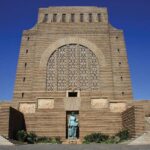
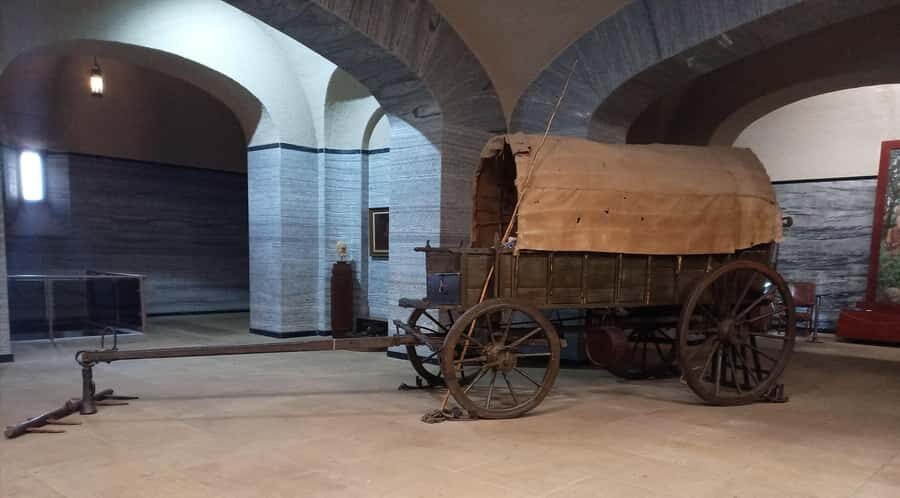
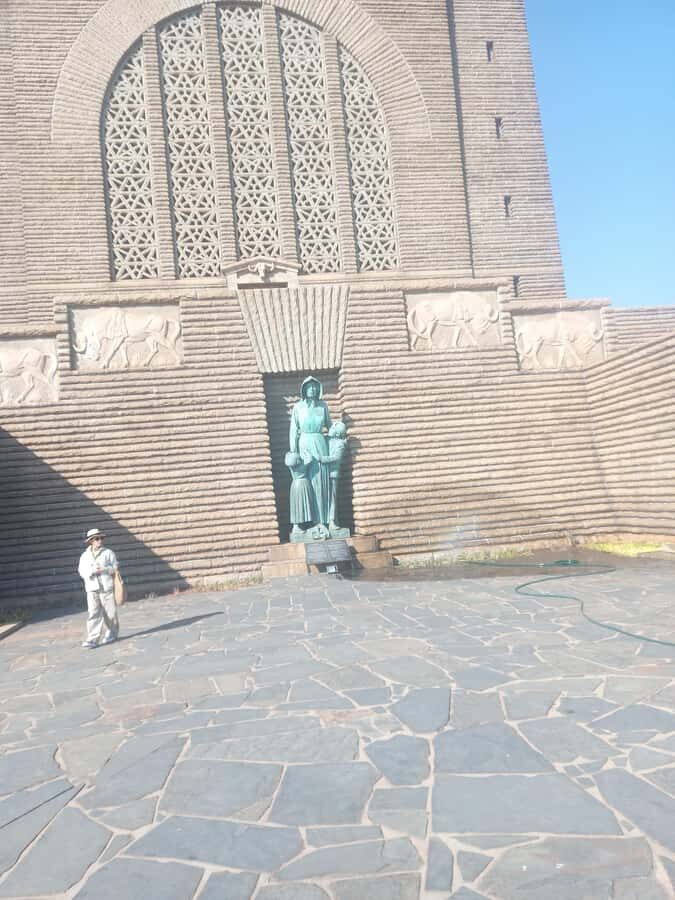
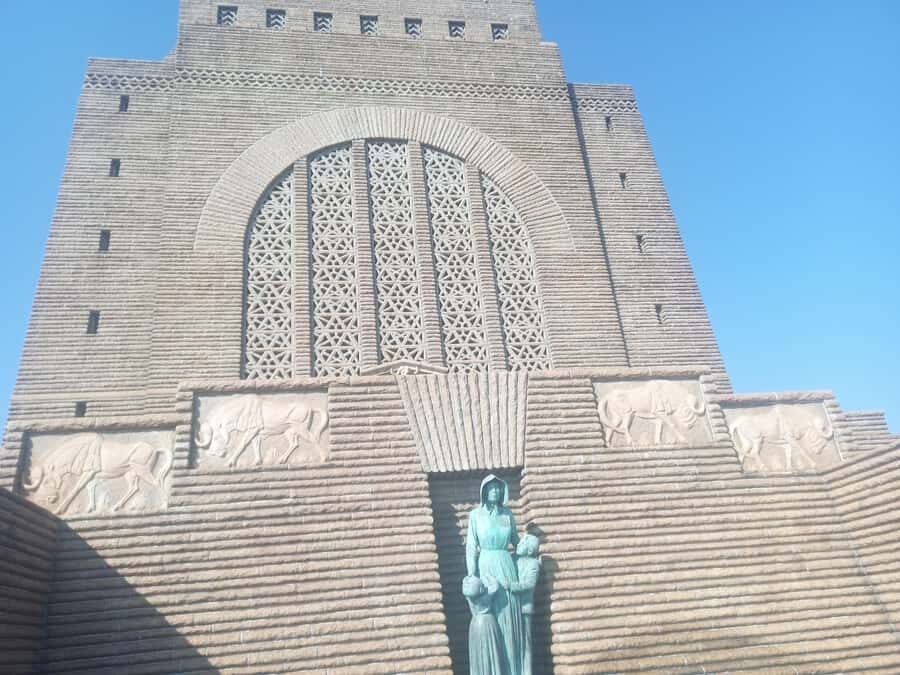
Your first major stop is the Voortrekkers Monument, located just south of Pretoria. It is a granite structure raised on a hilltop to commemorate the Voortrekkers who left the Cape Colony between 1835 and 1854. The architect was Gerard Moerdijk, and the monument’s placement on a rise is not accidental—it’s meant to feel monumental from multiple angles.
What I like about starting here is the way it sets the tone. Pretoria later becomes the administrative capital of a modern state, but this stop reminds you that the city’s story was shaped by earlier movement, settlement, and leadership. Even if you only know a few names, you’ll walk away with a clearer timeline.
Practical tip: bring your eyes for details. Hilltop buildings can be all “wow” and no “notice,” but this one rewards slow looking at the form and the setting. Also, since it’s early in the loop, it is a good moment to take photos before the city drive and tighter timing later.
Kruger House (1884): Cement Mixed with Milk and Early Electricity
Next you visit Kruger House, the historical Pretoria residence of Boer leader and President of the South African Republic, Paul Kruger. The house was built in 1884, designed by architect Tom Claridge and built by Charles Clark. One of the most fascinating production stories is about the building material: milk was used instead of water to mix the cement because the cement available at the time was poor.
That is the kind of fact you can only really get when you’re standing where it happened. It turns the house from a “name on a sign” into a practical slice of everyday problem-solving from the 1800s.
Another highlight here is that it was one of the first houses in Pretoria lit by electricity. The house also contains either original furnishings or items from the same historical period, along with gifts presented to Kruger and other memorabilia.
What you should expect: a calmer stop than the monument. You’re not just looking at scale—you’re looking at objects, context, and how power and leadership were displayed in domestic space. If the phrase history feels too abstract for you, this is the stop that makes it tangible.
Church Square and Paul Kruger’s Statue: From Market Square to Church Yard
Then comes Church Square, which has a surprisingly layered identity. Originally it was called Market Square, serving as the historic center of Pretoria. The founder of Pretoria, Marthinus Pretorius, determined that the square should be used for both a market place and a church yard. Later, it was renamed because of the church buildings at the center of the square from 1856 to 1905.
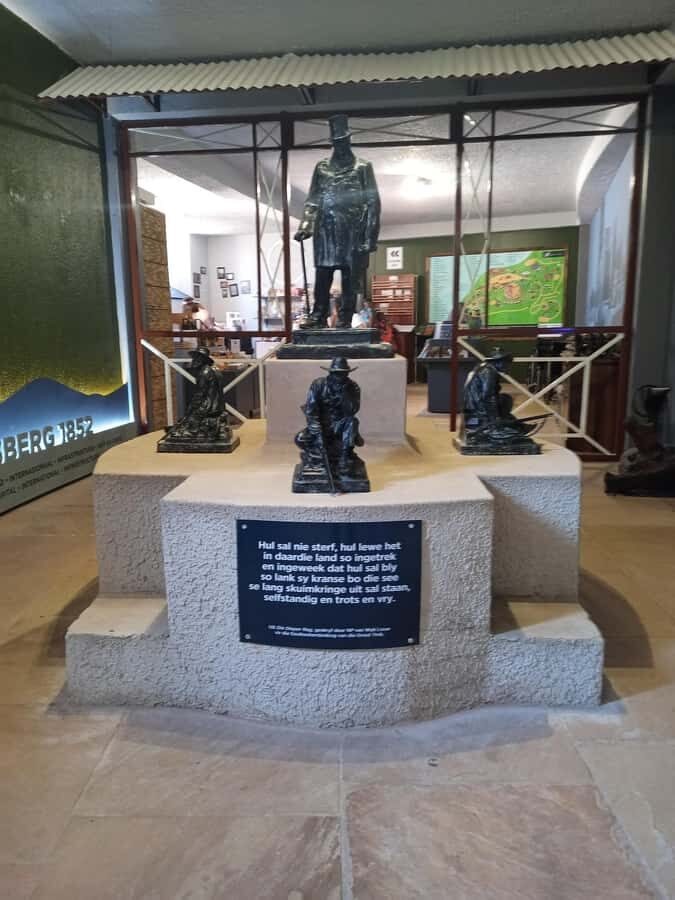
Since June 1954, the square’s most prominent feature has been the statue of the late Boer leader and president of the South African Republic, Paul Kruger, placed at the center. On the lower level of the plinth, you’ll also find statues of four anonymous Boer citizen-soldiers surrounding his.
Why this stop matters: statues can be either dead symbols or conversation starters. Here, the surrounding citizen-soldiers help balance the story. You’re reminded that leaders aren’t the whole narrative—people on the ground lived those political shifts too.
Practical photo tip: aim for both wide and close. A wide shot shows Kruger in the square, while close angles can capture the different soldier figures on the plinth, which makes your photos feel like they tell a story.
Passing Pretoria’s CBD: Getting Your Bearings Without Overplanning
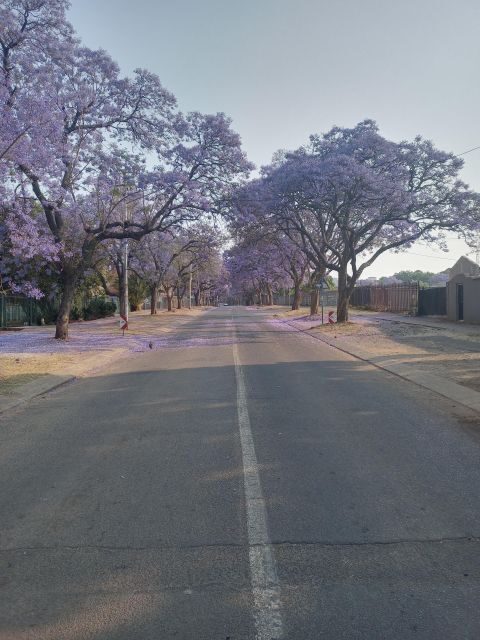
Between the major attractions, the tour also includes passing the city center or the CBD. This is a small part of the itinerary on paper, but it helps in real life. Pretoria’s government identity is physical. Roads, building density, and the placement of key sites make more sense when you’ve seen them from the car window and then walked around one or two anchors afterward.
Think of this as your orientation stretch. It can make the later stop—especially the Union Buildings—feel less random and more like the next logical chapter.
Since the exact timing between stops is not spelled out here, keep your phone charged and your bag situation simple. The more smoothly you move, the more you actually notice.


Union Buildings on Meintjeskop: Where Power Sits High Over Pretoria
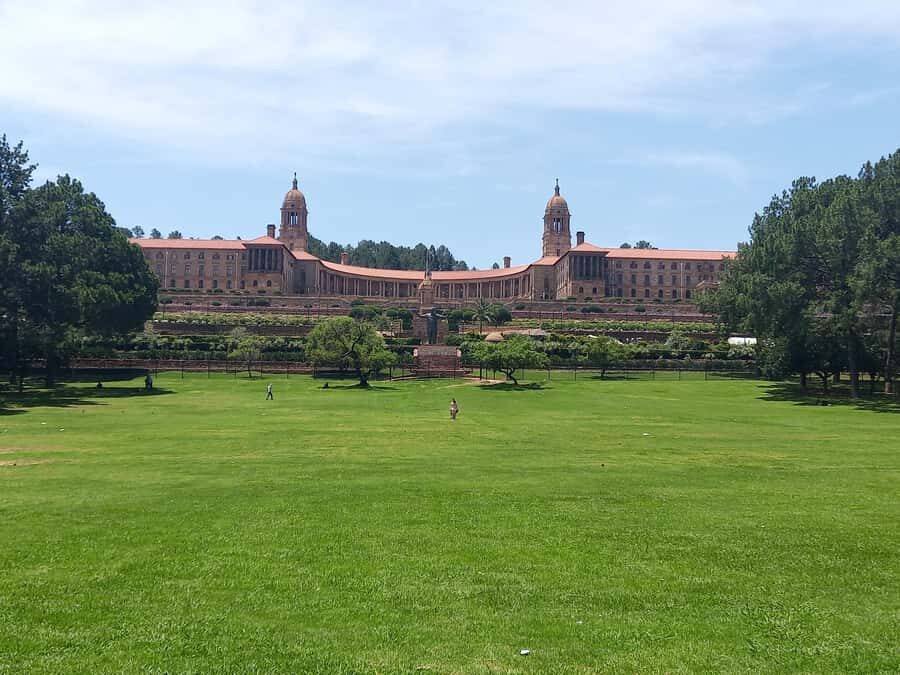
The final landmark is the Union Buildings, the official seat of the South African Government and home to offices of the President of South Africa. The imposing buildings are located in Pretoria atop Meintjeskop, near historic Church Square, at the northern end of Arcadia.
This is a classic “big final stop.” The Union Buildings occupy the highest point of Pretoria and are a South African national heritage site, so they feel like both architecture and institution.
What you’ll likely appreciate is the contrast. You move from a hilltop monument linked to early settlement history, to a house that shows how leadership lived, to a square that holds collective memory in sculpture, and then to a government complex that signals modern authority. Even if you don’t read every detail, your brain builds a timeline while you’re there.
If you care about photos, treat this as your best one. It’s the stop where the setting tends to produce the strongest wide views.
Price and Value at About $86 per Person
At $86 per person, this is a straightforward half-day rate. What you’re getting that justifies the cost is the structure: you’re not just seeing one attraction—you’re seeing multiple major sites that connect Pretoria’s public story end to end.
Here’s the value equation I’d use:
- Included: hotel pickup and drop-off, plus a bottle of water
- Not included: food and drinks (alcohol)
That matters because transport and timing are a real part of a half-day. If you tried to cobble this together yourself—especially with the security checks and limited time—you’d likely burn time coordinating. The tour removes that planning stress.
If you do snack breaks, plan for them. Since food is not included, bring a simple option or budget time to get something before or after the tour. That way you stay focused on the sights instead of hunting for a meal mid-route.
Logistics That Matter: Passport Copy, Airport-Style Security, No Large Bags
This is the kind of tour where logistics quietly affects your enjoyment. All visitors must pass through airport security systems, and you need to bring your passport (a copy is accepted).
Also, luggage or large bags are not allowed. That affects what you pack: keep it light. If you have a daypack, that’s the right direction. If you’re traveling with a bigger case, plan to leave it elsewhere.
One more heads-up: the tour is marked as not suitable for pregnant women. That’s likely tied to the day’s movement and security process, so it’s best to take that instruction seriously.
The upside of all this: once you’re past security and in the loop, you can just enjoy the sights.
Guide Quality and the Car Question You Should Not Ignore
The experience can swing based on execution. One guide named Albert has been singled out as friendly and deeply effective at explaining South Africa’s turbulent history with clarity. A good guide is what turns a list of landmarks into an actual journey—especially when political history is the spine of the day.
At the same time, you should pay attention to vehicle quality and routing reliability. There is a cautionary note tied to an older, poorly maintained car and a chaotic start that led to missed opening times. You can’t control that as a passenger, but you can protect yourself by confirming the basics on pickup day and staying flexible if traffic or timing tightens.
In other words: aim for the best version of the day. If the vehicle and route planning are solid, this tour tends to shine. If not, the tight schedule can hurt.
Who This Tour Suits Best
This Pretoria half-day tour is a good match if:
- you want a compact introduction to Pretoria’s public face and historical roots
- you like landmarks with real stories you can learn fast
- you enjoy structured city sightseeing with a guide
It may be less ideal if:
- you hate security lines and want a low-friction day
- you need to carry large bags
- you’re sensitive to tight timing (a half-day can feel rushed if anything goes sideways)
- you fall into the group it is not suitable for (pregnancy is specifically flagged)
Should You Book This Pretoria Half-Day Tour?
I’d book it if you want a smart, efficient route through Pretoria’s most meaningful anchors—Voortrekkers Monument, Kruger House, Church Square, and the Union Buildings—and you’re ready for a brisk schedule with airport-style security.
I would hesitate if you have little patience for logistical friction, or if your day depends on perfect timing. Because the tour is short, small delays matter. Also, pack light and plan for no included meals.
If you do decide to go, you’ll likely come away with a much clearer sense of why Pretoria feels like a seat of power and memory at the same time—and why the jacaranda-lined city streets help soften the weight of what you’re learning.
FAQ
How long is the Pretoria half day tour?
The tour is listed as visiting Pretoria for about 4 hours.
What does the tour cost?
The price is $86 per person.
What are the main stops on the tour?
You’ll visit the Voortrekkers Monument, Kruger House, Church Square, a pass through the city center/CBD, and the Union Buildings.
Is hotel pickup and drop-off included?
Yes. Hotel pickup and drop-off are included.
Is food or alcohol included?
No. Food and drinks (including alcohol) are not included.
Is water provided?
Yes. You receive a bottle of water.
Do I need a passport?
Yes. You should bring your passport, and a copy is accepted.
Are large bags or luggage allowed?
No. Luggage or large bags are not allowed.
Do I need to go through security?
Yes. All visitors must pass through airport security systems.
What languages is the tour offered in?
The languages listed are English and French.
Is the tour suitable for pregnant women?
No. It is marked as not suitable for pregnant women.