REVIEW · DURBAN
Sani Pass Day Tour from Durban
Book on Viator →Operated by Major Adventures · Bookable on Viator
Sani Pass starts with a nerve test. That’s why this day tour from Durban grabs me: the 4×4 climb into the Southern Drakensberg and the Basotho village stop give you both the hard-to-believe driving and real local culture. It’s also guided by pros who know how to handle the terrain, and names like Allen and Elias come up for a reason—calm, confident driving plus lots of context about what you’re seeing.
The main drawback is the pace. You’re leaving around 6:00am and spending roughly 2.5 hours each way in the car, with cold conditions possible at the summit. If you’re sensitive to early starts or chilly air, plan for it.
In This Review
- Key things to know before you go
- Sani Pass from Durban: drive, culture, and a summit-style payoff
- Price of about $191.95: where the value really comes from
- The 6:00am start and the Durban-to-mountains transfer
- Pietermaritzburg and the turn toward the Southern Drakensberg
- Living Basotho village visit and bread tasting
- 4×4 time up the pass: 1,000 meters, wildlife, and calm driving
- Crossing into Lesotho and the Highest Pub in Africa lunch stop
- What the return ride teaches you: a long day with a clear rhythm
- Packing for cold at the summit (and comfort for the whole climb)
- Who this tour suits best (and who might pause first)
- Should you book this Sani Pass day tour from Durban?
- FAQ
- What time does the tour start in Durban?
- How long is the Sani Pass day tour?
- Is pickup from my Durban accommodation included?
- Do I need a passport to cross into Lesotho?
- What stops are included besides the drive up Sani Pass?
- Is lunch included at the Highest Pub?
- What should I bring for the day?
- Is there a limit on group size?
Key things to know before you go
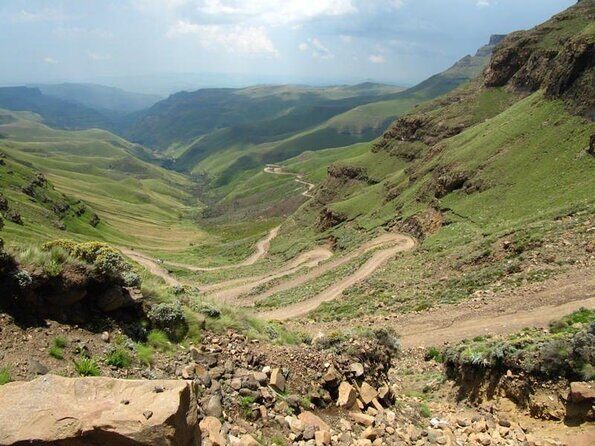
- 4×4 is the point: expect a serious mountain-road climb, not a casual sightseeing drive
- Cross into Lesotho: you’ll cross the border from South Africa, with passport requirements
- Basotho village + bread tasting: culture is built in, not an afterthought
- Highest Pub in Africa stop: visit included, lunch and drinks are on you
- Bring cold-weather gear: warm layers matter once you near the summit area
Sani Pass from Durban: drive, culture, and a summit-style payoff
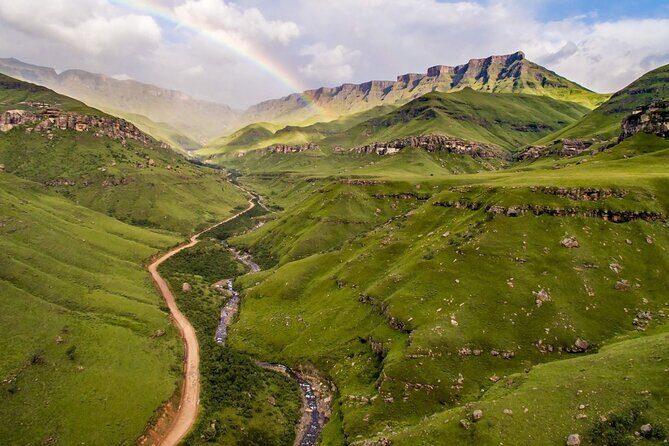
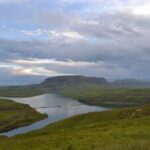
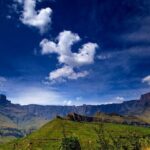
Sani Pass is one of those places where the journey is part of the attraction. The route from Durban carries you from more familiar town energy toward rural villages and the Lesotho border area, then the day pivots hard into 4×4 mode. Once you’re on the pass, the climb is about more than scenery—it’s about how the road behaves when the terrain gets steep and the corners get serious.
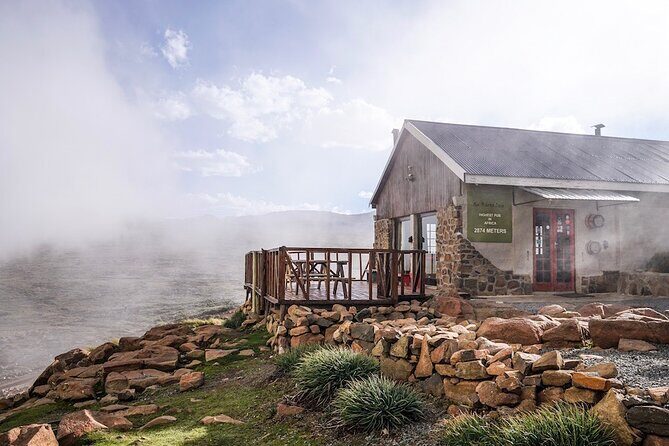
What I like most is that the tour doesn’t treat the pass like a one-note stunt. You get a living Basotho village visit and bread tasting, which adds meaning to all that “I’m going up a mountain” energy. And once you reach the Highest Pub in Africa, it becomes a natural moment to slow down, take in the views, and refuel—literally if you buy lunch and drinks.
One reason this day works for many people: it’s structured. You’re not left to guess timing or make your own border-and-road decisions. The guide, the vehicle choice, and the stop plan are what make the day feel doable, even when the road isn’t.
You can also read our reviews of more tours and experiences in Durban.

Price of about $191.95: where the value really comes from
At about $191.95 per person, this isn’t a budget outing—but it also isn’t just you paying for a seat on a bus. The value is tied to a few specific things you likely can’t DIY easily from Durban:
- A guided, fully qualified experience with a professional who can handle the pass safely and explain what you’re seeing
- 4×4 transport for the climb of roughly 1,000 meters, which is the core of the day
- Included cultural stops, like the living Basotho village visit and bread tasting
- A High-Altitude landmark stop at the Highest Pub in Africa (the visit is included; lunch isn’t)
Also, the price includes pickup offered and a mobile ticket. Those small logistics pieces add up when you’re doing a long day that starts early.
The “watch-out” on value is also simple: you’ll still want to budget for lunch and drinks at the pub, plus any snacks, sunscreen, or souvenirs you decide to grab. If you plan to eat there, go in with cash/card ready and don’t assume the included price covers it.
The 6:00am start and the Durban-to-mountains transfer
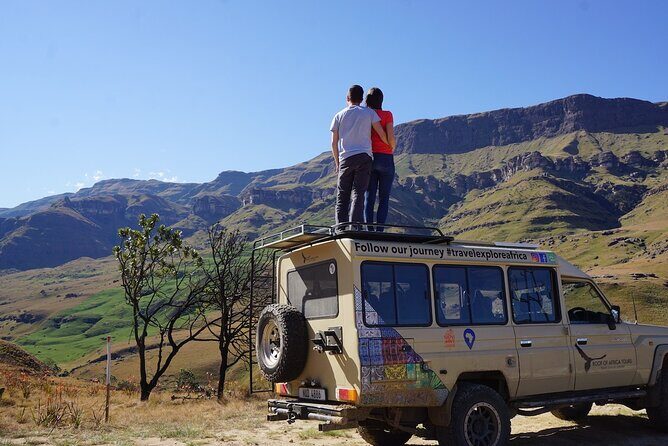
This is a long-day adventure, and the first key detail is that you leave Durban at 6:00am. The tour runs about 6 hours, with approximately 2.5 hours of transfer time from Durban and about the same back again. So yes, it’s a lot of time in a vehicle. But that early start is also what gives you the best odds of reaching the pass areas at a workable time and enjoying daylight for the views and stops.
If you’re staying outside Durban, there may be a surcharge, so it’s worth confirming early. The upside of an early departure is that you avoid feeling like the trip steals your whole day only after you’ve already started relaxing—your day is planned from the moment you’re picked up.
A practical point: even if you mostly sit in the car, don’t underestimate how tiring a 6-hour structured day can be. Think of it like a guided road trip plus a focused mountain segment. Pack like you’re doing a full-day outdoors experience, not just a city tour.
Pietermaritzburg and the turn toward the Southern Drakensberg
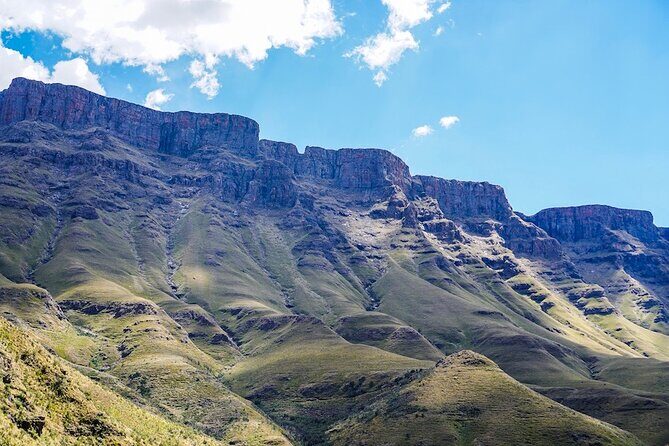
On the drive out, you’ll pass the historic town of Pietermaritzburg before heading toward the Southern Drakensberg mountains. That matters because the day’s pace changes as the region does. Early on, you get familiar road rhythms, then gradually the surroundings feel more rural and remote.
What you’re looking for here is the slow build: you’re moving from the kinds of places where roads feel predictable into a mountain region where the road can change quickly. The tour’s design helps you build that sense of place before you ever reach the steep climb.
The practical benefit: by the time you get to the pass itself, you’re not mentally catching up. You’ve already been traveling through the geography, and the guide can start connecting what you see—villages, terrain changes, and wildlife opportunities—to the bigger story of Sani Pass.
Living Basotho village visit and bread tasting
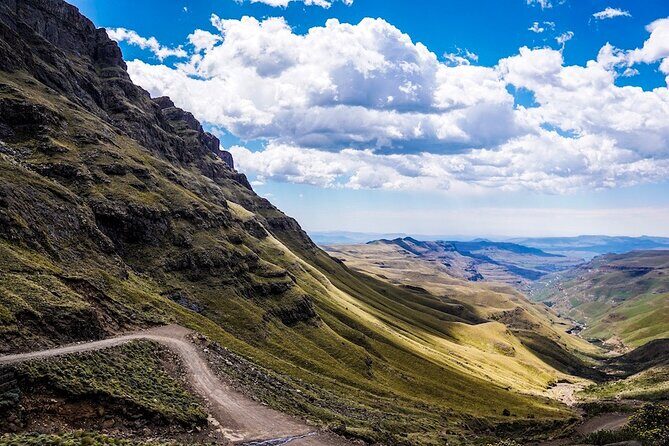
One of the smartest choices in this tour is putting culture early enough that it doesn’t get rushed. You’ll visit a living Basotho village and enjoy bread tasting as part of the included experience.
This isn’t framed as a show. It’s included for a reason: it gives you context for who lives in these mountain regions and how food and everyday routines fit into life near the pass. If you’re the kind of traveler who likes to understand a place beyond a viewpoint, this stop is the anchor that keeps the day grounded.
The bread tasting is also an easy entry point. You don’t need to be an expert on local food traditions to appreciate what’s offered. You just need an open mind and the willingness to ask questions through your guide.
From the kind of tour experience associated with guides like Allen and Elias, the best parts of this segment tend to come from conversation—learning why people travel, how they describe the region, and what the pass means locally. If you’re quiet by default, this is a great day to try a few simple questions. Your guide will likely connect answers back to what you’ll see next.



4×4 time up the pass: 1,000 meters, wildlife, and calm driving
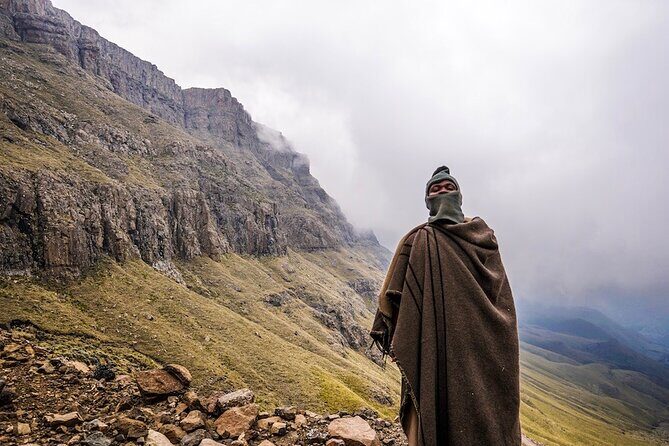
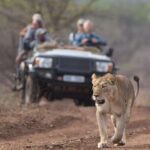
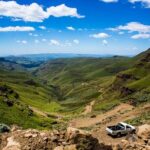
The core of the day is the 4×4 climb that takes you up about 1,000 meters. This is where the tour stops being “transport” and starts being the activity.
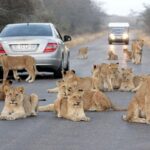
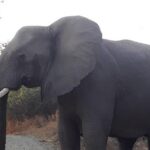
The tour description is clear: you’ll pass a variety of wildlife along the way. You shouldn’t plan your day around seeing a specific animal, but you can plan for the chance. Bring patience. When you’re on a mountain track, sightings often happen in quick windows.
Why the guide matters: the pass is described as difficult terrain, and the driving requires real skill. In guide stories tied to this tour, you hear things like masterful handling of the pass and a calm, experienced approach. That’s the difference between a trip you remember and one you stress through.
Here’s what to do to make the most of this stage:
- Stay ready with your camera, but don’t keep it out the whole time if the air is cold or windy
- Expect uneven road conditions, so keep your posture comfortable and avoid rushing to the windows
- Watch for wildlife at safe moments—when the driver pauses and when it’s practical to look
If you come in thinking this is just for photo ops, you’ll miss what makes it special. The real wow is how the guide turns a challenging climb into a controlled, informative experience.
Crossing into Lesotho and the Highest Pub in Africa lunch stop
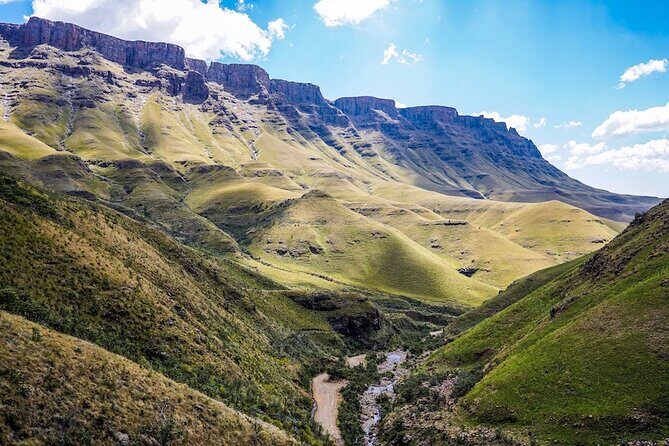
Crossing the Lesotho border is a clear milestone on this day. It’s not just a dramatic line on a map—border crossing is part of the rhythm of how the Sani Pass route works.
Before you go, the non-negotiable item is your passport. The tour data is explicit: passports are essential, and you should check visa requirements. If you’ve got any doubt about what you need, handle that well before your departure date. Border days don’t forgive last-minute errors.
Then you reach the Highest Pub in Africa. The visit is included, but lunch and drinks are not. That’s a good setup because it gives you control: you can eat when you want, based on your hunger and the weather, instead of being rushed by a group meal schedule.
This stop is also where the day’s mood changes. Up on the pass, the air can be colder, and the views can make people get quiet in that “wow” way. It’s a perfect place to check in with yourself: how’s your energy, do you need a snack, do you want to keep your layers on, or do you want to step outside and take a few photos before the drive down.
What the return ride teaches you: a long day with a clear rhythm
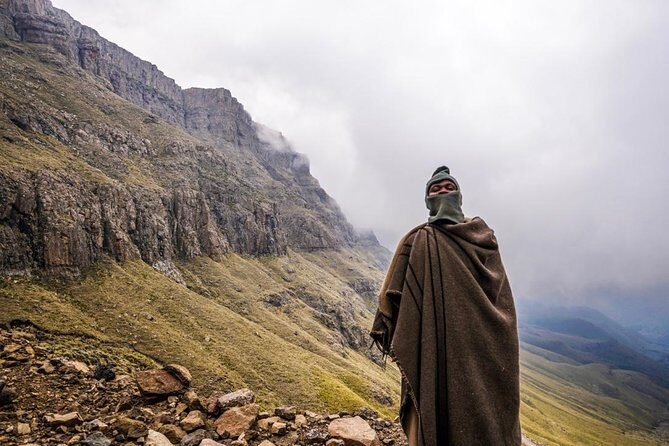
After the Highest Pub stop, you wind down and make your way back toward Durban. The return still takes about 2.5 hours of transfer time, which means the whole day follows a pattern:
1) early travel out
2) cultural start
3) the main 4×4 climb and wildlife chances
4) the summit-style pub stop
5) the long, steady ride back
That structure is part of why this feels manageable. You always know what’s coming next, and the guide keeps transitions smooth. It also means you’ll likely leave with a different mental map of the region than you had at 6:00am. You’ll have driven through rural areas, felt the scale of a high pass, and crossed borders—without needing to plan all the moving parts yourself.
If you’re the type who needs breaks, you’ll want to accept that most of the day’s “break time” is built into the stop points rather than frequent short pauses. Plan accordingly.
Packing for cold at the summit (and comfort for the whole climb)
This day can go from mild-to-brisk quickly, especially when you reach higher elevations. The tour guidance is straightforward: bring warm clothing, and it can be cold at the summit.
Beyond that, I’d pack like this:
- Extra bottle of water (it’s recommended)
- Sunscreen and sunglasses (the light can be strong, even when it feels chilly)
- Binoculars if you enjoy wildlife spotting
- A camera (you’ll want it ready for the drive moments and pub stop)
- A warm layer you can put on fast, plus a wind-resistant outer piece if you have one
This is also a day where you’ll be glad you didn’t travel with your most delicate jacket. The pass day is real-world travel, not museum air-conditioning.
Who this tour suits best (and who might pause first)
This tour is described as for all ages and fitness levels, and most of the experience is about driving and scheduled stops rather than strenuous walking. If you’re okay with a long seated day and don’t mind early mornings, it’s a strong fit.
You’ll especially like it if:
- you want a memorable mountain route without doing complicated planning
- you like cultural context, not just scenery
- you enjoy wildlife spotting when the opportunity appears
You might reconsider if:
- early starts are hard for you
- cold weather makes you miserable
- you don’t want to spend most of the day in a vehicle
The driving itself is a big part of the value. If your idea of a great day tour is mostly flat walking and relaxed pacing, the pass day may feel intense.
Should you book this Sani Pass day tour from Durban?
If you’re looking for a full-day adventure that mixes a tough 4×4 pass, a Basotho village visit with bread tasting, and a real border-crossing story, this is an easy yes for many people.
It’s not a light, lazy day. You start early, you travel for hours, and you need to dress for cold. But that’s exactly why it feels like a true accomplishment. With professional guides like Allen and Elias highlighted through real experiences, you’re paying for more than transportation—you’re paying for confidence on a difficult route and a day that adds up to something more than a couple of photos.
Book it if your goal is a meaningful, hands-on South Africa and Lesotho day trip. Skip it if you want a short outing with minimal time in a car or if cold weather is a dealbreaker.
FAQ
What time does the tour start in Durban?
The tour start time is 6:00am in Durban.
How long is the Sani Pass day tour?
The tour duration is approximately 6 hours, with about 2.5 hours transfer time from Durban and about 2.5 hours on the return.
Is pickup from my Durban accommodation included?
Pickup is offered, but if you are staying outside of Durban you should contact the operator to confirm whether a surcharge applies.
Do I need a passport to cross into Lesotho?
Yes. Passports are essential, and you should also check visa requirements.
What stops are included besides the drive up Sani Pass?
You’ll visit a living Basotho village with bread tasting, and you’ll stop at the Highest Pub in Africa.
Is lunch included at the Highest Pub?
No. Lunch is not included, and drinks are also not included.
What should I bring for the day?
You’re advised to bring a warm jacket (it can get cold at the summit), an extra bottle of water, sunscreen, sunglasses, binoculars, and a camera. A valid passport is also required.
Is there a limit on group size?
The tour lists a maximum of 70 travelers.