REVIEW · PRETORIA
Soweto and Johannesburg Tours
Book on Viator →Operated by The Tour and Shuttle Guy · Bookable on Viator
Township history hits fast when you step into Soweto. This route strings together the places you need to understand South Africa’s past, from Soweto’s anti-apartheid sites to the story told at the Apartheid Museum.
I like that it’s not just a drive-by. You get a structured visit time that helps you connect the dots between people, laws, and resistance.
Two things I especially liked: the comfort and reliability of the ride, and the way the guide steers the conversation. If you end up with Guy Peters (he’s been praised for on-time pickups and a spotless vehicle stocked with cold bottled water), you’ll likely feel both cared for and safe as the day moves along.
And I like that the tour is set up for questions, not awkward silence—so you can ask about what you’re seeing, especially in the heavier stops.
One possible drawback: a few major admissions are not included. Apartheid Museum and Constitution Hill tickets are listed as not included, so plan a little extra budget on top of the $130.82 price.
In This Review
- Key highlights worth planning for
- Soweto and Johannesburg, stitched together the right way
- Private comfort: pickup, water, and a guide who drives the day
- Stop 1: Soweto landmarks, neighborhood drives, and Mandela-era meaning
- How to handle Soweto’s emotional weight without rushing
- Stop 2: Apartheid Museum and the facts that give context
- Stop 3: Constitution Hill’s prison cells, Constitutional Court, and art
- Price and value: what $130.82 actually buys
- Timing, comfort, and what to bring on a 4-to-10-hour day
- Who this tour suits best (and who might want a different style)
- Should you book this Soweto and Johannesburg tour?
- FAQ
- How long does the Soweto and Johannesburg tour take?
- Is pickup offered?
- What’s included in the tour price?
- Is admission to Soweto included?
- Is admission to the Apartheid Museum included?
- Is admission to Constitution Hill included?
- Are lunch, coffee, or tea included?
- Is alcohol served on the tour?
- What happens if the weather is bad, or if I need to cancel?
Key highlights worth planning for
- Private transportation with WiFi on board and bottled water
- Soweto stops that can include Mandela House Museum, Hector Pieterson Memorial and Museum, and Regina Mundi Church
- Vilakazi Street plus a drive-through view of neighborhoods like Orlando West
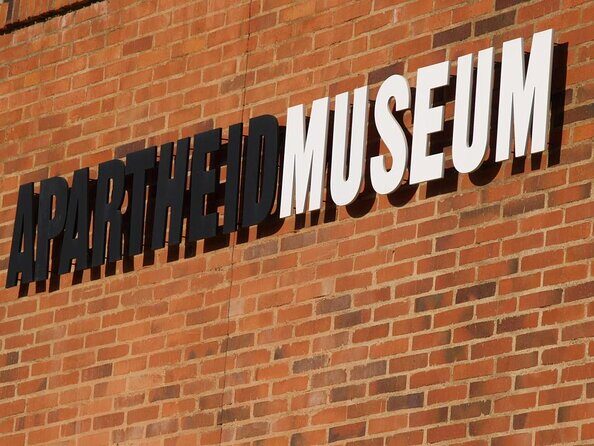
- Apartheid Museum for the policy and human impact side of the story (admission not included)
- Constitution Hill Human Rights Precinct with the former prison site and the Constitutional Court (admission not included)
- Flexible day length depending on timing, with a typical visit spanning about 4 to 10 hours
Soweto and Johannesburg, stitched together the right way
This kind of day works best when it has a clear thread—and this one does. You start in Soweto, where the story is lived and remembered through sites connected to the 1976 Soweto Uprising and major figures. Then you move into museums and court-linked memorial space where apartheid is explained through laws, detention, and the shift toward democracy.
If you’re basing yourself in Pretoria, this also makes logistics easier. You don’t have to figure out route changes on your own or split your day across multiple taxis. The tour is built around pickup, private transport, and a smooth sequence of stops.
Keep your expectations grounded, though. This is not a quick “see it and go” photo loop. It’s built for learning, and some of the stops deal with painful material. If you want a light, party-friendly day, you’ll likely feel out of place. If you want context, you’re in the right spot.
You can also read our reviews of more tours and experiences in Pretoria.



Private comfort: pickup, water, and a guide who drives the day
One of the best parts of this experience is how practical it feels once you’re on the road. You get private transportation, plus WiFi on board and bottled water—small things, but they matter in South African cities where a long day can wear you out.
The guide role is also a real part of the value. The Tour and Shuttle Guy is known for being friendly and knowledgeable, and Guy Peters specifically has been praised for being on time and for encouraging questions. That matters on days like this, because you’ll see names and places that connect to bigger events—and you’ll get more out of them if someone helps you interpret what you’re looking at.
One more plus: you’re not mixing with strangers. The setup is described as a private tour/activity, meaning only your group participates. That tends to make the pace feel more human—especially if you need a moment to regroup at a memorial or want to ask an extra question before moving on.
Stop 1: Soweto landmarks, neighborhood drives, and Mandela-era meaning
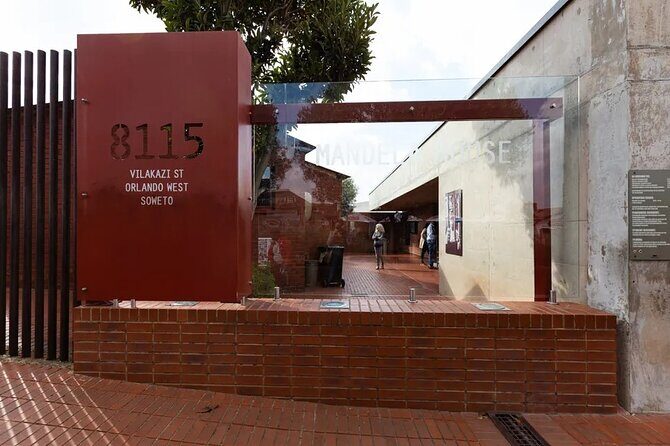
Soweto is the centerpiece of this whole route, and it’s easy to see why. It’s one of South Africa’s best-known townships, and it holds layers of history—from the Soweto Uprising of 1976 to the lived reality of many influential residents.
Your Soweto segment may include visits to major sites such as:
- Mandela House Museum
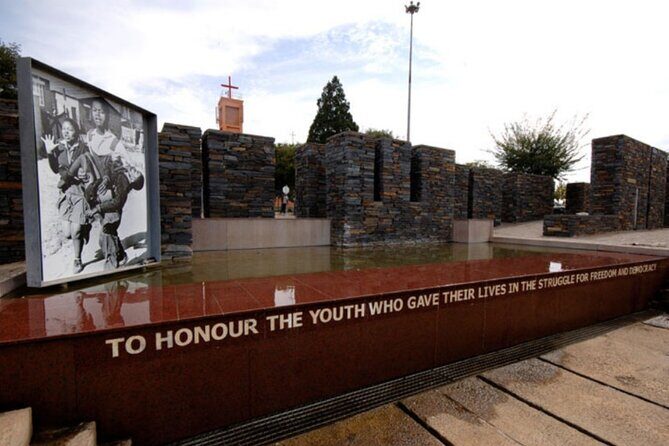
- Hector Pieterson Memorial and Museum
- Regina Mundi Church
Even if you only know a few names, these stops help you connect them to place. The Hector Pieterson Memorial and Museum is especially powerful for understanding how youth and ordinary people got pulled into political violence—and why 1976 became a defining moment. Regina Mundi Church is noted for its role during the anti-apartheid movement, so it gives you a sense of how faith communities and resistance could overlap.
You’ll also likely drive through parts of Soweto so you get more than a list of museum labels. Neighborhoods mentioned include Orlando West and Vilakazi Street. Vilakazi Street stands out because it’s associated with two Nobel Prize winners living there—Nelson Mandela and Archbishop Desmond Tutu. That isn’t just trivia. It’s a quick way to feel how global recognition and local struggle can sit side by side on the same streets.
Practical note: the Soweto stop is listed with admission ticket free for this segment. That’s helpful for budgeting, especially when the next two stops require separate tickets.
How to handle Soweto’s emotional weight without rushing
Even when a tour is well-organized, Soweto demands patience. There’s a difference between reading about apartheid and standing in the spaces where people tried to resist it. If you’re the type who likes to process slowly, you’ll benefit from going at this tour’s pace rather than trying to “power through.”
Here’s a good strategy: ask questions early. If your guide invites them (and Guy Peters has been noted for encouraging questions), use that moment to get your bearings fast—what to look for, why certain sites matter, and what the timeline is behind what you’re seeing.
You might also find the culture side of Soweto is part of the day, too. The tour overview notes that a Soweto visit can include the vibrant mix of traditional and modern life, sometimes via markets or local restaurants. Even if your day focuses mainly on the core memorial sites, just being in Soweto helps you see that this isn’t only “history”—it’s also community, creativity, and daily life.
And yes, do plan food. Lunch and dinner aren’t listed as included, so if you want a full day, you’ll need to eat on your own schedule.
Stop 2: Apartheid Museum and the facts that give context
After Soweto, the Apartheid Museum shifts your understanding from place-based memory to policy-based explanation. It’s designed to walk you through apartheid’s origins, how segregation and discrimination were enforced, and how those rules affected real lives.
What to expect in the museum experience:
- A guided introduction to the layout and what you’ll see
- Exhibits explaining apartheid laws and the systems used to enforce racial separation
- Artifacts and displays that help make those policies tangible
- Interactive exhibits that can help you process the story in a more hands-on way
The museum is listed as admission not included, and that’s worth planning for. If you’re budgeting tightly, it’s smart to decide early whether you want to prioritize this museum’s time. In my view, it’s one of the best complements to Soweto. Soweto shows resistance and impact on the ground; the museum explains how the system worked in the first place.
One more thing to keep in mind: this isn’t the kind of attraction where you want to rush. The more you let yourself slow down, the more the exhibits connect to the names and moments you just visited.


Stop 3: Constitution Hill’s prison cells, Constitutional Court, and art
If the Apartheid Museum gives you the system, Constitution Hill Human Rights Precinct gives you the consequences—and the turnaround. This stop centers on an apartheid-era prison where anti-apartheid activists were held, including Nelson Mandela and Mahatma Gandhi.
Then the story evolves. The site now includes the Constitutional Court, which replaced the old prison setting and is tied to South Africa’s move into democracy. Your guide will explain what the court means in practice and how it connects to the country’s progress since apartheid.
Another element that can make this stop feel different from a standard museum: the complex includes art installations and exhibits. A permanent exhibition called The Treason Trial is specifically mentioned, which helps you see how legal battles and resistance were intertwined.
Admission for Constitution Hill is also listed as not included, so again, plan for those tickets. Still, it’s a powerful stop because it turns the volume up on the idea of human rights being tested in real institutions—not just in speeches or slogans.
Price and value: what $130.82 actually buys
At $130.82 per person, the best way to judge value is to look past the headline cost and focus on what’s covered versus what you’ll pay separately.
Included:
- Private transportation
- WiFi on board
- Bottled water
Not included:
- Coffee and/or tea
- Lunch and dinner
- Alcoholic beverages
- Soda/Pop
- Admission tickets for the Apartheid Museum and Constitution Hill
The value here is mostly about removing friction. You’re paying for a pre-planned sequence, transportation, and a guide who can interpret the story for you. On a day with multiple major sites, that can save you time, stress, and the hassle of coordinating transit.
The tour also mentions group discounts and a mobile ticket, which can matter if you’re traveling with friends or prefer less paper.
One thing to keep your expectations realistic about: since admissions for two big sites aren’t included, the final day cost depends on those entry fees plus meals. If you treat the tour price as the cost of “guided logistics and transport,” you’ll feel better about the full budget.
Timing, comfort, and what to bring on a 4-to-10-hour day
The duration is listed as approximately 4 to 10 hours, so your day might feel like a short sprint or a longer full program. That usually comes down to timing, your pace, and how much time you want at each stop.
Bring the basics for a long city day:
- A refillable water plan (you do get bottled water, but you may want more depending on your pace)
- Sun protection and comfortable walking shoes (you’ll be in memorial and museum spaces, plus drives)
- A strategy for meals since lunch and dinner aren’t included
- Cash or card for meals and any admissions not included
Also note the tour doesn’t serve alcohol. That’s often a plus for serious historical stops because you won’t get the day derailed by alcohol choices. Over 18, alcohol may be purchased when having a meal at designated and licensed venues, but the tour itself isn’t a drinking experience.
Weather matters, too. The tour is marked as requiring good weather, and if it’s canceled due to poor weather, you’ll be offered a different date or a full refund.
Who this tour suits best (and who might want a different style)
This experience is a strong match if you:
- Want a guided, place-based way to learn South African history
- Like structure (Soweto first, then museum context, then justice-institutions at Constitution Hill)
- Appreciate a guide who’s willing to answer questions
- Prefer private transportation instead of public transit hopping
It may be less ideal if you:
- Want a fast, light, purely scenic day
- Need a lot of free time to wander without guidance at museums and memorial sites
- Are traveling with very tight budget expectations without planning for admissions and meals
Because it’s described as “most travelers can participate,” it’s broadly accessible in terms of being doable for many people, but the subject matter is intense. If you’re sensitive to political violence, prison history, and heavy themes, it’s worth mentally preparing and pacing yourself.
Should you book this Soweto and Johannesburg tour?
I’d book this tour if your goal is to understand apartheid through three connected lenses: lived experience in Soweto, the museum’s explanation of how the system worked, and Constitution Hill’s reminder that justice and democracy are built through institutions—not wishes.
I’d skip or compare if you only want a quick overview, don’t want to pay for multiple admissions on top of the tour price, or prefer a mostly self-paced itinerary with less guidance.
If you do book, you’ll get the most from it by showing up ready to ask questions, plan for meals and additional tickets, and treat the day as a learning mission—not a sightseeing checklist. That’s when Soweto and Johannesburg stop being just places on a map and start making sense as a story.
FAQ
How long does the Soweto and Johannesburg tour take?
It’s listed as about 4 to 10 hours, depending on timing and how the day runs.
Is pickup offered?
Yes. Pickup is offered.
What’s included in the tour price?
The tour includes private transportation, bottled water, and WiFi on board. It’s also described as a private tour/activity for your group.
Is admission to Soweto included?
The Soweto stop is listed with admission ticket free for that segment.
Is admission to the Apartheid Museum included?
No. Apartheid Museum admission is listed as not included.
Is admission to Constitution Hill included?
No. Admission to Constitution Hill is listed as not included.
Are lunch, coffee, or tea included?
No. Coffee and/or tea, lunch, and dinner are listed as not included.
Is alcohol served on the tour?
No alcohol is served by the tour.
What happens if the weather is bad, or if I need to cancel?
The tour requires good weather. If it’s canceled due to poor weather, you’ll be offered a different date or a full refund. It also allows free cancellation up to 24 hours in advance for a full refund.