REVIEW · JOHANNESBURG
SOWETO: Ethical, bespoke, authentic, community driven small group
Book on Viator →Operated by Eenblond TOURS · Bookable on Viator
Soweto tells its story up close. This ethical, community-driven small-group tour focuses on real neighborhood time, not just quick photo stops. Two things I like a lot: the chance to hear the June 16 story from a local guide like Mlungisi, and the way the day blends major sites (Mandela House, Hector Pieterson Museum) with everyday Soweto life around Vilakazi Street and Kliptown. One thing to consider: the pace is efficient, so some stops are only about 30 minutes, and lunch/coffee aren’t included (even though you’ll stop at great places).
You start at the Holiday Inn Johannesburg – Rosebank by IHG (The Zone, Oxford Rd, Rosebank) and ride in an air-conditioned vehicle with bottled water, for roughly 6 to 7 hours. The group stays small, with a max of 15 travelers, and the tour includes entry to Mandela’s House plus a traditional beer as part of the included drinks.
In This Review
- Key highlights to know before you go
- Why this Soweto tour feels more like a day with locals
- Price and value: what $103.52 covers (and what it doesn’t)
- Getting there: Rosebank pickup and a simple, calm day plan
- Stop 1: SOWETO TOWERS murals—and the thrill option
- Stop 2: Vilakazi Street shopping time and Nobel Peace Prize context
- Stop 3: Mandela House—short visit, big emotional weight
- Stop 4: Hector Pieterson Memorial with guide Mlungisi and a walk through Orlando
- Stop 5: Kliptown for street art, real streets, and local context
- Stop 6: FNB Stadium photo stop (and why it’s still worth it)
- Stop 7: Vilakazi Espresso for greetings and coffee culture
- Stop 8: Walter Sisulu Square and the Freedom Charter story
- Stop 9: Sakhumzi Restaurant for lunch stop value
- Alcohol included: what to expect and how to stay comfortable
- Ethical, community-driven approach: why it changes the feel of the tour
- Who should book this Soweto tour—and who should choose another option
- Should you book this Soweto small-group tour?
- FAQ
- How long is the Soweto tour?
- Where does the tour start and end?
- Is transportation included from Johannesburg?
- What major sites are included during the day?
- Is admission to Mandela’s House included?
- Are alcoholic beverages included?
- Is lunch included in the price?
- What’s the cancellation rule?
Key highlights to know before you go

- Neighborhood guide storytelling: You may spend key moments with locals such as Mlungisi, plus other Soweto-based guides named in past tours (like Gabriel).
- Hector Pieterson + June 16 focus: The memorial visit is handled with an emotional, personal guide-led narrative.
- Vilakazi Street walking time: You’ll get time to shop at street stalls and feel the rhythm of the area.
- Kliptown street art and local streets: A full hour gives you room to look around and talk with a local guide on the ground.
- Mandela House entrance included: You’re not stuck figuring out tickets on arrival.
- Drinks included, but plan meals: Alcoholic drinks are included (including a glass of traditional beer), while lunch and coffee/tea are not.
Why this Soweto tour feels more like a day with locals

Soweto can be overwhelming when you arrive on your own. This tour is designed to keep you moving with a plan, so you’re not guessing where to go next or how to ask the right questions once you’re there. The best part is that the day is guided by people who understand the neighborhood beyond the headline facts.
I also like that it isn’t trying to turn Soweto into a theme park. You’re taken to the big memorials, yes, but you also spend time where daily life happens—Vilakazi Street stalls, Kliptown’s streets, and other stops that feel more like real neighborhoods than curated viewpoints.
The group size matters too. With up to 15 travelers, you’re less likely to get stuck listening from the back of a crowd, and you can actually hear explanations at each stop.
You can also read our reviews of more tours and experiences in Johannesburg.



Price and value: what $103.52 covers (and what it doesn’t)
At $103.52 per person, you’re paying for a full half-to-day with transport, guide-led stops, and several included entries. You get round-trip transportation from Johannesburg in an air-conditioned vehicle, bottled water, and alcoholic beverages that include a glass of traditional beer.
You also get entrance to Mandela’s House included. Some other stops don’t require admission fees on this itinerary, which helps the value add up in a practical way—your time is more structured, and you aren’t hit with surprise costs for the biggest-ticket museum site on the list.
What you should budget for: coffee/tea and lunch are listed as not included. There’s a dedicated lunch stop at Sakhumzi Restaurant, but you’ll be paying there. If you drink coffee, or if you want a nicer lunch meal, plan on spending a bit extra beyond the tour price.
Getting there: Rosebank pickup and a simple, calm day plan
The meeting point is the Holiday Inn Johannesburg – Rosebank by IHG (The Zone, Oxford Rd, Rosebank). The tour ends back at that same meeting point, so you don’t need to coordinate transport afterward.
The drive is part of the experience, honestly. It gives your guide time to set context for what you’re about to see, and it keeps your logistics simple. Plus, you’re in an air-conditioned vehicle—helpful in Johannesburg heat, especially on a day that involves several short stops.
Timing-wise, the tour operates within a window of 9:30 AM to 4:00 PM (with an actual duration listed as about 6 to 7 hours). That works well if you want a one-day structure but don’t want a long evening tour.
Stop 1: SOWETO TOWERS murals—and the thrill option
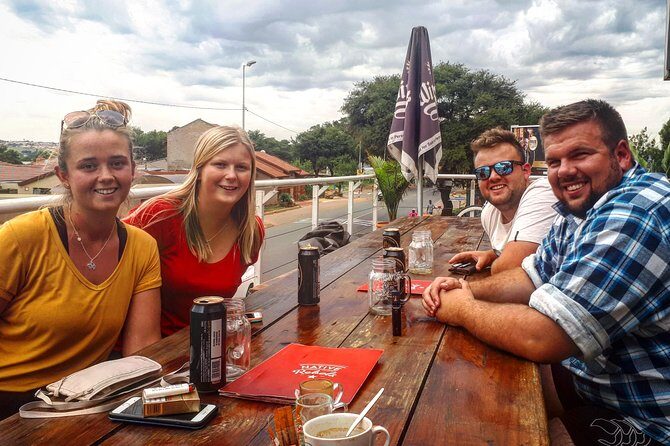
You start at SOWETO TOWERS, a favorite stop for many on this route. The towers are known for large murals, and you’ll have about 30 minutes here with admission included.
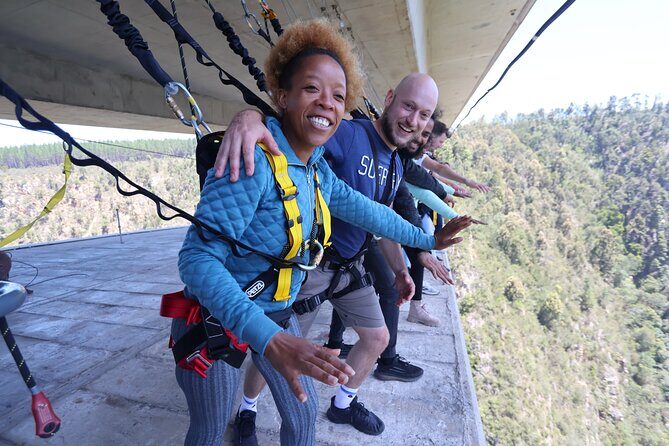
What I’d do with that time: slow down and look at the murals first, not your phone. Then, if you’re the type who likes a rush, the itinerary notes an option to bungee jump from the top. If that’s active that day, you can consider it as a personal add-on (the tour includes admission, but anything beyond that would depend on what’s running at the moment).
This is a good opener because it’s visually strong and it helps you get oriented fast. It’s also an easy win photo stop without feeling rushed.
Stop 2: Vilakazi Street shopping time and Nobel Peace Prize context
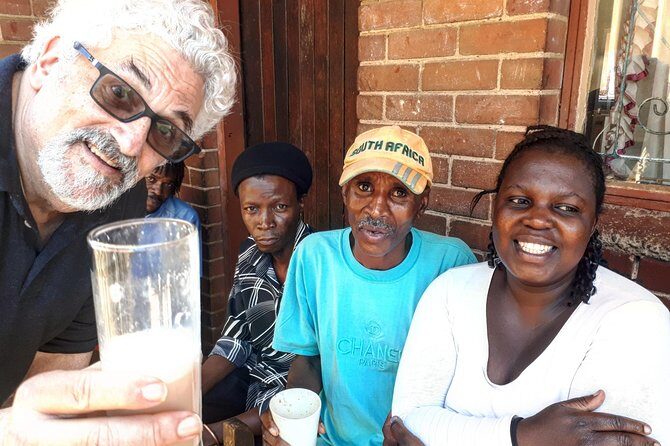
Next up is Vilakazi Street, with about 30 minutes on the ground. This is the only street in the world noted here as having once housed two Nobel Peace Prize winners. You’ll also have time to browse the street stalls and take in the vibe.
Here’s how to make the most of it: keep your pace casual. Let the guide set the historical context, then treat the stall time like a stroll with explanations in your head. If you want souvenirs, this is a sensible place to look early in the day when you’re fresh and still getting your bearings.
Also, this stop links nicely with what comes later. You’ll see why Vilakazi Street is more than a landmark—it’s a living corridor where history and everyday life meet.


Stop 3: Mandela House—short visit, big emotional weight
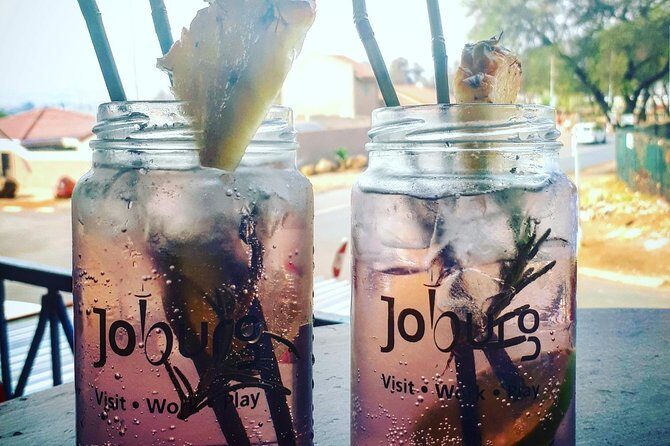
Mandela’s House in Soweto is a compact visit at around 30 minutes, with admission included. You’ll see where Nelson Mandela lived, and it’s run as a small museum that helps you place his life in context.
This stop works best when you don’t rush. Even if you only have half an hour, you can still read key areas and understand what the house represents. If you’re the kind of person who gets emotional at memorials, this is one of the sites where that might happen.
One practical tip: wear comfortable shoes. You’ll be walking on and around museum spaces, and you’ll want your legs to feel good for the rest of the day.
Stop 4: Hector Pieterson Memorial with guide Mlungisi and a walk through Orlando
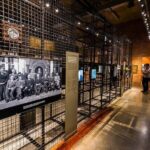
Then the tone shifts. At the Hector Pieterson Museum and Memorial, you’ll meet local guide Mlungisi, who shares the story of Hector and June 16 in an engaging, emotional way. You’ll get about 30 minutes at the museum and memorial area.
After that, the itinerary includes a short walk through Orlando toward the famous Vilakazi Street area. This is where the day starts to feel connected. Instead of seeing sites as isolated stops, you begin to understand how neighborhoods link together in the story of Soweto.
If you want to be respectful and still get value, give yourself mental space here. Ask your guide any questions you’re holding back, but keep your attention on the message—not just the photos.
Stop 5: Kliptown for street art, real streets, and local context

Kliptown is one of the most important parts of the day, because it gives you a full hour rather than a quick look. The itinerary frames it as a historic area with street art and friendly local interaction, led with a local on the ground.
This is where you’ll feel the difference between “seeing Soweto” and experiencing Soweto life as it’s lived. A full hour helps—you can slow down for details on walls, look at how people move through streets, and hear a bit more about what makes this area significant.
There’s no magic formula to enjoy it: be observant, be polite, and let the guide guide. If you want to ask about murals, street names, or daily routines, this is a solid time to do it.
Stop 6: FNB Stadium photo stop (and why it’s still worth it)
You’ll make a brief stop at FNB Stadium for about 10 minutes. The itinerary keeps it short and free (no admission listed for this stop).
So why include a stadium at all? It’s one of those Johannesburg anchors that helps you understand the wider city culture. Even as a quick stop, it gives you a physical sense of scale—this isn’t a small-town outing. It also gives you a pause in the schedule before more short, meaningful stops.
Keep expectations realistic: this is not a stadium tour with a deep history lecture. It’s a quick look and a reset.
Stop 7: Vilakazi Espresso for greetings and coffee culture
Next comes a Vilakazi Espresso stop for about 30 minutes. The itinerary describes this as an introduction to culture, greetings, and history over a coffee.
Since coffee/tea isn’t listed as included, expect to pay for your drink here. But the value is in the small cultural lesson and the chance to take a breather. This is a good moment to slow the day down, sit for a bit, and let what you’ve already learned settle in.
If you’re traveling with someone who gets tired of museums, this kind of stop usually lands well. It’s still education, just in a more casual setting.
Stop 8: Walter Sisulu Square and the Freedom Charter story
Walter Sisulu Square is a very short stop—about 5 minutes—and it focuses on the Freedom Charter story. It’s brief, but it matters because it connects major people and major ideas in a tight time window.
Because the stop is short, your best move is to listen closely and take a moment to read anything you can. Then be ready to move on quickly. This is the kind of stop that rewards attention rather than extra time.
Stop 9: Sakhumzi Restaurant for lunch stop value
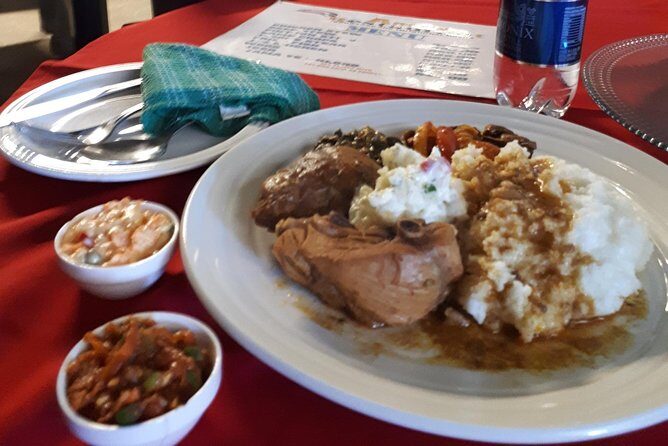
The final stop is Sakhumzi Restaurant for about 1 hour, described as the best lunch in Soweto. Admission is listed as free for this stop, but lunch itself is not included.
In other words: you’ve got time to eat, but you should treat it as a meal you’ll pay for on-site. This is also a useful buffer at the end of the day, because you’ll likely be hungry after a series of memorials, walks, and neighborhood streets.
If you want to keep your day smooth, consider ordering something you can eat without rushing. You’ll still need your energy for the ride back.
Alcohol included: what to expect and how to stay comfortable
One standout feature is that alcoholic beverages are included, with a glass of traditional beer mentioned in the inclusions. That means this isn’t a dry, museum-only outing.
How to handle it: drink what you want and pace yourself. You’ll still be walking, listening, and moving between places, so don’t treat it like a night out. If you prefer not to drink, you should still be able to enjoy the rest of the day—just manage your expectations around what’s offered.
Also, remember the tour is community-based. Staying polite and clear-headed helps you get better conversations and a better day overall.
Ethical, community-driven approach: why it changes the feel of the tour
This is the part that makes the tour more than a standard sightseeing route. The tour is described as ethical, bespoke, and community driven, and there’s evidence of that in how guides are supported and how relationships in Soweto matter.
One review note that stands out: the operator is explicit about paying local guides, rather than leaving it up to informal cash handouts. There’s also mention of supporting community initiatives through NGO projects instead of handing out money on tour. In practice, that usually means you’re meeting people in a way that feels less transactional and more like a visit with context.
You might also notice conversations about local needs—like discussions around community projects—depending on the day. That’s one reason people call it “a day that changes assumptions.” It’s not just what you see on signs; it’s the way the day is guided.
If you’re someone who hates awkward tipping moments, keep your expectations calm. Optional tips for local performers or guides are noted as optional, but this kind of tour can bring you closer to people who want support. Having a small amount of cash ready can reduce stress, even if tipping is never required.
Who should book this Soweto tour—and who should choose another option
This tour fits best if you:
- want a small group experience with up to 15 people
- care about learning Soweto’s story through major sites like Mandela House and Hector Pieterson Memorial
- like neighborhood walking time and street-level context (Vilakazi Street and Kliptown)
- prefer guided safety and structure over trying to piece everything together alone
You might want to pick a different plan if:
- you need a lot of sit-down time or long stays at each location (several stops are around 30 minutes)
- you want lunch included in the price (lunch is not included)
- you don’t drink alcohol and prefer tours that don’t include included beverages
One more practical note: this experience requires good weather. If conditions are rough, the tour may switch dates or be refunded per the operator’s rules.
Should you book this Soweto small-group tour?
If you’re doing Johannesburg for the first time and you want one strong day in Soweto, this is a smart choice. The value is strongest when you consider what’s included: transport, bottled water, Mandela House admission, and even the traditional beer, plus the guide-led storytelling that connects the stops.
Book it if you want history plus everyday neighborhood life, and you like the idea of a small group moving together through key locations like Vilakazi Street, Kliptown, and Orlando. The pace is efficient, so you’ll go home with a lot of context, not a pile of untouched free time.
FAQ
How long is the Soweto tour?
The tour runs about 6 to 7 hours.
Where does the tour start and end?
It starts at Holiday Inn Johannesburg – Rosebank by IHG (The Zone, Oxford Rd, Rosebank) and ends back at the same meeting point.
Is transportation included from Johannesburg?
Yes. Round-trip transport in an air-conditioned vehicle from Johannesburg is included.
What major sites are included during the day?
You’ll visit SOWETO TOWERS, Vilakazi Street, Mandela House, Hector Pieterson Museum and Memorial, Kliptown, FNB Stadium, Vilakazi Espresso, Walter Sisulu Square, and Sakhumzi Restaurant.
Is admission to Mandela’s House included?
Yes. Entrance fee to Mandela’s House is included.
Are alcoholic beverages included?
Yes. Alcoholic beverages are included, including a glass of traditional beer.
Is lunch included in the price?
No. Lunch isn’t included, though there is a stop at Sakhumzi Restaurant for about 1 hour.
What’s the cancellation rule?
You can cancel for a full refund if you cancel at least 24 hours before the experience’s start time. Free cancellation is available up to 24 hours in advance.