REVIEW · STELLENBOSCH
Stellenbosch: Guided Historical Walking Tour
Book on GetYourGuide →Operated by Stellenbosch on Foot · Bookable on GetYourGuide
Stellenbosch tells its story under oak shade. This guided walking tour turns the town’s 17th-century roots into something you can actually picture, especially as you follow the shady oak avenues toward the Braak village green and the Cape Dutch buildings around it. I also love how the guide stitches together founder stories, near-disaster fires, and everyday town details so the place feels real, not like a checklist. One possible drawback: it’s still a walking tour, so wear comfortable shoes and expect some uneven old-stone pavement.
For $18, you get a professional guide for 90 minutes in central Stellenbosch, in English. It’s a strong value if you want orientation fast, and it’s also listed as wheelchair accessible, which helps if you need that option.
In This Review
- Key highlights worth your time
- Oak Avenues and the Mill Stream: Why the town feels different on foot
- Simon van der Stel’s camp on the Eerste River
- Cape Dutch harmony: the Braak village green and the feel of the oldest streets
- Near-disaster fires and the town’s stubborn survival
- Places with a story: Moederkerk, Angel Factory, and even the local quirks
- Stellenbosch University alumni: seeing the town beyond the past
- Price and value: what you really get for $18
- Logistics that can make or break the experience
- Who should book this walk (and who might choose differently)
- Should you book the Stellenbosch historical walking tour?
- FAQ
- How long is the Stellenbosch guided historical walking tour?
- What does it cost?
- Where is the meeting point, and when should I arrive?
- Is the tour in English?
- Is this tour wheelchair accessible?
- What should I bring?
- Are pets or alcohol allowed?
- Can I cancel for a refund, and is reserve-and-pay-later available?
Key highlights worth your time
- Oak-lined Mill Stream furrows: shaded walking that makes the town feel cooler and calmer
- Simon van der Stel and the Eerste River: founder camp and the river’s naming story
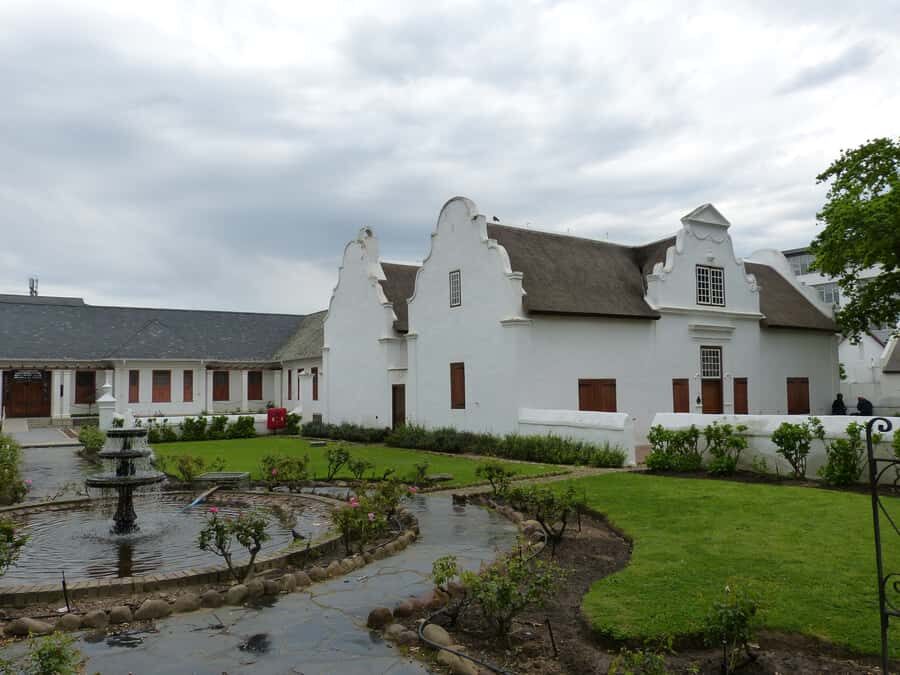
- Braak village green on three sides: classic Stellenbosch layout and architecture in one view
- Dorp Street, one of the oldest residential streets: early settlement feel in plain sight
- Moederkerk graveyard + Angel Factory stories: spooky and strange in a fun, local way
- Stellenbosch University alumni: how an academic town became part of national life
Oak Avenues and the Mill Stream: Why the town feels different on foot
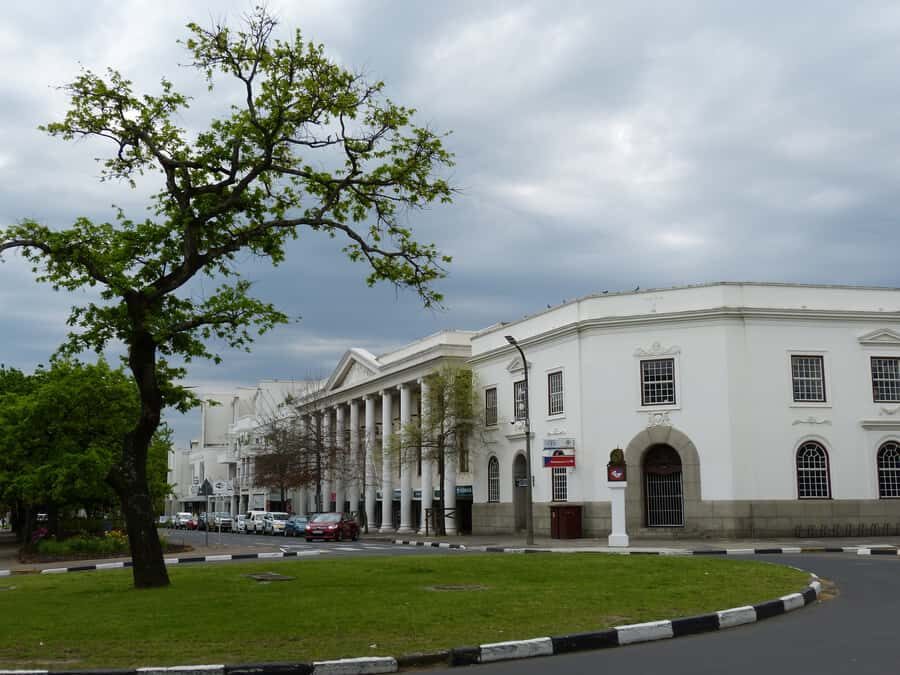
I like walking tours that make you look up, not just around. In Stellenbosch, you get that almost immediately. The route is built around the “village of the oaks,” where you move beneath shady avenues and along the Mill Stream area, including the water furrows that shape the street edges. Even if you’ve visited the Winelands before, this gives you a different texture: calm streets, shaded corners, and a town layout that reads like it was designed for strolling.
This matters because Stellenbosch history isn’t only in plaques. It’s in how people built beside water, how streets curve, and how Cape Dutch architecture sits comfortably with the landscape. On a map, Stellenbosch can look like a pretty dot. On foot, it becomes a lived-in place with rhythm.
And yes, you’ll get your photos—just don’t expect the tour to be a long photo stop. The point is to keep you moving at a pace that lets the guide explain what you’re actually seeing.
You can also read our reviews of more walking tours in Stellenbosch


Simon van der Stel’s camp on the Eerste River
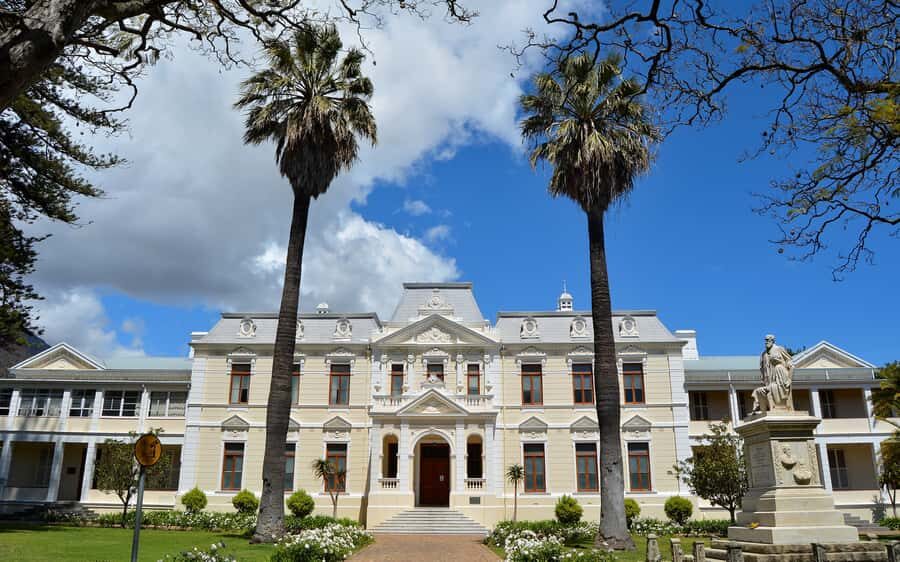
One of the most useful parts of any heritage tour is when it explains “where it all started.” Here, the guide connects Stellenbosch to founder Simon van der Stel and the Eerste River—including where he set up camp and how the river got its name.
That may sound like a quick history fact, but it changes your perspective. Once you understand the river as the reason the settlement formed there in the first place, the street patterns and water features click into place. Stellenbosch stops being just a pretty town and starts feeling like a practical choice—water, movement, and long-term settlement potential.
If you’re the type who enjoys questions, this is also a good tour format for it. In the feedback, guides like Johan and Marlene are praised for answering questions clearly and keeping the conversation flowing, not shutting it down after a couple of basic points.
Cape Dutch harmony: the Braak village green and the feel of the oldest streets
The heart of this walk is the Braak, the village green. You’ll see it framed by historic buildings on three sides, which is exactly the kind of old-town planning that’s hard to grasp from the outside of a closed gate or a quick drive past. Standing at the green, you can feel the town’s early balance: civic space, residential life, and architecture built to last.
I also like the way the tour ties architecture to people. The guide’s stories cover the town’s “colored” inhabitants across the town’s existence—so you don’t just get dates and styles, you get a sense of who lived there and how the town changed over generations.
Then there’s Dorp Street, described as the oldest residential street in South Africa. That’s a big claim, but the tour uses it the right way: as a way to slow down and notice what old streets mean. Even without getting academic, you start to see how daily life would have worked—proximity, routes on foot, and how buildings faced the street rather than hiding behind modern setbacks.
Near-disaster fires and the town’s stubborn survival
Stellenbosch’s story includes destruction, not just preservation. The tour focuses on devastating fires in the 18th century that nearly wiped out the town, and it places those events in the bigger picture of the town’s four-century existence.
Why does that add value? Because it prevents the usual “everything was charming back then” trap. When you hear how close the town came to being erased, the surviving architecture and street plan stop feeling accidental. They feel like the result of rebuilding, adapting, and trying again.
It also gives you a better sense of why small towns in the Winelands carry layered meanings. A street can be pretty and still be scarred by real events. This tour handles that kind of context in a way that stays connected to what you can see.
Places with a story: Moederkerk, Angel Factory, and even the local quirks
If you’re hoping for something a little offbeat—without turning into pure ghost tourism—this tour is a nice compromise. You may hear about the Moederkerk graveyard, described as a place where ghost stories live on, and the Angel Factory, where the guide plays with the idea that you might meet an angel.
Some of the best guide moments are the human ones: funny, slightly eerie, and tied to a real location. The feedback also mentions humor and unusual local anecdotes from guides such as Johan and Marlene, including stories involving a local morgue. That kind of detail might sound strange on paper, but it’s exactly what makes a walking tour feel personal and memorable.
The practical point for you: don’t treat this as a silent museum loop. If you want a more lively pace, with jokes and side stories mixed into the facts, this format seems to work well.
You can also read our reviews of more guided tours in Stellenbosch






Stellenbosch University alumni: seeing the town beyond the past
One of the clever touches is how the tour doesn’t stop at colonial-era architecture. You’ll learn about Stellenbosch University graduates and how the alumni include prime ministers and sportsmen. It’s a reminder that Stellenbosch became more than a historic settlement—it turned into an academic center with national influence.
In plain terms: this helps you understand why the town still feels like a real working place. Students, ideas, and public life continue to shape what you see on the streets today. In the notes from multiple guides (including Juliana/Julietta and others), this past-and-present connection comes up a lot—guides focus on how history explains the town you’re standing in right now.
Price and value: what you really get for $18
Let’s talk money, honestly. At $18 per person for a 90-minute guided walk, you’re paying for three things:
- A professional guide who can explain what you’re looking at (not just point)
- A compact walking route that keeps you from wasting time trying to figure it out alone
- A structured story line that ties together founder origins, Cape Dutch design, and major events like the fires
What’s not included is transportation to or from the start, and personal expenses. That’s normal, but it matters for value: you’ll want to plan to arrive in central Stellenbosch on foot, by taxi, or with whatever ride you’ve arranged.
Also, because it’s a walking tour, the “cost per comfort” depends on your shoe choice. If you show up with sore feet waiting, no tour price is going to feel fair.
If you have flexibility, the reserve now & pay later option is a solid safety net. It’s also listed with free cancellation up to 24 hours in advance, which lowers the risk if your day plans shift.
Logistics that can make or break the experience
This tour is timed and it’s easy to miss the starting window if you’re late. The meeting point is 47 Church St, Stellenbosch Central, Stellenbosch, 7599. The instruction is to arrive 15 minutes early.
A few practical tips from how these tours tend to run well (and from the repeated praise for certain guides):
- Wear comfortable shoes; old streets can be uneven even when the route is short
- Bring water if you’re going on a warmer day, since you’ll be outside for most of the 90 minutes
- If you like asking questions, do it early—guides who earn strong feedback often adjust the pace and focus to the group
Group size isn’t stated in the core info, but the feedback includes examples of small groups and even one-on-one situations. So if you want a quieter, more personal experience, this tour is often a good bet.
Who should book this walk (and who might choose differently)
This is a great fit if:
- You’re a first-timer who wants orientation fast
- You like Cape Dutch architecture and want it explained in context
- You want a town walk with a story line: founder, streets, fires, and university influence
- You prefer a guide who keeps things engaging and humorous while staying factual
You might skip it if:
- You strongly dislike walking tours or can’t handle uneven pavement
- You’re looking for a long, ticketed museum-style experience with lots of indoor time
- You’re only interested in wineries and tasting stops (this is town and history, not vineyards)
Should you book the Stellenbosch historical walking tour?
I’d book it if your goal is to leave Stellenbosch feeling like you understand the town, not just that you saw it. The price makes sense for the time—$18 for 90 minutes with a guide who can connect streets, architecture, and key stories like the Eerste River origin and the near-wiping-out fires.
If you’re debating this tour versus wandering alone, the difference is simple: wandering gives you views. This gives you reasons—so the town holds together in your head when you’re done.
Go for it on a day when you can arrive early and walk comfortably. Then let the guide do what they’re best at: turn old streets into an actual story you can walk through.
FAQ
How long is the Stellenbosch guided historical walking tour?
The tour lasts 90 minutes.
What does it cost?
It costs $18 per person.
Where is the meeting point, and when should I arrive?
Meet at 47 Church St, Stellenbosch Central, Stellenbosch, 7599. Plan to arrive 15 minutes before the tour starts.
Is the tour in English?
Yes, the live tour guide speaks English.
Is this tour wheelchair accessible?
Yes, it is listed as wheelchair accessible.
What should I bring?
Bring comfortable shoes for walking.
Are pets or alcohol allowed?
Pets are not allowed, and alcohol and drugs are not allowed.
Can I cancel for a refund, and is reserve-and-pay-later available?
You can cancel for a full refund up to 24 hours in advance, and there is reserve now & pay later so you can book without paying immediately.