REVIEW · PRETORIA
From Johannesburg: Kruger National Park 3-Day Safari
Book on GetYourGuide →Operated by Africa Moja Tours & Safaris · Bookable on GetYourGuide
Kruger rewards early mornings and patient eyes. This safari gives you sunrise Big Five drives and a small group (up to 15) with real time in the park, plus an overnight at Tembo Guest Lodge in Hazyview. The tradeoff: not all meals and drinks are included, so you’ll want to budget a bit once you’re on the ground.
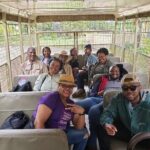
What I like seeing in this kind of trip is the human side. Feedback highlights guides such as Given and Muzi, and drivers like Ben, Nic, and Gilbert, all praised for spotting wildlife and sharing lots of practical wildlife-bird info. Just keep your expectations about trip communication realistic: one person felt the lead-up information and details about timing could be clearer.
In This Review
- Key things that matter before you go
- Kruger in 3 Days: What You Really Get for $825
- From Johannesburg to Kruger: The Van Ride Through Elands Valley
- Entering Kruger: Lunch, First Game Drive, and Setting Your Eyes
- Sunrise Big Five Strategy: Early Bird, Strong Chances
- Watering Hole Hour: Hippos, Crocodiles, and Waterbirds
- Second Afternoon Drive and Early Bush Hunting
- The Drive Back: Farmlands of Schoemans Kloof and Local Stops
- Price and Logistics: The Value Math That Helps You Decide
- What to Bring (and What to Plan Around)
- A Quick Reality Check on Meals, Alcohol, and Comfort
- Should You Book This Kruger 3-Day Safari?
- FAQ
- How long is the safari?
- Where does the tour start?
- What animals are you looking for during the drives?
- What’s the group size?
- Is the tour guide and audio in English?
- Are meals included?
- What should I bring for the safari?
- Is malaria a concern on this trip?
Key things that matter before you go
- Big Five focus twice a day: morning at dawn plus afternoon drives gives you better chances than one outing alone
- Small-group pacing (15 max): easier photo stops and less waiting around when wildlife shows up
- Tembo Guest Lodge in Hazyview: a comfortable base after park time, with attention to cleanliness and comfort
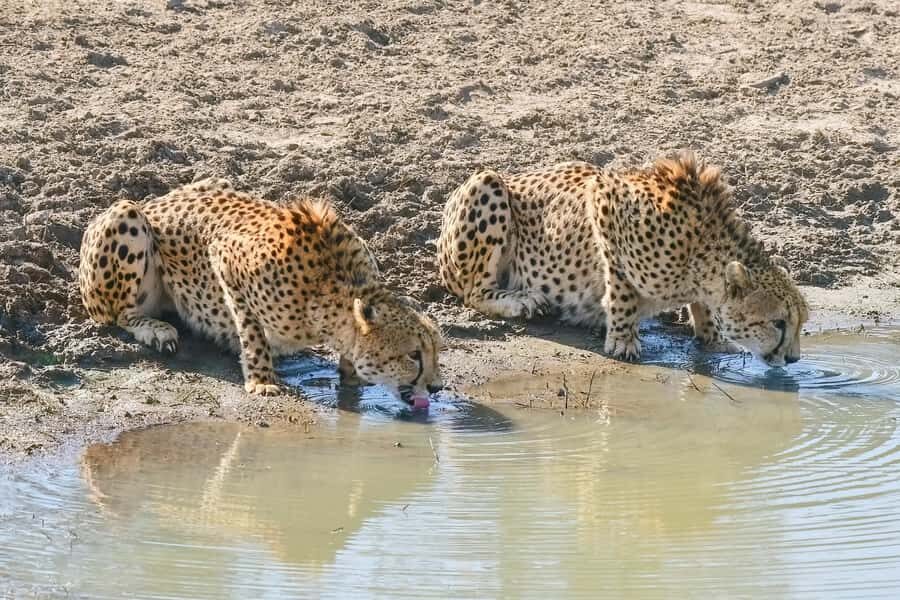
- Watering hole wildlife: you’re aiming for hippos, crocodiles, and waterbirds, not just the Big Five
- Food is partly included: some meals are built into the day, but alcohol and all additional meals may cost extra
- Drive time is real: you’ll spend a good chunk traveling between Johannesburg/Pretoria and Kruger-area lodges
Kruger in 3 Days: What You Really Get for $825
For $825 per person, you’re not paying for a fancy lodge stay. You’re paying for access: park fees, game drive fees, and guided time in Kruger, plus round-trip pickup from Johannesburg/Pretoria/airport and transport in an air-conditioned van. In other words, your money goes into the part that matters most for safari: getting you into position when animals are active.
The itinerary also gives you a structured rhythm: afternoon wildlife time, a sunrise drive, then another outing later in the trip. That matters because safari sightings are never on a schedule. You’re buying time, patience, and eyes-on-animals effort.
One practical note: the price doesn’t cover everything. Alcohol is not included, and while some meals are specifically listed (like lunch in Kruger, breakfast in the park, and lunch at Skukuza Camp), food and drinks are generally not included unless explicitly stated. So do what I do on safari: plan to spend extra on at least one meal and any drinks you want.
A few more Pretoria tours and experiences worth a look
From Johannesburg to Kruger: The Van Ride Through Elands Valley
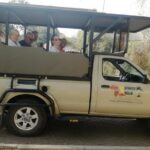
You start with pickup at your hotel or Johannesburg Airport, then head out by air-conditioned van. The drive runs through Elands Valley, and you’ll pass citrus groves lining the route. It’s not just scenery filler. This is one of those moments where the trip shifts from city mode into wildlife mode.
Why I think this leg is worth paying attention to: early safari days feel long, and a comfortable vehicle helps you arrive less tired. Also, you’ll likely use the travel time to get the basics from your guide—how to dress, how to spot movement in the bush, and what to expect from morning wildlife versus afternoon wildlife.
Simple tip: be ready in the lobby. Pickup is scheduled and you should wait about 5 minutes before the start time. If you’re the type who hates feeling rushed, set your phone alarm early and make sure you’re dressed and packed.
Entering Kruger: Lunch, First Game Drive, and Setting Your Eyes
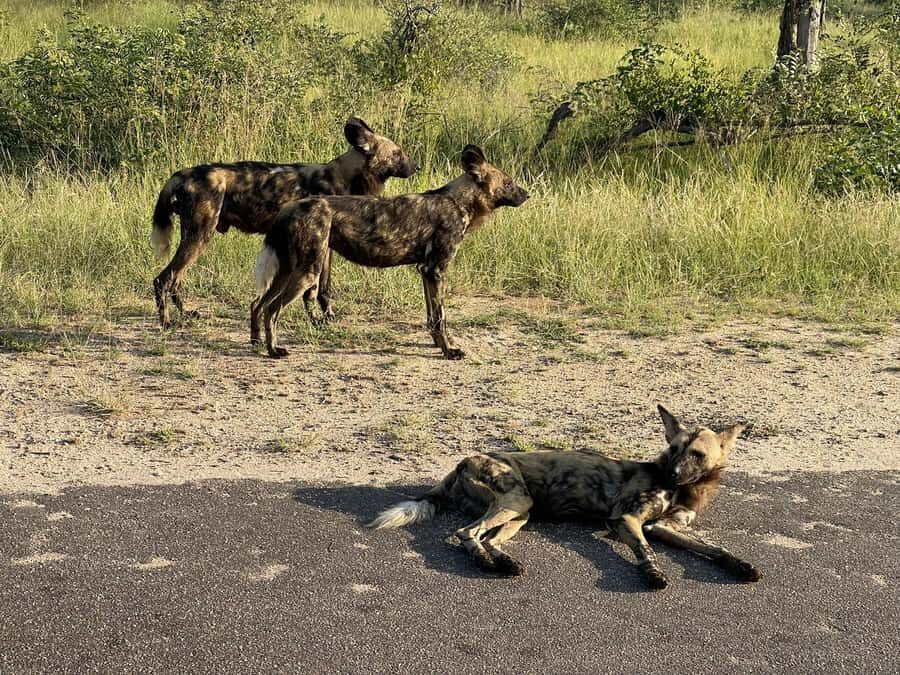
Once you reach Kruger National Park, you stop for lunch inside the park and then head out for your first afternoon game drive. Afternoon drives aren’t always about the easiest sightings, but they can be great for big, visible animals moving between water and cover.
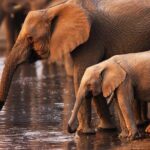
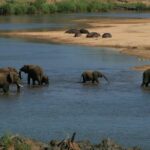
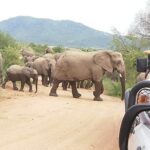
During that first outing, you’re specifically searching for animals like elephants, giraffes, and antelopes. The key idea is not just seeing them—it’s learning how they look and behave when you’re watching quietly, from the right angle, with time to react.
If you’re hoping for the Big Five on day one: you might. But what you’re really buying here is practice. Daylight safari time helps you understand tracks, body language, and where animals tend to show up (water edges, shade lines, and open grass after heat cools off).
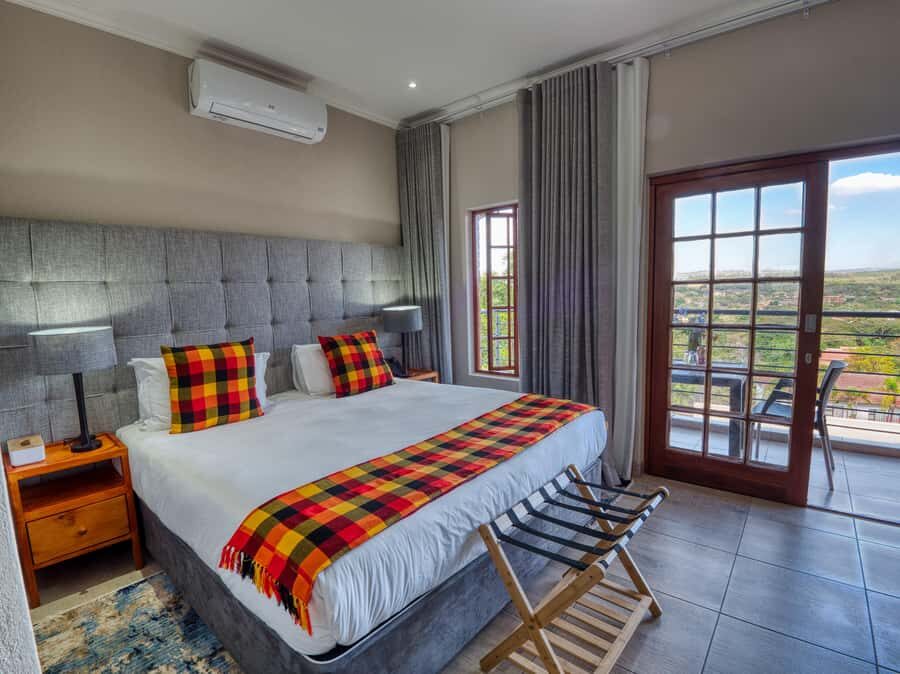
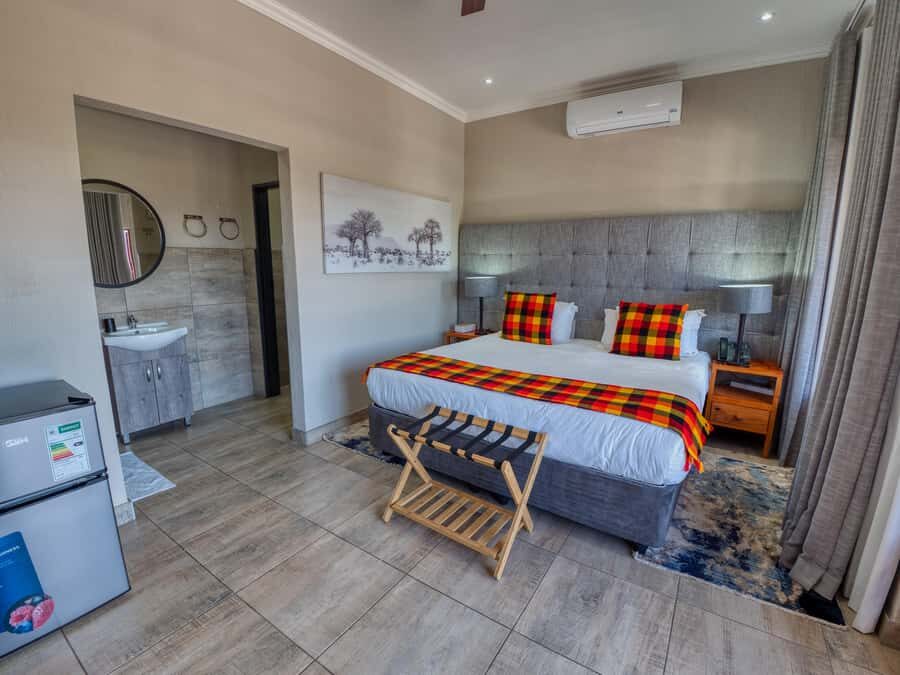
After the drive, you check in to Tembo Guest Lodge in Hazyview. Based on participant feedback, it’s generally described as clean and comfortable—nothing extreme or over-designed, just a solid place to reset your legs and camera gear before the dawn session.
Sunrise Big Five Strategy: Early Bird, Strong Chances
The morning game drive starts at dawn, before the day fully warms up. You wake up to birdsong, then head out when the bush is loud with activity. This is the wildlife sweet spot: you get movement, feeding, and calmer visibility.
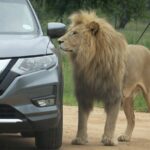
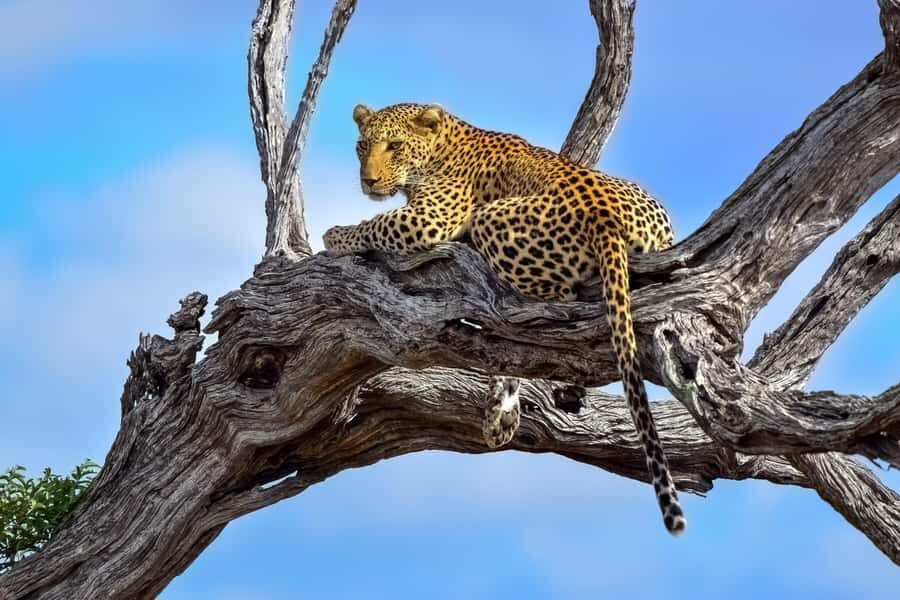
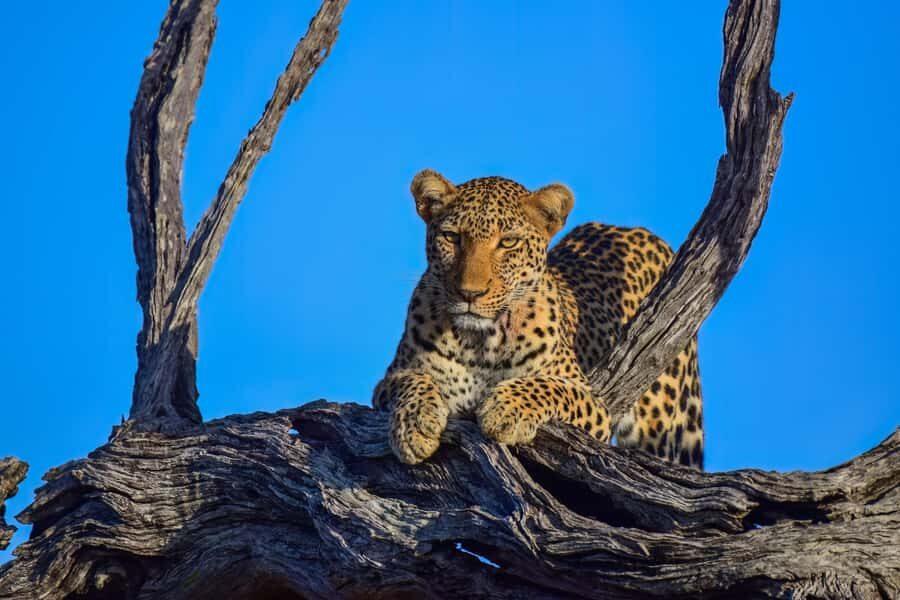
The Big Five are the headline goal: lion, leopard, elephant, rhino, and buffalo. Your odds improve with timing and repetition. You’re not relying on one drive only—you’re stacking wildlife time across the trip.
Here’s what I like about this approach for you as a visitor: you get to compare how sightings change from dawn to mid-morning, and from afternoon to later hours. It’s easier to feel like you’re “learning the park” instead of just passing through.
Also, early starts can be tough on energy. The breakfast afterward helps. After the morning drive, there’s time for a hearty breakfast, which is a big deal if you’ve been up early and you’ve got the rest of the day ahead.
Watering Hole Hour: Hippos, Crocodiles, and Waterbirds
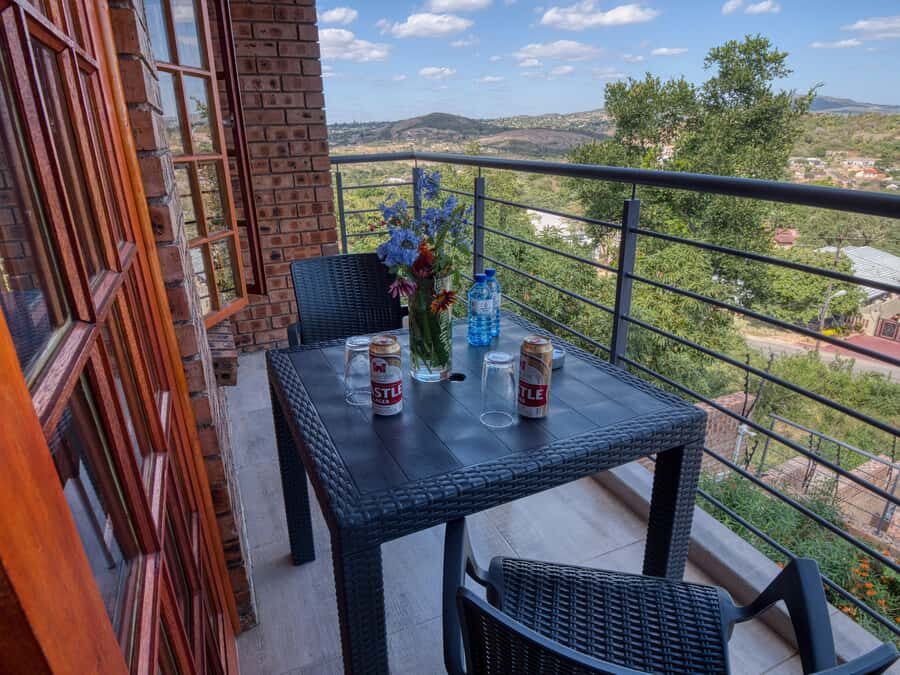
After breakfast, the schedule shifts toward a different kind of wildlife viewing: a local watering hole. This is where you can slow down. If you time it right, animals show you their routine.
You’re aiming for hippos, crocodiles, and water birds. Even when the Big Five aren’t in view, this is often some of the most intense wildlife watching you’ll do—because behavior is close and predictable. Hippos and crocodiles don’t hide like some forest animals. They’re more visible at a distance, and you can watch how they share space.
Then you get a midday rest. I’m glad the plan includes downtime. Safari days can feel nonstop, but heat and glare can wear you out faster than you expect. Resting midday makes the next drive feel fresh instead of forced.
Lunch follows at Skukuza Camp along the Sabie River. Skukuza is a known area within the park system, and the Sabie River setting helps make the meal feel like part of the journey rather than just fuel.
A few more Pretoria tours and experiences worth a look
Second Afternoon Drive and Early Bush Hunting
After lunch, you head out for another afternoon game drive. This second drive matters because animals often move between the same general areas but not at the same times. You may see different individuals, or the same animals behaving differently as the day shifts.
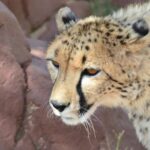
Then there’s one more wildlife hit: an early morning drive focused on elusive animals hiding in the bush. That wording is important: Kruger’s best surprises are often partial views, quick movement, or animals that are present but not obvious.
This is where your guide’s eye (and your patience) really counts. In feedback, guides like Given and Muzi are repeatedly praised for knowing birds and explaining what you’re seeing. That kind of narration isn’t just for fun—it turns random sightings into understanding.
You also get the chance for more photo time. More than one person highlighted guides being patient while they took pictures, which you’ll appreciate if you shoot with a zoom and you don’t want to be hurried away from a moment.
The Drive Back: Farmlands of Schoemans Kloof and Local Stops
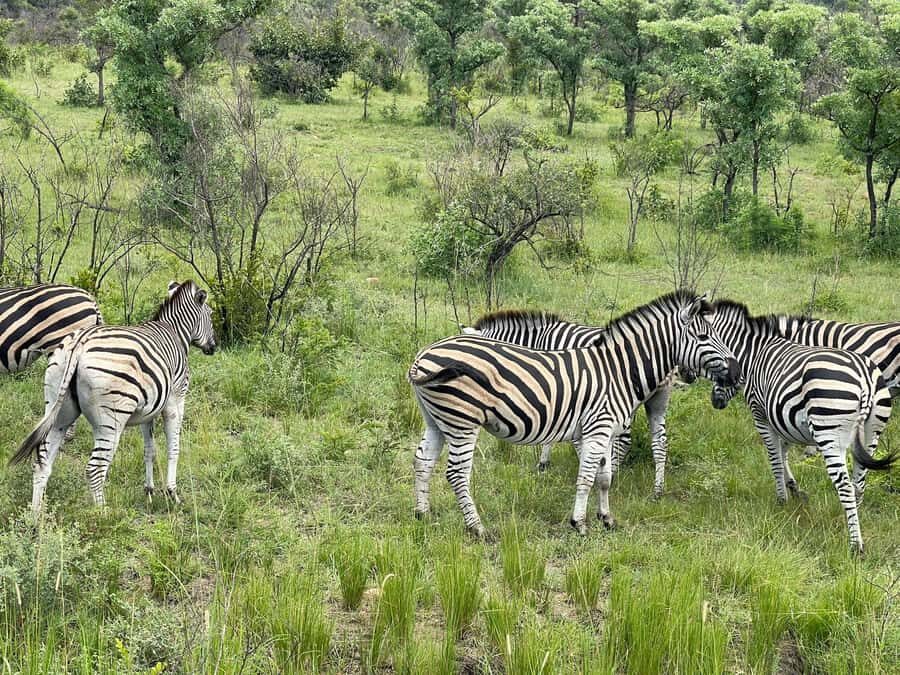
On the return journey, you don’t just stare at the road. You browse local shops, and you get magnificent farmland views in Schoemans Kloof. This is a nice counterbalance after days of bush focus.
Why I like that stop: it helps you remember you’re in a living region, not a theme-park version of Africa. South Africa’s countryside rhythms show up here—fruit and farming areas giving way to views that feel open and wide.
The trip also includes a lunch stop on the way back to Johannesburg or Pretoria. You arrive back late afternoon, which keeps the day from becoming an endless travel marathon.
Price and Logistics: The Value Math That Helps You Decide
Let’s talk real value. This safari includes:
- pickup and drop-off at Johannesburg area hotels and Johannesburg Airport
- national park fees and game drive fees
- accommodation at a bungalow or chalet
- a live English tour guide and English audio guide
- small group size limited to 15 participants
Not included:
- alcoholic drinks
- food and drinks unless specified
- personal expenses
So here’s how you should think about $825. You’re paying for guided park access plus lodge nights, not for a full board package. If you’re someone who wants to control your spending and you’re fine buying drinks or extra meals, this can feel like good value. If you want everything handled—especially meals—this can feel tight, because some people specifically wished more meals were included, given the price and that some dining is effectively al la carte.
My advice: treat this like a “safari-first” deal. Budget for at least a couple of meals or drinks that aren’t spelled out in the day plan, and you’ll feel pleasantly surprised instead of mildly annoyed.
What to Bring (and What to Plan Around)
Bring:
- comfortable shoes
- sunglasses
- sun hat
- sunscreen
- camera
Clothing should be safari-friendly. Pack for sun and early morning chill. If you tend to get cold before sunrise, add a light layer so you’re not thinking about your comfort instead of the animals.
Safety/health note you should take seriously: malaria risk occurs in the wet season between October and May, with February to May being the higher-risk period. You should talk to your doctor or a local travel clinic about prophylaxis before traveling.
Also, this experience is not suitable for pregnant women.
A Quick Reality Check on Meals, Alcohol, and Comfort
Accommodation at Tembo Guest Lodge is generally described as clean and comfortable. It’s not sold as ultra-luxury, and you shouldn’t expect a five-star resort vibe. Think more “base camp that works,” especially since your best moments happen outside in the park.
Food is a mixed picture. Some meals are explicitly part of the schedule (lunch in Kruger, breakfast in the park, and lunch at Skukuza Camp by the Sabie River). But alcohol is not included, and the rest of your meals may cost extra depending on how dining is handled during your specific service day.
If you’re the type who loves variety and big menus, prepare for possible limitations. One piece of feedback said the menu felt small and suggested bigger and more complex options since dining can be al la carte. In plain terms: come hungry, but don’t count on a huge spread every single time.
Should You Book This Kruger 3-Day Safari?
I’d book this if you want:
- a focused Big Five-oriented plan with multiple game drives
- a small group size that keeps the day flexible for sightings
- a comfortable night base in Hazyview after long wildlife hours
- real park time without a long, complicated itinerary
I’d pause before booking if:
- you strongly prefer all meals and drinks included in one price
- you hate surprises around timing and trip information (double-check pickup timing and the flow of days)
- you’re traveling during peak malaria risk months and haven’t discussed prophylaxis yet
- you’re pregnant (this one isn’t suitable)
If you want the best experience, plan like a safari pro: pack smart, bring patience, and treat drives as opportunities—not guarantees. In Kruger, the payoff often comes from showing up early, staying alert, and letting your guide do what they do best: read the bush.
FAQ
How long is the safari?
It runs for 3 days.
Where does the tour start?
Pickup is included from Johannesburg hotels, Pretoria hotels, and Johannesburg Airport.
What animals are you looking for during the drives?
The Big Five are the main targets: lion, leopard, elephant, rhino, and buffalo. The drives also include other wildlife such as elephants, giraffes, and antelopes, plus a watering hole stop for hippos, crocodiles, and waterbirds.
What’s the group size?
It’s limited to a small group of up to 15 participants.
Is the tour guide and audio in English?
Yes. The live tour guide is English, and an English audio guide is included.
Are meals included?
Food and drinks are included only when specified in the day plan. Alcoholic drinks are not included.
What should I bring for the safari?
Bring comfortable shoes, sunglasses, a sun hat, sunscreen, and a camera. Also bring your passport and safari-appropriate clothing.
Is malaria a concern on this trip?
Malaria risk occurs in South Africa in the wet season between October and May, with February to May being the riskier period. Check with your doctor or a travel clinic about prophylaxis.