REVIEW · KNYSNA
The Original Knysna Township Tour
Book on Viator →Operated by Eco Afrika Tours · Bookable on Viator
Township life, explained on foot. That’s the heart of the Original Knysna Township Tour, where a local leads you through dust-road streets and shares how people live, work, and celebrate today.
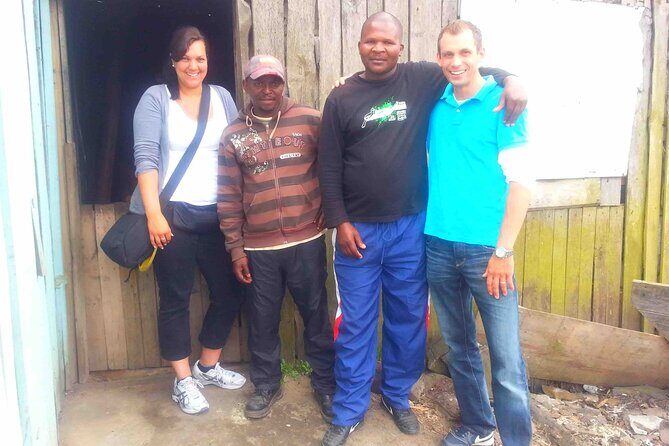
I especially liked the local, in-depth narration that ties history to modern challenges, and the chance to meet Ama Xhosa community members instead of just looking from outside. The tour keeps a small group size (up to 15), so you can ask questions and actually follow the story.
One consideration: you’ll be walking on dirt roads and spending time outdoors, so pack comfortable clothes, proper walking shoes, and a hat and dress for weather.
In This Review
- Key Things You’ll Notice on This Tour
- Why This Knysna Township Tour Feels Different from Standard Sightseeing
- Getting There and The Flow of the 10:00 Tour (Minivan, Small Group, Mobile Ticket)
- Stop 1 in Knysna Township: Dirt Roads, Sangoma Traditions, and Vetkoek
- Meeting a Sangoma and Learning Through Culture, Not Just Myth
- Crèche Visit and Time with the Kids
- Sanlam Center and Local Shops
- Vetkoek Snack Moment
- How the Guide Turns History into What You Can Understand Today
- Food Stops and The Optional Traditional Lunch You Need to Plan For
- Respect, Photos, and What to Wear on Dust-Road Knysna
- Price and Value: What You’re Really Paying For at $43.10
- Who Should Book This Tour, and Who Might Want to Skip It
- Should You Book the Original Knysna Township Tour?
- FAQ
- How long is the Original Knysna Township Tour?
- Where does the tour start?
- What time does the tour start?
- How much does the tour cost?
- What is included in the price?
- Is lunch included?
- What should I wear or bring?
- Are photos allowed?
- Does the tour run in bad weather?
Key Things You’ll Notice on This Tour
- Local-led storytelling that connects social and economic realities with daily life
- Small group of 15 or fewer, which makes the conversation feel personal
- Ama Xhosa cultural encounters, including language, dress, and customs
- Village-style stops like a crèche and the Sanlam Center
- Food moments such as vetkoek and the option to prebook lunch
- Round-trip transport in a comfortable minivan so you’re not figuring it out alone
Why This Knysna Township Tour Feels Different from Standard Sightseeing
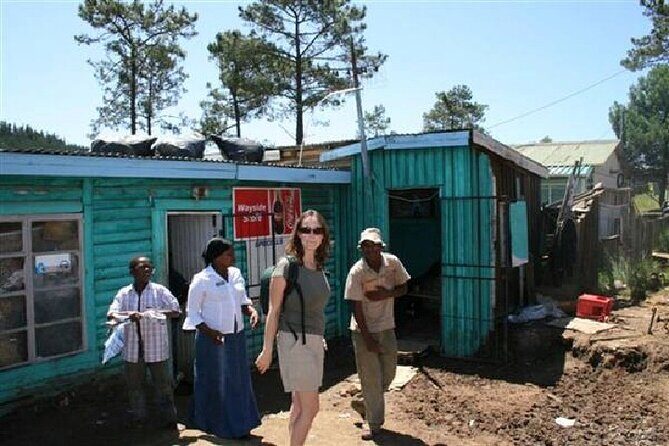
This isn’t a “look and leave” type of tour. You come away with context—how Knysna’s township communities function, what residents face, and how culture keeps life moving forward. A local guide leads the whole experience, and the commentary focuses on both history and modern life, not just facts.
What makes it compelling is the way the tour balances education with real human moments. You’re walking the dirt-road rhythm of the area, meeting people, and learning about Ama Xhosa traditions in a direct way. And because the group stays small, the tone doesn’t feel rushed or like you’re being herded.
This is also a good fit if you want your trip to feel grounded. Instead of treating a place like a photo backdrop, you’re learning how people understand their own world—beliefs, customs, community life, and the challenges in the background.
You can also read our reviews of more tours and experiences in Knysna.



Getting There and The Flow of the 10:00 Tour (Minivan, Small Group, Mobile Ticket)
The tour runs about 2 hours 30 minutes, starting at 10:00 am at 44 Main Rd, Knysna, 6571. It returns you to the same meeting point, which matters more than you’d think when you’re short on time.
You travel in a comfortable minivan, round trip, and that keeps the day from turning into a transportation puzzle. The tour uses a mobile ticket, so you’re not trying to print anything or juggle paper while traveling.
A major quality factor here is the group size: 15 people or fewer. That typically leads to better questions, calmer pacing, and more time for the guide to adjust the discussion to the group. Plus, it’s private in the sense that it’s only your group participating, not a mixed crowd.
Quick planning tip: bring your camera, but also remember that some people may not want photos in certain spots. The tour is clear that photos are generally fine unless someone objects on the street.
Stop 1 in Knysna Township: Dirt Roads, Sangoma Traditions, and Vetkoek
Most of the tour time centers on the Knysna township area itself, walking along dusty roads and learning as you go. Expect a mix of cultural stops and everyday community life, guided by local leadership and focused commentary.
You’ll start by moving through the township streets with the guide explaining beliefs, religion, and local history in the context of how people live today. Then you’ll get into the hands-on cultural parts—things you can’t learn well from a map or a museum placard.
Meeting a Sangoma and Learning Through Culture, Not Just Myth
A highlight is meeting a Sangoma, a traditional healer. This is more than a photo stop. The point is to understand traditional healing practices and how culture and belief shape everyday life. Depending on what’s happening that day, you may also have the chance to sample Xhosa beer and herbal remedies. It’s framed as a possible taste rather than a guarantee, so don’t count on it the way you’d count on water.
Crèche Visit and Time with the Kids
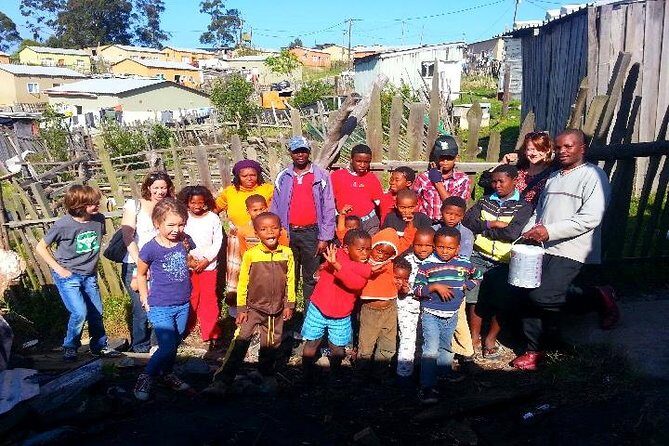
You’ll also visit a crèche, a children’s center. This is one of those moments that changes the feel of the tour from “tour mode” to “human reality.” You’ll interact with children, and they may sing you songs, which is often the kind of memory you keep long after the itinerary ends.
If you like to be thoughtful, the tour invites you to bring educational goodies for the pre-school. You don’t have to, but if you’re coming prepared, this is one of the most direct ways to support what you’re seeing.



Sanlam Center and Local Shops
You’ll stop at the Sanlam Center and also spend time exploring local shops. This is practical as well as educational. It helps you see how daily life includes services, small retail, and community gathering spaces—not just private homes.
Vetkoek Snack Moment
Food is part of the storytelling here, and you’ll try vetkoek, a traditional South African snack. It’s the kind of comfort food that also anchors the day in real local taste, not “tourist meals.”
Small caution: because this is a walking tour on unpaved roads, you’ll want to keep snacks and cameras accessible but not dangling. Dust is part of the deal.
How the Guide Turns History into What You Can Understand Today

The guide’s role is not just to point out places—it’s to connect the dots. The tour is designed to explain the township’s social and economic challenges, while still showing the dignity, creativity, and cultural continuity that residents maintain.
That matters because township tours can sometimes go wrong in one of two directions: either they become uncomfortable charity presentations, or they stay too shallow and treat poverty as a “theme.” This tour’s approach is to narrate and interpret—so you leave with a clearer sense of how life works here, including the pressures people navigate every day.
I like that the tour doesn’t treat culture as a costume. You learn about Ama Xhosa customs, traditions, language, and dress, and those details help you understand identity and community structure, not just aesthetics. The language and dress elements are especially useful if you’re the kind of traveler who likes to know what you’re actually looking at before taking photos.
Also, the tour is built for Q&A. The tone is professional and question-friendly, which means you can ask about what you’re seeing without feeling like you’re interrupting.
Food Stops and The Optional Traditional Lunch You Need to Plan For
This tour includes snack-time energy (like vetkoek), but lunch is not included. There is an optional traditional Xhosa lunch that you can prebook. You pay after the meal, which is straightforward and keeps you from over-planning your budget before you see what you’re eating.
The practical takeaway: decide early if you want lunch. If you skip it, plan to eat afterward—because your 2.5 hours can feel like a full slice of the day once you factor in walking and stop time.
If you do choose lunch, go in with the mindset of trying what locals serve, not hunting for familiar flavors. Even without extra instructions, this is one of those meal experiences that can make the rest of the day click.
Respect, Photos, and What to Wear on Dust-Road Knysna
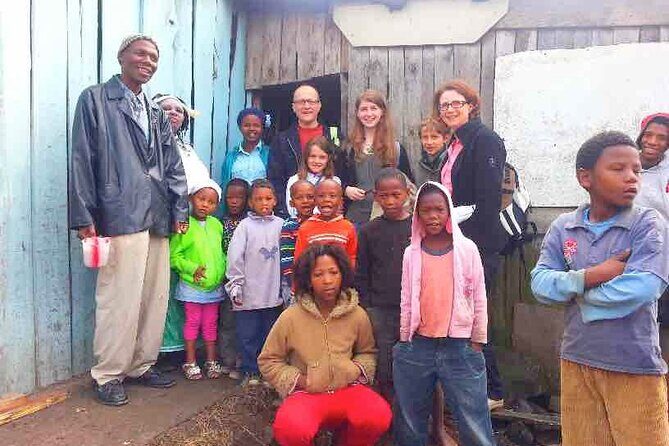
This tour runs in all weather conditions, and you should dress appropriately. That means you should expect changes: sunshine that turns the dust dry, or rain that makes the ground slick. Either way, your shoes do the heavy lifting.
Dress code is simple and useful:
- comfortable clothes
- walking shoes
- hat
- camera
For photos, the rule is clear: free to take photos unless people object. That’s the right approach. If you’re taking pictures of people, keep it respectful, ask when appropriate, and don’t hover if someone seems uncomfortable.
If you’re bringing educational items for the crèche, keep them organized and light. You don’t want to fumble through bags at the start of a stop.
One more tip: bring water. The tour includes transport, but the walking and outdoor time are your responsibility.
Price and Value: What You’re Really Paying For at $43.10
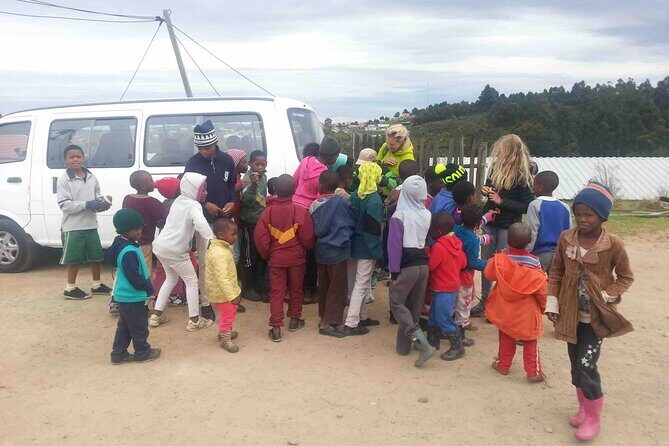
At $43.10 per person, this tour doesn’t feel expensive for what you’re getting—especially if your goal is a guided, local-led township experience rather than a quick drive-by.
Here’s where the value comes from:
- Local guide leadership with in-depth commentary
- Small group size that improves the experience quality
- Round-trip transport in a comfortable minivan
- Multiple cultural and community stops, not a single showroom-style location
- Time built around learning, questions, and walking—not just sitting
It’s also smart to note that it’s often booked about 54 days in advance on average. That’s your clue to reserve early if your dates are fixed, especially in a smaller town where good slots can fill up.
Who Should Book This Tour, and Who Might Want to Skip It
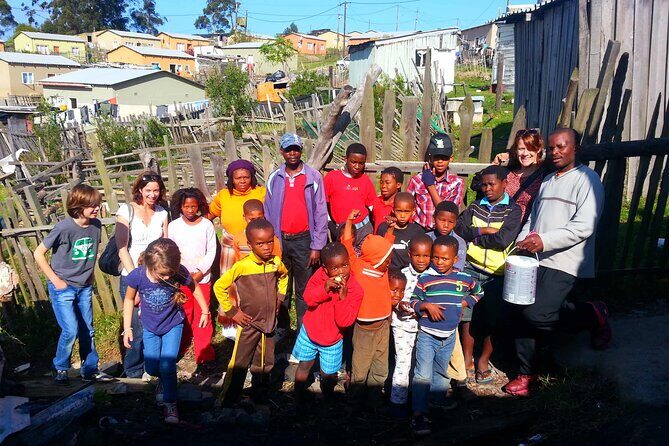
This tour suits you if:
- you want to understand how South African township life works, including social and economic challenges
- you’re interested in Ama Xhosa culture and want more than surface-level exposure
- you like walking tours with conversations, not just photo stops
- you value small groups and local guidance
You might want to reconsider if:
- you have mobility limits or don’t handle uneven, dirt-road walking well
- you prefer city-style attractions where you stay mostly on paved surfaces
- you want a purely entertainment-focused day rather than a learning-centered one
For most people, it lands well as a meaningful half-day anchor—especially if you’re also exploring Knysna’s natural sights and want your trip to include people and place, not just scenery.
Should You Book the Original Knysna Township Tour?
I think you should book this tour if you’re looking for context and real conversation. The combination of professional local narration, a small group size, and community-focused stops makes it feel thoughtful rather than performative.
Book it if you’re comfortable walking outdoors, asking questions, and treating the experience with respect. And if you care about learning how culture and daily life connect—this is the kind of tour that gives you that connection fast.
FAQ
How long is the Original Knysna Township Tour?
It lasts about 2 hours 30 minutes.
Where does the tour start?
The meeting point is 44 Main Rd, Knysna, 6571, South Africa.
What time does the tour start?
The start time is 10:00 am, and it ends back at the meeting point.
How much does the tour cost?
The price is $43.10 per person.
What is included in the price?
A local guide and transport by car or minibus are included.
Is lunch included?
Lunch is not included. You can prebook a traditional Xhosa lunch and pay after the meal.
What should I wear or bring?
Wear comfortable clothes and walking shoes, and consider bringing a hat and your camera.
Are photos allowed?
Photos are generally free to take unless people object on the street.
Does the tour run in bad weather?
It operates in all weather conditions, but if it’s canceled due to poor weather, you’ll be offered another date or a full refund.