REVIEW · JOHANNESBURG
3-Day Kruger National Park Experience
Book on Viator →Operated by Watch Out Promotions CC T/A Elephant Herd Tours and Safaris · Bookable on Viator
Kruger starts with elephants. This 3-day plan begins with an elephant interaction or a nature adventure, then shifts you into open-safari game drives where you hunt iconic animals from an easy-to-scan viewpoint. It’s a tight route that mixes real wildlife time with early-morning momentum.
Two things I like a lot: the before-sunrise schedule (that’s when animals are most active) and the fact that the safari includes the park essentials—entrance and conservation fees—so your day-of spending stays predictable. The best part is how the drives build in breaks at rest camps, instead of pretending you can run on caffeine and willpower alone.
One drawback to consider: these safaris involve lots of sitting in open vehicles and long hours outdoors. If you have severe back problems, or if you’re heavily pregnant (over +6 months), this isn’t recommended.
In This Review
- Quick hits for a smooth Kruger safari plan
- Entering Kruger: Elephant Whispers and Skyway Trails on Day 1
- Open-vehicle safari drives: The rhythm of Day 2 in Kruger
- A final morning safari: Day 3 timing, breakfast packs, and the airport handoff
- Guides Trevor and Bhekifa: how expertise changes your odds in Kruger
- Value check: what the $680.41 price covers (and what can still cost extra)
- Day-by-day reality: pace, group size, and what to pack
- Who should book this 3-Day Kruger Experience—and who should skip it
- Should you book it?
- FAQ
- What’s the main safari timing in Kruger?
- Is the safari done from an open safari vehicle?
- What animal experience happens on Day 1?
- Is Skyway Trails included, or is it optional?
- How long are the days?
- Do I get breakfast during the trip?
- What’s included in the price?
- What’s not included?
- Is the booking refundable or changeable?
Quick hits for a smooth Kruger safari plan
- Elephant Whispers plus another Day-1 option so you can choose between a conservation-focused elephant interaction or an aerial trail experience.
- Open safari vehicle for better viewing with a higher vantage point and panoramic sightlines.
- Two safari blocks in Kruger (a full day plus a morning, with the package built around a sunset safari).
- Breaks that make sense: rest-camp stops for stretching, plus breakfast packs for the early final morning.
- Spotting gets more effective with the right guide; Trevor and Bhekifa are repeatedly praised for finding animals and bringing genuine energy to the drive.
- All entrance and conservation fees included (but not every airport-related fee), which helps you budget more calmly.
Entering Kruger: Elephant Whispers and Skyway Trails on Day 1
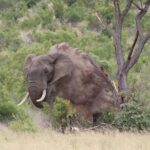
Day 1 is about setting the tone before you even hit Kruger. You start with a choice: Elephant Whispers Interaction, or an alternative experience called Graskop Gorge Experience. If you go with Elephant Whispers, the focus is on meeting five African elephants and learning how their behavior and physiology connect to long-term conservation.
That elephant component matters more than it sounds. Kruger can be loud with expectations—Big Five, dramatic sightings, photos that look like movie scenes. Elephant Whispers pulls you back to the why: conservation isn’t only about what you see out in the wild, it’s also about the systems that protect animals after the safari lights go out.
Next, you get another choice on Day 1: you can do Elephant Whispers again (based on the option shown), or you can switch to Skyway Trails Aerial Trail. Skyway Trails is a cable-style aerial route over forested valleys with multiple elevated platforms. The trail segments range from about 70 to 230 meters, and the full circuit links 10 platforms—so you’re not just “going over,” you’re moving through different viewpoints.
A practical note: this is the kind of Day 1 that can feel like two activities packed into one day. It’s great if you’re the type who stays energized with plans, but if you want a slow build, I’d mentally prepare for an active start before the early Kruger mornings.
A few more Johannesburg tours and experiences worth a look
Open-vehicle safari drives: The rhythm of Day 2 in Kruger
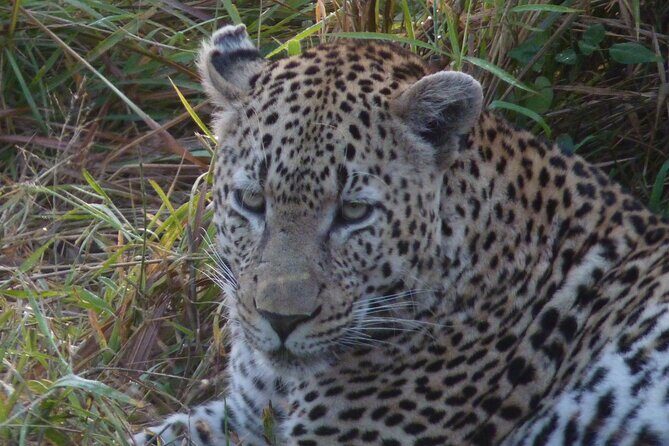
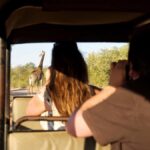
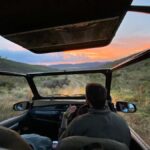
Day 2 is the long one—about nine hours—and it’s built around a classic safari rhythm: start early, scan constantly, and let the guide do the heavy lifting. Your Kruger safari starts before sunrise in an open safari vehicle, which gives you a higher vantage point and panoramic views. Translation: it’s easier to see movement and spot animals that are just barely visible at the edge of the road.
Your guide’s job is to search for and find the iconic animals, but also to interpret what’s happening in the environment—where animals tend to appear and why. You’ll stop at lookout points and at waterholes and rivers to increase your odds. In Kruger, water is a magnet, and those planned pauses are the difference between “we drove a lot” and “we watched something happen.”
You also get a rest-camp break during the day. The itinerary indicates you can stretch your legs, and there’s a chance for breakfast at that stop. That matters because the open-vehicle mornings can be surprisingly tiring, even if the air feels cool. Breaking up the drive helps you stay alert for the moments when sightings actually turn into stories.
The package also includes a sunset safari. While Day 2 is scheduled as one long block, the overall structure is meant to cover the main safari stretch and fit in the included sunset experience. If you’re chasing the full Kruger vibe—golden light, dust in the air, animals returning to movement—this is the part that usually pays off.
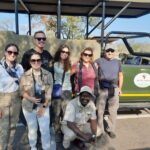
And yes, the guide can be the difference. In the available feedback, Trevor is repeatedly credited with getting the group up early, knowing where to go, and doing it with warmth and humor. Bhekifa also comes up as a strong guide who explains what you’re seeing and keeps the mood light while staying focused.
A final morning safari: Day 3 timing, breakfast packs, and the airport handoff
Day 3 starts with another pre-sunrise departure. This is your last chance to check off the animals you might not have seen yet. You’re out for around six hours, and the plan squeezes in one more strong morning drive before you head back toward Johannesburg.
Breakfast packs are provided by the guesthouse. You’ll enjoy them at a picnic spot or at one of the rest camps, which is a smart touch when you’re awake early and trying to move efficiently. When mornings run this tight, it’s better to have food that doesn’t require you to hunt for it or sit down somewhere after the animals have already moved on.
After the safari, you leave the park at around 11:15 and transfer to the minibus shuttle service pickup point for your flight departure. The main value here is clarity: you’re not guessing your day. It’s a “safari first, airport second” setup that works well if your flight timing is flexible enough to match an late-morning exit.
If you’re the type who plans outfits and wants ideal light for photos, consider this: the morning drive is where the sharpest action usually happens. Save your most careful camera settings for the first half of the day. Later, you might still see plenty, but animals tend to shift tempo as the heat rises.
Guides Trevor and Bhekifa: how expertise changes your odds in Kruger
In Kruger, you can do everything right and still leave with a few empty spaces on your animal list. The best guides reduce that randomness. That’s exactly what shows up in the feedback connected to this operator.
Trevor gets praised for being friendly and genuine, with an instinct for where to go. One note highlights that Trevor pushes for an early start—up around 05:00, aiming to be at the gate by 06:00—because that timing can be the edge that turns a slow morning into a great one. Another point is that Trevor blends entertainment with knowledge, which keeps long hours from feeling like a grind.
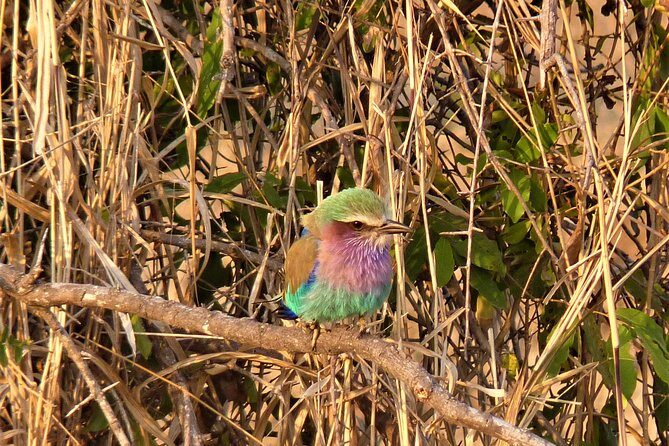
Bhekifa also appears as a favorite, with frequent mention of humor and clear explanations. That combination matters because the more you understand what you’re looking at—tracks, water patterns, bird activity, animal behavior—the more every sighting becomes useful rather than just a photo opportunity.
I’d treat your guide as part of the safari “gear.” Ask a question at the right moment, when you’re stopped and watching. Simple prompts work well: what animals tends to use this water source, or what changes when the light shifts. Even if you don’t speak the local language, your guide’s body language and the way they explain can make the drive feel like a live lesson.
Value check: what the $680.41 price covers (and what can still cost extra)
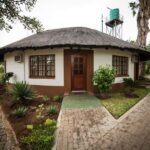
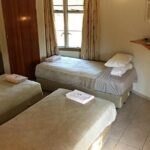
At $680.41 per person for a 3-day Kruger experience, the big value is what’s included: pickup offered, return airport transfers, 2 nights in a 4-star guesthouse, breakfasts (2), dinner transfers, an included sunset safari, full-day and morning safari drives, plus all entrance and conservation fees. That’s not just “transport and a ticket.” It’s the stuff that usually creates hidden costs on safaris.
Here’s the practical way to think about value: if you were to build this yourself, you’d likely pay separately for park entry, guided vehicles, and the non-negotiable logistics of getting from Johannesburg to Kruger and back. This package bundles those pieces so you spend less time coordinating and more time watching the bush.
The main costs not included are airport/departure tax and landing and facility fees. Those are often the kind of “small line items” that add up at the airport. If you’re budgeting, plan for those even if you don’t know the exact totals yet.
One more value point: the mobile ticket. It’s small, but it reduces the number of moving parts you have to manage before the first safari day.


Day-by-day reality: pace, group size, and what to pack
This itinerary is compact. Day 1 layers elephant-and-nature activities with options, Day 2 is a long safari day (about nine hours), and Day 3 is another early morning (about six hours) with a late-morning exit. If you like packed schedules, you’ll probably love the momentum. If you want downtime, you may need to protect it on the hotel side.
There’s also a group cap of up to 120 travelers. That number matters for logistics—check-in, transfers, and how big the overall group feels when you’re in public spaces. The safari experience itself depends on the vehicle setup, which isn’t broken down here, so I can’t promise you’ll never feel the crowd—but the itinerary is structured around active, outward-facing blocks where you’re focused on sightings, not standing around.
What I’d pack for this kind of Kruger plan (practical, not fancy):
- A light layer for early mornings when temperatures can feel cooler
- Something comfortable for long sitting in an open vehicle
- Sunscreen and sunglasses (you’ll be outside a lot)
- A camera strap you can trust, plus a lens cloth if you’re dealing with dust
The one warning in the details is about health and comfort: it’s not recommended for severe back problems or heavily pregnant travelers over +6 months. If either applies, I’d look for a more suitable safari format.
Who should book this 3-Day Kruger Experience—and who should skip it
This tour fits best if you:
- Want guided safari drives with open-vehicle viewing and planned stops at water sources
- Like structured days that still leave room for wildlife surprises
- Want elephants and Kruger in one trip without building a DIY itinerary
- Appreciate early departures and the idea that morning timing can matter
I’d skip it (or at least think hard) if you:
- Need a slower pace with more rest time between activities
- Have severe back problems or fall into the pregnancy window where it’s not recommended
- Hate airport-time constraints, because Day 3 is built to get you out of the park around 11:15
Should you book it?
I’d book this if your goal is a well-run, park-centered Kruger safari that also gives you a meaningful Day 1 animal-and-nature start. The combination of open-vehicle drives, included park fees, and early timing is the core strength, and the guide names Trevor and Bhekifa are repeatedly tied to strong animal-finding and engaging explanations.
The decision comes down to your tolerance for early mornings and long safari hours. If you can handle that, this is a good value way to see Kruger with less hassle and more structure.
FAQ
What’s the main safari timing in Kruger?
The safaris start before sunrise on both the Day 2 full-day drive and the Day 3 morning drive. The plan also includes a sunset safari as part of the overall safari structure.
Is the safari done from an open safari vehicle?
Yes. The Kruger game drives use an open safari vehicle for better sightlines and a higher vantage point.
What animal experience happens on Day 1?
Day 1 includes Elephant Whispers Interaction as an option, featuring five African elephants and a focus on their behavior and physiology linked to conservation. There’s also an alternative called Graskop Gorge Experience listed as another option.
Is Skyway Trails included, or is it optional?
Skyway Trails Aerial Trail is listed as an option for Day 1. The itinerary shows choices, including Elephant Whispers Interaction and Skyway Trails.
How long are the days?
Day 2 is about nine hours. Day 3 is about six hours.
Do I get breakfast during the trip?
Breakfast is included twice. The Day 2 rest-camp stop allows for breakfast, and Day 3 includes breakfast packs from the guesthouse.
What’s included in the price?
The package includes all transportation (including airport transfers), fuel surcharge, a 4-star guesthouse for 2 nights, breakfast (2), dinner transfers, safari activities (including sunset and full-day/morning safaris), and all entrance + conservation fees.
What’s not included?
Airport/departure tax and landing and facility fees are not included.
Is the booking refundable or changeable?
This experience is non-refundable and cannot be changed for any reason. Confirmation is received within 48 hours of booking, subject to availability.