REVIEW · JOHANNESBURG
6 Day Classic Kruger National Park Safari from Johannesburg
Book on Viator →Operated by Viva Safaris · Bookable on Viator
Kruger feels faster when you’re off-road and up early. This small-group 6-day safari pushes farther into the reserve with sunrise and sundowner game drives, plus a sunrise bush walk along the Olifants River and a conservation stop at Moholoholo. I also like how the pace leaves you time to actually spot animals, not just rush between checklists.
The main drawback to plan for is practical: the safari lodge setup is hit-or-miss for comfort, and charging devices can be tricky due to limited power outlets. If you’re the type who needs to keep gadgets alive all day, bring a power bank and a multi-port charger.
In This Review
- Key Highlights You’ll Care About
- Why This 6-Day Kruger Plan Feels Like More Than a Checklist
- From Johannesburg to Tremisana: Sunset, Spotlight, and a Proper Start
- Sunset to Sunrise Rhythm: The Olifants River Bush Walk
- Open-Sided Kruger Gameviewer: Why No Glass Matters
- Moholoholo Wildlife Rehabilitation Centre: Conservation You Can See
- Another Day in Kruger (Plus Balule Time): Matching Wildlife to the Clock
- Panorama Route to Blyde River Canyon: Switch From Wildlife to Wide Views
- Transport, Groups, and What the Pace Really Means for You
- Value for Money: What You’re Paying For (and What to Expect)
- Who This Safari Is Best For (and Who Might Not Love It)
- Should You Book This 6-Day Classic Kruger Safari?
- FAQ
- Where do pickups happen for this safari?
- What time does the tour start?
- How long is the tour?
- How big is the group?
- What wildlife activities are included?
- Is Moholoholo Wildlife Rehabilitation Centre part of the plan?
- Are meals included?
- Does the tour include park fees and activities?
- What about dietary needs like vegetarian meals?
Key Highlights You’ll Care About
- Open-sided game viewing on custom vehicles so you feel part of the bush (no window glare).
- Sunrise, sunset, and sundowner drives, including a spotlight night drive for nocturnal sightings.
- A guided bush walk at the Olifants River that teaches you how wildlife moves, sounds, and survives.
- Orpen–Satara–Nwanedzi game country where big cats track prey across open plains.
- Moholoholo Wildlife Rehabilitation Centre to see conservation work in action.
- Panorama Route day to Blyde River Canyon and the Three Rondawels before heading back to Gauteng.
Why This 6-Day Kruger Plan Feels Like More Than a Checklist
If you’ve done a quick safari before, you know the truth: Kruger is about time on roads, time waiting, and time watching. This itinerary stacks those moments on purpose, with early drives when animals are active and late drives when predators hunt and water sources wake up.
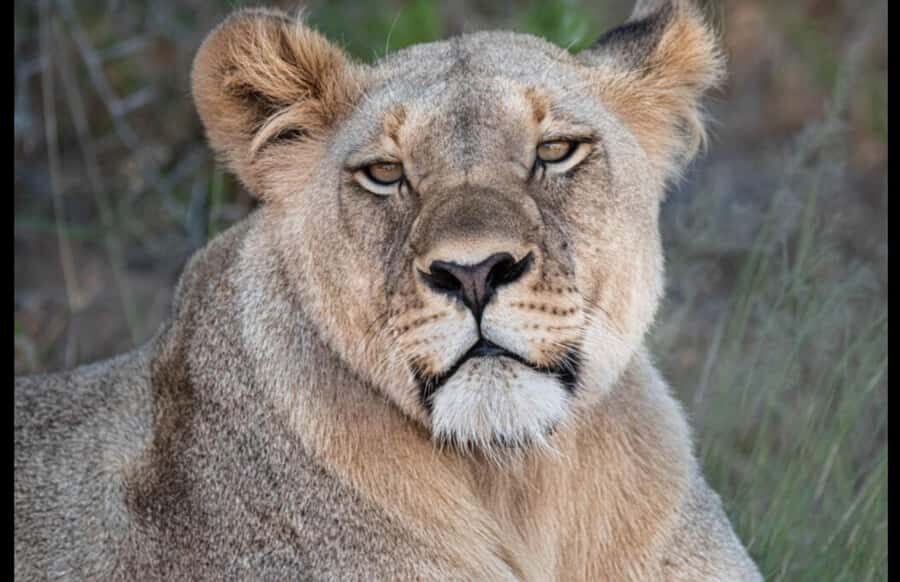
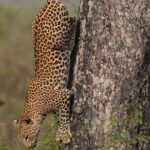
You’re also going to spend time in the Orpen–Satara–Nwanedzi region, which is known for strong predator activity because large herbivore herds draw hunters in. That matters because spotting the Big Five is never guaranteed, but your chances rise when your route follows animal patterns rather than just geography.
Finally, this is built as a small group experience (max 9), so your guide can adjust the day based on what’s actually happening on the ground instead of running a rigid schedule.
A few more Johannesburg tours and experiences worth a look
From Johannesburg to Tremisana: Sunset, Spotlight, and a Proper Start
Your day starts with pickup from Johannesburg hotels or O.R. Tambo Airport, then you’re transferred toward Kruger. It’s not just transport. The route includes Highveld grasslands along the way, and then you transition into the park experience with your first game drive.
In the late afternoon, you board an open Land Cruiser for a roughly 4-hour sunset drive. That timing is smart: animals often feel braver in cooler light, and you get that classic African sky turning into real wildlife time.
After dark, you’ll continue with a night drive using a spotlight. That’s where you learn a different rhythm of the bush. Some creatures stay hidden in daytime cover, and at night the spotlight helps you see movement and eyeshine you’d miss otherwise. Dinner at the Marula Tree Boma is served as a bush BBQ, which is a nice change from a generic meal stop.
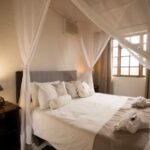
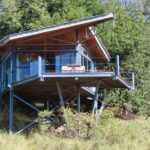
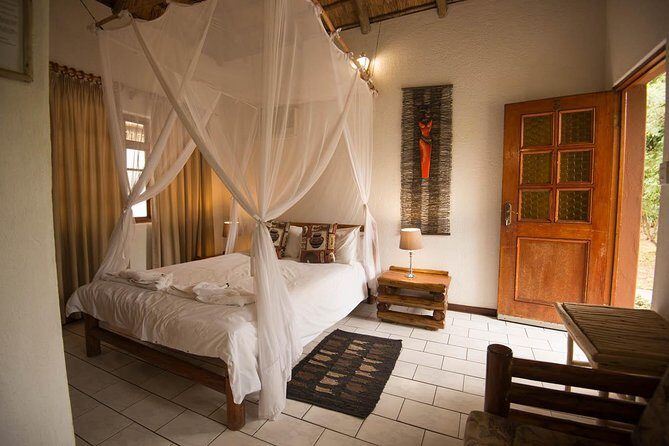
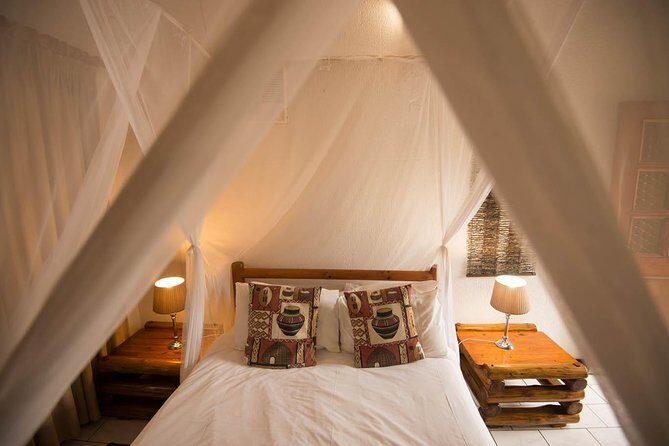
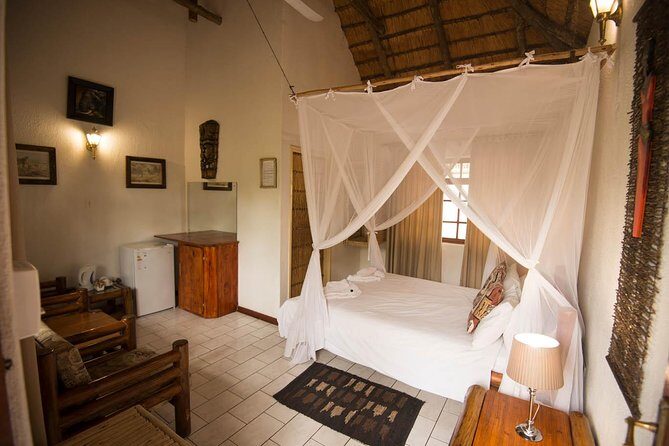
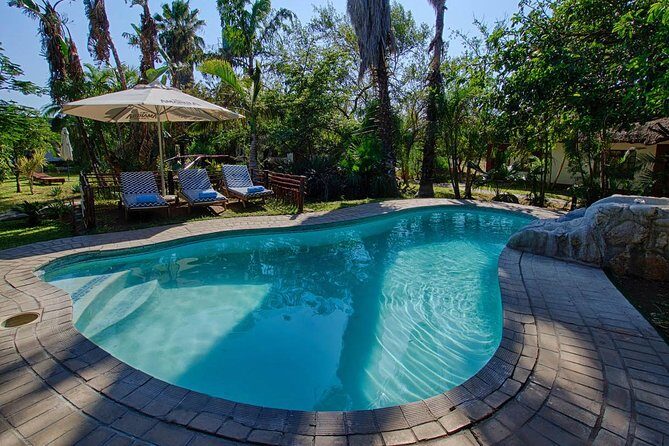
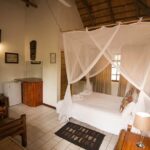
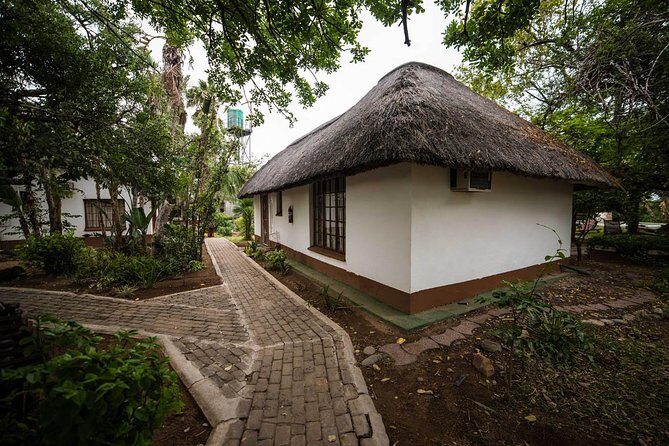
You sleep at Tremisana Game Lodge in en-suite, air-conditioned chalets. Some people love lodge life here, while others find the accommodation more “functional safari” than “luxury hotel.” Either way, you’ll be tired in the best way.
Sunset to Sunrise Rhythm: The Olifants River Bush Walk
Day two is where the trip grows teeth. You head out at sunrise to the Olifants River area for a guided 4-hour bush walk. Walking instead of driving is a totally different kind of wildlife experience. You notice smaller signs: tracks, droppings, insect noise, and changes in wind.
The rangers guide you through what’s happening right in front of you—how to read the bush and how animals use cover. You’ll also get a safety reality check: rangers are appropriately armed. The point is not fear; it’s awareness. In other words, you don’t treat the walk like a nature hike, and that respect makes the experience better.
A quick tip based on what operators often emphasize for these walks: dress in neutral colors. Bright colors can pull attention in a place built on blending in. If you’re tempted by bold outfits, leave them for dinner back at the lodge.
Back at Tremisana, you get brunch, then downtime: lounge time, swimming if you want it, and a slower pace before the evening drive. After lunch, the sundowner game drive gives you another prime window for predators and a different set of sightings than morning.
Open-Sided Kruger Gameviewer: Why No Glass Matters
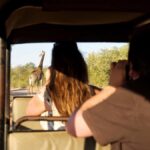
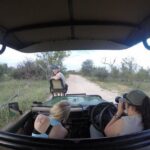
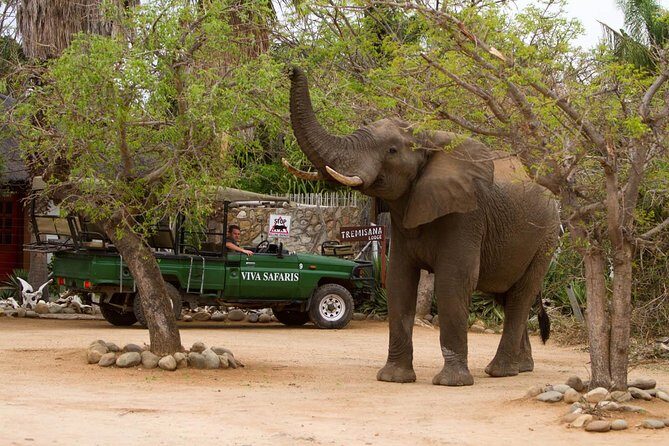
On the next day, you shift fully into Kruger National Park in a custom-built open-sided Gameviewer. The big deal here is simple: you view animals without the barrier of glass windows. Less glare. More natural light. More accurate judging of distance and behavior.
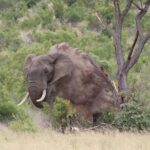
You’re moving through Orpen–Satara–Nwanedzi, an area with open plains that draw herds—zebra, giraffe, and various antelope. Predators follow prey, so the ecosystem works like a funnel: more herbivores means more chances for big cat sightings.
Your game drive duration is about 7 hours, which is long enough to matter. In safari terms, that extra time helps with patience. You don’t just watch for an animal to appear; you watch how the day’s activity builds—where animals travel, what they ignore, and what makes them stop.
Your day includes no Kruger admission ticket fee within the tour, which helps with planning. Lunch is not included during Kruger driving, so you’ll stop at places where you can purchase it. Bring cash/card as needed and keep snacks simple in case the day runs long.
Moholoholo Wildlife Rehabilitation Centre: Conservation You Can See
Between pure game viewing days, you’ll visit Moholoholo Wildlife Rehabilitation Centre. This is not a zoo-style stop. The center deals with orphaned and injured animals that were brought in due to poaching-related harm (like snares) or other serious threats.
At Moholoholo, the animals are in enclosed pens and have been rehabilitated, but they’re not yet safe to release because they can’t survive on their own in the wild. That’s actually a key point. It means you’re seeing the middle stage of conservation, not just a before-and-after poster.
You’ll spend about 2 hours there, and you’ll come away with a more grounded understanding of why safaris and conservation connect. You’re not just paying for sightings. You’re helping support work that gives wildlife a chance after human conflict.
And yes, the setting is emotional if you care about animals. But it’s also hopeful, because this kind of rehabilitation is real labor—not just fundraising.
A few more Johannesburg tours and experiences worth a look
Another Day in Kruger (Plus Balule Time): Matching Wildlife to the Clock
Day four brings you back from Moholoholo for a 3-hour game drive in Balule after lunch. Balule is a useful add-on because it gives you more road time and another set of wildlife patterns. It’s also a good way to keep the trip moving without burning out.
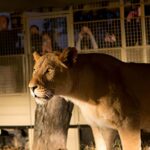
Day five is another full Kruger game viewing day at about 7 hours. This matters because the animals aren’t on your schedule. Lions, for example, might show up one day and stay hidden the next. More drive time gives you more “bets” during your stay.
If you’re chasing specific sightings, understand how safari reality works: your best chance comes from repeating the experience—morning light, late light, and consistent guiding. This plan builds those repeat opportunities.
Then day six starts with a sunrise drive in Balule for about 1 hour. It’s short, but sunrise still delivers. Even when you’re leaving, that early window can be the best kind of goodbye.
Panorama Route to Blyde River Canyon: Switch From Wildlife to Wide Views
After breakfast, you head via the Panorama Route toward the Blyde River Canyon Nature Reserve. This is your “stretch your legs and your eyes” day. You’ll see the Three Rondawels and the canyon viewpoints before returning to Gauteng in the late afternoon.
The time you have here is about 45 minutes in the canyon area, so don’t plan on long hikes. Instead, think of it as a scenic capstone: a chance to reset from animal-focused mornings and absorb the dramatic river-and-rock scenery of this part of South Africa.
If you’re the type who likes packing photos with purpose, this day works. But if you want deep hiking time, you’d likely add extra days separately.
Transport, Groups, and What the Pace Really Means for You
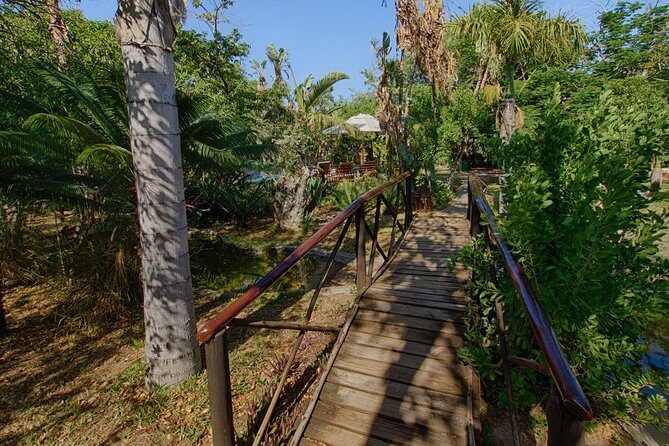
Here’s how the logistics shape the experience.
You’ll use an air-conditioned minivan for transfers, and you’ll switch into open safari vehicles for game drives and the walk. That mix matters because it keeps the travel part comfortable, while maximizing time in the bush without barriers.
Your group size max is 9 travelers, which is noticeably smaller than big-van safaris. In practice, smaller groups often mean less waiting for everyone to get settled on the vehicle, and more flexibility when the guide wants to pause and watch.
Your tour also includes pickup and round-trip transport from Johannesburg. That’s a value point because it reduces the headache of arranging separate rides, especially if you’re arriving by air.
You’ll receive a mobile ticket, which is handy for keeping everything in one place.
Value for Money: What You’re Paying For (and What to Expect)
At $1,286.83 per person for a roughly 6-day experience, the value comes from packing real inclusions instead of nickel-and-diming you.
Included:
- 5 nights accommodation at Tremisana
- Most meals: breakfast (6), dinner (6), and lunch on non-transfer and non-Kruger days (2)
- All activities with local guide
- Park fees and related charges
- Game drives and bush walk, plus Moholoholo
Not included:
- Drinks
- Lunch on transfer days and days in Kruger (you’ll buy lunch at stops)
- Flight to South Africa and personal items
So if you’re someone who normally pays extra for park entries, guided drives, and conservation visits, this bundle can make sense. You also get multiple safari-style moments: sunrise drive, sunset drive, sundowner drive, night drive, plus the bush walk. That’s a lot of guided effort for one stay window.
One more practical note from real-world experience: charging devices can be tough in some lodge setups because outlets can be limited. Pack a power bank and bring a multi-port travel adapter so you don’t spend evenings searching for places to top up.
Who This Safari Is Best For (and Who Might Not Love It)
This tour fits best if you want:
- Guided game viewing with sunrise and late-day drives
- A walking experience along the Olifants River, not just driving
- A conservation stop at Moholoholo
- A small group pace with bundled logistics from Johannesburg
You might want to reconsider if you:
- Need consistent upscale lodge comfort every night
- Plan to rely on wall outlets to charge everything daily
- Want long hiking time in the canyon area (your Blyde visit is short)
Kids are welcome with an accompanying adult, and there’s a vegetarian option available if you tell the operator at booking.
Should You Book This 6-Day Classic Kruger Safari?
I’d say book it if you want a safari that treats wildlife like the main event, with multiple drive windows and one genuinely different activity—the bush walk. The route is built to give you repeated chances at sightings, and the inclusion of Moholoholo adds meaning beyond photo hunting.
Book with your eyes open about comfort and power access. Plan for neutral clothing on the bush walk, keep a buffer for lunches you’ll purchase in Kruger, and bring extra charging support.
If you want a big-name Kruger experience without spending weeks arranging private vehicles, this is the kind of package that makes your days in South Africa feel efficient and full.
FAQ
Where do pickups happen for this safari?
You can be picked up from your hotel in Johannesburg or from O.R. Tambo Airport.
What time does the tour start?
The start time is listed as 9:30 am.
How long is the tour?
It runs for 6 days (approximately).
How big is the group?
The tour has a maximum of 9 travelers.
What wildlife activities are included?
Included activities include guided sunrise and evening game drives, a night drive, a bush walk along the Olifants River, and visits to both Moholoholo and Balule drives.
Is Moholoholo Wildlife Rehabilitation Centre part of the plan?
Yes. You visit Moholoholo for about 2 hours to see rehabilitated animals that are not yet ready for release.
Are meals included?
Breakfast is included each morning (6), dinner is included each night (6), and lunch is included on 2 days (on non-transfer days and days not in Kruger). Lunch is not included on transfer days and days in Kruger.
Does the tour include park fees and activities?
Yes. National Park fees and all activities are included, along with local taxes and handling charges.
What about dietary needs like vegetarian meals?
A vegetarian option is available if you advise at the time of booking.