REVIEW · JOHANNESBURG
Ann Van Dyk Cheetah Centre Tour from Johannesburg or Pretoria
Book on Viator →Operated by Mmilo Tours · Bookable on Viator
Fast feet and close-up wildlife in just a few hours. This half-day trip to the Ann Van Dyk Cheetah Centre is interesting because you get guided conservation talk plus a chance to see cheetahs in action, depending on the day. I especially like the hotel pickup and drop-off from Johannesburg or Pretoria—it saves you the hassle of planning a long drive and parking. One drawback to keep in mind: this is a short, structured visit, so you’ll want to pick the right day for your preferred cheetah moment.
You’ll also appreciate how the centre connects breeding programs to real conservation outcomes, not just animal viewing. I like that the experience includes all entrance fees and bottled water, which makes it easier to budget on the day. The main consideration is that you may come away expecting a pure safari style, but the centre includes rescued animals that can’t all be released back into the wild.
In This Review
- Key points before you go
- Why Ann Van Dyk Cheetah Centre feels efficient (even when the drive takes time)
- Transportation from Johannesburg or Pretoria: the real value play
- The guided centre visit: what you’ll see and why it matters
- Cheetahs: the main character
- African wild dogs: the surprise you’ll remember
- Other species you may encounter
- Natural setting: the Magaliesberg backdrop
- Guides, pacing, and the kind of info you actually use
- Price and value: what $225.67 gets you (and what it doesn’t)
- Weekend vs weekday: choosing your day like a pro
- What to pack and how to plan for comfort
- The one fair criticism: a centre vs a classic zoo vs a safari
- Who should book this tour?
- Quick FAQ
- FAQ
- How long is the Ann Van Dyk Cheetah Centre tour?
- Where does pickup and drop-off happen?
- Is lunch included?
- Does the tour include entrance fees?
- What about water?
- What day should I choose if I want the cheetah run?
- What’s different about weekday visits?
- Are there age or height limits for kids?
- What’s the group size limit?
- Is free cancellation available?
- Should you book this Ann Van Dyk Cheetah Centre tour?
Key points before you go
- Cheetah run on weekends versus a different style of cheetah experience on weekdays (run timing matters)
- Small group size (max 15) keeps the tour feeling more personal than big-bus wildlife stops
- Round-trip transportation from Pretoria or Johannesburg means you can focus on animals, not traffic
- Breeding and rewilding programs go beyond cheetahs, including African wild dogs and other species
- Bottled water + all fees included, while lunch and drinks are on you
- Min age 7 + 1.2 m height rule so plan for kids early
Why Ann Van Dyk Cheetah Centre feels efficient (even when the drive takes time)
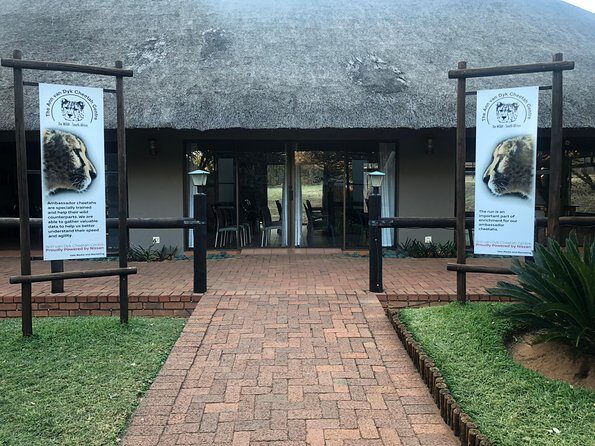
If you’re basing yourself in Johannesburg, plan for a bit of a haul. One reason this tour gets booked is simple: you avoid driving yourself and you still get a guided wildlife experience in a half day.
The tour runs about 3 hours, which is the sweet spot for a busy itinerary. You’re not signing up for a full-day safari outing, so you’ll want to use this time strategically—especially if you’re hoping for the cheetah run moment.
From Pretoria, the experience tends to feel easier. The centre sits near the Magaliesberg area, and Pretoria is usually the more convenient base for hitting attractions in that region without burning your day in traffic.
You can also read our reviews of more tours and experiences in Johannesburg.
Transportation from Johannesburg or Pretoria: the real value play
This is a pickup-and-drop-off tour, and that matters more than it sounds. You don’t need to rent a car, you don’t need to navigate to the centre, and you’re not stuck figuring out logistics while you’re already excited to see wildlife.
The drive from Johannesburg can be around 2 hours each way (traffic can change that), so the guided transport is the difference between spending your energy watching scenery or watching your GPS. Once you’re on the ground, bottled water is provided, so you can stay comfortable through the visit.
Also, small-group touring can be a quiet quality upgrade. With a maximum group size of 15 travelers, it’s easier for the guide to keep the day on track and handle questions without the whole trip turning into a shuffle.
The guided centre visit: what you’ll see and why it matters
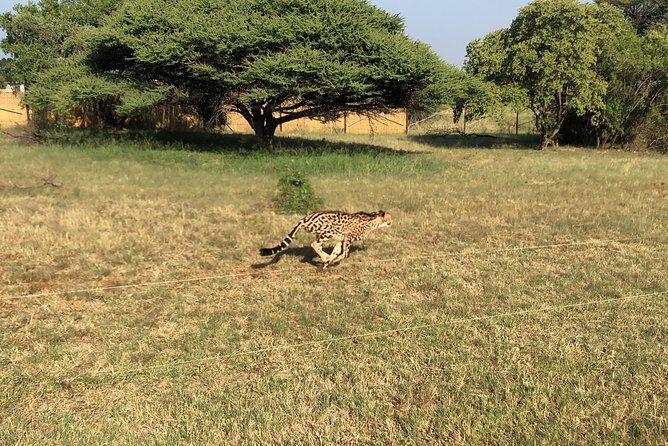
The heart of this tour is a guided exploration of the Ann Van Dyk Cheetah Centre. The centre’s story begins with the cheetah breeding program that helped establish the facility back in 1971, but the mission today extends to multiple conservation tracks.
Cheetahs: the main character
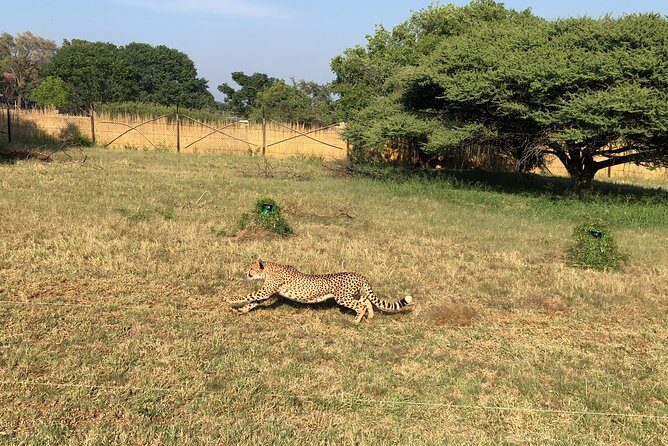
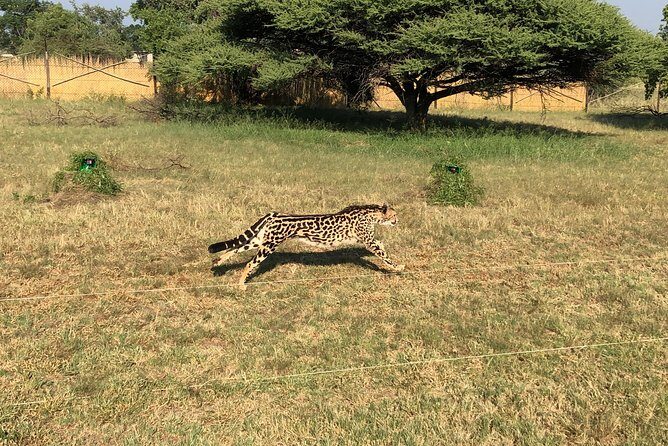
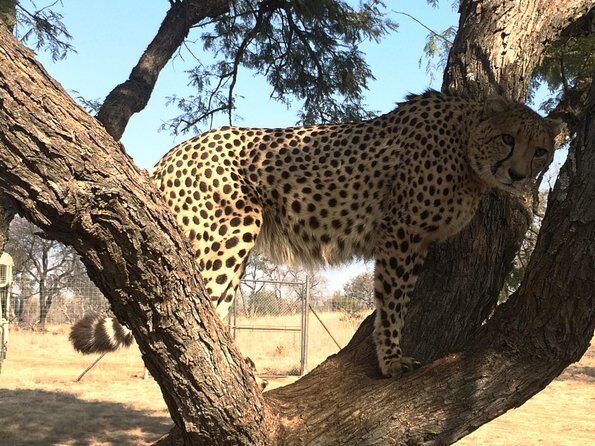
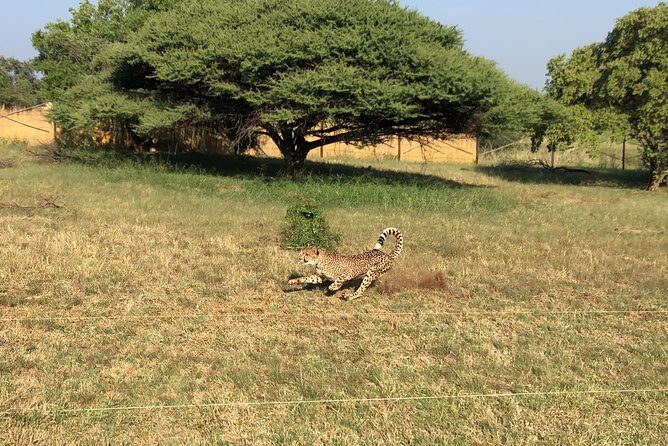
Cheetahs are obviously the star. Depending on whether you visit on a weekend or weekday, you’ll get a different style of experience:
- Weekend visits: you can witness a cheetah run, which is the best option if speed is what you came for.
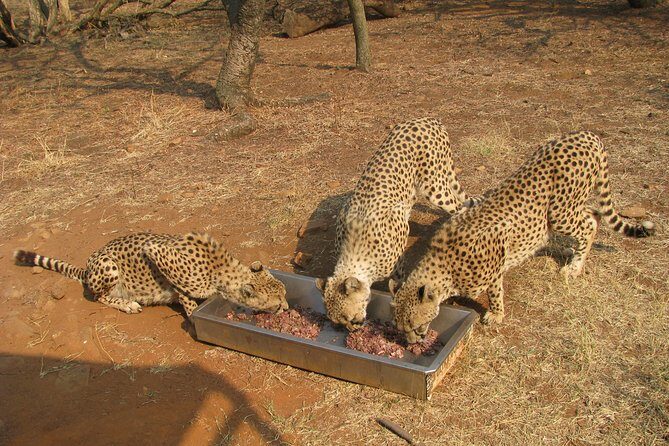
- Weekday visits: expect a cheetah interaction inside the animals’ more spacious enclosure.
Either way, the guide’s focus is more than “look at this animal.” You should leave understanding cheetah biology, behavior, and the broader conservation status that drives the centre’s work.
African wild dogs: the surprise you’ll remember
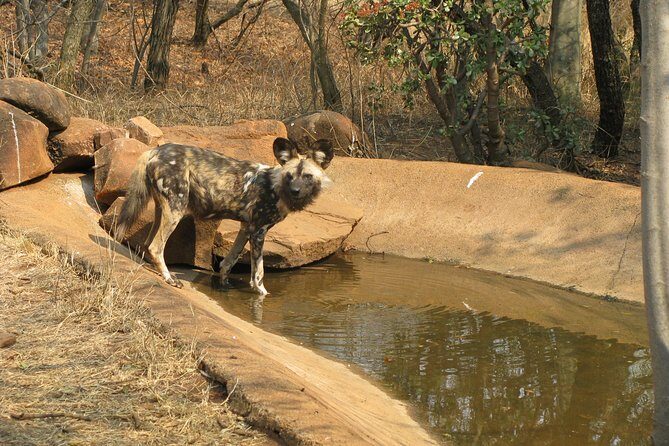
One of the most interesting aspects here is how the day isn’t only cheetahs. The centre supports African wild dogs through rewilding projects, and these dogs tend to be a major highlight for animal lovers.
Wild dogs can be hard to spot on typical trips, so seeing them at the centre—plus hearing how they fit into conservation goals—can feel like a bonus chapter in the story of the place.
Other species you may encounter
You can also see a range of additional animals tied to rescue, care, or breeding support. Examples mentioned include:
- Brown hyena
- Caracal and serval
- African wild cat
- Vultures (including smaller species listed in the program)
- Antelope and wildebeest
- Meerkats
- Ostriches
- Other birds and animals added at times
This is where expectations should be set. If you’re looking for a “safari through the bush” vibe only, a centre visit can feel more structured. But if you want to understand what conservation looks like on the ground—especially after injury or human harm—this variety makes the tour feel like more than a quick animal photo stop.
Natural setting: the Magaliesberg backdrop
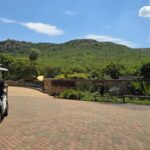
The experience also benefits from setting. The centre is under the Magaliesberg Mountains, and that helps the whole visit feel less like a city attraction and more like an outdoor conservation site.
Even if you’re not a mountain person, the view does something practical: it makes the time pass faster and gives you better context for what kind of environment these animals need.
Guides, pacing, and the kind of info you actually use
A good wildlife guide can turn a quick visit into a meaningful one. The guides described for this experience are consistently described as engaging and skilled at explaining animal behavior.
In the reviews you’ll see names like Francois, and also guide teams such as Nichole and Wilson. Since guides can vary by day, I can’t promise you’ll get the same people—but it’s a strong sign that the experience is meant to be educational and not just a walk-through.
Pacing matters too. Johannesburg freeways can jam up fast, and guides who know backroads can help you keep your schedule. One trip narrative even notes a guide using alternate routes to reduce delays, which is exactly what you want when you’ve only got a few hours.
Price and value: what $225.67 gets you (and what it doesn’t)
At $225.67 per person for a roughly 3-hour experience, this isn’t the cheapest wildlife add-on. So the question is value: what do you get that you can’t easily DIY?
You’re paying for:
- Round-trip transport from Johannesburg or Pretoria
- Hotel/port pickup and drop-off
- All entrance fees and taxes
- Bottled water
- A guided visit focused on conservation, behavior, and breeding programs
What you don’t get:
- Lunch
- Food and drinks
- Donations/sponsorship (which aren’t included)
To judge whether it’s worth it for you, think about your alternative. If you have to drive yourself, pay for entrances separately, and arrange a guide locally, the cost can climb quickly—especially for a timed visit. Here, the structure is doing the work for you.
Also, the small group limit helps justify the price. You’re not in a crowd of strangers. That means more question time, quicker re-grouping, and less time waiting around.
Weekend vs weekday: choosing your day like a pro
This one decision can make or break the experience.
If you want the cheetah run, aim for a weekend. Speed is the showpiece moment for most people, and the tour is set up to deliver that when timing allows.
If you’d rather focus on a cheetah interaction in the enclosure, a weekday visit is set up for that style instead. Either approach can be worthwhile, but picking based on your goal will make the day feel more satisfying.
What to pack and how to plan for comfort
You’ll be in transport plus an outdoor centre visit, so keep it simple:
- Wear comfortable walking shoes
- Bring sun protection (hat/sunglasses) since you’ll spend time outdoors
- A camera is a must, especially if you’re hoping for action shots of cheetahs
- Expect to buy lunch or snacks elsewhere since lunch isn’t included
Because bottled water is included, you can arrive without overthinking hydration. Still, bring what you need for personal comfort.
The one fair criticism: a centre vs a classic zoo vs a safari
Some people treat this kind of place like a “real safari or nothing” deal. That’s not a fair standard here, but it’s a common reaction.
The centre includes animals beyond cheetahs—rescued species that can’t simply be released back into the wild. So yes, parts of the visit can feel like a zoo experience if you’re expecting wild-only viewing.
The key is the conservation angle. If you understand that rescued animals are housed because they can’t survive a return to the wild, the experience reads differently. Instead of “they’re kept,” it becomes “they’re cared for, and the centre supports long-term conservation outcomes.”
So my advice is straightforward: come with the right mental model. This is a conservation-focused centre with controlled, guided viewing—not a wild game drive where everything is found on your own.
Who should book this tour?
I’d point this tour toward you if:
- You want a short, guided wildlife hit without arranging a car
- You care about cheetah and African wild dog conservation, not just photos
- You’re traveling with limited time between bigger stops
- You prefer a small group and a structured visit
It’s also a good choice for first-time wildlife visitors who want clear explanations and a friendly pacing rhythm.
You might think twice if:
- You’re only interested in classic safari game drives with animals in untamed territory
- You’re sensitive to environments that include rescued animals housed in enclosures
Quick FAQ
FAQ
How long is the Ann Van Dyk Cheetah Centre tour?
The tour runs about 3 hours.
Where does pickup and drop-off happen?
Pickup and drop-off are offered in Pretoria or Johannesburg.
Is lunch included?
No. Lunch and other food/drinks are not included.
Does the tour include entrance fees?
Yes. All entrance fees are included, along with all activities and fees/taxes.
What about water?
Bottled water is provided.
What day should I choose if I want the cheetah run?
A weekend visit is the option described for witnessing a cheetah run.
What’s different about weekday visits?
Weekday visits include a cheetah interaction in the animals’ spacious enclosure.
Are there age or height limits for kids?
Children must be accompanied by an adult, with a minimum age of 7 years and a minimum height restriction of 1.2 meters.
What’s the group size limit?
The tour has a maximum of 15 travelers.
Is free cancellation available?
Yes. You can cancel up to 24 hours in advance for a full refund.
Should you book this Ann Van Dyk Cheetah Centre tour?
I’d book it if you want a time-efficient, guided conservation experience with real chance of cheetah action—especially if you line up your day for the cheetah run on the weekend.
If your priority is the broad animal variety, the centre delivers more than just cheetahs, including African wild dogs and other rescued animals. And if you don’t want to deal with long drives or day-of logistics, the round-trip transport from Johannesburg or Pretoria is a genuine comfort win.
Just choose your expectations wisely: this is a guided centre visit tied to breeding and rescue care. If you want that, it’s a strong buy for a half-day wildlife stop. If you want only big-safari roaming, you may prefer a different style of outing.