REVIEW · JOHANNESBURG
bicycle tour soweto
Book on Viator →Operated by Virgio Tours · Bookable on Viator
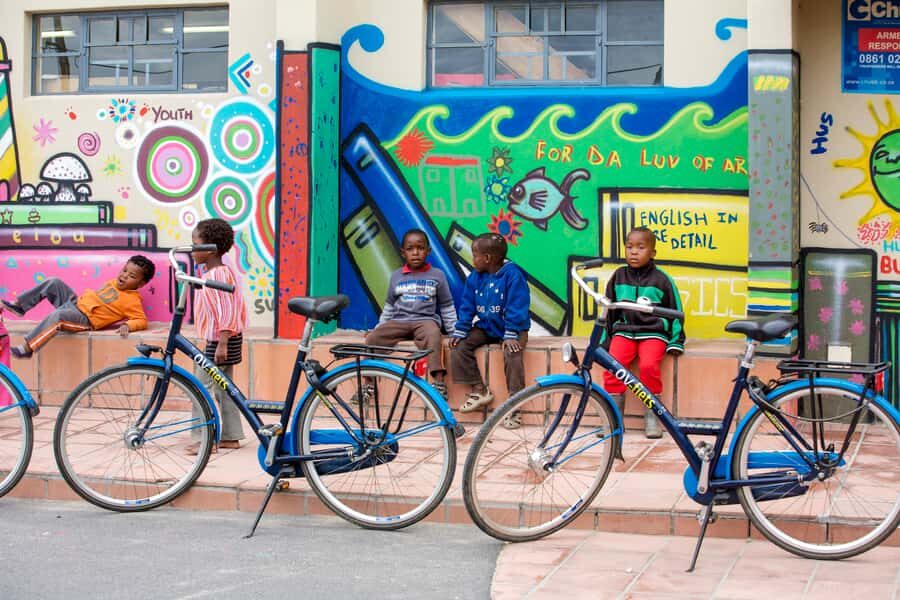
Soweto on two wheels keeps things moving. This guided bike ride strings together major sights in Johannesburg’s Soweto without you playing map game, and it tells Apartheid-era stories as you pass places tied to Nelson Mandela and Desmond Tutu. You’ll pedal through neighborhood landmarks, then stop for museum time and key context around the 1976 student uprisings.
What I like most is the mix of motion and meaning: you cover more ground in less time while still getting guided explanations. I also love that you get bottled water and a helmet, so the tour stays practical and not just cultural theater.
One thing to consider: a couple of reviews flagged bike condition and pickup timing issues, so it’s smart to plan for a little real-world variation and double-check logistics on the day.
In This Review
- Key Things I’d Circle Before You Book
- Soweto by Bike: Why This Route Works
- Price, Time, and What’s Included (and Why It Feels Fair)
- Getting There: Pickup, Timing, and the Real Logistics
- Stop 1: Hector Pieterson Museum and Memorial
- Pedaling Past Orlando: Stadiums, Towers, and the 1976 Context
- Mandela, Winnie Mandela, Tutu: Seeing Names on the Map
- Bikes, Helmets, and Pace: What You Should Expect Physically
- What You’ll Learn: Facts, Stories, and How the Guide Builds Meaning
- Best For: Who Should Book This Soweto Bike Tour
- Possible Watch-Outs Based on Past Guest Experiences
- Should You Book This Soweto Bicycle Tour?
- FAQ
- How long is the bicycle tour in Soweto?
- Does the tour include transportation to and from Soweto?
- Are bicycles and helmets provided?
- What’s included besides the guide and bike?
- Where does the tour stop first?
- Is the tour private?
- Can I cancel for a full refund?
Key Things I’d Circle Before You Book

- Hector Pieterson Museum and Memorial as the anchor stop, with admission included
- Guided storytelling tied to Mandela, Winnie Mandela, and Archbishop Desmond Tutu
- Orlando West High School context on the 1976 student uprisings
- Cover more sights in 3 hours thanks to cycling instead of slow hopping by car
- Comfort details included like a helmet and bottled water
- Private tour format so only your group rides, not mixed crowds
Soweto by Bike: Why This Route Works
Soweto can feel big and confusing when you’re looking at it from the outside. This bike tour solves that fast. You get a guide to lead the way, and the route is designed so you hit major landmarks without stopping every five minutes to figure out directions.
You’re also doing something helpful: you’re moving through the area at a human speed. That makes it easier to notice everyday life—schools, streets, and local architecture—while you’re also hearing how the Apartheid system shaped those spaces. You don’t just read a plaque and move on.
The best part is that you’re not limited to one “big” stop. The tour combines a museum visit with cycling time past several important sites, so you come away with a timeline, not just highlights.
You can also read our reviews of more tours and experiences in Johannesburg.


Price, Time, and What’s Included (and Why It Feels Fair)
This tour costs $80.75 per person and runs about 3 hours. At that length, the value is mostly in what’s bundled: round-trip transport to Soweto, a guide, entrance fees, a bicycle, and a helmet, plus bottled water.
For many travelers, the easiest comparison is this: you’d likely pay separately for transport, bike rental, and at least one entry ticket. Here, those costs are wrapped together, so you spend your money on the experience rather than juggling logistics.
Also, the tour is described as private, so you’re not sharing the ride with strangers. That matters in practice. A guide can set a pace that fits your group and explain things in the order that clicks for you.
One small note: the provided price info lists free cancellation with the option for a full refund if you cancel at least 24 hours ahead. That’s good insurance if plans shift.
Getting There: Pickup, Timing, and the Real Logistics
Pickup is offered, and the tour uses a mobile ticket, which is a nice touch for keeping things simple. The tour is also near public transportation, which can be helpful if your schedule changes.
Here’s the practical truth: even well-run tours can be affected by traffic and local conditions. A small number of reviews mentioned late pickup, with an adjustment needed in the moment. I wouldn’t assume that happens every time, but I would treat it as a reminder to build a little buffer—especially if you’re pairing this with other plans in Johannesburg.
If you hate waiting, do this: confirm your pickup time in advance, and be ready a bit early. Bring a light layer too; short rides can still feel cool or warm depending on the day.
Stop 1: Hector Pieterson Museum and Memorial
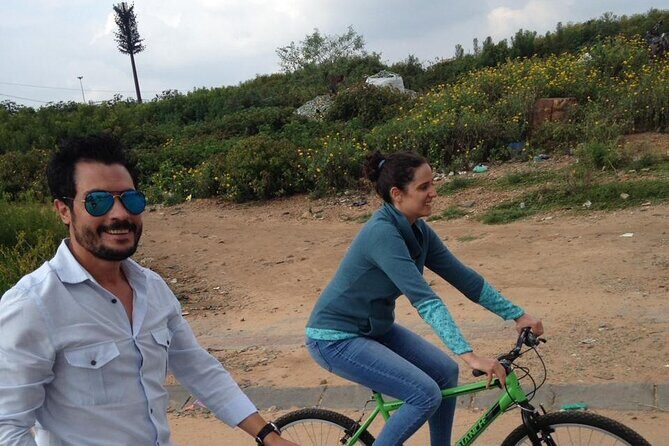
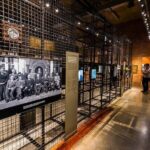
The tour’s first major stop is the Hector Pieterson Museum and Memorial. This is where you start getting the concrete history that the rest of the ride points back to.
You’ll get more than a quick viewing. The tour description includes time to understand Soweto daily life in a historic neighborhood context, along with guided passing of key nearby landmarks such as the Orlando Soccer Stadium and Orlando Towers. That “zoom out, then zoom in” structure is smart: you first learn the setting, then you connect it to specific people and events.
The museum experience also connects to schooling and youth experiences. The tour notes commentary around local education systems, and the ride includes a visit to a hostel for mineworkers. That hostel detail matters. It adds texture to the story beyond famous names by showing how working life and housing shaped everyday reality.
And yes, the guide’s route includes stories about famous Soweto figures: you’ll be taken past places associated with Winnie and Nelson Mandela and with Archbishop Desmond Tutu. Doing this on the bike route (rather than only in a museum) helps those stories feel grounded in geography.
If your goal is to understand Soweto beyond the headlines, this stop is the reason the tour works.
Pedaling Past Orlando: Stadiums, Towers, and the 1976 Context
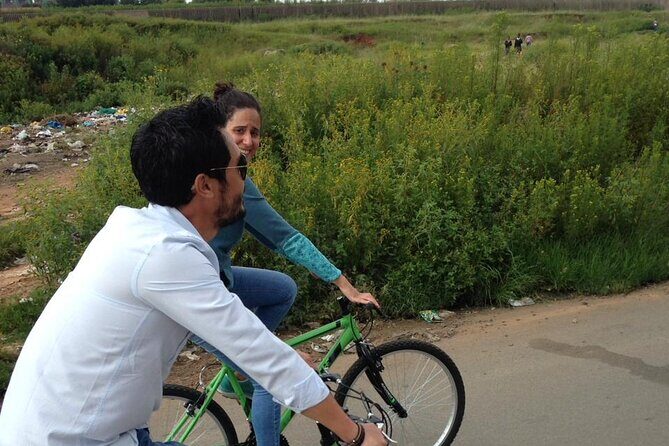
After the museum stop, the ride doesn’t turn into a long sightseeing blur. The guide connects what you see to what happened.
Orlando appears in the route as a reference point—along with landmarks like the Orlando Soccer Stadium and Orlando Towers—so you can orient yourself in a place with both cultural and political significance.
One highlight is the attention to schools and student action. The tour specifically calls out the Orlando West High School and commentary about the 1976 student uprisings. If you know almost nothing about that period, this kind of focused explanation helps you understand why schools were so central to the struggle.
A good guide will pace the story like this: event first, then place, then the human impact. You get the chance to ask questions when the guide slows down at key points.
Just don’t expect this to be a “facts only” ride. The tone is meant to be personal and emotional, since the events and people involved are not abstract.


Mandela, Winnie Mandela, Tutu: Seeing Names on the Map
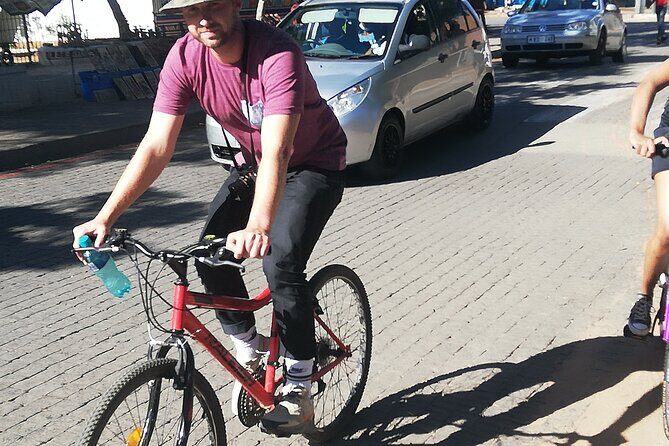
One reason people book Soweto is for the Nobel-prize names they’ve heard before. This tour makes those names tangible.
You cycle past the former homes linked to Nelson Mandela, and the tour also includes the area connected to Winnie Mandela and Archbishop Desmond Tutu. The guide’s commentary ties the people to the places as you move through the neighborhood.
In reviews, travelers specifically mention stops and sightlines tied to Nelson Mandela’s home and Desmond Tutu’s home, plus references to the Soweto stacks. Even if you’ve seen photos online, seeing them from street level changes how you remember them.
And one detail that stands out in reviews: the tour may include stepping off the bikes for a guided walk through narrow alleyways of the township. For some departures, there’s even time to enter a local resident’s home and meet the family. If that’s part of your day, it turns the trip from “tourist route” into actual human connection.
It’s also why a guide matters. They’re the difference between a photo stop and understanding what you’re looking at.
Bikes, Helmets, and Pace: What You Should Expect Physically
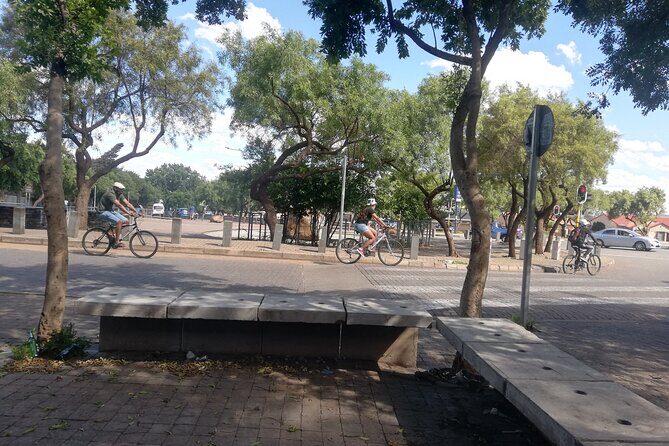
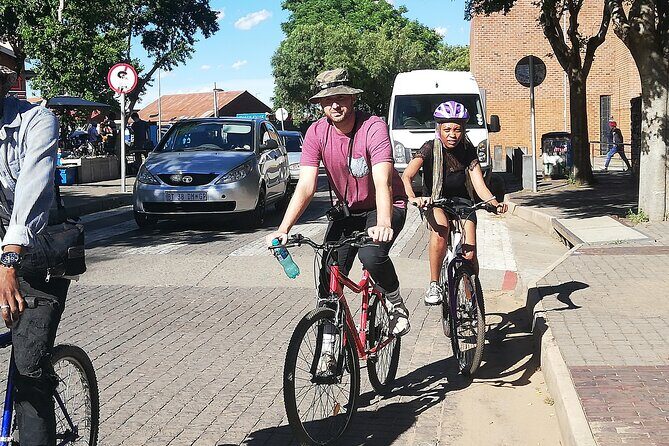
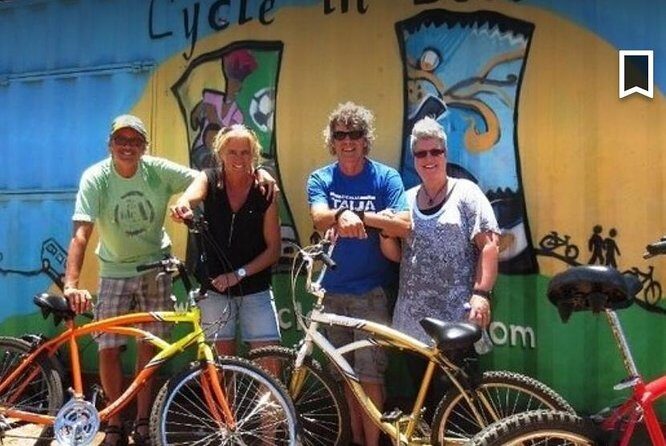
You’ll be given a bicycle and helmet, and bottled water is included. That’s the baseline comfort.
In terms of how hard it is: the tour notes that most travelers can participate. Still, you should assume you’ll be riding through streets with varying surfaces and making short stops. You’ll likely want decent walking shoes for any on-foot segments.
Now the honest part: a couple of reviews raised concerns that bike condition wasn’t ideal—things like not being in great working order and comments about possible pressure related to local wares. That doesn’t erase the educational value of the guide, but it does mean you should check your bike at the start.
When you arrive, do a quick practical check:
- Helmet fits securely
- Brakes feel responsive
- Seat height is comfortable
If anything feels off, say so early. You’ll get a better fix if you speak up at the beginning rather than after you’re already cycling.
What You’ll Learn: Facts, Stories, and How the Guide Builds Meaning
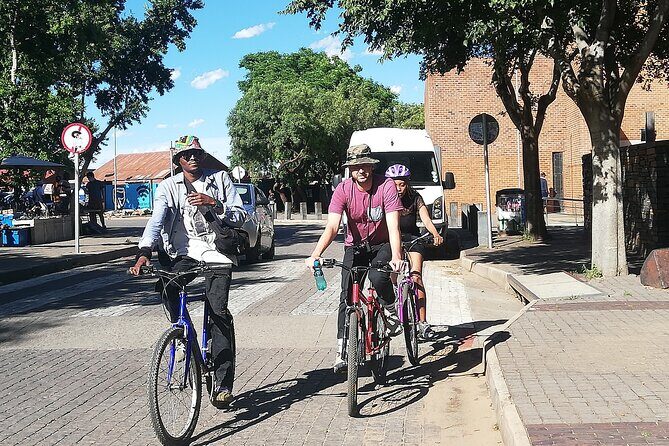
The tour is built around explanation, not just movement. The guide shares stories about South Africa’s Apartheid history as you cycle past key homes and landmarks.
The best reviews call out guides like MK, described as an amazing host with real passion and emotion. That’s exactly what you want here: a guide who can connect names to events and events to real places.
One review also mentioned that MK asked about personal interests and tailored the ride/tour accordingly. That’s a small detail, but it’s a big deal for value. If the guide adjusts the route focus—more on a school story versus more on a Mandela/Tutu story—you’ll feel like the time is truly yours.
Also, expect a mix of museum-based context and street-level interpretation. The route isn’t just “look at buildings.” It’s a guided explanation of why those buildings and streets matter.
Best For: Who Should Book This Soweto Bike Tour
I think this is a great fit if you want three things:
- A fast way to cover top sights without feeling lost
- Context on Apartheid history and the 1976 student uprisings
- A more active pace than standing around in a bus window
You’ll probably enjoy it most if you like guided storytelling and you’re okay with a short ride that includes stops for explanations and possibly a walk through alleys.
It’s also a solid choice for first-time Johannesburg visitors who want to do Soweto in one organized block rather than piecing it together yourself.
If you prefer slow, self-paced travel with lots of free time, you might find three hours a little tight. But if you want an efficient overview with a guide’s direction, this hits the sweet spot.
Possible Watch-Outs Based on Past Guest Experiences
No tour is perfect, and this one comes with a few flags worth taking seriously—without letting them scare you away.
First: bike condition. Some reviews say bikes need updating or weren’t working well. You can reduce risk by doing that quick bike check immediately on pickup.
Second: pickup timing. One review mentioned a pickup being late and an Uber driver being used as a fallback. That’s not something you can control, but you can stay ready with a bit of flexibility.
Third: guide pay and partner arrangements. A review complained about guides receiving a small share of the payment. The tour provider response in that case suggested they handle bike arrangements from their shop and guide sends were handled through their process. Since those payment details aren’t fully described for every booking, I’d treat this as a “ask questions if it matters to you” item, not a confirmed issue for every day.
If you’re budget-sensitive, these are important notes. Still, the overall rating is strong, and the majority of feedback emphasizes education, emotion, and seeing major landmarks on a bike.
Should You Book This Soweto Bicycle Tour?
I’d book it if your priority is a guided, efficient Soweto overview with meaningful context. The combination of transport, entrance fees, bike and helmet, water, and a guide within about three hours is a solid package for the price.
I would hesitate only if:
- you’re extremely sensitive to timing changes and waiting
- you need top-notch bike condition as a non-negotiable
- you want maximum independence and minimal structure
For most people, this tour offers a smart balance: active travel, important history, and the convenience of not having to figure out the route yourself.
If you do book, come ready to move, check your bike on arrival, and give the guide a chance to shape the story. In Soweto, that context is the whole point.
FAQ
How long is the bicycle tour in Soweto?
The tour lasts about 3 hours.
Does the tour include transportation to and from Soweto?
Yes. Round-trip transportation to Soweto is included.
Are bicycles and helmets provided?
Yes. The tour includes the bicycle tour and a helmet.
What’s included besides the guide and bike?
Water is included, as well as the entrance fee (admission is included). Round-trip transportation is also included.
Where does the tour stop first?
The first stop is the Hector Pieterson Museum and Memorial.
Is the tour private?
Yes. Only your group will participate.
Can I cancel for a full refund?
Yes. You can cancel up to 24 hours in advance for a full refund.